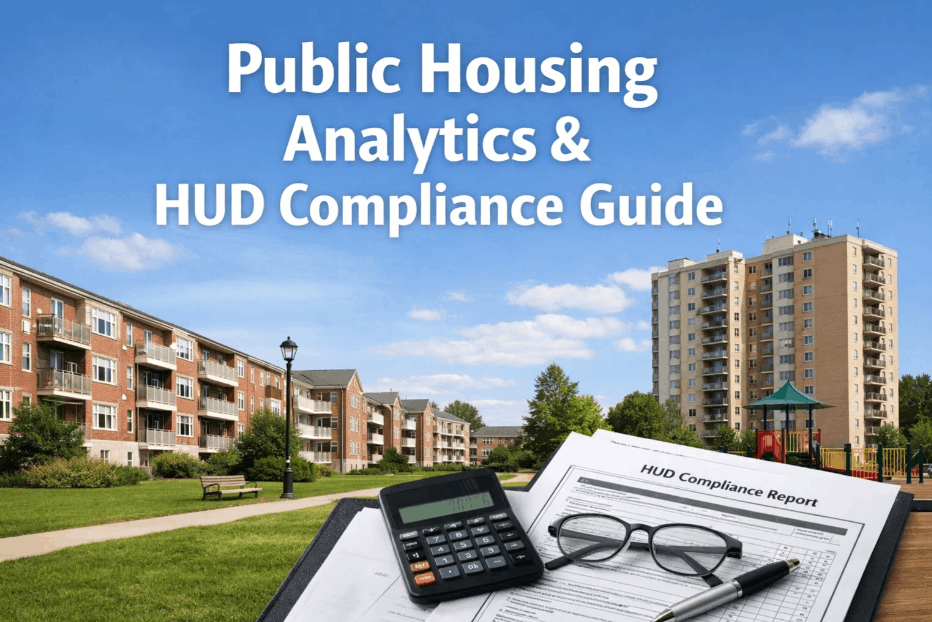
Public housing analytics is fundamentally redefining how municipal housing authorities Manage HUD compliance, preserve affordable housing stock, and protect tenant safety. Effectively navigating the complex intersection of REAC inspection standards, mandatory SEMAP/PHAS reporting, and aging infrastructure requires a shift from reactive paper-based management to a unified, data-driven intelligence platform. By synchronizing unit turnover logs, capital improvement schedules, and real-time utility telemetry, PHAs can eliminate the manual data silos that invite audit failures and operational bottlenecks. Modern housing authority analytics don't just record history—they predict the specific maintenance trajectories that secure higher REAC scores and extend the lifecycle of public housing assets. Book a HUD Compliance Session to explore how iFactory's housing platform automates your NSPIRE and REAC preparation cycles.
Automate HUD Compliance & Improve REAC Scores
Leverage advanced public housing analytics to monitor unit conditions in real-time, optimize capital improvement funds, and ensure 100% audit readiness across your entire housing portfolio.
Why HUD Compliance Demands Predictive Analytics
The transition from traditional UPCS standards to the new NSPIRE protocol represents the most significant shift in HUD inspection history. Public housing management is no longer just about maintaining a roof; it's about the verifiable performance of every life-safety system, electrical distribution point, and environmental control within a housing complex. Without a dedicated housing analytics program, agencies are forced into expensive, high-stress "REAC Chasing"—the practice of deploying emergency contractors only when an inspection is looming. Integrating an AI-driven housing dashboard allows PHAs to identify deteriorating conditions in real-time, converting the continuous stream of work orders and tenant requests into a proactive hazard identification system that satisfies HUD safe-living standards automatically.
Public Housing Analytics: The 6 Compliance Pillars
Total portfolio tracking expands beyond basic occupancy metrics. By monitoring the complex interaction between asset health and regulatory requirements, the AI platform guarantees absolute operational transparency from the unit level to the HUD reporting hub.
REAC & NSPIRE Inspection Analytics
Continuously maps unit condition data against weighted HUD scoring algorithms. Identifies the specific defects that drive the highest point deductions—allowing PHAs to prioritize repairs that deliver the greatest REAC score lift.
Maximized Inspection ReadinessDynamic Unit Turnover (Make-Ready) Tracking
Analyzes bottleneck data in the turnover process—from inspection to final occupancy. AI optimizes vendor scheduling and material procurement to ensure units are made ready faster, protecting essential subsidy revenue.
40% Accelerated TurnoverCapital Fund Program (CFP) Optimization
Fuses asset lifecycle data with HUD funding cycles. Digital twins for building envelopes, roofs, and HVAC systems generate data-backed evidence for multi-year capital plans and HUD Five-Year Action Plan submissions.
Defensible Budget PrioritiesLife-Safety & Security Monitoring
Integrates smart fire alarms, carbon monoxide detectors, and access control telemetry into a unified safety grid. Ensures that life-safety-critical systems are 100% operational, as required by HUD's uncompromising health and safety mandates.
24/7 Safety AssuranceEnergy & Water Efficiency Analytics
Monitors master-metered utility feeds to identify hidden leaks and heating system inefficiencies. AI correlates weather patterns with energy consumption to optimize central plant performance and satisfy HUD green-initiative reporting.
Lower Operational Overheadtenant safety & emergency management
Tracks emergency work order response times across the portfolio. AI identifies recurring environmental hazards like mold or moisture intrusion before they escalate into high-cost remediations or legal liability issues.
Minimized Liability RiskThe AI-Driven Housing Compliance Workflow
Tracking public housing performance requires seamless integration between property management software and field-level sensor data. Book a compliance review to see how iFactory bridges the gap between Yardi/MRI and HUD reporting.
Property Management Data Ingestion
The platform absorbs work order history, inspection logs, and tenant requests from your existing property management systems, creating a clean, structured baseline of all historical asset events.
Unified Data FoundationREAC Scoring Layer Calibration
Every detected maintenance event is automatically scored against current HUD NSPIRE and REAC point-loss matrices, identifying the specific units and buildings that represent the highest risk to your portfolio score.
Instant Compliance VisibilityPredictive Maintenance Routing
Instead of waiting for an inspection notice, the AI dispatches preemptive work orders for the high-consequence defects that matter most to HUD—ensuring safety compliance and score protection 365 days a year.
Active Portfolio ProtectionAutomated HUD Dashboard Reporting
One-click generation of SEMAP, PHAS, and capital fund documentation. The platform provides the objective evidence required for successful HUD audits and federal capital grant applications.
Zero-Touch Audit PrepHousing Authority Analytical Sophistication
Many housing authorities suffer from data fragmentation—relying on disconnected logbooks and spreadsheets that hide operational risks. Contact our HUD experts to learn how to bridge the reporting gap.
Manual Compliance Management
Work orders are recorded in physical logbooks or disconnected spreadsheets. Compliance is managed reactively, typically only in the weeks leading up to a REAC inspection. Data is inconsistent across different developments.
Digital Record Keeping
Adoption of digital property management software allows for basic work order tracking. However, data is still used primarily for history recording rather than forward-looking predictive maintenance decisions.
Integrated Reporting Dashboards
Centralized dashboards pull data from multiple developments to provide a portfolio-wide view of occupancy and maintenance. REAC prep begins several months in advance based on historical inspection patterns.
AI-Driven Housing Mastery
The ultimate unified state. Machine learning binds unit telemetry directly to HUD scoring matrices. The agency runs fully optimized for hazard prevention, audit readiness, and maximized capital efficiency.
Integration Enablers for Modern Housing Management
True visibility across thousands of units requires processing massive datasets from disparate sources. See exactly how our gateways capture these feeds by contacting our HUD implementation specialists.
| Source Integration Layer | Application in Public Housing | Analytical Output |
|---|---|---|
| Property Management APIs | Integrating Yardi, MRI, or specialized PHA software | Portfolio-wide maintenance and occupancy visibility |
| Smart Environmental Sensors | Unit-level monitoring for moisture, gas, and smoke | Real-time hazmat identification and safety alerts |
| IoT Utility Metering | Master or unit-level water and energy monitoring | Identifies leak patterns and heating system fault drift |
| Field Inspection Mobile Units | Digital capture of pre-REAC assessment data | Predictive point-loss scoring and correction routing |
Maintaining Safe Living Standards Automatically
A failure in a public housing life-safety system—a broken alarm, blocked egress, or compromised fire door—is a non-negotiable compliance risk. Analytics platforms treat safety as a continuous metric rather than a periodic check.
NSPIRE Life-Safety Tracking
Prioritizes emergency work orders for smoke detectors, fire suppression, and carbon monoxide alarms based on HUD's most critical deficiency categories. Ensures 100% operational status for every high-risk asset.
Unwavering Tenant ProtectionEnvironmental Health Compliance
Uses moisture and humidity telemetry to identify "Silent Leaks" before they generate mold hazards. Proactive environmental monitoring satisfies the heavy documentation requirements of the newest HUD health standards.
Eliminate Mold Liability CasesAutomated Correction Audits
When a critical hazard is detected, the platform creates an unbreakable audit trail from identification to correction. This documented "Speed of Response" is a vital metric in secure SEMAP/PHAS high-performer ratings.
Verified Compliance Outcomes12-Month Housing Performance Improvement Progress
Public housing management is an efficiency game. Improving the speed of turnovers and the accuracy of inspections translates immediately into subsidy retention and better living standards. Observe the direct operational progression over one year. Calculate your specific ROI here.
Specialized Management Modules
Unlike general property software, public housing analytics focuses intensely on HUD scoring weights, regulatory timelines, and federal fund accountability.
Family & Multi-Unit Developments
Fuses unit-level NSPIRE scores, high-cycle equipment telemetry, and safety access logs to protect large-scale housing communities from rapid physical deterioration.
Senior & Disabled Living Facilities
Achieving precise accessibility standard monitoring (UFAS/ADA). Intensive focus on elevator availability, mobility hazard identification, and climate system reliability for vulnerable populations.
Scattered Site Portfolios
Optimizes logistics for maintenance crews spread across wide geographical areas. Uses predictive routing to ensure scattered assets receive consistent compliance attention as centralized campuses.
Administrative & Central Systems
Centralizing the digital reporting hub for SEMAP/PHAS submissions. Provides executive-level visibility into HUD funding utilization and agency-wide rating performance.
The Financial Case for Housing Data Intelligence
Every point on a REAC score and every day saved in a turnover commands significant fiscal value. Converting operational friction directly into agency efficiency yields verified financial uplifts.
Vacancy Loss Minimization
Accelerating the make-ready process by optimizing work crews and supply chains immediately increases primary rental subsidy revenue and reduces local housing waiting lists.
Subsidy Protection
Automated compliance tracking saves PHAs from the catastrophic financial penalties and administrative receivership risks that follow sustained low-performance HUD ratings.
Capital Funding Uplift
Generating sensor-backed asset condition evidence entirely negates the challenges of securing federal capital funds, allowing agencies to win larger grants with data-justified justifications.
Operational Cost Recovery
Using IoT metering to stop silent leaks and inefficient heating cycles permits agencies to recover thousands in utility overspend that previously eroded maintenance budgets.
What Housing Directors Are Saying
"Before adopting public housing analytics, REAC prep was a three-month period of absolute chaos. We were guessing which units had the worst defects. Once we integrated HUD scoring weights directly into our dashboards, we instantly saw that 60% of our risk was concentrated in three specific building systems. We corrected the issues, achieved our first 90+ score in a decade, and finally feel in control of our HUD compliance."
Frequently Asked Questions: Public Housing Analytics
Will this platform replace our Yardi or MRI property management system?
No. Our analytics layer sits on top of your existing property management software, pulling raw data via API to add a sophisticated AI lens for HUD scoring, predictive maintenance, and REAC preparation that standard systems don't provide natively.
How does the platform handle the new HUD NSPIRE inspection standards?
The AI core is fully updated with the newest NSPIRE defect categories and weighting. It automatically re-calculates your portfolio risk as HUD updates its standards, ensuring you are always pre-scoring against the current regulatory baseline.
How quickly can we see an improvement in our REAC scores?
Most agencies see immediate score lift within the first assessment cycle. By prioritizing repairs based on mathematical point-loss probability rather than random sequencing, maintenance teams can resolve the highest-impact defects in the first 60–90 days.
Can AI monitor tenant safety and emergency response times?
Absolutely. The platform tracks emergency work order resolution in real-time, mapping response speeds against HUD mandatory timelines. This data is critical for SEMAP high-performer ratings and local governance transparency. Book a portfolio review.
Master HUD Compliance at Every Level
Eliminate scoring anxiety, accelerate unit make-ready times, and protect your housing subsidy by mobilizing massive data across your entire development portfolio.