Every lease that doesn't renew costs $3,500 to $8,000 in vacancy days, marketing, make-ready repairs, and leasing commissions — and 31% of tenants who leave name slow maintenance as the reason. iFactory Proactive Property Analytics links every work order, PM cycle, and tenant survey to retention outcomes, so renewals stop being a surprise. Book a demo to see how proactive operators lift renewal rates by 18%+ and protect NOI from turnover bleed.
Stop Replacing Tenants.
Start Renewing Them.
Every turnover costs thousands and weeks of vacancy. Proactive maintenance turns reactive maintenance complaints into renewal signals — and protects NOI from preventable churn.
What a Single Lost Tenant Actually Costs
"Turnover cost" sounds like a budget line. In practice, it's a compounding problem: every move-out triggers four parallel cost streams — vacancy, repair, marketing, and leasing labor. Most operators only count the first one.
The Top Five Reasons for Non-Renewal — Ranked
Surveys of departing tenants consistently surface the same five drivers — and the top three are all maintenance-related. The data isn't ambiguous: operations quality, not rent, drives most retention decisions.
Slow Maintenance Response
Tenants who wait days for repairs lose trust in management — and start looking before their lease ends. The leading cause of non-renewal across asset classes.
Poor Communication
Unanswered requests, no status updates, surprise charges. Tenants who feel ignored disengage well before the renewal conversation starts.
Building Condition Decline
Common areas, fixtures, and amenities visibly deteriorating signals a property in decline. Tenants leave before the rest of the building gets worse.
Rent Increase Without Value
Rate hikes feel reasonable when service is strong. They feel punitive when maintenance has been spotty — pushing tenants to the market.
Life-Stage Changes
Job relocation, family changes, downsizing. The only category outside operator control — but it's smaller than maintenance complaints combined.
Renewals Are Decided Months Before You Ask
By the time you send a renewal offer, the tenant has already decided. The lease cycle is just the formal moment. Retention strategy starts on move-in day and compounds with every maintenance interaction.
Move-In Experience Sets the Baseline
Clean unit, working fixtures, fast first-request response. The first 30 days lock in tenant expectations for the entire lease.
Trust Builds (or Erodes) With Each Request
Every work order is a renewal signal. Fast acknowledgment, status updates, and clean closeout add equity. Slow or missed requests subtract.
The Silent Decision Window
Tenants begin shopping competitors without telling management. Property condition, amenities, and accumulated service quality drive their comparison.
Renewal Offer Lands
Most operators reach out here for the first time. By now, the decision is largely made — only modest incentives can shift it.
Renewal or Notice
The outcome reflects 11 months of operational performance. Last-minute discounts rarely overcome accumulated frustration.
See How Your Portfolio's Maintenance Data Predicts Tenant Renewals
In a 30-minute walkthrough, our team shows how iFactory connects every work order, response time, and tenant survey to renewal outcomes — so you can predict and prevent churn before notice goes out.
Two Operating Models, Two Renewal Outcomes
The difference between properties with 80% renewal rates and those with 55% isn't market — it's operating discipline. Side by side, the gap is obvious.
Fix When Broken
Prevent Before Notice
Five Proactive Strategies That Lift Renewal Rates
Retention isn't one big change — it's five disciplined operational habits applied consistently. Each strategy compounds the next, and together they shift renewal rates by 15–25 points within a year.
Sub-Hour Acknowledgment
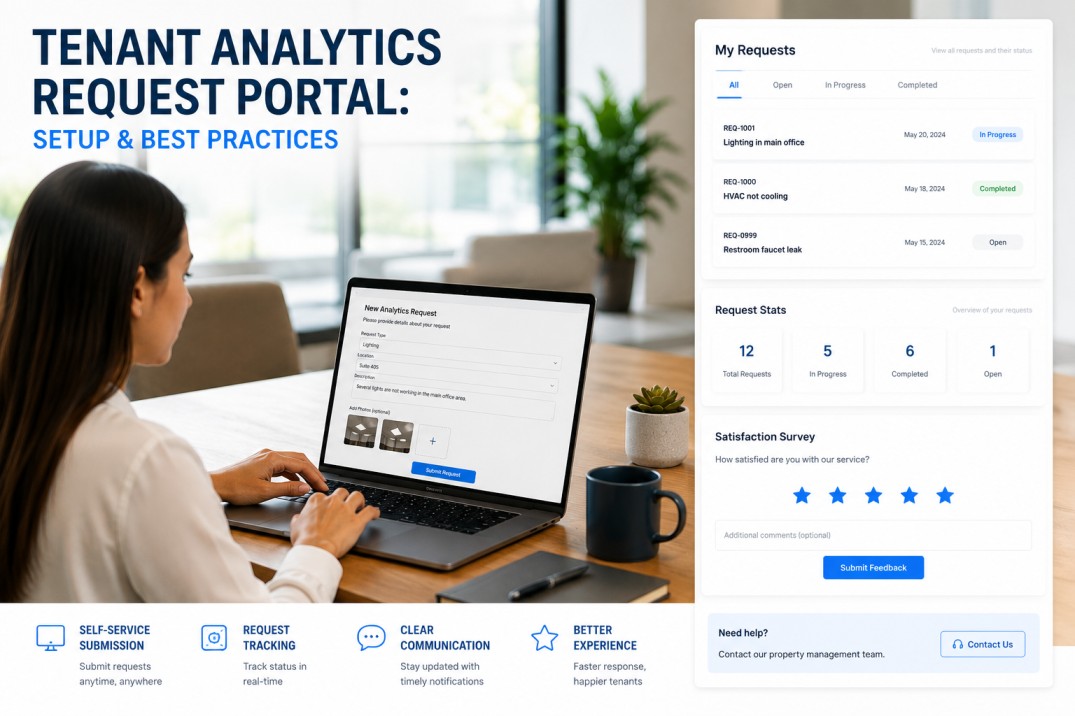
Every tenant request gets an automated acknowledgment within 60 minutes — even when actual dispatch will take longer. Visibility matters as much as speed.
PM Compliance Above 95%
Scheduled preventive maintenance prevents the breakdowns tenants experience as emergencies. The fewer emergencies they live through, the more they renew.
Post-Request Surveys
A one-tap CSAT survey after every completed work order creates a live satisfaction signal — and surfaces at-risk tenants months before notice would arrive.
Proactive Renewal Outreach
Start the renewal conversation at month 6, not month 11. Reference maintenance responsiveness and recent improvements as proof of value before discussing rent.
Visible Improvements
Capital upgrades — lobby refresh, lighting, amenity refurbishment — should be communicated to tenants. Improvements they don't notice don't earn renewal credit.
Frequently Asked Questions
How quickly can a property see renewal rates improve from proactive maintenance?
Measurable satisfaction lifts typically appear in 60–90 days; renewal rate improvements follow within one full lease cycle. The fastest wins come from automating tenant communication and tightening response time SLAs — both can deploy in weeks and immediately impact CSAT trends.
What's a healthy tenant renewal rate target for commercial and residential portfolios?
For residential multifamily, world-class portfolios target 65–75% gross renewal rate. For Class-A commercial office, 80–90% is achievable with proactive operations. Industrial and retail vary by market. The trend matters more than the absolute number — a portfolio moving from 60% to 70% renewal lifts NOI meaningfully even before any rent growth.
How do you identify at-risk tenants before they give notice?
Three signals predict churn 60–90 days early: declining post-WO CSAT scores, increasing request frequency on the same asset, and unanswered renewal communication. iFactory dashboards aggregate these into a retention risk score per unit, so property managers can intervene with targeted outreach before notice arrives.
Does proactive maintenance really cost less than reactive maintenance?
Yes. Reactive emergency repairs cost roughly 4.8× more than scheduled preventive work — and that's before accounting for tenant churn caused by repeated breakdowns. The math favors proactive even in the maintenance budget alone; once retention savings are added, the gap widens dramatically.
What's the single highest-impact change a property can make this quarter?
Automated tenant status notifications. Tenants who receive proactive updates at every milestone — received, assigned, en route, completed — rate satisfaction 30%+ higher than those who only hear back after asking. It's the cheapest, fastest improvement and the one tenants notice immediately.
Turn Maintenance Into Your Strongest Retention Asset
Stop losing tenants to preventable problems. Connect every work order, PM cycle, and survey to renewal outcomes — and protect the rent roll you've already earned.



.png)