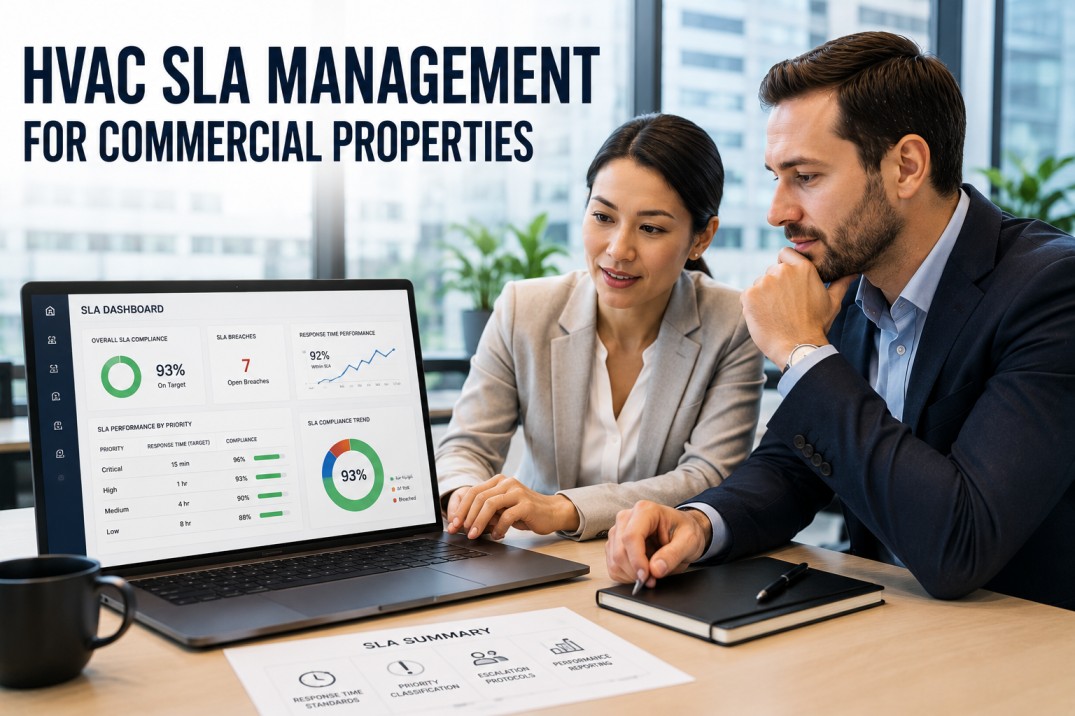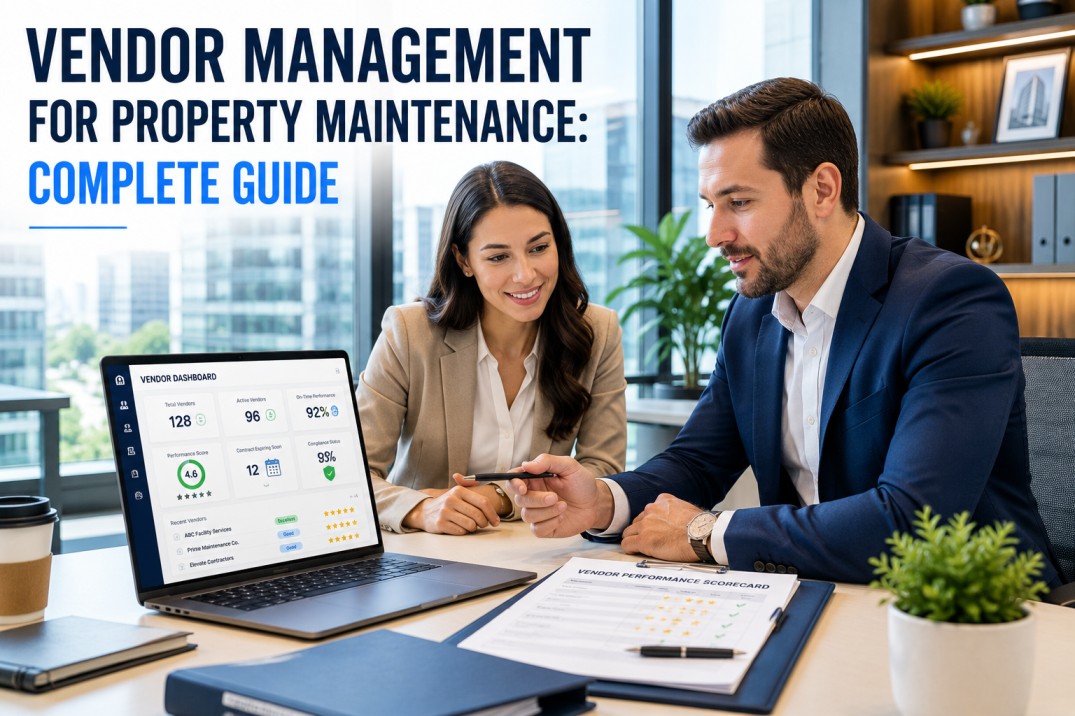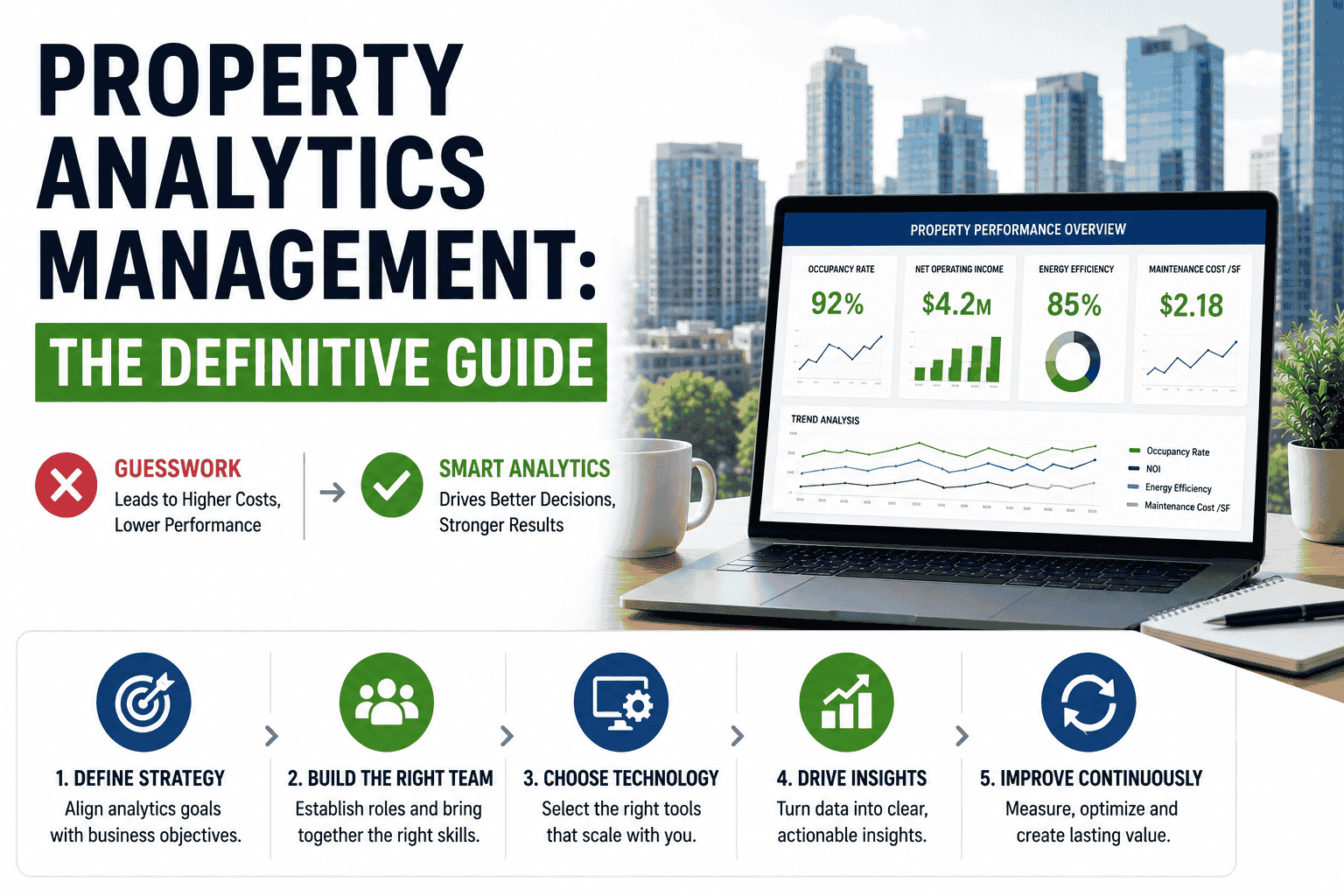
In the modern commercial real estate market, tenant retention is no longer driven solely by location—it is driven by operational responsiveness. As office towers and retail centers transition into "service-first" environments, the speed at which a property management team responds to building data determines the long-term satisfaction of its occupants. When an HVAC variance occurs or an elevator shows a vibration anomaly, tenants expect resolution before they even notice a disruption. iFactory's predictive analytics platform compresses the "Detection-to-Resolution" cycle, ensuring that mechanical issues are handled proactively. Book a demo to see how faster data response directly translates into higher lease renewal rates.
Faster Response. Higher Retention. Better Yield.
Bridge the gap between building data and tenant satisfaction. Deploy iFactory's automated alert system to resolve issues before they become tenant complaints.
The Psychology of Speed: Why Analytics Response Time Dictates Tenant Trust
For a corporate tenant, a building's quality isn't just about the lobby's aesthetic; it's about the reliability of the infrastructure. When building systems fail, it disrupts their business operations and employee productivity. By utilizing a smart building analytics platform, property managers can move from a "Complaint-Driven" model to an "Alert-Driven" model. This transparency builds a culture of trust. When a tenant sees that a temperature spike was identified and corrected within 15 minutes—often before the office warmed up—the perceived value of the property increases significantly. Property directors who book a demo with iFactory find that data speed is the most undervalued asset in their retention strategy.
Proactive Issue Detection
Identify mechanical drifting and sensor anomalies before they lead to system failure. Resolve issues in the background without tenant disruption.
Transparent Data Sharing
Give tenants live visibility into Indoor Air Quality (IAQ) and energy efficiency. Knowledge builds comfort and validates their ESG goals.
Automated Feedback Loops
Automatically trigger satisfaction surveys the moment a predicted maintenance work order is completed. Capture sentiment while it's fresh.
Escalation Intelligence
Ensure that critical building health alerts never sit in an inbox. iFactory's AI escalates unresolved anomalies to site leads automatically.
Quantifying the Impact: Response Time vs. Net Promoter Score (NPS)
There is a direct mathematical correlation between the time it takes to resolve a building health issue and the resulting tenant Net Promoter Score. Our data shows that for every hour an issue remains unresolved beyond the first "Golden Hour," tenant satisfaction drops by 12%. Conversely, proactive resolution—fixing an issue before a tenant notices—results in the highest retention scores ever recorded in the industry.
The Financial Case for Fast Response: Cost of Churn vs. Analytics Investment
Tenant turnover is one of the single largest expenses in commercial property management, with re-leasing costs, tenant improvements (TI), and vacancy periods easily exceeding $100,000 per suite. iFactory helps property managers protect this revenue by ensuring that the building experience remains flawless. A property with high-speed analytics response has a measurably higher valuation because its income stream is more stable. When you request a demo, we provide a churn-reduction calculator based on your current portfolio retention data.
— VP of Property Management, Regional Office Portfolio
Tenant Satisfaction & Analytics Response — Frequently Asked Questions
How does faster data analysis directly improve tenant retention?
Faster analysis allows for proactive fixes. When a tenant experiences consistently perfect air quality and lighting without having to ever open a ticket, they view the building as "high-value." Reliability is the number one driver of commercial lease renewals.
What is considered a "Good" response time for commercial building alerts?
In 2026, the benchmark for "Exceptional" is resolution within 1 hour. Any mechanical anomaly that persists for more than 4 hours without communication to the tenant begins to negatively impact their satisfaction scores.
Should we share our building health dashboards with tenants?
Yes. Sharing anonymized data on air quality, energy efficiency, and cleaning frequency builds massive trust. It demonstrates that the property manager is actively investing in the tenant's health and well-being.
Can AI help communicate issues to tenants more effectively?
Absolutely. iFactory's Copilot can draft instant status updates for tenants: "We noticed a slight variance in East Wing cooling and have already dispatched a technician. Expected fix: 30 mins." This transparency eliminates anxiety.
Does proactive response reduce the workload of our facility managers?
Counter-intuitively, yes. While it seems like "more work" to fix small things, it prevents massive emergency failures that take days of labor to repair and hours of tenant management to resolve.
How do you measure tenant satisfaction related to building performance?
We use a combination of Net Promoter Scores (NPS), maintenance survey scores, and lease renewal probability metrics, all correlated against the building's average resolution time data.
What happens if an AI-detected issue can't be fixed within the 'Golden Hour'?
Communication is key. Even if a fix takes 24 hours, notifying the tenant within the first hour that the issue has been detected and a plan is in place maintains trust. Silence is the primary driver of detention.
Turn Data Speed into a Competitive Advantage for Your Portfolio.
Stop losing tenants to building system failures. Deploy iFactory's predictive analytics and automated response platform to lead the market in tenant experience.