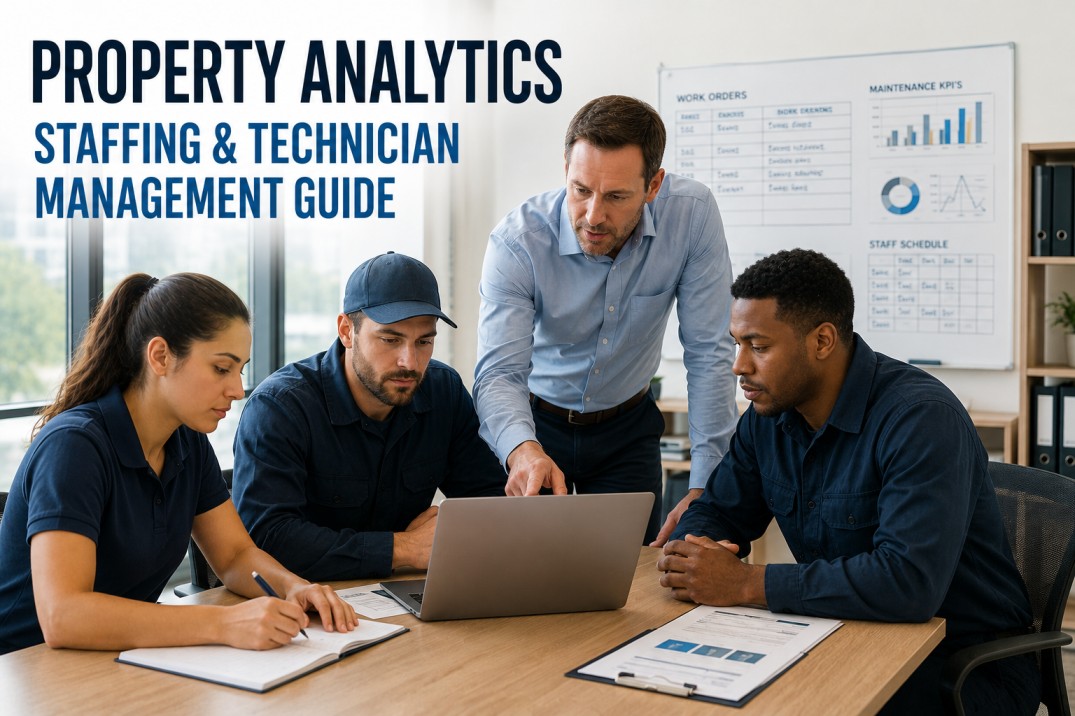
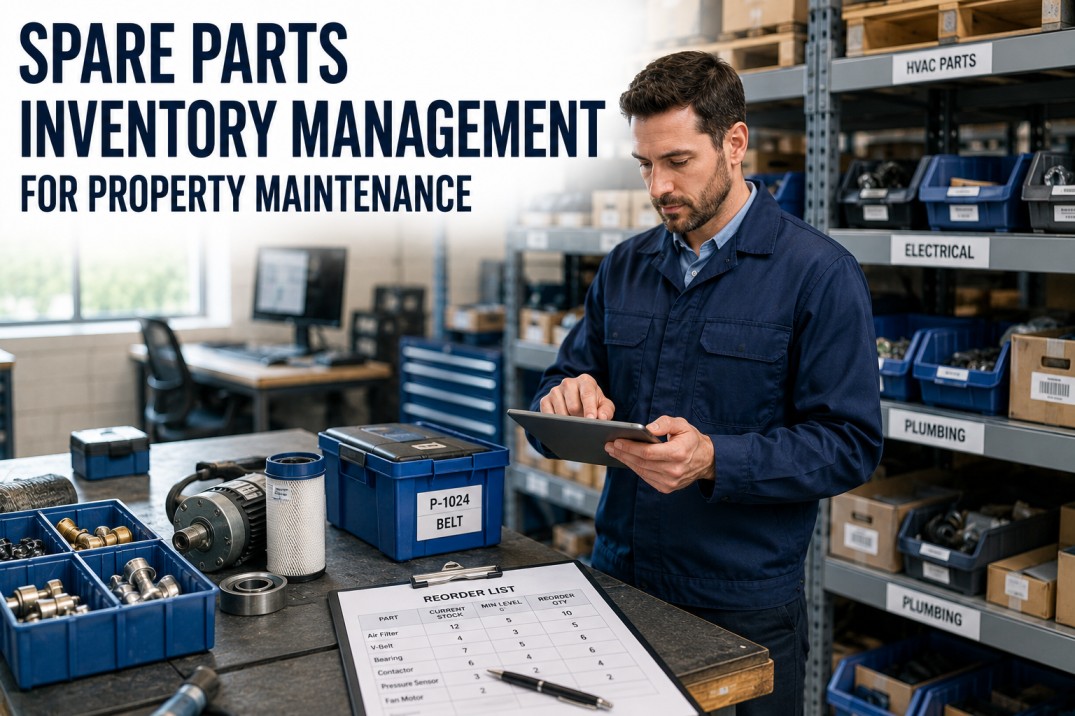
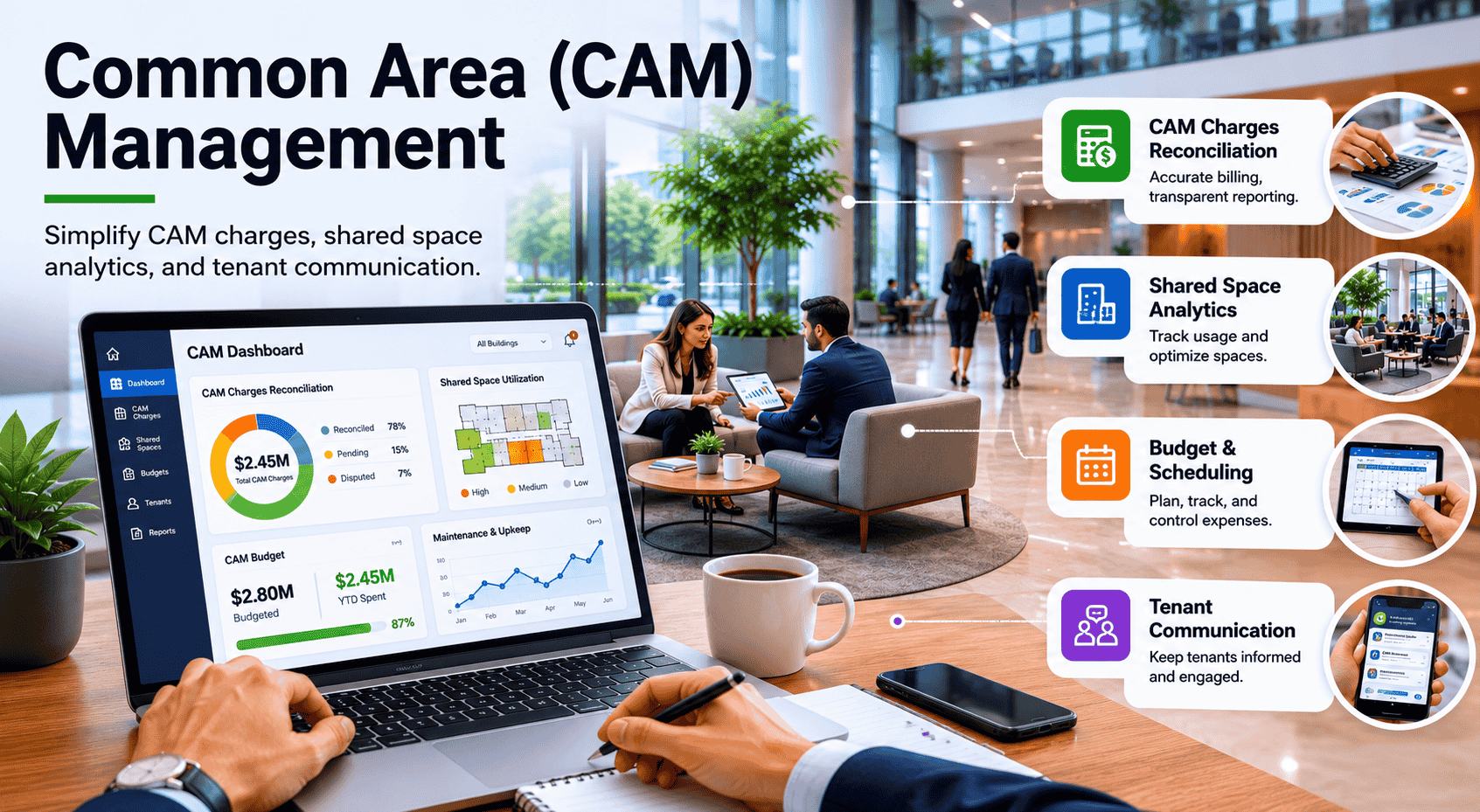
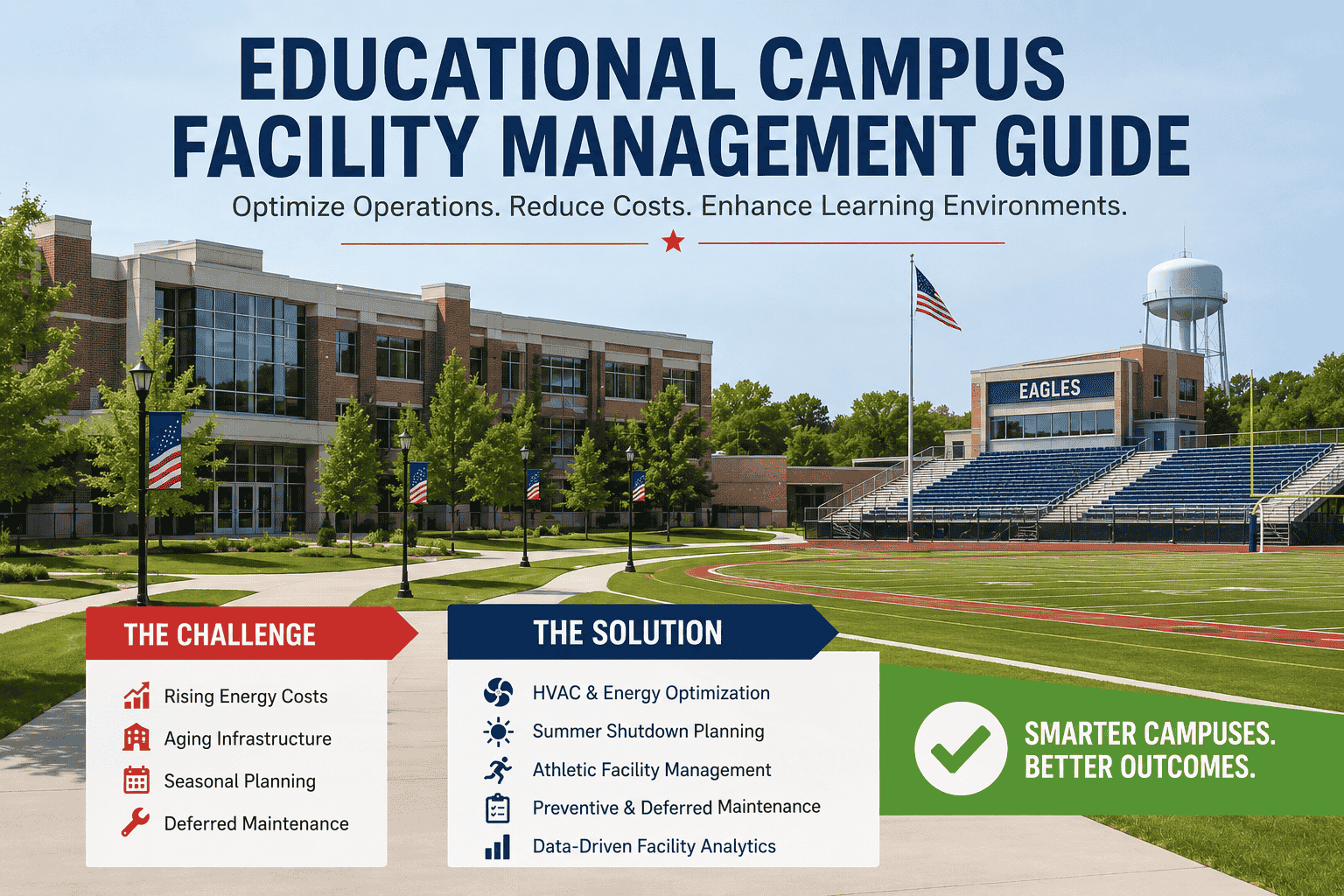
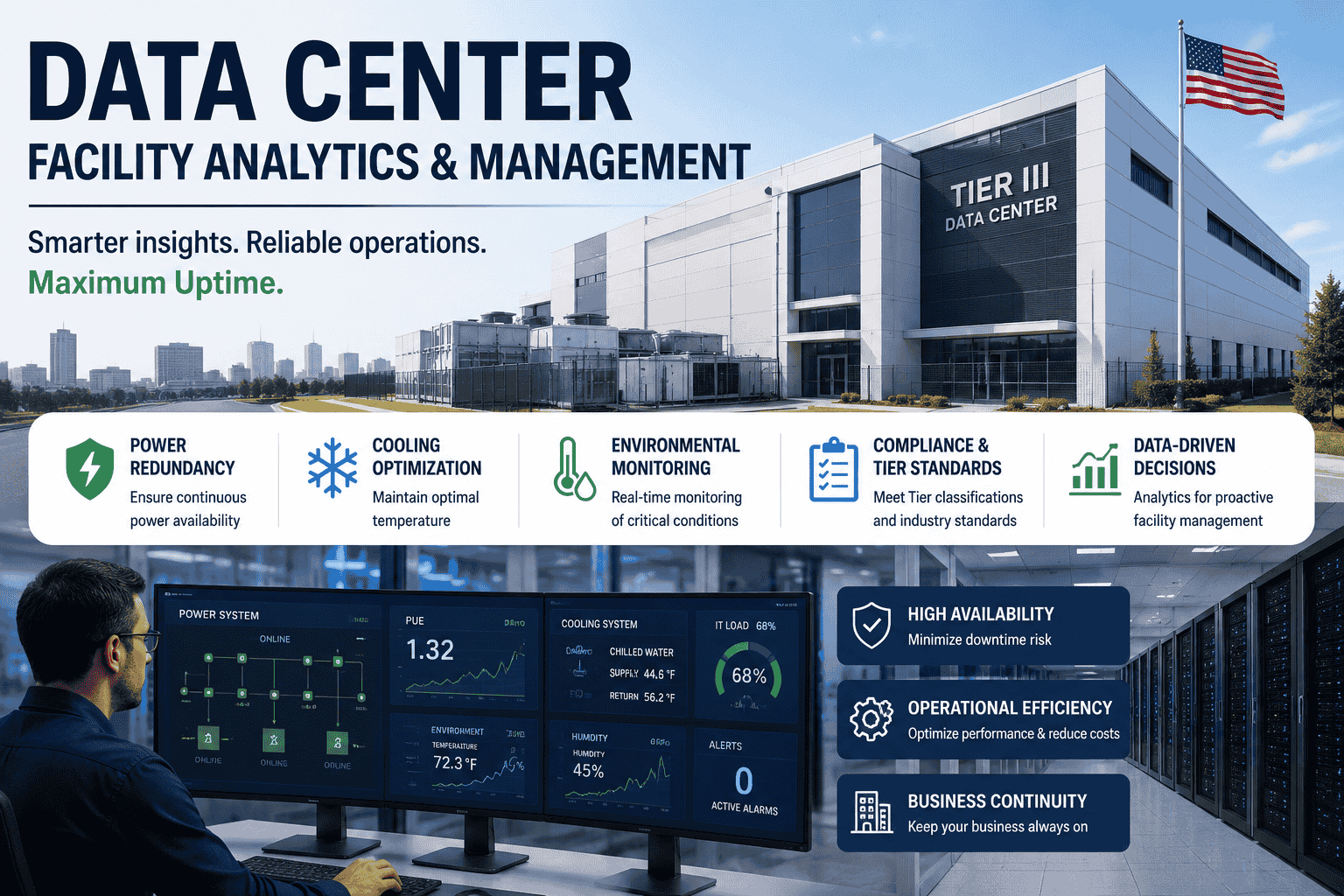
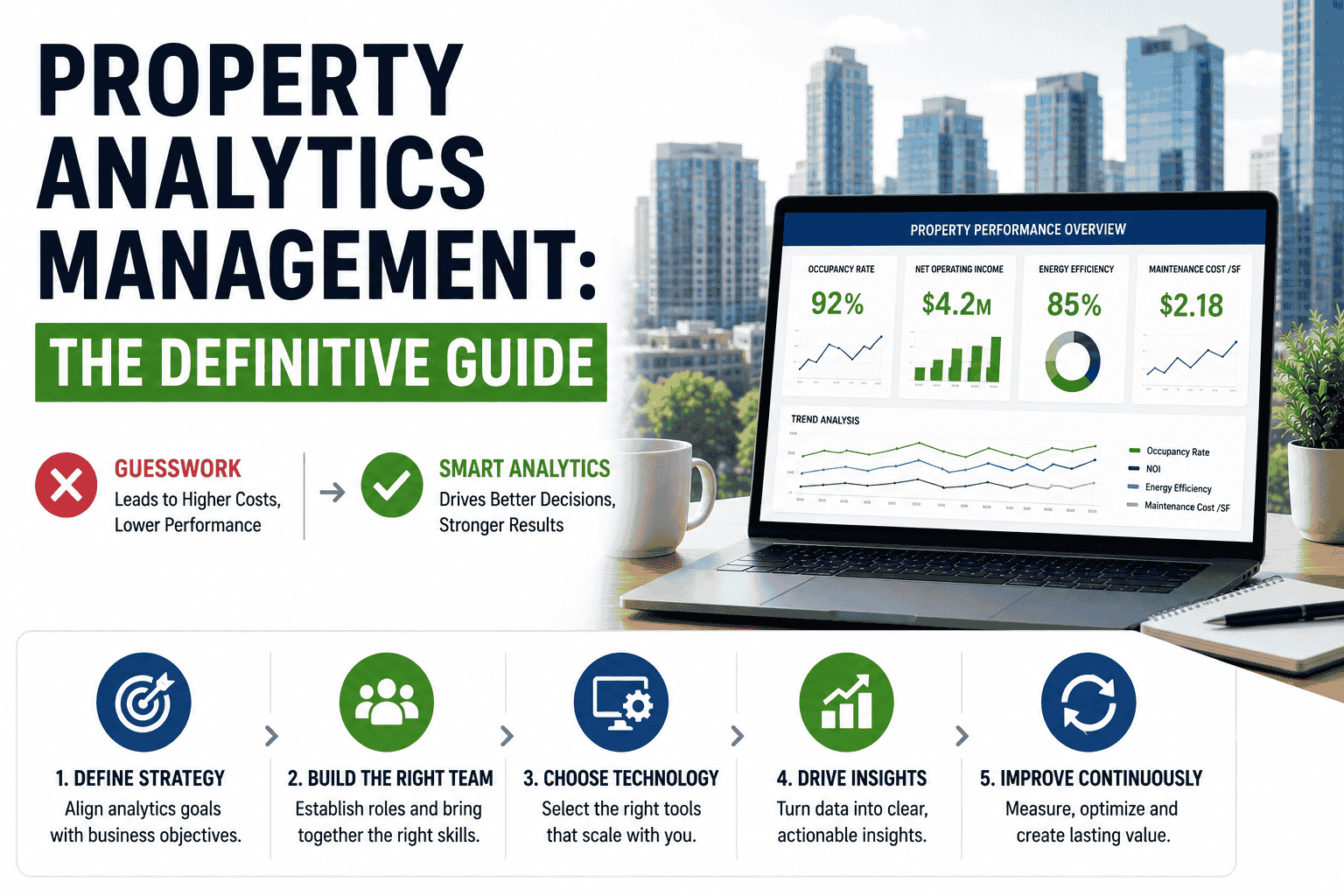
A shopping mall is a small city — anchor tenants, dozens of inline stores, food court, common areas, parking decks, restrooms, escalators, and HVAC plants serving hundreds of thousands of square feet. Every shopper who visits forms an impression based on cleanliness, climate, and operational polish. iFactory Retail Center Operations brings tenant-facing systems, common area maintenance, peak-season planning, and CAM cost transparency into one platform built for property managers running shopping malls and retail centers. Book a demo to walk through a complete retail center program.
Run Every Square Foot Like Customer Experience Depends on It
A practical guide to running maintenance operations across shopping malls and retail centers — covering common area maintenance, tenant coordination, peak season planning, and the customer-experience focus that separates thriving centers from declining ones.
Six Distinct Zones, Six Different Maintenance Programs
A shopping mall isn't one property — it's six different ones stitched together under a single roof. Each zone has its own assets, tenants, vendors, and risk profile. Treating them as one maintenance program is why so many retail centers feel uneven; treating them as six is how the best operators run them.
Anchor Stores
Department stores and big-box retailers with separate HVAC, often separate utility metering, and dedicated entrances. Maintenance coordination involves tenant agreements that predate the rest of the lease structure.
Common Areas & Concourse
The highest-visibility space in the mall — what shoppers see between stores. Cleanliness, lighting, climate, and presentation drive perceived quality of the entire property.
Food Court & Restaurants
Higher cleaning frequency, grease exhaust compliance, pest management, and shared utility infrastructure. The most maintenance-intensive zone per square foot in any retail center.
Parking & Exterior
The first impression — and the last. Lot sealcoating, line striping, pothole repair, lighting, signage, snow removal, and landscaping. Often the largest single CAM cost category.
Restrooms & Family Areas
Disproportionate influence on customer experience. A neglected restroom can drive away repeat visits more than almost any other issue. High cleaning frequency required during peak hours.
MEP Plant & Back-of-House
Central HVAC chiller plants, electrical distribution, fire safety systems, escalators, and elevators. Where the entire mall's reliability is determined — and where failure cascades the fastest.
The Two Operating Modes of a Retail Center
Retail maintenance lives in two distinct modes — the off-peak quieter months when work happens, and the peak season when maintenance must be invisible. Confusing the two is how managers end up trying to do major projects during Black Friday or skipping inspections during summer.
Heavy Lifting & Project Work
When parking lots get resealed, escalators get major overhauls, HVAC plant work happens, and capital projects move forward. Lower traffic creates the runway for invasive maintenance.
Invisible Maintenance & Rapid Response
Q4 holiday shopping plus Mother's Day, Back-to-School, and major sales events. Maintenance must be invisible — issues resolved before shoppers notice, traffic flows uninterrupted.
What Actually Drives Shoppers Away
Customer surveys consistently identify the same set of complaints across retail centers. Each one is a maintenance failure dressed up as a "perception" problem — and each compounds the next visit's likelihood. Knowing the list shapes priorities.
Dirty or Out-of-Order Restrooms
The single most powerful negative driver. Families with children, women shoppers, and senior visitors all cite restroom condition as a primary factor in choosing where to shop.
Burned-Out Lighting & Dim Concourses
Affects perceived safety, ability to see merchandise, and the overall sense that the property is being cared for. Single burned-out lamps make entire wings feel neglected.
Parking Lot Potholes & Faded Striping
The first thing every shopper experiences. Worn lots signal a property in decline — and faded stripes create real safety and traffic flow problems.
Climate Control Failures
Too hot in summer, too cold in winter. Shoppers leave faster, dwell time drops, and tenant sales suffer measurably. HVAC failures show up immediately in foot traffic patterns.
Broken Escalators & Elevators
Beyond the inconvenience, broken vertical transport creates accessibility issues that violate ADA requirements and create real customer service crisis points.
Visible Maintenance During Peak Hours
Ladders, signage, and active work zones during shopping hours signal poor planning. The goal isn't to hide maintenance — it's to schedule it when shoppers aren't watching.
See Every Zone, Every Tenant Request, Every Work Order in One Dashboard
Our team takes your mall layout, tenant roster, and current vendor contracts — and configures iFactory's retail center workflows so common area maintenance, tenant coordination, and CAM cost tracking all run from a single platform.
Where Common Area Maintenance Dollars Actually Go
CAM reconciliation is one of the highest-friction conversations between landlords and tenants. Understanding where the dollars are allocated — and being able to show it transparently — protects renewals, reduces disputes, and builds the kind of trust that defines healthy retail relationships.
| Category | Typical Share | Scope | Tenant Visibility |
|---|---|---|---|
| Common Area Cleaning | 22–28% | Concourse, restrooms, food court, porter service | Daily |
| HVAC Plant Operations | 18–24% | Chillers, boilers, AHUs serving common areas | Seasonal |
| Parking Lot Maintenance | 12–18% | Sweeping, striping, snow removal, sealcoating | Visible |
| Common Area Utilities | 12–16% | Electricity, water, gas for shared spaces | Monthly |
| Security & Surveillance | 8–12% | Officers, cameras, monitoring contracts | Continuous |
| Vertical Transport | 5–8% | Elevators, escalators, ADA compliance | Daily use |
| Landscaping & Exterior | 4–7% | Grounds, exterior lighting, signage | Seasonal |
Documentation Is the Best Insurance
Slip-and-fall claims are the single most common litigation risk in retail center management. The defense almost always turns on documented inspection schedules, response times, and corrective action records. Investing in the documentation system pays back many times over in protected claims.
Slip & Fall Settlement
Average settlement amount before attorney fees. Without documented inspection protocols, the property carries the full burden of proof.
Spill Response Window
Industry-standard maximum response time from incident detection to wet floor signage. Beyond 30 minutes, comparative negligence defenses weaken.
Common Area Sweeps
Documented hourly inspections during operating hours are the foundation of most successful liability defenses in retail center cases.
Records Retention
Maintenance and inspection records typically need to be retained 7+ years. Digital documentation eliminates retrieval failures during litigation.
Frequently Asked Questions
How is mall maintenance different from office building maintenance?
Three things make malls fundamentally different: public traffic volume (tens of thousands of daily visitors creating wear and liability exposure), tenant complexity (anchors with separate systems plus inline stores with shared infrastructure), and customer experience visibility (every maintenance decision is judged by shoppers who can choose other retail destinations). These factors demand more granular zone management, peak-season planning, and CAM transparency than typical commercial properties.
What's the biggest maintenance mistake retail property managers make?
Trying to do capital project work during peak shopping periods. Major HVAC overhauls, parking lot resurfacing, and escalator modernization should happen during the February-September off-peak window. Properties that defer this work into Q4 either disrupt holiday shopping or push it into the following year — and the consequences compound year over year as deferred maintenance accumulates.
How should CAM costs be documented to reduce tenant disputes?
Itemized cost categorization tied to specific work orders and vendor invoices is the foundation. Tenants accept charges when they can see what work was performed, when, and by whom. Modern platforms generate CAM reconciliation reports automatically from underlying maintenance data — eliminating the spreadsheet reconciliation work that creates errors and disputes during annual reviews.
How important is documenting hourly common area inspections?
Critical. When a slip-and-fall claim is filed, the documented inspection schedule is typically the single strongest defense. Hourly sweep logs with timestamped technician attribution, photo documentation of conditions, and corrective action records create an evidentiary record that defeats most negligence claims. Without documentation, the property carries the full burden of proof.
How does iFactory handle tenant work requests in a mall environment?
Each tenant has a portal for submitting work requests categorized by issue type (HVAC, plumbing, lighting, etc.). Requests auto-route to the appropriate team or vendor based on category, location, and urgency. SLAs trigger by category — emergency leaks dispatch immediately, while non-urgent items follow normal scheduling. Tenants see real-time status updates without calling property management.
Run Your Retail Center Like It's a Single Operational System
Stop running mall maintenance from spreadsheets and tenant phone calls. Combine zone-based maintenance, tenant request portals, CAM transparency, and peak-season planning into one platform built for shopping centers.