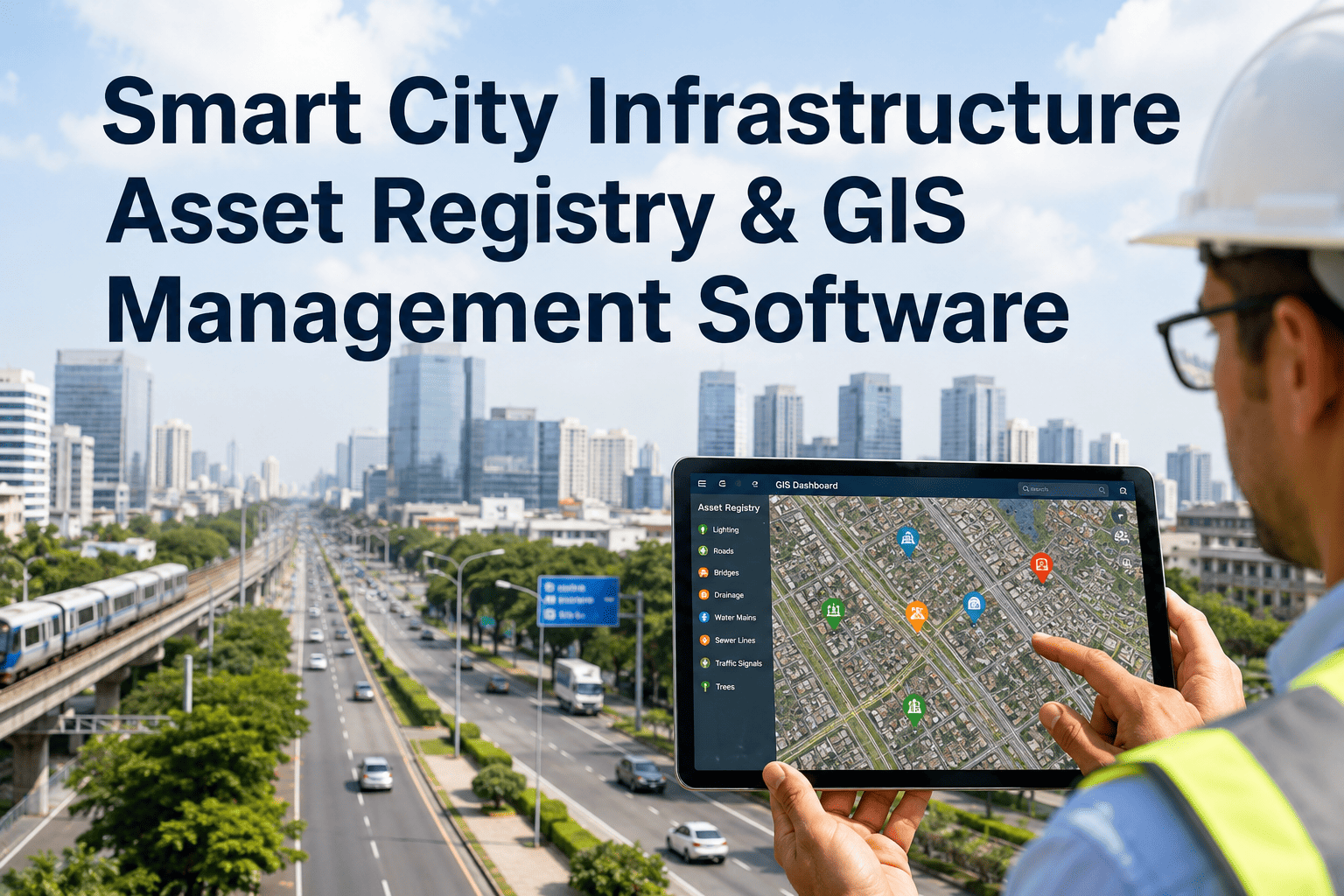
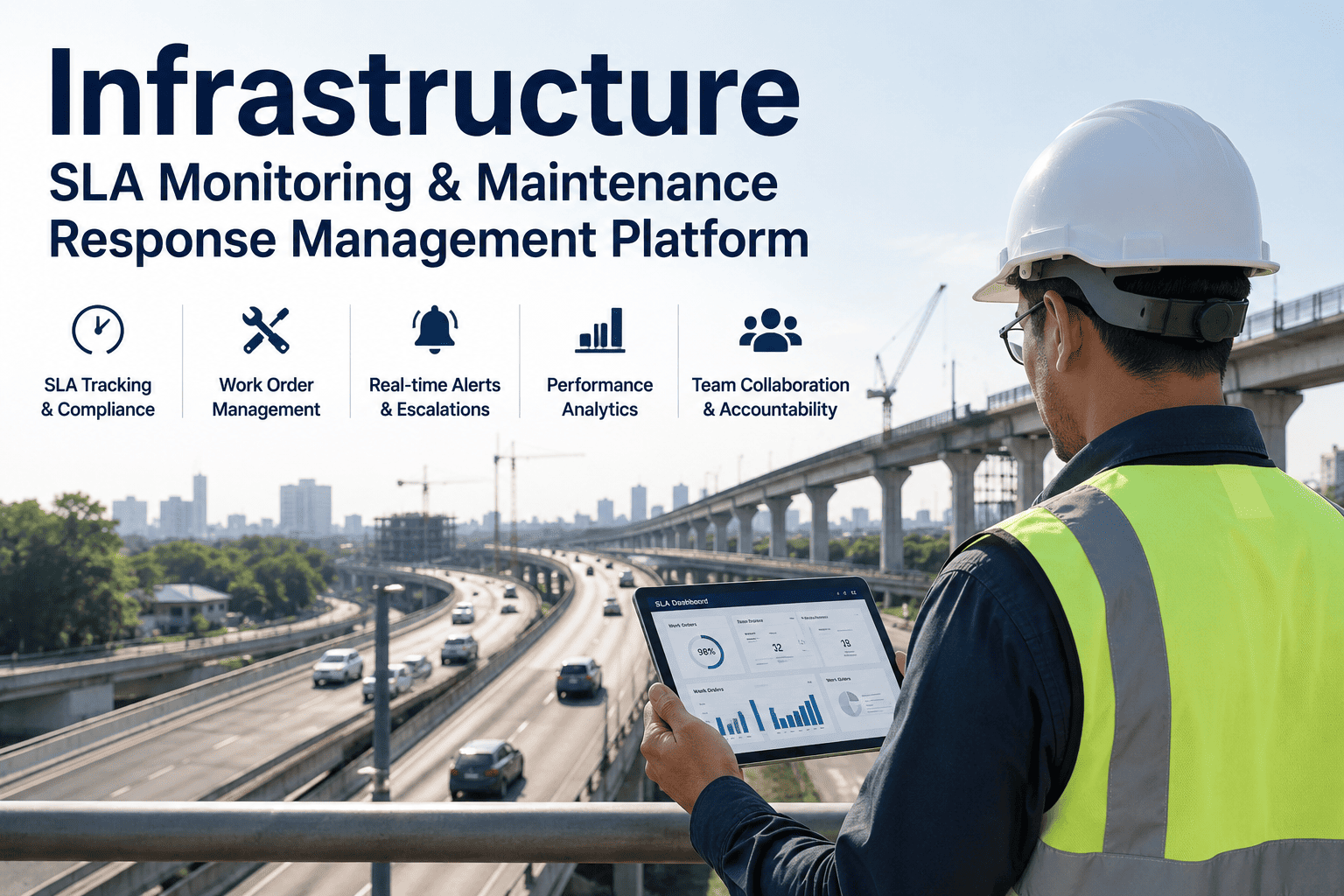
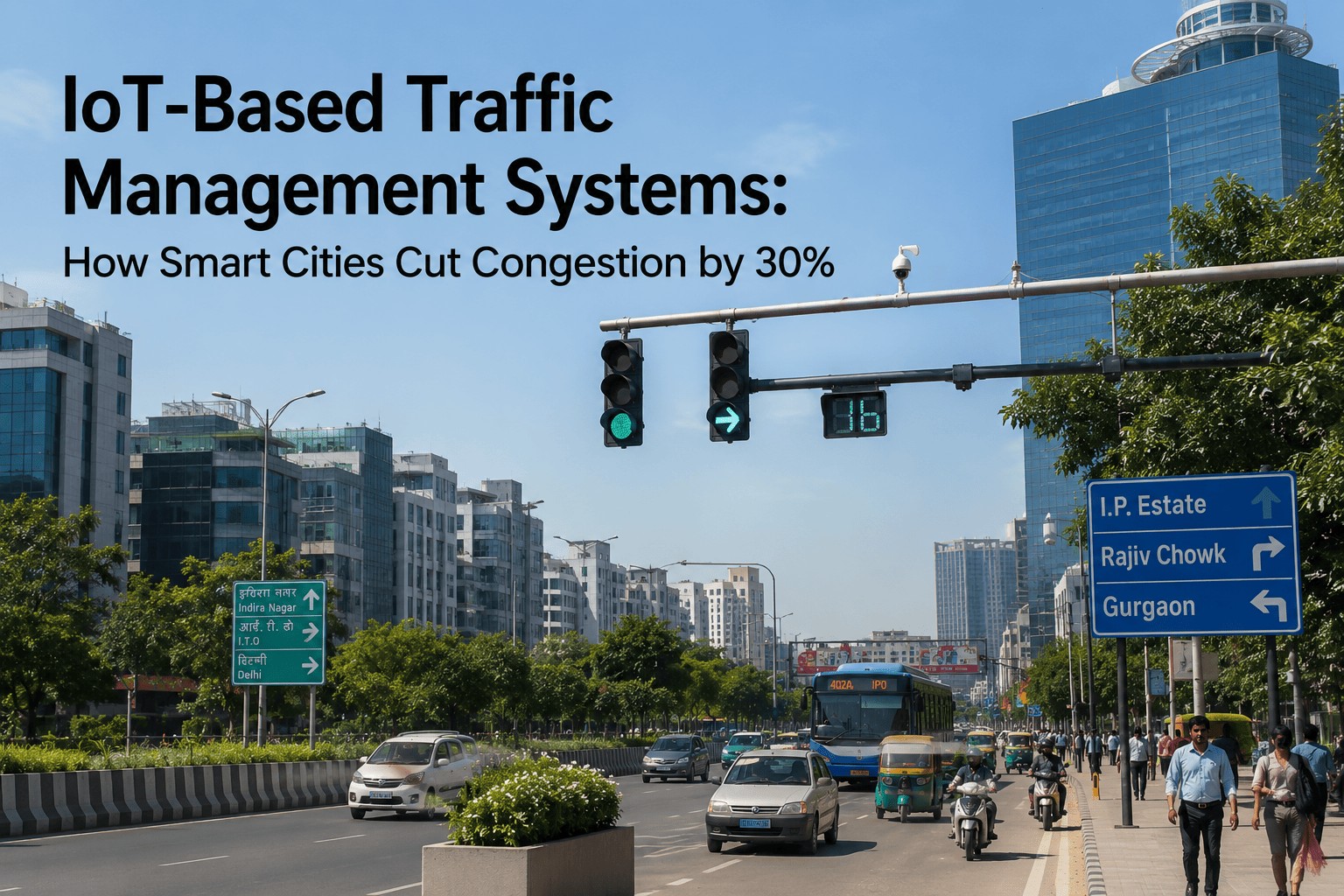
The global smart city market reached $952 billion in 2025 — and by 2034, analysts project it will surpass $6.3 trillion, growing at a CAGR of 23.2%. That trajectory is driven by one structural reality: AI and IoT have become the only viable path to managing infrastructure at urban scale. More than 1,000 cities globally now have active smart city programs, with over 58% deploying digital platforms for traffic management, energy monitoring, and public safety. IoT-enabled devices exceed 2.5 billion units across smart city environments worldwide. For city planners, infrastructure operators, and the enterprises supplying them, the intelligence threshold has already been crossed — the gap now is execution speed. If you are benchmarking your infrastructure technology roadmap for 2025–26, schedule a strategy session with iFactory's urban infrastructure team to map your deployment against this year's global benchmarks.
How AI Optimizes Urban Traffic Flow
AI traffic management systems reduce travel time by up to 25% and emissions by 15%. Explore the data driving the next era of urban management.
The Intelligence Era of Urban Traffic Management
In 2025, urban centers are facing a structural reality: traditional traffic management architectures can no longer handle the density of modern mobility. With IoT-enabled devices exceeding 2.5 billion units globally, the "intelligence threshold" has been crossed. AI is no longer a pilot project; it is the primary tool for reducing gridlock and carbon footprints. The convergence of 5G Standalone networks and edge-localized AI inference allows for sub-millisecond response times, enabling cities to manage not just vehicles, but the entire mobility ecosystem in real-time.
For city planners, the challenge has shifted from data collection to data orchestration. If you are benchmarking your city's infrastructure technology roadmap for 2026, schedule a strategy session with iFactory's urban team to map your deployment against global standards.
The Signal Optimization Revolution
Traditional traffic signal patterns are based on historical averages and static cycles—a model that fails during peak hours or unplanned events. AI-driven Adaptive Signal Control Technology (ASCT) processes live feeds from radar, LiDAR, and computer vision sensors to adjust signal timing every few seconds. This creates a "fluid infrastructure" that breathes with the traffic, reducing wait times at major intersections by up to 40%. Beyond speed, this technology directly lowers the 'stop-start' cycle, which is responsible for the highest concentration of urban particulate matter and fuel waste.
Regional Adoption: Where Deployment is Leading
Regional patterns reveal distinct dynamics: North America leads in AI analytics, while Asia-Pacific dominates in raw sensor scale and government mandates. In Europe, the focus has shifted toward sustainability-linked infrastructure, where AI is used to prioritize low-emission zones and active transit corridors.
AI analytics leader. US market valued at $192.5B, driven by IIJA sensor deployment allocations.
Fastest growing. Sensor density exceeds 2,800 units per sq km in Singapore and Seoul.
Sustainability leader. Berlin and Hamburg setting benchmarks for AI-integrated mobility.
Governance and Policy Frameworks
As cities deploy massive IoT networks, data governance becomes as critical as the hardware itself. The 2025 landscape is defined by "Interoperability-First" mandates, ensuring that data from traffic cameras, air quality sensors, and public transit can be processed in a single "Urban Data Lake." Leading cities are now implementing AI compliance documentation and automated audit trails to meet transparency requirements while maintaining cybersecurity at the edge.
The 5 Core AI Applications in Smart Infrastructure
Adaptive Signal Control Technology (ASCT)
AI algorithms adjust traffic light timing in real-time based on actual flow data, reducing intersection delays by 30-40%.
Predictive Congestion Modeling
Machine learning models forecast gridlock 15-30 minutes before it occurs, allowing management centers to divert traffic proactively.
V2X (Vehicle-to-Everything) Integration
Direct communication between vehicles and infrastructure enables "green waves" for emergency vehicles and transit buses.
AI-Powered Asset Predictive Maintenance
Sensors in roads and bridges detect structural degradation, reducing maintenance costs by 25% through proactive repair.
Intelligent Curb Management
AI optimizes delivery zones and parking, reducing "search traffic" which accounts for 30% of urban congestion.
Traditional vs. AI-Driven Maintenance: ROI Gap
| Metric | Traditional (Time-Based) | AI Predictive Maintenance |
|---|---|---|
| Unplanned Downtime | High / Reactive | 35–50% Reduction |
| Maintenance Cost Rate | Baseline (100%) | 25–45% Lower |
| Failure Prediction Lead Time | None (Calendar only) | Weeks in advance |
| Energy Waste Detection | Audit-based | Real-time alerts |
The 2025 Smart City Tech Stack
Sector Deployment Breakdown
Global Case Studies: Success at Scale
MyTransport.SG AI Integration
Integrated real-time IoT alerts and AI traffic updates, reducing transit downtime by 18% and improving commuter satisfaction by 30%.
AI-Powered Urban Lighting
Achieved 40% energy reduction using sensor-driven dimming and grid load optimization across 70 smart communities.
Siemens Smart City Deployment
A Q2 2025 metropolitan contract covering connected traffic, energy grids, and safety sensors for over 10 million residents.
Digital Twin Water Grid
Reduced network breakdowns by 25% through real-time pressure modeling and AI-driven leak detection.
Before deploying iFactory's analytics, our maintenance was purely reactive. Now we predict 80% of critical asset faults weeks in advance. Infrastructure downtime has dropped by 41% in 18 months, and ROI was achieved in Year 1.
Roadmap: The Future of Smart Cities (2025–2030)
Edge AI Standardized
Latency constraints eliminated as AI inference moves to local sensor nodes in substations and hubs.
5G-SA Operational Command
Real-time machine-to-machine coordination becomes viable, enabling autonomous infrastructure responses.
Predictive Capital Allocation
Municipal budgets shift from fixed cycles to dynamic, condition-driven investment, increasing asset life by 35%.
Frequently Asked Questions
What is the global smart city market size in 2025?
How much can AI reduce urban travel time?
Which regions are leading IoT adoption?
What are the environmental benefits of AI traffic management?
How long does it take to see ROI from these systems?
Can AI integrate with legacy traffic infrastructure?
What role does 5G play in this ecosystem?
How does a digital twin help city planners?
Build Your City's Intelligence Platform
iFactory connects IoT sensors, AI predictive maintenance, and asset performance analytics into a unified operational layer. Purpose-built for the cities of 2025 and beyond.