The baghouse controller on Line 3 shows a differential pressure reading of 8.2 inches of water gauge — well above the 6.0-inch threshold where your maintenance manual says to schedule a filter change. The operator jots it down in the shift log, same as last week, same as the week before. Nobody knows if the high delta-P is a clogged filter, a failed pulse-jet solenoid, or a ductwork blockage that could be pulling particulates past the bags and straight to the fan. What everyone does know is that the last unplanned baghouse shutdown cost 14 hours of production and $47,000 in lost throughput. That pressure reading is a symptom of a system that runs blind until it breaks.
Stop Running Your Dust Collection System Blind — Predict Failures Before They Shut You Down
iFactory turns raw baghouse, ductwork, and fan sensor data into a predictive maintenance schedule that keeps your system NFPA 652 compliant, your filters changed at the right time, and your production lines running.
Your Dust Collection System Is Full of Data You Can't See — Until It's Too Late
Every baghouse, cyclone, cartridge collector, and duct run generates signals: differential pressure, airflow velocity, fan amp draw, temperature, and pulse-jet cycle counts. Without analytics, those signals become noise. Operators react to alarms instead of preventing failures, and the maintenance budget gets spent on emergency filter changes and ductwork repairs that could have been scheduled weeks in advance.
Blind Filter Loading Drives Premature Changeouts
The average manufacturing plant replaces dust collector filters 30–40% earlier than necessary because they lack visibility into actual loading curves. Each premature changeout on a 12-cartridge collector costs $2,400 in media alone — plus the 4 hours of downtime to swap them. Over 10 collectors, that's $96,000 a year in avoidable material costs.
Unmonitored Duct Velocity Creates Combustible Dust Hazards
NFPA 652 requires minimum transport velocity to prevent dust accumulation in ductwork — typically 3,500–4,500 ft/min depending on the dust type. Without real-time velocity monitoring, a gradual drop to 2,800 ft/min goes unnoticed until a maintenance walkdown reveals 3 inches of settled combustible dust. One ignition source and you're facing a dust explosion with OSHA penalties averaging $126,000 per citation.
Fan Imbalance Wastes Energy and Shortens Equipment Life
A dust collection fan operating at 85% of its design airflow due to dirty filters or duct restriction draws 15–20% more amp load than necessary. That imbalance costs $8,000–$12,000 per fan per year in excess electricity — and accelerates bearing wear, leading to unplanned fan rebuilds that can take 3–5 days and cost $18,000 in parts and labor.
Pulse-Jet System Drift Wastes Compressed Air
Baghouses and cartridge collectors rely on precisely timed pulse-jet cleaning cycles. When solenoids degrade or timers drift, the system either over-cleans (wasting compressed air at $0.15–$0.30 per 1,000 scf) or under-cleans (accelerating filter blinding). A single drifting solenoid on a 48-bag baghouse can waste $3,200 in compressed air costs annually while reducing collection efficiency by 12%.
Reactive Maintenance Wrecks Production Schedules
When a baghouse goes down mid-shift, the entire production line stops — you can't run a woodworking plant, a pharmaceutical mill, or a metal fabrication shop without dust collection. The average unplanned dust collector outage costs $8,500 per hour in lost production, and 68% of plants report at least one such event per quarter. That's $68,000 in avoidable losses every three months.
You don't need more sensors — you need the analytics to make the sensors you already have tell you when to act. Book a 30-min walkthrough and we'll show you how iFactory turns your existing PLC and sensor data into a predictive maintenance plan.
From Raw Sensor Data to a Scheduled Maintenance Plan in Four Steps
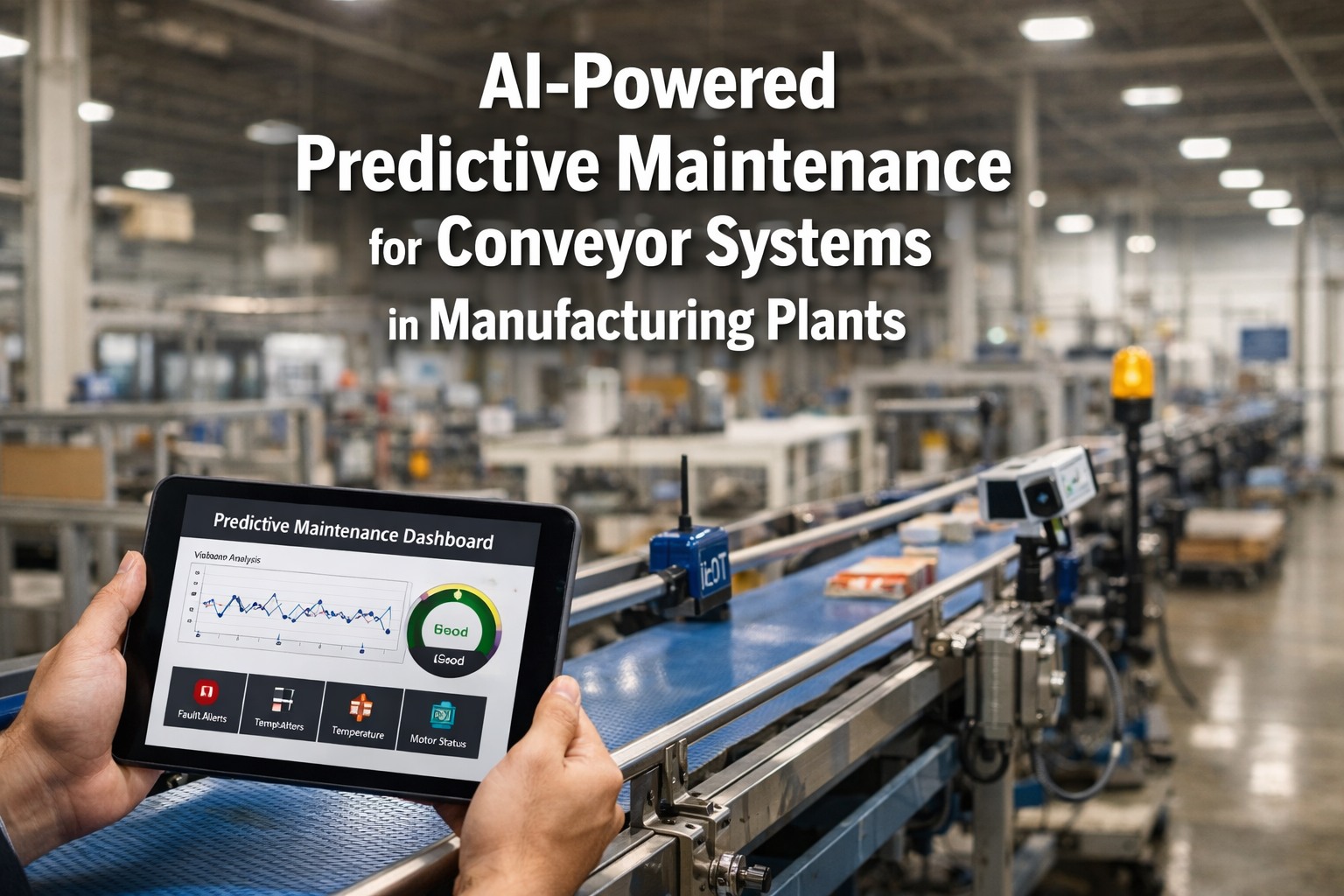
iFactory connects directly to your existing baghouse PLCs, fan VFDs, and ductwork sensors — no new hardware required. Our AI-native platform ingests the data, models your system's normal behavior, and delivers a prioritized maintenance schedule that keeps your dust collection system running at peak efficiency.
Connect & Ingest
iFactory reads differential pressure, airflow velocity, fan amp draw, pulse-jet cycle counts, and temperature from your existing baghouse controllers, VFDs, and building management system — no additional sensor installation.
Model Normal Operating Baselines
Our AI learns the relationship between filter loading, duct velocity, fan performance, and production rate for each dust collector in your plant, establishing a dynamic baseline that accounts for seasonal changes, product mix shifts, and varying production schedules.
Detect Anomalies & Predict Failure
When delta-P rises faster than the model predicts, or duct velocity drops below NFPA 652 thresholds, iFactory flags the issue 72–120 hours before it becomes a production-stopping event — and identifies the root cause (clogged filter, failed solenoid, duct blockage, fan imbalance).
Generate a Predictive Maintenance Schedule
iFactory outputs a prioritized work order schedule: which filter banks to change, which solenoids to test, which duct runs to inspect, and which fans need bearing checks — all aligned with your production calendar to minimize downtime.
What iFactory's Dust Collection Analytics Delivers
Purpose-built for manufacturing environments, iFactory gives your operations and maintenance teams the visibility and control they need to run dust collection systems predictively — not reactively.
Filter Life Optimization
iFactory models the loading curve of every filter bank and predicts the exact date each bank will reach its changeout threshold. You schedule replacements during planned downtime — never during a production run. Typical result: 3x longer filter life and 60% fewer emergency changeouts.
NFPA 652 Duct Velocity Monitoring
Continuous tracking of transport velocity in every duct run. When velocity drops below your NFPA 652 minimum, iFactory alerts the team with the specific duct section and estimated dust accumulation rate — before combustible dust has a chance to settle.
Fan & Compressed Air Optimization
iFactory monitors fan amp draw against design curves and tracks pulse-jet cycle frequency and duration. When a fan is pulling excess amps or a solenoid is over-cleaning, you get a specific recommendation: clean the fan wheel, adjust the timer, or replace the solenoid.
Automated Anomaly Diagnosis
When differential pressure spikes, iFactory cross-references duct velocity, fan amps, and pulse-jet data to tell you whether the problem is a clogged filter, a failed cleaning system, or a duct blockage — so your maintenance team shows up with the right parts and tools.
Production-Aligned Maintenance Calendar
iFactory integrates with your existing CMMS or maintenance scheduling system and automatically adjusts filter changeout dates based on upcoming production runs, seasonal demand shifts, and planned shutdown windows — no manual rescheduling.
Compliance Documentation Trail
Every sensor reading, every alert, every maintenance action is logged with timestamps and system context. When the NFPA inspector arrives, you can produce a 12-month history of duct velocity compliance, filter changeout records, and combustible dust risk assessments in minutes.
What Manufacturers Achieve with iFactory Dust Collection Analytics
These are real outcomes from manufacturing plants running iFactory on their dust collection systems — not projections or benchmarks.
Everything You Need to Run Dust Collection Predictively
iFactory is an end-to-end, turnkey solution — we handle the integration, the modeling, and the ongoing analytics so your team can focus on production.
Zero-Install Data Integration
iFactory connects to your existing baghouse PLCs, fan VFDs, and BMS via your plant network — no new sensors, no cloud dependency, no data leaving your facility.
6–12 Week Pilot to First ROI
From data-source handoff to a working pilot with predictive maintenance alerts in one quarter. We absorb the integration work — you get results.
On-Premise NVIDIA Appliance
iFactory runs on an NVIDIA appliance inside your plant network. No cloud dependency, no data egress, no latency — and no third party touching your production data.
24×7 Managed Service
iFactory's operations team monitors your dust collection analytics around the clock. When an anomaly is detected, we alert your team with the diagnosis and recommended action — no extra headcount required.
Turnkey Migration from Legacy Systems
If you're running SAP MII, ME, or PCo for dust collection monitoring, iFactory absorbs those workloads in the same 6–12 week pilot — no parallel systems, no data migration headaches.
Full NFPA 652 Compliance Package
iFactory includes duct velocity monitoring, combustible dust risk alerts, and audit-ready documentation — everything you need to demonstrate compliance during an OSHA or NFPA inspection.
Dust Collection Analytics — What You Need to Know
Stop Guessing. Start Predicting.
Your dust collection system is full of data that could be preventing failures, cutting energy costs, and keeping you NFPA 652 compliant. iFactory turns that data into a maintenance schedule you can trust — in 6–12 weeks, with no new sensors and no cloud dependency. Book a 30-minute demo and we'll show you what your baghouse data has been trying to tell you.