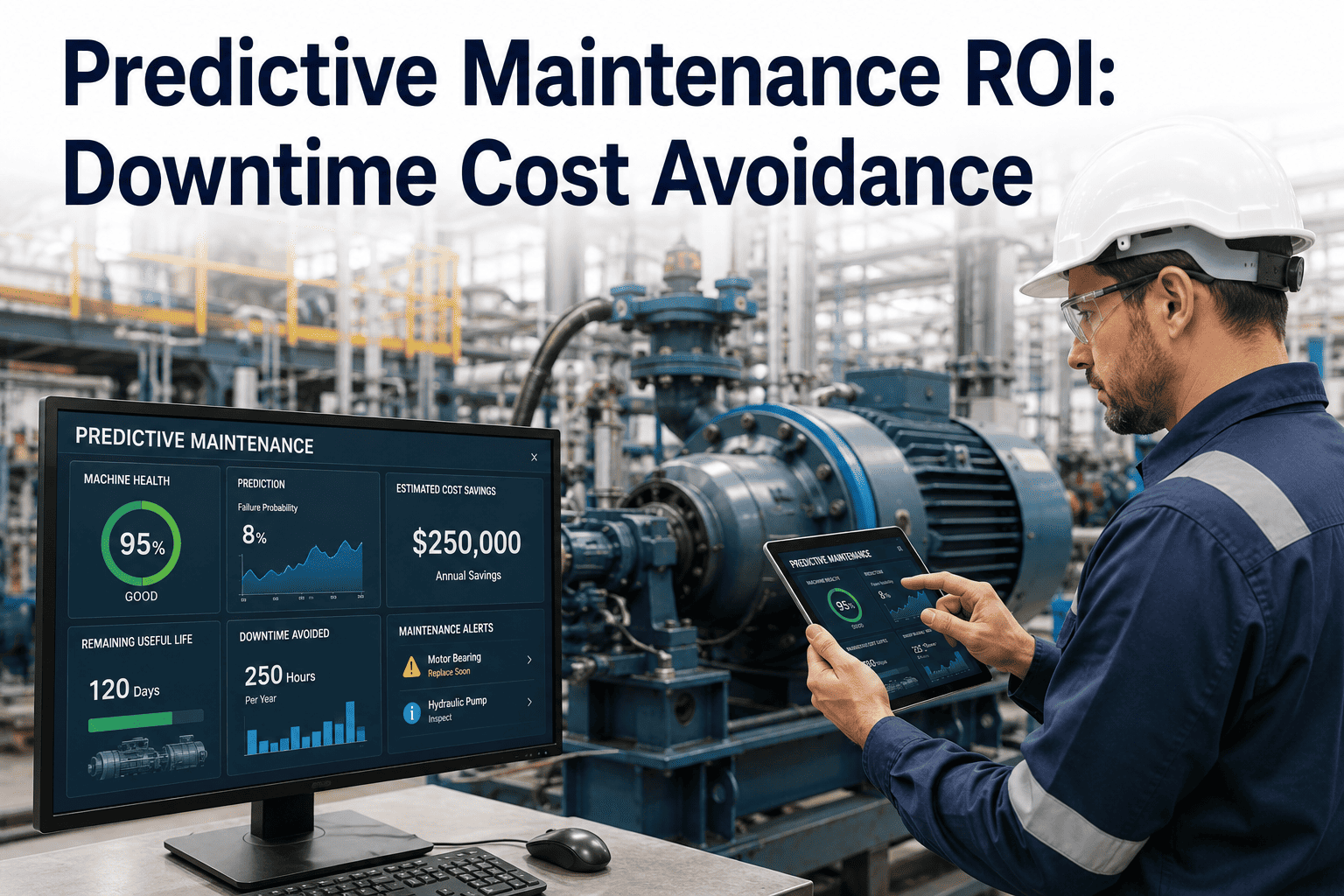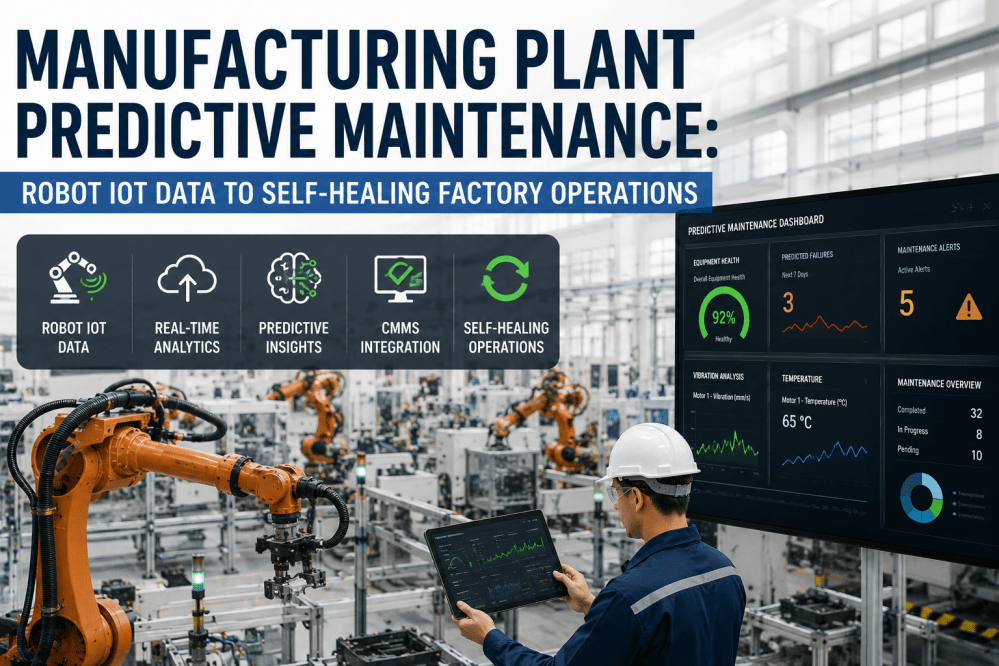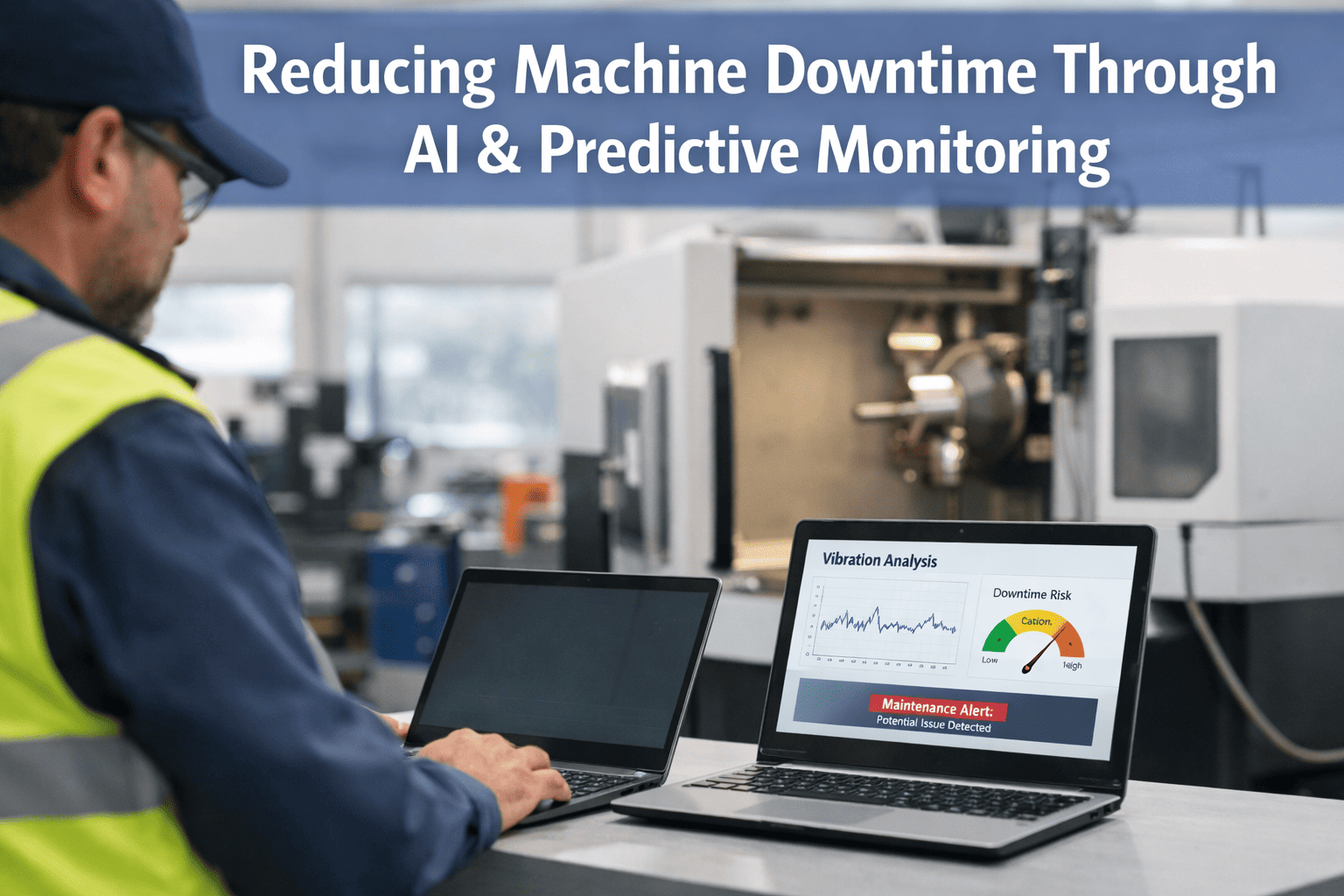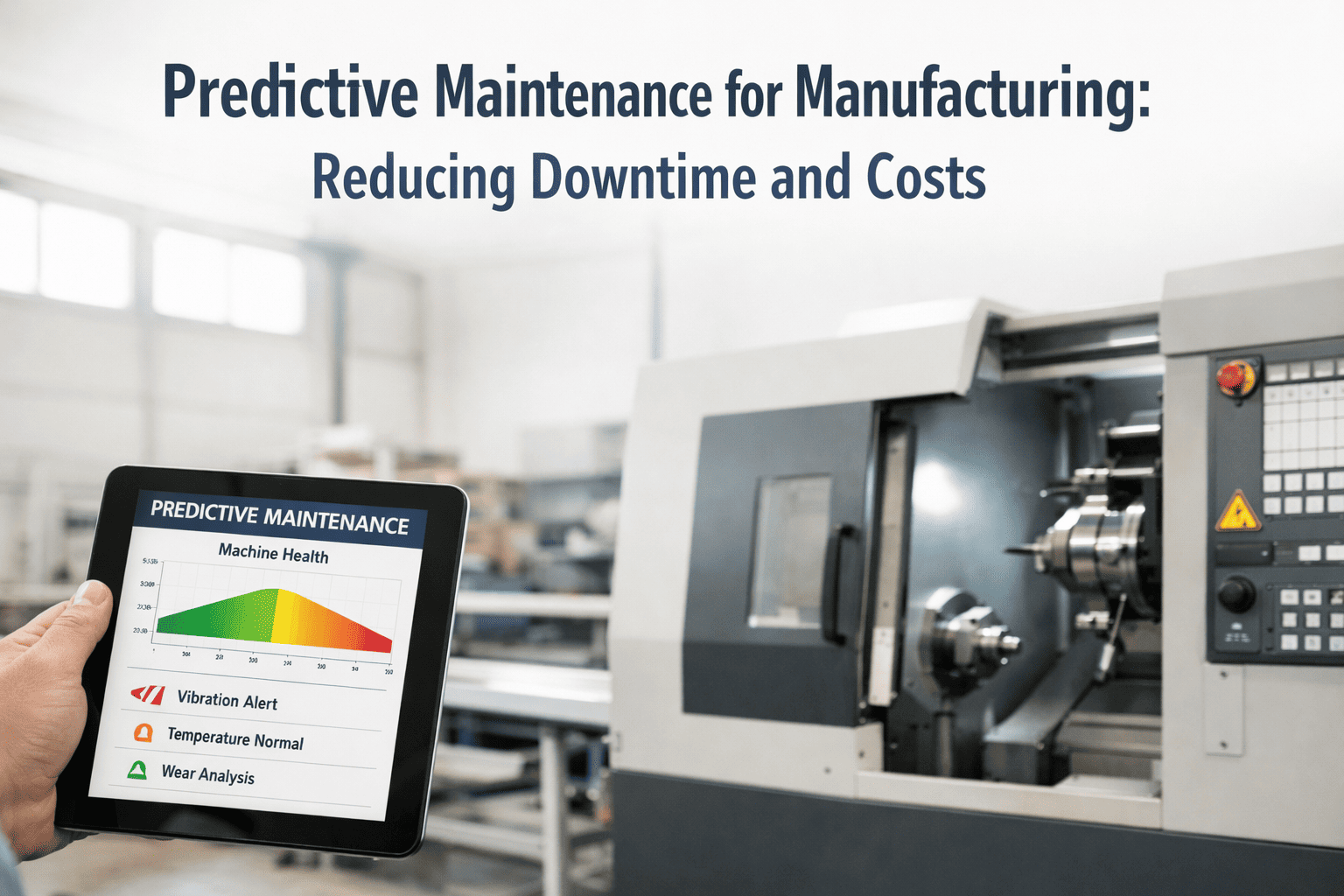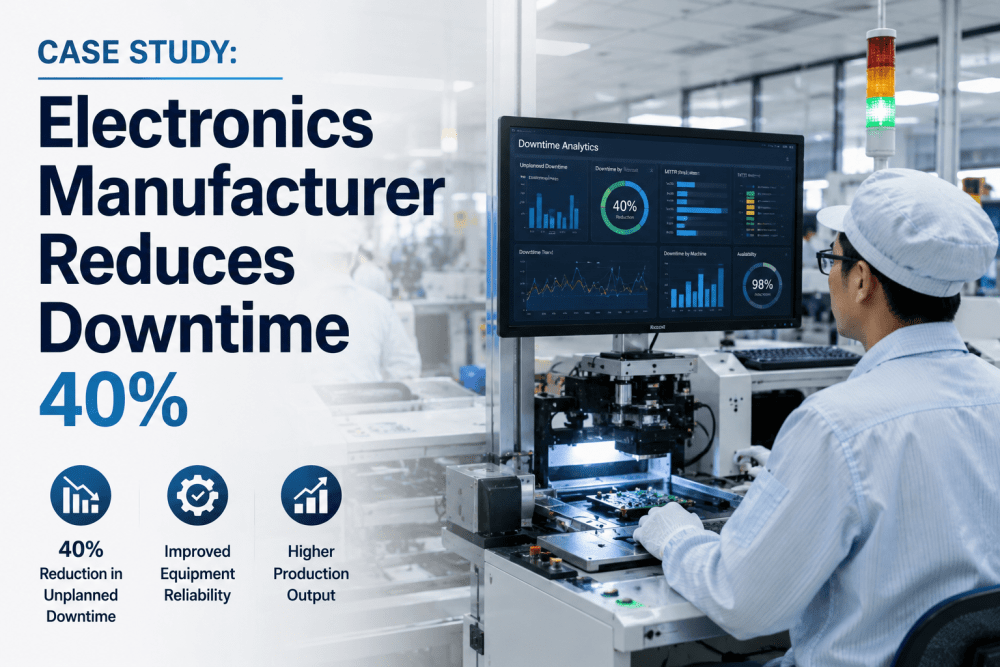
An electronics contract manufacturer with five SMT lines and 14 final-assembly stations was losing $1.8M annually to unplanned line stoppages — 60% of which were traced to pick-and-place head misalignment, reflow oven temperature drift, and AOI false-positive cascades. Their existing preventive maintenance schedule caught failures after they happened, and their paper-based shift handoffs meant production data was stale by the time it reached the plant manager's desk. Forty-five days after deploying iFactory AI's predictive maintenance and real-time monitoring platform across all five lines, unplanned downtime dropped 40%, AOI false positives fell by 62%, and the plant achieved full payback on the deployment in under five months.
Reduce unplanned downtime 40% with AI-powered predictive maintenance and real-time production monitoring.
iFactory AI connects to your existing SMT lines, AOI stations, and assembly workstations — no rip-and-replace required — and delivers measurable downtime reduction within 45 days.
What this electronics manufacturer achieved with iFactory AI
These are measured results from live production at a 200,000 sq ft electronics facility running five SMT lines, 14 assembly stations, and three AOI systems — all connected through iFactory's on-premise platform.
What iFactory AI does that traditional monitoring can't
Conventional CMMS and SCADA systems log data. iFactory AI predicts, alerts, and prescribes — turning sensor data into actionable maintenance decisions before failure occurs.
Real-time SMT line monitoring
Track pick-and-place cycle times, head alignment drift, and feeder errors as they happen. iFactory ingests data from every placement head, reflow zone, and printer head — and flags anomalies at the component level before they cascade into line stops.
AI-powered reflow oven prediction
Thermal profile drift is the leading cause of solder defects in electronics. iFactory's AI models analyze zone temperatures, belt speed, and conveyor vibration to predict profile shift 48-72 hours before it exceeds IPC-A-610 tolerances.
AOI false-positive suppression
iFactory's computer vision layer learns from your verified defect library to distinguish true solder defects from harmless cosmetic variation. The result: fewer false calls, less rework labor, and higher first-pass yield.
Predictive maintenance on rotating assets
Conveyor motors, spindle drives, and ventilation fans in electronics plants fail without warning. iFactory's vibration and current signature analysis detects bearing degradation and winding deterioration up to 21 days before failure.
Shift handoff & production reporting
Replace paper shift logs with real-time digital handoffs. iFactory captures OEE, defect Pareto, and downtime root cause at shift close — and emails the report to the next shift lead before they step on the floor.
On-premise deployment with zero cloud exposure
iFactory runs on an NVIDIA appliance inside your plant network. No data leaves your facility. No cloud subscription. No latency. This architecture is standard for electronics manufacturers with strict IP protection requirements.
Industry perspective on AI-driven electronics manufacturing
"The electronics industry has been running on reactive maintenance for decades because the cost of instrumenting every pick-and-place head and reflow zone seemed prohibitive. What this case study demonstrates is that you don't need sensors on every asset — you need the right AI layer on the data you already have. The 40 percent downtime reduction documented here aligns with what I have seen across three different EMS providers using predictive analytics. The critical success factor is the speed of deployment. When you can go from data access to a live dashboard in 45 days instead of 18 months, the business case closes itself."
The real cost of unplanned downtime in electronics manufacturing
In electronics assembly, a single line stoppage doesn't just idle that line — it creates a bottleneck that propagates through downstream test, burn-in, and final assembly. The cost compounds with every hour the line is down.
Pick-and-place head failure costs $420K per incident
A single misaligned placement head can produce defective boards for hours before the error is detected at AOI. At one plant, a loose vacuum nozzle on a Fuji NXT head caused 1,400 defective boards before the shift lead noticed the trend. Rework cost: $420,000. iFactory AI detected the nozzle pressure anomaly 90 minutes into the run and alerted the technician — but the plant had not yet deployed the platform on that line. After deployment, the same anomaly was caught in under three minutes.
Reflow oven drift causes $580K in annual scrap
Temperature drift in reflow ovens is the leading cause of latent solder joint defects in SMT assembly. Traditional preventive maintenance catches drift only during weekly calibration checks. iFactory AI's thermal prediction model detected a zone heater degradation 56 hours before it would have caused profile shift — allowing maintenance to replace the element during a scheduled break instead of during a production stoppage.
AOI false positives waste 3,600 technician hours annually
A mid-volume electronics plant running three AOI systems with an 18 percent false-positive rate spends 30 hours per week on manual re-inspection of false calls. That is 1,500 hours per year of skilled technician time spent inspecting good boards. iFactory AI's computer vision model reduced false calls by 62 percent, recovering 930 technician hours annually and improving first-pass yield by 3.2 percentage points.
You don't need more data. You need predictions that prevent line stoppages. Book a Demo and see how iFactory AI's predictive maintenance platform works with your existing SMT lines and AOI systems.
From data access to downtime reduction in 45 days
iFactory AI's deployment model is designed for speed. You provide data-source access. We deliver a working predictive maintenance pilot. No custom coding. No rip-and-replace. No integration surprises.
Connect your production data
We connect to your SMT line PLCs, AOI systems, CMMS databases, and manual entry terminals. iFactory's pre-built connectors handle protocol translation for Siemens, Omron, Keyence, and 40+ other platforms.
Train AI models on your failure history
We ingest 12-18 months of work order history, AOI defect logs, and line stoppage records. AI models are trained to recognize your specific failure patterns — pick-and-place drift, reflow profile shift, feeder jams, and conveyor anomalies.
Deploy the on-premise appliance
iFactory runs on an NVIDIA appliance inside your plant network. No cloud. No data egress. Your production data stays behind your firewall — a requirement for most EMS providers with customer IP protection obligations.
Go live with a working dashboard
Within 45 days, you have a live predictive maintenance dashboard showing real-time asset health, downtime forecasts, and recommended actions for every line and station.
Predictive maintenance is no longer optional in electronics manufacturing
The electronics manufacturer in this case study reduced unplanned downtime by 40 percent, cut AOI false positives by 62 percent, and recovered full platform investment within five months. These results are not unique — they are achievable at any plant that has PLCs, AOI systems, and a willingness to let AI turn historical failure data into future prevention. For plant managers and manufacturing engineers evaluating predictive maintenance platforms, the question is no longer whether the technology works. It is how quickly you can deploy it across your lines — and whether you can afford to wait another quarter while your competitors automate their downtime out of existence.
If you are running SMT lines, AOI stations, or final assembly operations and losing production hours to preventable failures, iFactory AI can have a live pilot running on your data in 45 days. Book a Demo to see a walkthrough tailored to your electronics manufacturing environment.
FAQ: Electronics predictive maintenance with iFactory AI
Ready to reduce unplanned downtime on your SMT lines?
You've seen the numbers. Now see iFactory AI in action on your own production data. We'll set up a live walkthrough of a predictive maintenance pilot tailored to your electronics manufacturing environment in under 30 minutes.