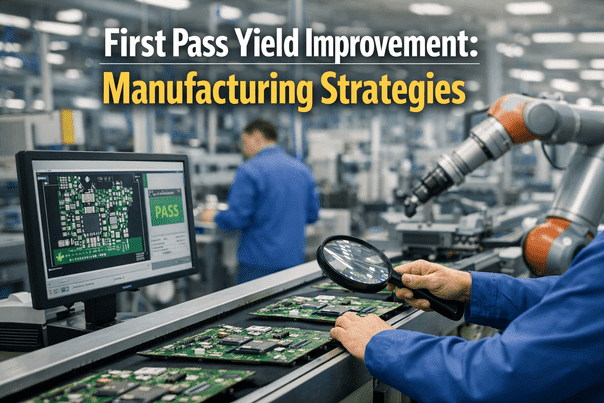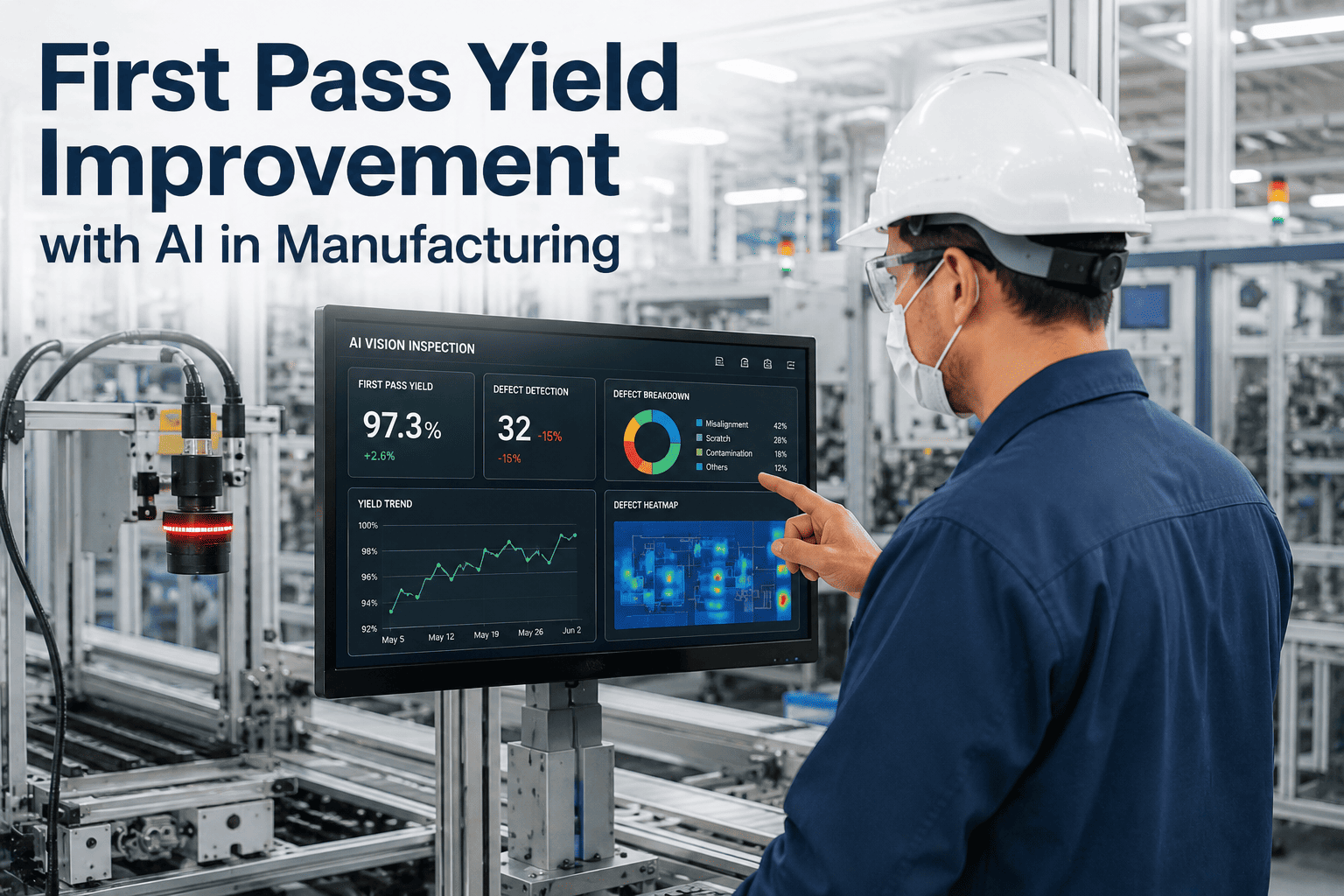
First Pass Yield (FPY) stands as the most uncompromising metric in modern manufacturing. It measures the percentage of units that exit a process step defect-free on the very first attempt, without requiring rework, repair, or scrap. For enterprise operations leaders, FPY is not merely a quality indicator; it is a direct reflection of process stability, resource efficiency, and cost control. When FPY drops below target, the cascading effects ripple across throughput, labor allocation, material waste, and ultimately, profit margins. Traditional FPY tracking relies on manual inspection and post-process sampling, which introduces latency and blind spots. Artificial intelligence is now redefining how manufacturers detect, predict, and eliminate the upstream variables that silently erode first-pass yield. By integrating AI-driven analytics into production workflows, plant managers can shift from reactive quality control to proactive process optimization. Book a Demo to discover how iFactory transforms your FPY data into actionable intelligence.
Unlock the Hidden Levers of First Pass Yield
Discover how AI identifies the root causes of yield loss across your factory floor. Transform data into decisions that reduce rework and maximize throughput.
What is First Pass Yield?
First Pass Yield (FPY) is the percentage of products that meet all quality specifications at the end of a production step without any rework. It is calculated as (units passed on first attempt / total units started) x 100. A high FPY indicates a stable, capable process; a low FPY signals inefficiencies that demand immediate attention.
Why FPY Matters More Than Overall Yield
Overall yield can mask hidden rework loops. FPY isolates the true process capability by excluding any units that required correction. This makes FPY the purest indicator of process health, directly correlating with cost, speed, and resource utilization.
The Cost of Low First Pass Yield
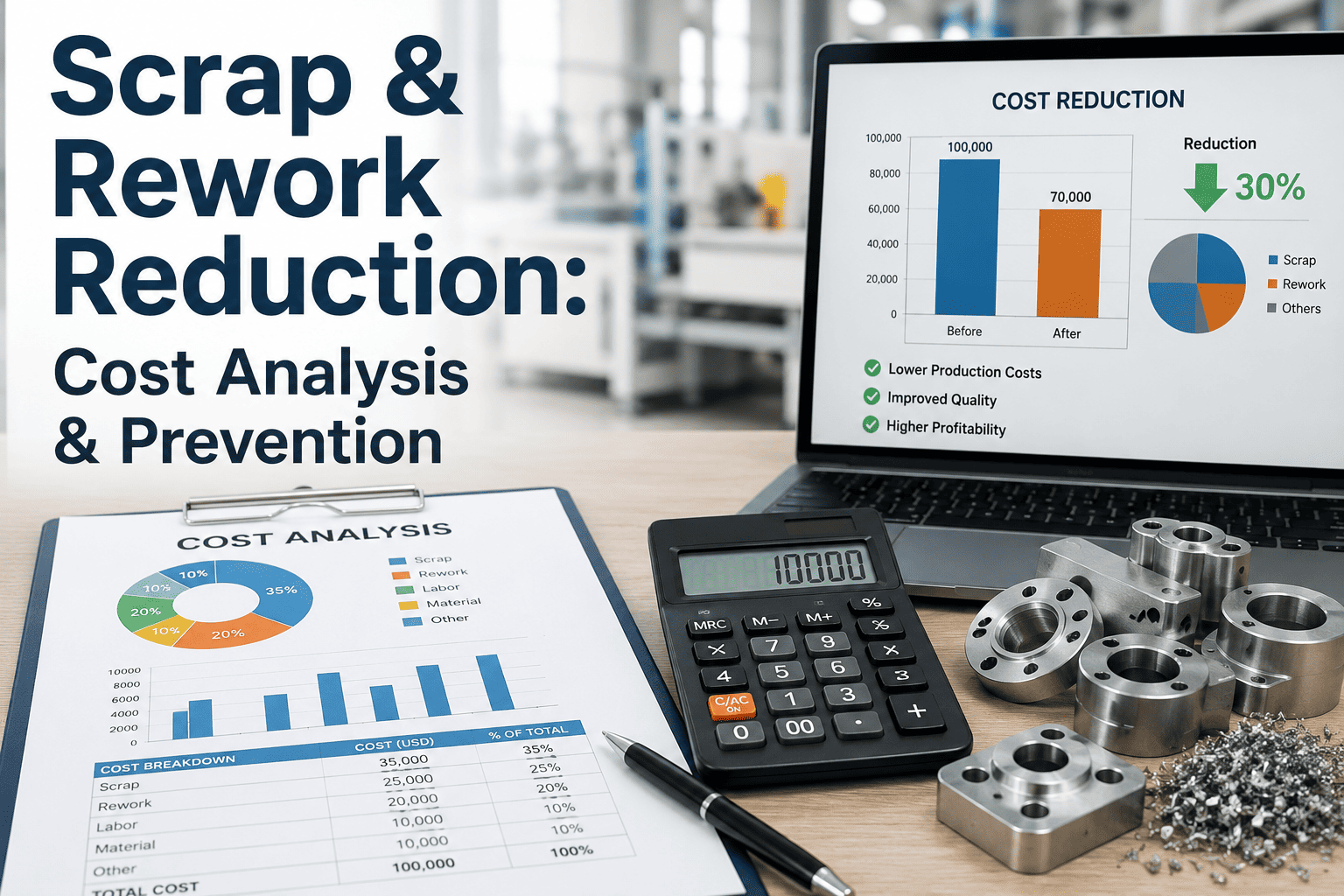
Low FPY leads to increased material waste, higher labor costs for rework, delayed shipments, and reduced machine availability. In high-volume production, even a 1% drop in FPY can translate into millions of dollars in annual losses.
How AI Drives First Pass Yield Improvement
Data Aggregation & Feature Engineering
AI systems ingest real-time data from sensors, PLCs, and MES. They automatically engineer features such as temperature gradients, vibration signatures, cycle time variability, and material batch properties that correlate with defect occurrence.
Anomaly Detection & Root Cause Analysis
Machine learning models continuously monitor process parameters and flag deviations before they cause defects. Explainable AI techniques pinpoint the specific upstream variables responsible for yield loss, enabling targeted corrective actions.
Predictive Quality Control
Predictive models forecast the likelihood of a unit failing FPY at each step. Operators receive real-time alerts and can adjust parameters dynamically to prevent defects, rather than inspecting after the fact.
Closed-Loop Process Optimization
AI systems automatically adjust machine settings, feed rates, and environmental controls to maintain optimal conditions. This closed-loop approach continuously improves FPY without human intervention.
Key Metrics Tracked by AI for FPY
| Metric | Traditional Method | AI-Enhanced Method | Impact on FPY |
|---|---|---|---|
| Defect Rate by Station | Manual sampling | Real-time sensor fusion | 30% faster detection |
| Rework Loop Identification | End-of-line audit | Process mining | 50% reduction in rework |
| Parameter Drift | Periodic calibration | Continuous monitoring | 20% fewer defects |
| Material Variability | Batch testing | Inline spectroscopy | 15% yield improvement |
Ready to Transform Your FPY?
Join leading manufacturers who have achieved over 90% first pass yield using iFactory's AI platform. Schedule a personalized demo today.
Common Root Causes of Low FPY Uncovered by AI
Temperature Fluctuations
Even a 2°C deviation in curing ovens can increase defect rates by 12%. AI detects micro-fluctuations and correlates them with yield drops across shifts.
Tool Wear & Degradation
Cutting tools lose precision gradually. AI models predict optimal replacement intervals, preventing defects caused by worn tools while maximizing tool life.
Operator Variability
Human factors like fatigue or training gaps create inconsistent quality. AI analyzes operator-specific performance patterns and recommends targeted coaching.
Material Inconsistencies
Incoming raw material properties vary between suppliers and batches. AI integrates supplier quality data to flag high-risk lots before they enter production.
Environmental Humidity
In electronics assembly, humidity above 60% can cause solder defects. AI monitors ambient conditions and adjusts process parameters in real time.
Cycle Time Variability
Uneven cycle times indicate process instability. AI identifies the root cause, such as conveyor speed mismatches or material jams, and recommends corrective actions.
Strategic Benefits of AI-Driven FPY Optimization
Reduced Rework Costs
Every percentage point improvement in FPY eliminates thousands of hours of rework labor and material waste, directly improving profit margins.
Increased Throughput
Higher FPY means fewer units are recycled through the same process steps, freeing capacity for new production without additional capital investment.
Enhanced Customer Satisfaction
Consistently high FPY translates to on-time delivery and superior product quality, strengthening customer trust and reducing warranty claims.
Data-Driven Culture
AI provides transparent, explainable insights that empower operators and engineers to make informed decisions, fostering a culture of continuous improvement.
Real-World Impact: FPY Transformation at a Global Automotive Supplier
Challenge
A tier-1 automotive supplier faced FPY of 78% on a critical assembly line due to inconsistent weld quality. Rework costs exceeded $1.2M annually.
Solution
iFactory deployed an AI model that analyzed welding parameters, material thickness, and environmental conditions. The system identified that a 0.5mm variation in electrode gap caused 40% of defects.
Results
FPY improved to 94% within three months. Rework costs dropped by 65%, and line throughput increased by 18%. The plant achieved a 9-month ROI on the AI investment.
Frequently Asked Questions
How does AI improve First Pass Yield compared to traditional statistical process control?
Traditional SPC relies on fixed control limits and manual chart analysis, which often misses subtle pattern changes and interactions between variables. AI algorithms, particularly ensemble methods and deep learning, can model complex non-linear relationships across hundreds of process parameters simultaneously. For example, an AI system can detect that a slight increase in humidity combined with a specific tool wear level leads to a 15% higher defect probability, even when each variable individually remains within SPC limits. This multi-dimensional analysis enables proactive adjustments that prevent defects before they occur. Learn more about AI-driven quality optimization at iFactory support.
What data do I need to implement AI for FPY optimization?
At a minimum, you need process parameter data (temperature, pressure, speed, etc.) and quality outcome data (pass/fail, defect codes) with timestamps. Ideally, you also include machine status signals, material batch IDs, operator IDs, and environmental readings. The more granular and time-synchronized your data, the more accurate the AI models. Most modern MES and SCADA systems already capture this data; iFactory's platform can integrate with existing infrastructure via standard protocols like OPC UA, MQTT, and REST APIs. For a detailed integration guide, visit iFactory support.
How long does it take to see FPY improvements after deploying AI?
Typical deployment takes 4 to 8 weeks, depending on data availability and model complexity. Within the first month, you can expect initial insights and anomaly detection alerts. Significant FPY improvements (5-15%) are usually observed within 3 to 6 months as models are fine-tuned and closed-loop controls are implemented. The speed of improvement also depends on the organization's ability to act on the recommendations. iFactory provides change management support to accelerate adoption. Schedule a Book a Demo to discuss your timeline.
Can AI predict FPY for new product introductions where historical data is limited?
Yes, transfer learning and synthetic data generation techniques allow AI models to leverage knowledge from similar products or processes. For example, if you have historical data from a similar assembly line, the model can be adapted to new product variants with minimal additional data. Additionally, iFactory's platform includes simulation capabilities to generate synthetic scenarios, enabling rapid model training even with limited production runs. This approach has been used successfully in electronics and pharmaceutical manufacturing. For more details, refer to iFactory support.
What is the typical ROI for AI-driven FPY improvement?
ROI varies by industry and scale, but typical payback periods range from 6 to 18 months. A mid-sized plant with $50M annual throughput can expect $2-5M in annual savings from reduced rework, scrap, and warranty costs. Additionally, increased capacity from higher throughput adds significant revenue upside. iFactory provides a detailed ROI calculator during the demo process. To get a personalized estimate, Book a Demo with our team.
Elevate Your First Pass Yield with AI
Stop reacting to defects. Start predicting and preventing them. iFactory's AI platform gives you the visibility and control to achieve world-class FPY.