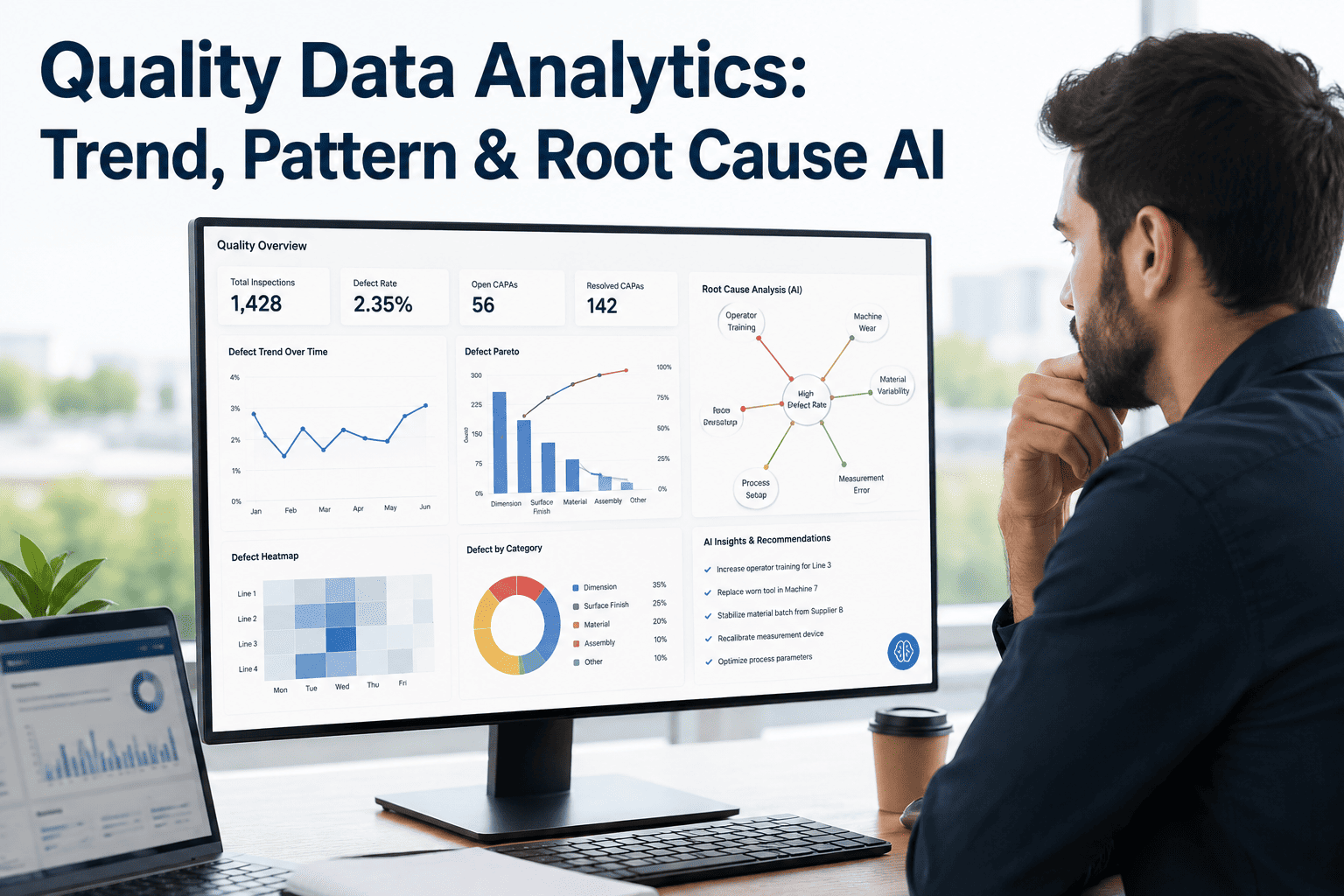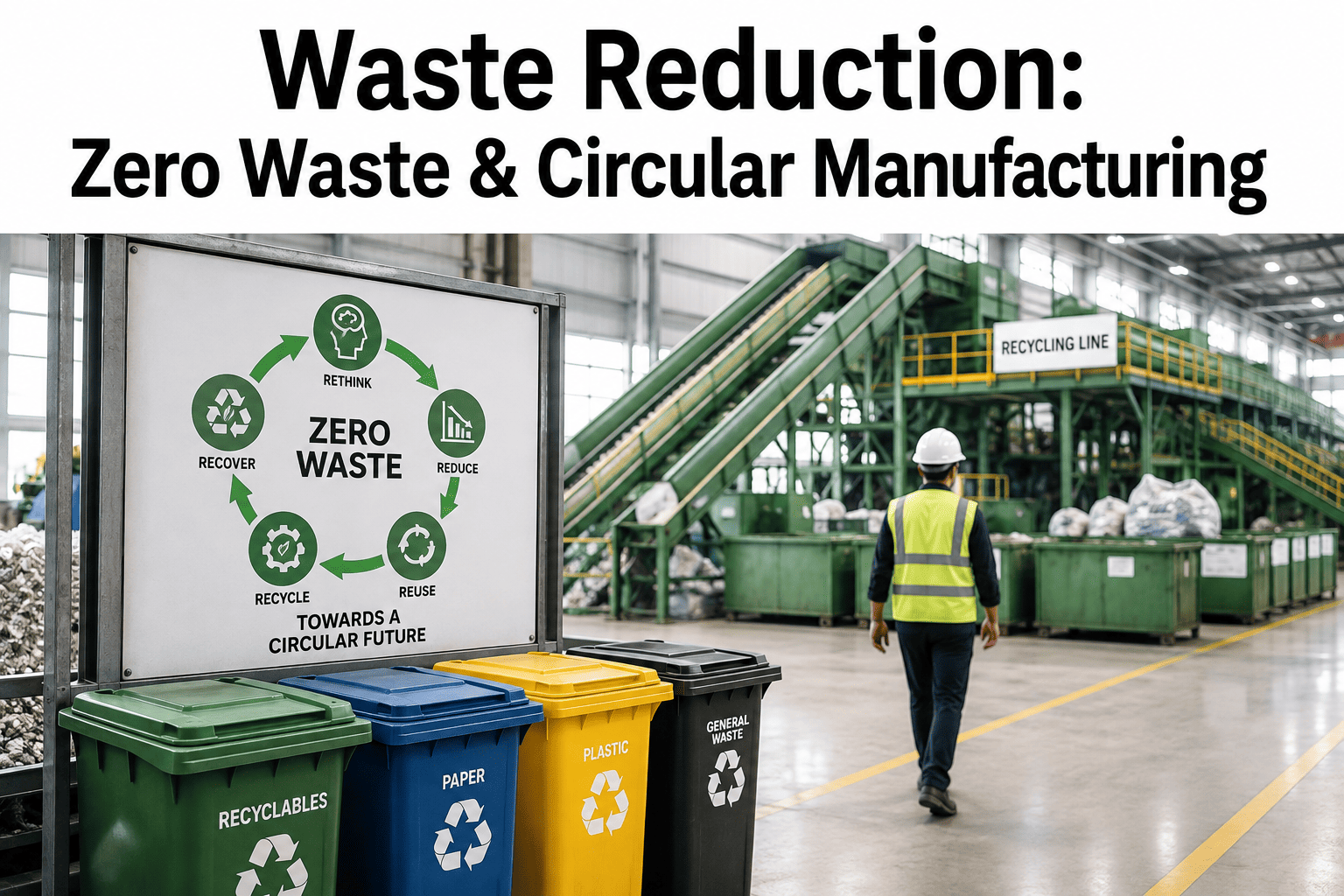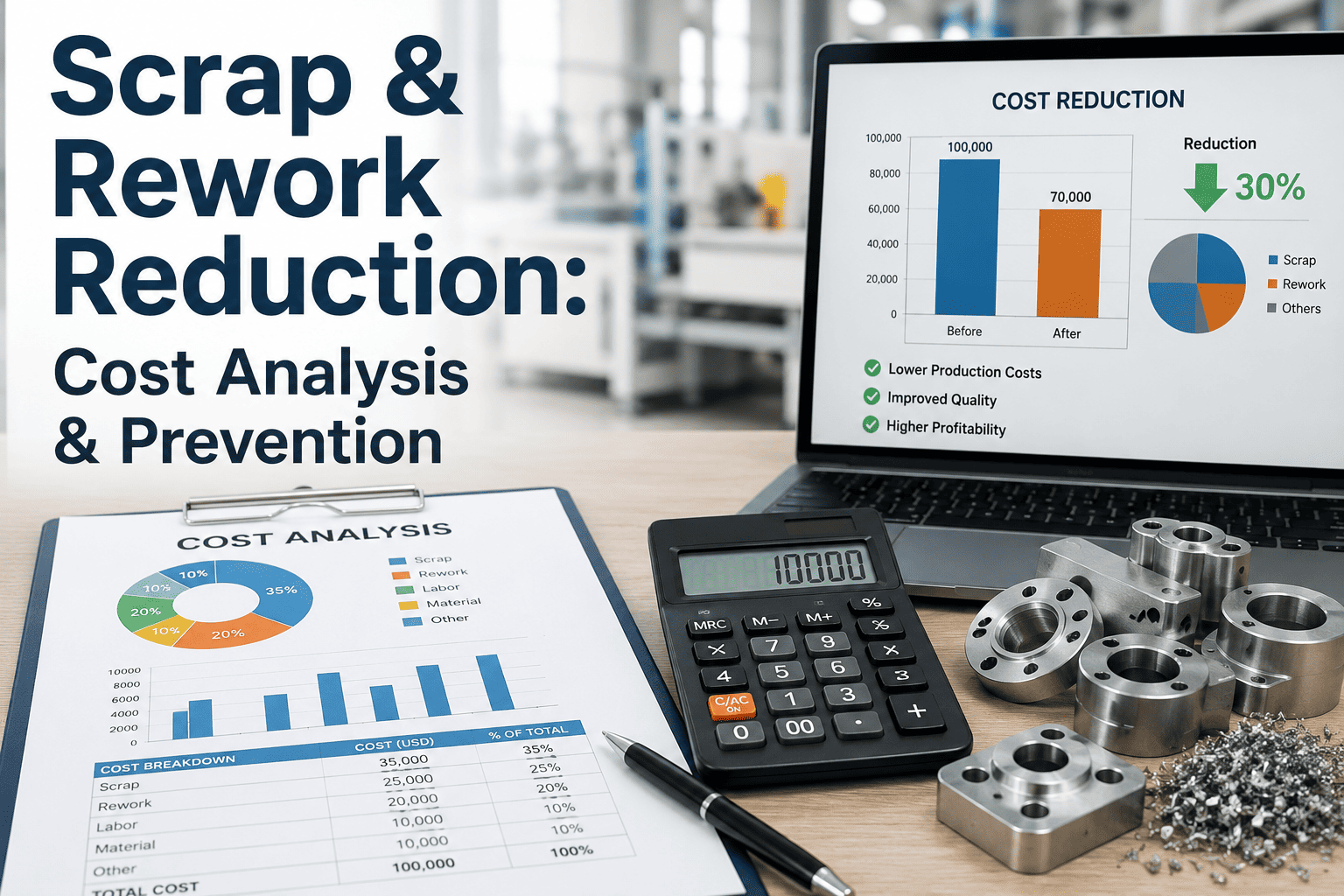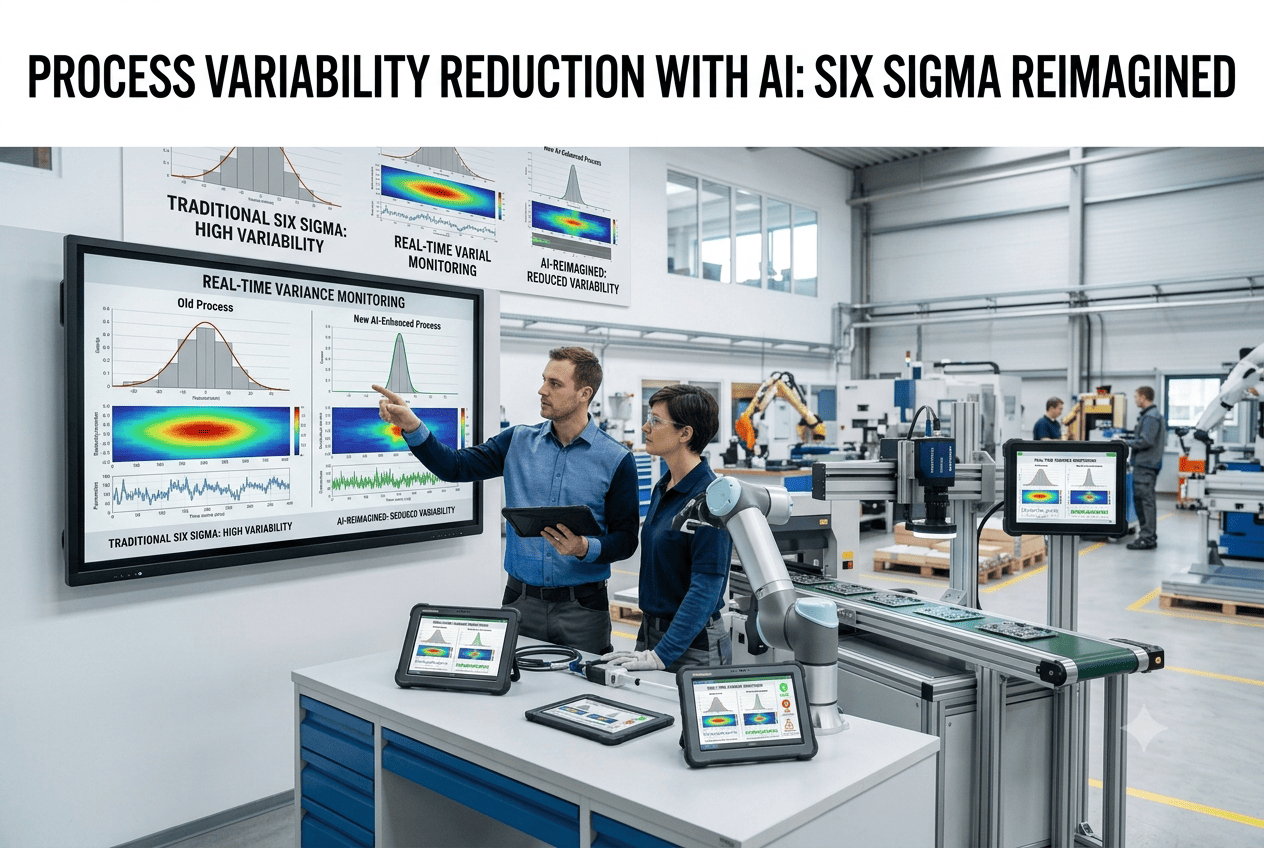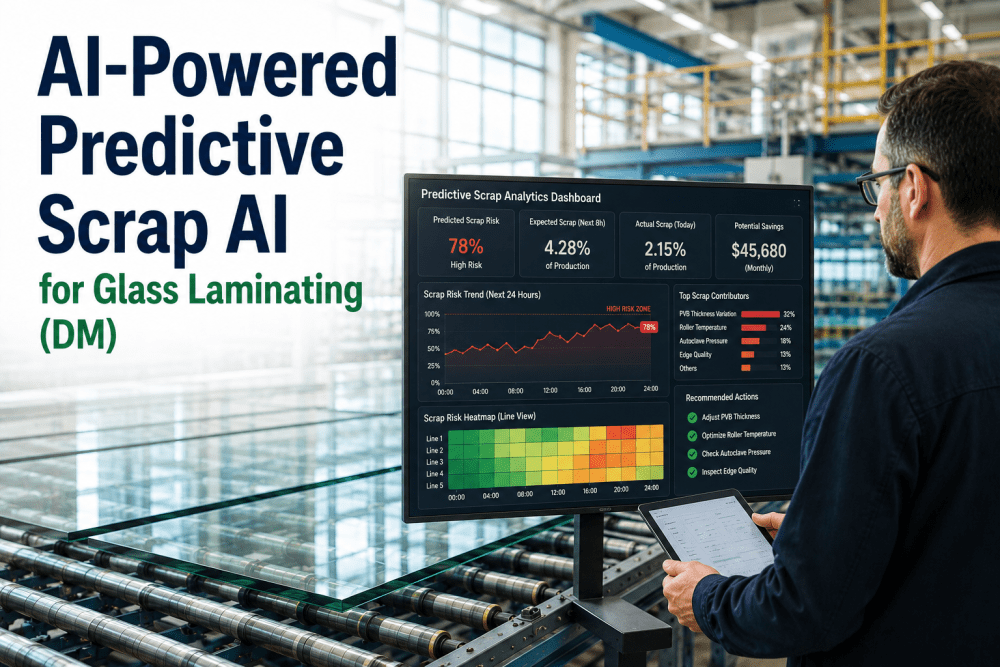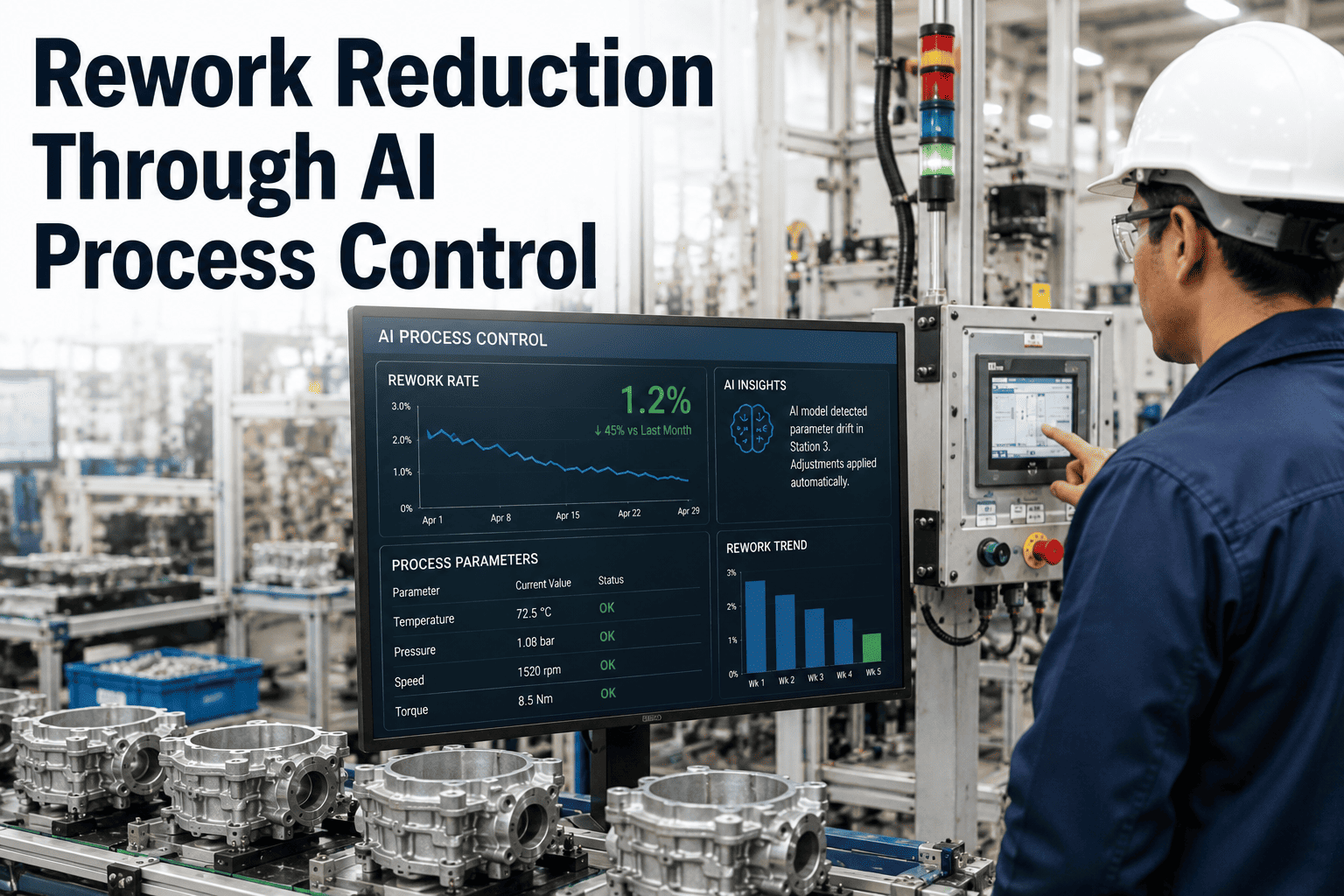
In high-volume discrete manufacturing, rework is a silent profit killer that erodes margins, disrupts production flow, and undermines quality metrics. Industry benchmarks reveal that rework costs typically account for 3–5% of total manufacturing costs, with each reworked unit consuming three to five times the labor and material of a first-pass correct part. For a mid-sized automotive plant producing 200,000 transmissions annually, a 2% rework rate translates to over $4 million in avoidable expenses per year. Traditional quality approaches rely on post-process inspection and statistical sampling, which detect defects only after value has been added to non-conforming workpieces. Artificial intelligence shifts this paradigm entirely by enabling real-time process control that predicts and prevents deviations before they result in defects. iFactory’s AI-driven rework reduction platform integrates with existing PLCs, sensors, and MES systems to create a closed-loop quality ecosystem. Book a Demo to see how leading manufacturers are eliminating rework through predictive process control.
Stop Rework Before It Starts
Deploy AI that predicts defects in real time and locks processes inside specification limits. Eliminate costly rework loops and achieve first-pass yield above 99%.
The Real Cost of Rework in Modern Manufacturing
Rework costs extend far beyond direct labor and material. When a part is rejected at final inspection, the entire production sequence must be interrupted to remove the defective unit, reallocate resources, and re-enter the corrected part into the flow. This disruption cascades through downstream stations, causing bottlenecks, missed takt times, and expedited shipping costs to meet customer deadlines. In electronics assembly, rework of a single printed circuit board assembly can cost $50–$150 in labor alone, not including the risk of thermal damage from desoldering and resoldering components. In aerospace, rework of a turbine blade may exceed $2,000 due to specialized certification requirements. The hidden costs include lost production capacity, increased work-in-process inventory, and diminished customer confidence. AI process control tackles these issues at the root by analyzing multivariate sensor data—temperature, pressure, vibration, spindle load, and dimensional measurements—to detect process drift within milliseconds. When a parameter moves toward the control limit, the system automatically adjusts machine settings or alerts operators to intervene, preventing the defect from occurring. This proactive approach reduces rework events by 85% or more, as demonstrated in iFactory deployments across automotive powertrain, semiconductor packaging, and medical device manufacturing.
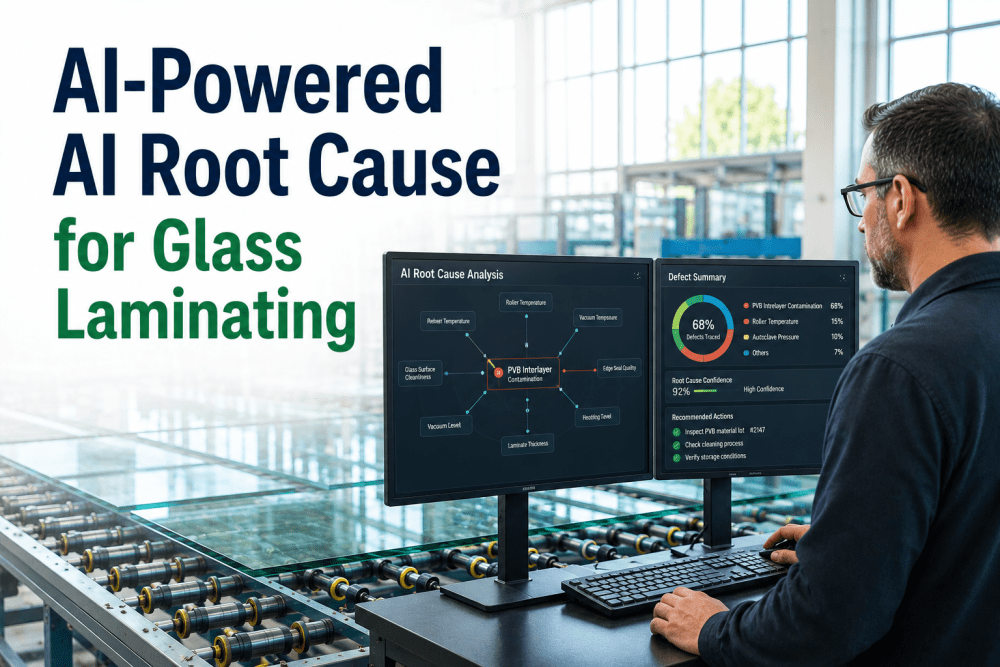
Real-Time Anomaly Detection
AI models trained on historical good and bad production runs identify subtle patterns invisible to traditional SPC. The system flags deviations 2–3 process cycles before a defect occurs, giving operators actionable time to correct.
Closed-Loop Process Adjustment
When drift is detected, the AI sends correction commands directly to PLCs via OPC-UA, adjusting feed rates, coolant flow, or tool offsets automatically without human intervention. This reduces response time from minutes to milliseconds.
Root Cause Correlation Engine
By correlating defect data with upstream process variables, the AI identifies the true root cause of recurring rework—whether it's a worn tool, inconsistent raw material, or environmental fluctuation—enabling permanent corrective actions.
Implementation Roadmap for Rework Elimination
Data Integration & Baseline Assessment
Connect iFactory's edge gateway to existing PLCs, sensors, and MES databases. Historical defect data is analyzed to establish baseline rework rates, cost per defect, and process capability indices (Cpk). This phase typically takes 2–4 weeks.
AI Model Training & Validation
Using supervised and unsupervised learning techniques, the system builds predictive models for each critical process parameter. Models are validated against hold-out datasets to ensure false positive rates below 1%. Parallel runs compare AI predictions with actual inspection results.
Pilot Deployment & Operator Training
A single production line is selected for pilot deployment. Operators receive hands-on training on the dashboard interface, alert protocols, and manual override procedures. The AI runs in advisory mode for two weeks to build trust.
Closed-Loop Activation & Continuous Improvement
After pilot validation, automated corrective actions are enabled. The system begins a continuous learning cycle, retraining models weekly based on new production data. Rework metrics are tracked in real-time dashboards with automated reporting to quality management.
Rework Reduction Impact by Industry
| Industry | Baseline Rework Rate | Post-AI Rework Rate | Annual Savings per Line | ROI Timeline |
|---|---|---|---|---|
| Automotive Powertrain | 3.2% | 0.4% | $1.8M | 6 months |
| Electronics Assembly | 4.7% | 0.6% | $2.3M | 4 months |
| Aerospace Components | 2.1% | 0.3% | $3.1M | 8 months |
| Medical Device Mfg | 5.5% | 0.8% | $2.9M | 5 months |
Eliminate Rework with Predictive AI
Join industry leaders who have cut rework costs by over 80% using iFactory's real-time process control. Your first-pass yield transformation starts today.
How AI Outperforms Traditional Statistical Process Control
Traditional SPC relies on univariate control charts (X-bar, R, p-charts) that monitor one parameter at a time using fixed control limits based on normal distribution assumptions. In modern high-mix, low-volume production, these assumptions frequently fail. Processes exhibit non-normal distributions, autocorrelation, and multivariate interactions that SPC cannot capture. For example, a slight increase in spindle temperature combined with a minor variation in raw material hardness may be individually within limits but collectively cause a surface finish defect. AI models using random forests, gradient boosting, or deep neural networks learn these complex interactions from data. They can incorporate dozens of input variables simultaneously and detect subtle nonlinear relationships. Furthermore, AI models adapt to process changes over time through online learning, whereas SPC requires manual recalculation of control limits. In a recent deployment at a Tier 1 automotive supplier, iFactory's AI detected a developing rework pattern 47 minutes before the first defect occurred, while SPC alarms triggered only after three consecutive defective parts had already been produced. The AI's early warning allowed the team to replace a worn cutting insert during a scheduled tool change, avoiding 12 rework events and saving $14,000 in a single shift.
Multivariate Pattern Recognition
AI simultaneously analyzes dozens of process parameters, detecting complex interactions that univariate methods miss. This capability is essential for processes with interdependent variables like injection molding or CNC machining.
Adaptive Model Retraining
Models automatically retrain on new production data, accommodating tool wear, material lot variations, and seasonal environmental changes. This ensures sustained accuracy without manual model maintenance.
Predictive Lead Time
AI provides 2–5 process cycles of predictive lead time before a defect occurs, compared to zero lead time with traditional inspection. This window allows proactive intervention rather than reactive rework.
Integrating AI Rework Reduction with Existing Quality Systems
One of the primary concerns for quality managers is how AI rework reduction fits into their existing quality management ecosystem. iFactory's platform is designed for seamless integration with ISO 9001, IATF 16949, and AS9100 quality systems. The AI generates structured data outputs that feed directly into corrective action requests (CARs), non-conformance reports (NCRs), and supplier quality scorecards. When the AI detects a process deviation that leads to a defect, it automatically creates an NCR in the QMS, complete with root cause analysis, affected part numbers, and recommended corrective actions. This eliminates manual data entry and ensures traceability from detection to resolution. The system also integrates with enterprise resource planning (ERP) systems to update inventory records and trigger reorder points when rework consumes additional material. For plants using MES, the AI provides real-time quality status for each serialized unit, enabling automated routing to rework stations or scrap bins based on defect severity. This closed-loop integration ensures that rework reduction is not an isolated initiative but a core component of the enterprise quality architecture, driving continuous improvement across the entire value stream.
The Financial Model: Calculating ROI for AI Rework Reduction
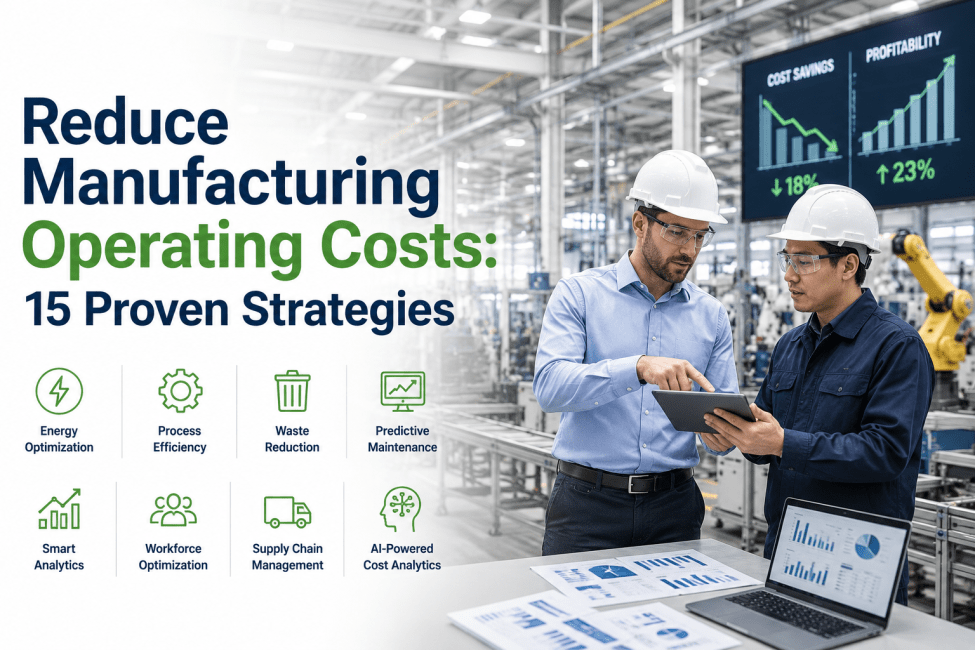
Building a compelling business case for AI rework reduction requires a detailed financial model that accounts for direct savings, indirect benefits, and implementation costs. The direct savings are calculated as the product of the rework cost per unit and the number of rework events eliminated. For a plant producing 10,000 units per month with a rework cost of $50 per unit and a 3% rework rate, the monthly rework cost is $15,000. With AI reducing rework by 85%, the monthly savings become $12,750, or $153,000 annually. Indirect savings include reduced inspection labor, lower expedited shipping costs, decreased warranty claims, and improved production capacity. When rework is eliminated, the production line gains capacity equivalent to the time previously spent on rework—typically 5–10% of total capacity. This capacity can be used to produce additional saleable units without incremental fixed costs. Implementation costs include edge gateway hardware, software licensing, integration services, and operator training. A typical deployment for a single production line costs $75,000–$150,000, yielding an ROI within 4–8 months. For multi-line deployments, economies of scale reduce per-line costs, and the ROI accelerates. iFactory provides a detailed ROI calculator during the demo process to help quality managers present a data-backed justification to their finance teams.
Direct Rework Savings
Eliminated labor, material, and overhead costs from rework events. Typical savings of $150,000–$500,000 per line annually.
Capacity Recovery
Recaptured production time previously lost to rework. This can increase effective capacity by 5–10% without capital expenditure.
Warranty & Liability Reduction
Fewer defects reaching customers reduces warranty claims and product liability exposure. Savings can exceed direct rework savings by 2x.
Frequently Asked Questions
How does AI rework reduction differ from traditional SPC or Six Sigma?
Traditional SPC monitors individual process parameters against fixed control limits, assuming normal distributions and independent observations. Six Sigma relies on DMAIC projects that identify and eliminate root causes through statistical analysis, but these projects are typically reactive and time-consuming. AI rework reduction operates in real time, analyzing dozens of variables simultaneously to predict defects before they occur. It adapts to process changes automatically and provides actionable alerts within milliseconds. While SPC and Six Sigma remain valuable for long-term process improvement, AI fills the gap for real-time, predictive control that prevents defects from happening in the first place. For more details on how iFactory integrates with your existing quality framework, contact our support team.
What is the typical implementation timeline for AI rework reduction?
A typical implementation follows a phased approach. Phase 1 (data integration and baseline assessment) takes 2–4 weeks, depending on the number of data sources and their accessibility. Phase 2 (AI model training and validation) requires an additional 2–3 weeks, as models must be trained on historical data and validated against real-time production. Phase 3 (pilot deployment) runs for 2–4 weeks in advisory mode to build operator confidence. Phase 4 (closed-loop activation) is completed within one week after successful pilot validation. Total time from kickoff to full closed-loop operation is typically 8–12 weeks for a single line. Multi-line deployments may take 12–16 weeks due to parallel rollouts. iFactory provides dedicated project managers to ensure timelines are met. To discuss your specific timeline, book a demo.
Can AI rework reduction handle high-mix, low-volume production environments?
Yes, AI rework reduction is particularly effective in high-mix, low-volume (HMLV) environments where traditional SPC struggles due to small batch sizes and frequent changeovers. iFactory's AI uses transfer learning and few-shot learning techniques to build robust models even with limited historical data per product variant. The system automatically identifies the current product from the MES or PLC and applies the appropriate model. When a new product is introduced, the AI begins learning from the first production run and achieves reliable predictions within 10–20 units. This capability is critical for job shops, aerospace, and medical device manufacturers that produce hundreds of different part numbers per month. For more information on HMLV applications, visit our support page.
How does the AI handle false positives, and what is the impact on operator trust?
False positives are a critical concern in any predictive system, as excessive false alarms erode operator trust and lead to alert fatigue. iFactory's AI models are trained to minimize false positive rates, typically achieving rates below 1%. The system uses a multi-stage alerting mechanism: low-confidence predictions generate a dashboard notification, while high-confidence predictions trigger an audible alarm and automatic corrective action. Operators can provide feedback on each alert through a simple interface, marking it as a true positive or false positive. This feedback is used to retrain the model, continuously improving accuracy. Additionally, the system provides a confidence score for each alert, allowing operators to prioritize their response. In deployment data, operator trust scores exceed 90% after the first month of use. To see how this works in practice, book a demo.
What is the cost of implementing AI rework reduction, and what is the expected ROI?
The cost of implementing iFactory's AI rework reduction solution for a single production line typically ranges from $75,000 to $150,000, including edge gateway hardware, software licensing for the first year, integration services, and operator training. Multi-line deployments benefit from volume discounts and shared infrastructure, reducing per-line costs by 20–30%. The expected ROI is 4–8 months, driven by direct rework savings, capacity recovery, and warranty cost reduction. For a typical automotive powertrain line with a 3% rework rate, the annual savings exceed $1.8 million, yielding an ROI of over 1200% within the first year. iFactory provides a detailed ROI analysis during the demo process, customized to your production data. To receive your personalized ROI estimate, book a demo.
Transform Your Quality Metrics Today
Stop rebuilding what you've already built. Deploy AI-driven rework reduction and achieve first-pass yield above 99%. Your journey to zero defects begins with a conversation.