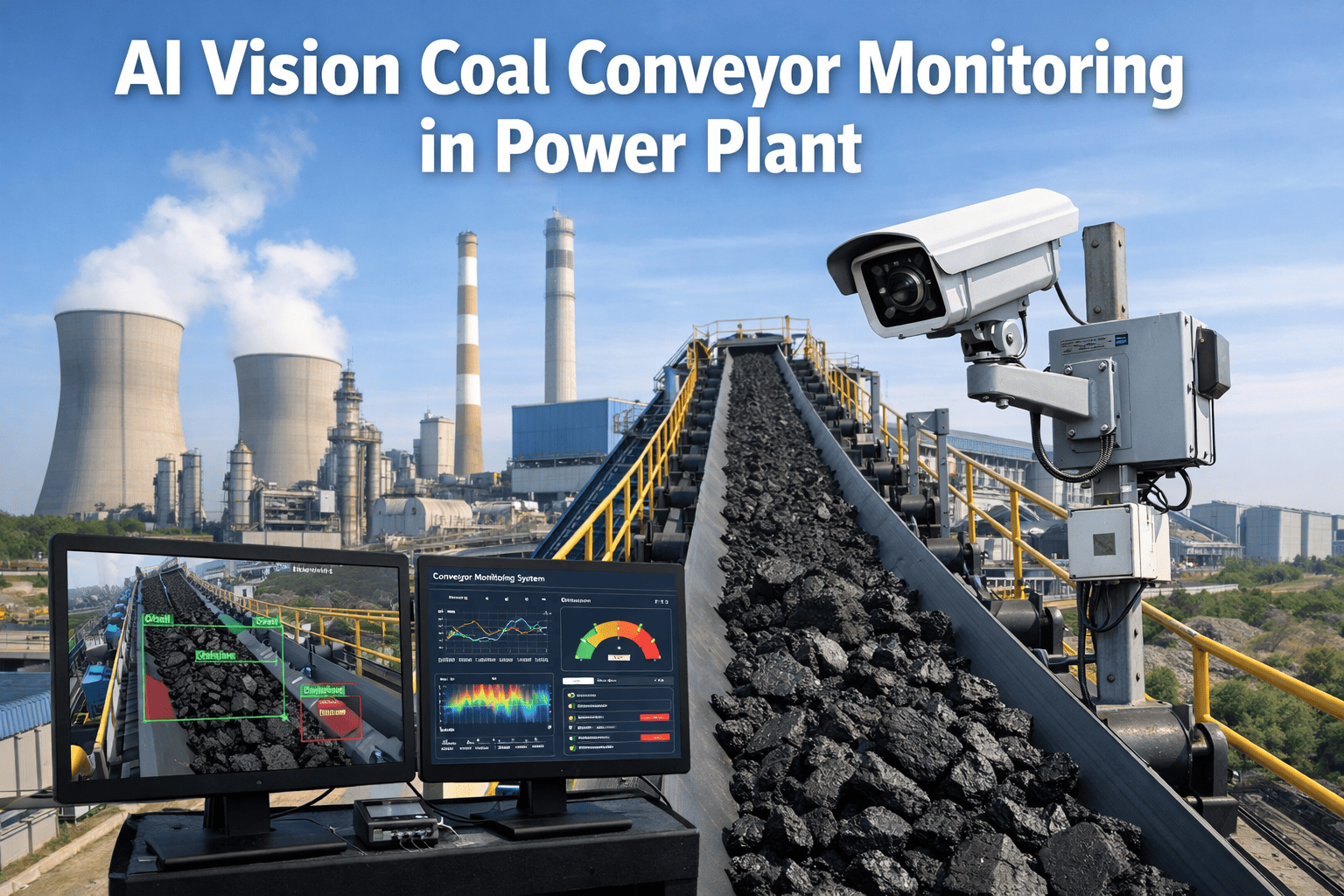
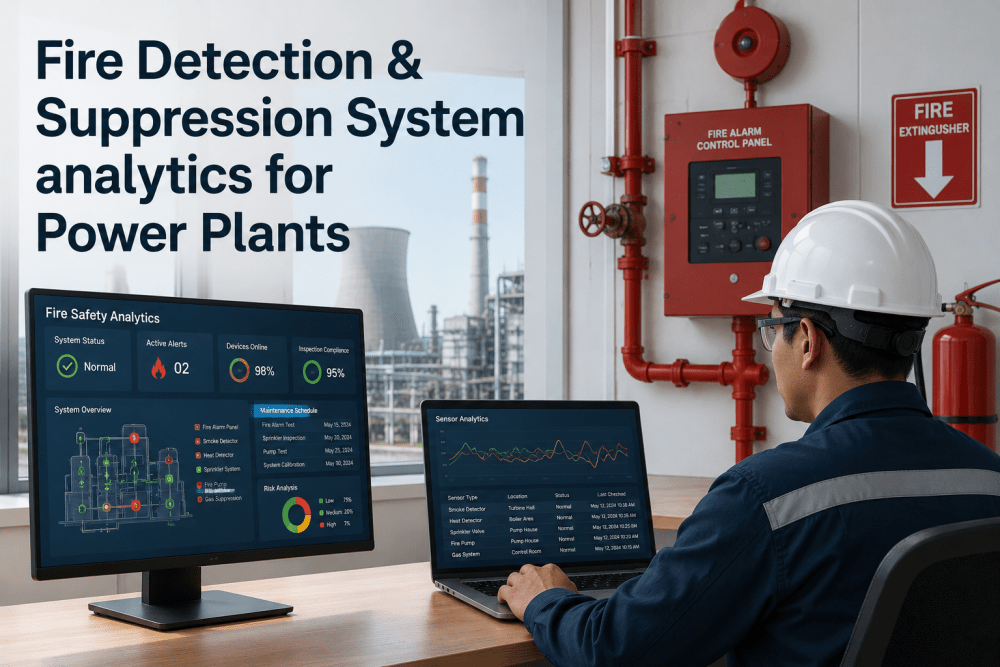
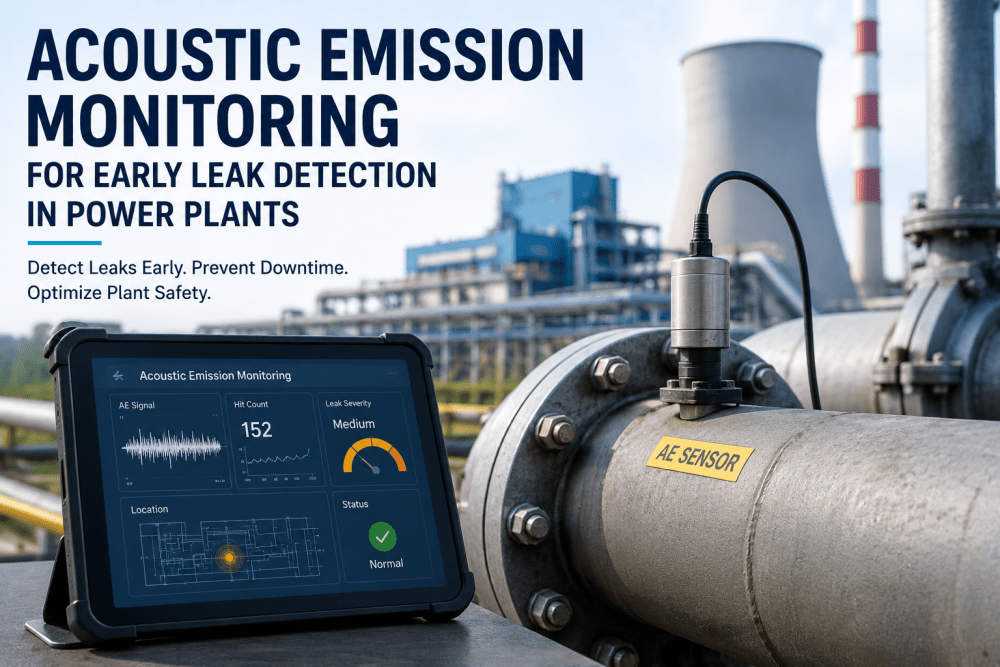
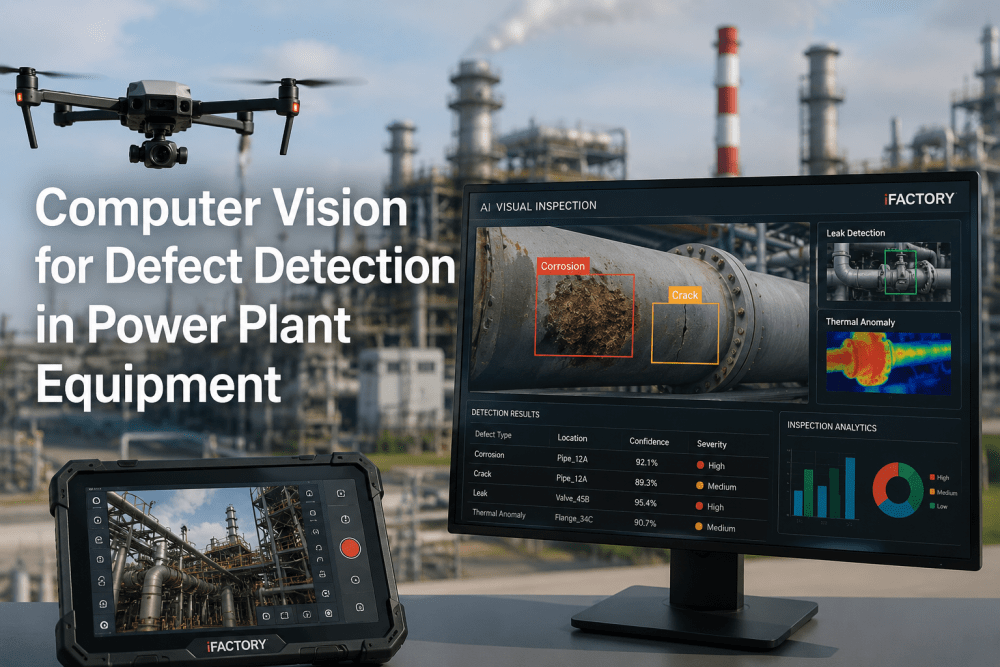
Thermal power plants experience an average of 15–29% operational downtime annually due to undetected ash handling incidents — not from equipment failure, but from manual visual inspections, delayed spill response, and blind spots in legacy CCTV systems that cannot identify ash accumulation, conveyor leaks, or fugitive dust in real time. By the time ash spills trigger safety hazards, environmental citations, or boiler efficiency losses, the compounding costs are already realized: cleanup labor, regulatory penalties, unplanned outages, and reputational exposure. iFactory AI Vision Ash Detection Platform changes this entirely — deploying computer vision models trained on thermal plant environments to detect ash spills, conveyor misalignment, and dust emissions in real time, classifying incident severity before operational impact occurs, and integrating directly into your existing CCTV, DCS, and environmental monitoring systems without hardware replacement. Book a Demo to see how iFactory deploys AI vision ash detection across your plant within 6 weeks.
98%
Ash spill detection accuracy with AI vision vs. 52% for manual camera monitoring
$740K
Average annual savings from reduced cleanup, downtime, and compliance risk
83%
Reduction in response time to ash handling incidents
6 wks
Full deployment timeline from camera audit to live AI detection go-live
Every Undetected Ash Spill Is a Safety and Compliance Risk. AI Vision Stops It at the Source.
iFactory's AI vision engine monitors ash conveyors, storage silos, boiler house floors, and discharge points using existing CCTV feeds — detecting spills, leaks, and dust plumes in real time, with automated alerts, severity classification, and incident documentation for safety and environmental compliance.
The Hidden Cost of Manual Ash Monitoring: Why Legacy CCTV Fails Thermal Power Plants
Before exploring solutions, understand the root causes of ash handling risk in thermal generation environments. Manual visual monitoring and basic CCTV introduce systemic gaps that compound over time — gaps that AI vision directly addresses.
Blind Spots and Coverage Gaps
Legacy CCTV systems lack intelligent analytics. Operators cannot monitor dozens of camera feeds simultaneously, missing early-stage spills, conveyor belt misalignment, or dust emissions until incidents escalate.
Delayed Incident Response
Manual inspections occur on fixed schedules. Ash accumulation, conveyor leaks, or silo overflows go undetected between rounds — allowing minor issues to become major cleanup events or safety hazards.
Environmental and Safety Exposure
Fugitive ash dust triggers EPA particulate citations, OSHA housekeeping violations, and community complaints. Without automated detection and documentation, plants lack defensible records for regulatory defense.
Operational Efficiency Loss
Ash spills near boiler intakes, turbine halls, or electrical equipment create fire risk, corrosion, and unplanned outages. Reactive cleanup diverts maintenance resources from preventive work.
How iFactory Solves Ash Spill Detection Challenges in Thermal Power Plants
Traditional ash monitoring relies on periodic walkdowns, static camera views, and reactive incident reporting — all of which respond after spills have already occurred. iFactory replaces this with a continuous AI vision layer trained on thermal plant imagery that detects the precursors to ash handling incidents, not the cleanup events themselves. See a live demo of iFactory detecting simulated ash conveyor leaks and silo overflow events in a coal-fired power facility.
01
AI-Powered Visual Analytics
iFactory ingests video feeds from existing CCTV cameras and applies computer vision models trained on ash textures, conveyor geometries, and dust plume patterns — detecting spills, leaks, and accumulations with 98% accuracy, updated every 5 seconds.
02
Severity Classification and Alert Prioritization
Proprietary ML models classify each detection as minor accumulation, active leak, safety-critical spill, or environmental release — with confidence scores attached. Operators receive graded alerts, not raw video floods. False positive rate drops to under 5%.
03
Predictive Incident Forecasting
iFactory's temporal reasoning engine identifies ash handling units trending toward spill events 15–45 minutes before impact — giving operators time to adjust conveyor speed, activate dust suppression, or dispatch cleanup crews proactively.
04
CCTV, DCS & Environmental System Integration
iFactory connects to Honeywell, Siemens, ABB, and Rockwell DCS environments plus existing CCTV infrastructure and environmental monitoring platforms via RTSP, ONVIF, OPC-UA, and REST APIs. No new cameras required in most deployments. Integration completed in under 8 days.
05
Automated Compliance Documentation
Every ash event — detected, classified, and resolved — generates a structured incident report with timestamped video evidence, location mapping, and regulatory impact tracking. Audit-ready for EPA NSPS, OSHA 1910.22, and state environmental directives.
06
Ash Handling Decision Support
iFactory presents ranked action recommendations per alert — activate water spray, isolate conveyor section, dispatch cleanup crew, or escalate to EHS — with risk scores and estimated downtime cost per minute of delay. Teams act on verified visual evidence, not estimates.
The Ash Intelligence Framework™
iFactory introduces a proprietary framework to measure and optimize ash handling safety across four critical dimensions unique to thermal power generation environments:
01
Detection Coverage
Camera placement optimization, blind spot elimination, and multi-angle correlation
02
Response Velocity
Time from spill detection to alert generation to crew dispatch
03
Compliance Readiness
Automated documentation, video evidence retention, and regulatory report generation
04
Risk Mitigation
Proactive spill prevention, dust control optimization, and safety protocol enforcement
How iFactory Is Different from Generic Video Analytics Tools
Most industrial vision vendors deliver generic motion detection or object counting wrapped in a dashboard. iFactory is built differently — from the thermal plant ash handling workflow up, specifically for environments where visual detection accuracy, response speed, and regulatory documentation determine safety, compliance, and operational continuity. Talk to our AI vision specialists and benchmark your current ash monitoring approach directly.
iFactory AI Vision Ash Detection Implementation Roadmap
iFactory follows a fixed 5-stage deployment methodology designed specifically for thermal power plant ash handling workflows — delivering pilot detection results in week 3 and full production coverage by week 6. No open-ended implementations. No operational disruption.
01
Camera Audit
Map existing CCTV & identify coverage gaps
02
System Integration
Connect CCTV, DCS, EHS via APIs
03
Model Calibration
AI training on plant-specific ash imagery
04
Pilot Validation
Live detection on 3–5 critical ash zones
05
Full Production
Plant-wide AI ash monitoring live
6-Week Deployment and ROI Plan
Every iFactory engagement follows a structured 6-week program with defined deliverables per phase — and measurable ROI indicators beginning from week 3 of deployment. Request the full 6-week deployment scope document tailored to your ash handling configuration.
Weeks 1–2
Discovery & Design
Current ash monitoring workflow assessment across boiler house, conveyors, and silos
Camera coverage mapping and AI model design aligned with plant layout and lighting conditions
Integration planning with DCS, EHS, and maintenance management systems
Weeks 3–4
Pilot & Validation
Deploy AI vision detection to high-risk zones: ash conveyors, silo discharge, boiler house floors
Alert workflows and escalation protocols activated; false positive tuning with operations team
First ash spill detections captured — ROI evidence begins here
Weeks 5–6
Scale & Optimize
Expand to full plant ash handling network: all conveyors, storage areas, and discharge points
Automated compliance reporting activated for applicable environmental and safety frameworks
ROI baseline report delivered — cleanup cost reduction, downtime avoidance, and audit efficiency gains
? ROI IN 4 WEEKS: MEASURABLE RESULTS FROM WEEK 3
Plants completing the 6-week program report an average of $128,000 in avoided cleanup costs and downtime within the first 4 weeks of full production rollout — with ash spill detection improvements of 38–62% detected by week 3 pilot validation.
$128K
Avg. savings in first 4 weeks
38–62%
Detection improvement by week 3
81%
Reduction in manual inspection labor
Eliminate Ash Spill Blind Spots. Deploy AI Vision Monitoring in 6 Weeks. ROI Evidence in Week 3.
iFactory's fixed-scope deployment program means no open timelines, no camera replacement costs, and no months of customization before you detect your first ash incident.
Use Cases and KPI Results from Live Deployments
These outcomes are drawn from iFactory deployments at operating thermal power plants across three ash handling scenarios. Each use case reflects 6-month post-deployment performance data. Request the full case study report for the ash monitoring scenario most relevant to your plant.
A 600MW coal-fired facility operating 4 ash conveyor lines was experiencing recurring minor leaks that escalated into major cleanup events due to delayed visual detection. Legacy CCTV required operators to manually scan 24 camera feeds during hourly rounds — missing early-stage spills 73% of the time. iFactory deployed AI vision analytics across all conveyor zones, with models trained on ash texture, belt geometry, and lighting variability. Within 3 weeks of go-live, the system detected 19 early-stage conveyor leaks at the precursor phase — before any measurable ash accumulation or safety exposure.
19
Early-stage conveyor leaks detected in first 3 weeks
$310K
Estimated annual cleanup and downtime cost prevented
97%
Detection accuracy on conveyor leak events
A biomass facility operating 3 ash storage silos was losing $185K annually to overflow events traced to manual level monitoring and delayed visual confirmation. Legacy systems required operators to physically inspect silo discharge points every 4 hours — typically identifying overflows only after ash had accumulated on the floor. iFactory replaced manual checks with AI vision overflow detection featuring real-time volume estimation and automated escalation to control room operators. Overflow response time dropped from 3.2 hours to 8 minutes, and annual overflow-related costs were eliminated.
8 min
Avg. overflow response time (down from 3.2 hrs)
$185K
Annual overflow-related cost eliminated
100%
Overflow events prevented post-deployment
A combined cycle facility with coal ash handling was receiving quarterly EPA notices for fugitive particulate emissions, traced to undetected dust plumes from ash transfer points. Manual visual inspections could not reliably identify low-visibility dust emissions, especially during high-wind conditions. iFactory deployed AI vision dust detection with plume trajectory modeling and wind correlation, enabling proactive activation of water spray systems before emissions breached permit limits. The plant achieved zero particulate citations in the 6 months post-deployment and reduced water spray usage by 22% through targeted activation.
0
EPA particulate citations post-deployment
22%
Reduction in water spray consumption
$245K
Annual compliance and water cost value
What Power Plant Leaders Say About iFactory AI Vision
The following testimonial is from a plant operations director at a facility currently running iFactory's AI vision ash detection platform.
We eliminated the "we didn't see it happen" problem entirely. iFactory's AI vision detects ash spills the moment they start — not hours later during the next walkdown. In the first month alone, it flagged three conveyor leaks that would have become major cleanup events. The system paid for itself in avoided downtime and labor. More importantly, our EHS team now has defensible, timestamped video evidence for every incident. That documentation alone transformed our regulatory audit experience.
Director of Plant Operations
Coal-Fired Power Station, Ohio, USA
Frequently Asked Questions
Does iFactory require new cameras or hardware to be installed?
In most deployments, iFactory connects to existing CCTV infrastructure via RTSP or ONVIF protocols — no new cameras required. Where coverage gaps are identified during the Week 1 camera audit, iFactory recommends targeted additions only (typically 2–4 cameras per ash handling zone), not a full system overhaul. Integration is complete within 8 days in standard environments.
Which plant systems does iFactory integrate with?
iFactory integrates natively with Honeywell Experion, Siemens PCS 7, ABB System 800xA, Rockwell PlantPAx, and Yokogawa CENTUM for process data; IBM Maximo, SAP PM, and Fiix for maintenance workflows; and Enablon, Cority, or custom EHS platforms for incident reporting. Integration scope is confirmed during the Week 1 camera audit.
How does iFactory handle low-light or high-dust visual conditions common in ash handling areas?
iFactory's AI models are pre-trained on thermal plant imagery across varied lighting, steam, and dust conditions. The platform includes adaptive preprocessing for low-light enhancement, dust-obscuration compensation, and motion-blur correction. Model calibration during Week 3–4 fine-tunes detection thresholds for your plant's specific visual environment.
Can iFactory operate with intermittent network connectivity?
Yes. iFactory offers edge-deployment options with local inference processing and store-and-forward alerting. Detections are processed on-premises and sync to the central platform when connectivity restores. Zero detection gaps during network interruptions.
How long does training take for plant personnel?
Role-based training modules are delivered during Weeks 4–5 of deployment. Most control room operators achieve proficiency in under 60 minutes. Supervisors and EHS staff receive additional training on alert management, incident documentation, and report generation. Ongoing support is included.
What if our plant has unique ash handling configurations?
iFactory's model builder allows configuration of custom detection zones, alert thresholds, and escalation rules without code. Our implementation team works with your operations, maintenance, and EHS teams during Week 1–2 to align the platform with your specific ash handling workflows and compliance obligations.
Stop Missing Ash Spills. Start Detecting Them in Real Time. Deploy AI Vision in 6 Weeks.
iFactory gives thermal power plant teams real-time ash spill detection, severity-classified alerts, automated compliance documentation, and seamless system integration — fully deployed in 6 weeks, with ROI evidence starting in week 3.
98% ash spill detection accuracy with existing CCTV
DCS, EHS & maintenance integration in under 8 days
EPA NSPS and OSHA audit-ready incident reports
Edge deployment option for low-connectivity zones