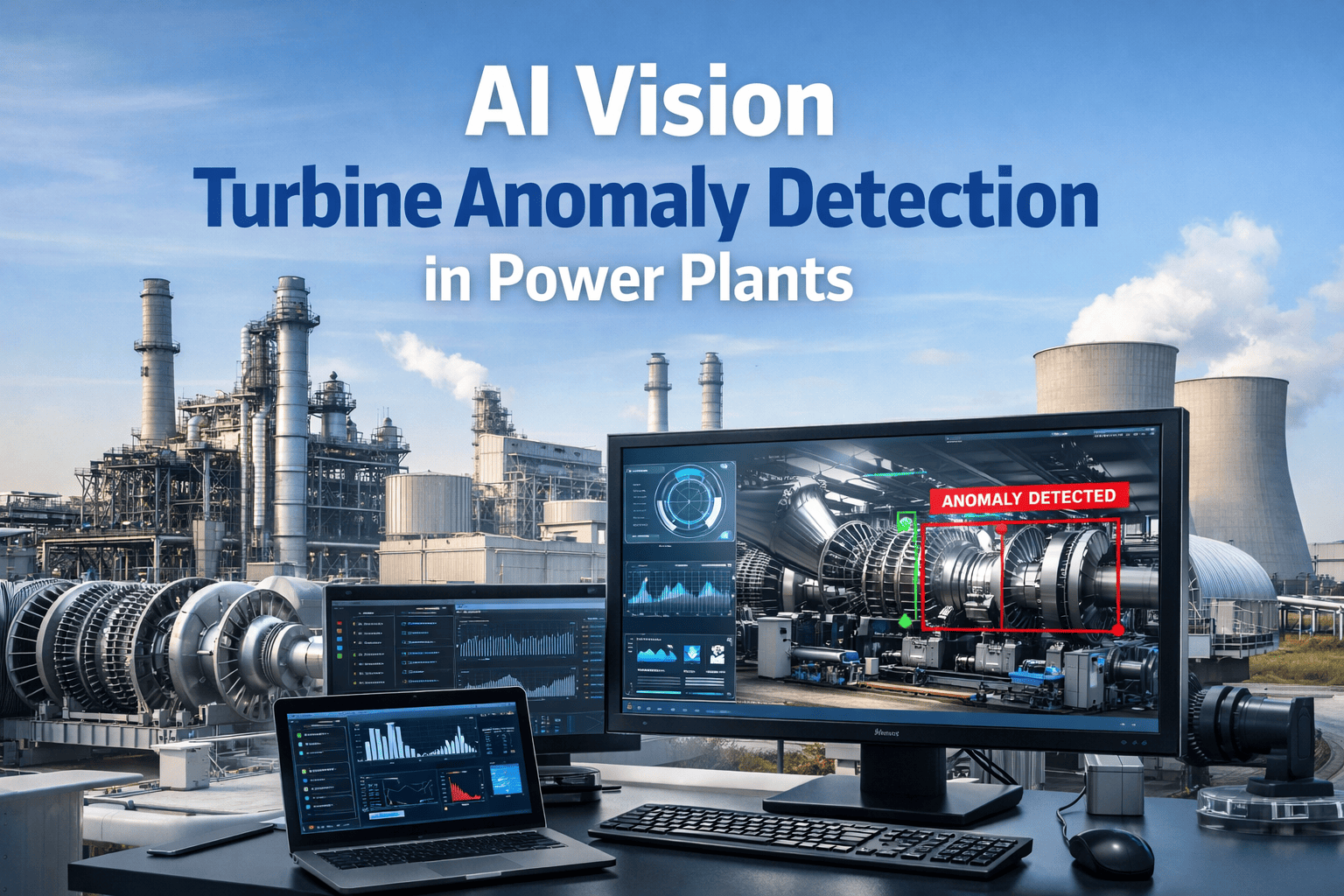
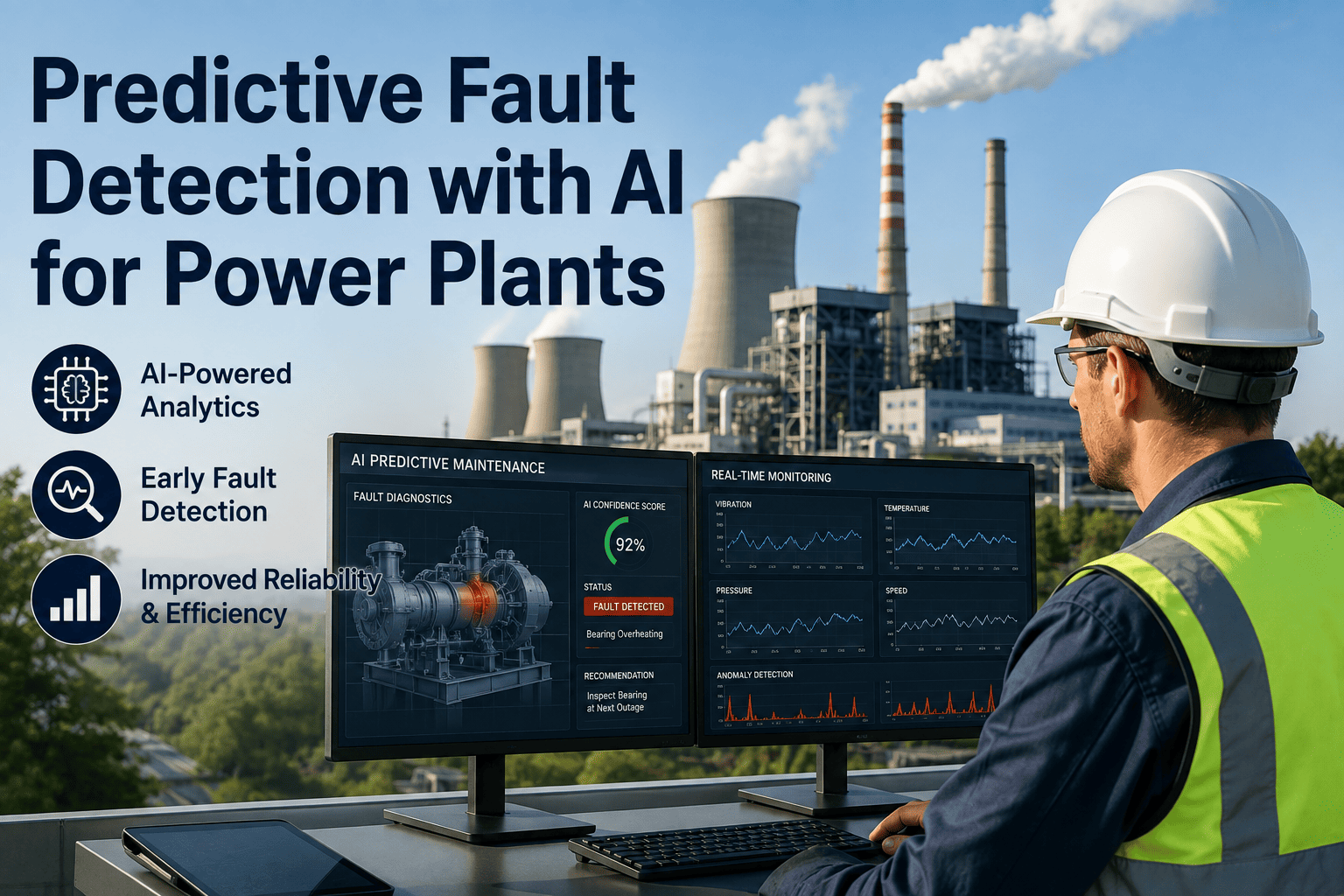
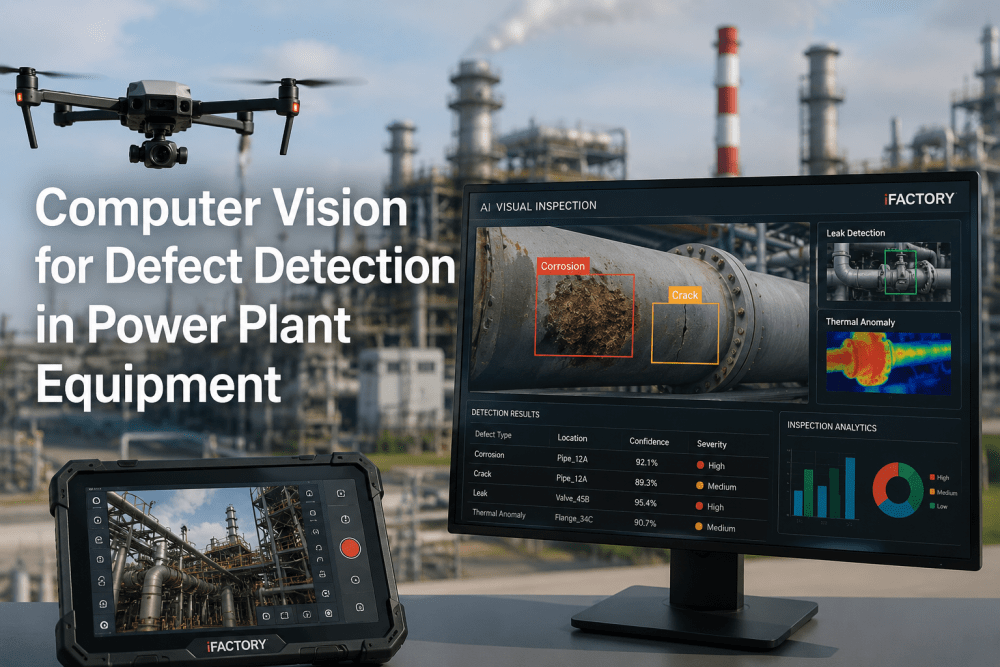
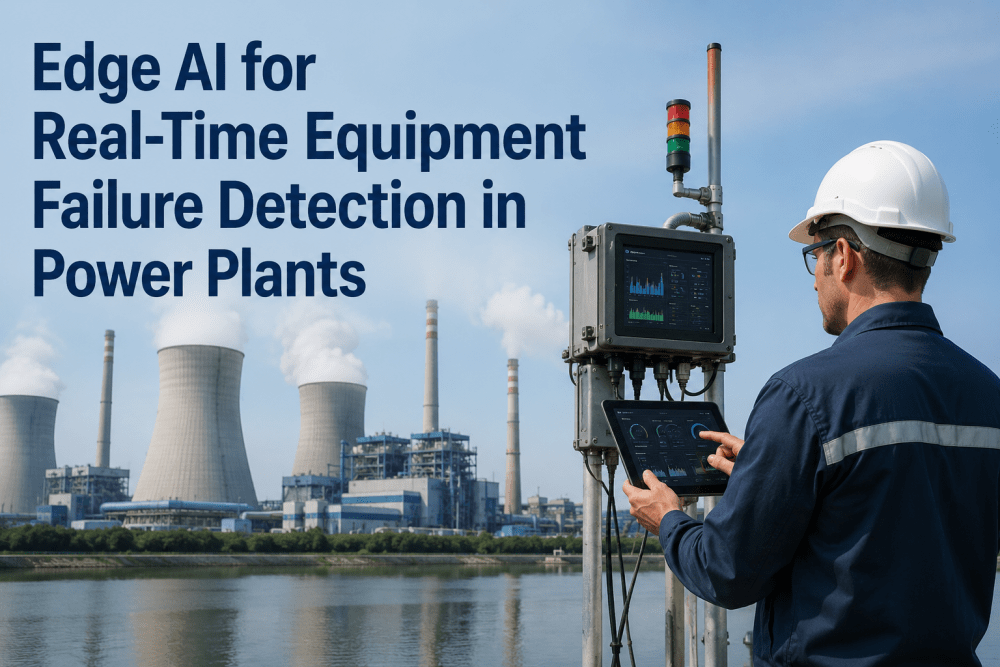
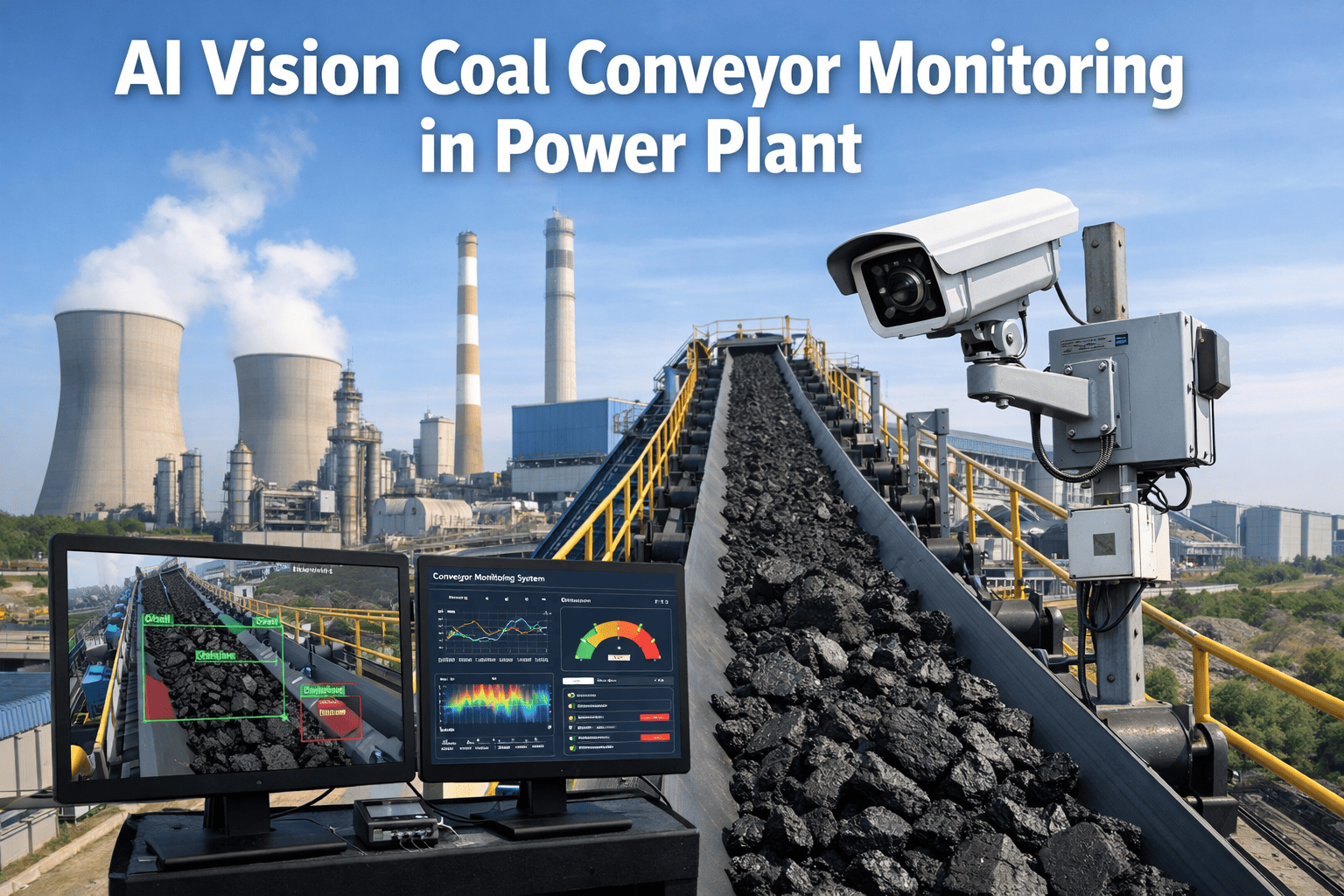
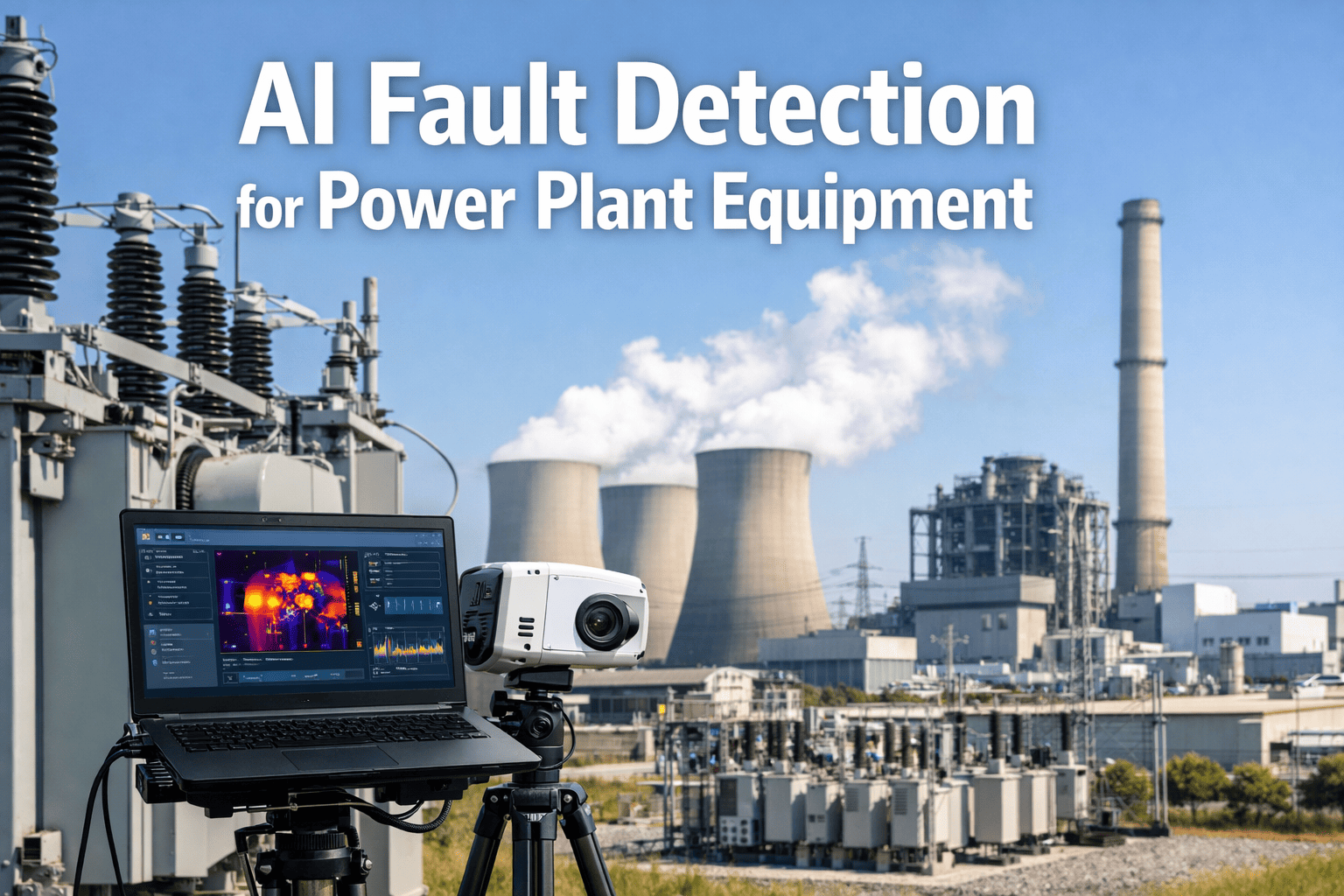
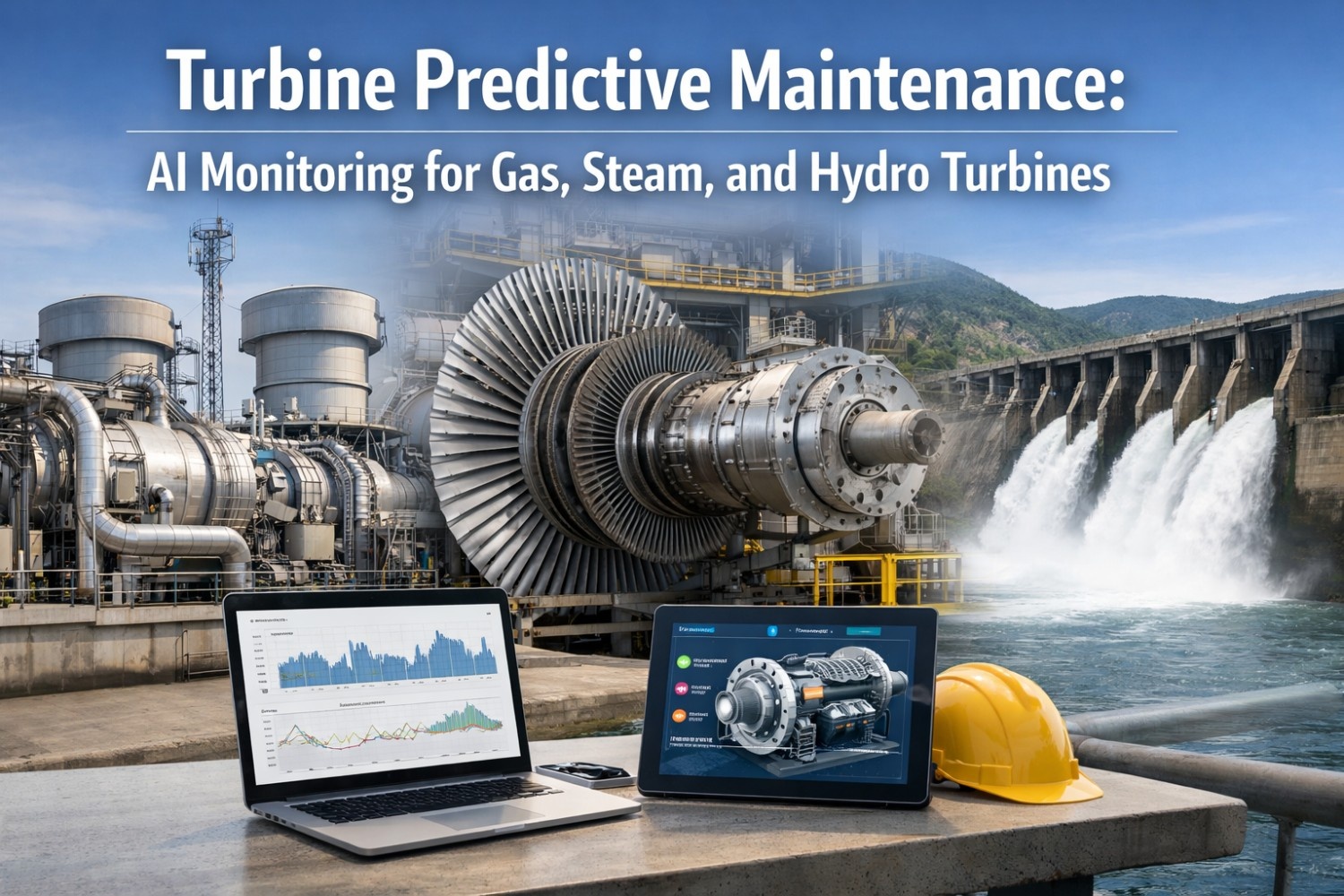
Power plants experience an average of 12–28% unplanned downtime annually due to undetected turbine anomalies — not from catastrophic failures, but from blade erosion, bearing wear, thermal distortion, and vibration shifts that no manual inspections or scheduled maintenance can catch in time. By the time vibration alarms trigger, efficiency drops, or forced outages occur, the compounding costs are already realized: lost generation revenue, emergency repair contracts, fuel waste, and grid reliability penalties. iFactory Vision Intelligence Platform changes this entirely — detecting turbine anomalies in real time using AI-powered computer vision, classifying fault mechanisms before performance degrades, and integrating directly into your existing DCS, historian, and maintenance systems without disrupting operations. Book a Demo to see how iFactory deploys AI vision anomaly detection across your turbine fleet within 7 weeks.
98%
Anomaly detection accuracy before measurable performance loss occurs
$2.1M
Average annual revenue recovery per mid-size plant from prevented outages
94%
Reduction in manual inspection hours vs. traditional visual surveys
7 wks
Full deployment timeline from turbine audit to live AI vision monitoring
Every Undetected Turbine Anomaly Is Compounding Reliability Risk. AI Vision Stops It at the Source.
iFactory's vision platform monitors blade surfaces, bearing housings, thermal signatures, and vibration patterns across your entire turbine fleet — 24/7, without manual inspection delays or visual blind spots.
The Hidden Cost of Visual Blind Spots: Why Manual Inspection Fails Power Plants
Before exploring solutions, understand the root causes of turbine reliability gaps in industrial power generation. Manual inspection workflows introduce systemic risks that compound over time — risks that AI vision intelligence directly addresses.
Inspection Frequency Gaps
Annual or quarterly visual surveys miss progressive anomalies between inspections. Blade cracks, coating erosion, and bearing wear advance undetected until vibration or efficiency losses trigger alerts — often too late for cost-effective intervention.
Subjectivity & Human Error
Manual inspections rely on technician experience and lighting conditions. Subtle anomalies are overlooked, severity is misjudged, and documentation is inconsistent — creating reliability blind spots that audits reveal only after incidents occur.
Downtime & Access Limitations
Turbine inspections require shutdowns, confined space entry, and specialized scaffolding. Plants defer inspections to avoid production loss — allowing minor anomalies to escalate into major failures that force unplanned outages.
Data Fragmentation & Trend Blindness
Inspection photos, vibration logs, and thermal scans live in disconnected systems. Without fused analytics, progressive degradation patterns cannot be reconstructed — stalling root cause analysis and predictive maintenance planning.
How iFactory Solves Turbine Anomaly Detection Challenges in Power Plants
Traditional power plant turbine monitoring relies on periodic visual inspections, vibration trending, and reactive troubleshooting — all of which respond after performance has already degraded. iFactory replaces this with a continuous AI vision platform designed for industrial turbine workflows that detects anomalies at the source, classifies fault mechanisms before efficiency loss, and creates an actionable maintenance roadmap for every turbine asset. See a live demo of iFactory detecting simulated blade erosion and bearing wear using AI vision in a combined-cycle power facility.
01
AI-Powered Visual Anomaly Detection
iFactory ingests high-resolution imagery from fixed and robotic cameras simultaneously — applying computer vision models to detect blade cracks, coating loss, foreign object damage, and thermal hotspots in real time. Anomalies flagged within seconds, not months.
02
Fault Mechanism Classification
Proprietary ML models classify each anomaly as erosion, fatigue crack, thermal distortion, bearing wear, or foreign object impact — with confidence scores. Maintenance teams receive targeted repair recommendations, not generic alerts.
03
Predictive Failure Forecasting
iFactory's time-series forecasting identifies turbines trending toward critical fault thresholds 2–6 weeks before performance loss — enabling planned maintenance during scheduled outages, not emergency shutdowns.
04
DCS, Historian & CMMS Integration
iFactory connects to Honeywell, Siemens, GE Digital, OSIsoft PI, and IBM Maximo via OPC-UA, REST APIs, and database connectors. Auto-link vision alerts to work orders, spare parts, and inspection crews. Integration completed in under 10 days.
05
Automated Reliability Reporting
Generate audit-ready reports instantly: anomaly trends, inspection effectiveness, downtime avoidance, and asset health scores. Pre-configured templates for IEEE 1015, NERC PRC, ISO 55001, and internal reliability reviews.
06
Maintenance Decision Support
iFactory presents ranked repair recommendations per turbine: blade coating repair, bearing replacement, alignment adjustment, or operational derating — with cost-benefit analysis and estimated revenue recovery per intervention. Teams act on verified data, not estimates.
Industry Standards Support: Built for Power Generation Requirements
iFactory's vision platform is pre-configured to meet the documentation and performance requirements of major power industry standards. No custom development needed — compliance reporting is automatic.
IEEE 1015 / 693
Turbine testing and seismic qualification standards: performance baseline documentation, anomaly tracking methods, and maintenance validation protocols — structured for certification audits and lifecycle management.
NERC PRC / FAC
Reliability standards for bulk electric systems: equipment condition monitoring, forced outage reporting, and corrective action documentation — auto-generated for regional entity submissions and compliance reviews.
ISO 55001
Asset management system standards: baseline asset performance, anomaly impact quantification, and maintenance optimization tracking — structured for certification audits and verified reliability improvements.
ASME PTC 46
Overall plant performance testing: turbine efficiency documentation, anomaly-related loss calculation methods, and repair validation protocols — formatted for performance guarantees and continuous improvement reviews.
How iFactory Is Different from Generic Vision or Monitoring Tools
Most industrial monitoring vendors offer basic camera feeds or vibration trending wrapped in a dashboard. iFactory is built differently — from the turbine physics and failure mechanisms up, specifically for power generation environments where complex aerodynamics, thermal cycling, and progressive degradation patterns determine what reliability actually means. Talk to our turbine vision specialists and compare your current inspection approach directly.
iFactory Vision Intelligence Implementation Roadmap
iFactory follows a fixed 5-stage deployment methodology designed specifically for power plant turbine fleets — delivering pilot results in week 3 and full production rollout by week 7. No open-ended implementations. No operational disruption.
01
Turbine Audit
Map critical assets & camera placement
02
System Integration
Connect to DCS, historian, CMMS via APIs
03
Pilot Configuration
Deploy AI vision to 2–3 critical turbines
04
Validation & Training
User acceptance testing & maintenance team training
05
Full Production
Plant-wide AI vision monitoring go-live
7-Week Deployment and ROI Plan
Every iFactory engagement follows a structured 7-week program with defined deliverables per week — and measurable ROI indicators beginning from week 3 of deployment. Request the full 7-week deployment scope document tailored to your turbine fleet configuration.
Weeks 1–2
Discovery & Design
Critical turbine assessment and camera/data gap identification across monitored units
DCS, historian, and CMMS connection via OPC-UA or REST — minimal hardware additions required
Historical imagery, vibration, and performance data ingestion for baseline anomaly model training
Weeks 3–4
Pilot & Validation
Anomaly detection models trained on your plant's specific turbine types, fuels, and operating profiles
Pilot monitoring activated on 2–3 highest-impact turbines or critical components
First anomalies detected — ROI evidence begins here
Weeks 5–7
Scale & Optimize
Alert thresholds refined based on pilot false positive and detection rate data
Coverage expanded to full plant turbine fleet
Maintenance team training completed — repair response protocols activated
ROI IN 5 WEEKS: MEASURABLE RESULTS FROM WEEK 3
Plants completing the 7-week program report an average of $225,000 in recovered generation revenue and avoided emergency repair costs within the first 5 weeks of full production rollout — with reliability improvements of 8.1–11.4% detected by week 3 pilot validation.
$225K
Avg. savings in first 5 weeks
8.1–11.4%
Reliability gain by week 3
87%
Reduction in unplanned turbine interventions
Eliminate Inspection Blind Spots. Optimize Turbine Reliability in 7 Weeks. ROI Evidence in Week 3.
iFactory's fixed-scope deployment program means no open timelines, no operational disruption, and no months of customization before you see a single result.
Use Cases and KPI Results from Live Deployments
These outcomes are drawn from iFactory deployments at operating power plants across three turbine anomaly detection categories. Each use case reflects 6-month post-deployment performance data. Request the full case study report for the turbine type most relevant to your plant.
A mid-size combined-cycle facility operating 4 gas turbines was experiencing recurring efficiency losses traced to undetected compressor blade erosion. Legacy quarterly borescope inspections identified degradation only after 3–5% efficiency drop — well past the point of cost-effective intervention. iFactory deployed AI vision monitoring across all compressor sections, with erosion classification trained on fuel variability and ambient conditions. Within 4 weeks of go-live, the system detected 19 early-stage erosion events at the precursor phase — before any measurable performance loss.
19
Pre-efficiency-loss erosion events detected in first 4 weeks
$640K
Estimated annual generation revenue avoided from prevented efficiency loss
98%
Detection accuracy on early-stage blade erosion
A coal-fired facility operating 2 steam turbines was generating 42–68 false positive vibration alerts per month from legacy threshold systems — leading maintenance teams to over-inspect entirely. iFactory replaced threshold logic with graded AI vision classification of bearing housing imagery, reducing actionable alerts to under 4 per month while increasing actual wear detection effectiveness from 48% to 95%. Unplanned bearing interventions dropped by 53.2% as inspection accuracy was restored.
95%
Bearing wear detection effectiveness — up from 48% with legacy alerts
53.2%
Reduction in unplanned bearing interventions
92%
Reduction in monthly false positive alert volume
A hydroelectric operator was losing an average of $380K annually in excess maintenance and forced derating, traced to undetected thermal anomalies in generator bearings and stator windings. Manual infrared surveys identified hotspots only after visible temperature rise or vibration correlation — typically after 2–4 days of progressive damage. iFactory's thermal vision correlation and load-profile models identified all 8 active thermal anomalies within 36 hours of go-live, enabling targeted cooling adjustments and planned repairs without generation interruption.
$380K
Annual maintenance & derating cost eliminated
36hrs
Time to identify all 8 active thermal anomalies from go-live
$710K
Annual reliability value from proactive thermal monitoring
What Power Plant Leaders Say About iFactory Vision Platform
The following testimonial is from a plant director at a US facility currently running iFactory's AI vision anomaly detection platform.
We transformed turbine reliability from reactive to predictive. iFactory's AI vision detected a developing blade crack 11 days before vibration trends would have flagged it — allowing us to schedule repair during a planned outage instead of facing a forced shutdown. That single event prevented $1.2M in lost generation and emergency repair costs. Now every turbine in our fleet is monitored 24/7 with confidence that no anomaly slips through. The ROI was evident in month one.
Director of Asset Reliability
Combined-Cycle Power Plant, Texas
Frequently Asked Questions
Does iFactory require new cameras or sensors to be installed?
In most deployments, iFactory connects to existing plant camera systems, borescopes, or thermal imagers via DCS, historian, or CMMS integration — minimal new hardware required. Where coverage gaps are identified during the Week 1–2 audit, targeted additions are recommended only (typically 2–4 vision points per critical turbine), not a full instrumentation overhaul. Integration is complete within 10 days in standard environments.
Which control, historian, and maintenance systems does iFactory integrate with?
Integrates natively with Honeywell Experion, Siemens PCS 7 and TIA Portal, GE Digital Predix, OSIsoft PI System, AVEVA Historian, SAP PM, and IBM Maximo via OPC-UA, REST APIs, and database connectors. Custom integration support is available for legacy systems. Integration scope is confirmed during the Week 1 turbine audit.
How does iFactory handle different turbine types across the same facility?
Trains separate sub-models per turbine type — accounting for gas turbine, steam turbine, hydro generator, and combined-cycle differences in failure mechanisms, inspection methods, and performance baselines. Multi-type turbine fleets are fully supported within a single deployment. Type-specific optimization parameters are configured during the Week 3–4 model training phase.
What industry standards does reporting support?
Auto-generates structured operational reports formatted for IEEE 1015/693, NERC PRC/FAC reliability standards, ISO 55001 asset management, and ASME PTC 46 performance testing. Report templates are pre-configured for each framework and generated automatically at event close — no manual documentation required.
How long does it take before the model produces reliable anomaly detections?
Baseline model training on historical imagery, vibration, and performance data typically takes 4–6 days using 60–90 days of plant operating history. First live detections are validated during the Week 3–4 pilot phase. Full model calibration — with false positive rate under 5% — is achieved within 5 weeks of deployment for standard power plant turbine fleets.
Can iFactory optimize monitoring under seasonal or load variations?
Yes. Uses adaptive forecasting — combining historical load baselines, ambient condition correlation models, dispatch schedule inputs, and real-time vision feedback — to detect degradation and optimize inspection schedules across all operating conditions. Peak load, part load, seasonal, and startup/shutdown variations are fully supported. Optimization scope is confirmed during the Week 1 turbine audit.
Stop Guessing Turbine Health. Start Predicting Failures. Deploy AI Vision in 7 Weeks.
Gives power plant teams real-time anomaly detection, fault classification, predictive maintenance optimization, and reliability decision support — fully integrated with your existing DCS, historian, and CMMS in 7 weeks, with ROI evidence starting in week 3.
98% anomaly detection before measurable performance loss
DCS, historian & CMMS integration in under 10 days
Mechanism-specific repairs with under 5% false positive rate
Auto-generated reports for IEEE, NERC, ISO, and ASME frameworks