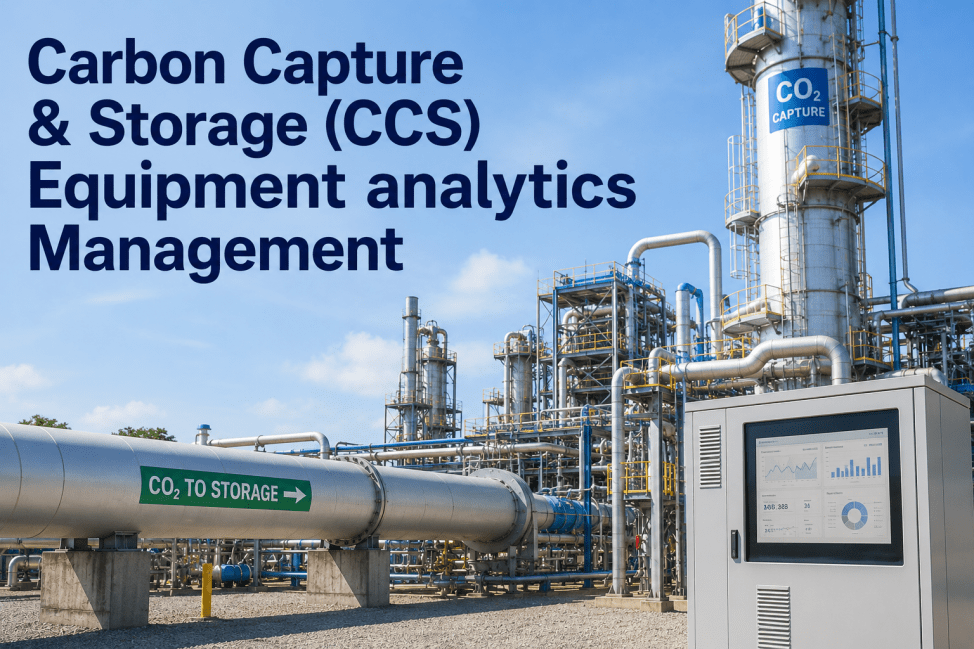
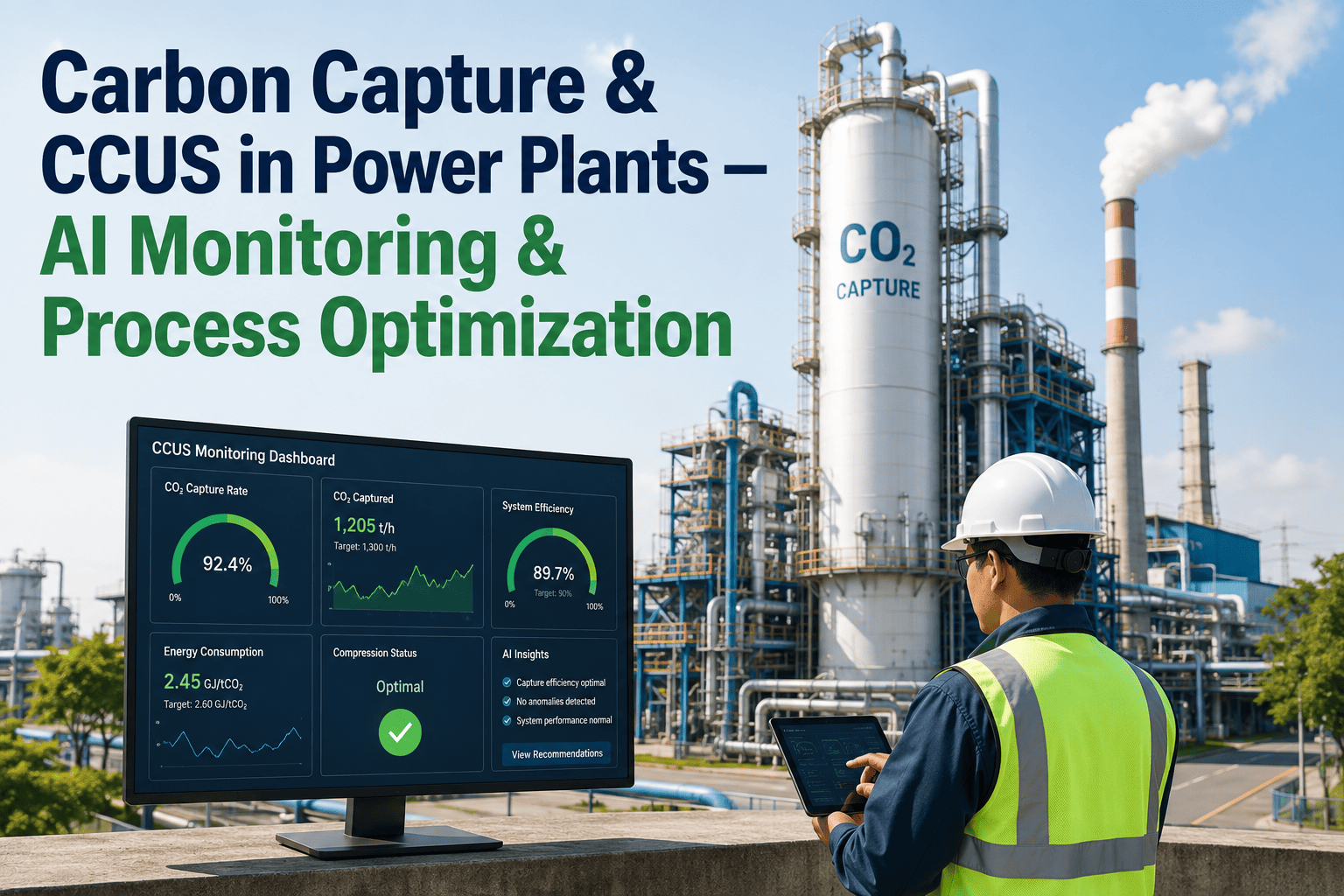
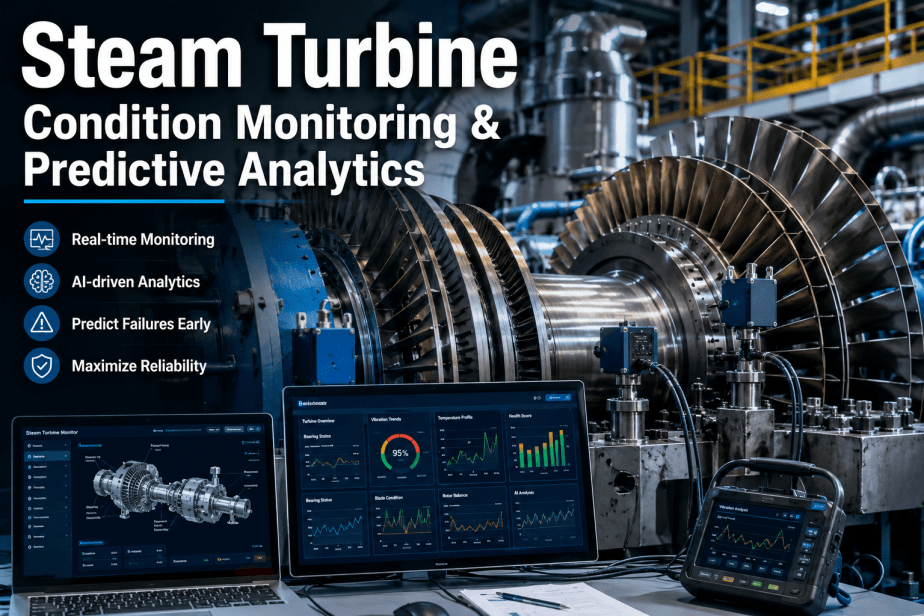
Carbon capture and storage systems represent one of the most technically demanding equipment networks in any industrial facility — integrating absorption columns, solvent regeneration units, multi-stage CO2 compressors, dehydration systems, and high-pressure pipeline networks into a single continuous process.CCS equipment analytics changes this paradigm by applying continuous, AI-driven monitoring across every stage of the carbon capture and storage process chain. Operations teams that have already Book a demo of iFactory's CCS analytics platform are achieving measurable improvements in capture rate consistency, compression reliability, and sequestration uptime.
CCS EQUIPMENT INTELLIGENCE
Is Your Carbon Capture System Operating at Maximum Reliability?
iFactory delivers AI-driven equipment analytics for carbon capture and storage systems — monitoring absorber performance, compression health, and pipeline integrity to ensure continuous, reliable CO2 sequestration.
95%
CO2 capture rate maintained through AI-optimized solvent circulation and reboiler duty control
30%
Reduction in compression energy consumption through predictive load-sharing and anti-surge optimization
60%
Fewer unplanned maintenance events on CO2 compressors with AI-driven condition-based monitoring
99.5%
Pipeline integrity reliability achieved through continuous corrosion monitoring and flow anomaly detection
The Growing Challenge of CCS Equipment Reliability
Why Traditional Monitoring Methods Fall Short in Carbon Capture Operations
Carbon capture and storage systems operate at the intersection of chemical process control, high-pressure compression, and long-distance pipeline transport — each domain with its own failure modes and reliability requirements. The absorber column must maintain intimate gas-liquid contact across a wide range of flue gas flow rates while avoiding foaming, channeling, and solvent degradation.Plants that Book a demo of iFactory's CCS analytics platform typically discover 3-5 developing equipment issues during the initial data integration that their existing monitoring systems had not detected.Book a Demo
5 Root Causes of CCS Equipment Analytics Gaps
Diagnosing the Visibility Gap Before the Next Sequestration Interruption
01
Unmonitored CO2 Compression Stage Health
Multi-stage centrifugal compressors in CCS service operate under some of the most demanding conditions in any industrial application, with interstage pressures, temperatures, and flow rates that must be precisely controlled to maintain supercritical CO2 conditions. iFactory monitors individual stage performance curves, intercooler temperature differentials, and vibration harmonics to identify stage degradation before it triggers a full compression train trip.
02
Manual Solvent Concentration Management
Amine solvent concentration is the single most critical parameter in post-combustion capture performance, yet most facilities manage it through laboratory sampling on a shift or daily basis. Between samples, concentration can drift due to water makeup rates, reclaimer operation, and degradation product accumulation. iFactory provides continuous solvent health monitoring through correlated process variables.
03
Inadequate Pipeline Leak Detection Resolution
CO2 pipeline leak detection systems based on pressure and flow monitoring alone cannot identify small leaks that develop over days or weeks. In dense-phase CO2 transport, a pinhole leak can release significant tonnage before it is detected by traditional methods. iFactory applies mass balance AI that correlates inlet and outlet flow measurements at 10-second resolution, flagging discrepancies as low as 0.5%.
04
Siloed Capture and Storage Data Systems
In most CCS facilities, the capture plant DCS, the compression train PLC, and the pipeline SCADA system operate on separate networks with separate historians. When a capture rate deviation must be correlated with a compressor surge event or a pipeline pressure transient, engineers spend hours manually aligning timestamps from disconnected systems. iFactory unifies all CCS data into a single analytics platform.
Book a Demo
05
Inaccurate Mass Balance Tracking
Regulatory reporting for carbon sequestration requires accurate mass balance accounting from capture inlet to injection point. Most facilities reconcile mass balances monthly, leaving weeks of undetected discrepancies between CO2 captured, CO2 compressed, and CO2 injected. iFactory provides real-time mass balance tracking with automated reconciliation alerts at every stage of the process chain.
Book a Demo
The True Cost of CCS Equipment Failure and Unplanned Outages
Assessing the Financial and Operational Risk of Equipment Downtime
An unplanned outage in a carbon capture system is never just a maintenance event — it is a revenue event and a compliance event. Every tonne of CO2 that is not captured and sequestered during a system outage represents lost carbon credit revenue, potential penalty exposure under Clean Air Act permitting, and reputational damage to the facility's decarbonization commitments.
| Failure Mode |
Primary Asset Impact |
Secondary Operational Risk |
Annualized Cost Range |
| CO2 Compressor Surge |
Centrifugal Impeller Damage |
Full Compression Train Outage |
$280K – $750K |
| Solvent Degradation and Foaming |
Absorber Performance Collapse |
Capture Rate Below Permit Threshold |
$180K – $520K |
| Pipeline Corrosion or Pinhole Leak |
Sequestration Interruption |
Regulatory Reporting Deviation |
$150K – $420K |
| Reboiler Tube Fouling |
Regeneration Energy Increase |
Steam Consumption Spike |
$90K – $240K |
| Dehydration System Failure |
Pipeline Corrosion Risk |
CO2 Quality Specification Deviation |
$65K – $180K |
What Genuine CCS Equipment Analytics Requires
The Architecture of a Carbon Capture Digital Twin
Comprehensive CCS equipment analytics in a carbon capture environment requires four core architectural capabilities: continuous mass balance reconciliation across the entire capture-to-sequestration chain, predictive compression analytics that identify developing stage issues before they trip the train, pipeline integrity intelligence that detects anomalies at resolutions traditional SCADA cannot match, and solvent health monitoring that bridges the gap between laboratory analyses.
High-Frequency Mass Balance
iFactory continuously reconciles CO2 mass flow from the absorber inlet through the compression train to the pipeline metering station, flagging discrepancies as low as 0.5% at 10-second resolution. This enables early detection of developing leaks, meter drift, or process losses before they accumulate into reportable discrepancies.
Predictive Compression Analytics
Multi-stage CO2 compressor performance is monitored at the individual stage level using real-time pressure ratio, temperature rise, and vibration signature analysis. The AI model identifies stage degradation, intercooler fouling, and anti-surge valve wear 2-4 weeks before they affect compression train availability.
Pipeline Integrity Intelligence
iFactory's pipeline analytics module monitors pressure, temperature, and flow profiles along the CO2 pipeline corridor, using mass balance and transient analysis to detect developing leaks, hydrate formation risk, and deviations from dense-phase operating conditions before they produce a reportable event.
Solvent Health Monitoring
Continuous solvent health assessment through correlated process variables — absorber temperature profile, reboiler duty, lean loading, and pressure drop — provides real-time indication of solvent degradation, foaming tendency, and reclaiming requirements between laboratory sampling intervals.
The 5-Step Framework for CCS Equipment Analytics Deployment
Step 01
Establish a Baseline Mass Balance for the Full CCS Chain
Reconcile all CO2 flow measurements from absorber inlet through compression to pipeline metering. Identify existing discrepancies, meter calibration gaps, and unreconciled losses that indicate developing leaks or measurement errors requiring correction.
Step 02
Map Compression Efficiency Curves for All Stages
Establish the baseline polytropic efficiency curve for each compression stage. iFactory uses these baselines to detect efficiency degradation from fouling, wear, or off-design operation — enabling targeted maintenance before efficiency loss triggers increased energy consumption.
Step 03
Implement Continuous Solvent Health Baseline
Correlate continuous process variables — absorber temperature profile, reboiler duty, and pressure drop — with laboratory solvent analysis results to build a predictive model that estimates solvent concentration, degradation product levels, and reclaiming requirements in real time.
Book a Demo
Step 04
Deploy Pipeline Integrity Monitoring
Configure iFactory's pipeline analytics module with pressure, temperature, and flow data from all metering stations along the CO2 pipeline corridor. Establish baseline operating envelopes for dense-phase transport and configure alerts for deviations that indicate developing integrity threats.
Step 05
Validate ROI with Integrated CCS Dashboard
Deploy the unified CCS analytics dashboard that displays capture rate, compression efficiency, pipeline integrity status, and mass balance reconciliation in a single view. Operations teams that
Book a demo receive a complimentary CCS equipment health assessment as part of the evaluation.
Regulatory Requirements and Compliance Standards
Meeting the Documentation and Reporting Obligations for Carbon Sequestration
Carbon capture and storage facilities operate under an increasingly comprehensive regulatory framework that spans EPA Underground Injection Control requirements, Clean Air Act permitting for capture plants, and emerging federal carbon accounting standards for 45Q tax credit verification.
EPA UIC Class VI Permitting
Underground Injection Control Class VI well permits require continuous monitoring of injection pressure, annulus pressure, and formation response. iFactory integrates with injection well monitoring systems to provide real-time compliance status and automated reporting for UIC permit conditions.
45Q Tax Credit Verification
Section 45Q carbon oxide sequestration tax credits require verified mass balance accounting from capture to injection. iFactory provides auditable CO2 mass balance records with continuous reconciliation and automated report generation for 45Q compliance verification.
Book a Demo
Clean Air Act Permitting
Capture plant emission sources — reboiler stack, solvent reclaiming vent, and compression seal systems — require continuous or periodic monitoring under Title V permits. iFactory tracks all capture plant emission points and generates compliance documentation.
EPA Greenhouse Gas Reporting
Subpart PP of the Greenhouse Gas Reporting Program requires detailed reporting of CO2 received, injected, and stored. iFactory automates Subpart PP data collection and report generation from the unified CCS mass balance model.
"We commissioned our post-combustion amine capture system two years ago and had been managing it with the vendor's recommended operating curves and daily solvent sampling. We knew we were leaving performance on the table, but we could not quantify exactly where or by how much. After deploying iFactory's CCS analytics platform, we discovered that our CO2 compressors were operating at 12% below peak efficiency due to intercooler fouling that had been developing over six months, and our solvent concentration was cycling through a wider range than we had realized because our daily sampling was missing between-shift drift. The mass balance transparency alone was worth the deployment — we can now see exactly what we are capturing, compressing, and injecting at any moment."
CCS Operations Manager
Post-Combustion Capture Facility, 500 MW Coal-Fired Unit, Illinois Basin Sequestration Hub
Frequently Asked Questions
How does AI improve CO2 compression reliability in CCS applications?
iFactory monitors each compression stage independently using real-time pressure ratio, temperature rise, vibration signature, and surge margin data. The AI model identifies stage degradation patterns — intercooler fouling, impeller wear, seal leakage, and anti-surge valve drift — 2-4 weeks before they would trigger a compressor trip. This predictive capability allows maintenance to be scheduled during planned outages rather than responding to unplanned trips that interrupt sequestration operations. The model also optimizes load sharing between parallel compressor trains to minimize specific energy consumption while maintaining adequate surge margin across all operating conditions.
Can iFactory monitor both amine-based and emerging solvent technologies?
Yes. iFactory's solvent health monitoring module is configurable for any chemical solvent system used in carbon capture, including aqueous amine systems (MEA, MDEA, piperazine), chilled ammonia, potassium carbonate, and emerging solvent technologies. The model uses the same core approach — correlating continuous process variables with laboratory solvent analysis results — but adapts the specific parameter correlations to each solvent chemistry. For amine systems, the model tracks amine concentration, heat stable salt accumulation, and degradation product levels. For advanced solvents, the model adjusts to the relevant performance indicators for that specific chemistry.
How does iFactory integrate with existing CCS plant DCS and pipeline SCADA infrastructure?
iFactory features pre-built connectors for the most common control platforms in CCS applications, including Emerson Ovation, Siemens PCS 7, ABB 800xA, Yokogawa Centum, and Schneider Foxboro for capture plant DCS integration, and pipeline SCADA platforms including Schneider ClearSCADA, Siemens Spectrum Power, and Rockwell Automation.cols. Integration across the full CCS chain — capture plant, compression, and pipeline — is typically completed in 14-21 days.
What is the typical payback period for deploying CCS equipment analytics?
iFactory's CCS analytics deployments typically achieve full payback within 8 to 16 months, driven by three primary value streams: reduced compression energy consumption (typically 15-30% improvement, representing $200,000-$600,000 annually for a 500 MW capture plant), avoided unplanned outage costs (compressor train trips cost $280,000-$750,000 per event in lost capture revenue and repair costs), and extended equipment operating life through condition-based rather than calendar-based maintenance.
How does iFactory handle pipeline integrity monitoring for CO2 transport?
iFactory's pipeline integrity module monitors the full CO2 pipeline corridor using continuous mass balance reconciliation, pressure and temperature profile analysis, and transient detection algorithms. The platform detects developing leaks at resolutions as low as 0.5% of flow — significantly better than traditional SCADA-based leak detection. The model also monitors for conditions that threaten pipeline integrity, including dense-phase to gas-phase transition risk, hydrate formation temperature windows, and corrosion rate acceleration indicators. All pipeline monitoring data is integrated into the unified CCS mass balance for complete sequestration accounting.
CCS EQUIPMENT RELIABILITY
Get a Comprehensive CCS Equipment Health Assessment for Your Facility
Our CCS analytics team will assess your current capture, compression, and pipeline monitoring infrastructure, identify equipment reliability gaps, and deliver a structured deployment plan showing how iFactory's AI-driven analytics platform can optimize your carbon sequestration operations.