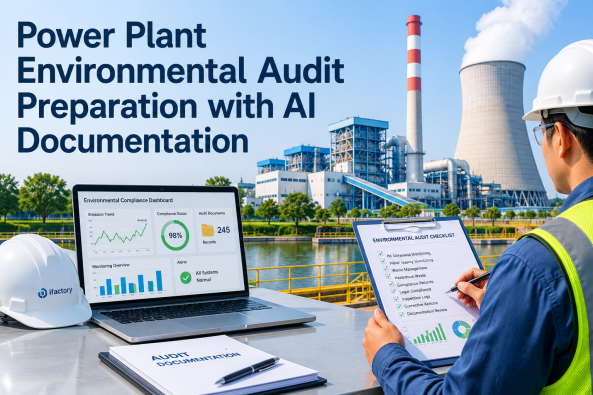
Environmental audits at coal-fired and gas-fired power plants have become significantly more rigorous in recent years, with EPA enforcement agendas expanding, state-level NOx and SO2 programs tightening, and third-party certification bodies demanding verifiable documentation for every operational claim. Environmental compliance teams that have already Book a demo of iFactory's environmental audit preparation module are reducing audit labor by 80% and achieving zero-finding audits with full document traceability.
The Growing Complexity of Power Plant Environmental Audits
Why Traditional Documentation Methods No Longer Suffice
A typical 1,000 MW coal-fired plant must maintain compliance documentation across 15-20 separate permit conditions, each with its own monitoring frequency, averaging period, and record-keeping requirement. The volume of data generated annually across CEMS, continuous opacity monitors, wastewater sampling, chemical handling logs, and fugitive emission inspections exceeds what any manual documentation system can manage comprehensively. Plants that Book a demo of iFactory's audit preparation platform typically discover 3-5 undocumented compliance gaps during the initial data integration phase.
The True Cost of Poor Environmental Audit Preparation
Assessing the Financial and Operational Risk of Documentation Gaps
A failed environmental audit is never just a compliance event — it is a financial event. EPA enforcement actions, consent decrees, civil penalties, and mandatory corrective action plans carry direct costs that can reach hundreds of thousands or millions of dollars per finding. Beyond direct penalties, a negative audit finding can trigger increased regulatory scrutiny, more frequent reporting requirements, and reputational damage that affects stakeholder confidence.Book a Demo
| Audit Area | Primary Risk | Secondary Risk | Annualized Cost of Non-Compliance |
|---|---|---|---|
| Continuous Emissions Monitoring | CEMS QA data gaps or failed RATA | Invalid compliance data period requiring re-certification | $180K – $450K |
| Wastewater Discharge Records | Missing effluent sampling results | Clean Water Act violation referral | $120K – $340K |
| Chemical Storage and Handling | Incomplete SPCC inspection logs | Spill prevention plan deficiencies | $65K – $180K |
| Air Quality Compliance | Missing SO2 or NOx excess emission reports | Title V permit violation escalation | $200K – $600K |
| Hazardous Waste Management | Incomplete waste manifest records | RCRA compliance action | $85K – $220K |
What Genuine AI-Powered Audit Documentation Requires
The Architecture of a Continuous Compliance Intelligence System
AI-driven environmental audit preparation in a power plant environment requires four core architectural capabilities: automated ingestion and normalization of data from every source system, intelligent document indexing with full-text search and cross-referencing, continuous compliance monitoring against all applicable permit conditions, and on-demand generation of audit-ready evidence packages with full traceability. Platforms that simply organize uploaded documents miss the transformative opportunity of continuous compliance intelligence.
The 5-Step Framework for Environmental Audit Readiness
Regulatory Risk and Compliance Standards
Meeting the Documentation Requirements of Major Environmental Programs
Power plant environmental compliance documentation must satisfy requirements across multiple overlapping regulatory programs, each with distinct record-keeping and reporting obligations. iFactory's compliance intelligence platform is designed to support the full spectrum of federal and state environmental programs applicable to power generation facilities.
Frequently Asked Questions
How does AI automate environmental audit documentation for power plants?
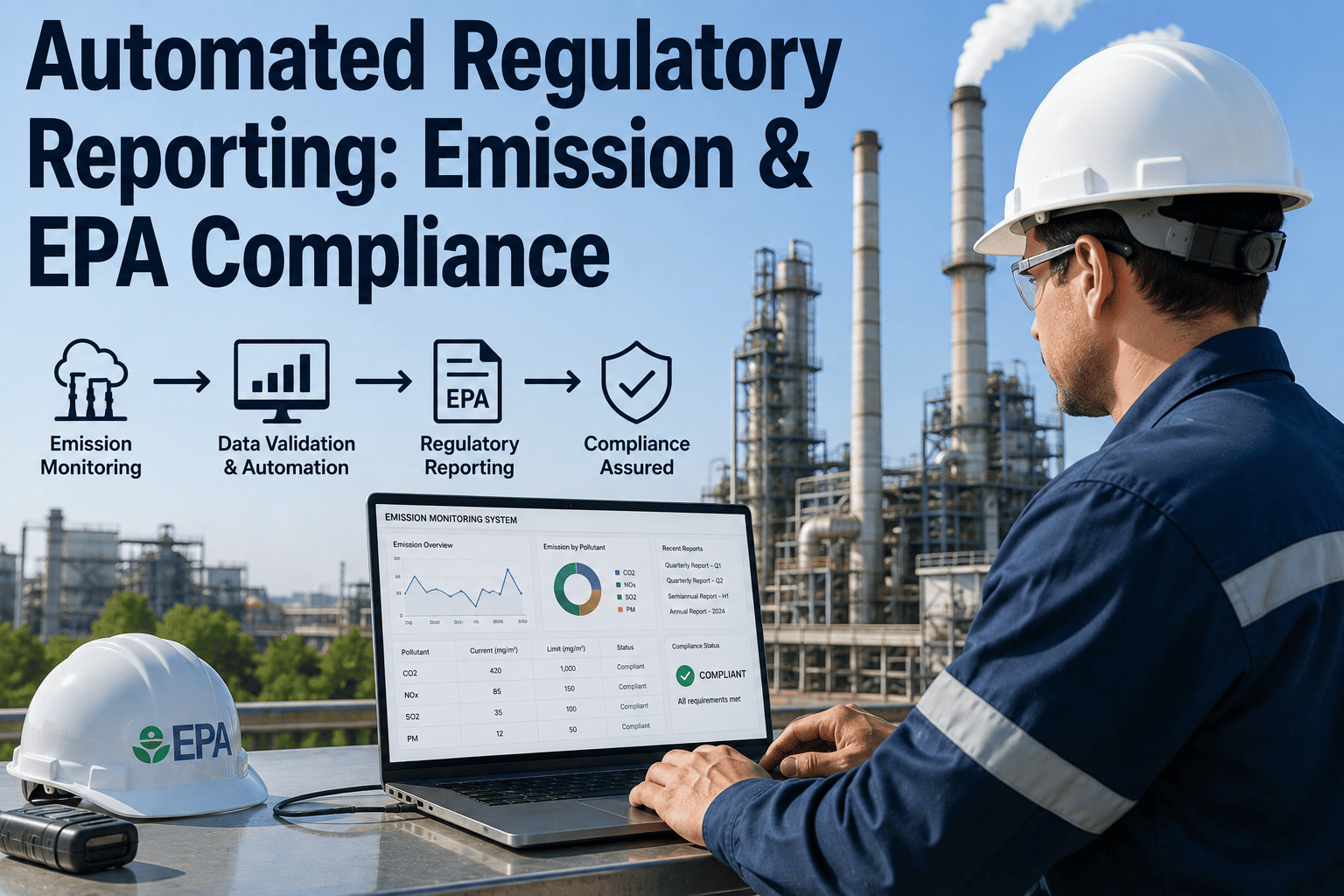
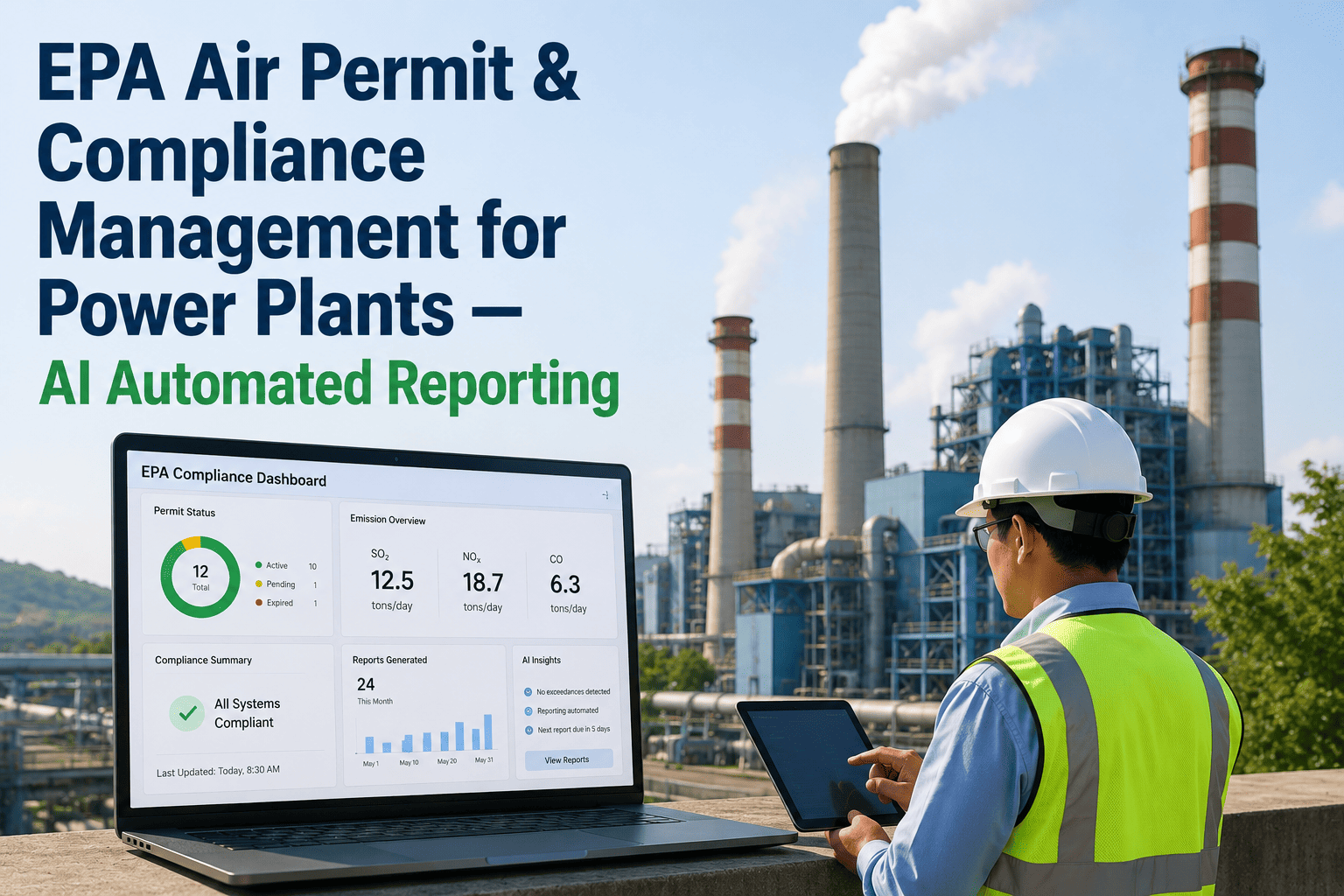
iFactory's AI platform continuously ingests compliance data from every plant system — CEMS, DCS historians, wastewater sampling databases, chemical inventory systems, and operator logs — and automatically indexes each record against the specific permit conditions and regulatory requirements it satisfies. When an audit is scheduled, the platform generates a complete evidence package with every required document organized by permit condition, including QA/QC validation status, data source traceability, and a compliance narrative. The automation eliminates the manual data collection, reconciliation, and organization that consumes the majority of traditional audit preparation time.
What types of power plant environmental audits does iFactory support?
iFactory supports documentation preparation for all major environmental audit types applicable to power generation facilities: EPA Title V compliance certifications, MATS compliance audits, Clean Water Act NPDES audits, RCRA hazardous waste inspections, SPCC plan compliance reviews, ISO 14001 EMS certification audits, state-level environmental program audits, and internal corporate compliance audits. The platform's configurable compliance intelligence engine can be adapted to any audit framework by mapping data streams to the specific documentation requirements of that program.
How does iFactory integrate with existing CEMS, DCS, and plant infrastructure?
iFactory features pre-built connectors for the most common power plant data systems including CEMS data acquisition systems, Emerson Ovation, Siemens PCS 7, ABB 800xA, GE Mark VI, OSIsoft PI, AspenTech IP.21, and Canary Labs historians. The platform also supports direct integration with laboratory information management systems for wastewater sampling data, chemical inventory databases, and electronic operating log platforms. For plants with legacy systems, iFactory's edge appliances can interface with 4-20mA analog signals and Modbus RTU devices. Integration is typically completed in 10-14 days without plant process disruption.
What is the typical reduction in audit preparation time with the platform?
iFactory customers typically report 70-85% reduction in audit preparation labor hours after platform deployment. The time savings come from three primary areas: elimination of manual data collection across multiple plant systems (saving approximately 60% of traditional preparation time), automated document organization and indexing (saving approximately 15%), and elimination of last-minute data gap remediation (saving approximately 10%). Most plants recover the full platform investment within the first audit cycle through labor savings alone, with additional value from reduced overtime, avoided consulting fees, and elimination of penalty-related costs.
Can iFactory help maintain ongoing ISO 14001 environmental management system certification?
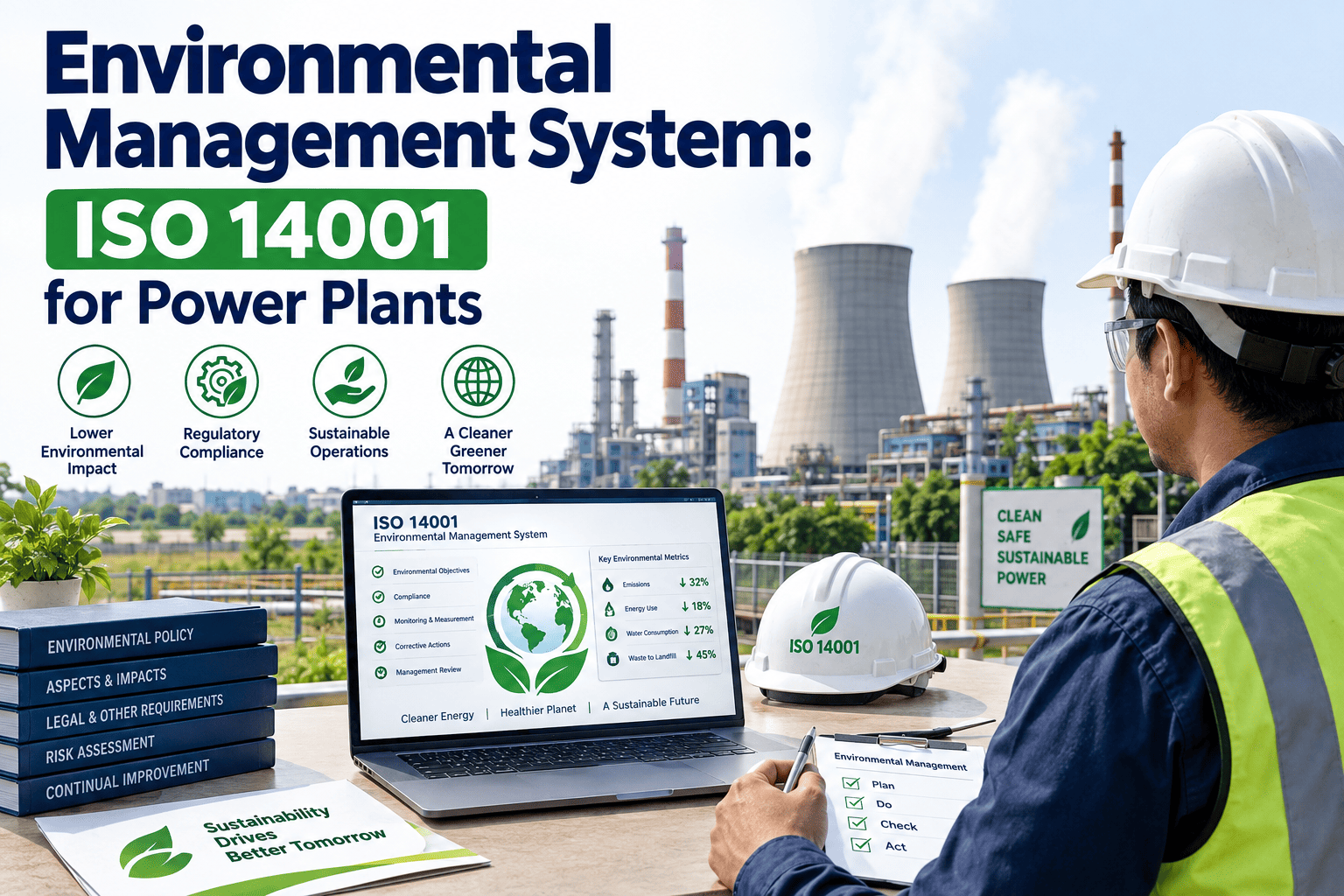
Yes. iFactory's compliance intelligence platform directly supports the documentation requirements of ISO 14001:2015 environmental management systems, including operational control documentation, emergency preparedness records, compliance obligation tracking, management review data, and continuous improvement evidence. The platform's automated audit trail, document indexing, and record retention capabilities satisfy the documented information requirements of ISO 14001 clauses 7.5 and 9.1. The platform can generate the evidence packages required for internal audits, management reviews, and external certification body assessments.