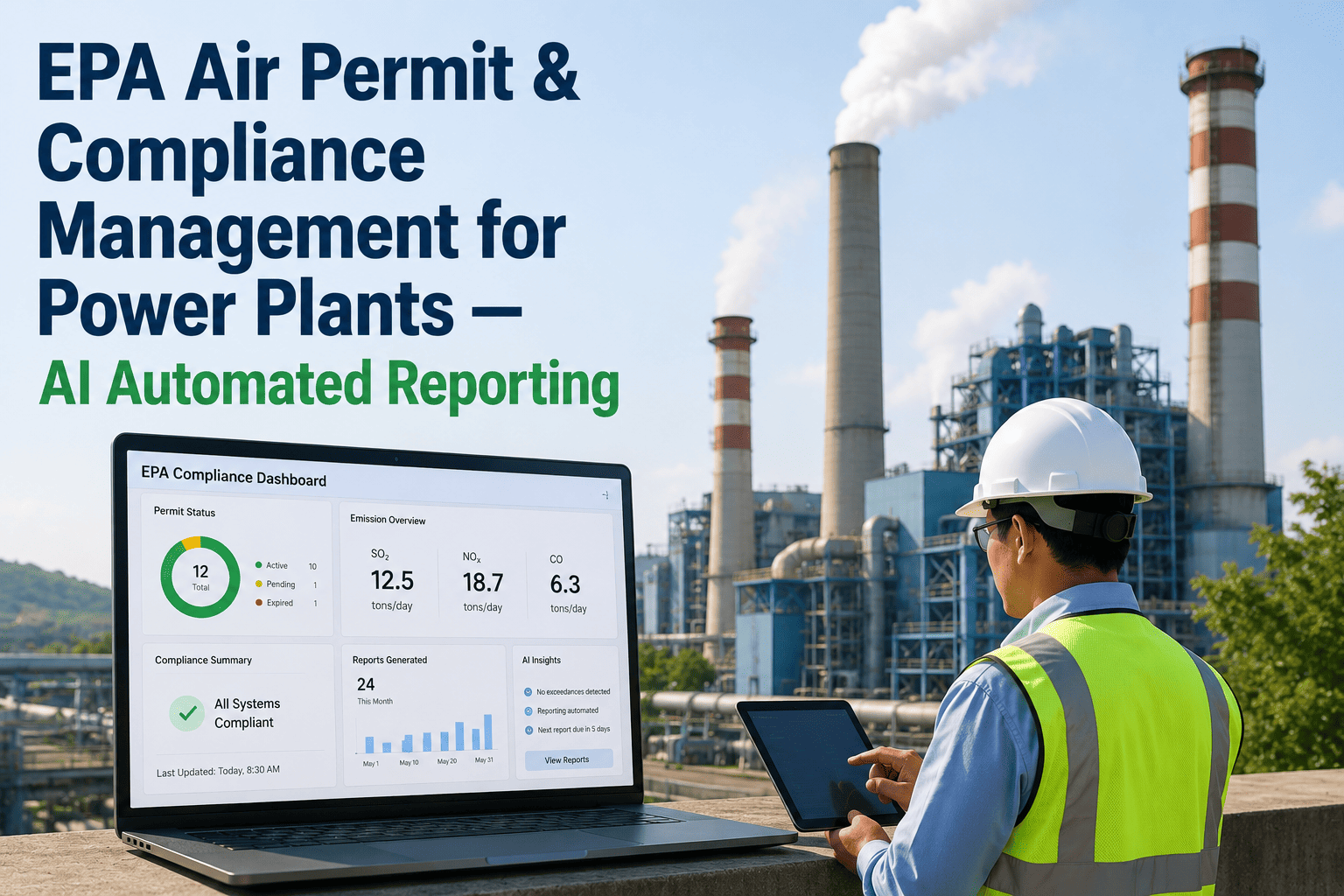
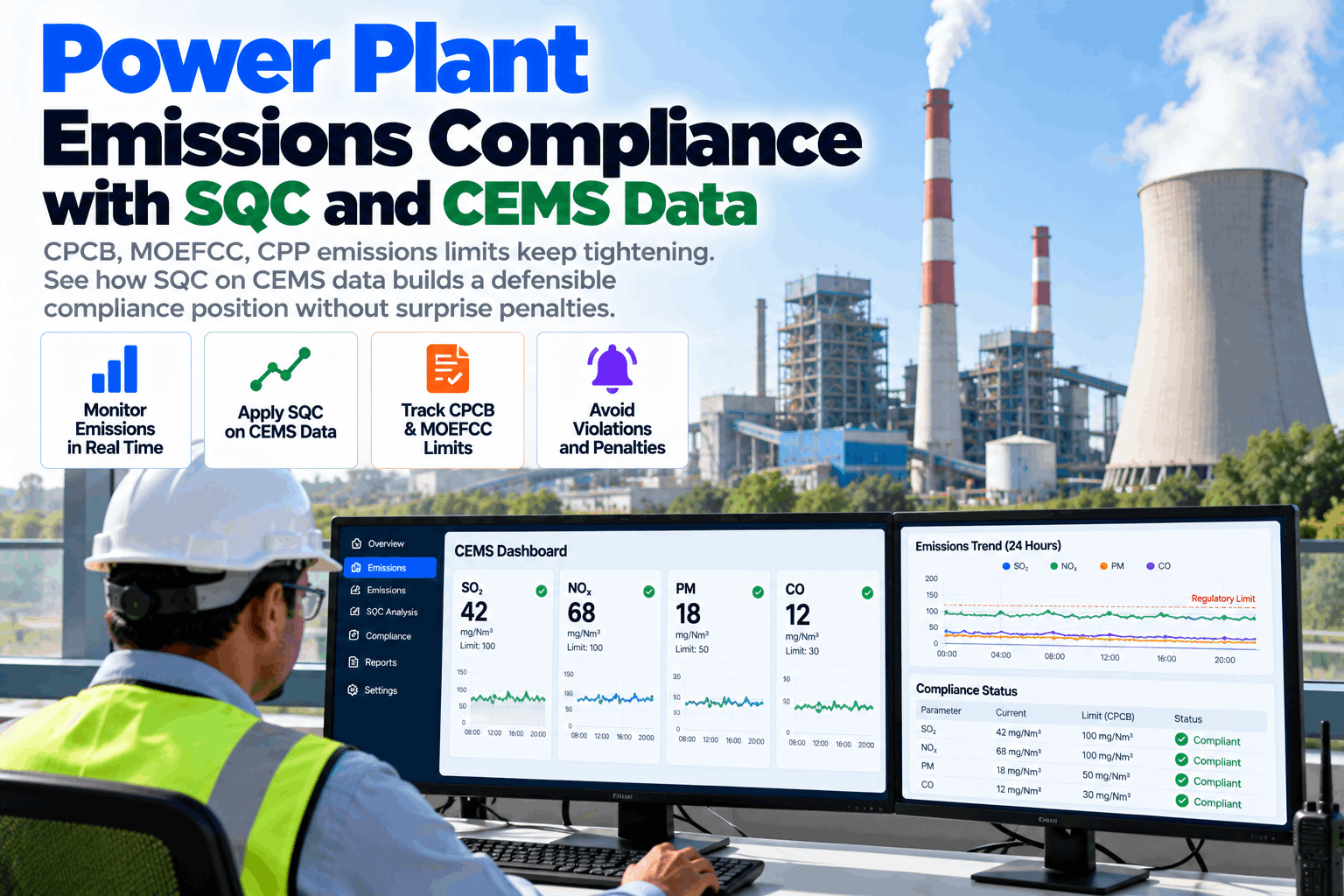
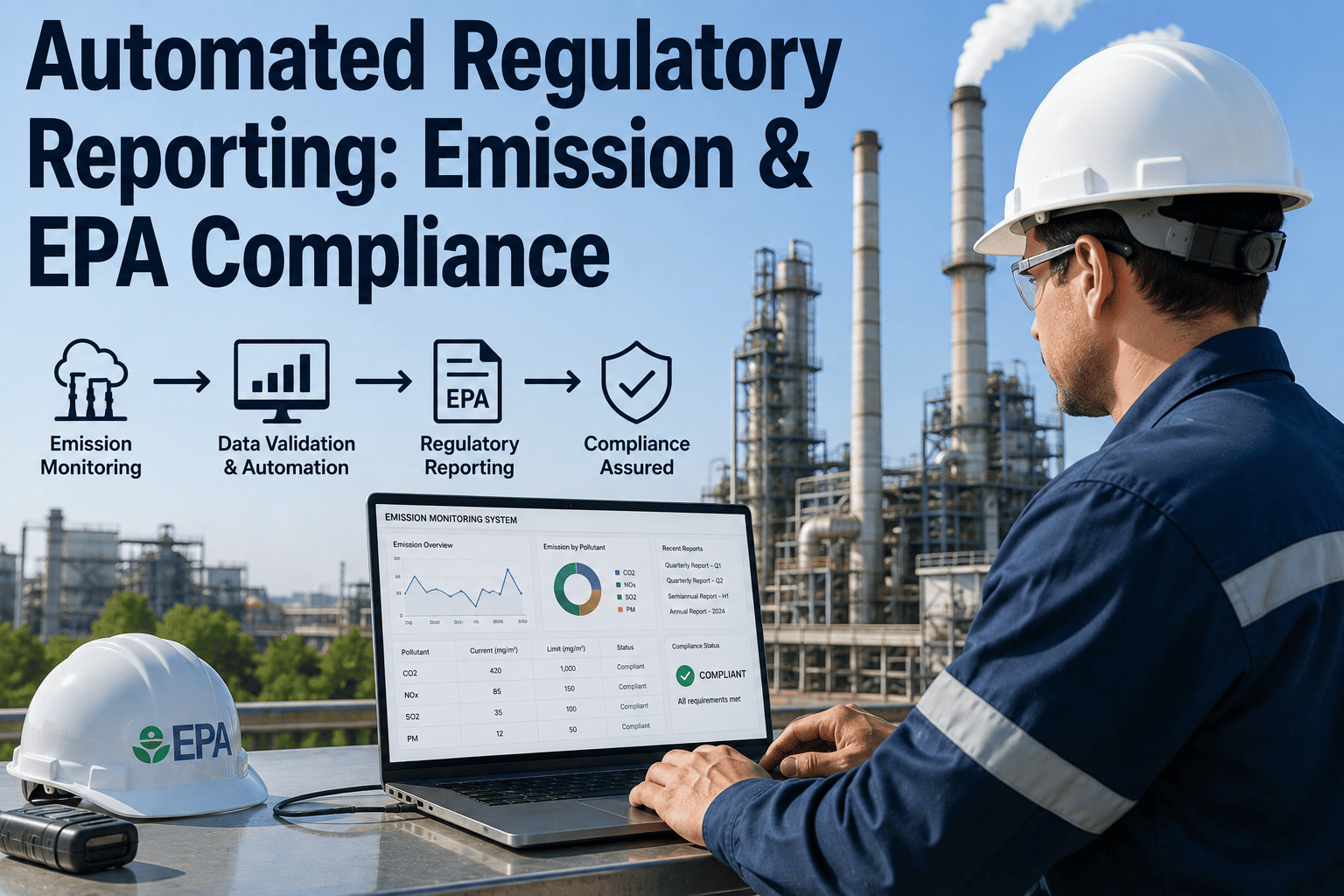
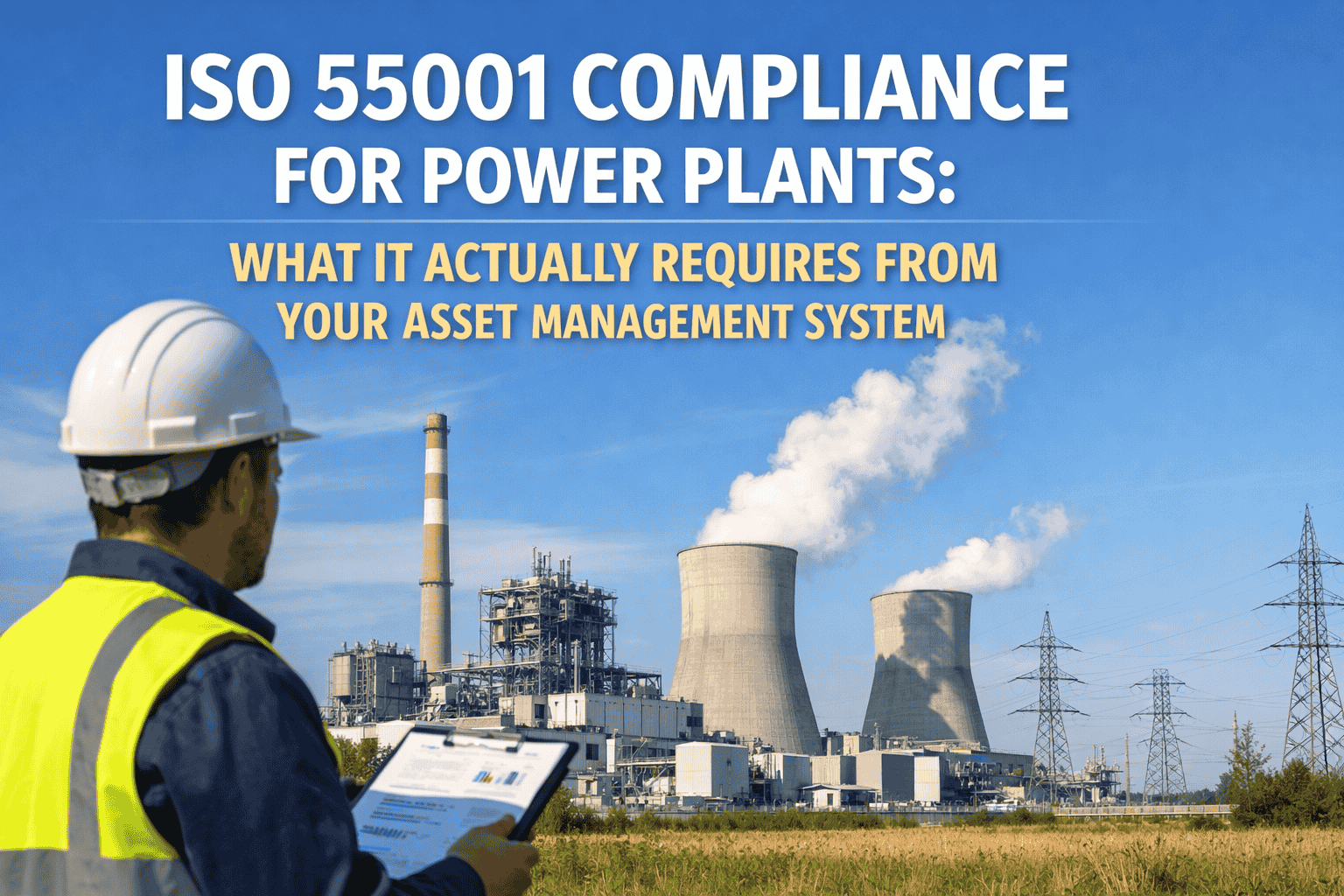
A single missed CEMS calibration window, a late semiannual compliance report, or an incomplete Title V monitoring record can turn an otherwise well-run power plant into a Notice of Violation, with EPA civil penalty exposure that can reach tens of thousands of dollars per day per violation. Compliance officers rarely lose ground because a plant was truly out of compliance in practice, they lose ground because the evidence trail behind that compliance was scattered across spreadsheets, paper logs, and email threads that could not be assembled fast enough when a regulator or auditor came asking. Between Title V operating permit conditions, NSPS performance test schedules, and MATS monitoring requirements, the documentation burden alone can consume hundreds of hours per audit cycle before a single finding is even reviewed. iFactory AI Compliance Management turns that fragmented record-keeping into a continuous, automated evidence trail built directly from your operational data. Book a Demo to see how iFactory keeps your plant audit-ready every day of the year, not just before an inspection.
Compliance Failures Are Rarely Operational. They Are Documentation Gaps.
AI-automated data collection, reporting, and exceedance prediction that keeps power plant EHS teams audit-ready for Title V, NSPS, and MATS obligations year-round.
$70,117
maximum EPA civil penalty exposure per day, per violation, under current enforcement authority
Three Regulatory Frameworks, One Compliance Calendar
Compliance officers at coal- and gas-fired plants are typically managing several overlapping federal obligations at once, each with its own testing schedule, documentation format, and reporting deadline.
Title V Operating Permit
Ongoing compliance certification across all permitted emission units, with Compliance Assurance Monitoring plans that must demonstrate continuous control device effectiveness, not just a point-in-time test result.
NSPS (40 CFR Part 60)
Emission limits for SO2, NOx, particulate matter, and opacity on steam generating units and turbines, with performance tests required within 60 days of startup and on a recurring 3-5 year cycle after.
MATS (40 CFR Part 63 Subpart UUUUU)
Mercury, acid gas, and particulate matter limits for coal- and oil-fired units, with CEMS or sorbent trap monitoring that must remain continuously calibrated and gap-free to avoid the most common MATS violation trigger.
The Audit-Readiness Checklist Most Plants Fail Silently
✓
CEMS calibration and quality assurance records complete with no data gaps in the reporting quarter
✓
Performance test results filed within required deadlines and cross-referenced to the correct permit condition
✓
Startup, shutdown, and malfunction events documented with root cause and corrective action attached
✓
Compliance Assurance Monitoring indicator data available to demonstrate control device effectiveness
✓
Semiannual and annual compliance reports assembled from a single verified data source, not multiple spreadsheets
✓
Deviation and excess emission reports cross-referenced to the correct permit condition and filed within the applicable deadline window
How an Exceedance Becomes a Complete Compliance Record
1
Predict
Machine learning models trained on historical combustion and emissions data flag exceedance risk 30-60 minutes ahead, factoring in load changes and equipment condition.
2
Alert
Operators and the compliance team receive a joint alert with the likely mechanical root cause already attached, shortening the time between detection and corrective action.
3
Log
If an exceedance occurs, the event is auto-logged with timestamped sensor data, excess emission quantity calculated, and the corrective work order linked automatically.
4
Report
The complete regulatory notification and compliance record is generated in the format your framework requires, ready for review rather than manual assembly.
Manual Compliance Tracking vs. iFactory Automated Reporting
What a Notice of Violation Really Costs Beyond the Fine
The civil penalty is often the smallest part of the cost once a Notice of Violation is issued. The downstream consequences tend to last far longer than the enforcement action itself.
Consent decree obligations and heightened scrutiny
A single significant violation can trigger a consent decree requiring enhanced monitoring, more frequent reporting, and independent audits for years afterward, permanently raising the compliance team's ongoing workload well beyond the original incident.
Title V permit renewal leverage shifts against the plant
Compliance history is a documented factor regulators weigh during permit renewal negotiations. A pattern of deviations, even minor ones, can result in more restrictive permit conditions or shorter renewal cycles going forward.
Insurance premiums and ESG ratings both react to public records
EPA violations are entered into public enforcement databases that insurance underwriters and ESG rating agencies actively monitor. A documented NOV can raise environmental liability premiums and lower ESG scores that affect financing terms and power purchase agreements.
Internal investigation time is rarely counted in the penalty
Every violation typically triggers an internal root cause investigation, corrective action plan, and follow-up verification, consuming weeks of compliance and operations staff time that never appears in the official penalty figure but shows up directly in the compliance team's workload.
Community and stakeholder trust takes longer to rebuild than a compliance record
Local communities, environmental groups, and state agencies often remember a documented exceedance long after the corrective action is closed out, adding friction to future permit modifications, expansion requests, or community relations efforts the plant may need down the road.
Stop Building Your Audit Package the Week Before the Audit
iFactory keeps every relevant compliance event structured and available from the day it happens, so your next inspection starts with a complete record instead of a scramble.
Before and After: What Changes for a Compliance Team
Before iFactory
Exceedances discovered during monthly report review, days after they occurred
Audit prep requires pulling records from multiple departments and systems
Root cause investigation starts from scratch after every deviation
Report formatting redone manually for each regulatory framework
With iFactory
Exceedance risk flagged 30-60 minutes before it happens, when possible
Audit package assembled from a continuously maintained, structured record
Likely mechanical root cause attached to every alert automatically
Reports generated pre-formatted for Title V, NSPS, and MATS obligations
Coal Plant Compliance Team: From Reactive to Audit-Ready
Case Study — Southeast Coal-Fired Facility
A compliance officer at a 700 MW coal plant was spending the equivalent of three full work weeks compiling records ahead of each semiannual MATS compliance report, cross-referencing CEMS calibration logs against maintenance records stored in separate systems. After deploying iFactory's compliance management platform, calibration records, performance test results, and maintenance history were consolidated into a single structured record updated continuously. The team's most recent Title V inspection was completed with the evidence package ready before the auditor's first request, with zero data gaps identified.
85%
Reduction in semiannual report preparation time
0
Data gaps identified in the most recent Title V inspection
100%
On-time filing rate for MATS semiannual reports since deployment
What Compliance Officers Say
We used to treat every audit as a fire drill, pulling records from three different systems and hoping nothing was missing. Now the evidence is already structured before the auditor even schedules the visit. The exceedance prediction alone has helped us avoid two potential deviations that would have meant real reporting headaches, and our team has hours back every reporting cycle that used to go into spreadsheet reconciliation.
Environmental Compliance Officer
Coal-Fired Generation Facility, Southeast United States
Frequently Asked Questions
Which compliance frameworks does iFactory currently support?
iFactory is configured to support Title V operating permit obligations, NSPS performance testing and reporting requirements under 40 CFR Part 60, and MATS monitoring and reporting requirements under 40 CFR Part 63 Subpart UUUUU. State-specific permit conditions layered on top of these federal frameworks can also be incorporated during setup.
Book a Demo to review your plant's specific permit conditions.
How does exceedance prediction actually work without false alarms?
The prediction model is trained on your plant's own historical combustion and emissions data, factoring in load changes, fuel quality variation, and equipment condition specific to your units. Because thresholds are calibrated to your actual operating patterns rather than generic industry defaults, alerts are tuned to be actionable rather than a constant stream of noise.
Does this replace our CEMS or serve as the official system of record?
No. iFactory works alongside your existing CEMS and does not replace it as the regulatory system of record for emissions data. The platform adds a predictive and documentation layer on top of that data, helping your team understand and act on trends while your CEMS remains the certified measurement source.
Can iFactory help during an actual EPA inspection or agency audit?
Yes. Because compliance evidence is continuously structured rather than assembled after the fact, your team can produce calibration records, performance test history, and deviation documentation on demand during an active inspection.
Talk to Support about preparing your evidence package ahead of an upcoming review.
How long does it take to get our historical compliance records into the platform?
Most plants complete the initial data audit and historical record import within the first two to three weeks of deployment, working from existing CEMS data, maintenance logs, and prior compliance reports. Ongoing records are captured automatically from that point forward, with no manual entry required for day-to-day compliance events.
Your Next Audit Should Start With a Complete Record, Not a Sprint to Build One
iFactory keeps your Title V, NSPS, and MATS compliance evidence continuously structured and audit-ready, with exceedance prediction that gives your team time to act before a deviation becomes a violation.
Exceedance prediction 30-60 minutes ahead
Automated Title V, NSPS, and MATS reporting
Continuous, audit-ready evidence trail
Root cause attached to every alert automatically