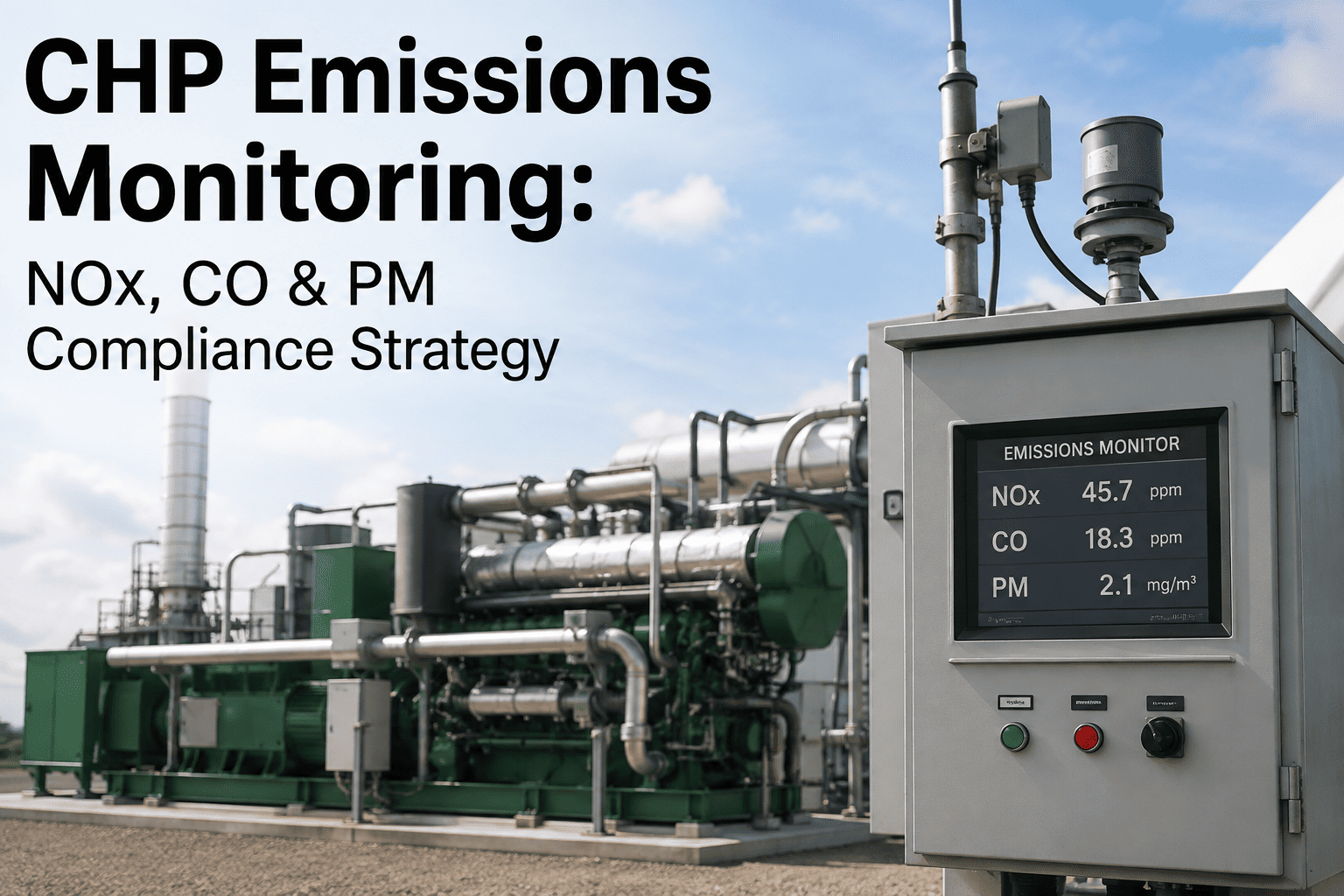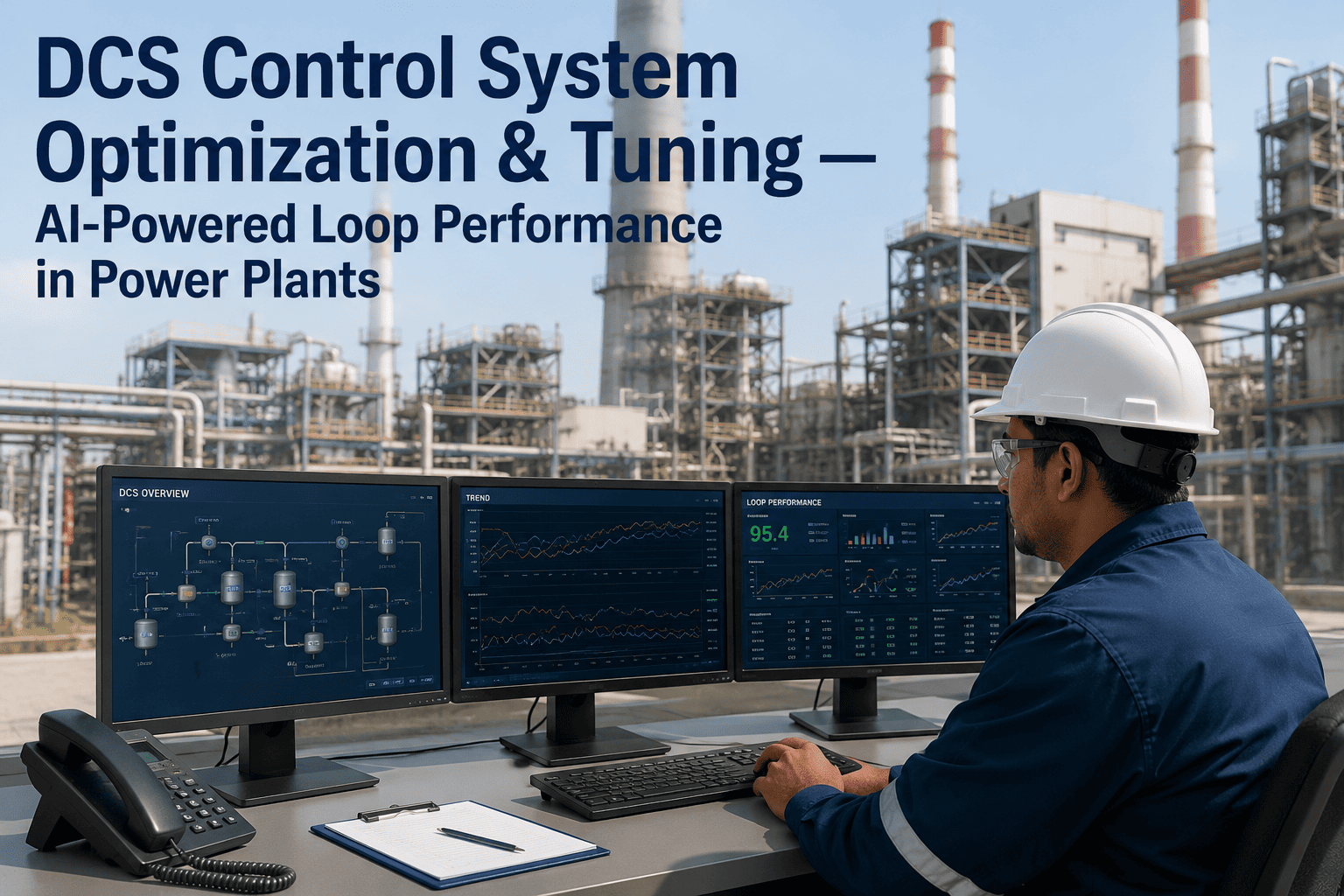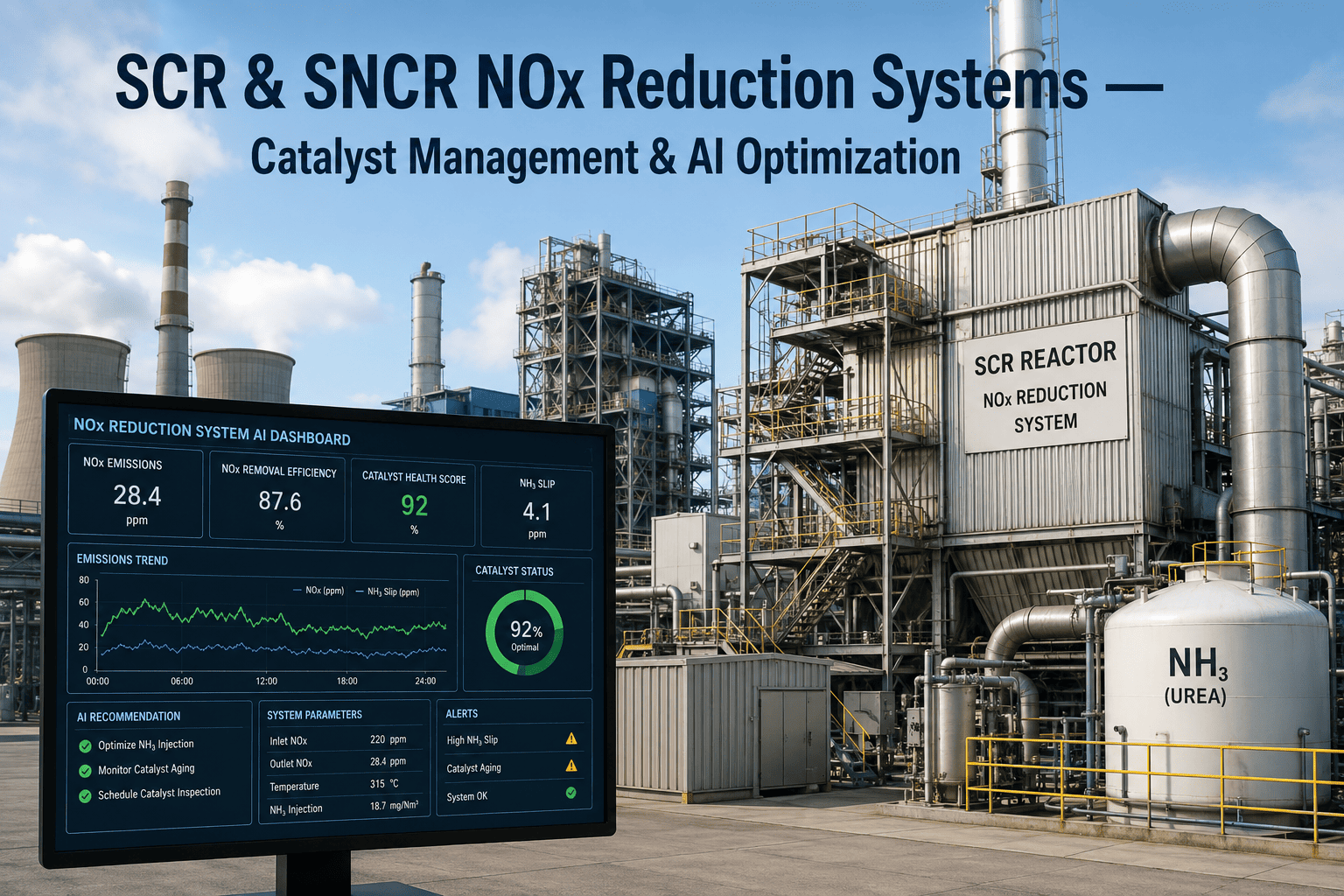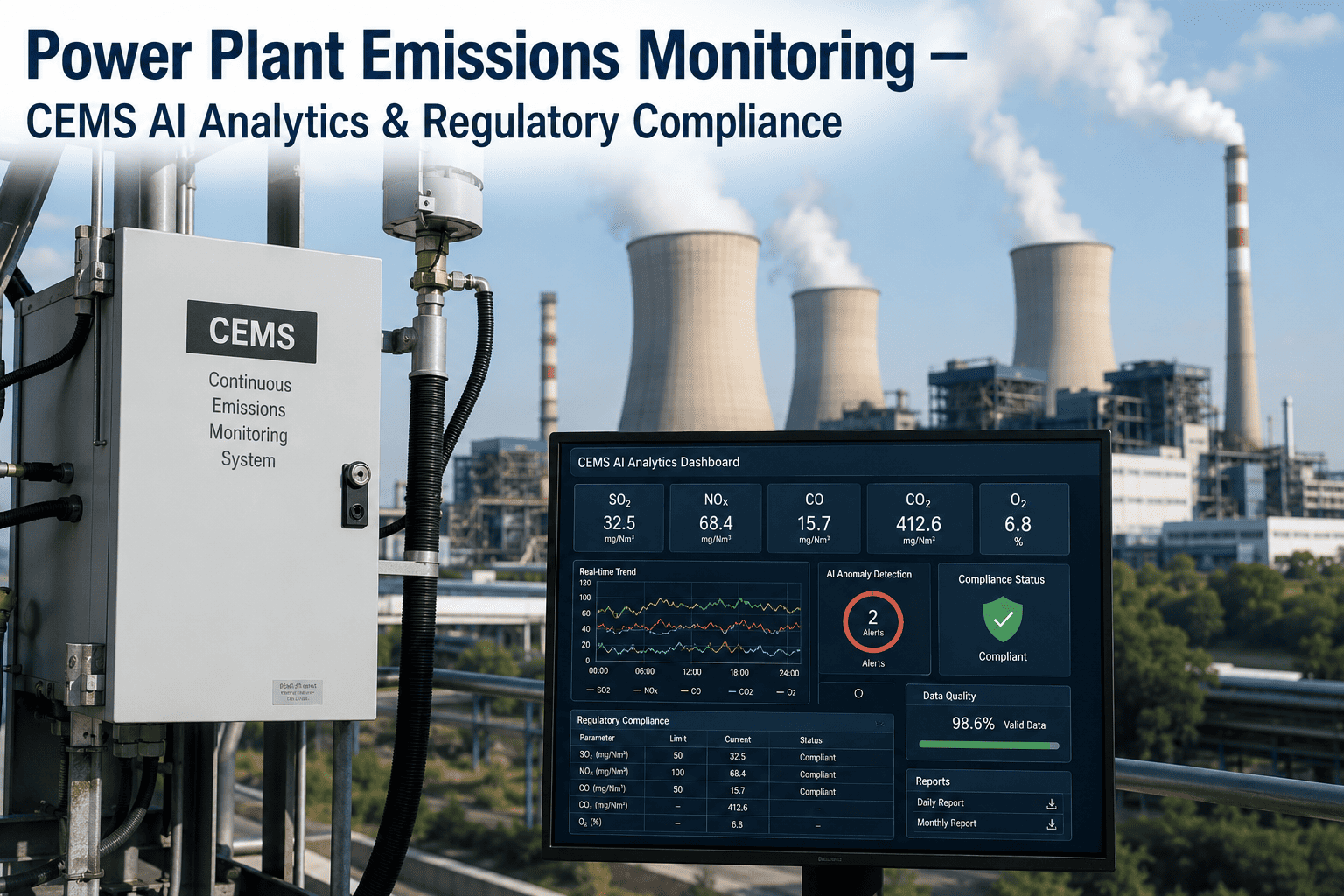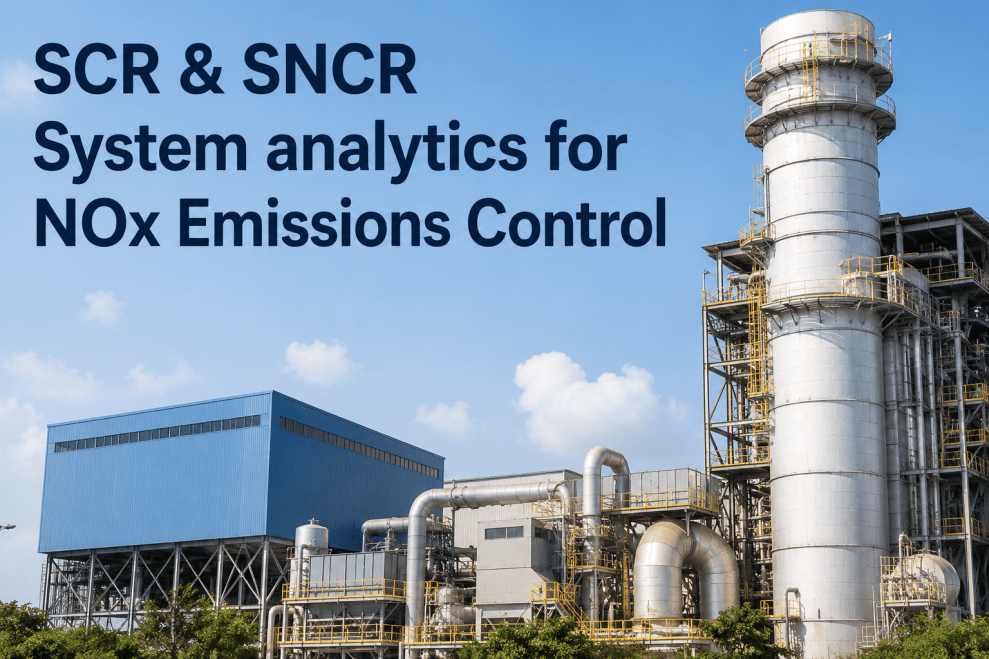
Selective Catalytic Reduction and Selective Non-Catalytic Reduction systems represent the frontline defense against NOx emissions in power generation, cement manufacturing, industrial boilers, and chemical processing. The traditional approach to SCR and SNCR management — manual catalyst sampling campaigns, fixed reagent injection rates, and end-of-shift emissions review — leaves significant optimization potential unrealized while exposing the facility to compliance risk during transient load conditions.SCR and SNCR analytics changes this paradigm by applying continuous, AI-driven monitoring across catalyst health, reagent injection, temperature profiling, and emissions compliance. Forward-looking environmental and operations teams that have already Book a demo of iFactory's DeNOx analytics platform are achieving measurable improvements in catalyst operating life, reagent efficiency, and compliance margin across every load condition.
SCR and SNCR Failure Modes That Threaten NOx Compliance
Modern SCR and SNCR systems face six primary failure modes that degrade NOx removal efficiency, increase reagent consumption, and create compliance risk. Each mode is detectable through continuous analytics before it produces an emission exceedance or forces an unplanned outage. Environmental compliance managers who Book a demo of iFactory's DeNOx platform typically find that 2-3 of these failure modes are actively developing in their system at any given time without being visible through existing monitoring.
Catalyst Deactivation and Poisoning
SCR catalyst activity degrades over time due to thermal sintering, arsenic poisoning from coal combustion, alkali metal fouling from biomass, and fly ash erosion. iFactory's catalyst health model tracks pressure drop across catalyst layers, outlet NOx profile, and SO2 conversion rate to predict remaining catalyst life and identify poisoning events weeks before they affect compliance margin.
Ammonia Injection Grid Fouling
Ammonia injection grid nozzles plug from ammonium bisulfate deposition and fly ash accumulation, creating uneven reagent distribution across the catalyst face. iFactory monitors the NOx concentration profile at the SCR outlet using traverse measurement data — when stratification exceeds 15%, the model flags injection grid cleaning requirements before localized NOx breakthrough occurs.
Ammonia Slip Exceedance
Excess ammonia injection to compensate for catalyst activity loss or temperature excursion produces ammonia slip that can exceed permit limits, cause downstream air heater fouling, and increase reagent costs. iFactory's AI model optimizes the NH3-to-NOx ratio in real time, maintaining target NOx removal while holding ammonia slip below 2 ppm — the threshold at which most operating permits trigger reporting requirements. Facilities that deploy iFactory's DeNOx platform receive a complimentary benchmark analysis comparing their current performance against AI-driven targets.
Temperature Window Deviation
SCR catalysts operate effectively only within a specific temperature range — typically 320-425C for vanadium-based catalysts and 300-450C for zeolite-based. Operation outside this window reduces NOx removal efficiency and can cause permanent catalyst damage. iFactory continuously tracks catalyst bed temperature against load profile and forecasts temperature excursions 15-30 minutes ahead, enabling preemptive adjustments to combustion or bypass damper position.
Reagent Distribution Imbalance
Uneven ammonia or urea distribution across the SCR or SNCR injection plane creates localized zones of high NOx breakthrough and excess reagent waste. iFactory's flow modeling correlates injection manifold pressure distribution with outlet NOx traverse data to identify plugged or eroded injection lances, enabling targeted maintenance that eliminates the imbalance without full system outage.
CEMS Drift and Compliance Data Integrity
Continuous emission monitoring systems for NOx, O2, and flow require regular calibration validation and are subject to drift, sensor degradation, and sample line fouling that can produce invalid compliance data. iFactory's CEMS analytics module monitors analyzer response time, calibration drift trend, and sample conditioning system performance, flagging data quality issues before they produce invalid compliance periods or failed RATA tests.
Strategic Architecture: Four Deployment Tiers for NOx Compliance Intelligence
Power generation and industrial facilities can scale their DeNOx digital journey from basic catalyst health monitoring to fully autonomous NOx control using iFactory's phased deployment framework. This ensures that every sensor deployed and every analytics module activated has a direct path to improved compliance margin and reduced operating cost. Operations and environmental managers often choose to Book a demo to align their NOx compliance strategy with these deployment phases.
Catalyst Health Foundation
Deployment of temperature sensors across catalyst layers, pressure differential transmitters, and inlet-outlet NOx analyzers. Establishes baseline catalyst activity tracking and alerts for temperature excursions, pressure drop increases, and NOx conversion degradation. Focuses on preventing the catalyst replacement decisions made without data.
Reagent Injection Precision
AI-driven optimization of NH3-to-NOx ratio using real-time inlet NOx, load trajectory, catalyst activity state, and temperature profile data. Replaces fixed injection curves with dynamic control that responds to changing conditions. Reduces ammonia slip while maintaining NOx removal target.
Compliance Intelligence Mesh
Full integration with CEMS data, plant DCS, and emissions reporting systems. Automated compliance calculations, predicted compliance margin, and proactive alerts for developing exceedance risks. Eliminates manual data aggregation for quarterly and annual emissions reports.
Autonomous NOx Control
Closed-loop control where iFactory's AI model directly adjusts ammonia injection flow setpoints, combustion parameters, and economizer bypass damper positions within operator-defined compliance and safety envelopes. Autonomous control maintains NOx compliance through all load conditions without operator intervention.
Deploy AI-Driven NOx Compliance Intelligence Across Your SCR and SNCR Systems
iFactory's DeNOx analytics platform delivers catalyst health monitoring, reagent optimization, and automated compliance reporting — integrated with your existing CEMS, DCS, and plant historian infrastructure.
Regulatory Frameworks and NOx Compliance Standards
By 2026, federal and state NOx emission limits continue to tighten, driven by the EPA's Good Neighbor Plan, Cross-State Air Pollution Rule updates, and regional ozone transport requirements. iFactory provides the auditable data and predictive compliance intelligence required for the core regulatory frameworks governing NOx emissions.
| Framework | NOx Compliance Requirement | iFactory AI Value |
|---|---|---|
| EPA MATS | Mercury and Air Toxics Standards — NOx as acid gas precursor; continuous compliance demonstration required | Real-time compliance margin tracking with 15-minute predictive horizon — corrective action before exceedance occurs |
| CSAPR / Good Neighbor | Cross-State Air Pollution Rule — seasonal NOx budgets and allowance trading for upwind states | Automated NOx mass emission tracking against budget allocation; real-time allowance position forecasting |
| Regional Haze Rule | Visibility improvement at Class I areas — BART determinations for older NOx sources | Continuous NOx removal efficiency verification; auditable records for BART compliance demonstrations |
| State NOx Budget Programs | Ozone season NOx mass limits for EGUs and industrial sources in non-attainment areas | Predictive ozone-season readiness; automated mass emission reporting with QA-validated CEMS data |
| ESG and GHG Reporting | Voluntary and mandatory ESG disclosures requiring verified NOx intensity metrics and reduction trajectory | Verified NOx intensity per MWh or per ton of product; continuous improvement tracking for sustainability reports |
"We had been managing our SCR system on a fixed NH3-to-NOx ratio for seven years, with quarterly catalyst sampling as our only diagnostic. The catalyst samples would tell us what had already happened to the catalyst, not what was happening right now. When we deployed iFactory's catalyst health analytics, the first thing the model showed us was that our catalyst bed temperature was dropping below the effective range during low-load operation for roughly 40 minutes per day — and during those 40 minutes, our NOx removal efficiency was falling from 92% to 73%. We had never connected those two data points because the temperature data was in the DCS historian and the catalyst performance data was in a laboratory report that came back two weeks later. The AI found the pattern in the first week. Correcting the low-load temperature excursion through combustion tuning recovered 85% of the lost NOx removal efficiency, saved us an estimated $340,000 in deferred catalyst replacement costs, and eliminated a developing compliance margin deficit that would have surfaced during the next ozone season."
SCR and SNCR System Analytics: Frequently Asked Questions
Q: How does iFactory predict SCR catalyst deactivation before it affects compliance margin?
iFactory's catalyst health model tracks three leading indicators of deactivation simultaneously: catalyst layer pressure drop trend (rising pressure drop indicates fly ash loading or ammonium bisulfate deposition), SO2-to-SO3 conversion rate (increasing conversion indicates catalyst activity loss in coal-fired applications), and outlet NOx profile flatness (localized NOx breakthrough indicates uneven catalyst utilization). When any of these indicators exceeds its configured threshold, the model flags the specific catalyst layer at risk and estimates the remaining operating hours before deactivation affects compliance margin — typically providing 14-30 days of warning before action is required.
Q: Can iFactory optimize both SCR and SNCR systems operating in series?
Yes. Facilities that operate hybrid DeNOx configurations — SNCR as primary reduction followed by SCR as polishing step — benefit particularly from iFactory's integrated analytics approach. The platform models the combined NOx removal across both stages, optimizing the SNCR reagent injection to achieve bulk reduction at lowest cost while maintaining sufficient NOx loading for the SCR to operate within its optimal temperature and activity window. This coordinated optimization typically reduces total reagent cost by 15-25% compared to operating each system independently with fixed split ratios.
Q: How does the platform handle ammonia slip monitoring and prediction?
iFactory tracks ammonia slip through multiple methods depending on available instrumentation. For facilities with dedicated ammonia analyzers at the SCR outlet, the model continuously monitors slip against the 2 ppm threshold. For facilities without dedicated ammonia CEMS, the model estimates slip from the NH3-to-NOx ratio, catalyst activity state, and bed temperature using a physics-informed neural network trained on historical slip measurement campaigns. When predicted slip exceeds configurable warning thresholds — typically 1.5 ppm for alert, 1.8 ppm for alarm — the model recommends reducing the NH3 injection rate and flags the developing condition for operator review before the permit limit is approached.
Q: What is the typical payback period for deploying iFactory's SCR and SNCR analytics platform?
iFactory's DeNOx analytics deployments typically achieve full cost recovery within 6 to 14 months, with the fastest payback occurring at facilities where catalyst replacement costs dominate the NOx control budget. The primary value drivers are: reduced ammonia consumption (12-18% savings, typically $80,000-$200,000 annually for a 500 MW unit), extended catalyst life (15-25%, deferring $500,000-$2 million in catalyst replacement costs by 1-2 years), reduced compliance reporting labor (80% reduction), and avoided NOx allowance purchases or penalty costs. A detailed ROI analysis using your facility's specific operating economics, fuel type, and regulatory exposure is provided at no cost during the platform evaluation.
Q: Does iFactory integrate with existing CEMS, DCS, and plant historian infrastructure?
Yes. iFactory features pre-built connectors for major CEMS data acquisition systems, DCS platforms including Emerson Ovation, Siemens PCS 7, ABB 800xA, and GE Mark VI, and plant historians including OSIsoft PI, AspenTech IP.21, and Canary Labs. For facilities with legacy instrumentation, iFactory's edge appliances can directly interface with 4-20mA analog signals, Modbus RTU, and serial protocols.
Ready to Optimize Your SCR and SNCR NOx Control Strategy?
Speak with an iFactory environmental compliance specialist today about deploying predictive analytics across your DeNOx systems and securing your NOx compliance margin through every load condition.