Coal power plants represent some of the most hazardous and operationally complex environments in the global energy sector — aging infrastructure, extreme temperatures, confined spaces, and high-pressure systems that demand continuous inspection yet consistently resist safe human access. Boiler tube leak detection, pulverizer mill condition monitoring, electrostatic precipitator inspection, and ash handling system integrity checks are not optional maintenance tasks. They are the difference between scheduled outages and catastrophic unplanned failures that cascade into grid reliability events, insurance claims, and regulatory shutdowns. Coal power plant robotic inspection is no longer a future-state technology — it is an operational reality at leading utilities across the U.S., delivering faster inspection cycles, safer worker deployment, and AI-driven predictive maintenance triggers that conventional manual inspection schedules structurally cannot replicate.
Is Your Coal Plant Inspection Program Running at the Speed Risk Demands?
iFactory AI delivers real-time asset monitoring, AI-assisted anomaly detection, robotic inspection integration, and predictive maintenance workflows — purpose-built for high-risk coal power plant environments.
Why Coal Plant Inspection Is the Highest-Risk Gap in Power Generation Asset Management
A 670 MW coal-fired power plant operating at baseload runs boiler tube surface temperatures above 1,000°F, pulverizer mill environments saturated with combustible coal dust, and electrostatic precipitator fields energized at 40,000–70,000 volts. Every one of those systems requires regular inspection — and every one of them creates conditions that make human entry dangerous, slow, and operationally expensive. The standard response to this challenge has been to schedule inspections during planned outage windows, extend interval periods beyond what degradation rates justify, and accept that certain assets are effectively invisible between shutdown cycles.
The Five Critical Inspection Domains Where Robotics Are Transforming Coal Plant Operations
Robotic inspection deployment at coal power plants is not a single-use technology — it addresses five distinct operational domains, each of which represents a historically dangerous, expensive, or information-limited inspection environment that conventional maintenance programs have never adequately solved.
Boiler Tube Leak Detection & Wall Inspection
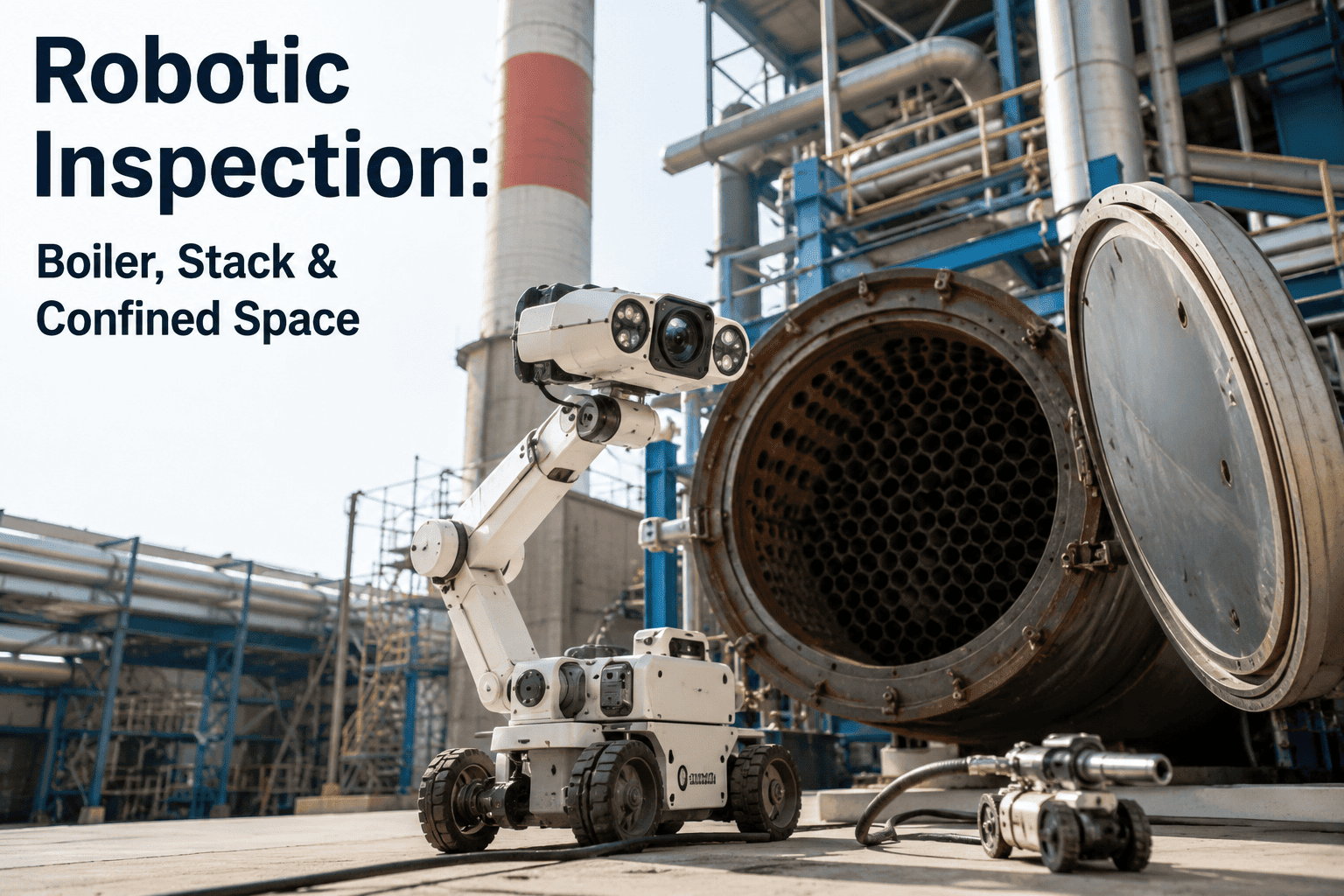
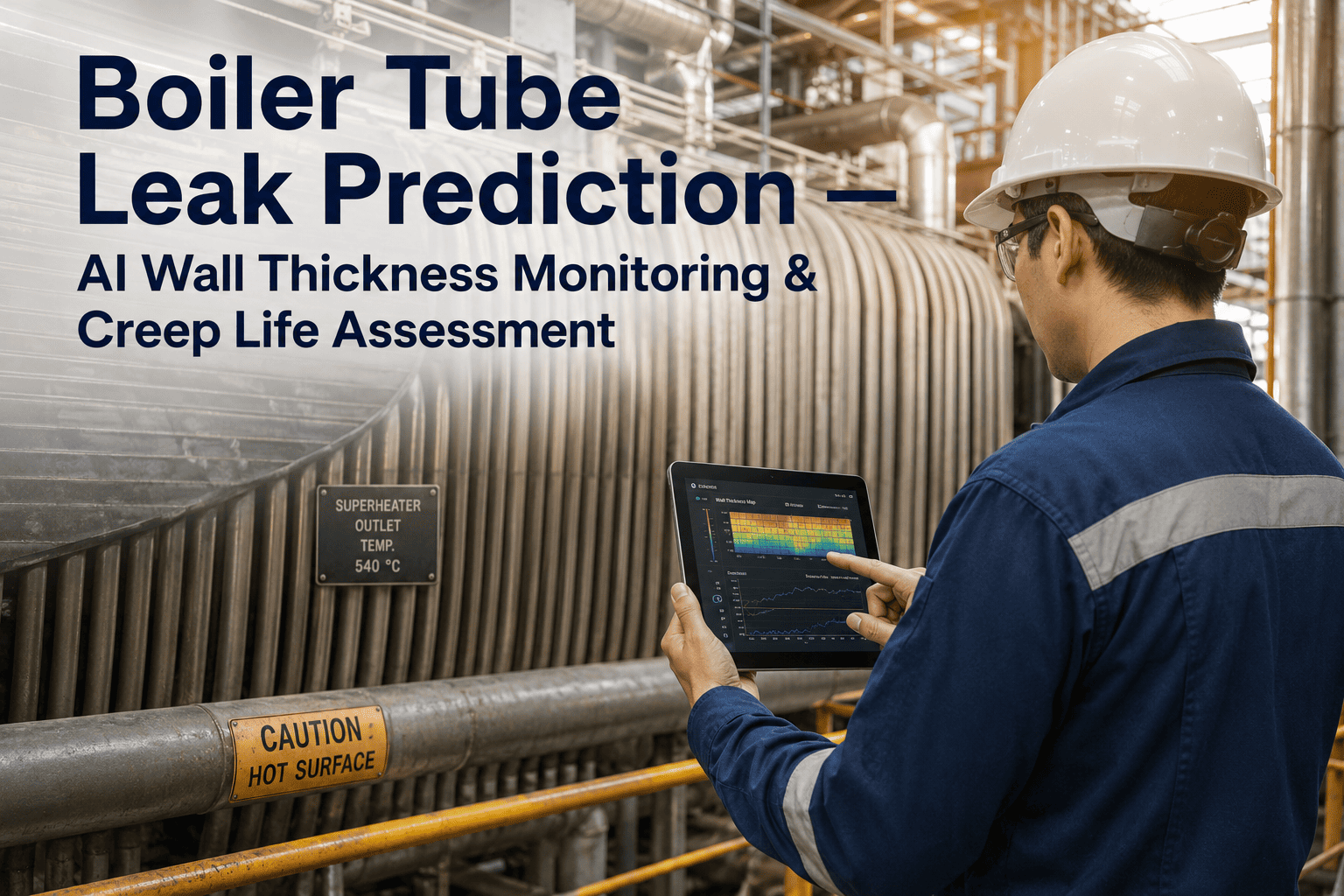
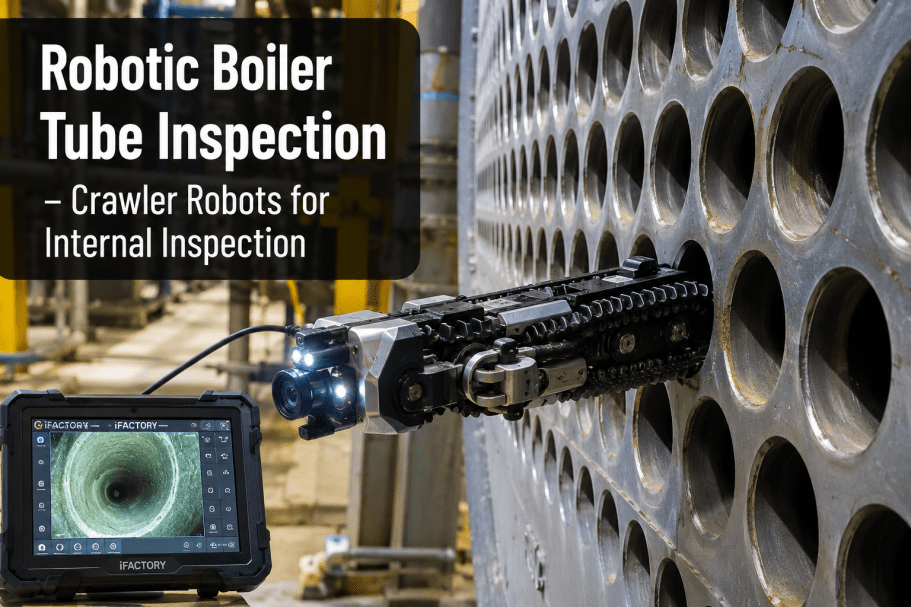
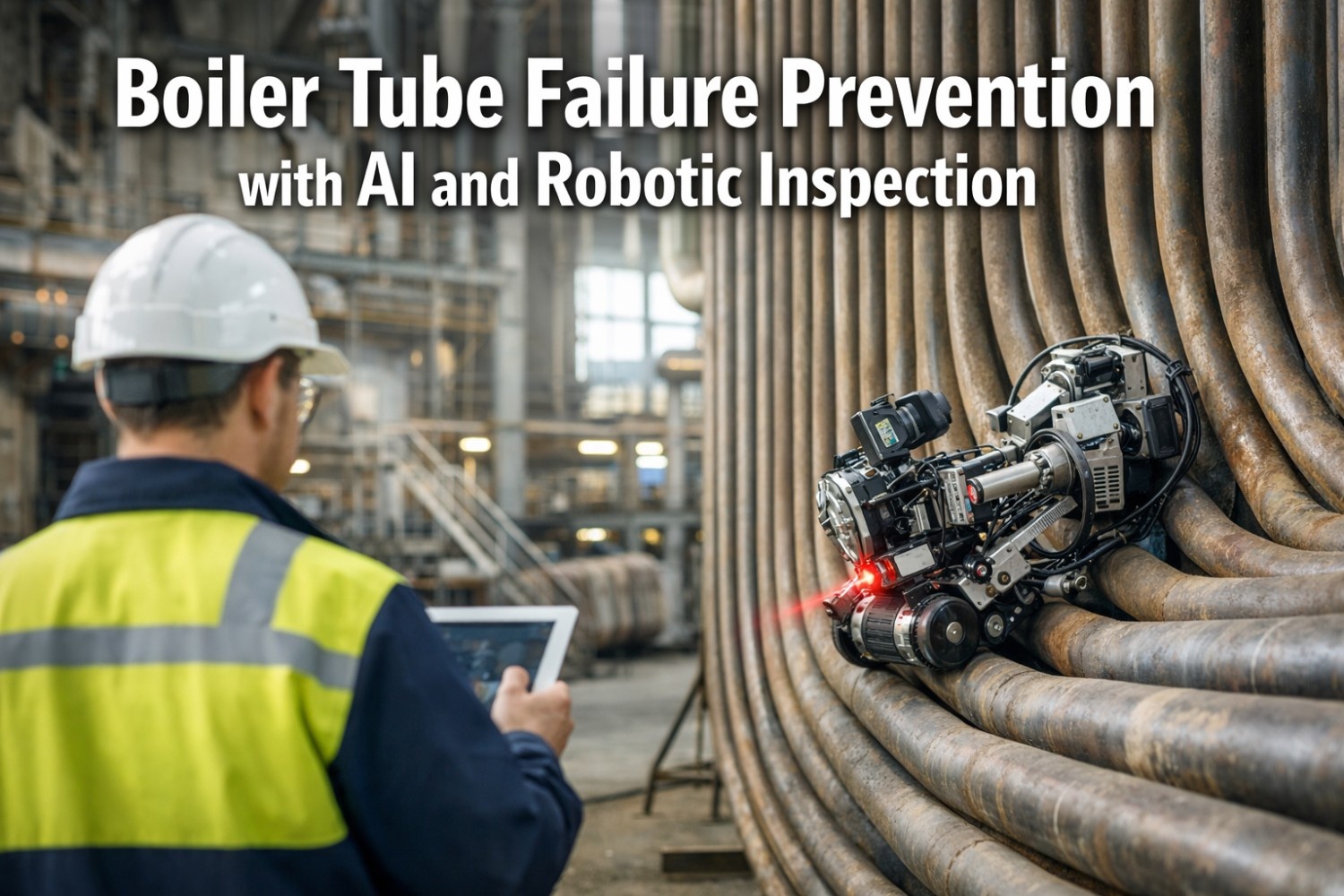
Boiler tube failures are the leading cause of forced outages at coal-fired power plants, with tube wall thinning, external corrosion, and weld degradation developing over months before visible leakage. Crawler-based robotic inspection systems equipped with phased array ultrasonic testing (PAUT) and infrared thermal cameras can cover thousands of linear feet of boiler tube surface per inspection cycle — operating within the boiler cavity during partial cooldown windows at temperatures that preclude safe human entry. iFactory AI's Predictive Maintenance module ingests robotic inspection data feeds directly, mapping thickness readings against historical degradation curves to generate tube-level failure probability scores and automated work order triggers before leak events occur.
Pulverizer Mill Condition Monitoring
Coal pulverizer mills operate in explosive-atmosphere environments where combustible coal dust concentrations make conventional inspection impractical between maintenance outages. Vibration-based robotic condition monitoring systems — deployed as permanent sensor arrays or periodic mobile platforms — track grinding element wear, classifier degradation, and drive component health continuously. AI analysis of mill vibration signatures, motor current draw, and differential pressure data identifies degradation 3–6 weeks before functional failure, enabling planned mill pulls during scheduled outage windows rather than emergency replacements during peak demand periods. iFactory AI's Production Monitoring module integrates mill PLC data with robotic inspection feeds to create a unified mill health dashboard accessible across plant and utility operations levels.
ESP & Baghouse Inspection Automation
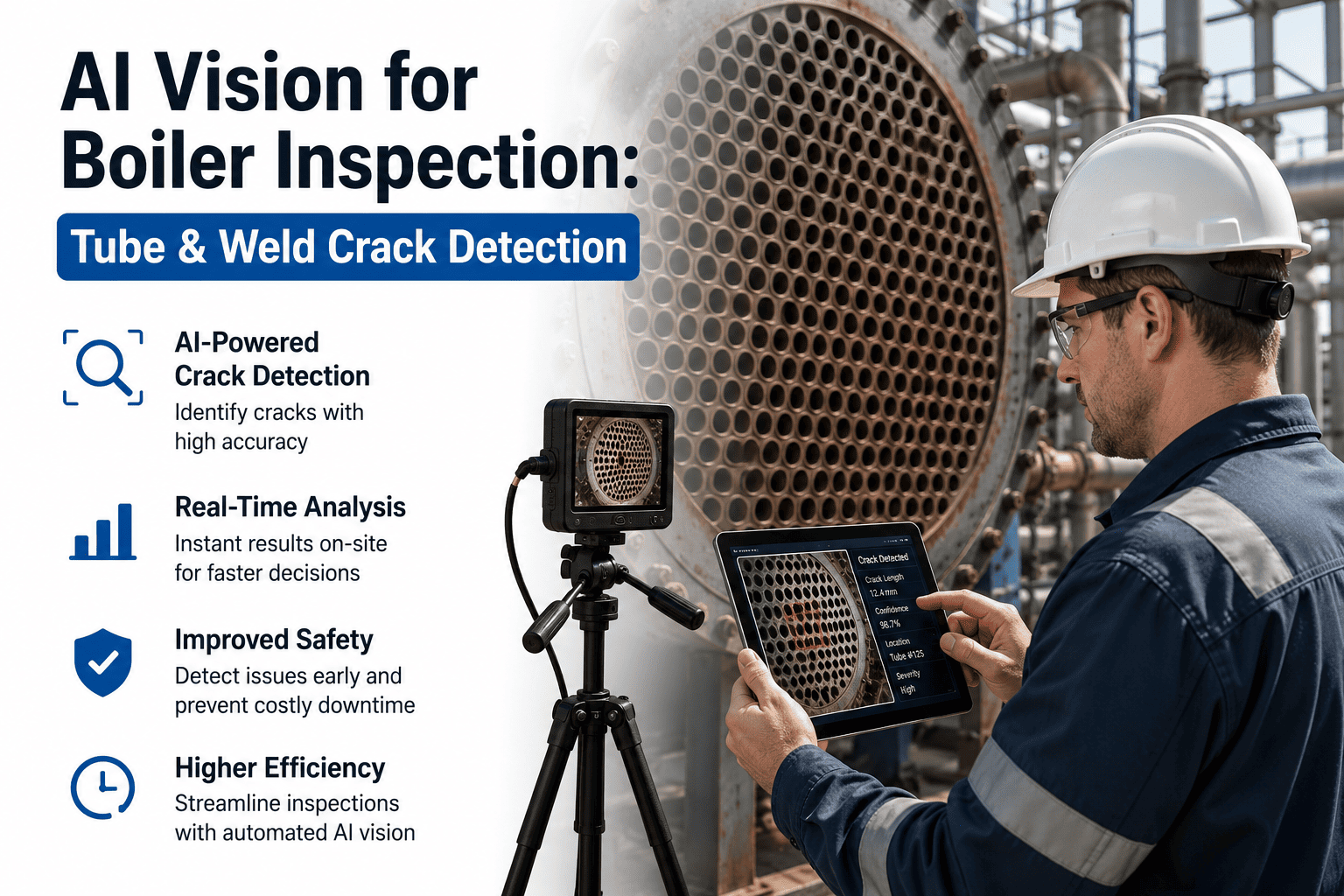
Electrostatic precipitators and fabric filter baghouses are the primary particulate emission control systems at coal plants, operating under regulatory compliance obligations that make unplanned outages legally consequential. Internal ESP inspection — rapping mechanism integrity, wire-to-plate alignment, collecting plate condition — requires de-energization and confined space entry under conventional programs. Robotic inspection platforms, including tethered rope-access drones and tracked ESP crawlers, can execute internal surveys in a fraction of the manual inspection timeline, delivering high-resolution visual and thermal data that enables early identification of alignment failures, electrical tracking damage, and collection efficiency degradation before opacity exceedance events trigger regulatory action. iFactory AI's AI Vision Camera module processes ESP inspection imagery automatically, flagging anomalies for engineering review without requiring manual image-by-image analysis.
Ash Handling System & Silo Integrity
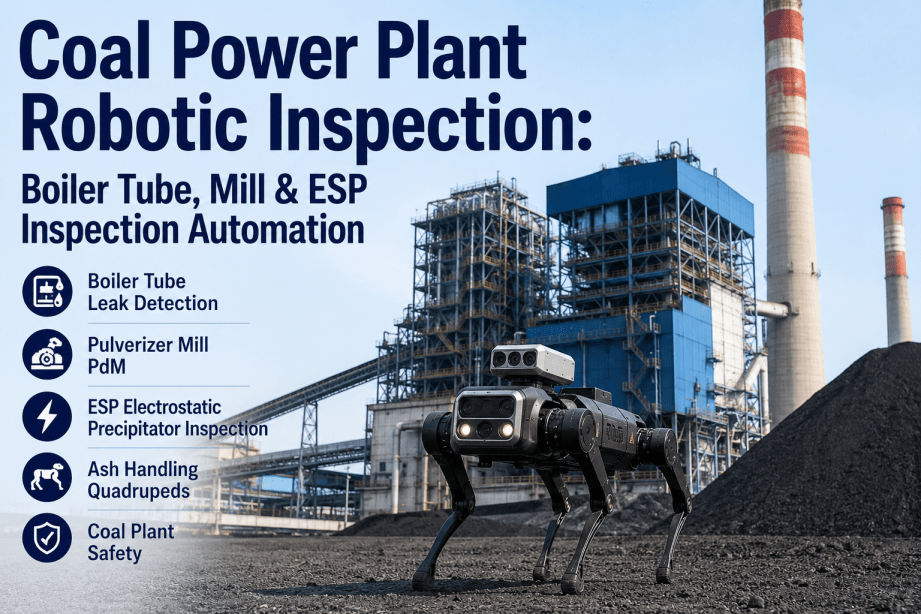
Bottom ash systems, fly ash silos, and ash transport lines represent some of the highest confined-space fatality risk environments in power generation — with silo collapse and ash flowability failures creating acute safety events with minimal warning. Quadruped robotic platforms, such as Boston Dynamics Spot deployed at coal plant ash handling facilities, navigate unstructured silo floor environments, stairs, and conveyor galleries to conduct visual and acoustic inspection without human entry. iFactory AI's Incident Reporting and Work Order Management modules convert robotic inspection findings into structured maintenance records with documented evidence trails that satisfy OSHA confined space permit requirements and utility safety management system documentation standards.
Cooling Tower & Condenser Inspection
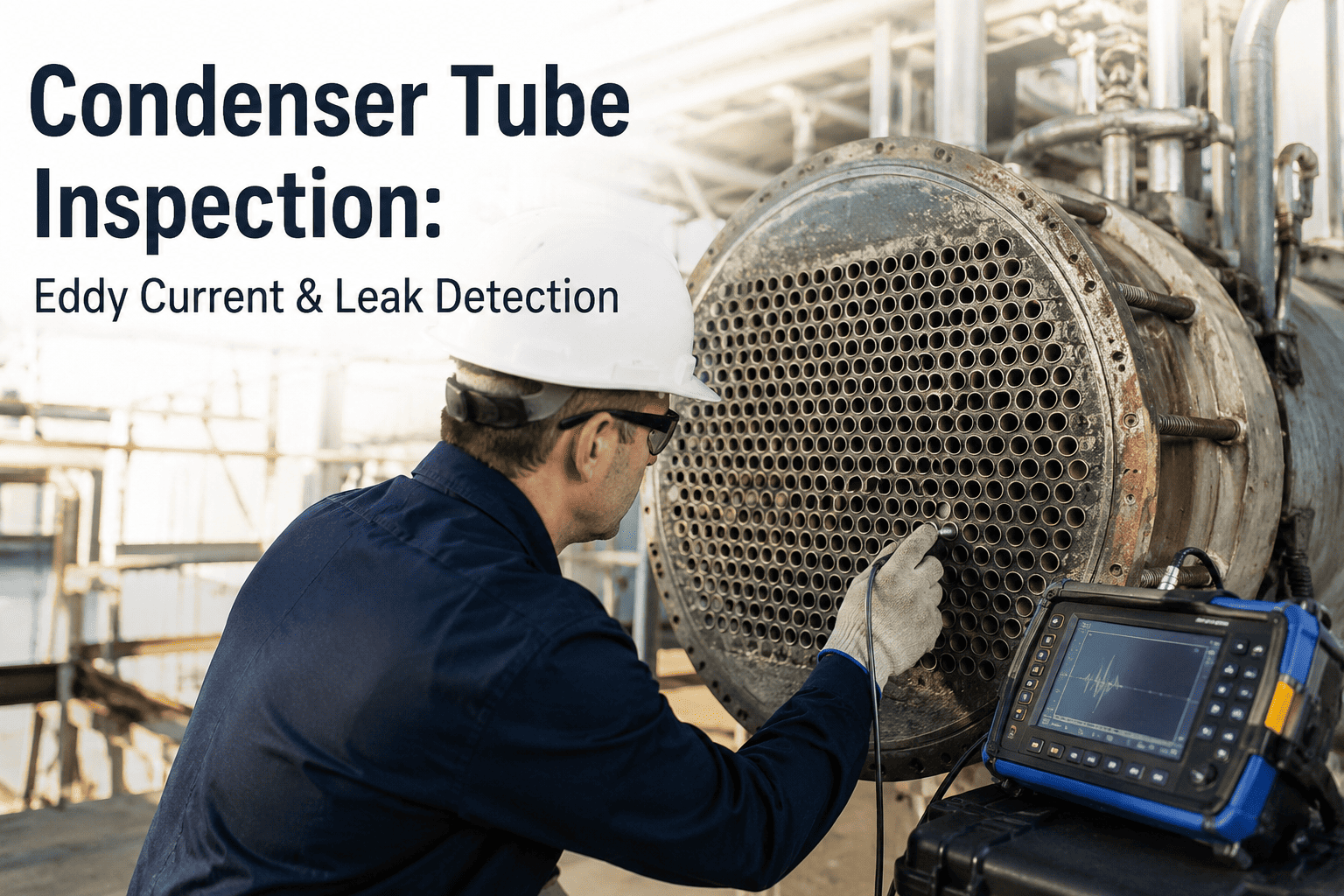
Cooling tower fill degradation, basin fouling, and condenser tube fouling are chronic efficiency loss drivers at coal plants that are chronically under-inspected due to access difficulty and inspection cost. Drone-based cooling tower visual inspection platforms and condenser tube robotic inspection systems deliver inspection cycle times measured in hours rather than days — enabling condition assessments during brief operational windows that manual programs cannot utilize. AI-assisted cooling tower image analysis detects fill collapse, distribution system blockage, and structural degradation automatically, while condenser tube robotic systems map eddy current readings against historical fouling curves to optimize cleaning frequency and predict tube failure risk by bundle section.
Robotic Inspection Platform Comparison: Matching Technology to Coal Plant Application
Not every robotic inspection platform is suited for every coal plant application. The technology selection matrix below maps the primary robotic platform architectures against the coal plant inspection domains where each delivers optimal performance — enabling maintenance engineers to align platform investment with the highest-priority inspection gaps in their specific facility configuration.
| Robotic Platform | Primary Application | Operating Environment | Key Sensor Payload | iFactory AI Integration Point |
|---|---|---|---|---|
| Quadruped (e.g., Spot) | Ash handling, general plant patrol, stairwell areas | Unstructured surfaces, stairs, outdoor/indoor | Visual, thermal, gas detection, acoustic | AI Vision + Predictive Maintenance |
| Boiler Tube Crawler | Boiler tube wall inspection, PAUT thickness mapping | High-temp boiler cavity, partial cooldown | PAUT, infrared, visual HD camera | Predictive Maintenance + Work Orders |
| Tethered Inspection Drone | ESP internal, cooling tower, large vessel survey | Confined space, indoor, GPS-denied | 4K visual, thermal, LiDAR mapping | AI Vision Camera + Inspection Mgmt |
| Tracked ESP Crawler | ESP collecting plate, wire alignment, rapper check | De-energized ESP internals, narrow gap | Visual, laser profilometry, thermal | Quality Control + Analytics |
| Condenser Tube Robot | Condenser tube eddy current, fouling mapping | Flooded or dry condenser tube bundles | Eddy current, visual, ultrasonic | Predictive Maintenance + Production Monitoring |
| Mill Vibration Sensor Array | Pulverizer grinding element, classifier, drive PdM | Continuous online, explosive atmosphere rated | Triaxial vibration, temp, current signature | Predictive Maintenance + OEE Analytics |
Manual Inspection Programs vs. AI-Integrated Robotic Inspection: The Operational Gap
The performance difference between coal plants running conventional manual inspection schedules and those deploying AI-integrated robotic inspection is not incremental — it is structural. The comparison below maps the gap across the dimensions that most directly determine plant reliability, safety performance, and forced outage frequency.
- Boiler tube inspection executed during full outage only — 18–24 month intervals for most coal plants
- Confined space entry required for ESP, ash silo, and cooling tower internal inspection — high worker risk, high cost
- Mill condition monitoring relies on operator sensory observation and periodic vibration readings taken manually
- Inspection findings recorded on paper forms, reconciled into maintenance systems days after inspection completion
- No baseline thickness mapping for boiler tubes — thinning trends invisible between outage cycles
- Cooling tower and condenser inspections deferred due to access cost — degradation accumulates invisibly
- ESP internal inspection takes 5–10 days with full scaffold setup — compressed into outage window regardless of actual need
- Maintenance decisions driven by calendar schedule, not actual asset condition data
- Boiler tube crawler inspection executable during partial cooldown windows — 6–12 month inspection cycles achievable
- Robotic platforms eliminate confined space entry for most routine inspection tasks — worker risk profile fundamentally changed
- Continuous vibration sensor arrays on mills provide real-time health scores updated every 30 seconds
- Robotic inspection data feeds directly into iFactory AI platform — findings appear in maintenance dashboards within hours
- Full boiler tube thickness baseline established at first robotic inspection — degradation curves tracked automatically thereafter
- Drone and crawler inspection deployable during operational windows — no outage required for most cooling system surveys
- ESP tethered drone survey completed in 8–16 hours — fraction of scaffold-based program timeline
- Condition-based maintenance decisions driven by AI anomaly detection and degradation trend analysis
The revenue implication of this gap is direct: a single prevented forced boiler tube failure event at a 670 MW coal plant avoids $500K–$2M in emergency repair costs and replacement power purchases per incident, while the robotic inspection program that enables early detection typically costs a fraction of a single avoided event. Book a Demo to model your specific avoided cost scenario with iFactory's power plant engineering team.
Connect Your Robotic Inspection Program to AI-Driven Maintenance Intelligence
iFactory AI aggregates robotic inspection data, PLC sensor feeds, and maintenance records into a unified plant intelligence platform — converting inspection findings into predictive maintenance actions before failures occur.
A Structured Deployment Path for AI-Integrated Robotic Inspection at Coal Power Plants
Deploying robotic inspection at a coal power plant without an AI-powered data management platform produces a data accumulation problem rather than a maintenance intelligence solution. The deployment sequence below reflects how leading utility operators structure robotic inspection programs to deliver measurable improvement in plant reliability from the first inspection cycle through long-term condition-based maintenance operation.
Asset Risk Prioritization & Inspection Gap Assessment
Begin by mapping your coal plant asset inventory against current inspection interval data, historical failure events, and consequence-of-failure scores for each major system. Boiler tube areas with documented thinning history, mills with elevated vibration trends, and ESP systems approaching opacity exceedance thresholds represent the highest-priority robotic inspection deployment targets. iFactory AI's Enterprise Asset Management module provides the asset hierarchy and maintenance history framework that makes this prioritization systematic rather than opinion-driven. Book a Demo to build your plant-specific risk prioritization model with iFactory's power generation team.
iFactory AI Platform Integration & Data Architecture
Connect iFactory AI to existing plant DCS, PLC, and historian systems via OPC-UA, Modbus, and standard industrial protocols. Establish the data ingestion pipeline for robotic inspection outputs — structured defect reports, thickness mapping files, thermal anomaly images, and vibration data exports — so that every inspection finding enters the maintenance management workflow automatically rather than being stored in disconnected field databases. Configure the Asset Registry within iFactory AI to mirror the physical plant hierarchy, enabling location-specific inspection history and degradation trend tracking by boiler section, mill unit, and ESP field.
Baseline Inspection Campaign & Condition Establishment
Execute the first full robotic inspection campaign across priority assets during the next available outage or operational access window. Establish baseline thickness maps, visual condition records, and vibration signatures that become the reference dataset against which all future inspection findings are compared. iFactory AI's Inspection Management module structures the baseline data collection process, ensuring consistent measurement location identification, data format standardization, and automatic population of the AI degradation model that will drive future predictive maintenance triggers.
Predictive Maintenance Activation & Alert Configuration
With baseline data established, activate iFactory AI's predictive maintenance alert logic — configuring tube-level failure probability thresholds, mill health score degradation triggers, and ESP anomaly classification rules that generate actionable maintenance recommendations rather than raw data outputs. Integrate predictive maintenance alerts with iFactory AI's Work Order Management module to ensure every AI-generated anomaly flag automatically creates a documented, prioritized maintenance task assigned to the appropriate maintenance team or contractor resource.
Continuous Inspection Cycle & Outage Planning Integration
Establish the ongoing robotic inspection cycle frequency for each asset class — typically 6–12 months for boiler tube crawlers, continuous for mill vibration arrays, and quarterly for drone-based ESP and cooling tower surveys. Connect iFactory AI's inspection finding trends directly to outage planning workflows in iFactory AI's Shutdown Management module, enabling condition-based scope development for planned outages rather than scope-by-schedule approaches that either over-maintain healthy components or miss actual degradation.
How iFactory AI's Platform Powers Coal Plant Robotic Inspection Programs
iFactory AI is not a robotic inspection platform — it is the intelligence layer that makes robotic inspection data operationally valuable. The platform's modules address each stage of the inspection-to-maintenance workflow, from data ingestion through work order execution and performance reporting.
Predictive Maintenance
AI failure prediction for boiler tube sections, mill grinding elements, ESP rapping mechanisms, and cooling system components. Condition-based alert generation with automated work order creation and maintenance priority scoring.
Book a Demo →Inspection Management
Structured inspection workflow management for robotic and manual inspection programs. Standardized finding classification, degradation trend tracking, and regulatory-grade documentation for NERC, OSHA, and EPA compliance requirements.
AI Vision Camera
Computer vision processing of drone and crawler inspection imagery for automated anomaly detection. AI classification of boiler tube surface conditions, ESP plate alignment, cooling tower fill integrity, and structural defect identification without manual image review.
OEE Analytics
Plant-wide availability, performance, and reliability analytics integrating inspection findings, maintenance events, and production data. Real-time OEE dashboards for boiler unit, mill fleet, and emissions control system performance tracking.
Shutdown Management
Condition-based outage scope development driven by actual inspection findings rather than calendar schedules. Outage scope, resource planning, and work package management informed by iFactory AI's real-time asset health data across all plant systems.
Digital Twin AI
Live virtual plant model integrating robotic inspection findings, sensor data, and operational history into a continuously updated digital replica. Enables scenario modeling for boiler section degradation, mill fleet availability, and outage planning optimization.
Expert Perspective: What AI-Integrated Robotic Inspection Actually Delivers at Coal Plants
The fundamental problem with coal plant inspection programs is not that maintenance engineers do not know where the risks are — it is that the physical environment makes it economically and logistically impossible to inspect at the frequency the actual degradation rates demand. A boiler tube section that experiences 0.015 inches of wall loss per year will reach minimum allowable thickness inside two years in certain combustion zones. If you are inspecting that section every 24 months during planned outages, you are essentially betting that the failure curve stays linear and that nothing accelerates. Robotic inspection changes the economics of inspection frequency — and AI changes the economics of inspection data analysis. Together they make condition-based maintenance at coal plants operationally viable in a way it has never been before.
Key Engineering Insights
Boiler tube failure is still the number one driver of forced outage events at coal plants — and it is fundamentally a measurement frequency problem, not a materials problem.
ESP opacity exceedance events are almost always preceded by weeks of degradation data that nobody saw because the internal inspection was not scheduled until the next outage.
The ROI calculation for robotic inspection at coal plants closes in the first year if you include the cost of a single avoided forced boiler tube outage in the denominator.
Data without a platform to aggregate, analyze, and act on it is just a storage problem. The value of robotic inspection is entirely dependent on what you do with the data afterward.
Coal Plant Robotic Inspection Is a Reliability Infrastructure Investment, Not a Technology Experiment
Coal-fired power generation continues to play a significant role in U.S. baseload capacity, and the plants that remain in operation are increasingly aging assets where the gap between inspection capability and actual degradation rates represents a genuine reliability and safety liability. Manual inspection programs designed for plants with predictable failure modes and generous outage windows are structurally mismatched to an operational environment where carbon capture retrofits, reduced staffing, and compressed outage schedules are simultaneously compressing the inspection window.
Coal power plant operators who are serious about improving plant reliability, reducing forced outage frequency, and managing the safety risks of legacy asset inspection should treat the integration of robotic inspection with AI-powered maintenance management as the same category of investment as any other reliability-centered maintenance program — because that is exactly what it is. Book a Demo to see how iFactory AI's platform applies to your specific coal plant configuration and inspection program requirements.
Deploy AI-Powered Inspection Intelligence Across Your Coal Power Plant
iFactory AI integrates robotic inspection data, continuous sensor feeds, and maintenance history into a single plant intelligence platform — enabling condition-based maintenance, predictive failure alerts, and outage scope optimization for coal plant boiler, mill, ESP, and cooling system assets.
Coal Power Plant Robotic Inspection — Frequently Asked Questions
Can boiler tube crawler robots operate during plant operation, or only during outages?
Boiler tube crawler robots are designed to operate during partial or full cooldown periods — they cannot operate in a fully energized boiler under combustion conditions. However, partial cooldown windows that are too hot and confined for safe human entry are accessible to crawler platforms rated for elevated temperature operation. This means that boiler tube inspection can be executed during shorter, lower-cost partial outage windows rather than requiring the full planned maintenance outage that manual scaffold-based inspection demands. The reduced outage duration requirement is one of the primary economic drivers for boiler tube robotic inspection deployment at coal plants running tight outage schedules.
How does iFactory AI integrate with robotic inspection data outputs from third-party inspection platforms?
iFactory AI supports data ingestion from third-party robotic inspection platforms through standard file format integration (structured defect reports, CSV thickness data exports, georeferenced inspection image sets) as well as API-based data feeds from platforms supporting REST or OPC-UA data sharing. The platform is designed to function as the aggregation layer above any combination of inspection technologies — robotic or manual — rather than requiring proprietary robotic hardware. Book a Demo to review the specific integration architecture for your existing or planned robotic inspection platforms with iFactory's power generation engineering team.
What safety certifications are required for quadruped robots deployed in coal plant ash handling areas?
Ash handling areas at coal plants present both combustible dust explosion hazards and confined space entry risks — two distinct regulatory environments that robotic platforms deployed in these areas must address. For continuous operation in areas classified as combustible dust explosion zones under NFPA 652 and NFPA 654, robotic platforms must carry appropriate ATEX or UL ratings for the specific dust classification of the ash environment.
What is the typical ROI timeline for deploying AI-integrated robotic inspection at a 670 MW coal plant?
ROI timelines for robotic inspection programs at coal plants are heavily dependent on baseline forced outage frequency and the cost structure of the specific plant. For a 670 MW baseload coal plant with a historical forced outage rate of 4–6 events per year attributable to boiler tube failures and mill unplanned outages, a combined robotic inspection and AI predictive maintenance program typically achieves full investment payback within 12–18 months — primarily through avoided forced outage costs, reduced overtime maintenance labor, and outage scope optimization savings. Plants with lower baseline forced outage rates will see longer payback timelines, but the sustained reduction in worker safety risk and the improvement in regulatory inspection compliance documentation create value that persists independent of the financial return.
How does AI-assisted ESP inspection analysis reduce the risk of opacity exceedance events?
Opacity exceedance events at coal plants are almost invariably preceded by progressive degradation of ESP internal components — rapper mechanism failures that allow collecting plate buildup, wire breakage that reduces electrical field uniformity, and collecting plate misalignment that creates gas channeling paths through the precipitator. AI-assisted analysis of ESP inspection imagery identifies these degradation patterns at the individual collecting field level, typically 4–12 weeks before they accumulate to the point of measurable opacity impact.