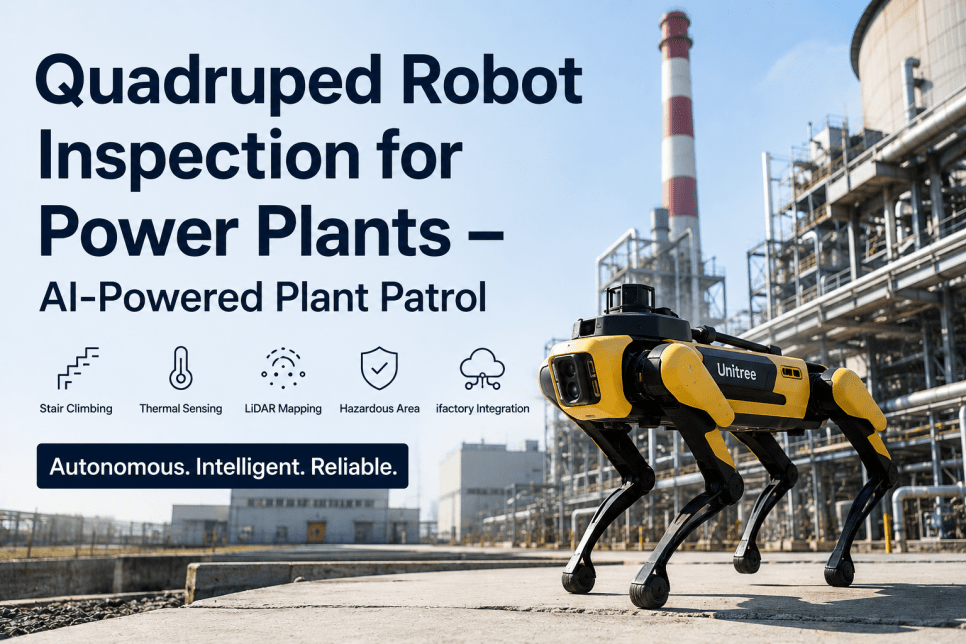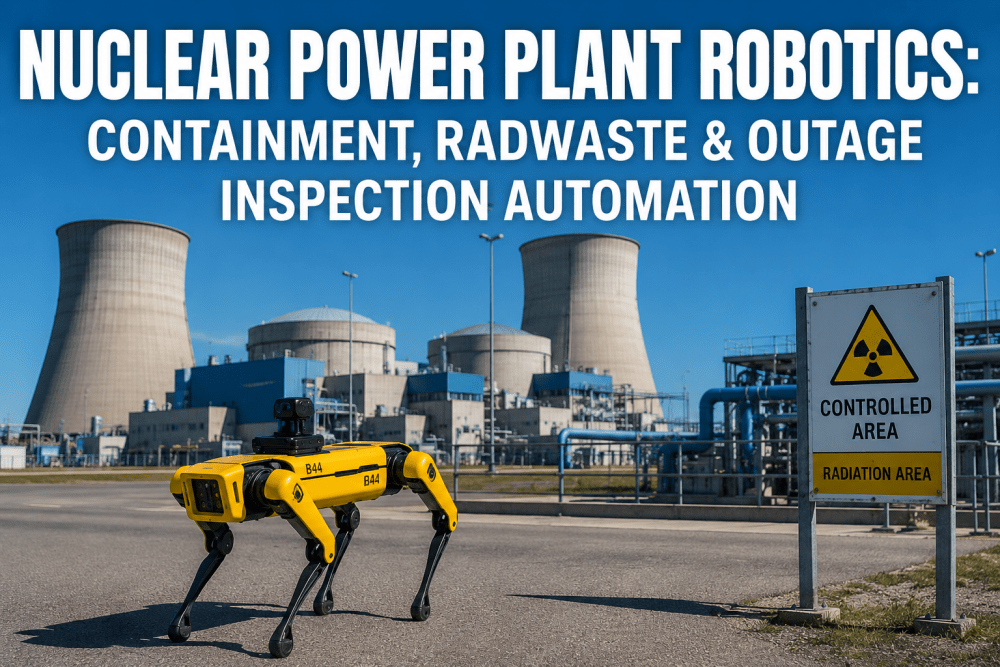
The refueling outage clock is ticking. Inside the drywell of a 1,200 MW BWR, a radiation protection technician watches the dosimetry reading climb on a containment entry team — 45 millirem and rising, with three more valve inspections still on the schedule. Across the plant, in the radwaste processing area, a supervisor reviews the morning's drum count: 14 low-level waste containers, each one representing another line item on the site's mounting disposal budget. And in the spent fuel pool, an underwater camera feed shows debris settled on a fuel rack — debris that no human can reach without a multi-week scaffold build and a significant dose penalty. Three different problems. Three different locations ,All of them waiting on the same constrained resource: human access. This page is about how iFactory's on-premise AI platform turns these separate access challenges into a single, continuous robot operation — covering containment, radwaste, and spent fuel environments under one unified control system, with zero cloud dependency and a working pilot delivered in 6 to 12 weeks.
One platform for every nuclear robot mission — containment, radwaste, spent fuel pool, and beyond
Deploy Spot, underwater ROVs, and crawlers on a single on-premise AI system. Reduce personnel dose by 70%+, cut radwaste volume by 25%, and complete outage inspections in half the time — all without cloud dependency or data egress.
Nuclear robot operations, unified
Most nuclear plants run robot operations in silos — one team for the Spot dog in containment, another for the underwater ROV in the spent fuel pool, a third for the drum handler in radwaste. Each robot has its own control software, its own data pipeline, and its own reporting format. The result is fragmented situational awareness, duplicated infrastructure costs, and missed opportunities to coordinate missions across zones during the same outage window.
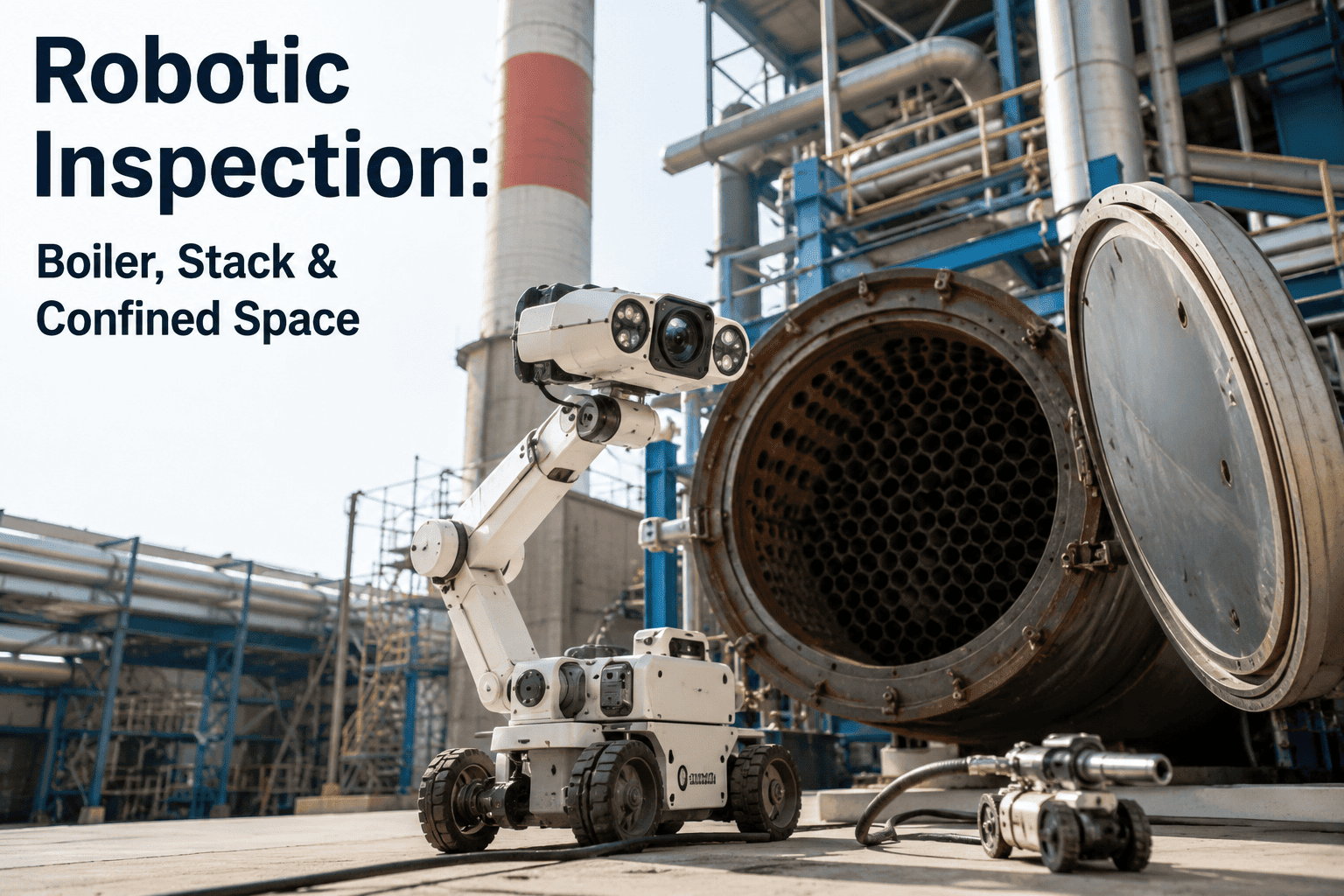
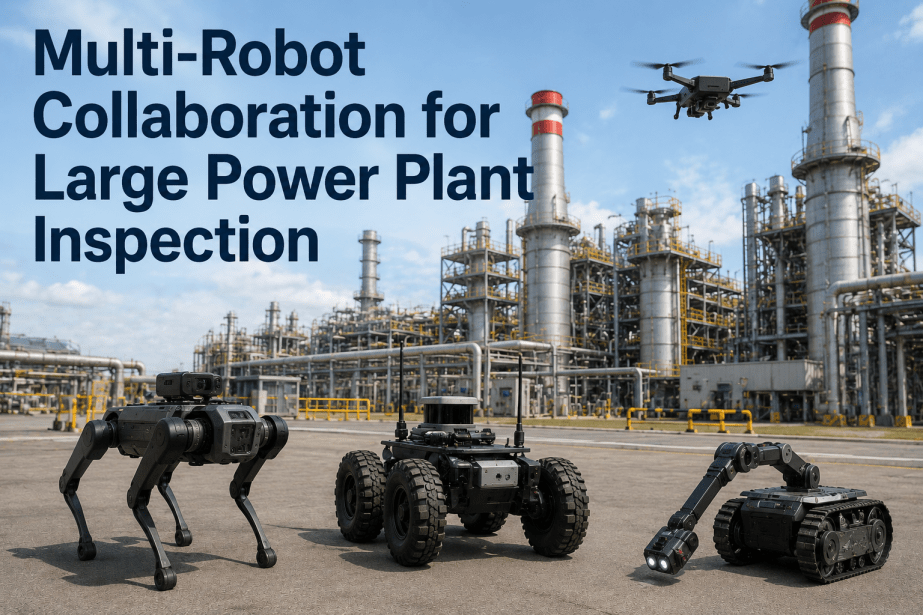
iFactory changes that. Our on-premise AI platform runs on an NVIDIA appliance inside your plant network. It connects to any robot — Spot, underwater drones, gantry crawlers, manipulator arms — and gives you a single dashboard for task assignment, live video analytics, dose tracking, and data export. The system ingests your existing sensor data, floor plans, and radiation maps, then orchestrates robot missions across containment, radwaste, and spent fuel environments from one interface. No cloud. No data leaving the plant. No additional servers in the control room.
Every mission, every zone — one platform
iFactory covers the full spectrum of nuclear robot inspection and handling tasks. These six capability areas represent the core missions our platform enables, from containment entry to radwaste processing to spent fuel pool monitoring.
Drywell & wetwell inspection
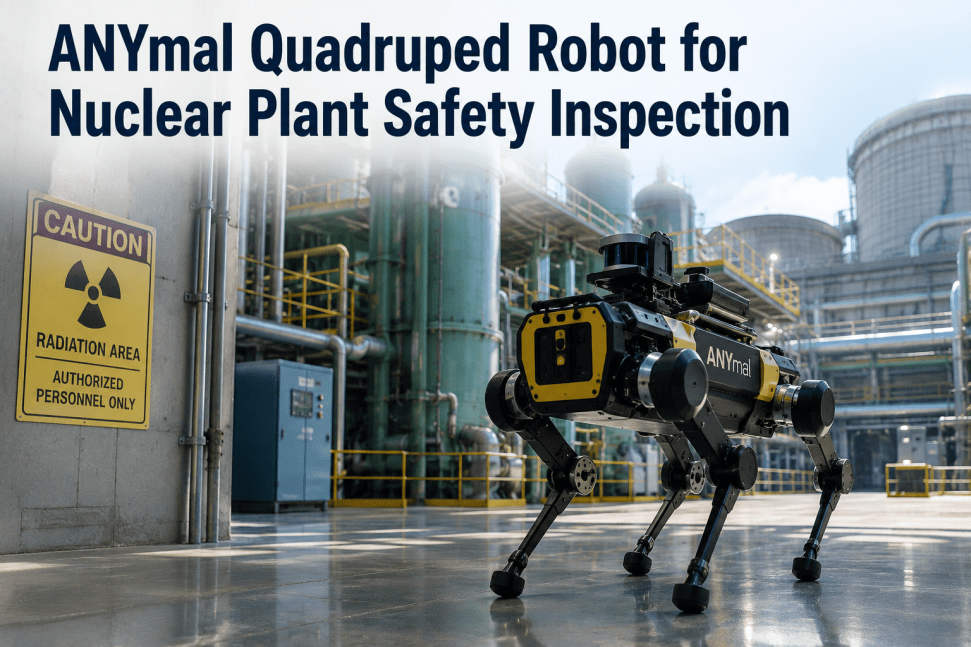
Deploy Spot or a tracked crawler inside containment during outages. Live video analytics identify steam leaks, corrosion spots, and loose debris. Dose tracking per mission keeps ALARA targets visible in real time. Data exports directly to your outage report package.
Valve & pipe integrity checks
Automated walkdowns of safety-related valves and piping. The platform compares current visual data against previous outage baselines, flagging changes in position, surface condition, or insulation integrity. Reduces manual entry time by 60%.
Drum handling & sorting
Robotic manipulators and conveyors under iFactory control sort low-level waste by dose rate and material type. The platform tracks each drum's weight, dose reading, and disposal pathway, automatically generating the paperwork required for transport and burial.
Processing line optimization
Connect sensors on your evaporators, filters, and ion exchange columns to iFactory's AI models. The platform adjusts process parameters to reduce final waste volume by 25%, saving millions in disposal costs over a 10-year operating cycle.
Underwater inspection & debris retrieval
Deploy an underwater ROV from iFactory's control interface. Live sonar and camera feeds identify debris on fuel racks, storage canisters, and pool liners. The platform coordinates retrieval missions and logs every action for NRC recordkeeping.
Fuel assembly surveillance
Routine visual checks of stored fuel assemblies without moving them. The platform's AI detects swelling, bowing, or corrosion flags that require engineering review. Eliminates the need for multi-week scaffold builds and diver entries.
One platform. Three zones. One pilot timeline. Book a 30-min walkthrough and see how iFactory connects your containment, radwaste, and spent fuel pool robot operations in under 12 weeks.
From robot to report in four steps
iFactory turns your existing robots into an integrated inspection and handling system. Here is how the platform works from the moment you connect your first robot.
Connect & map
iFactory connects to your existing robots — Spot, underwater ROVs, crawlers — over the plant network. The platform ingests floor plans, radiation maps, and equipment layouts to create a digital twin of the containment, radwaste, and spent fuel zones.
Assign & dispatch
From a single dashboard, your operations team assigns missions — inspect valve 3B in the drywell, retrieve debris from fuel rack 4A, sort drums in radwaste. The platform sequences tasks to minimize robot downtime and avoid cross-zone conflicts.
Execute & analyze
Robots run missions autonomously or under remote supervision. Live video feeds, sensor readings, and dose data stream to the platform's AI, which flags anomalies in real time — a steam leak, a corroded pipe support, a drum exceeding dose limits.
Report & archive
Every mission generates a structured report with timestamps, images, dose data, and anomaly flags. Reports export directly to your outage documentation, NRC submittals, or EPRI data-sharing programs. No manual transcription, no lost data.
Three zones, one bottleneck: human access
Every nuclear plant faces the same fundamental constraint: people cannot safely enter high-dose areas for extended periods. Yet inspections, maintenance, and waste processing all require physical presence. The costs of this constraint show up in three specific ways.
Containment entry limits
Each containment entry during an outage consumes 15–45 person-rem of dose budget. With ALARA targets tightening and INPO expectations rising, plants must either accept higher dose totals or extend outage duration — both expensive options. A single extended outage day costs $1–2 million in replacement power.
Radwaste disposal escalation
Low-level waste disposal costs have risen 30% in five years, driven by tighter acceptance criteria and fewer available sites. Every extra drum of waste represents $5,000–15,000 in disposal fees, plus the handling and transport costs. Plants that cannot optimize their processing lines pay this premium year after year.
Spent fuel pool access
Any work in the spent fuel pool — debris retrieval, visual inspection, canister relocation — requires scaffold builds, divers, or both. A single spent fuel pool entry can cost $500,000 in scaffolding, $200,000 in dive team fees, and add 10 days to an outage schedule.
One platform. Three zones. One pilot timeline. Book a 30-min walkthrough and see how iFactory connects your containment, radwaste, and spent fuel pool robot operations in under 12 weeks.
What a unified robot platform delivers
Plants that deploy iFactory across all three zones — containment, radwaste, and spent fuel pool — see measurable improvements within a single outage cycle. These numbers come from EPRI benchmarks and iFactory deployments at operating BWR and PWR sites.
One platform. Three zones. One pilot timeline. Book a 30-min walkthrough and see how iFactory connects your containment, radwaste, and spent fuel pool robot operations in under 12 weeks.
Questions nuclear operators ask about robot containment & radwaste platforms
Stop sending people where robots can go
iFactory unifies your containment, radwaste, and spent fuel pool robot operations on one on-premise platform. 6–12 week pilot. No cloud. No data leaving the plant. Book a demo and we will show you a live deployment at an operating BWR or PWR site.