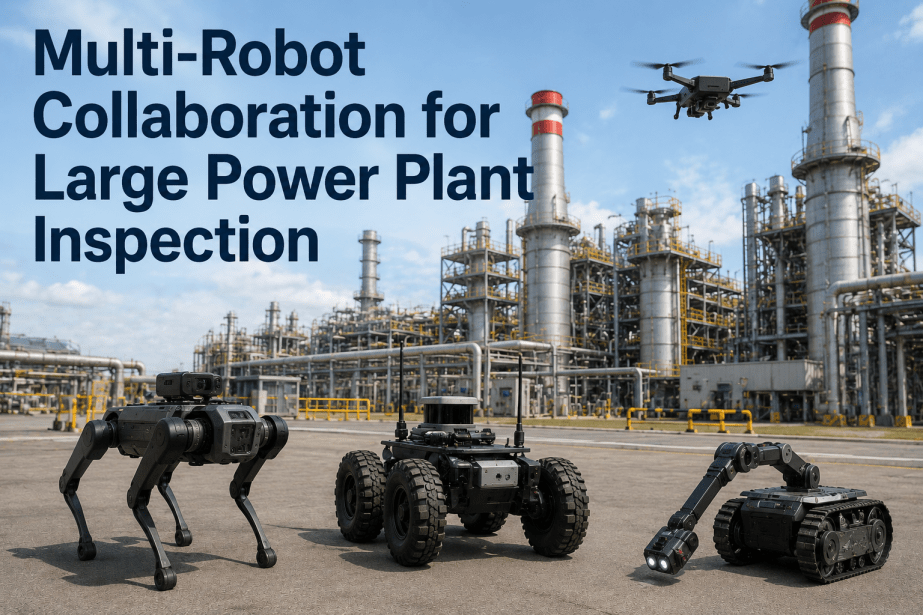
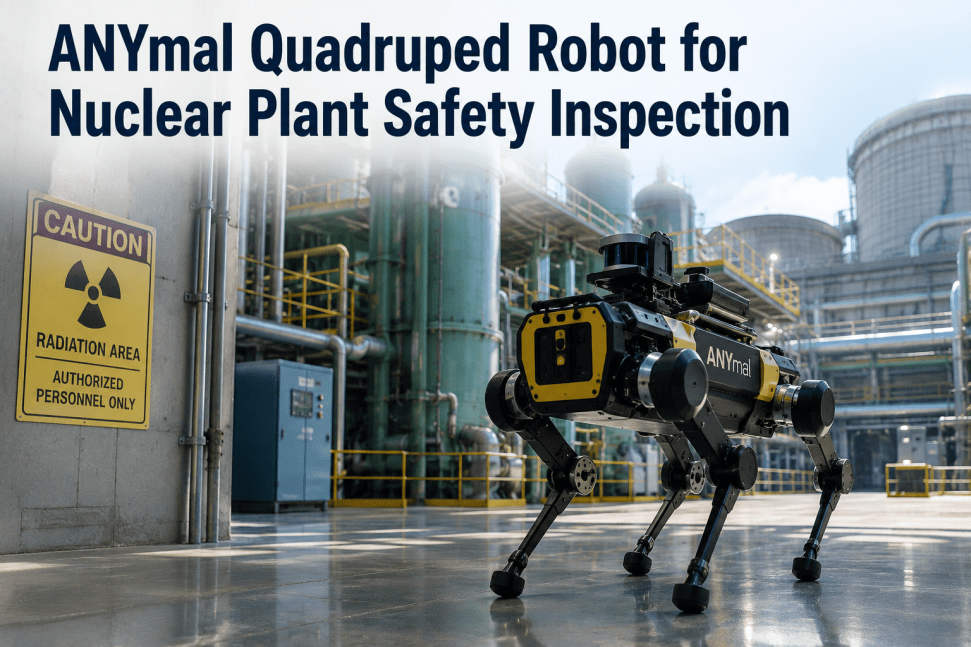
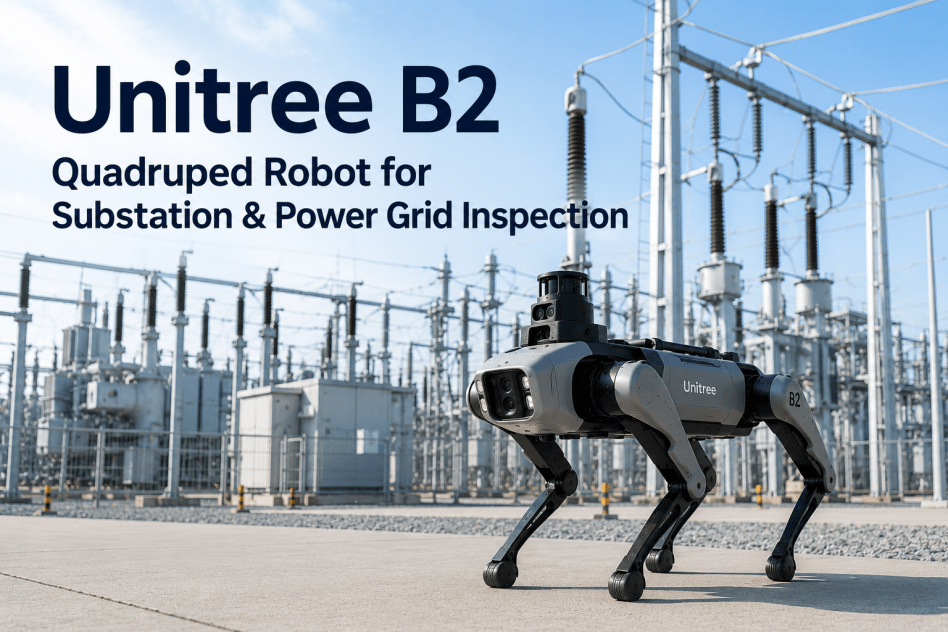
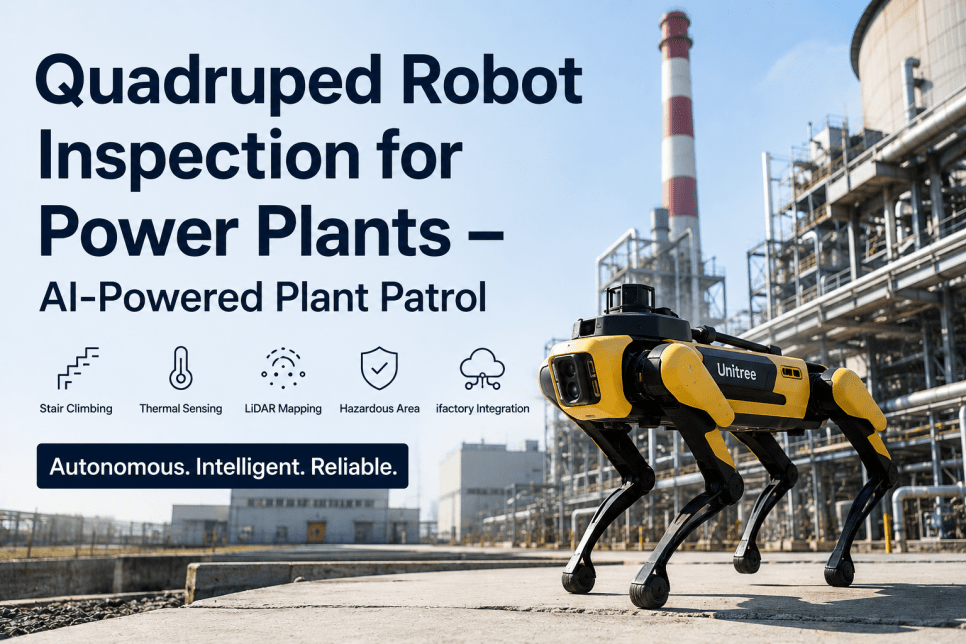
Humanoid & Quadruped Robots for Power Plant Management 2026: Coal, Gas, Nuclear & Renewable
By Darco Malfoy on June 2, 2026
Underground natural gas storage facilities are under more operational pressure than ever—tighter regulatory windows fluctuating demand curves, and aging infrastructure that paper-based monitoring simply cannot keep pace with. AI-driven optimization is changing how operators manage injection cycles, reservoir integrity, and withdrawal forecasting across salt caverns, depleted fields and aquifer reservoirs. This article breaks down exactly how AI improves gas storage optimization in underground facilities, which workflows deliver measurable ROI, and what midstream operators need in place to capture those gains. Book a Demo to see how iFactory AI maps these capabilities to your facility today.
The Optimization Imperative
Why Underground Gas Storage Cannot Afford Manual Management in 2025
34%
Average reduction in cushion gas requirements achieved through AI-driven reservoir modeling
6–8x
Faster anomaly detection in wellhead pressure versus conventional SCADA threshold alerting
$1.2B
Estimated annual midstream losses tied to suboptimal gas storage scheduling and imbalance penalties
91%
Of operators report improved peak-day deliverability after integrating AI demand forecasting into scheduling
The Monitoring Gap
Conventional Operations
Why Traditional Gas Storage Management Falls Short
Most underground gas storage facilities still rely on periodic pressure surveys, manual log entries, and reactive maintenance triggered by SCADA threshold breaches. Reservoir conditions shift between survey intervals without detection. Compressor degradation accumulates across weeks before it registers in throughput metrics. Injection and withdrawal scheduling is built from historical averages that fail to capture intraday demand swings and spot-market price signals—leaving deliverability capacity either underutilized or dangerously overcommitted during high-demand periods.
AI platforms integrate continuously with wellhead sensors, pipeline telemetry, compressor vibration data, and external demand signals to build a live operational picture of the reservoir. Machine learning models trained on your facility's injection-withdrawal history predict optimal scheduling windows, flag subsurface anomalies before they escalate to integrity events, and adjust compressor sequencing in real time to minimize energy cost per unit of throughput. The result is a facility that is simultaneously safer, more efficient, and more responsive to market conditions—without adding headcount.
AI models continuously reconcile wellhead pressure readings, temperature profiles, and deliverability test results to generate rolling reservoir pressure and working gas volume estimates. These forecasts replace static volumetric assumptions with dynamic predictions that adapt as reservoir behavior evolves across the injection and withdrawal season.
Subsurface Integrity
02
Predictive Compressor and Equipment Maintenance
Compressor stations at underground storage facilities consume the largest share of operating cost and represent the single highest-consequence failure point for deliverability. AI models trained on vibration signatures, discharge temperatures, and lube oil condition data predict bearing failures, valve degradation, and seal wear weeks before they manifest as throughput constraints or emergency shutdowns.
Predictive Maintenance
03
Demand Forecasting and Injection-Withdrawal Scheduling
AI demand forecasting integrates weather data, grid-balancing signals, industrial load curves, and spot-market prices to build 7–30 day injection and withdrawal schedules that maximize storage value. Operators receive daily schedule recommendations with confidence intervals—replacing the static seasonal plans that leave money on the table during price volatility events.
Schedule Optimization
04
Leak and Anomaly Detection
Continuous multivariate analysis of pressure gradients, flow rates, and acoustic emission data enables AI systems to identify micro-seepage and casing anomalies that traditional threshold alerting misses entirely. Early detection converts what would become integrity incidents into scheduled maintenance events—a critical capability for facilities operating under DOT and FERC regulatory scrutiny.
Integrity Monitoring
05
Energy Cost Optimization for Compression
Compression energy typically represents 60–75% of variable operating cost at underground storage facilities. AI sequencing algorithms dynamically allocate load across available compressor units based on real-time efficiency curves, electricity tariff schedules, and throughput requirements—reducing compression energy cost per MMBtu moved by 18–28% compared to operator-selected sequencing.
Energy Efficiency
How AI Gas Storage Optimization Works: End-to-End Workflow
This is the operational data flow that transforms raw sensor telemetry into actionable scheduling decisions and maintenance interventions across an underground gas storage facility.
Step 01
Multi-Source Data Ingestion and Normalization
iFactory AI connects to SCADA systems, wellhead sensors, compressor telemetry, pipeline flow meters, and external data feeds including weather APIs and market price signals. Data is normalized, timestamped, and ingested at the edge—ensuring that connectivity interruptions do not create gaps in the continuous monitoring record.
Step 02
Reservoir State Estimation and Digital Twin Update
A facility-specific digital twin model continuously updates reservoir pressure, temperature, and working gas volume estimates based on incoming telemetry. The model reconciles observed wellhead conditions with subsurface simulation outputs—flagging divergences that may indicate reservoir heterogeneity, casing damage, or unexpected permeability changes before they affect deliverability commitments.
Step 03
Demand Forecast Generation and Schedule Recommendation
Machine learning demand models generate 7, 14, and 30-day withdrawal and injection rate forecasts. These forecasts feed directly into schedule optimization algorithms that recommend daily injection and withdrawal sequences, compressor loadings, and maintenance windows—displayed as operator-ready plans in the iFactory dashboard with confidence intervals and revenue impact projections.
Step 04
Predictive Maintenance Alert Generation
AI models continuously score compressor units, wellhead valves, and metering equipment against failure probability thresholds. When a unit's condition score crosses a configurable threshold, a work order recommendation is automatically generated in the iFactory CMMS module—pre-populated with asset history, estimated parts requirements, and recommended maintenance window aligned with the injection-withdrawal schedule.
Step 05
Compliance Reporting and Regulatory Data Export
All operational data—pressure surveys, flow records, maintenance logs, and anomaly detection events—are automatically compiled into regulatory reporting formats required by DOT, FERC, and applicable state agencies. Compliance packages that previously required days of manual compilation are generated on demand from the iFactory reporting module.
Manual Operations vs. AI-Optimized: Performance Benchmarks
The figures below reflect documented operational improvements from underground gas storage facilities that transitioned from conventional SCADA-based management to AI-integrated platforms over a 12-month period.
Operational Performance — Head-to-Head Comparison
Operational Dimension
Conventional Management
AI-Optimized Operations
Improvement
Reservoir Pressure Forecasting Accuracy
Periodic survey-based estimates
Continuous real-time digital twin updates
72% improvement in forecast accuracy
Compressor Unplanned Downtime
4–8 unplanned events per year per station
Under 1 event per year with predictive maintenance
Up to 85% reduction
Injection-Withdrawal Schedule Optimization
Static seasonal plans with manual daily adjustments
Rolling 30-day AI-generated schedule with daily updates
19–27% increase in storage value capture
Leak and Anomaly Detection Speed
Threshold breach detected hours to days after onset
Multivariate anomaly flagged within minutes
6–8x faster detection
Compression Energy Cost per MMBtu
Operator-selected sequencing, fixed patterns
Dynamic AI sequencing on real-time efficiency curves
Watch iFactory AI Manage a Complete Injection Cycle — From Demand Forecast to Compressor Scheduling — in Real Time
In our 30-minute demo, we walk through a live underground storage facility use case: reservoir state estimation, AI-generated injection schedule, predictive maintenance alerts, and automated regulatory report generation. You will see exactly how iFactory connects to your existing SCADA infrastructure and delivers operational intelligence from day one.
Underground gas storage encompasses three distinct reservoir types, each with different AI optimization priorities. The table below maps facility type to the highest-value AI application areas.
Salt Cavern Facilities
High Deliverability
Salt caverns support the fastest injection and withdrawal rates among underground storage types, making them critical for peaking and emergency supply events. AI priority areas include real-time cavern pressure management to prevent roof collapse or sill damage, brine disposal optimization, and dynamic scheduling to capture hourly price signals. iFactory's digital twin model tracks cavern shape evolution and flags geomechanical risk thresholds continuously.
48hrTypical full cycle time — AI maximizes each cycle's revenue
Top AI UseCavern pressure integrity monitoring + peak-hour scheduling
Depleted Field Reservoirs
High Capacity
Depleted oil and gas reservoirs hold the largest working gas volumes in the U.S. storage portfolio, but their complex geology and heterogeneous permeability create reservoir management challenges that static models handle poorly. AI subsurface models continuously reconcile wellhead pressure data with geological models, detecting permeability channels and depletion fronts that affect deliverability before they constrain operations.
60–90 dayTypical cycle — AI optimizes multi-well injection sequencing
Top AI UseReservoir pressure forecasting + multi-well injection allocation
Aquifer Reservoirs
Baseload Supply
Aquifer storage facilities require substantial cushion gas investment and carry the greatest reservoir uncertainty of all underground storage types—original formation behavior is not gas-reservoir history, making pressure response harder to predict. AI models learn aquifer pressure response from each cycle's operational data, improving cushion gas utilization estimates and identifying optimal injection pressure limits that protect cap rock integrity.
High cushion gasAI reduces unnecessary cushion gas by improving pressure modeling
Top AI UseCap rock integrity monitoring + cushion gas optimization
Book a Demo to see how iFactory AI adapts its reservoir modeling and optimization workflows to your specific storage type. Most facilities complete their first predictive maintenance deployment within the first two weeks of connection.
iFactory AI Platform Capabilities for Underground Gas Storage
iFactory's midstream module is purpose-built for the data volumes, regulatory requirements, and operational complexity of underground gas storage—covering the sensor integrations, modeling workflows, and reporting formats unique to this sector.
Underground Storage Digital Twin
A continuously updated digital representation of your reservoir that reconciles wellhead telemetry, geological models, and historical cycle data to provide real-time estimates of working gas volume, reservoir pressure, and deliverability capacity—with automated alerts when subsurface conditions diverge from expected behavior.
Reservoir Intelligence
SCADA and Historian Integration
Native connectors for OSIsoft PI, GE iFIX, Wonderware, and Emerson DeltaV historian platforms enable iFactory to ingest existing operational data without infrastructure replacement. Bidirectional integration allows AI-generated schedule recommendations to be pushed back into operator interfaces and DCS setpoint systems.
Systems Integration
Predictive Maintenance for Compression Equipment
Condition monitoring models for reciprocating and centrifugal compressors, scrubbers, coolers, and metering equipment generate failure probability scores updated continuously from vibration, temperature, and process data. Work orders are auto-created in iFactory CMMS when condition scores cross configurable thresholds, pre-populated with asset history and parts recommendations.
Predictive Maintenance
AI Demand Forecasting and Schedule Optimization
Rolling 7–30 day injection and withdrawal schedule recommendations built from weather forecasts, grid signals, industrial load curves, and market price data. The scheduling engine optimizes across deliverability constraints, compressor efficiency curves, and reservoir pressure limits simultaneously—generating plans that capture more storage value than static seasonal schedules.
Schedule Intelligence
We were running our injection scheduling from an Excel model that was updated twice a week by one of our senior engineers. When a cold snap hit in February, we had already locked in our withdrawal rates based on a 14-day-old forecast—and we ended up buying spot gas at a painful premium to cover the gap. After deploying iFactory's AI scheduling module, our forecasts update daily against live weather and grid data. The next comparable weather event, we had already adjusted our withdrawal schedule 11 days out. The avoided spot purchase alone covered the platform cost for the year.
Director of Storage OperationsMidstream Gas Operator, U.S. Gulf Coast — 4-cavern salt storage complex, 28 Bcf working gas capacity
Build Your AI Storage Optimization Foundation This Quarter
iFactory AI — Smarter Underground Gas Storage from Reservoir to Regulatory Report
iFactory AI gives midstream operators a unified platform for underground gas storage optimization—covering reservoir digital twins, predictive compressor maintenance, AI-driven injection and withdrawal scheduling, anomaly detection, and automated regulatory reporting. Connect to your existing SCADA and historian infrastructure without replacing it, and start generating actionable storage intelligence within days of deployment.
Continuous reservoir digital twin for all underground storage types
Predictive maintenance for compressors, wellheads, and metering equipment
AI demand forecasting with rolling 30-day schedule optimization
One-click DOT, FERC, and state regulatory compliance reports
What data sources does iFactory AI need to connect to for underground gas storage optimization?
iFactory connects to your existing SCADA system, historian platform (OSIsoft PI, GE iFIX, Wonderware, DeltaV), wellhead pressure and temperature transmitters, compressor vibration and process sensors, and flow metering infrastructure. It also integrates with external data feeds including weather APIs, gas price indices, and grid operator signals for demand forecasting. Most facilities complete data connectivity in 3–7 days using iFactory's pre-built SCADA connectors without any control system modifications. Book a Demo to walk through the connection process for your specific infrastructure.
How accurate are AI demand forecasts for underground gas storage scheduling?
AI demand forecasting accuracy improves as the model accumulates facility-specific operational history. Facilities typically see 7-day forecast accuracy of 85–92% within the first injection-withdrawal cycle, improving to 90–96% accuracy by the second season as the model learns local demand patterns, pipeline constraints, and weather-demand correlations. For scheduling purposes, iFactory provides forecast confidence intervals alongside point estimates—enabling operators to make risk-adjusted scheduling decisions rather than relying on single-point forecasts.
Can AI optimization help with cushion gas reduction in aquifer and depleted field storage?
Yes—this is one of the highest-value AI applications in underground storage, particularly for aquifer facilities where cushion gas represents a substantial capital commitment. AI reservoir models continuously refine pressure-volume-temperature relationships from operational data, improving the accuracy of cushion gas utilization estimates and identifying opportunities to recover previously classified cushion gas that reservoir behavior indicates is actually accessible working gas. Documented outcomes range from 8–18% cushion gas reduction over a 3–5 year modeling period, representing significant capital release for affected facilities.
Does iFactory AI support FERC Form 2 and DOT annual underground storage reporting?
Yes. iFactory's compliance reporting module generates data exports formatted for FERC Form 2, DOT annual underground natural gas storage reports, and applicable state-level regulatory filings. Pressure survey records, flow data, maintenance logs, and integrity test results are continuously captured in a format aligned with reporting requirements—eliminating the manual compilation step that typically requires 3–5 days of staff time per filing period. Contact Support for a complete list of supported regulatory report formats.
How long does it take to see ROI from AI gas storage optimization?
Facilities typically observe measurable ROI within the first injection-withdrawal cycle—usually 90–180 days after deployment. The three fastest ROI drivers are: predictive maintenance that prevents one or two unplanned compressor outages (each typically costing $150K–$800K in lost throughput and emergency repair), improved injection-withdrawal scheduling that captures incremental spot-market value during price volatility events, and compression energy cost reduction from AI sequencing optimization. For most mid-size storage facilities with 10–30 Bcf working gas capacity, documented first-year ROI ranges from 3x to 8x platform cost. Book a Demo to review a facility-specific ROI model for your operation.