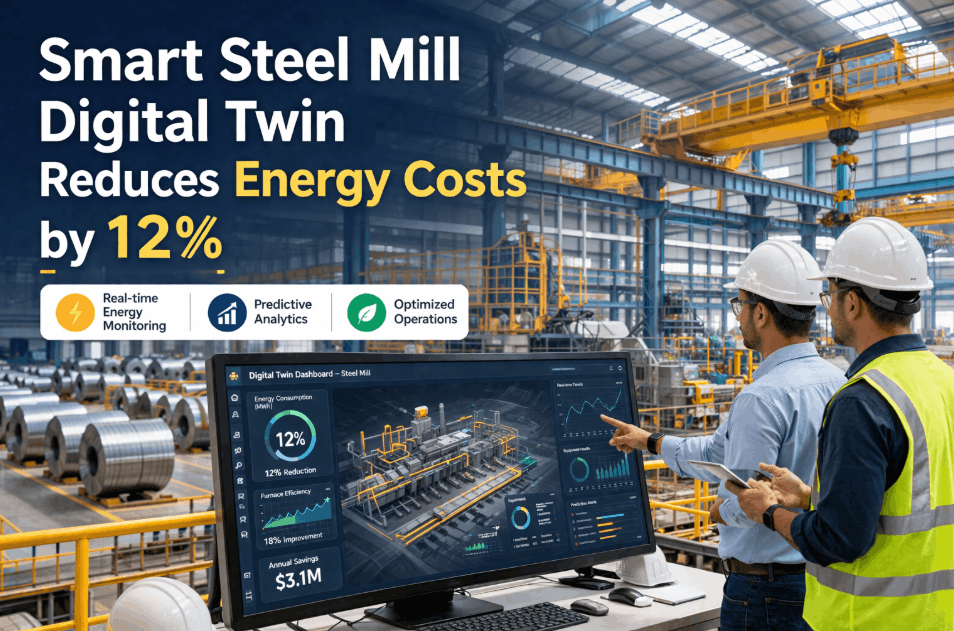
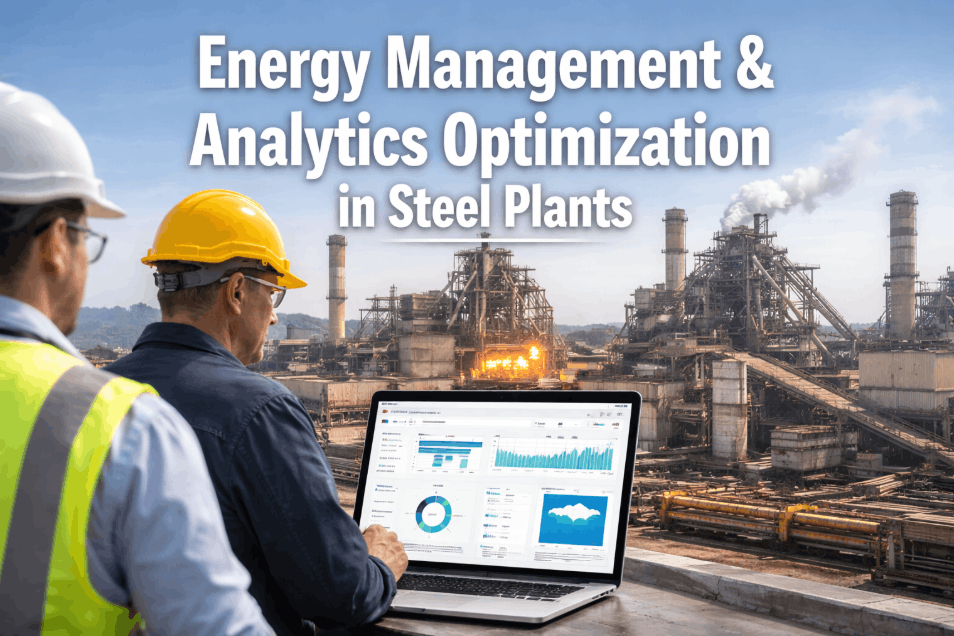
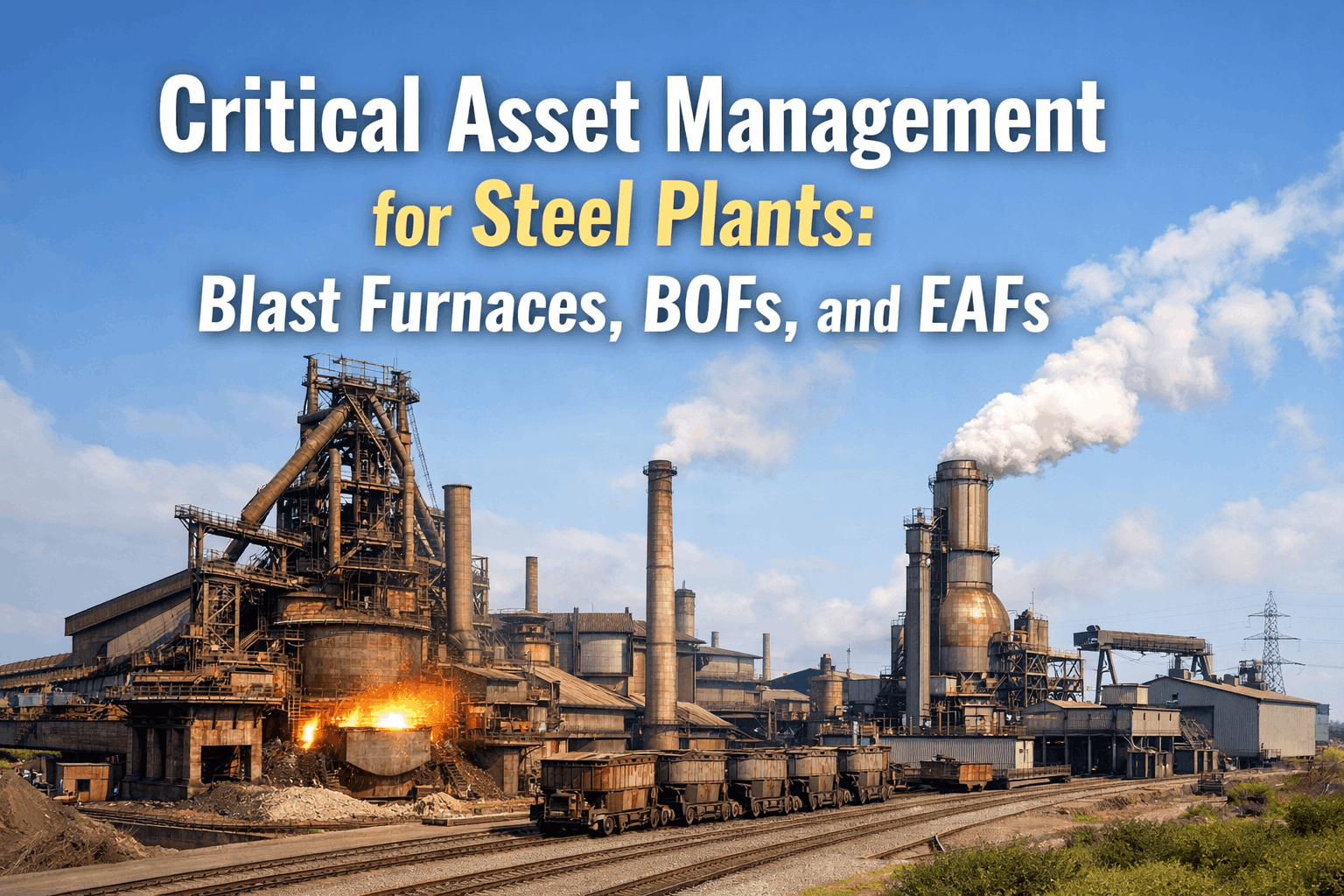
A mid-sized integrated steel plant spends $80–$120 million per year on energy — electricity, coke, natural gas, and process gases combined. That is 20–40% of total production cost vanishing into furnaces, motors, and rolling mills with no AI watching where it goes. The plants pulling ahead in 2026 are not the ones with newer blast furnaces — they are the ones using AI to optimize every gigajoule, every shift, every process stage. With India's PAT scheme now transitioning into the Carbon Credit Trading Scheme (CCTS) and global carbon border taxes taking effect, the cost of energy inefficiency is no longer just operational — it is regulatory. iFactory deploys AI-powered energy optimization platforms for steel plants — book a 30-minute consultation to see how much your plant is leaving on the table.
AI Energy Optimization for Steel
Every Gigajoule
Tracked. Optimized.
Turned Into Profit.
Real-Time SEC Monitoring, AI-Driven Cost Reduction & PAT Compliance for Integrated Steel Plants
Book a Free Consultation
20–40%
Of Total Steel Production Cost Is Energy
8–12%
Energy Cost Reduction With AI Optimization
$2–5M
Annual Savings for Mid-Sized Integrated Plants
11%
Average Energy Cost Reduction in Year One
Where Steel Plants Bleed Energy — and Where AI Stops the Bleeding
An integrated BF-BOF steel plant consumes 19–23 GJ per tonne of crude steel. But energy does not disappear evenly — it concentrates in specific process stages where AI optimization delivers the highest return. The energy map below shows exactly where your money goes and how much AI can recover from each stage.
Coke Oven & Sinter Plant
Coking coal overuse, heat loss from oven doors, poor coke oven gas recovery, sinter strand thermal inefficiency
AI adjusts coking time based on coal blend properties and optimizes sinter raw mix to reduce fuel rate by 5–8%
Blast Furnace
Excess coke consumption, inconsistent hot blast temperature, poor burden distribution, BFG flaring
AI tunes blast parameters every 60 seconds — hot blast, PCI rate, burden charge — cutting coke rate 2–4%
BOF & Secondary Metallurgy
BOF gas flaring (26% of BOF gas wasted), ladle heat losses, oxygen overconsumption
AI captures BOF gas for power generation and optimizes oxygen lance profile, recovering 15–20% of wasted energy
Rolling Mills & Reheating
Reheating furnace overheating, thermal losses during transfer, poor scheduling creating demand spikes
AI synchronizes reheat furnaces with rolling schedules to minimize thermal losses and reduce demand peaks by 18–22%
Utilities (Power, Steam, Gases)
Captive power plant inefficiency, compressed air leaks, steam distribution losses, grid import during peak tariff
AI balances captive generation vs grid import in real time, cutting electricity procurement cost 12–15%
What SEC Really Costs You — The Numbers Most Plants Ignore
Specific Energy Consumption is not just a compliance metric. Every 0.1 GJ/tonne above benchmark translates directly into lost profit. For a 2 MTPA integrated steel plant, the financial impact of SEC deviation compounds across every tonne produced — and most plants operate 8–15% above best-available-technology benchmarks without realizing how much they are leaving behind.
Typical Plant SEC
6.5–7.2
Gcal / tonne crude steel
Operating 8–15% above benchmark
AI-Optimized SEC
5.8–6.3
Gcal / tonne crude steel
Within 3–5% of global benchmark
$3.5M
Annual savings from just 1% improvement in blast furnace energy efficiency at a 500MW plant
73%
Lower repair cost when AI detects equipment failures vs reactive breakdowns
The 5 AI Strategies That Deliver the Fastest ROI
Not every AI application delivers equal returns. These five strategies are ranked by implementation speed and financial impact — giving steel plant energy managers a clear path from quick wins to sustained structural reduction in both cost and SEC.
01
Combustion Optimization
AI continuously adjusts fuel-to-air ratios across blast furnaces, reheating furnaces, and boilers — analyzing temperature, flow, and emissions data every 30–60 seconds. Delivers 3–6% fuel reduction across thermal processes.
ROI: 3–6 months
02
Electrical Load Scheduling
Sequences large electrical loads (EAF, rolling mill drives, compressors) to flatten demand peaks and maintain power factor above contractual thresholds. Reduces peak demand charges by 18–22%.
ROI: 2–4 months
03
Byproduct Gas Recovery
Coke oven gas (COG), blast furnace gas (BFG), and BOF gas represent recoverable energy that most plants partially flare. AI optimizes gas network balancing to maximize power generation from byproduct gases.
ROI: 6–9 months
04
Reheat Furnace-Rolling Mill Sync
AI synchronizes slab reheating temperatures with actual rolling schedules, eliminating over-heating and thermal holding losses. Cuts reheating fuel consumption 8–12% while improving scale loss.
ROI: 4–7 months
05
Captive Power Optimization
Balances captive generation (WHR, TRT, CPP) against grid import in real time based on tariff rates, internal demand forecast, and byproduct gas availability. Maximizes on-site power utilization.
ROI: 6–12 months
PAT to CCTS: Why Compliance Just Got Harder
India's PAT scheme covered 163 iron and steel units as Designated Consumers with SEC reduction targets. But the game is changing. The Carbon Credit Trading Scheme (CCTS), expected to be fully operational by 2026, shifts the focus from energy efficiency to direct emissions intensity — covering CO2 and perfluorocarbons with financial obligations for non-compliance. Plants that relied on incremental improvements to meet PAT targets will need fundamentally different tools to survive CCTS.
Previous Framework
PAT Scheme
SEC reduction targets per 3-year cycle
Energy Saving Certificates (ESCerts) for overachievers
478 DCs expanded to 1,300+ by 2024
Achieved 25.77 MTOE savings in 2022-23
Criticism: targets too low, easily met without new technology
New Framework (2026)
CCTS — Carbon Credit Trading
Emissions intensity targets (tCO2e per tonne of output)
Covers CO2 + perfluorocarbons (PFCs)
~800 industrial units in 9 sectors
Carbon Credit Certificates (CCCs) tradeable on exchanges
Strict MRV with third-party verification using IPCC methodology
AI-powered SEC monitoring is no longer optional — it is the foundation for both PAT compliance and CCTS readiness. iFactory provides automated deviation alerts, real-time emissions tracking, and audit-ready reports that satisfy both frameworks simultaneously.
See How We Handle Compliance
The iFactory AI Energy Platform: What You Get
iFactory connects to your existing SCADA, DCS, and IoT sensor infrastructure — no control system modifications required. Within 4–6 weeks of deployment, the platform delivers real-time SEC visibility, AI-powered optimization recommendations, and automated compliance reporting across every process stage.
Frequently Asked Questions
How much can AI actually reduce energy costs in a steel plant?
Steel plants deploying integrated AI energy management platforms report an average 11% reduction in energy costs within the first year. For a mid-sized integrated plant producing 2–3 million tonnes per year, this translates to annual savings of $2–5 million. A 1% improvement in blast furnace energy efficiency alone at a 500MW facility saves approximately $3.5 million annually.
Does this require replacing our existing SCADA or DCS systems?
No. iFactory connects to existing DCS, SCADA, and PLC infrastructure via OPC-UA, Modbus TCP, MQTT, and REST APIs. The platform wraps your existing systems without modification — integrating sensor data from all vendors into a single unified analytics layer. Deployment typically takes 4–6 weeks with no production disruption.
How does AI handle the transition from PAT to CCTS?
iFactory's platform supports both frameworks simultaneously. For PAT, it tracks SEC reduction targets and generates ESCert documentation. For CCTS, it calculates emissions intensity per tonne of output using IPCC-aligned methodology, tracks Carbon Credit Certificate eligibility, and prepares MRV-compliant reports for third-party verification. The same sensor data powers both compliance streams.
What is the typical ROI timeline?
Most plants achieve positive ROI within 6–12 months. Electrical load scheduling and combustion optimization deliver measurable savings within 2–4 months. Full platform deployment including byproduct gas optimization and captive power balancing typically reaches payback within the first year, with savings compounding as AI models improve with accumulated operational data.
Your Plant Burns Energy. AI Burns Less.
iFactory deploys AI-powered energy optimization for steel plants — real-time SEC monitoring, combustion tuning, load scheduling, and compliance automation. Every gigajoule tracked. Every deviation flagged. Every rupee recovered.