Statistical Process Control in Food and Beverage Manufacturing
By Josh Brook on June 1, 2026
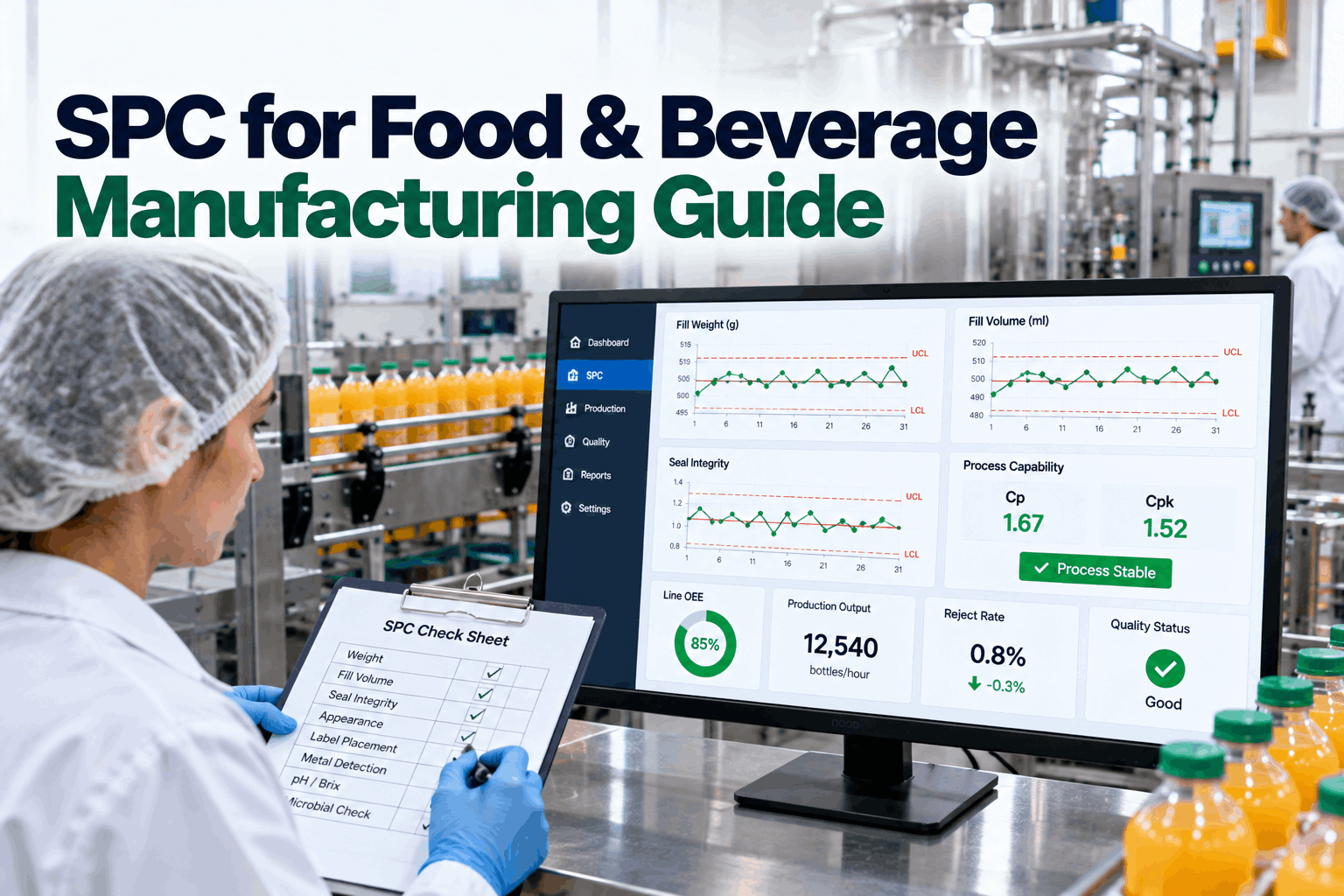
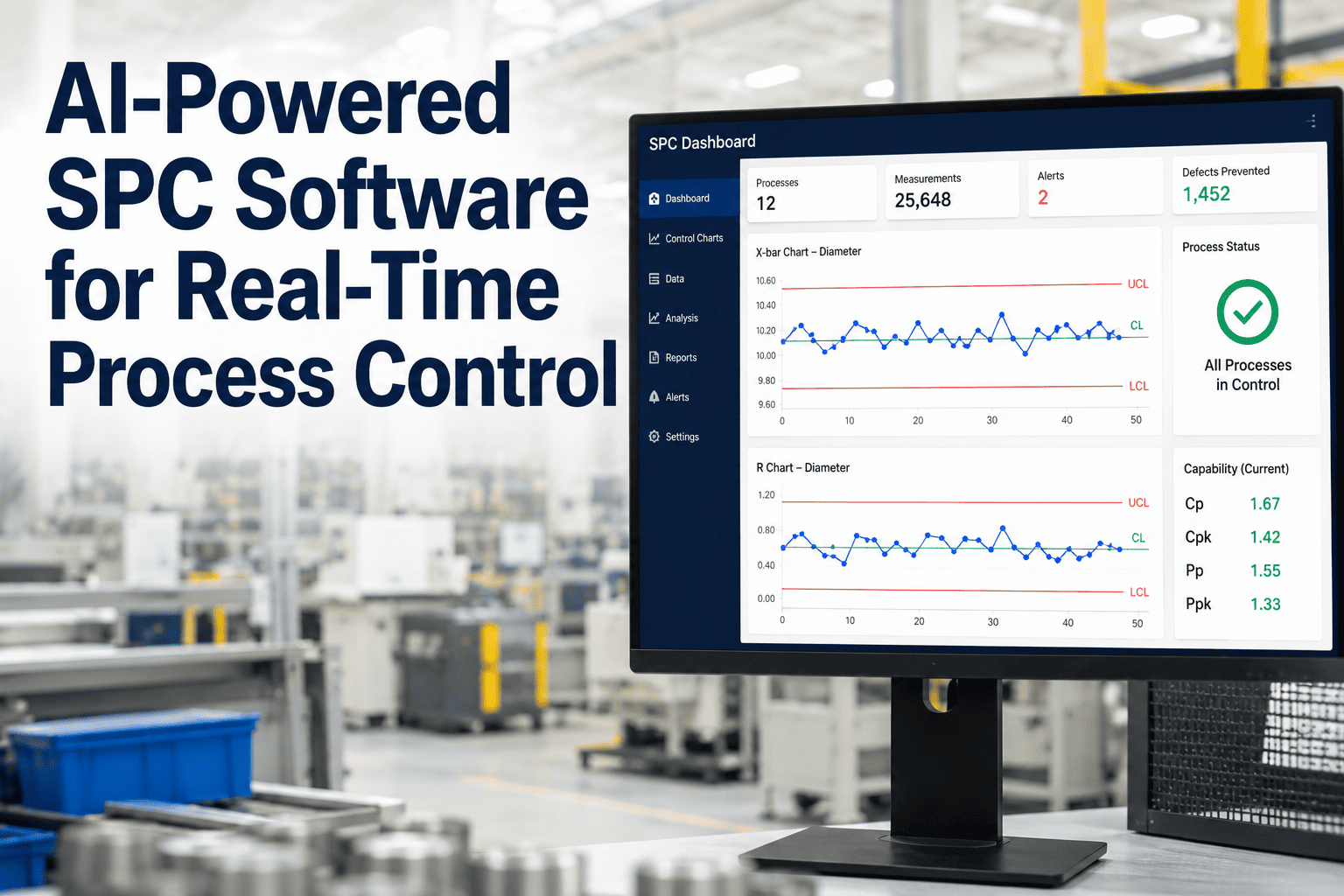
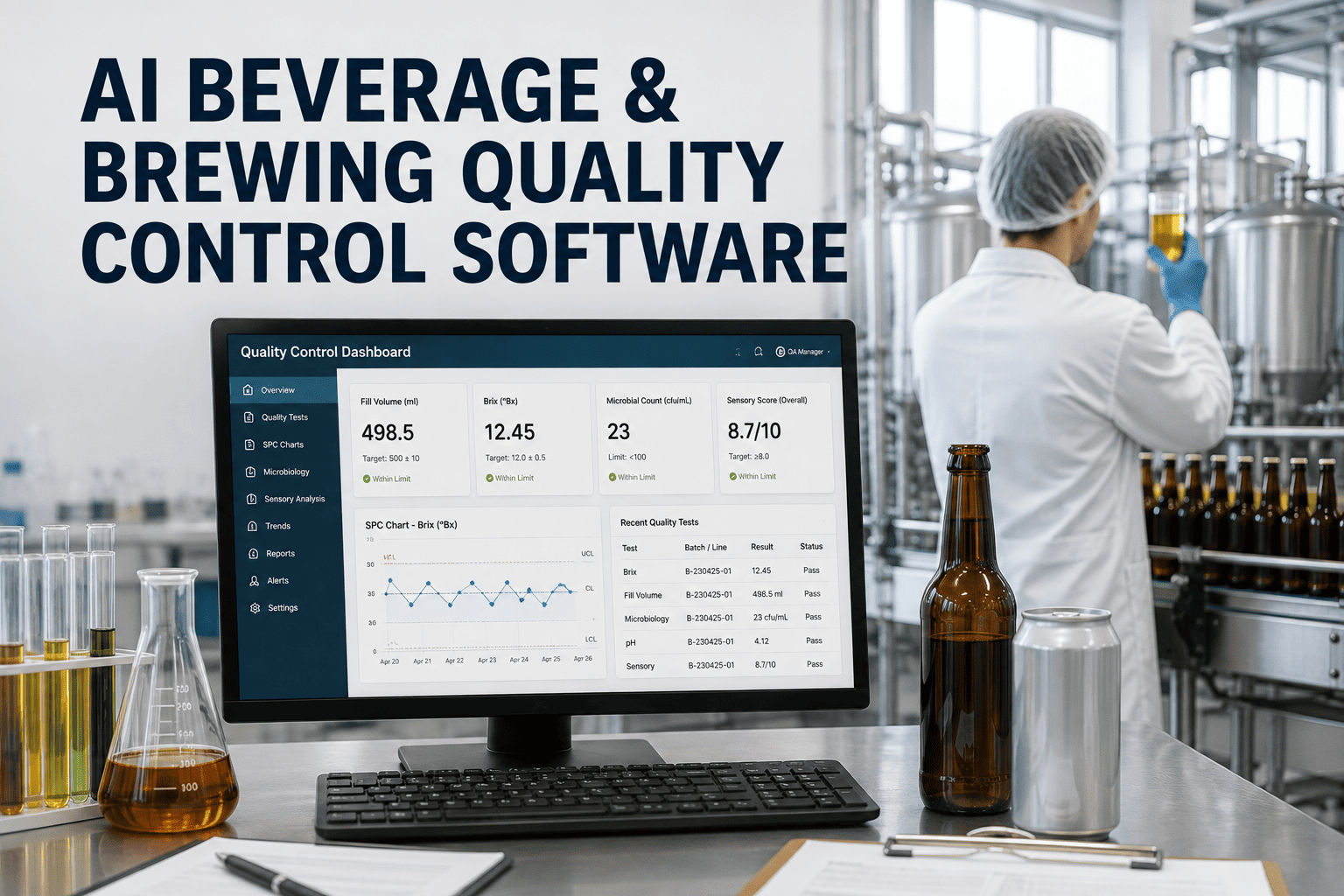
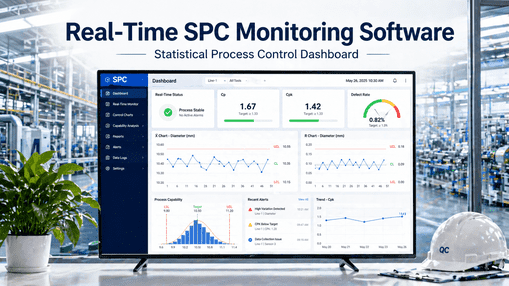
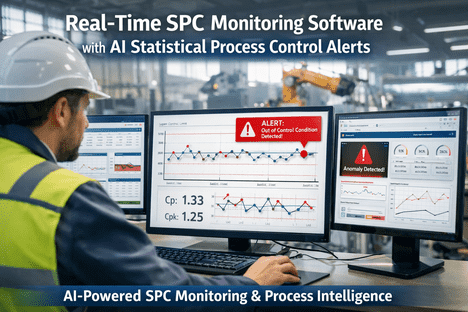
In a food or beverage plant, a process does not fail all at once. The filler does not jump from 500g to 480g; it drifts, a fraction of a gram per hour, as a depositor nozzle wears. The seal jaw does not snap; its temperature creeps until peel strength quietly slips under the burst-pressure minimum. The pasteurizer does not skip a beat; its hold temperature sags a degree at a time. Pass/fail inspection at the checkweigher catches none of this until product is already out of spec — by which point you are either giving away free product, scrapping a batch, or, in the worst case, explaining a recall. Statistical process control exists to see the drift before it crosses the line. It watches the running parameter — fill weight, temperature, pH, brix, seal width, capper torque — plots it against control limits derived from the process itself, and tells operators the one thing inspection never can: whether what they are seeing is normal noise to leave alone, or a real shift to act on now. In food and beverage that distinction is not academic. The same chart that trims overfill giveaway also serves as your FDA, HACCP, and GFSI evidence that the process was in control. iFactory runs that SPC layer live off your fillers, sensors, and checkweighers, and fires an alert the moment a parameter starts to wander.
Statistical Process Control · Food & Beverage
Catch the Drift Before It Becomes a Recall
Fill weight, temperature, pH, brix, and seal integrity all drift before they fail. iFactory's SPC layer plots every critical parameter live, separates normal noise from real shift, and alerts before product leaves spec.
Sources: NIST/SEMATECH SPC methodology · Food Engineering & Food Safety Magazine · SafetyChain process capability · FDA FSMA / HACCP / GFSI guidance · iFactory Deployment Data 2026
The Parameters SPC Watches in a Food Plant
SPC is not abstract in food and beverage — it maps onto the exact critical parameters your operators already check, and onto the HACCP critical control points your auditor already expects. The difference is that SPC watches them continuously and statistically, catching the gradual wear and drift that a spot-check at shift start will miss entirely.
Fill Weight
Overfill is giveaway you pay for; underfill is legal-metrology non-compliance. SPC holds the mean on target and tightens the spread.
X-bar & R per head
Temperature
Cook, pasteurize, and hold temperatures are food-safety CCPs. A slow sag toward the limit is a pathogen risk SPC flags early.
I-MR continuous
pH
Acidity gates microbial safety and shelf life. Formulation drift from raw-material variation shows as a creeping mean before product is off-spec.
X-bar in-line
Brix
Sugar concentration defines taste and consistency. SPC catches mixing-equipment and ingredient drift before a batch tastes wrong.
X-bar in-line
Seal Integrity
Seal width and peel strength fall as jaws wear and temperature drifts. X-bar charts catch the narrowing that precedes a burst failure.
X-bar seal width
Capper Torque
Under-torque means leaks; head-to-head range expansion means alignment drift. SPC catches both before consumer complaints register.
Mean + range per head
The Question Inspection Can't Answer: Noise or Shift?
This is the single idea that makes SPC powerful. Every measured value varies — that is normal. The trap is reacting to normal variation (common cause) as if it were a problem, which only adds more variation, while missing a genuine shift (special cause) until it is too late. SPC draws the line between the two, so operators know exactly when to act and when to leave the process alone.
Common Cause
Normal Noise — Leave It Alone
Inherent process variation: tiny fluctuations within the control limits. Adjusting the filler in response to this only makes the spread worse. SPC says: do nothing, the process is stable.
Over-adjusting common cause = self-inflicted variation
Special Cause
Real Shift — Act Now
A point beyond the limits or a non-random pattern: nozzle wear, a temperature creep, a new ingredient lot. This is a signal, not noise. SPC says: investigate before it reaches spec.
Catching special cause early = no scrap, no recall
Want to see which of your line's wobbles are noise and which are real drift? Book a 30-minute SPC walkthrough on your fill-weight or temperature data.
Control Limits Are Not Spec Limits
The most common SPC mistake in food plants is confusing the two — and it is the difference between catching drift early and catching it never. Spec limits are where product becomes legally or commercially unacceptable. Control limits sit inside them, derived from the process's own variation, and they trip first. SPC lives in that gap, giving you warning time before a single unit is out of spec.
Fill Weight Drift · Control Limits Trip Before Spec
USL: 510gTarget: 500gLSL: 490g
The alert fires at the upper control limit, while the product is still well inside spec. That gap between UCL and USL is your warning time — the whole point of SPC.
Why Food & Beverage Is Harder — and Needs SPC More
Food plants face variation other industries don't: raw materials change with the season, biological inputs are inconsistent, and the same line runs many recipes. That makes manual control charts impractical and makes the case for automated, in-line SPC stronger, not weaker.
Reality
Spot-Check & Paper Charts
iFactory In-Line SPC
Raw-material variation
Drift noticed only when product fails
pH / brix mean shift flagged as it starts
Per-head fillers
Averaged together, bad head hidden
CUSUM per head catches nozzle wear alone
Noise vs shift
Operators over-adjust, add variation
Run rules say exactly when to act
Seal & torque drift
Found at complaint or burst test
Trend caught before integrity slips
Audit evidence
Charts reconstructed for the auditor
Live capability record, HACCP / GFSI ready
The Cost of an Uncontrolled Parameter
A representative depositor line ran for over a year with a deposit-weight process nobody had ever charted. The mean looked fine on the daily report; underneath, two worn nozzle heads were dragging capability down and quietly overfilling to compensate. SPC made the invisible cost visible and traced it to the root in weeks.
Before · No Control Chart
Deposit weight Cpk0.82
Out-of-spec rate8.2%
Annual cost of variation~£148,000
Root causeUnknown
Invisible in every management report — no one had run a chart.
SPC in place
After · 8 Weeks
Deposit weight Cpk1.48
Out-of-spec rate< 0.5%
Root causeNozzle wear, 2 heads
Rework reduction~34% (beverage avg)
CUSUM isolated the two bad heads the daily average hid.
What In-Line SPC Returns
34%
Rework reduction on beverage lines
Cpk 1.0→1.5
Typical capability lift on target lines
Less
Overfill giveaway, on target every fill
Audit
HACCP / GFSI evidence, generated live
Frequently Asked Questions
How is SPC different from the checkweigher and spot-checks we already run?
A checkweigher and spot-checks are pass/fail at a moment in time — they tell you whether a unit is in spec, not whether the process is drifting toward failure. SPC watches the parameter continuously, plots it against control limits derived from the process itself, and alerts when a real shift begins, while product is still well inside spec. That warning time is what turns a would-be reject, scrap batch, or recall into a quiet nozzle change. Book a demo to see it on your fill data.
What's the difference between a control limit and a spec limit?
Spec limits are externally defined — the legal or customer boundary where product becomes unacceptable. Control limits are calculated from your process's own variation, typically at plus or minus three standard deviations, and they sit inside the spec limits. Because the control limit trips first, SPC gives you warning time before anything is actually off-spec. Confusing the two — charting against spec limits instead of control limits — is the most common reason a food plant's SPC catches drift too late.
Which food and beverage parameters can iFactory put on SPC?
The ones your operators and HACCP plan already track: fill weight per head, cook and pasteurization temperature, pH, brix, viscosity, seal width and peel strength, and capper torque. iFactory connects to the fillers, in-line sensors, and checkweighers generating that data and applies the right chart type to each — X-bar and R for subgrouped fill weights, I-MR for continuous temperature, CUSUM for catching gradual per-head nozzle wear. Ask support about your specific instruments.
My operators keep adjusting the filler and it seems to make things worse. Why?
That is over-adjustment, and it is one of the most common sources of avoidable variation. When a value moves but is still within the control limits, it is common-cause noise — the process is stable and should be left alone. Adjusting in response only injects more variation. SPC's run rules draw a clear line: do nothing inside the limits, investigate when a genuine special-cause signal appears. Operators stop chasing noise and the spread tightens on its own.
Does SPC help with our FDA, HACCP, and GFSI audits?
Directly. Cp and Cpk provide statistical evidence that your process controls are effective, which auditors accept as proof of compliance — for example, demonstrating that cooking temperatures consistently hit the threshold for pathogen elimination. Because SPC overlaps your HACCP critical control points like pH, temperature, and brix, the control charts and capability records double as your audit trail, generated continuously rather than reconstructed under pressure before an inspection.
Your Next Drift Is Already Starting Somewhere on the Line
See the Shift Before the Checkweigher — or the Recall — Does
Book a 30-minute session with an SPC specialist. We'll connect to sample data from one critical parameter, run a live capability study, set the right control limits, and show you exactly how much warning time SPC buys you before product leaves spec.