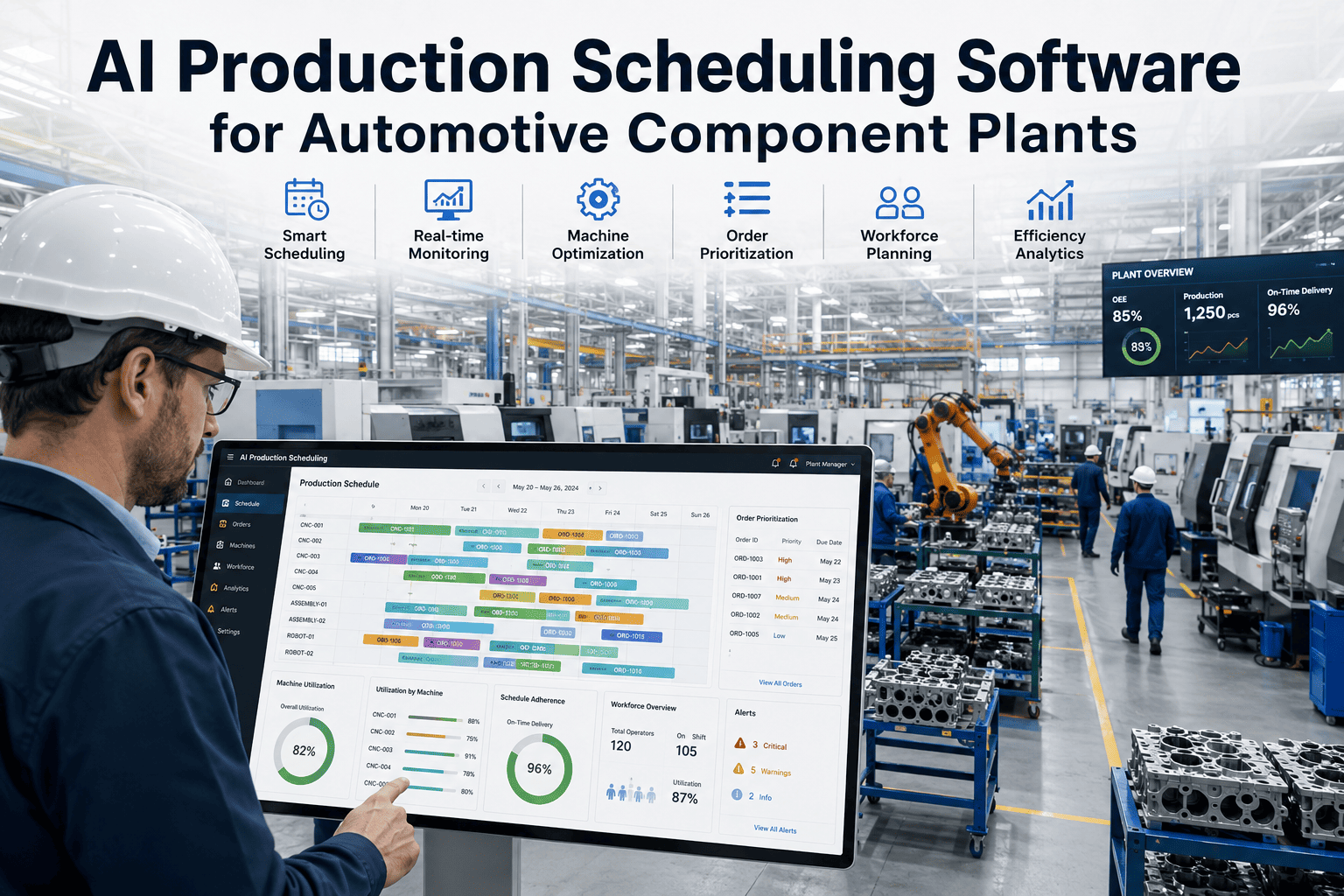
In the highly competitive world of automotive component manufacturing, the ability to precisely schedule production, balance assembly lines, and maintain real-time visibility into capacity is no longer a luxury -- it is a survival imperative. Traditional manual scheduling methods and static spreadsheets are crumbling under the pressure of increasing vehicle complexity, volatile supply chains, and the relentless push toward electrification. Automotive plants that fail to adopt intelligent, AI-driven production scheduling software risk crippling downtime, missed delivery windows, and skyrocketing operational costs. iFactory provides a purpose-built AI Production Scheduling platform designed exclusively for automotive component plants, empowering production managers, plant supervisors, and operations leaders to transform chaotic shop floors into synchronized, data-driven smart factories. This buyer guide explores how AI-powered scheduling, real-time line monitoring, and automated capacity planning can dramatically improve throughput, reduce defects, and accelerate time-to-market for everything from engine blocks to EV battery modules. Book a Demo to see how iFactory can revolutionize your production planning.
Unlock Precision Production Scheduling with AI
Optimize every shift, eliminate bottlenecks, and achieve true line balancing across your entire automotive component plant.
The Complexity Crisis in Automotive Scheduling
Automotive component plants face a unique set of scheduling challenges that generic manufacturing software cannot address. From managing thousands of part numbers to synchronizing just-in-time delivery sequences, the margin for error is razor-thin. Common pain points include:
Dynamic Demand Fluctuations
Automakers frequently change order quantities and mix due to market shifts, requiring agile rescheduling that legacy systems cannot handle.
Complex Line Balancing
Balancing workstations across multiple product variants (e.g., ICE vs. EV components) demands real-time cycle time data and AI optimization.
Supplier Integration Gaps
Without seamless data flow from tier-1 and tier-2 suppliers, material shortages can halt entire assembly lines unexpectedly.
Quality and Defect Tracking
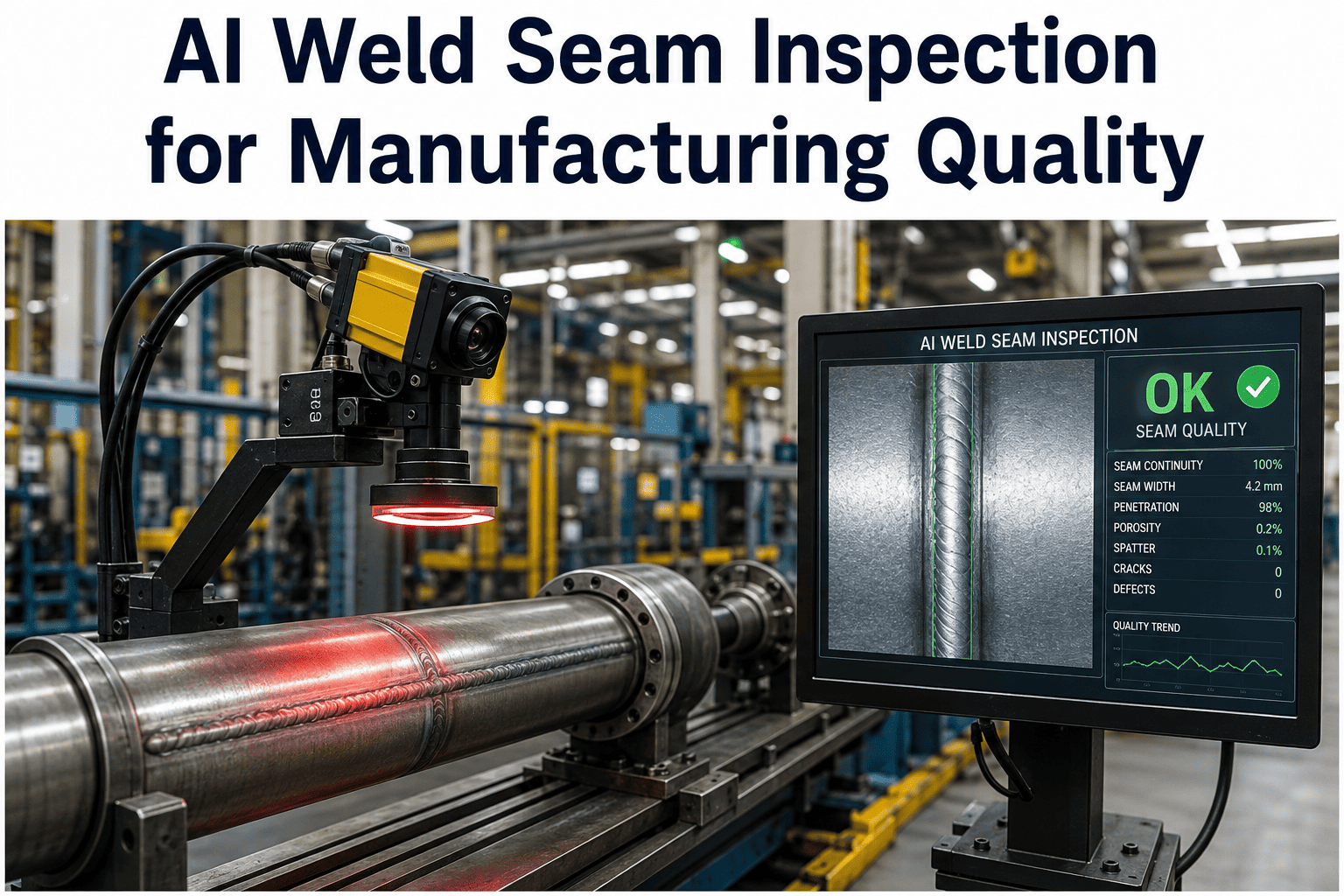
Weld inspection, paint defect detection, and dimensional checks must be incorporated into the schedule to prevent rework cascades.
Ready to Eliminate Scheduling Chaos?
Transform your automotive plant with AI-driven scheduling that adapts in real time. Your first step is just a click away.
Core Capabilities of iFactory AI Production Scheduling
Our platform delivers a comprehensive suite of features tailored specifically for automotive component manufacturing environments. Each capability is designed to address a specific operational bottleneck while integrating seamlessly with your existing ERP, MES, and IoT systems.
AI-Powered Schedule Optimization
Using advanced machine learning algorithms, iFactory automatically generates optimal production schedules that minimize changeover time, balance line loads, and respect all constraints (material availability, tooling, labor skills). The system continuously learns from historical data to improve future schedules, reducing manual planning effort by up to 80%.
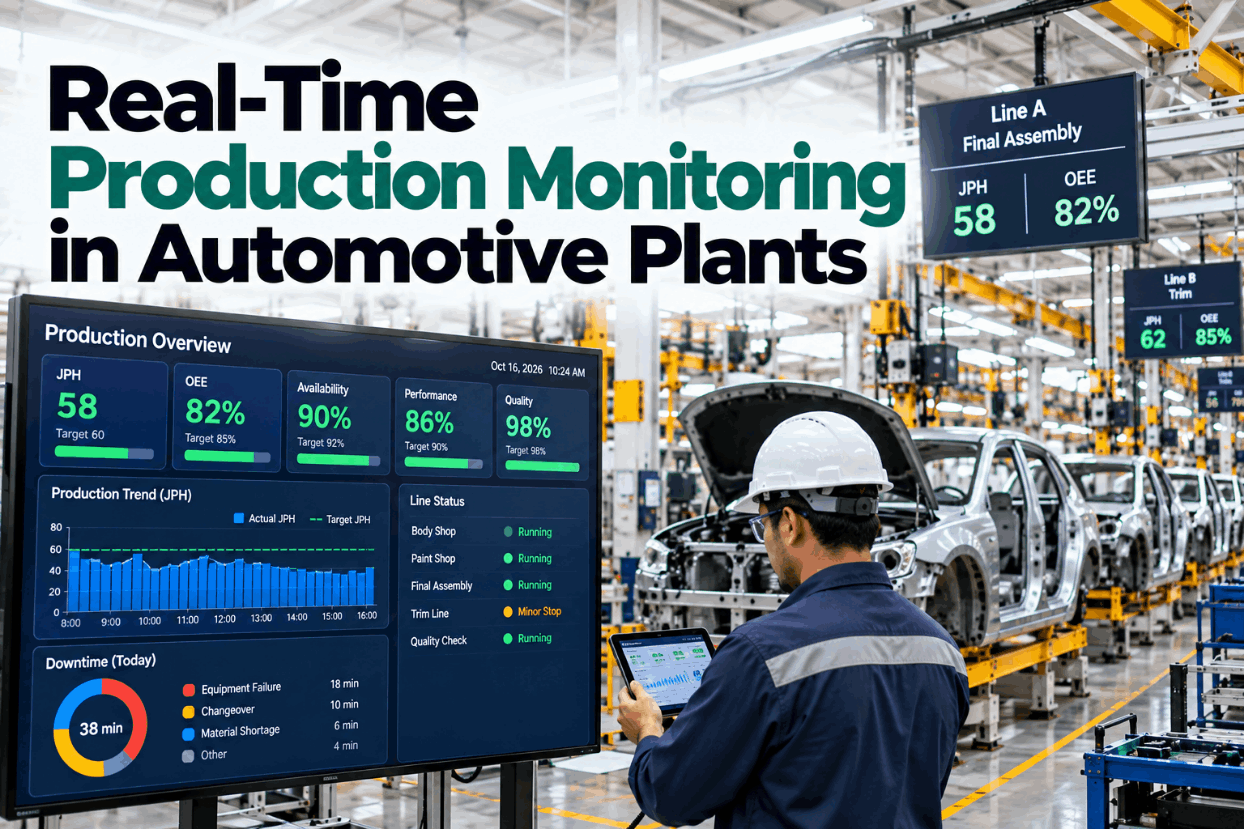
Real-Time Line Monitoring & Visualization
Interactive dashboards provide a live view of every workstation, conveyor, and robot cell. Color-coded status indicators (green for running, yellow for idle, red for downtime) enable instant bottleneck detection. Historical trend lines help identify chronic issues like recurring weld defects or paint overspray.
Capacity Planning & What-If Simulation
Run unlimited what-if scenarios to evaluate the impact of new orders, machine breakdowns, or shift changes before committing resources. The simulation engine uses discrete event modeling to predict throughput, WIP levels, and delivery dates with 95% accuracy, empowering confident decision-making.
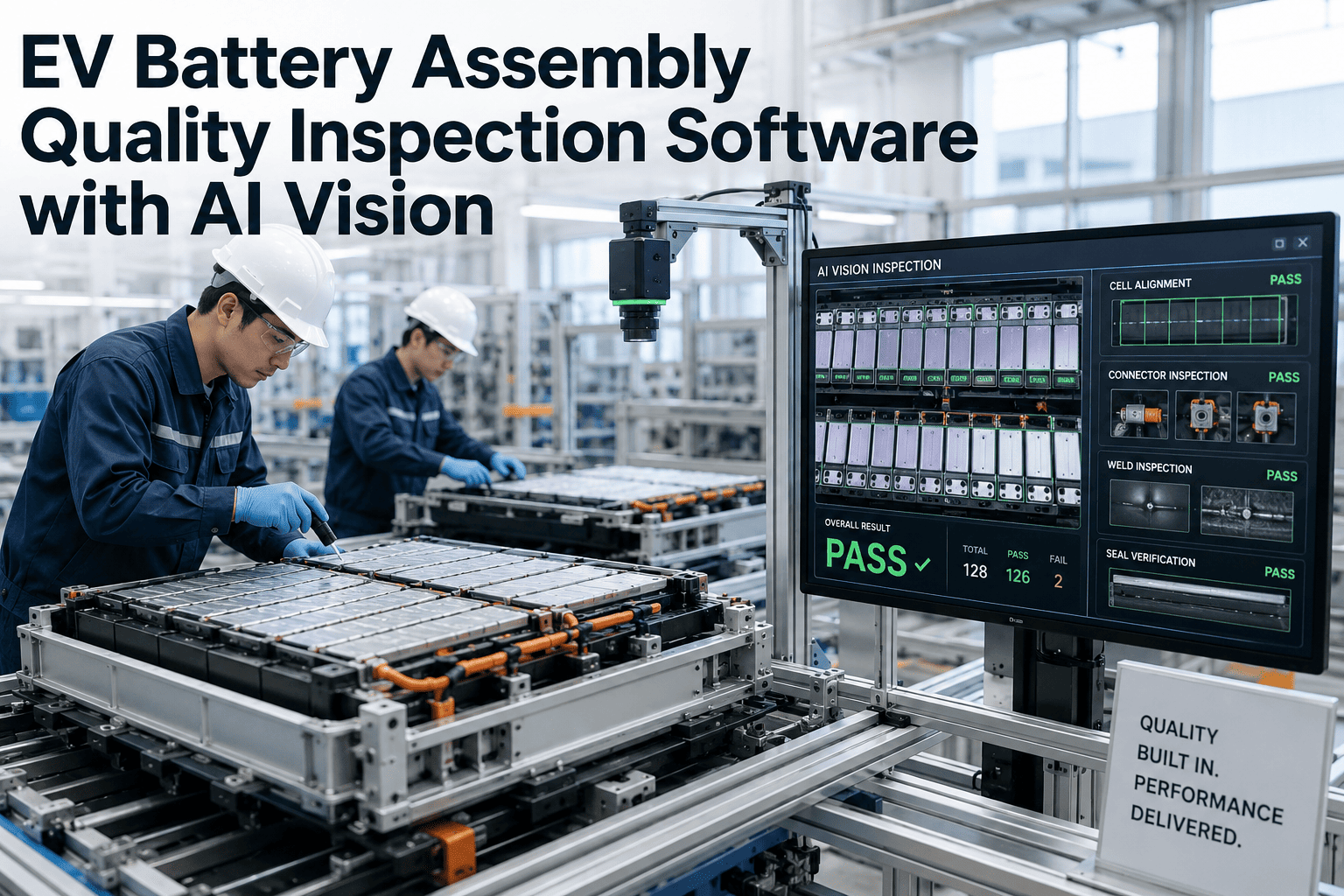
Automated Quality Inspection Integration
iFactory ingests real-time data from inline inspection systems (vision cameras, coordinate measuring machines, leak testers) and automatically adjusts the production schedule when defects are detected. For example, if a weld inspection station flags a recurring porosity issue, the system can reroute affected parts to rework cells without stopping the line.
Measurable Benefits for Automotive Component Plants
Data from early adopters of iFactory in the automotive sector reveals consistent, quantifiable improvements across key performance indicators. The table below summarizes average results achieved within the first 90 days of deployment.
| KPI | Before iFactory | After iFactory | Improvement |
|---|---|---|---|
| Schedule Adherence | 58% | 92% | +34% |
| Average Changeover Time | 47 min | 31 min | -34% |
| WIP Inventory Level | High | Optimized | -28% |
| First Pass Yield (Weld) | 82% | 95% | +13% |
| OEE (Overall Equipment Effectiveness) | 62% | 84% | +22% |
Seamless Integration with Your Tech Stack
iFactory is built to complement your existing investments, not replace them. Our open API architecture enables rapid integration with leading ERP, MES, PLM, and IoT platforms commonly used in automotive manufacturing. Typical integration points include:
SAP / Oracle ERP
Sync production orders, BOMs, and inventory levels in real time to ensure scheduling decisions are based on the latest material availability.
Siemens / Rockwell MES
Pull machine states, cycle times, and quality data directly from the shop floor to feed the AI scheduling engine.
PLC / SCADA Systems
Connect to Allen-Bradley, Siemens, and Mitsubishi PLCs for sub-second visibility into line status and production counts.
Inspection Systems
Integrate with Keyence, Cognex, and Zeiss inspection equipment to automatically trigger schedule adjustments based on quality alerts.
Frequently Asked Questions
How does iFactory handle scheduling for mixed-model production lines that produce both ICE and EV components?
iFactory's AI engine is specifically designed to manage high product mix complexity. It assigns unique attributes to each part number, including cycle time, tooling requirements, and quality inspection criteria. The scheduling algorithm then groups similar jobs to minimize changeovers while respecting delivery priorities. For example, if a line must produce both a traditional engine block and an EV motor housing, the system will sequence them in a way that reduces fixture change time. The platform also allows planners to set up dedicated "changeover windows" during breaks or shift changes. To see how this works for your specific product mix, Book a Demo with our team.
Can iFactory integrate with our existing weld inspection and paint defect detection systems?
Absolutely. iFactory has pre-built connectors for common inspection equipment from manufacturers like Keyence, Cognex, and Omron. The platform receives pass/fail data and defect codes in real time. When a defect is detected, the system can automatically flag the affected parts for rework, adjust the production schedule to prioritize rework jobs, and even notify quality engineers via email or SMS. For paint defect detection, iFactory can correlate defect occurrences with specific spray booth parameters (temperature, humidity, robot path) to help identify root causes. For detailed integration guidance, reach out to our Support Team.
What is the typical implementation timeline for an automotive component plant?
Most automotive plants can go live with iFactory within 8 to 12 weeks, depending on the number of integration points and the complexity of the scheduling rules. The implementation process includes a 2-week discovery phase where our consultants map your current workflows and data sources, followed by a 4-week configuration and integration phase, and finally a 2-week user acceptance testing and training period. iFactory's cloud-native architecture means there is no on-premise hardware to install, significantly reducing deployment time. We also offer a rapid start package for plants that want to see results in as little as 4 weeks. To discuss your timeline, Book a Demo today.
How does iFactory ensure data security and compliance in the automotive industry?
iFactory is built with enterprise-grade security from the ground up. The platform is SOC 2 Type II certified and complies with ISO 27001 standards. All data transmitted between your plant systems and iFactory is encrypted using TLS 1.3, and data at rest is encrypted using AES-256. Role-based access control (RBAC) ensures that only authorized personnel can view or modify production schedules. Additionally, iFactory supports data residency options, allowing you to choose where your data is stored (US, EU, or APAC). For automotive plants that require on-premise deployment due to strict data policies, we offer a hybrid option. For more details on our security certifications, visit our Support Page.
What kind of ROI can an automotive component plant expect after implementing iFactory?
Based on data from our automotive customers, the typical payback period is under 6 months. The primary drivers of ROI include: a 25-35% reduction in changeover time, a 15-20% increase in OEE, a 20-30% reduction in WIP inventory, and a 10-15% improvement in on-time delivery. For a mid-sized plant producing 500,000 components per year, these improvements can translate into annual savings of $1.5 million to $3 million. Additionally, the reduction in defects (especially in weld and paint operations) can significantly lower warranty costs. To calculate the specific ROI for your plant, our team can run a free assessment. Book a Demo to get started.
Transform Your Scheduling Today
Stop fighting with spreadsheets and manual planning. Let AI handle the complexity while you focus on quality and delivery.


.png)