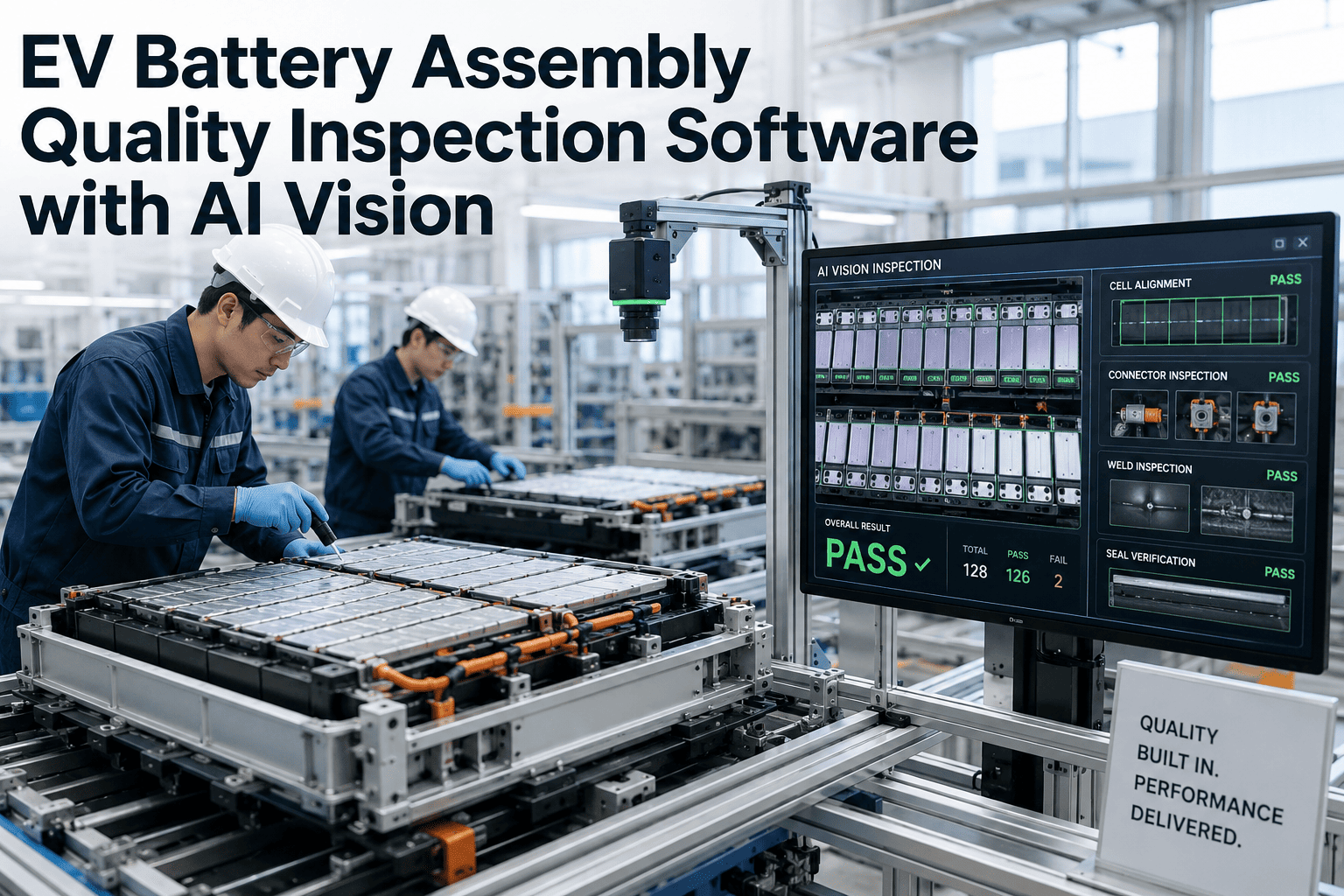
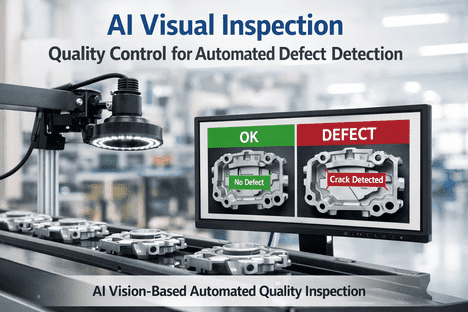
A single defective battery cell can trigger thermal runaway, and at gigafactory volumes producing hundreds of thousands of cells a day, even a small escape rate means thousands of defective cells reaching packs before anyone notices. Quality defect rates during production ramp-up commonly run 12 to 15 percent, far above the 2 to 3 percent typical of established internal combustion plants, and traditional post-formation testing catches problems only after a cell has already completed its first charge cycle. AI vision inspection catches coating pinholes, tab weld defects, and electrolyte fill issues in real time, on every cell, before a marginal unit ever reaches pack assembly. Battery manufacturing teams can book a demo to see real-time cell inspection running at production line speed.
AUTOMOTIVE MANUFACTURING · EV BATTERY QUALITY INSPECTION
Catch Battery Cell Defects Before They Ever Reach a Vehicle
AI vision inspects every cell during coating, welding, and formation, detecting the precursor signals of thermal runaway hours before a traditional post-formation test would catch anything at all.
12-15%
Typical defect rate during production ramp-up, versus 2-3% for mature lines
6-12 hrs
Advance warning AI monitoring can provide before a thermal or electrical fault
<3 sec
Typical inspection cycle time achievable per cell at gigafactory line speed
Why Formation Cycling Is the Highest-Risk Stage
First charge and discharge is where a cell's true condition first reveals itself, since voltage instability, thermal drift, and impedance rise during formation are direct precursors to a thermal event that might not surface in the field until months after delivery. A single formation line stoppage can halt tens of thousands of cells already in process, and unplanned restarts require safety protocols and thermal rebalancing that cost hours of production time.
Detection Timeline: Traditional vs. AI-Driven
| Defect Type |
Traditional Detection Point |
AI Vision Detection Point |
| Coating Pinholes |
Post-production sampling |
Inline, during roll-to-roll coating |
| Tab Weld Defects |
Final electrical test |
Immediately after weld station |
| Electrolyte Fill Issues |
Field failure or teardown |
At fill station, before sealing |
| Thermal Runaway Precursors |
After formation completes |
1-2 hours into formation cycle |
AUTOMOTIVE · EV BATTERY INSPECTION
See Real-Time Cell Inspection at Gigafactory Speed
Get a walkthrough of AI vision catching defects before cells reach pack assembly.
What Gets Inspected at Each Stage
Electrode Coating
Pinholes, agglomerates, edge defects, and thickness variation on anode and cathode lines.
Tab & Seal Welds
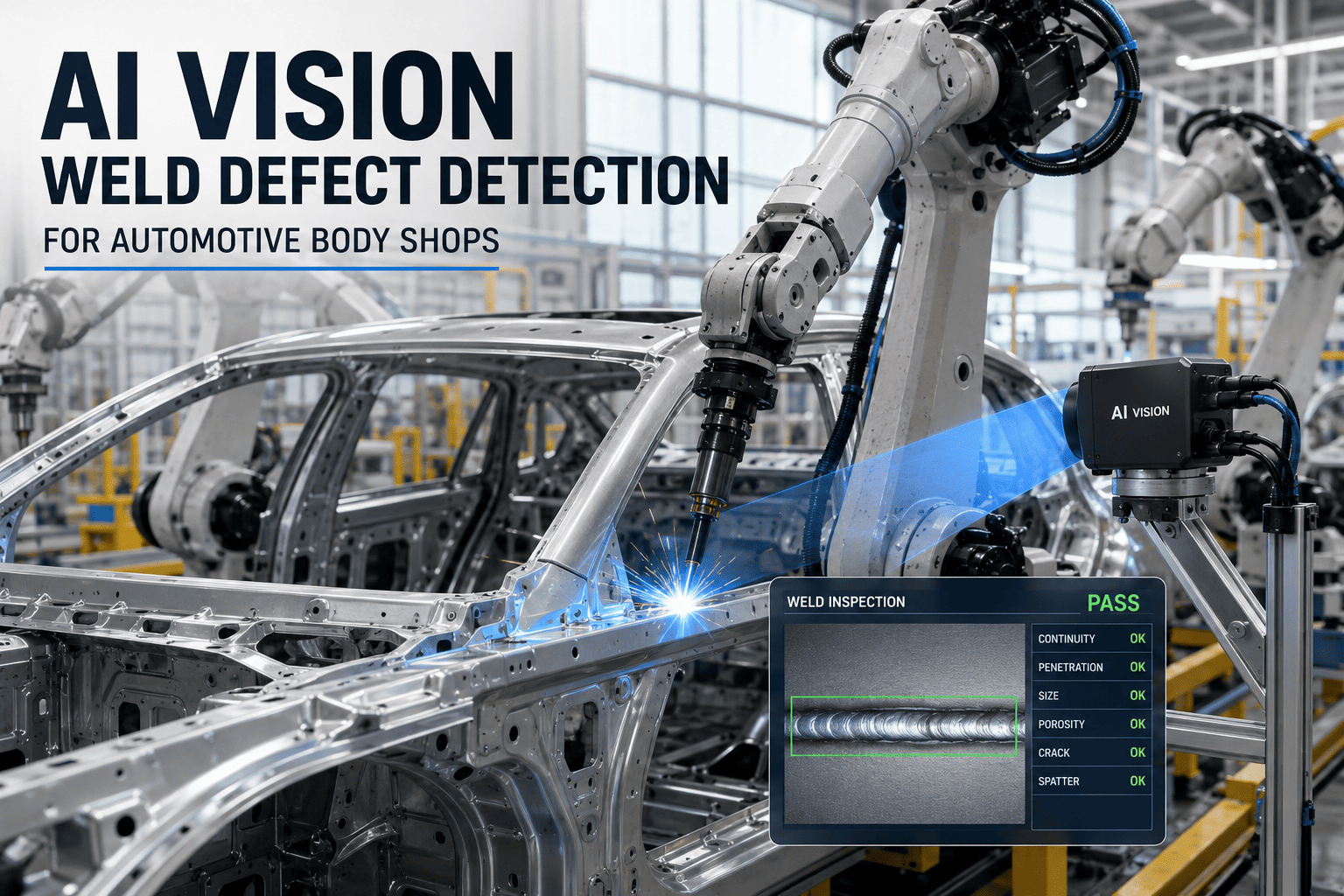
Cold welds, incomplete fusion, and spatter that create high-resistance joints under load.
Electrolyte Fill
Under-fill or over-fill conditions that risk lithium plating and dendrite formation.
Formation Signatures
Voltage instability, thermal drift, and impedance anomalies during first charge cycles.
Formation used to be a black box where we logged the data but only really looked at it after a cell failed. Now we get flagged hours ahead when a cell's voltage curve starts drifting, and we can pull it before it ever reaches pack assembly instead of finding out from a field return.
Quality Director, EV Battery Gigafactory
Is Your Line Ready for Real-Time Inspection
Ramping New Production Volume
Lines in ramp-up see the highest defect rates and the fastest payback from catching issues early.
Multiple Cell Formats in Production
Cylindrical, prismatic, and pouch formats each benefit from format-specific defect models.
Existing Formation Data Not Yet Analyzed
If voltage and thermal data is logged but not reviewed in real time, that's an immediate opportunity.
Frequently Asked Questions
AUTOMOTIVE · EV BATTERY INSPECTION
Protect Every Cell Before It Reaches a Vehicle
Get a personalized walkthrough of real-time AI vision inspection for battery assembly.