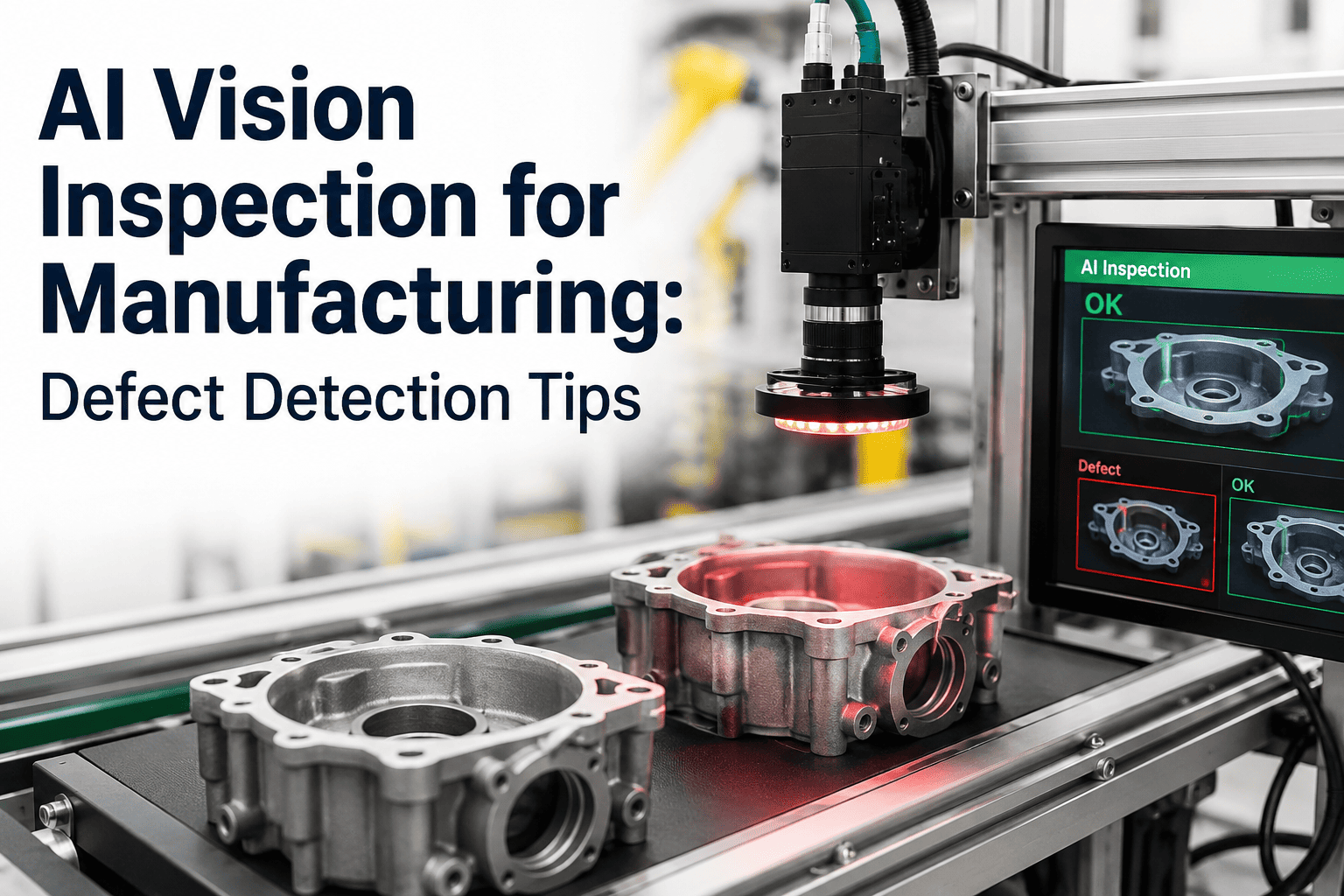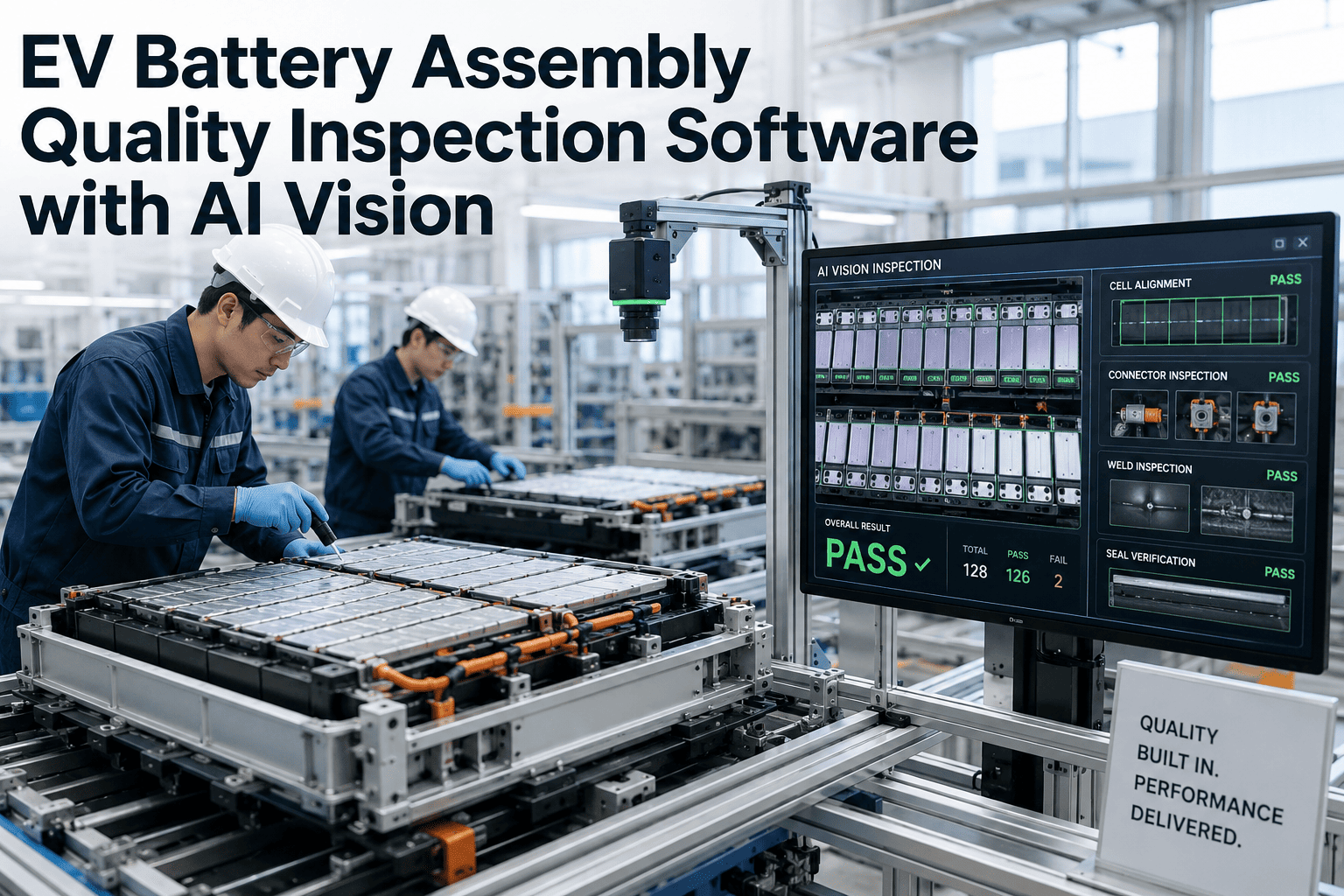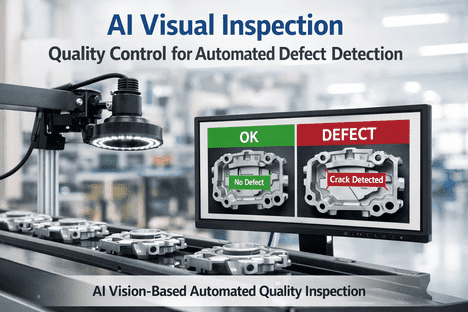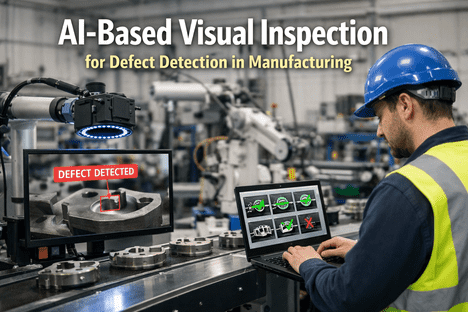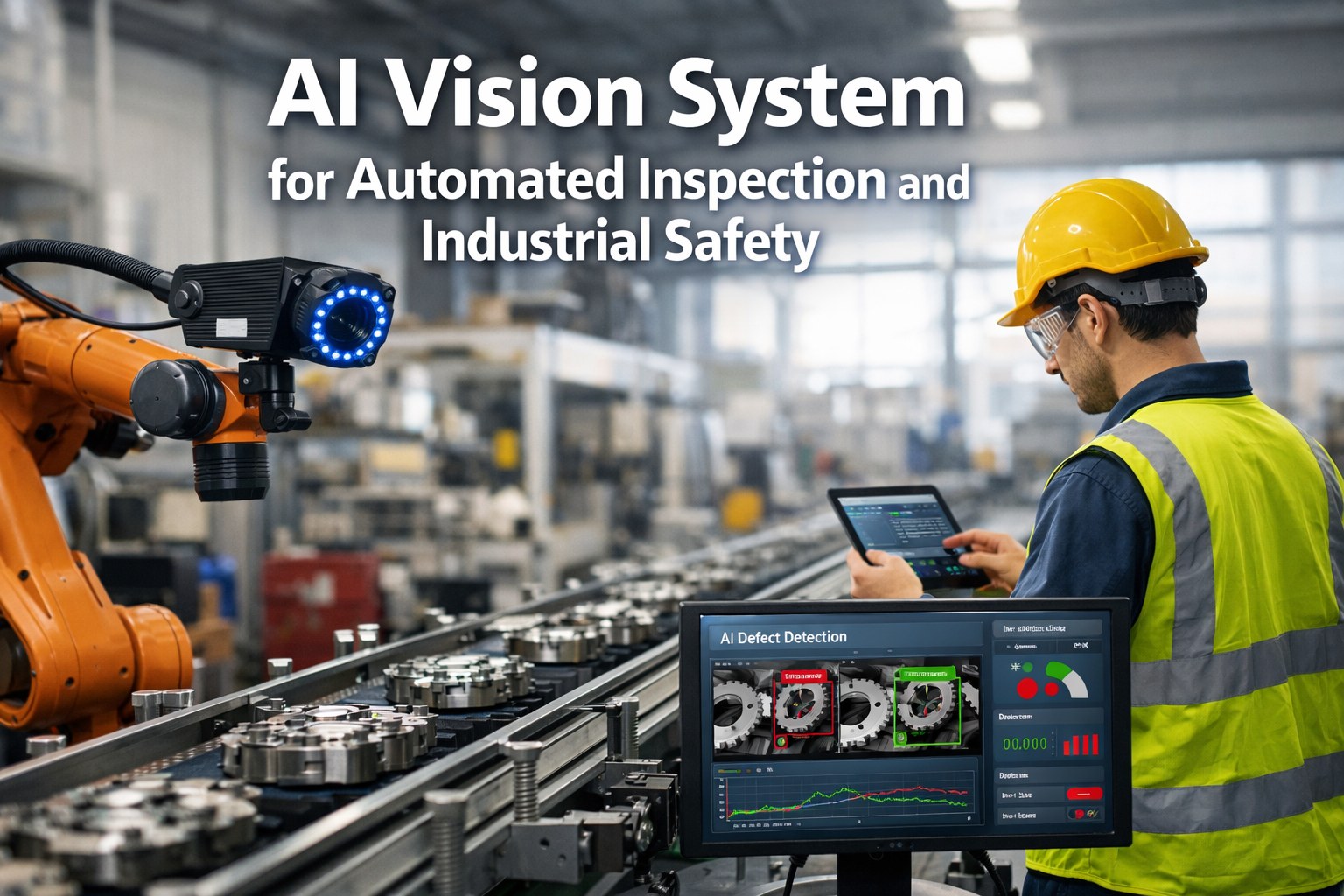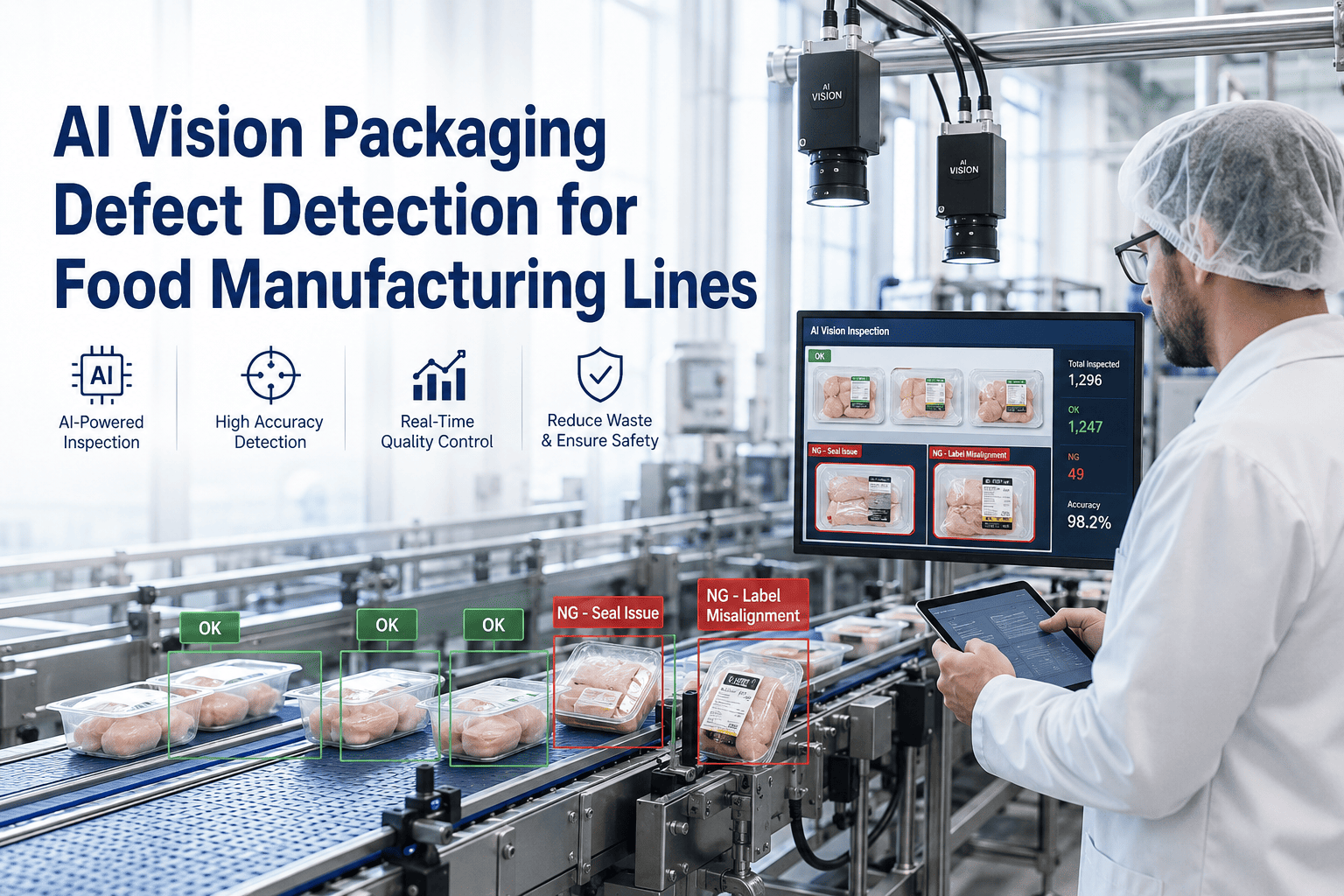
In the fast-paced world of food and beverage manufacturing, packaging integrity is paramount. A single compromised seal, misaligned label, or foreign particle can lead to costly recalls, brand erosion, and regulatory penalties. Traditional manual inspection, reliant on human eyes, is prone to fatigue, inconsistency, and high labor costs. Enter iFactory's AI Vision Camera: a game-changing solution that brings computer vision and deep learning directly to your production line. This use case explores how automated visual inspection transforms defect detection, quality assurance, and operational efficiency in food manufacturing. By deploying intelligent cameras that analyze every package in real time, manufacturers shift from reactive quality checks to proactive, data-driven prevention. The result is a dramatic reduction in waste, enhanced food safety traceability, and a clear path toward the smart factory. Book a Demo to see how our AI vision system can be tailored to your line.
Eliminate Packaging Defects with AI Precision
Transform your quality control from manual to machine-driven. Reduce waste, ensure compliance, and protect your brand with real-time defect detection.
Real-Time Seal Integrity Monitoring
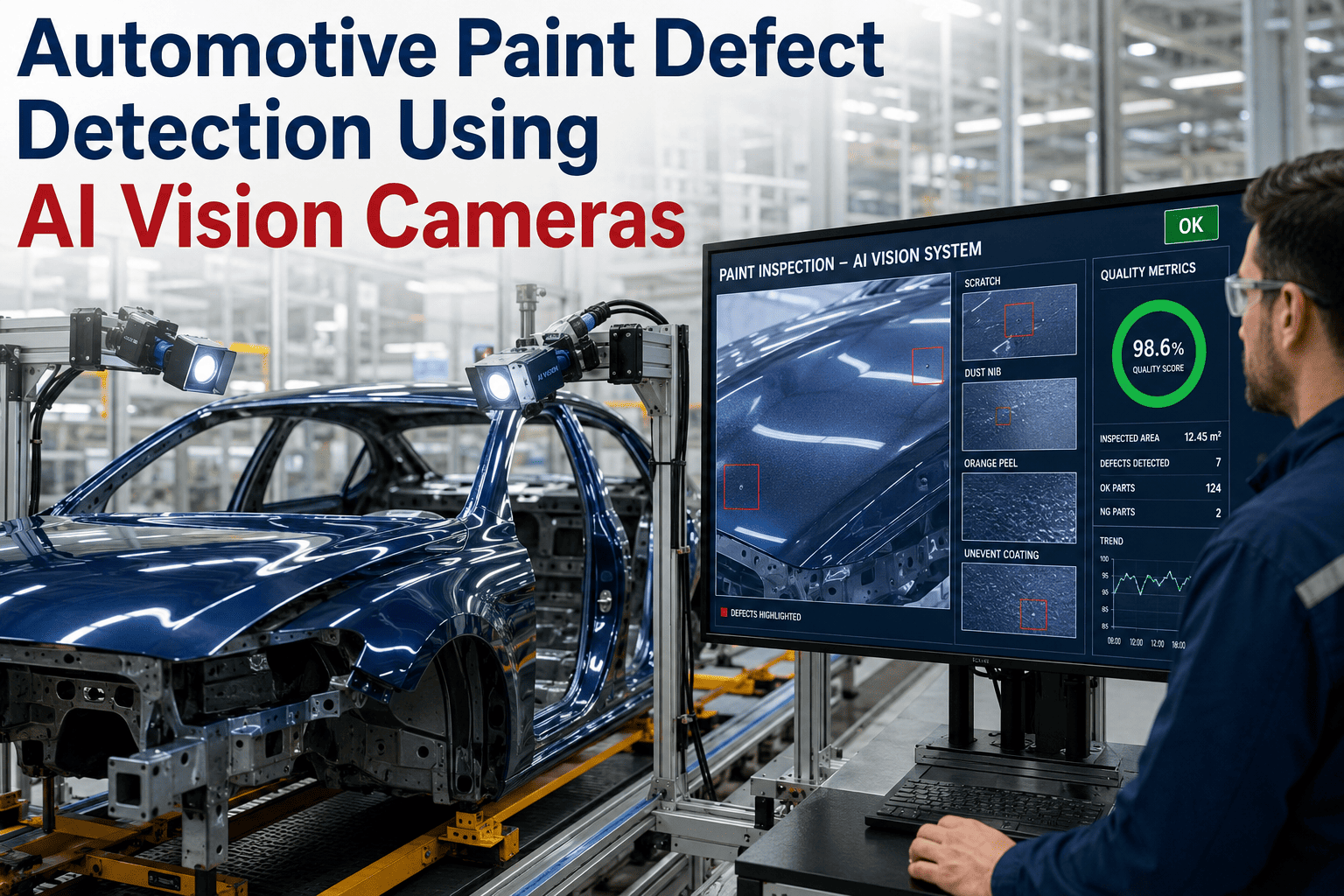
Our AI vision camera analyzes every seal as packages move at line speed. It detects micro-leaks, incomplete seals, and heat-seal wrinkles that human inspectors miss. The system classifies defects by severity, triggering immediate alerts for corrective action. This ensures every package leaving your line is hermetically sealed, preserving freshness and preventing contamination. Data from thousands of inspections is logged for traceability, supporting HACCP and FDA compliance. With continuous learning, the AI improves its detection over time, adapting to new packaging materials and formats.
Label and Print Verification
Misprinted labels, incorrect barcodes, or missing lot codes can cause expensive rework and supply chain disruptions. The AI vision system reads and verifies all printed information against your production database. It checks for correct font, alignment, color contrast, and barcode readability. If a label is smudged or a date code is missing, the package is automatically rejected. This reduces the risk of misbranding recalls and ensures every product meets retailer requirements. The system also supports multi-language labels, making it ideal for global brands.
Foreign Object Detection
Contaminants like metal fragments, plastic shards, or insect parts are a nightmare for food manufacturers. iFactory's AI vision camera uses high-resolution imaging and deep learning to spot foreign objects that are invisible to the naked eye. The system is trained on thousands of images of normal and contaminated products, achieving near-perfect precision. When a foreign object is detected, the line automatically diverts the affected package to a quarantine bin. This protects consumers from harm and shields your brand from liability. The AI's false positive rate is below 0.1%, minimizing unnecessary waste.
Ready to Automate Your Quality Inspection?
Stop relying on manual checks. Deploy AI vision that works 24/7, detects defects instantly, and integrates with your existing MES and ERP systems.
How AI Vision Transforms Your Line
Camera Installation and Calibration
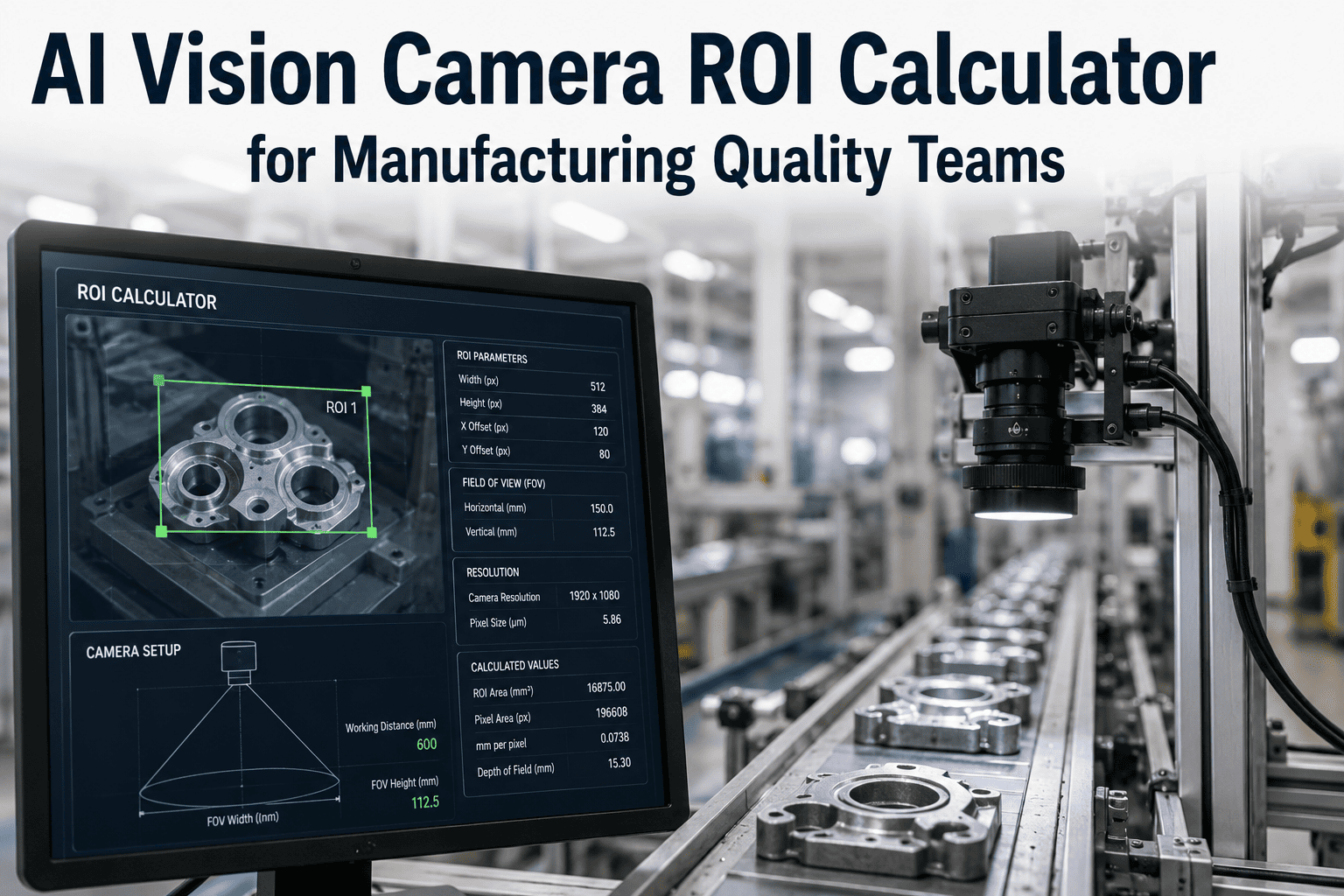
iFactory's AI vision cameras are mounted at key inspection points: after filling, after labeling, and before palletizing. Each camera is calibrated to your line speed, lighting conditions, and package dimensions. The system auto-adjusts focus and exposure for consistent imaging.
Model Training with Your Defects
We train the AI model using images of your actual products and defect types. A dataset of 10,000+ images ensures the model learns the nuances of your packaging. The training is done in our cloud, and the final model is deployed to the edge camera for low-latency inference.
Real-Time Inspection and Rejection
During production, the camera inspects every package at speeds up to 600 units per minute. Defective packages are identified in milliseconds and ejected via a pneumatic pusher or air jet. All inspection data is streamed to iFactory's dashboard for live monitoring.
Continuous Improvement and Reporting
The system logs every inspection result, defect type, and rejection cause. Weekly reports highlight defect trends, machine performance, and areas for process improvement. The AI model is retrained periodically with new defect images to maintain high accuracy as packaging evolves.
Manual vs. AI Vision Inspection
| Metric | Manual Inspection | iFactory AI Vision |
|---|---|---|
| Detection Rate | 85-90% | 99.7% |
| Inspection Speed (units/min) | 30-50 | 600 |
| False Positive Rate | 5-10% | <0.1% |
| Labor Cost per Line per Year | $120,000 | $15,000 |
| Data Logging and Traceability | Manual, error-prone | Automatic, real-time |
| Adaptability to New Products | Training time: weeks | Re-training: days |
Integration with Existing Systems
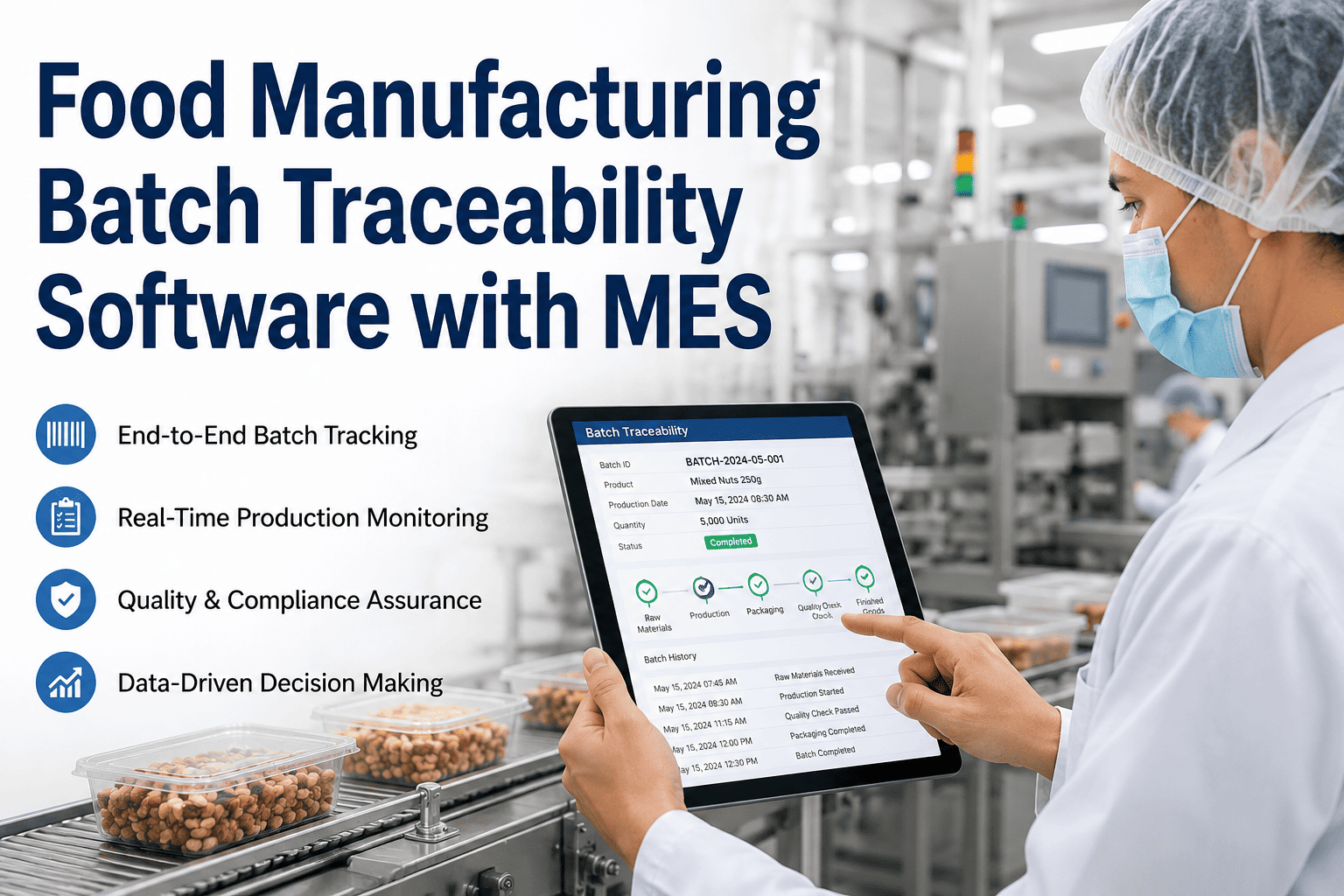
iFactory's AI vision camera seamlessly connects to your PLC, SCADA, MES, and ERP via OPC-UA, MQTT, or REST APIs. Defect data automatically updates batch records, triggers maintenance tickets, and adjusts line parameters. This eliminates manual data entry and ensures a single source of truth for quality.
Edge Computing for Low Latency
All AI inference happens on the camera's onboard GPU, not in the cloud. This means decisions are made in under 50 milliseconds, allowing real-time rejection without network delays. The edge architecture also ensures data privacy and compliance with food safety regulations.
Scalable from One Line to Plant-Wide
Start with a single camera on your most critical line, then expand to all lines as you see ROI. iFactory's cloud dashboard gives you a unified view of all inspection points, defect trends, and overall equipment effectiveness (OEE). The system scales without disruption to your operations.
Frequently Asked Questions
How does AI vision handle different packaging materials like glass, plastic, and foil?
Our AI vision camera is trained on a diverse dataset that includes glass jars, plastic pouches, foil bags, cardboard boxes, and more. The system uses adjustable lighting (bright-field, dark-field, backlight) to optimize contrast for each material. For transparent or reflective surfaces, the AI leverages polarization filters and multi-angle imaging to eliminate glare. The model's deep learning architecture is material-agnostic, meaning it learns the unique visual signatures of defects on any surface. During installation, we run a calibration routine with your specific packaging to fine-tune the detection parameters. This ensures consistent performance across your entire product mix. Book a Demo to see it in action on your materials.
What is the ROI timeline for deploying AI vision on a food packaging line?
Most manufacturers see a full return on investment within 6 to 12 months. The savings come from three main areas: reduced labor costs (eliminating 2-3 inspectors per line), lower waste (30% reduction in false rejects and rework), and avoided recall costs (average recall cost in food industry is $10 million). Additionally, the system increases throughput by 15-20% because it never gets tired or slows down. iFactory provides a detailed cost-benefit analysis during the demo phase, factoring in your line speed, defect rates, and labor costs. The ROI calculation also includes intangible benefits like improved brand reputation and faster time-to-market for new products. Contact Support for a personalized ROI estimate.
Can the AI vision system detect defects in high-speed lines (over 400 units per minute)?
Yes, absolutely. iFactory's AI vision camera is designed for high-speed production environments, with a maximum inspection rate of 600 units per minute. The camera uses a global shutter sensor that captures crisp images without motion blur, even at top speeds. The onboard edge processor runs a lightweight neural network that completes inference in under 20 milliseconds, leaving ample time for rejection. We have deployed systems on lines running at 500 cans per minute for a major beverage manufacturer, achieving 99.8% detection accuracy. The system supports multiple cameras in a master-slave configuration for lines that need inspection at multiple angles simultaneously. Book a Demo to discuss your line speed requirements.
How does iFactory ensure data security and compliance with food safety regulations?
Data security is built into every layer of the iFactory AI vision system. All inspection data is encrypted at rest (AES-256) and in transit (TLS 1.3). The edge camera stores only the last 24 hours of images locally; older data is automatically uploaded to your private cloud or on-premises server. The system is designed to comply with FDA 21 CFR Part 11 (electronic records and signatures), FSMA, and GFSI standards. Audit trails are automatically generated for every inspection, rejection, and model update. User access is controlled via role-based permissions with multi-factor authentication. We also offer on-premises deployment for manufacturers with strict data residency requirements. Contact Support for a detailed compliance whitepaper.
What kind of training and support does iFactory provide for the AI vision system?
iFactory offers comprehensive training and support to ensure a smooth deployment and long-term success. The onboarding process includes a 2-day on-site training for your quality and maintenance teams, covering camera setup, model training, dashboard navigation, and troubleshooting. We provide a detailed user manual and access to our knowledge base with video tutorials. For ongoing support, you get 24/7 access to our technical support team via chat, email, and phone. The system also includes remote diagnostics, allowing our engineers to log in and resolve issues without a site visit. Software updates are delivered quarterly, adding new defect types and performance improvements. Book a Demo to learn about our support packages.
Transform Your Packaging Line Today
Stop defects before they reach your customers. Deploy AI vision that learns, adapts, and delivers measurable quality improvements from day one.