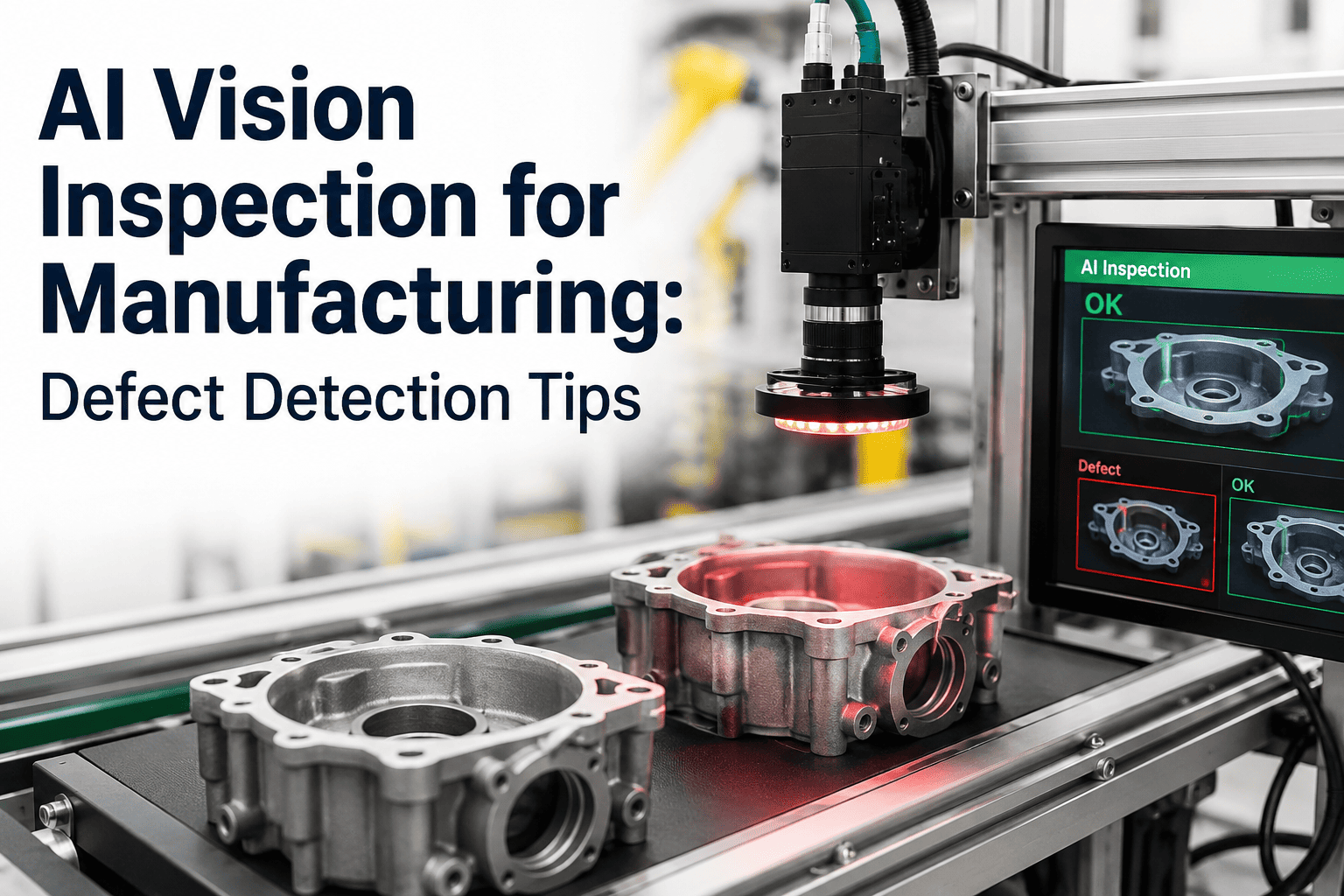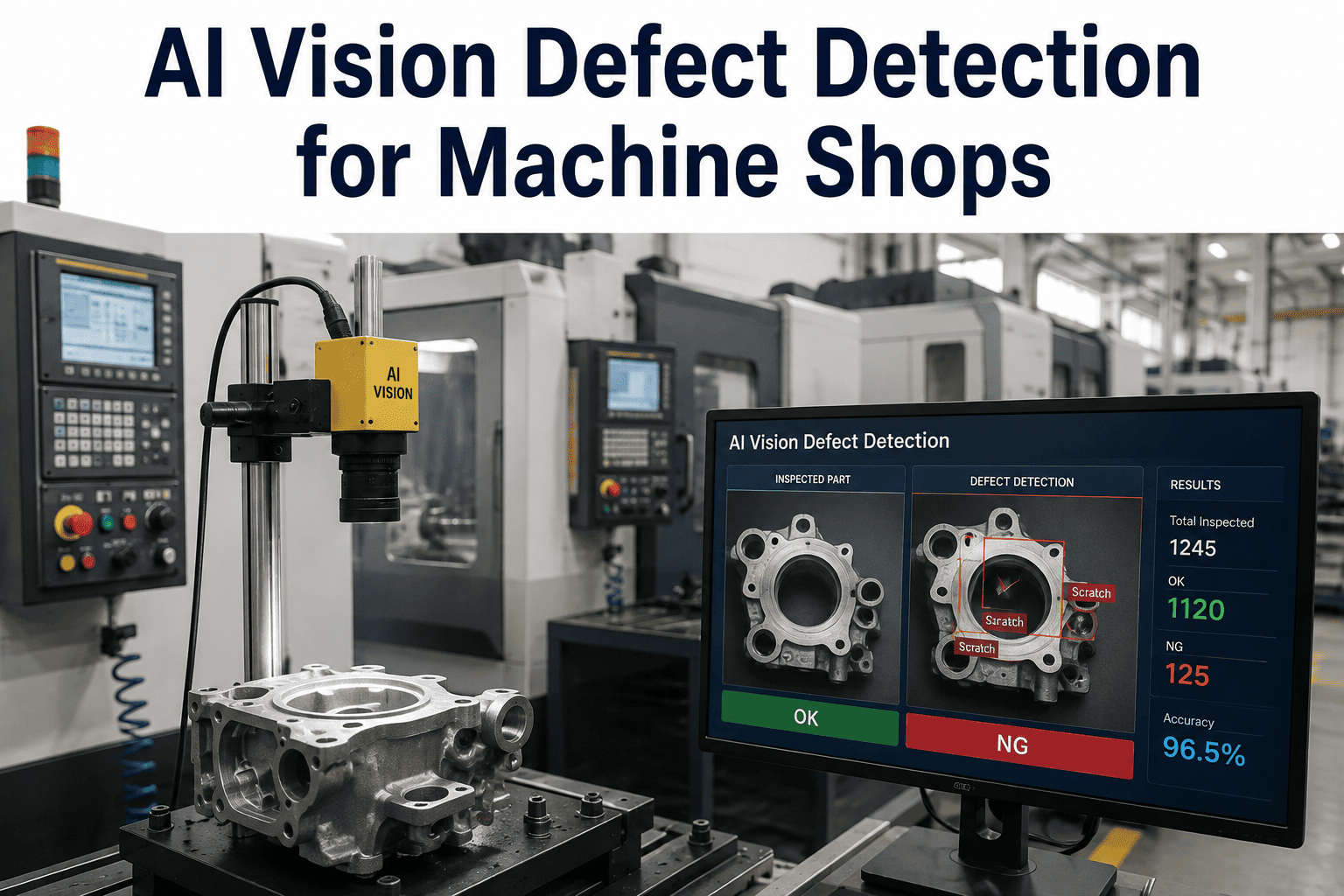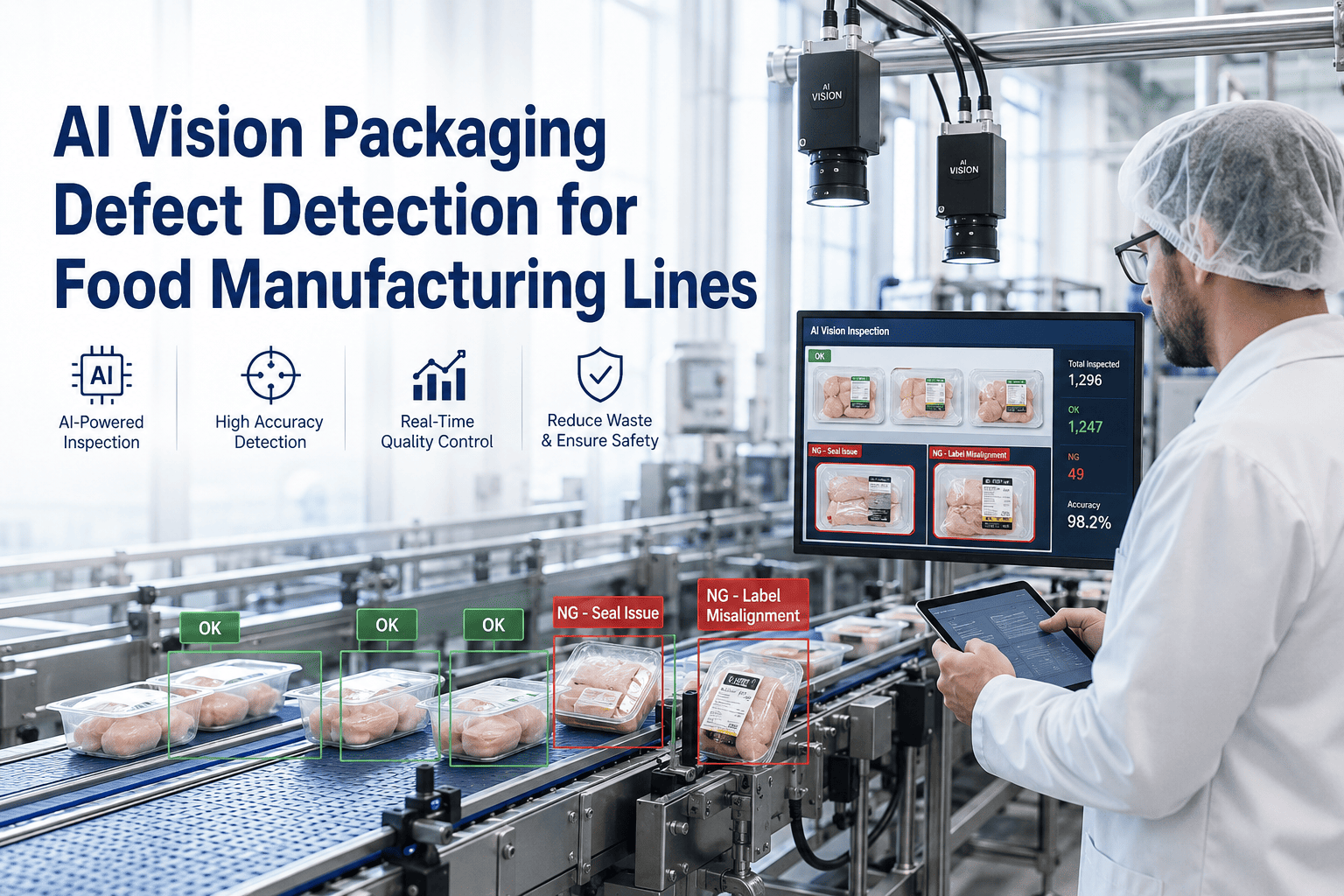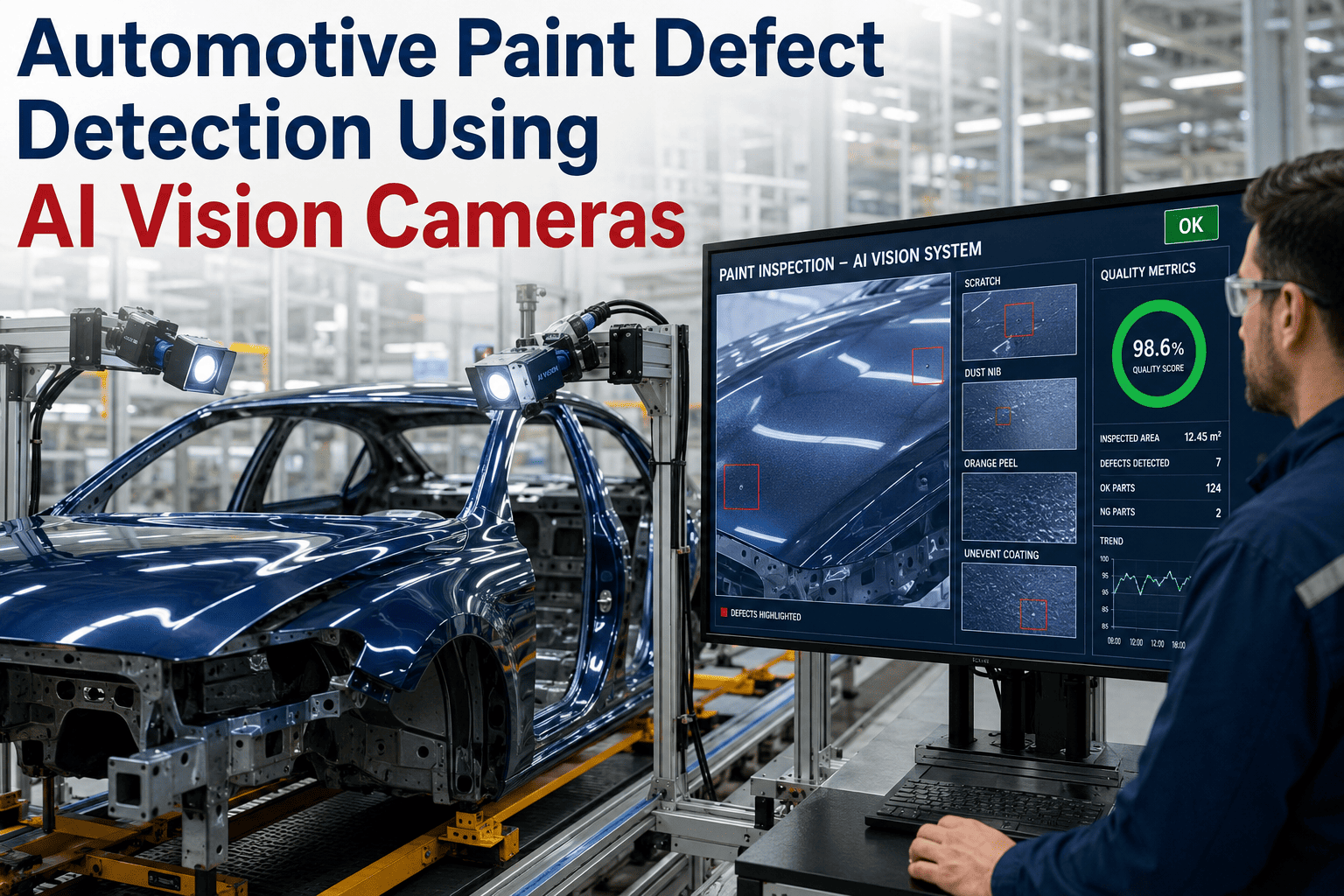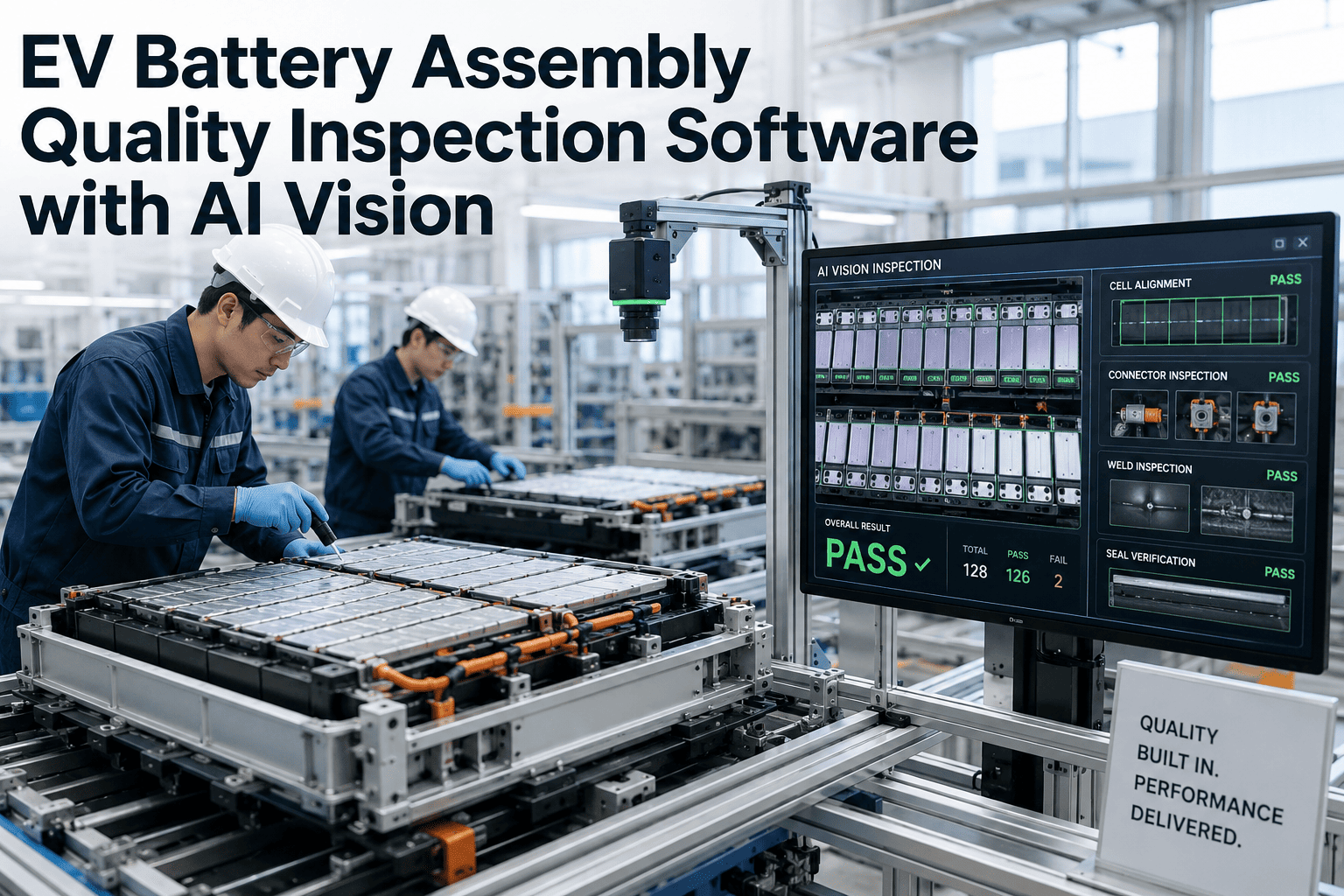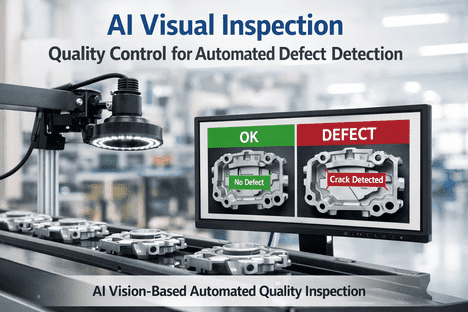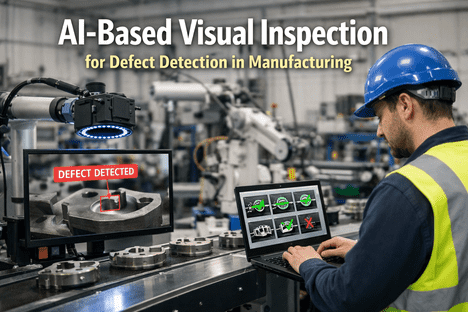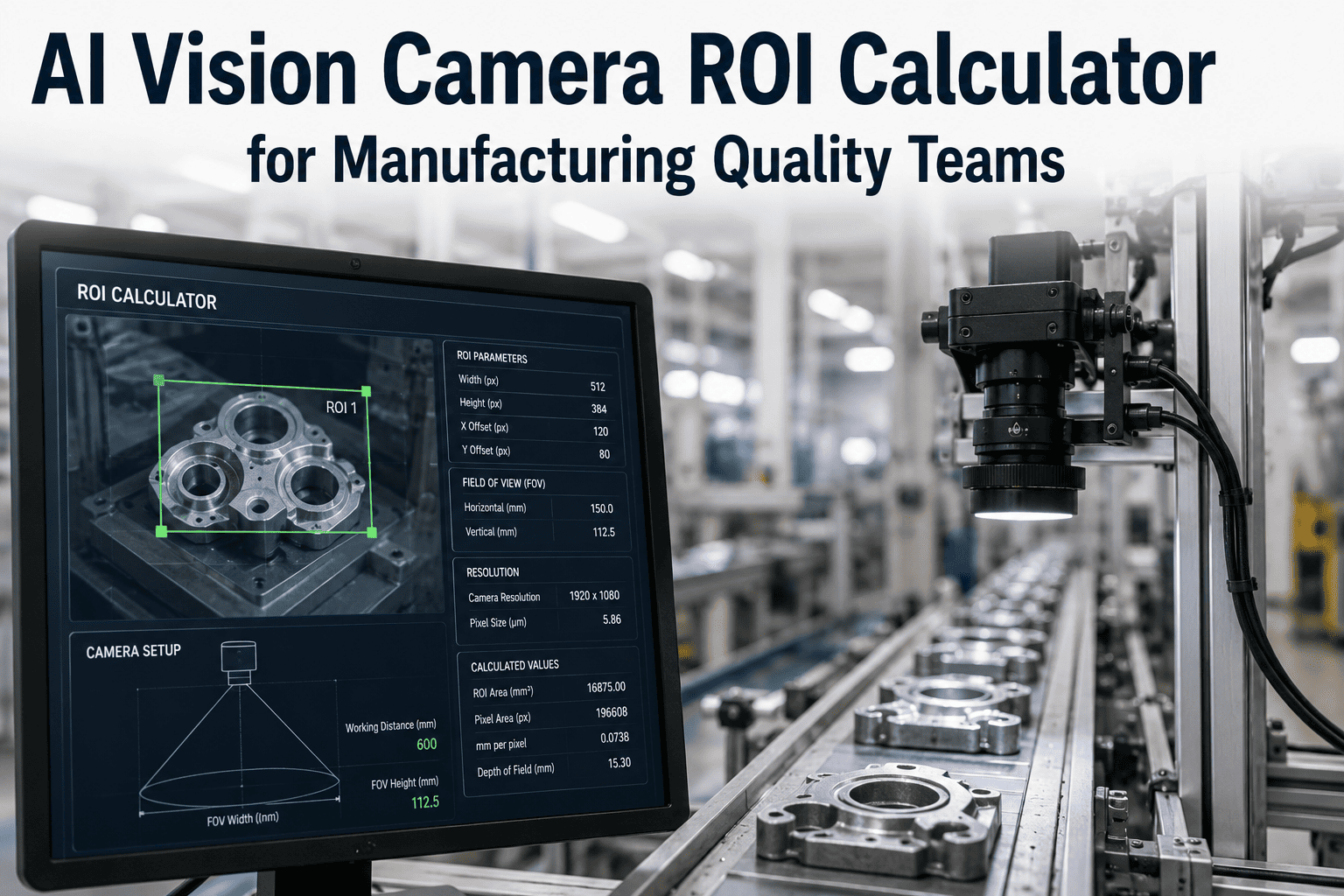
Manufacturing quality teams today face an unprecedented challenge: balancing the demand for zero-defect production with the relentless pressure to reduce costs and accelerate throughput. Traditional manual inspection, even with the best-trained operators, introduces variability, fatigue, and significant labor expense. As production lines scale and complexity rises, the need for a reliable, scalable, and cost-effective alternative becomes critical. Enter the AI vision camera—a transformative technology that combines computer vision, deep learning, and real-time analytics to automate visual inspection with superhuman accuracy. This comprehensive ROI calculator guide equips plant managers, CTOs, and maintenance directors with a data-driven framework to evaluate the financial and operational impact of deploying AI vision systems on their factory floor. Book a Demo to see how iFactory's AI Vision Camera can transform your quality process.
Calculate Your AI Vision ROI Today
Unlock the true cost savings and quality improvements with a personalized demo of iFactory's AI Vision Camera system.
Why AI Vision Cameras Are a Financial Imperative for Modern Manufacturing
The business case for automated visual inspection extends far beyond defect detection. It touches every aspect of operational efficiency—from reducing scrap and rework costs to optimizing labor allocation and accelerating time-to-market. In this section, we break down the core financial drivers that make AI vision cameras a high-ROI investment for any quality team.
Direct Labor Savings
Manual inspection requires multiple operators per shift, each with a limited attention span. An AI vision camera operates 24/7 without fatigue, replacing up to 3-5 inspectors per line. Annual savings can exceed $150,000 per line, depending on regional labor rates and shift patterns.
Reduced Rework & Scrap
By catching defects at the earliest possible stage, AI vision prevents value-added work on non-conforming parts. This reduces rework costs by up to 70% and scrap waste by 40%, directly improving material yield and sustainability metrics.
Increased Throughput
Automated inspection runs at line speed—often exceeding 100 parts per minute—without bottlenecks. This enables higher production volumes without additional floor space or headcount, translating to millions in incremental revenue.
Building Your ROI Model: A Step-by-Step Framework
To accurately calculate the return on investment for an AI vision camera system, you need to consider both tangible and intangible factors. Below is a structured approach that aligns with industry best practices and iFactory's deployment experience across hundreds of factories worldwide.
Baseline Current Costs
Measure your current inspection labor costs (including overtime, benefits, turnover), rework labor and materials, scrap disposal, warranty claims, and lost production due to quality escapes. Use at least 12 months of data for accuracy.
Define Inspection Requirements
Catalog all defect types (surface, dimensional, assembly), required resolution, line speed, lighting conditions, and part variability. This determines the camera specifications (resolution, frame rate, sensor type) and compute requirements.
Calculate AI Vision System Cost
Include hardware (cameras, lenses, lighting, industrial PC), software licensing (per camera or per line), integration services, training, and ongoing support. iFactory offers flexible subscription models to match your budget.
Project Savings Over 3 Years
Apply conservative improvement factors: 60-80% labor reduction, 50-70% rework reduction, 30-50% scrap reduction, and 10-20% throughput increase. Discount future cash flows at your company's weighted average cost of capital (WACC).
Compute ROI & Payback Period
Divide total net savings (over 3 years) by total investment. A typical AI vision camera system achieves payback in 6 to 12 months, with an ROI exceeding 300% over three years. Use iFactory's interactive dashboard to model your specific scenario.
Comparative ROI Analysis: AI Vision vs. Manual Inspection
| Metric | Manual Inspection | AI Vision Camera | Improvement |
|---|---|---|---|
| Inspection Speed (parts/min) | 20 | 120 | 6x |
| Defect Detection Rate | 85% | 99.5% | +14.5% |
| False Reject Rate | 5% | 0.5% | -90% |
| Annual Labor Cost (per line) | $180,000 | $30,000 | -83% |
| Rework Cost (per year) | $250,000 | $75,000 | -70% |
| Scrap Waste (tons/year) | 50 | 20 | -60% |
| Warranty Claims (% of revenue) | 1.2% | 0.2% | -83% |
| Payback Period (months) | N/A | 8 | Fast |
Ready to Model Your Factory's Savings?
Our team will build a custom ROI projection based on your actual production data, defect rates, and cost structure. See the numbers before you invest.
Beyond the Numbers: Intangible Benefits That Drive Real ROI
While financial metrics are essential, the true value of AI vision extends into areas that are harder to quantify but equally impactful. These include enhanced brand reputation through higher quality, improved worker safety by removing operators from hazardous inspection zones, and the ability to collect granular defect data for root-cause analysis. iFactory's platform provides a unified dashboard that correlates defect data with upstream process parameters, enabling predictive quality control that prevents defects before they occur. This proactive approach not only reduces costs but also builds a culture of continuous improvement.
Data-Driven Quality Culture
Every defect detected by the AI vision camera is logged with a timestamp, image, and defect type. This data feeds into your overall equipment effectiveness (OEE) and quality management systems, providing unprecedented visibility into failure modes.
Scalability & Flexibility
AI vision systems can be retrained on new products in hours, not weeks. This flexibility supports high-mix, low-volume production environments without costly hardware changes, enabling rapid response to market demands.
Regulatory Compliance
For industries like automotive, aerospace, and medical devices, traceability and documentation are mandatory. AI vision cameras automatically capture and store inspection records, simplifying audits and compliance reporting.
Common Pitfalls in ROI Calculation and How to Avoid Them
Many manufacturers underestimate the total cost of ownership or overestimate savings due to optimistic assumptions. Avoid these common mistakes: ignoring integration costs with existing MES/ERP systems, underestimating the need for retraining models on new defect types, and failing to account for the learning curve of operators. iFactory's deployment methodology includes a structured change management program and continuous model monitoring to ensure sustained performance. Always use a conservative baseline and include a contingency of 15-20% for unforeseen expenses.
Frequently Asked Questions
How long does it take to deploy an AI vision camera system?
Typical deployment time ranges from 4 to 8 weeks, depending on the complexity of the inspection task and the existing infrastructure. iFactory's plug-and-play architecture reduces integration time by up to 60% compared to traditional machine vision systems. For a detailed timeline specific to your factory, book a demo with our engineering team.
What defect types can AI vision cameras detect?
AI vision cameras can detect a wide range of defects including surface scratches, dents, cracks, discoloration, misalignment, missing components, and dimensional variations. The system is trained on your specific products using a combination of synthetic and real defect images, achieving detection rates above 99.5%. For a full capability assessment, contact our support team.
How does the ROI calculator account for different production volumes?
The calculator uses a flexible model that scales with your annual production volume. Higher volumes amplify labor savings and throughput gains, while lower volumes may still achieve strong ROI through defect reduction and warranty savings. The tool allows you to input your specific volumes, defect rates, and cost drivers for a personalized projection. Schedule a session to walk through your numbers.
Can the AI vision camera integrate with my existing MES or ERP system?
Yes, iFactory's platform offers native integrations with leading MES and ERP systems via REST APIs, OPC UA, and MQTT. Defect data, images, and inspection results can be pushed in real-time to your existing dashboards, enabling closed-loop quality control. For integration specifics, visit our support page.
What is the typical payback period for an AI vision camera investment?
Based on iFactory's deployments across automotive, electronics, and consumer goods industries, the average payback period is 6 to 12 months. Factors influencing payback include line speed, defect rate, labor cost, and the number of shifts. Use our interactive ROI calculator during a demo to see your specific payback timeline.
Start Your AI Vision Journey Today
Take the first step toward zero-defect manufacturing with a personalized ROI assessment from iFactory. Our experts will guide you through the numbers and show you the path to rapid payback.