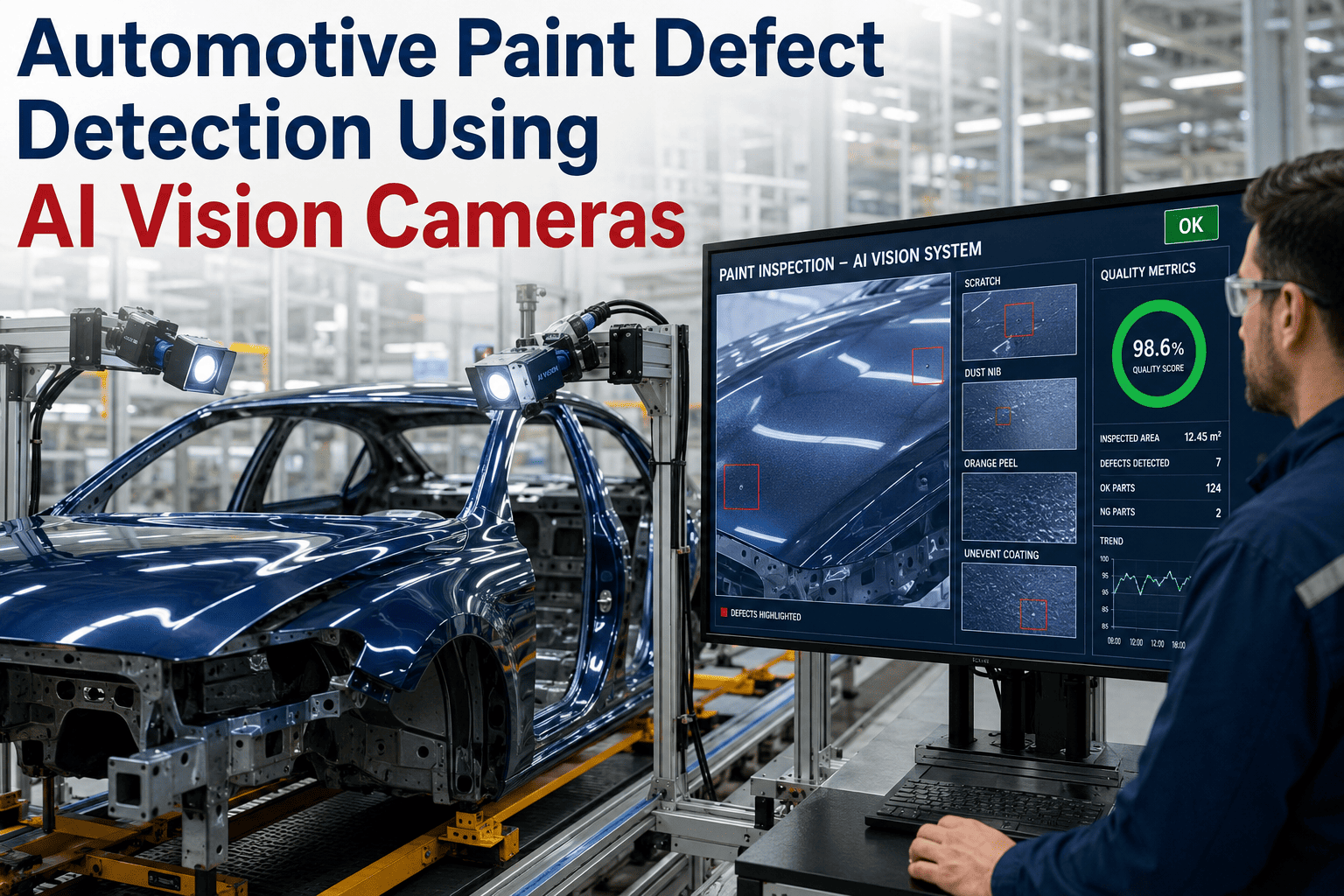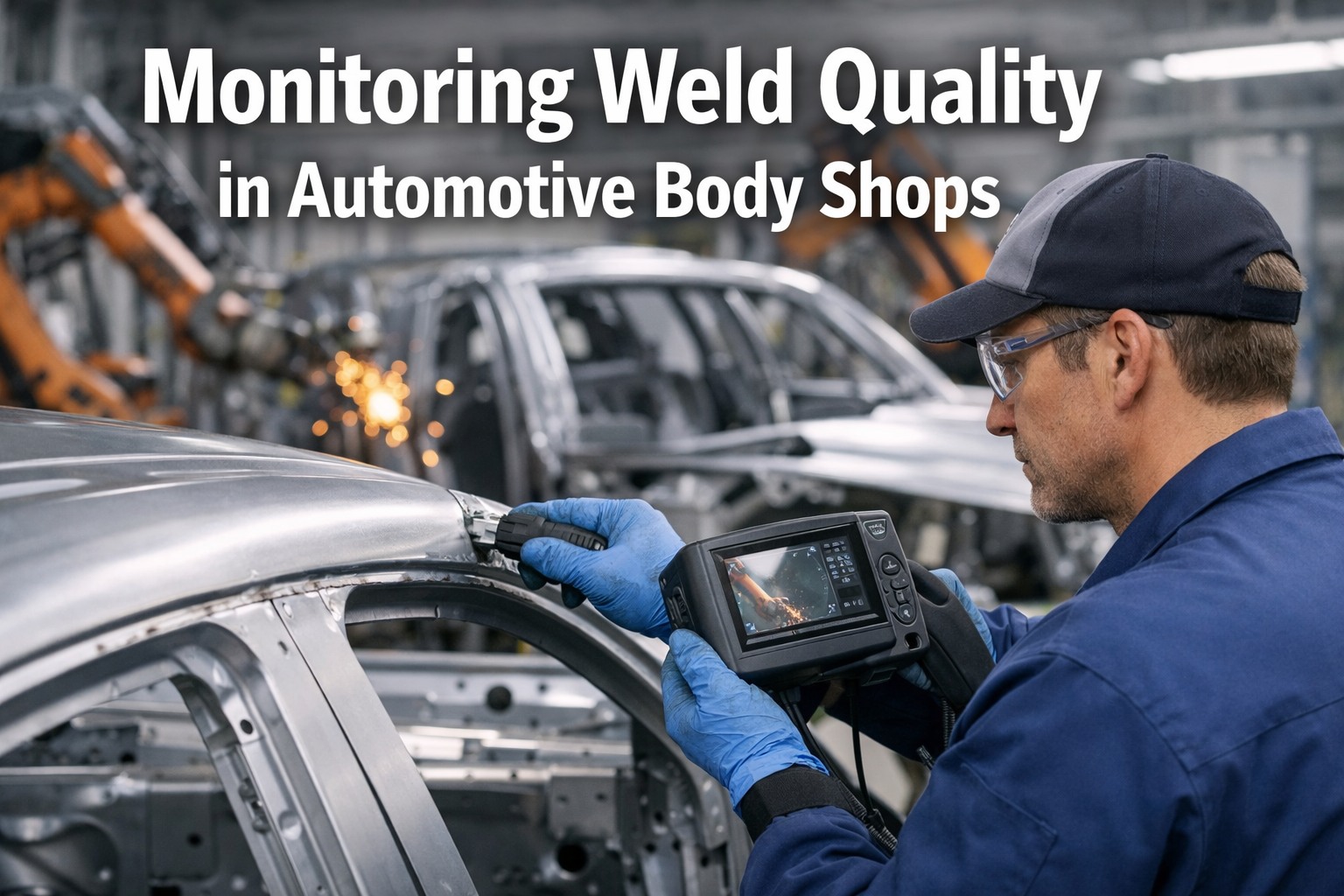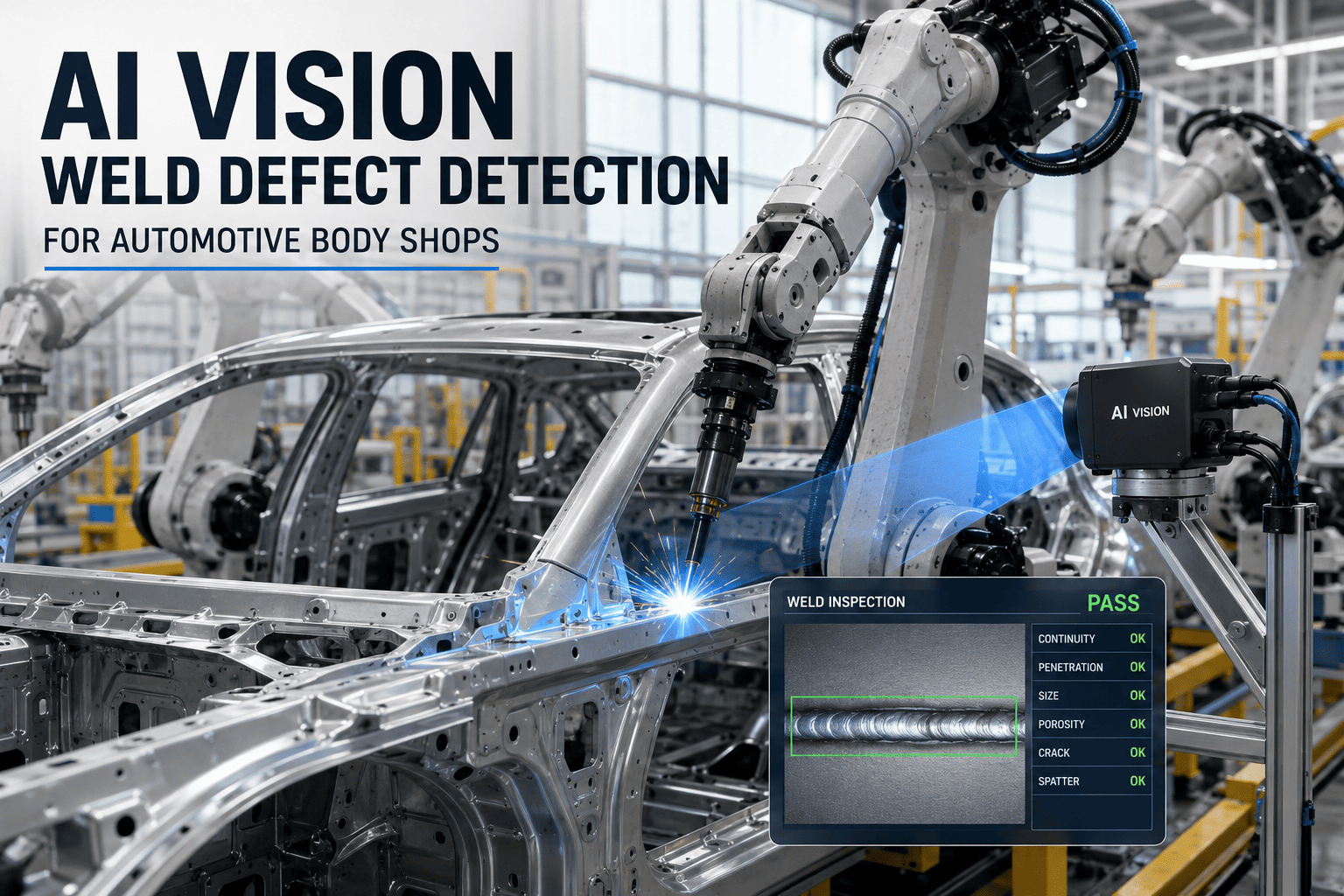
In the high-stakes environment of automotive body shops, the integrity of every weld directly impacts vehicle safety, structural durability, and brand reputation. Traditional manual inspection methods, while essential, are increasingly becoming a bottleneck in modern production lines. Human inspectors, despite their expertise, face challenges with fatigue, inconsistent lighting, and the sheer volume of welds on a single chassis. This is where iFactory's AI Vision Camera redefines quality assurance. By leveraging advanced computer vision algorithms and deep learning models, the system detects micro-cracks, porosity, undercut, and incomplete fusion in real time, with accuracy surpassing 99%. Unlike conventional machine vision systems that require rigid programming, iFactory's solution adapts to varying weld geometries and surface finishes, making it ideal for mixed-model assembly lines. The result is a dramatic reduction in scrap rates, rework costs, and liability risks. For automotive manufacturers aiming to achieve zero-defect production, integrating AI-powered weld inspection is no longer optional but a competitive necessity. Book a Demo to see how iFactory can transform your body shop into a smart factory.
Eliminate Weld Defects with AI Precision
Achieve zero-defect production. Reduce rework by 80%. Protect your brand reputation with real-time AI vision inspection.
Why Traditional Weld Inspection Falls Short in Modern Automotive Lines
Human Limitations
Even the most skilled inspectors can only maintain peak concentration for short periods. Studies show that after 20 minutes of continuous visual inspection, defect detection rates drop by up to 30%. In a typical body shop producing 60 vehicles per hour, each with over 200 welds, human inspectors are asked to evaluate 12,000 welds hourly. The cognitive load is immense, leading to missed defects that can cause costly recalls. iFactory's AI Vision Camera never tires, maintaining consistent accuracy across every shift, every day.
Inconsistent Lighting and Surface Variability
Automotive body shops are notoriously challenging environments for optical inspection. Reflections from bare metal, oil residues, and varying ambient light conditions can confuse traditional camera systems. iFactory's AI model is trained on millions of images under diverse conditions, using adaptive illumination compensation to ensure every weld is examined under optimal contrast. This eliminates false positives caused by reflections and ensures that only genuine defects are flagged.
Complex Weld Geometries
Modern vehicle designs incorporate a mix of spot welds, seam welds, laser welds, and arc welds, each with unique defect signatures. A single robotic arm may switch between weld types within seconds. Rule-based machine vision systems require reprogramming for each geometry, causing downtime. iFactory's deep learning approach automatically classifies weld types and applies the appropriate defect detection model, enabling seamless changeover between models without manual intervention.
Regulatory and Recall Risks
Automotive safety standards such as ISO 26262 and IATF 16949 mandate rigorous quality documentation. A single weld failure in a critical area like the battery enclosure of an EV can lead to catastrophic failure and massive recalls. In 2023 alone, weld-related defects accounted for over 15% of automotive recalls in North America. iFactory's system provides full traceability, logging every inspection result with timestamp, weld ID, and defect classification, ensuring compliance and audit readiness.
How iFactory AI Vision Transforms Your Weld Inspection Workflow
Seamless Integration with Existing Robotic Arms
iFactory's AI Vision Camera is designed to mount directly onto your existing robotic weld heads or fixed inspection stations. With standard Ethernet/IP and OPC UA interfaces, it communicates with your PLC and MES without complex middleware. Installation takes less than a day, and calibration is automated using a reference workpiece. No downtime, no retooling.
Real-Time Defect Classification and Alarming
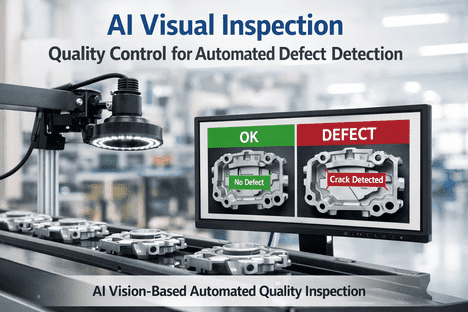
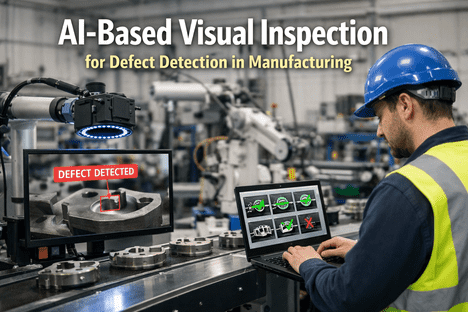
As each weld is completed, the camera captures high-resolution images and processes them through a convolutional neural network (CNN) trained on your specific weld types. Defects are classified into categories such as porosity, spatter, crack, incomplete fusion, and burn-through. Within 50 milliseconds, the system sends an alert to the operator's dashboard and can automatically trigger a reject or rework signal to the conveyor system.
Data-Driven Continuous Improvement
All inspection data is aggregated into iFactory's cloud-based analytics platform. Heatmaps of defect locations across the body-in-white reveal patterns that indicate issues with specific weld guns, wire feed speeds, or shielding gas flow. Production managers can drill down into shift-level trends and correlate defects with process parameters, enabling rapid root cause analysis and continuous process optimization.
Scalable Across Multiple Lines and Plants
Whether you have a single body shop or a global network of plants, iFactory's architecture scales effortlessly. Centralized dashboards provide a unified view of quality metrics across all locations. Model updates are deployed over-the-air, ensuring that every camera benefits from the latest defect detection improvements. This consistency is critical for global OEMs that require uniform quality standards worldwide.
Ready to Achieve Zero-Defect Welding?
Join leading automotive manufacturers who have reduced weld defects by 90% using iFactory AI Vision. See the technology in action with a personalized demo.
Technical Specifications: iFactory AI Vision Camera for Weld Inspection
| Parameter | Value | Notes |
|---|---|---|
| Resolution | 12 MP (4096 x 3000) | Captures fine weld details |
| Frame Rate | 60 fps | Real-time inspection at line speed |
| Defect Detection Accuracy | 99.2% | Validated on 500,000+ weld samples |
| False Positive Rate | < 0.5% | Minimizes unnecessary rework |
| Processing Latency | < 50 ms | From capture to decision |
| Connectivity | Ethernet/IP, OPC UA, MQTT | Direct PLC/MES integration |
| Operating Temperature | 0-50 C | Ruggedized for shop floor |
| Ingress Protection | IP65 | Dust and splash resistant |
Real-World Applications Across Automotive Manufacturing
Body-in-White Assembly
In the body-in-white stage, thousands of spot welds join stamped panels. iFactory's AI Vision inspects each weld for expulsion, indentation, and button size. The system generates a real-time weld quality map that overlays on the 3D CAD model, allowing engineers to visualize defect clusters and adjust robot paths dynamically.
EV Battery Enclosure Welding
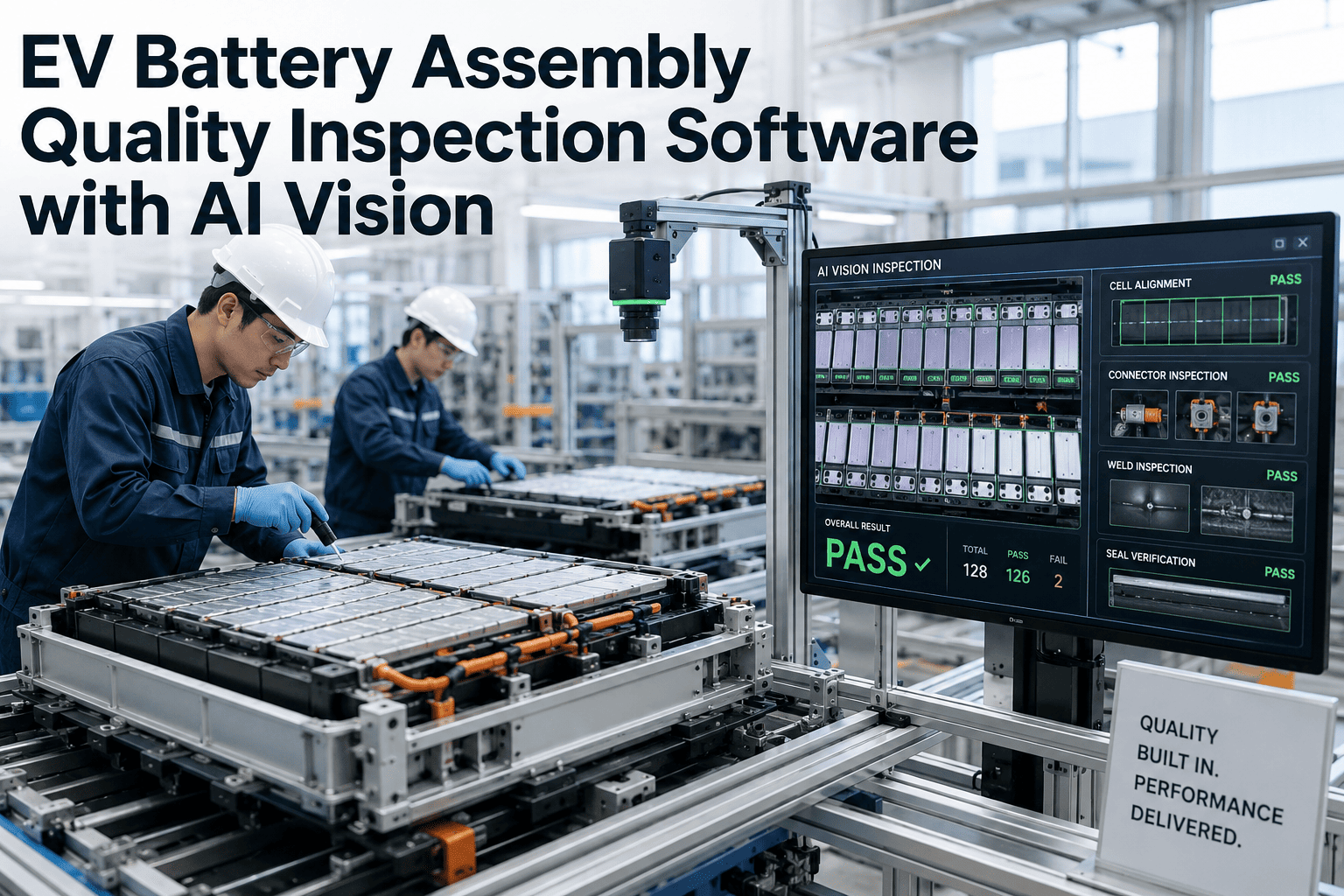
Electric vehicle battery enclosures require hermetic laser welds to prevent moisture ingress and thermal runaway. iFactory's high-resolution camera detects micro-porosity and incomplete fusion at sub-millimeter scale. The system can be integrated with leak test stations to provide a complete quality assurance loop for critical safety components.
Chassis and Frame Welds
Heavy-duty truck and SUV frames rely on deep penetration arc welds. iFactory's AI model is trained to assess weld throat thickness, leg length, and reinforcement height. By providing quantitative measurements rather than pass/fail, the system enables statistical process control and reduces over-welding that adds unnecessary weight.
Frequently Asked Questions About AI Weld Defect Detection
How does iFactory's AI Vision Camera differ from traditional machine vision systems for weld inspection?
Traditional machine vision relies on rule-based algorithms that require manual programming for each weld type and lighting condition. These systems struggle with variability in surface finish, part positioning, and ambient light. iFactory's AI Vision Camera uses deep learning models trained on millions of labeled weld images. This allows it to generalize across different weld geometries, materials, and environmental conditions without reprogramming. The system continuously improves through over-the-air model updates, ensuring it stays effective as production processes evolve. For a deeper technical comparison, contact our support team or book a demo to see the difference firsthand.
Can iFactory's system integrate with my existing robotic welding cells and MES?
Yes, iFactory's AI Vision Camera is designed for seamless integration with existing automation infrastructure. It supports standard industrial communication protocols including Ethernet/IP, OPC UA, and MQTT. The camera can be mounted directly on robotic weld guns or on fixed stands above the conveyor. Output signals can trigger reject mechanisms, alert operators via dashboards, or log defect data directly into your MES or quality management system. Our deployment team provides full integration support to ensure minimal disruption to your production line. For integration guidelines and case studies, visit our support page or schedule a consultation.
What is the typical return on investment (ROI) for implementing AI weld inspection?
Manufacturers typically see a full ROI within 6 to 12 months. The primary savings come from reduction in rework and scrap, which can account for 5-10% of production costs in body shops. Additional savings arise from decreased manual inspection labor, reduced warranty claims, and lower recall risk. For example, a Tier 1 supplier reported a 90% reduction in weld defects and a 70% decrease in customer complaints after deploying iFactory's system. The exact ROI depends on factors like production volume, defect rates, and labor costs. To calculate a customized ROI projection for your facility, book a demo with our team.
How does the system handle different weld types such as spot, seam, and laser welds?
iFactory's AI model is trained on a diverse dataset that includes spot welds, seam welds, laser welds, arc welds, and stud welds. The system automatically classifies the weld type based on visual features such as geometry, heat-affected zone, and surface texture. For each weld type, a specialized defect detection sub-model is applied. For instance, for laser welds, the model focuses on porosity and underfill, while for spot welds, it measures button diameter and indentation depth. This multi-model approach ensures high accuracy across all common automotive weld types. For a detailed list of supported weld types and defect categories, contact support.
What kind of training and support does iFactory provide after installation?
iFactory offers comprehensive onboarding and ongoing support to ensure your team maximizes the value of the AI Vision system. This includes on-site training for operators and maintenance personnel, remote system health monitoring, and access to a dedicated customer success manager. Our support team is available 24/7 for critical issues. Additionally, we provide quarterly model updates that improve detection accuracy based on your production data. For training schedules and support resources, visit our support portal or book a demo to discuss your specific requirements.
Transform Your Body Shop with AI Vision
Stop relying on fallible manual inspection. Deploy iFactory's AI Vision Camera and achieve consistent, auditable, and highly accurate weld defect detection across all your production lines.