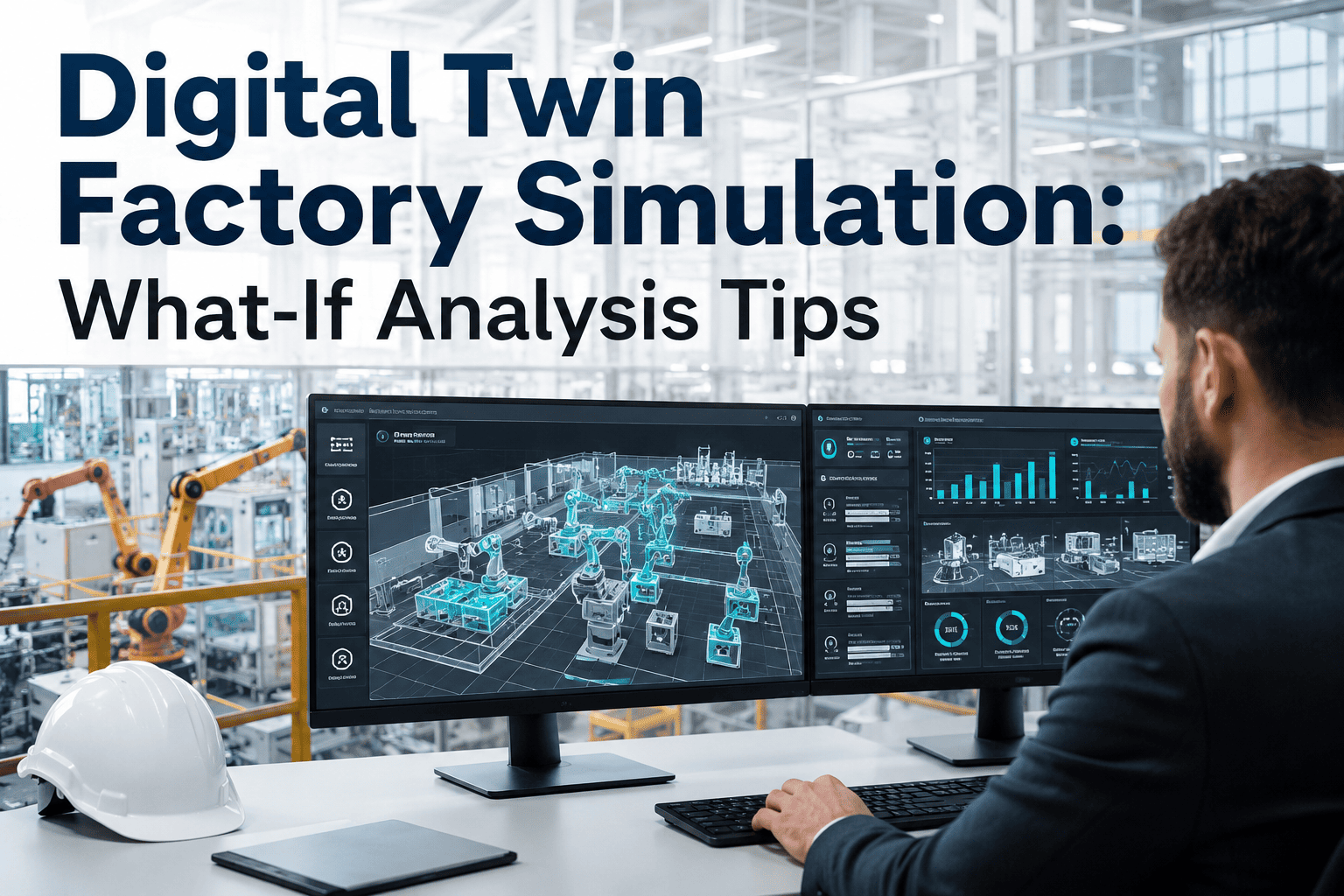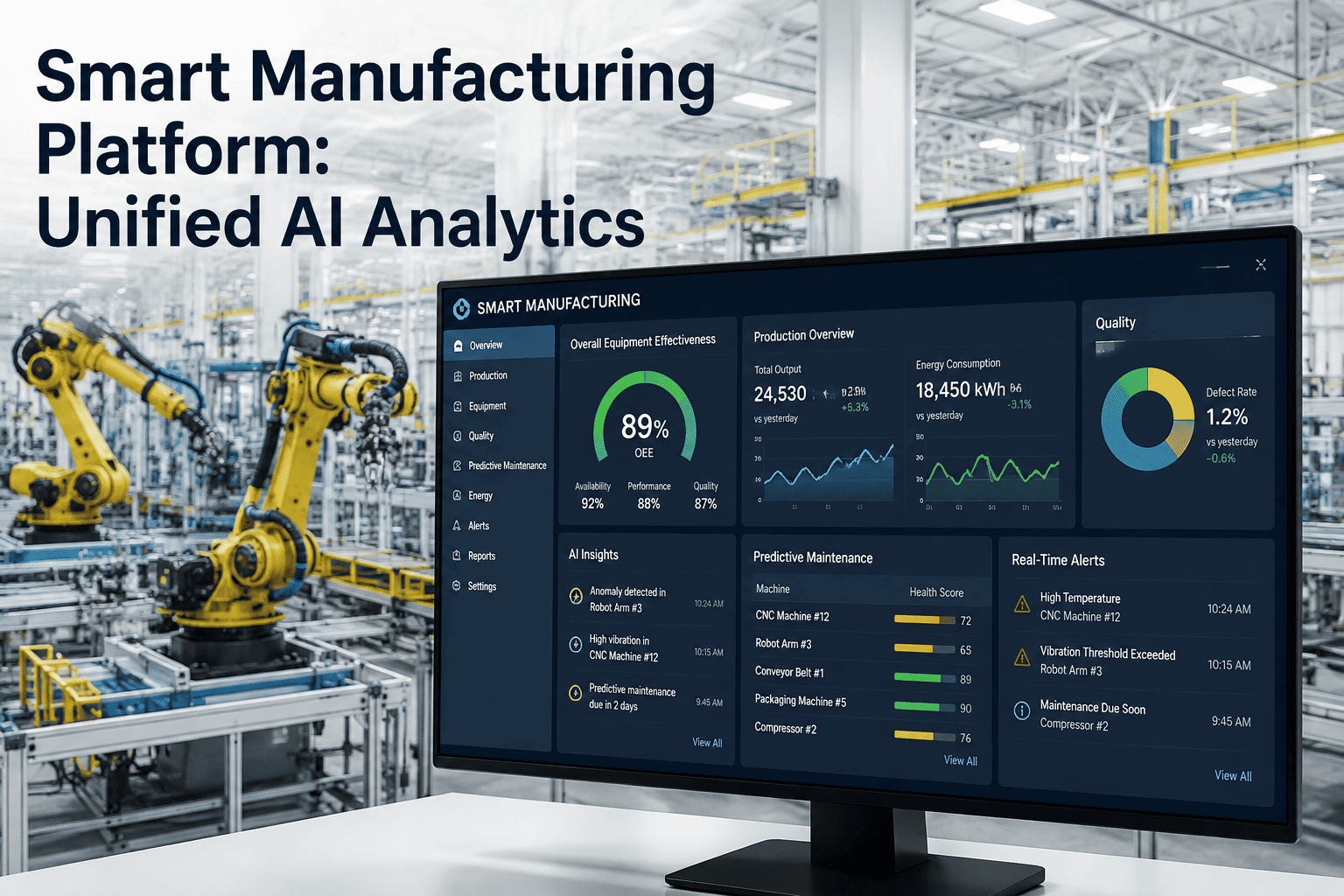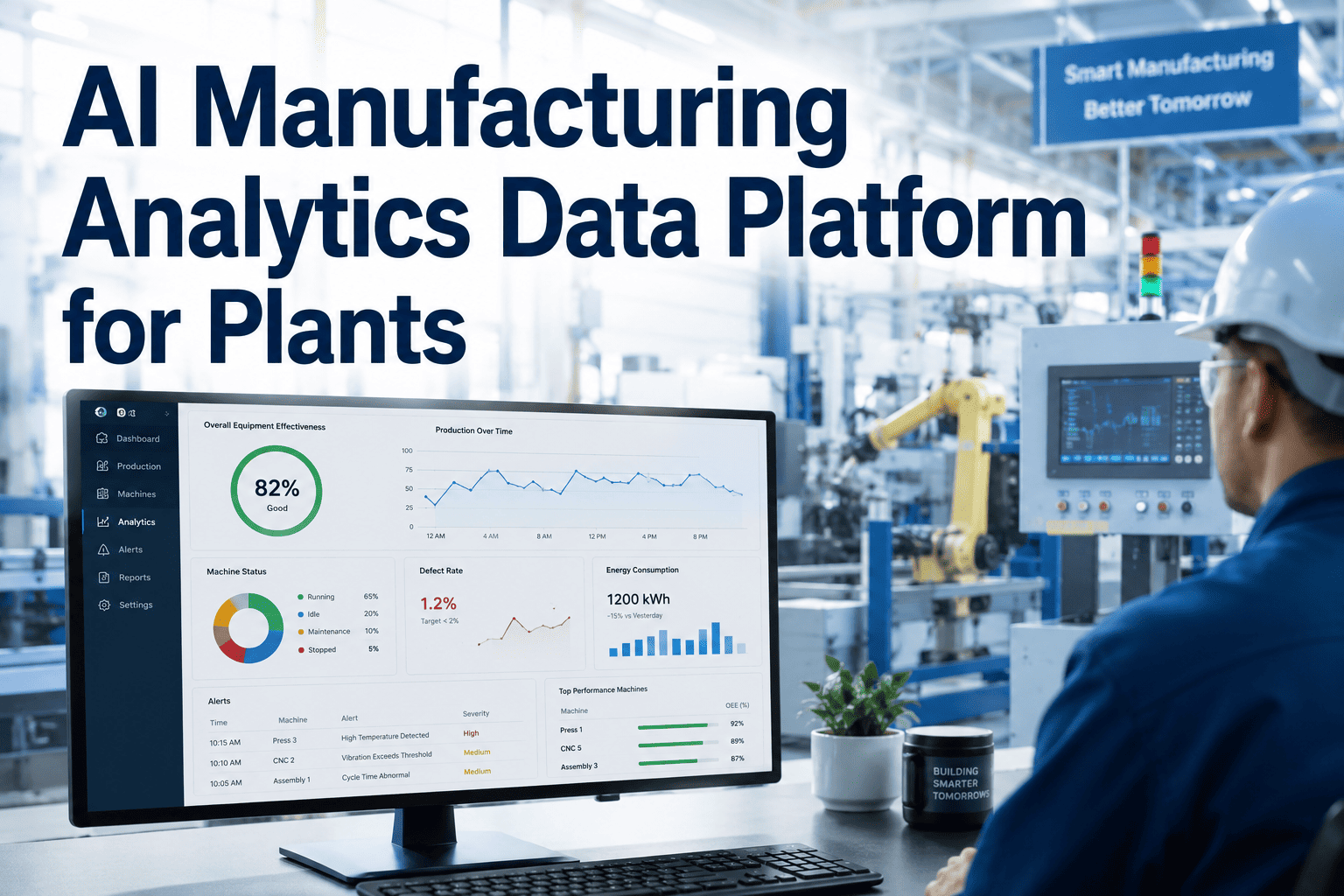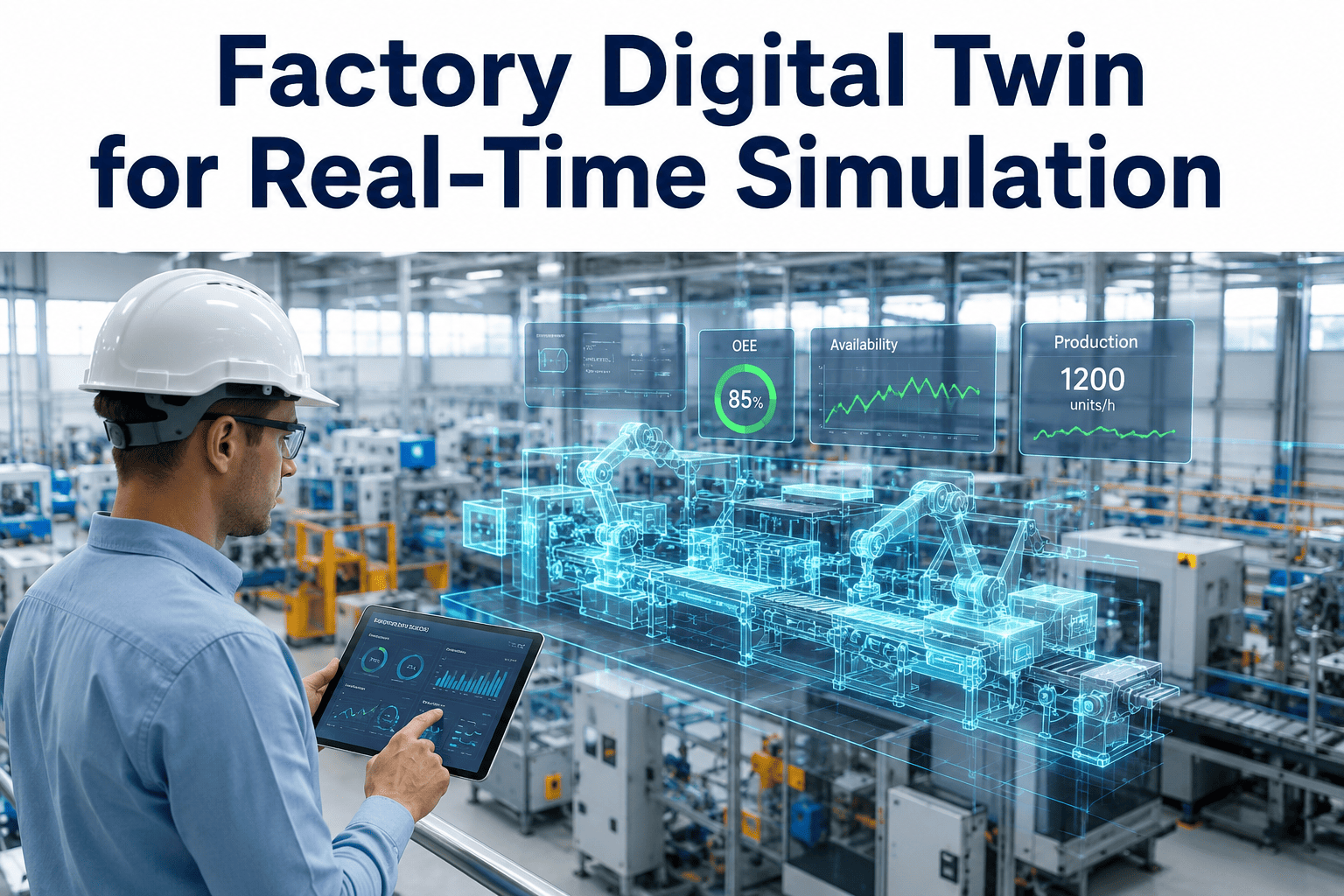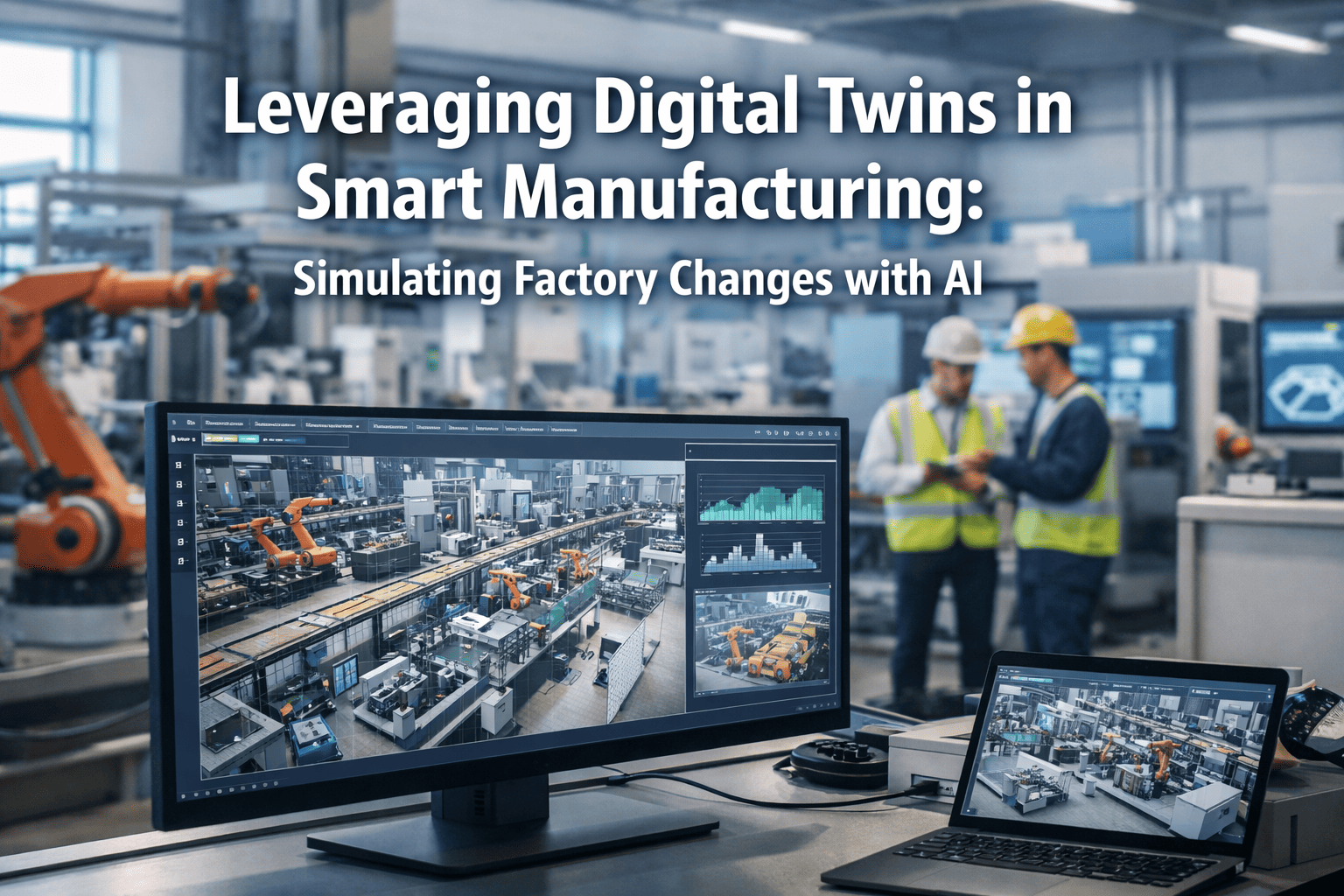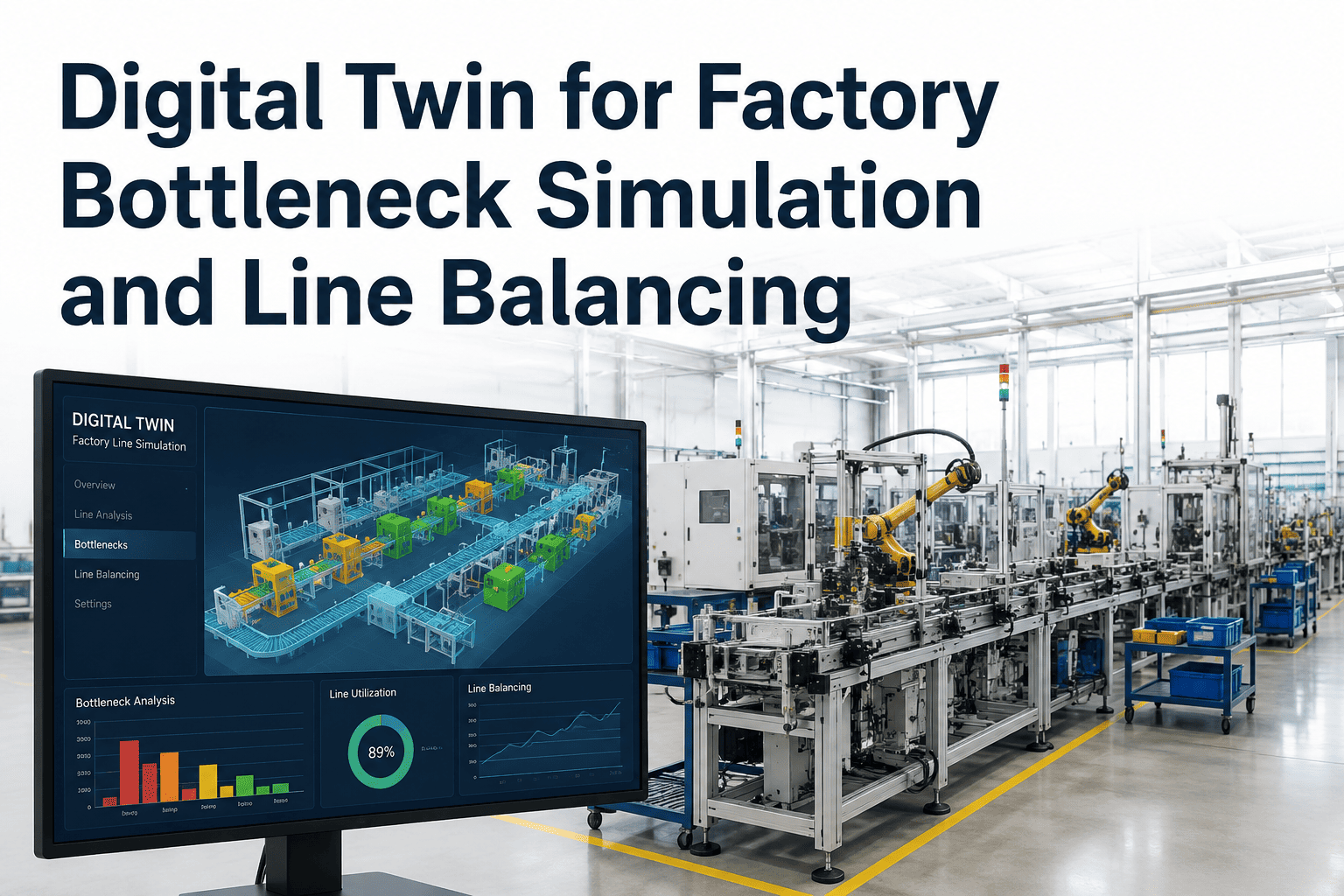
In the rapidly evolving landscape of modern manufacturing, the ability to predict, visualize, and optimize production workflows has become a critical competitive advantage. Traditional methods of factory planning, often reliant on static spreadsheets and manual observations, are no longer sufficient to meet the demands of high-mix, high-volume production environments. This is where the concept of a digital twin emerges as a transformative force. A digital twin is a virtual replica of a physical production system that mirrors its real-time behavior, allowing engineers and operations managers to simulate scenarios, identify bottlenecks, and perform line balancing with unprecedented accuracy. By leveraging real-time data from IoT sensors, historical production logs, and machine learning algorithms, digital twins enable proactive decision-making rather than reactive firefighting. At iFactory, we have developed a powerful digital twin solution tailored specifically for discrete and process manufacturing. Our platform allows you to create a complete virtual model of your factory floor, run what-if analyses, and pinpoint inefficiencies that silently erode your overall equipment effectiveness (OEE). Whether you are struggling with uneven workstation loads, frequent machine downtime, or complex assembly line constraints, our digital twin provides the clarity you need to act decisively. To see how this technology can be applied to your unique production challenges, we invite you to Book a Demo and experience the future of factory simulation firsthand.
Transform Your Factory Floor into a Predictive Powerhouse
Simulate, analyze, and optimize your production lines with AI-driven digital twin technology. Stop guessing and start knowing.
Why Bottlenecks Persist in Modern Factories
Bottlenecks are not always where you expect them. In a typical assembly line, a seemingly minor workstation with a slightly longer cycle time can throttle the entire production flow. Traditional observation methods often miss these micro-delays because they occur intermittently or during shift changes. A digital twin continuously monitors every station, material flow, and operator movement, creating a dynamic heatmap of congestion. For example, in an automotive parts plant, we discovered that a 12-second delay at a welding station caused a 22-minute backlog by the end of the shift. By simulating alternative layouts and operator assignments using iFactory's digital twin, the plant reduced the delay to 3 seconds and eliminated the backlog entirely. This level of granular insight is impossible to achieve with manual time studies or basic ERP data. The digital twin also accounts for stochastic variations such as machine breakdowns, quality rework, and material shortages, giving you a realistic view of your factory's true capacity. With this data, you can prioritize improvement projects based on actual impact rather than intuition.
Ready to Uncover Hidden Production Constraints?
Your factory has untapped capacity waiting to be released. Let our digital twin show you exactly where and how to unlock it.
Implementing a Digital Twin in 4 Phases
Data Collection and Model Creation
We integrate with your existing PLCs, sensors, and MES to capture cycle times, downtime events, and material flow. Using this data, we build a 3D digital replica of your factory layout, including all workstations, conveyors, and buffer zones. The model is calibrated using historical production data to ensure accuracy within 2% of real-world performance.
Baseline Simulation and Validation
We run a baseline simulation of your current production schedule to establish a performance benchmark. This includes key metrics like throughput, WIP levels, resource utilization, and bottleneck locations. The simulation is validated against actual production data from the past 30 days to ensure the digital twin behaves realistically.
What-If Scenario Analysis
You can now experiment with dozens of scenarios: changing batch sizes, adding operators, modifying workstation layouts, or introducing new equipment. The digital twin instantly shows the impact on cycle time, cost, and quality. For example, we helped a electronics manufacturer test 15 different line configurations in one day, identifying a layout that reduced assembly time by 31% without any capital investment.
Continuous Optimization and Monitoring
Once the optimal configuration is deployed, the digital twin continues to run in parallel with the physical line, providing real-time alerts when deviations occur. This enables predictive maintenance, dynamic scheduling, and adaptive line balancing. Over time, the AI model learns from new data and suggests further improvements, creating a self-optimizing factory.
Digital Twin vs Traditional Methods
| Capability | Traditional Methods | iFactory Digital Twin |
|---|---|---|
| Bottleneck Detection | Manual time studies, often weeks old | Real-time, continuous, with 96% accuracy |
| Line Balancing | Spreadsheet-based, static assumptions | Dynamic simulation with stochastic inputs |
| Scenario Testing | Limited to 1-2 per week due to disruption | Unlimited, run in minutes without stopping production |
| Data Sources | Manual logs, isolated systems | IoT, MES, ERP, PLCs unified in one model |
| ROI Timeline | 6-12 months for major projects | 3-6 months with immediate visibility |
Frequently Asked Questions
What is a digital twin in manufacturing and how does it work?
A digital twin is a virtual representation of a physical production system that mirrors its real-time behavior using data from IoT sensors, PLCs, and MES. It continuously synchronizes with the actual factory floor, allowing operators to monitor performance, run simulations, and predict outcomes. For example, if a machine starts to overheat, the digital twin can flag the anomaly before it causes a breakdown. This technology is central to Industry 4.0 and enables predictive maintenance, virtual commissioning, and dynamic line balancing. To explore how iFactory's digital twin can be tailored to your specific production environment, Book a Demo with our team.
How does bottleneck simulation improve factory throughput?
Bottleneck simulation uses the digital twin to model the entire production flow and identify stations where work accumulates, causing delays downstream. By running multiple scenarios, you can test changes such as reallocating operators, adjusting cycle times, or adding buffer capacity. For instance, a packaging line might see a 40% throughput increase simply by moving one operator from a low-utilization station to the bottleneck. The simulation provides quantitative evidence for each change, so you can implement the most effective solution with confidence. If you need assistance setting up a bottleneck simulation for your line, contact our support team for expert guidance.
What is line balancing and why is it important?
Line balancing is the process of distributing work evenly across all workstations in an assembly line to minimize idle time and maximize throughput. An unbalanced line leads to bottlenecks, high WIP inventory, and operator fatigue. Traditional line balancing relies on time studies and manual calculations, which are slow and often inaccurate. iFactory's digital twin automates this process by simulating operator movements, machine cycles, and material flows simultaneously. It can suggest optimal task allocations that reduce cycle time by up to 25% without additional headcount. To see a live demonstration of line balancing in action, Book a Demo today.
How does iFactory integrate with existing factory systems?
iFactory's digital twin platform offers pre-built connectors for major PLC brands (Siemens, Rockwell, Mitsubishi), MES platforms (SAP ME, Siemens Opcenter), and IoT gateways. Data ingestion is handled via secure APIs or OPC UA protocols, ensuring minimal latency. The integration process typically takes 2-4 weeks, depending on the number of data sources. Once connected, the digital twin updates in near real-time, providing a single source of truth for production performance. Our support team can assist with custom integrations if needed. For integration details, visit our support page.
What kind of ROI can I expect from implementing a digital twin?
ROI varies by factory size and complexity, but typical results include a 15-25% increase in throughput, 30-50% reduction in unplanned downtime, and 20-40% faster new product introductions. Many clients achieve payback within 6 months due to reduced waste, lower rework costs, and improved labor utilization. For example, a mid-sized automotive supplier reported a 3.2x ROI within 9 months after using our digital twin to optimize their assembly line. To calculate a personalized ROI estimate for your facility, Book a Demo and we will run a free simulation on your data.
Your Smart Factory Journey Starts Here
Stop reacting to problems. Start predicting solutions. iFactory's digital twin gives you the power to see the future of your production line and shape it for maximum efficiency.