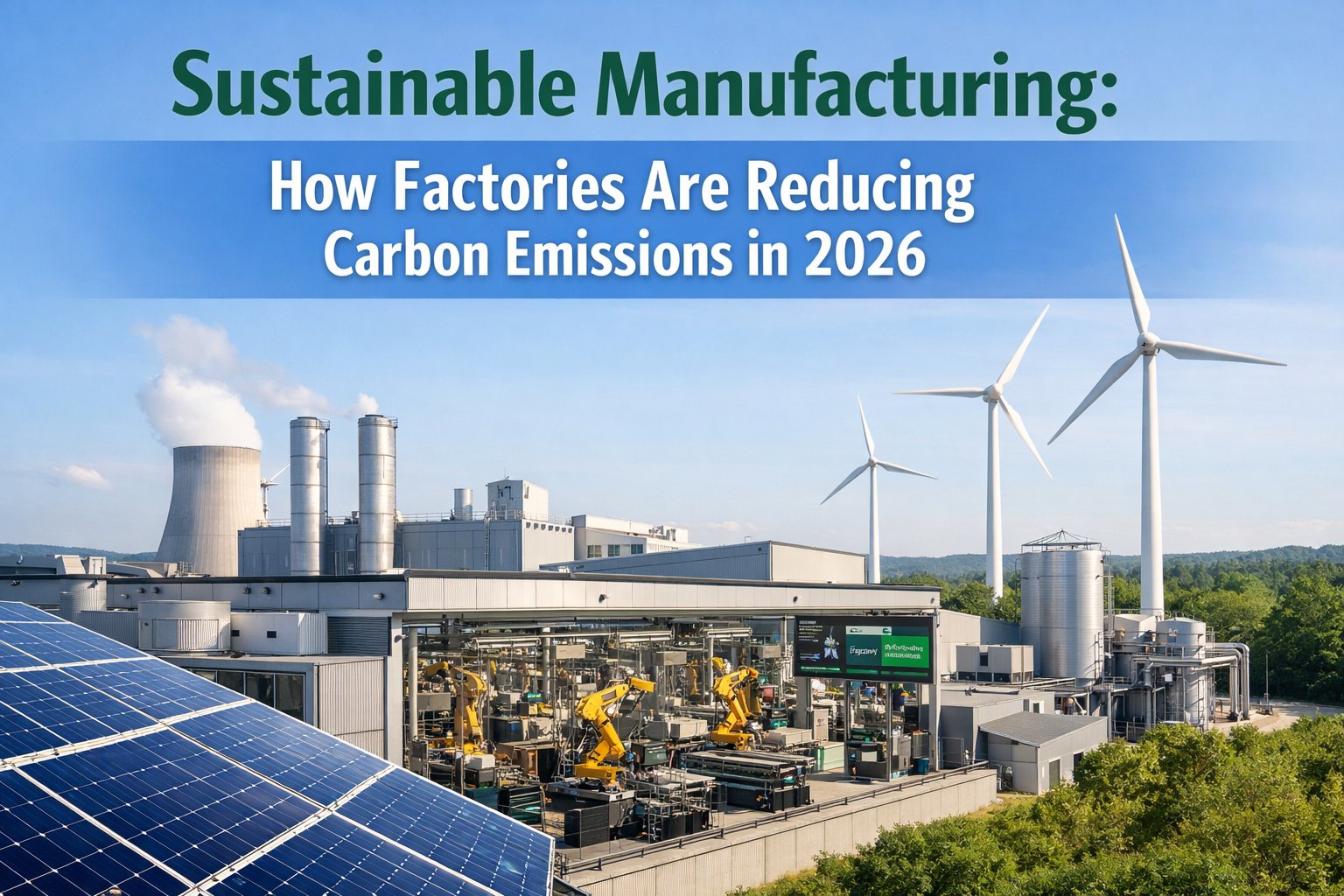
Are your supply chain operations contributing to environmental degradation while competitors gain market advantage through sustainable logistics? Manufacturing executives face mounting pressure from regulators, investors, and customers to demonstrate meaningful progress on emission reduction and industrial responsibility—yet many struggle to translate sustainability ambitions into operational reality.
Green supply chain leadership has evolved from corporate social responsibility initiative to strategic business imperative. Organizations demonstrating genuine commitment to sustainable logistics capture premium customers, attract ESG-focused investors, reduce regulatory risks, and achieve operational efficiencies that improve bottom-line performance. The question for manufacturing leaders is no longer whether to pursue green supply chain transformation, but how to execute it effectively while maintaining competitive operations.
This comprehensive guide explores executive initiatives to minimize emissions in logistics and explains sustainability KPIs driving performance metrics across modern manufacturing operations. Discover how forward-thinking industrial leaders are building green supply chains that enhance brand reputation, improve efficiency, and position organizations for long-term success in an increasingly sustainability-conscious marketplace.
This strategic resource provides manufacturing executives with actionable frameworks for implementing green supply chain initiatives that deliver measurable environmental and business outcomes. From emission tracking methodologies to supplier engagement strategies, discover how ESG leadership translates into competitive advantage and operational excellence.
Executive Initiatives to Minimize Emissions in Logistics
Supply chain operations account for approximately 60% of total corporate carbon emissions for typical manufacturing organizations—far exceeding direct operational footprints. This reality positions logistics transformation as the highest-leverage opportunity for emission reduction, yet many executives underestimate the complexity of achieving meaningful progress across extended supply networks involving dozens or hundreds of suppliers, carriers, and distribution partners.
Effective green supply chain leadership requires systematic approaches addressing emissions across three distinct scopes: direct emissions from owned operations (Scope 1), indirect emissions from purchased energy (Scope 2), and value chain emissions from suppliers and logistics partners (Scope 3). While Scopes 1 and 2 typically represent 10-20% of total emissions and fall under direct organizational control, Scope 3 emissions—the vast majority—require influencing external partners and fundamentally rethinking supply network design.
Transportation Mode Optimization
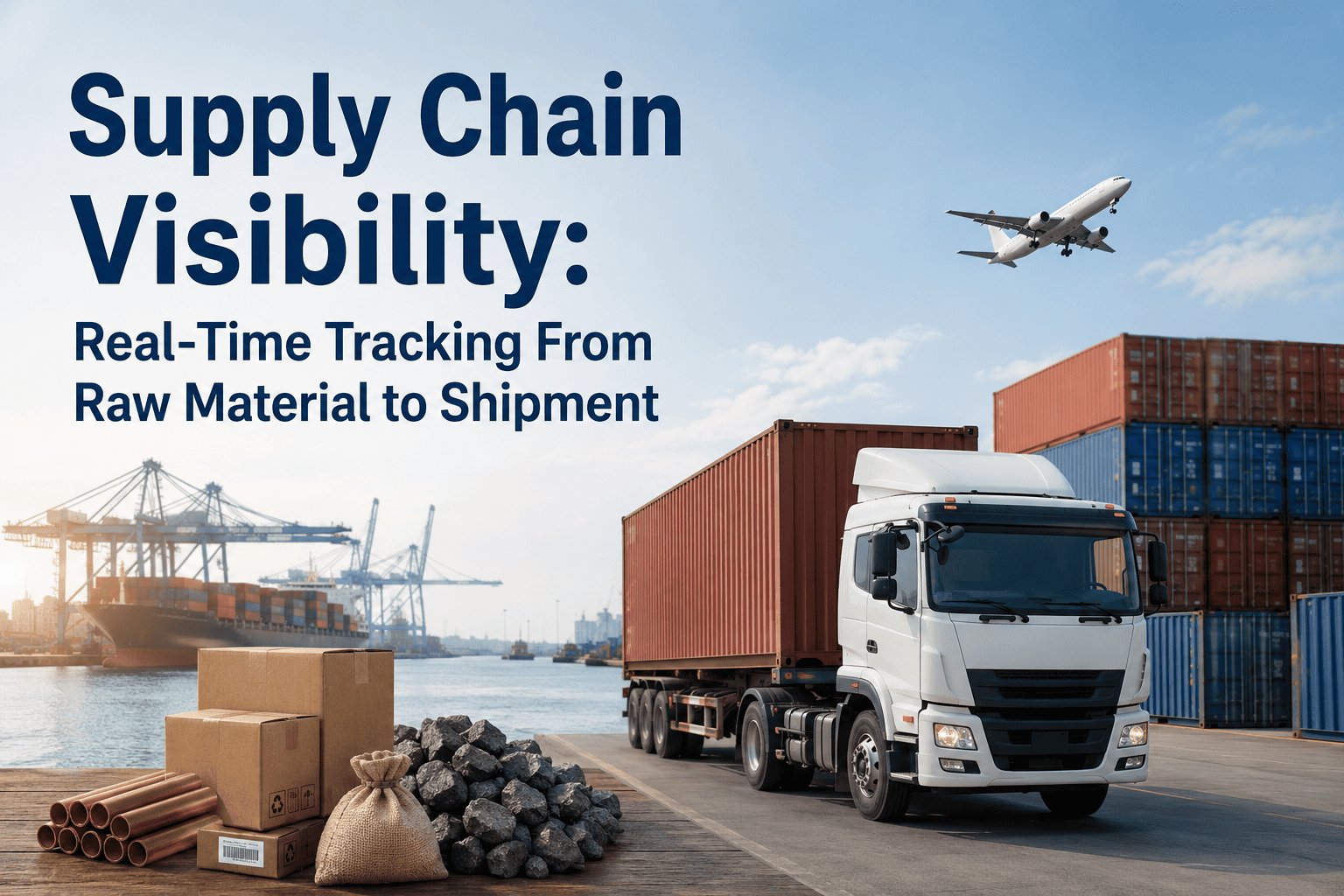
Transportation represents the largest emission source within most green supply chains, with freight movement generating approximately 8% of global CO2 emissions. Executive initiatives targeting transportation optimization focus on modal shifts, route optimization, load consolidation, and fleet modernization—each offering distinct emission reduction potential with varying implementation complexity and cost profiles.
Modal shift strategies prioritize lower-emission transportation modes where service requirements permit. Rail freight generates approximately 75% fewer emissions per ton-mile than trucking, while maritime shipping offers even greater efficiency for international movements. Leading sustainable logistics programs systematically evaluate transportation needs, shifting appropriate volumes to rail and intermodal options while reserving truck transport for time-sensitive or last-mile deliveries requiring flexibility.
Transition freight volumes from truck to rail or intermodal transportation where service requirements permit. Typical programs achieve 40-60% emission reductions on shifted lanes while often reducing transportation costs.
Deploy AI-powered routing systems that minimize total miles traveled while meeting delivery windows. Advanced algorithms consider traffic patterns, weather, vehicle capacity, and delivery clustering opportunities.
Transition owned and contracted vehicle fleets to electric or alternative fuel vehicles. Prioritize electrification for predictable routes with return-to-base operations enabling overnight charging infrastructure.
Maximize vehicle utilization through shipment consolidation, collaborative logistics with non-competing shippers, and inventory positioning strategies that enable fuller loads and fewer total shipments.
Supplier Engagement and Scope 3 Management
Scope 3 emissions—those occurring in supplier operations and throughout the value chain—typically represent 70-90% of total organizational carbon footprints. Addressing these emissions requires fundamentally different approaches than managing direct operations: executives must influence external organizations over which they have limited control, often across complex multi-tier supply networks spanning dozens of countries and thousands of suppliers.
Effective supplier engagement programs combine contractual requirements, collaborative support, and market incentives to drive emission reductions across supply bases. Leading industrial responsibility programs establish clear expectations for supplier sustainability performance, provide technical assistance and financing support for improvement initiatives, and preferentially award business to suppliers demonstrating genuine environmental commitment. Schedule a demo to explore how iFactoryApp enables supplier sustainability tracking and engagement.
Supplier Sustainability Engagement Framework
Baseline supplier sustainability performance through standardized assessments covering energy use, emission intensity, environmental certifications, and improvement trajectories. Identify high-impact suppliers representing majority of supply chain emissions.
Establish clear sustainability requirements in supplier agreements including emission reduction targets, reporting obligations, and certification expectations. Communicate long-term trajectory toward net-zero supply chain alignment.
Provide technical assistance, best practice sharing, and potentially financing support for supplier sustainability investments. Facilitate peer learning among suppliers and connect to industry decarbonization resources.
Integrate sustainability performance into supplier scorecards, sourcing decisions, and business allocation. Reward leaders with preferred status and volume commitments while transitioning away from lagging suppliers.
Warehouse and Distribution Center Sustainability
Distribution infrastructure—warehouses, fulfillment centers, and cross-docks—generates significant emissions through energy consumption, material handling equipment operation, and associated transportation. Green supply chain leaders implement comprehensive facility sustainability programs addressing building efficiency, renewable energy adoption, and operational optimization.
Building efficiency improvements typically deliver 20-40% energy reduction through LED lighting conversions, HVAC system upgrades, building envelope improvements, and smart building management systems that optimize energy use based on occupancy and operational patterns. On-site renewable energy installations—particularly rooftop solar—increasingly make economic sense for large distribution facilities with significant electricity consumption and available roof space.
Sustainability KPIs Driving Performance Metrics
Effective green supply chain management requires robust measurement systems that track environmental performance alongside traditional operational metrics. Sustainability KPIs must balance comprehensiveness with practicality—capturing meaningful environmental impacts while remaining feasible to measure accurately across complex supply networks. Leading ESG leadership programs establish cascading metrics from corporate-level targets through operational dashboards to individual facility and supplier performance tracking.
Carbon Intensity and Absolute Emission Metrics
Carbon measurement forms the foundation of green supply chain performance tracking. Organizations typically monitor both absolute emissions (total CO2 equivalent generated) and intensity metrics (emissions per unit of output, revenue, or shipment). Each metric type serves distinct purposes: absolute emissions determine actual environmental impact and progress toward net-zero targets, while intensity metrics enable fair comparison across time periods with varying business volumes and facilitate benchmarking against peers.
Comprehensive emission measurement requires tracking across all three scopes with appropriate methodologies for each emission source. Direct measurement through metering and fuel consumption records provides highest accuracy for Scope 1 and 2 emissions. Scope 3 measurement typically relies on activity-based calculations using emission factors—tons of CO2 per ton-mile shipped, per dollar spent with suppliers, or per unit of material consumed—requiring robust data collection from supply chain partners.
Essential Green Supply Chain KPIs
Supply Chain Circularity Metrics
Beyond carbon measurement, leading green supply chain programs track circularity metrics reflecting progress toward closed-loop operations. Circular economy principles—designing out waste, keeping materials in use, and regenerating natural systems—require metrics measuring material flows, recycled content utilization, product lifecycle extension, and end-of-life recovery rates.
Material circularity indicators assess the proportion of inputs derived from recycled or renewable sources versus virgin materials. Product return and recovery metrics track reverse logistics performance in capturing end-of-life products for refurbishment, remanufacturing, or recycling. Packaging sustainability metrics monitor recyclable and recycled content percentages, right-sizing efforts reducing excess packaging, and progress toward eliminating problematic materials like single-use plastics.
ESG Reporting and Disclosure Standards
External stakeholders—investors, customers, regulators, and rating agencies—increasingly demand standardized sustainability disclosures enabling comparison across organizations. ESG leadership requires aligning internal measurement systems with external reporting frameworks including CDP (formerly Carbon Disclosure Project), GRI (Global Reporting Initiative), SASB (Sustainability Accounting Standards Board), and emerging mandatory climate disclosure requirements.
Framework alignment ensures that internal sustainability KPIs generate data suitable for external reporting without extensive transformation or reconciliation. Leading programs design measurement systems to satisfy multiple framework requirements simultaneously, reducing reporting burden while providing comprehensive disclosure to diverse stakeholder audiences. Contact our support team for guidance on sustainability reporting integration with iFactoryApp.
Building the Business Case for Green Supply Chain Investment
Sustainability initiatives increasingly deliver compelling business returns beyond environmental benefits. Executives building cases for green supply chain investment can quantify value across multiple dimensions: direct cost savings from efficiency improvements, risk mitigation from regulatory compliance and supply security, revenue enhancement from customer preference and market access, and capital market benefits from improved ESG ratings and investor access.
Operational Efficiency and Cost Reduction
Many emission reduction initiatives simultaneously reduce operating costs. Energy efficiency improvements lower utility expenses. Transportation optimization reduces fuel costs and carrier spend. Waste reduction programs decrease disposal expenses while often generating revenue from material recovery. Packaging right-sizing reduces both material costs and transportation expenses for lighter, smaller shipments.
Analysis of green supply chain programs across manufacturing sectors reveals average operational cost reductions of 15-25% in targeted areas, with transportation optimization typically delivering highest returns. Organizations implementing comprehensive sustainable logistics programs often achieve payback periods of 18-36 months on capital investments, with ongoing operational savings generating positive returns for years thereafter.
Green Supply Chain Investment Returns by Initiative Type
Risk Mitigation and Regulatory Compliance
Regulatory requirements for sustainability performance are accelerating globally. Carbon pricing mechanisms, emission reporting mandates, extended producer responsibility laws, and supply chain due diligence requirements create compliance obligations with significant financial implications. Proactive green supply chain investment positions organizations to meet emerging requirements efficiently rather than scrambling to implement changes under regulatory deadlines.
Beyond regulatory compliance, sustainability programs mitigate operational risks from climate change impacts on supply chains. Extreme weather events, resource scarcity, and transition risks from shifting market preferences threaten supply continuity and cost structures. Resilient, sustainable supply networks better withstand these disruptions while adapting to evolving market conditions.
Market Access and Customer Preference
Customer preference for sustainable products and suppliers creates tangible market opportunities. B2B customers increasingly evaluate supplier sustainability as procurement criteria, with major corporations requiring supply chain partners to demonstrate emission reduction commitments. Consumer-facing brands demand sustainable ingredient and component sourcing to support their own environmental claims. Organizations unable to demonstrate green supply chain credentials risk exclusion from growing market segments.
Premium pricing opportunities exist for products with verified sustainable supply chains. Certifications like Fairtrade, organic, and carbon-neutral enable price premiums of 10-30% in many categories. Industrial customers increasingly willingly pay modest premiums for suppliers offering lower-emission alternatives that improve their own Scope 3 performance.
Strategic Benefits of Green Supply Chain Leadership
Brand Reputation Enhancement
Demonstrable sustainability commitment strengthens brand perception among customers, employees, and communities. Green supply chain leadership differentiates organizations in competitive markets while building trust with increasingly environmentally conscious stakeholders.
Talent Attraction and Retention
Employees increasingly prefer working for organizations demonstrating genuine environmental commitment. Strong sustainability programs improve recruitment success, reduce turnover, and enhance employee engagement—particularly among younger workers.
Investor Access and Valuation
ESG-focused investors representing trillions in assets preferentially invest in sustainability leaders. Strong ESG ratings improve capital access, reduce cost of capital, and support premium valuations as sustainability performance increasingly influences investment decisions.
Innovation and Competitive Positioning
Sustainability constraints drive innovation in products, processes, and business models. Organizations leading green supply chain transformation develop capabilities and solutions that create competitive advantages as markets shift toward sustainability.
Implementation Roadmap: Executing Green Supply Chain Transformation
Successful green supply chain transformation requires systematic implementation approaches balancing ambition with pragmatism. Organizations must establish clear targets, build measurement capabilities, prioritize high-impact initiatives, engage supply chain partners, and sustain momentum through multi-year transformation journeys. The following roadmap provides a structured framework for executing comprehensive sustainability programs.
12-Month Green Supply Chain Transformation Roadmap
- Conduct comprehensive carbon footprint assessment across Scopes 1, 2, and 3
- Benchmark current performance against industry peers and leading practices
- Identify highest-impact emission sources and reduction opportunities
- Establish science-based targets aligned with net-zero pathways
- Develop business case quantifying costs, benefits, and investment requirements
- Implement sustainability data collection and management systems
- Establish KPI dashboards for ongoing performance monitoring
- Launch supplier sustainability assessment and engagement program
- Initiate quick-win initiatives delivering near-term results
- Build internal capabilities through training and organizational development
- Execute major transportation optimization and modal shift programs
- Implement warehouse energy efficiency and renewable energy projects
- Deepen supplier engagement with collaborative improvement initiatives
- Launch circular economy programs for packaging and materials
- Integrate sustainability metrics into operational decision-making
- Evaluate program performance against targets and adjust strategies
- Scale successful pilot programs across broader operations
- Publish sustainability report and external disclosures
- Establish continuous improvement mechanisms for ongoing advancement
- Plan next-phase initiatives for continued transformation progress
Technology Enablement for Sustainability Management
Effective green supply chain management requires robust technology platforms supporting data collection, analysis, reporting, and decision-making. Manual sustainability tracking quickly becomes impractical as programs scale across complex supply networks. Purpose-built sustainability management systems—or sustainability modules within broader supply chain platforms—enable the data integration, automated calculation, and analytics capabilities essential for sophisticated programs.
Key technology capabilities include automated data collection from operational systems (transportation management, warehouse management, energy monitoring), emission calculation engines applying appropriate factors and methodologies, supplier sustainability portals enabling external data collection, analytics tools identifying optimization opportunities, and reporting modules supporting both internal dashboards and external disclosures. iFactoryApp provides integrated sustainability tracking capabilities designed specifically for manufacturing operations.
Case Studies: Green Supply Chain Leadership in Action
Real-world examples demonstrate how manufacturing organizations successfully implement green supply chain programs delivering measurable environmental and business results. These case studies illustrate diverse approaches across different industry contexts while highlighting common success factors and lessons learned.
Case Study: Industrial Components Manufacturer Achieves 45% Emission Reduction
Background: A mid-sized industrial components manufacturer with $500M annual revenue and operations across 12 facilities faced pressure from major automotive OEM customers requiring suppliers to demonstrate science-based emission reduction targets. Initial assessment revealed 78% of the company's carbon footprint originated from Scope 3 emissions—primarily raw material sourcing and outbound logistics.
Strategy: Leadership established a comprehensive green supply chain program targeting 45% emission reduction by 2030. The program prioritized three initiatives: supplier engagement requiring top 50 suppliers (representing 80% of procurement spend) to establish emission reduction targets, transportation optimization shifting 40% of domestic freight from truck to rail, and renewable energy procurement covering 100% of facility electricity consumption.
Results After 24 Months:
- Total carbon footprint reduced 28%—on track for 45% target
- Transportation costs reduced 22% through modal shift and consolidation
- Energy costs reduced 18% through efficiency improvements and renewable procurement
- Secured $45M in new business from customers requiring sustainable suppliers
- Achieved A- rating from CDP, up from C rating at program inception
Key Success Factors: Executive sponsorship from CEO and board, dedicated sustainability team with cross-functional authority, phased implementation prioritizing highest-impact initiatives, technology investment enabling comprehensive measurement and tracking, and genuine supplier partnership rather than purely compliance-focused engagement.
Case Study: Consumer Goods Company Builds Circular Supply Chain
Background: A consumer products company with significant plastic packaging footprint faced mounting regulatory pressure and consumer backlash over single-use packaging waste. Traditional linear supply chain—extract materials, manufacture products, dispose of packaging—created both environmental impact and strategic risk as plastic regulations tightened globally.
Strategy: The company implemented circular supply chain transformation targeting 100% recyclable, reusable, or compostable packaging by 2025 and 50% recycled content in plastic packaging. Initiatives included packaging redesign eliminating problematic materials, supplier development for recycled material sourcing, reverse logistics infrastructure for packaging collection and recycling, and consumer engagement programs encouraging proper disposal and recycling participation.
Results After 36 Months:
- 82% of packaging now recyclable, reusable, or compostable—on track for 100% target
- Recycled content in plastic packaging increased from 8% to 38%
- Packaging material costs reduced 12% through optimization and recycled content utilization
- Brand perception scores improved 23% among environmentally conscious consumers
- Proactively compliant with emerging extended producer responsibility regulations in 15 markets
Key Success Factors: Long-term perspective accepting near-term investment for sustainable positioning, collaboration with recycling infrastructure providers and waste management companies, supplier innovation partnerships developing new sustainable materials, consumer communication building understanding and participation, and regulatory engagement ensuring programs align with evolving requirements.
Conclusion: Green Supply Chain as Strategic Imperative
Green supply chain leadership has evolved from optional corporate responsibility initiative to strategic business imperative. Organizations demonstrating genuine commitment to sustainable logistics capture competitive advantages across multiple dimensions: operational efficiencies reducing costs, risk mitigation protecting against regulatory and market shifts, customer preference driving revenue growth, and investor access improving capital position.
Success requires systematic approaches combining ambitious targets with practical implementation. Comprehensive measurement across all emission scopes, prioritization of highest-impact initiatives, genuine supplier partnership, and technology enablement for data-driven management distinguish leaders from organizations pursuing superficial sustainability gestures. The transformation journey spans years, but early movers build capabilities and market positions that become increasingly difficult for laggards to match.
Manufacturing executives face a clear strategic choice: lead green supply chain transformation and capture associated advantages, or watch competitors establish sustainable logistics capabilities that reshape competitive dynamics. iFactoryApp provides the integrated platform capabilities—from operational monitoring through sustainability tracking to supplier engagement—that enable comprehensive green supply chain management. Schedule a demo to discover how our solutions can accelerate your sustainability transformation.
Frequently Asked Questions
What is a green supply chain and why does it matter?
A green supply chain integrates environmental considerations throughout all supply chain activities—from raw material sourcing through manufacturing, logistics, distribution, and end-of-life management. Green supply chains minimize environmental impacts including carbon emissions, resource consumption, waste generation, and pollution while maintaining operational effectiveness. They matter because supply chains account for 60%+ of most organizations' carbon footprints, regulators increasingly mandate sustainability performance, customers prefer sustainable suppliers, and efficiency improvements often reduce costs alongside emissions. Organizations without green supply chain capabilities face growing competitive disadvantages as markets shift toward sustainability.
How do companies measure supply chain sustainability performance?
Companies measure supply chain sustainability through comprehensive KPIs spanning carbon emissions, resource efficiency, and circularity metrics. Carbon measurement includes absolute emissions (total CO2 equivalent across Scopes 1, 2, and 3) and intensity metrics (emissions per unit of revenue or output). Resource efficiency metrics track energy consumption, water usage, and material efficiency. Circularity metrics measure recycled content utilization, waste diversion rates, and product recovery percentages. Leading organizations align measurement with external frameworks (CDP, GRI, SASB) enabling standardized reporting and benchmarking. Robust data collection systems—often technology-enabled—capture information from internal operations and supply chain partners.
What are the biggest opportunities for reducing supply chain emissions?
The largest emission reduction opportunities typically exist in transportation (modal shifts, route optimization, fleet electrification, load consolidation), supplier operations (engagement programs driving emission reductions across supply base), and facility energy (efficiency improvements, renewable energy procurement). Transportation offers highest near-term impact for most organizations given the emission intensity of freight movement and the availability of lower-emission alternatives. Scope 3 supplier emissions—often representing 70-90% of total footprint—require longer-term engagement programs but represent the largest absolute reduction opportunity. Packaging optimization and circular economy initiatives provide additional significant opportunities depending on industry context.
How long does green supply chain transformation take?
Meaningful green supply chain transformation typically spans 3-5 years for comprehensive programs, though organizations can achieve significant progress within 12-18 months through focused initiatives. Initial assessment and strategy development requires 2-4 months. Quick-win implementations deliver results within 6-12 months. Major infrastructure changes like fleet electrification or renewable energy installations typically require 2-4 years. Supplier engagement programs producing substantial Scope 3 reductions often require 3-5 years given the need to influence external organizations. Most successful programs adopt phased approaches—delivering near-term wins while building toward transformational long-term targets.
What ROI can organizations expect from green supply chain investments?
Green supply chain investments typically deliver strong financial returns alongside environmental benefits. Transportation optimization programs commonly achieve 18-36 month payback periods through reduced fuel and carrier costs. Energy efficiency investments generally deliver 24-48 month paybacks. Packaging optimization often achieves payback within 12-18 months through material cost reductions. Beyond direct cost savings, organizations capture value through risk mitigation (avoiding regulatory penalties and supply disruptions), market access (qualifying for customers requiring sustainable suppliers), and capital market benefits (improved ESG ratings and investor access). Comprehensive programs often achieve 15-25% cost reductions in targeted areas while advancing sustainability objectives.
How should companies engage suppliers on sustainability?
Effective supplier sustainability engagement combines assessment, expectation setting, collaborative support, and performance integration. Begin by assessing current supplier sustainability performance through standardized questionnaires or third-party evaluations. Establish clear expectations in supplier agreements including emission reduction targets, reporting requirements, and certification expectations. Provide support through technical assistance, best practice sharing, and potentially financing for sustainability investments. Integrate sustainability into sourcing decisions—rewarding leaders with preferred status and volume commitments while transitioning away from lagging suppliers. Prioritize engagement with highest-impact suppliers representing majority of supply chain emissions and procurement spend.
What technology is needed for green supply chain management?
Effective green supply chain management requires technology platforms supporting data collection, emission calculation, performance tracking, and reporting. Essential capabilities include integration with operational systems (TMS, WMS, ERP) for automated data capture, emission calculation engines applying appropriate factors and methodologies, supplier portals enabling external data collection, analytics tools identifying optimization opportunities, and reporting modules supporting both internal dashboards and external disclosures. Organizations can implement dedicated sustainability management systems or leverage sustainability modules within broader supply chain platforms. iFactoryApp provides integrated sustainability tracking capabilities designed specifically for manufacturing operations.
How do ESG ratings affect manufacturing companies?
ESG ratings increasingly influence capital access, customer relationships, and competitive positioning for manufacturing companies. Investors managing trillions in assets use ESG ratings in investment decisions—strong ratings improve access to capital and potentially reduce cost of capital. Major customers evaluate supplier ESG performance in procurement decisions, with poor ratings risking exclusion from supply chains. Employees increasingly prefer working for high-ESG organizations, affecting talent attraction and retention. Strong ESG ratings also correlate with premium valuations as sustainability performance factors into company assessments. Key rating agencies include CDP, MSCI, Sustainalytics, and ISS ESG—each with distinct methodologies requiring comprehensive sustainability data and disclosure.