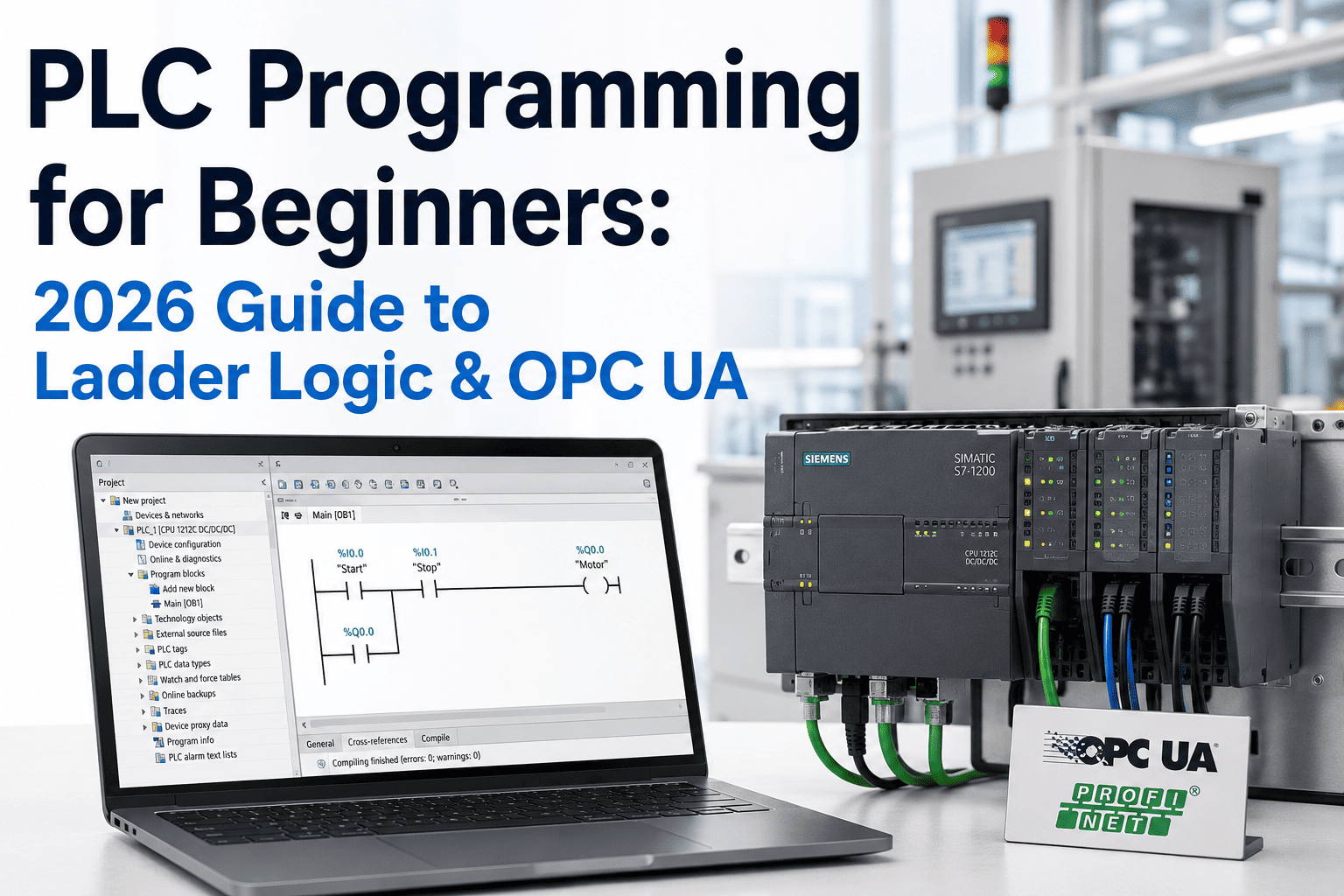
PLC Programming for Beginners: 2026 Guide to Ladder Logic & OPC UA

By Dave on May 8, 2026

plc-programming-beginners-guide

Every hour a legacy PLC system runs unintegrated, your competitors are extracting predictive intelligence your plant cannot see. The cost is not abstract: unplanned downtime in discrete manufacturing averages $260,000 per hour, and plants still relying on isolated ladder logic with no OPC UA bridge lose an estimated 8–14% of potential OEE annually. If your PLC infrastructure cannot speak to a digital twin or IIoT platform in 2026, you are not operating a smart factory — you are operating a data graveyard.

iFactory PLC/SCADA Integration

PLC Programming for Beginners: 2026 Guide to Ladder Logic & OPC UA

From first rung to full Industry 4.0 connectivity — the complete beginner's roadmap to PLC programming, modern protocols, and AI-powered plant integration
5
IEC 61131-3 standard PLC languages
OPC UA
Universal Industry 4.0 data standard
8–14%
OEE lost from isolated PLC systems
2026
Year smart PLC integration becomes table stakes

What Is a PLC and Why Does It Still Matter in 2026?

A Programmable Logic Controller (PLC) is a ruggedised industrial computer designed to automate electromechanical processes — controlling machinery, assembly lines, conveyors, and robotic systems in real time. First commercialised in the late 1960s to replace relay logic panels, PLCs have evolved dramatically. In 2026, a modern PLC is not just a logic executor; it is a data source, an edge computing node, and — when properly integrated — the foundation of a digital twin ecosystem.

The distinction that separates high-performing plants from stagnant ones is not whether they use PLCs. Every serious manufacturer does. The distinction is whether those PLCs are connected to systems that transform raw sensor signals into operational intelligence. iFactory's PLC/SCADA integration layer bridges that gap — ingesting data via OPC UA, MQTT, and REST APIs to feed AI-powered digital twin models in real time.

See how iFactory connects to your existing PLC infrastructure in under 4 weeks. Book a Demo

The Five IEC 61131-3 PLC Programming Languages Explained

The international standard IEC 61131-3 defines five programming languages for PLCs. Beginners typically start with Ladder Logic; advanced applications often combine multiple languages within the same project.

LD
Ladder Diagram
Graphical language modelled on relay logic schematics. Most widely used globally. Ideal for discrete I/O control and beginners transitioning from electrical engineering backgrounds.
Best for: Motor starters, conveyor control, simple interlock logic
ST
Structured Text
High-level language resembling Pascal or C. Supports loops, conditionals, and complex mathematical operations. Preferred for data processing, PID loops, and algorithm-heavy applications.
Best for: Recipe management, complex calculations, data formatting
FBD
Function Block Diagram
Graphical blocks connected by signal lines. Excellent for continuous process control and reusable function blocks. Engineers familiar with signal flow diagrams adapt quickly.
Best for: PID controllers, analog signal chains, process plants
IL
Instruction List
Low-level assembler-style language. Rarely used in new projects but critical for maintaining legacy Siemens STEP 5 and early Allen-Bradley programs still running in the field.
Best for: Legacy system maintenance, performance-critical routines
SFC
Sequential Function Chart
State-machine diagram for sequencing complex multi-step processes. Ideal for batch operations, machine startup sequences, and any process with clearly defined states and transitions.
Best for: Batch processing, machine startup sequences, filling lines

Ladder Logic Fundamentals: From Relay Logic to Digital Rungs

Ladder Logic derives its name from its visual structure — two vertical rails (representing power rails) connected by horizontal rungs. Each rung represents a logical expression that evaluates inputs and drives outputs. For beginners, the fastest conceptual entry point is to think of each rung as an IF-THEN statement executed in scan-cycle order.

Normally Open (NO) Contact
Passes power when the associated bit is TRUE (1). The most common contact type. Equivalent to a normally open relay contact closing when energised.
Normally Closed (NC) Contact
Passes power when the associated bit is FALSE (0). Inverts logic. Used for safety interlocks and stop conditions that must be true unless a fault exists.
( )
Output Coil
Energised when rung logic evaluates TRUE. Drives physical outputs (motors, solenoids, indicators) or sets internal memory bits used elsewhere in the program.
TON
Timer On-Delay (TON)
Accumulates time while rung is TRUE. Output energises after preset delay. The most commonly used timer in industrial control for dwell times and sequence delays.
CTU
Count Up (CTU)
Increments an accumulated value on each rising edge. Output bit sets when accumulated count reaches preset. Standard for part counting, batch tracking, and cycle counting.
MOV
Move Instruction
Copies a source value to a destination register. Foundation for data manipulation, setpoint updates, recipe loading, and any operation moving values between memory locations.

OPC UA: The Protocol That Makes Your PLC Investment Future-Proof

OPC Unified Architecture (OPC UA) is the cornerstone communications protocol of Industry 4.0. Unlike legacy OPC Classic (which was Windows-only and COM/DCOM dependent), OPC UA is platform-independent, secure by design, and capable of transmitting not just data values but also the metadata, context, and semantic structure that AI analytics platforms require.

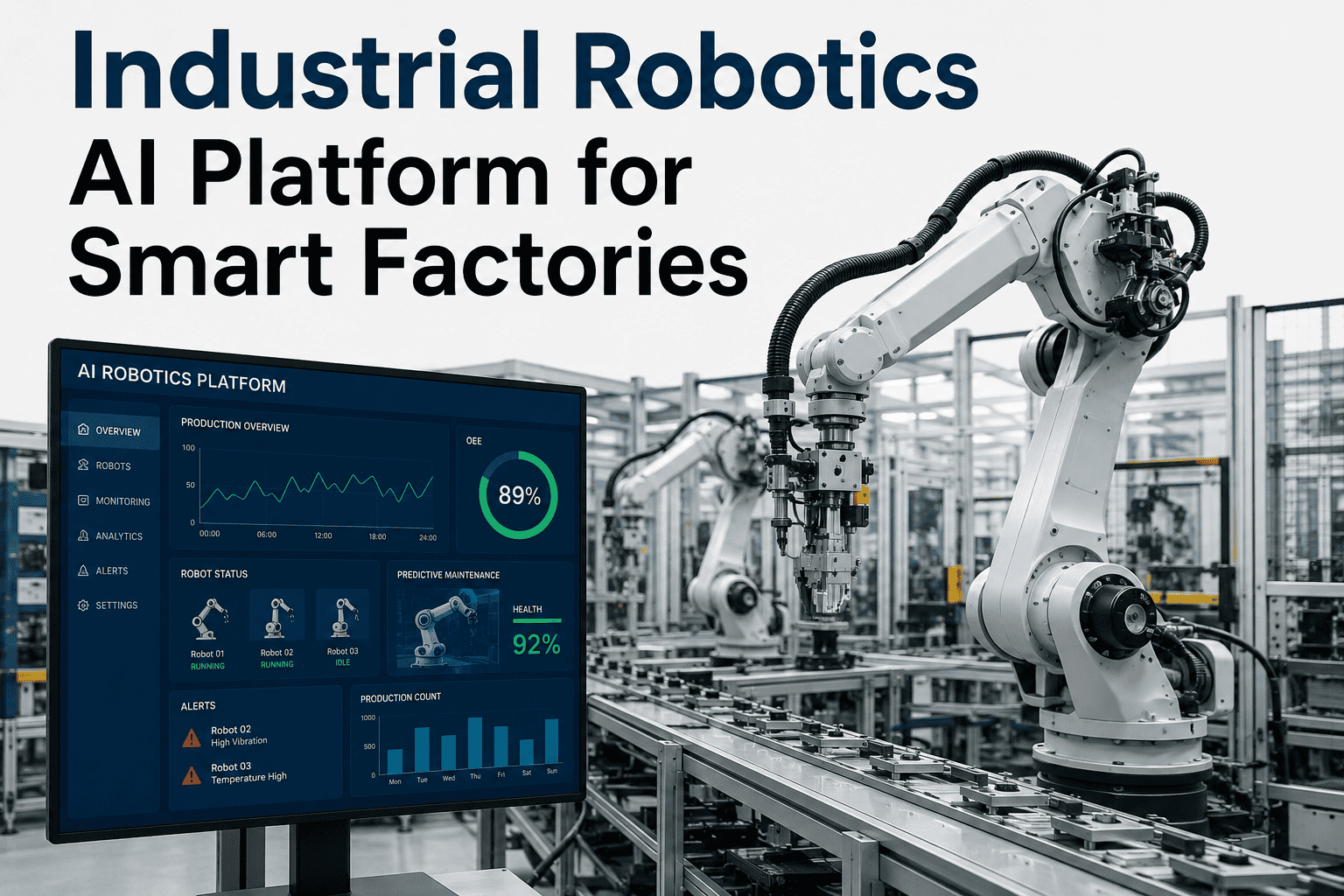
For manufacturers evaluating PLC programming in 2026, OPC UA is not optional. It is the bridge between your PLC scan cycle and every downstream system — SCADA, MES, ERP, and AI-powered digital twins like iFactory. A PLC that exposes an OPC UA server can be monitored, trended, and fed into predictive models without custom middleware or fragile point-to-point integrations.

Protocol Feature
Legacy OPC / Modbus
OPC UA / MQTT (2026)
Platform Dependency
Windows-only (COM/DCOM)
Cross-platform, OS-agnostic
Security Model
None (plaintext by default)
TLS encryption, certificate auth
Data Semantics
Raw values only
Values + units + context + metadata
Cloud / IIoT Ready
Requires custom gateway
Native cloud connectivity
AI Platform Integration
Manual data extraction
Real-time streaming to digital twin
Alarm & Event Handling
Polling-based, high latency
Subscription-based, sub-second

Legacy PLC Friction vs. iFactory-Connected Excellence

The table below maps the operational reality of an isolated PLC environment against the performance profile of a plant where PLCs feed real-time data into iFactory's AI digital twin platform. The gap is not theoretical — it is measurable in downtime hours, maintenance spend, and energy waste.

Legacy Friction — Isolated PLC
Optimised Excellence — iFactory Connected
Pain Maintenance teams react to failures after equipment stops
Gain AI predicts failures 14–21 days in advance with 90%+ accuracy
Pain PLC data trapped in SCADA historian, not accessible to analytics
Gain OPC UA streams live PLC data into digital twin models in real time
Pain Calendar-based PM schedules waste parts and technician time
Gain Condition-based maintenance triggered by actual asset health signals
Pain Energy consumption opaque — no correlation to production output
Gain Energy monitoring layer identifies waste correlated to PLC setpoints
Pain Compliance documentation assembled manually from multiple sources
Gain ISO 55000, OSHA, and ESG reports auto-generated from twin data

How iFactory Integrates With Your Existing PLC Infrastructure

The most common concern from plant engineers evaluating digital twin platforms is disruption risk. iFactory's integration architecture is specifically designed for non-disruptive deployment alongside existing SCADA, DCS, and CMMS systems. You do not replace anything — you add intelligence on top of what you have already built.

01
Connectivity Layer
  • OPC UA server connection to Siemens S7, Allen-Bradley, Beckhoff, Schneider, and Mitsubishi PLCs
  • MQTT broker integration for edge devices and modern IIoT sensors
  • REST API connectors to existing SCADA historians and ERP systems
  • No PLC reprogramming or production shutdown required for initial integration
02
Intelligence Layer
  • AI models learn normal operating envelopes from your PLC's actual run data
  • Anomaly detection alerts validated against your maintenance team's institutional knowledge
  • LSTM and gradient boosting models generate Remaining Useful Life projections per asset
  • What-if scenario simulations run on PLC setpoint changes before implementation
03
Action Layer
  • Auto-generated work orders feed directly into your existing CMMS
  • Natural language queries on asset health via generative AI assistant
  • Financial system integration for TCO calculations and replacement timing
  • Cross-facility benchmarking identifies performance gaps between identical assets
Ready to connect your PLCs to an AI-powered digital twin? Start with 12 sensors, not a 12-month plan. Book a Strategy Session

Top PLC Programming IDEs and Tools in 2026

Selecting the right development environment depends on your PLC hardware vendor, the programming languages your team uses, and whether the IDE supports modern connectivity features like OPC UA configuration and simulation environments.

Siemens TIA Portal
Siemens S7-1200 / S7-1500
LD, FBD, ST, IL, SFC
Industry standard for European manufacturing. Built-in OPC UA server configuration. Integrated PROFINET commissioning and diagnostic tools.
Studio 5000 Logix Designer
Allen-Bradley ControlLogix / CompactLogix
LD, ST, FBD, SFC
Dominant in North American discrete manufacturing. Add-On Instructions (AOIs) enable reusable, modular code. EtherNet/IP and OPC UA native support.
TwinCAT 3
Beckhoff PC-based PLCs
ST, LD, FBD, SFC, C++
PC-based soft PLC with real-time kernel. Supports C++ and MATLAB Simulink integration. Leading choice for motion control and high-speed applications.
EcoStruxure Machine Expert
Schneider Electric Modicon
LD, ST, FBD, IL, SFC
Full IEC 61131-3 compliance with built-in cybersecurity features. Strong in water treatment, energy, and building automation verticals.
GX Works3
Mitsubishi MELSEC iQ-R / iQ-F
LD, ST, FBD, SFC
Dominant in Japanese and Asian manufacturing operations. CC-Link IE TSN support for time-sensitive networking. Strong structured programming features.
CODESYS
Multi-vendor (250+ OEM partners)
LD, ST, FBD, IL, SFC
Hardware-independent runtime deployed by 250+ PLC manufacturers. Built-in OPC UA server, Modbus, EtherNet/IP. The open-source alternative to vendor-locked IDEs.

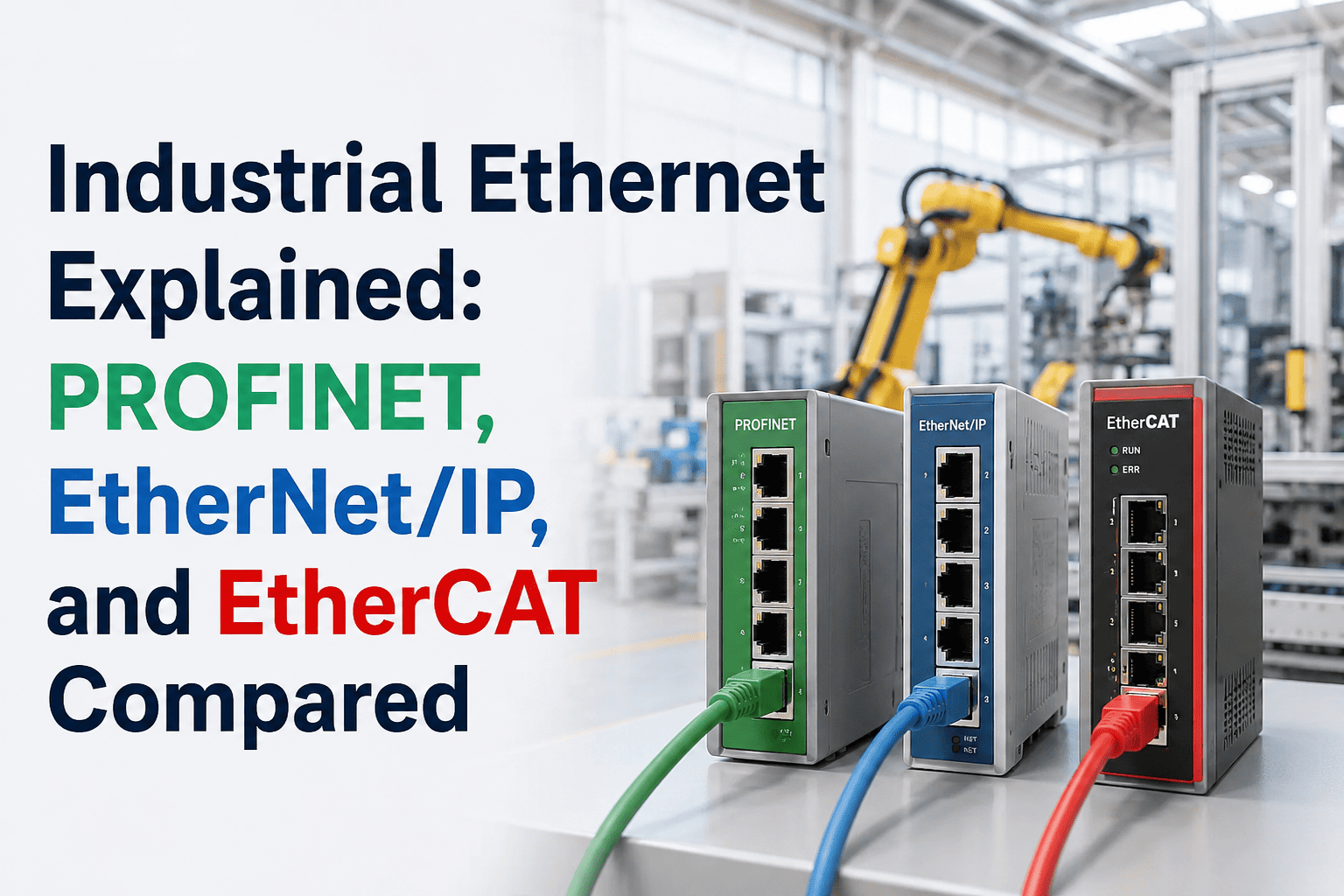
PROFINET vs EtherNet/IP: Choosing Your Industrial Network in 2026

Network selection is as consequential as PLC hardware selection. The two dominant Industrial Ethernet protocols — PROFINET (Siemens ecosystem) and EtherNet/IP (Rockwell/Allen-Bradley ecosystem) — both support real-time I/O, but differ significantly in their approach to isochronous motion control, topology flexibility, and integration with OPC UA gateways.

PROFINET
Siemens, Phoenix Contact, Pepperl+Fuchs
IRT mode achieves sub-1ms cycle times for precision motion
Line, ring, and star topology supported natively
GSDML device description files simplify commissioning
Strongest in European and automotive manufacturing
EtherNet/IP
Rockwell, Omron, Cognex, FANUC
Standard UDP/TCP — runs on commodity Ethernet switches
CIP protocol provides deterministic I/O and messaging
Massive device library via ODVA consortium
Dominant in North American discrete and food & beverage

Both PROFINET and EtherNet/IP integrate with iFactory via OPC UA gateways — Siemens S7 PLCs expose native OPC UA servers in TIA Portal, while Allen-Bradley ControlLogix systems connect via Kepware or FactoryTalk Linx as the OPC UA bridge. iFactory's integration team supports both pathways with pre-validated configurations for the most common hardware combinations.

The Business Case: What Integrated PLC Intelligence Returns

Plant engineers understand the technology. Executive sponsors need the financial narrative. The table below translates PLC/SCADA integration outcomes into the terms that unlock capital approval.
30–50%
Reduction in Unplanned Downtime
Predictive alerts from PLC condition data eliminate reactive breakdowns. At $260K/hour average downtime cost, preventing 3–4 incidents annually covers the entire platform investment.
25–40%
Drop in Maintenance Labour Cost
Condition-based maintenance eliminates unnecessary scheduled PMs. Technician time redirects from calendar-driven inspections to value-adding improvement activities.
8–15%
Energy Cost Reduction
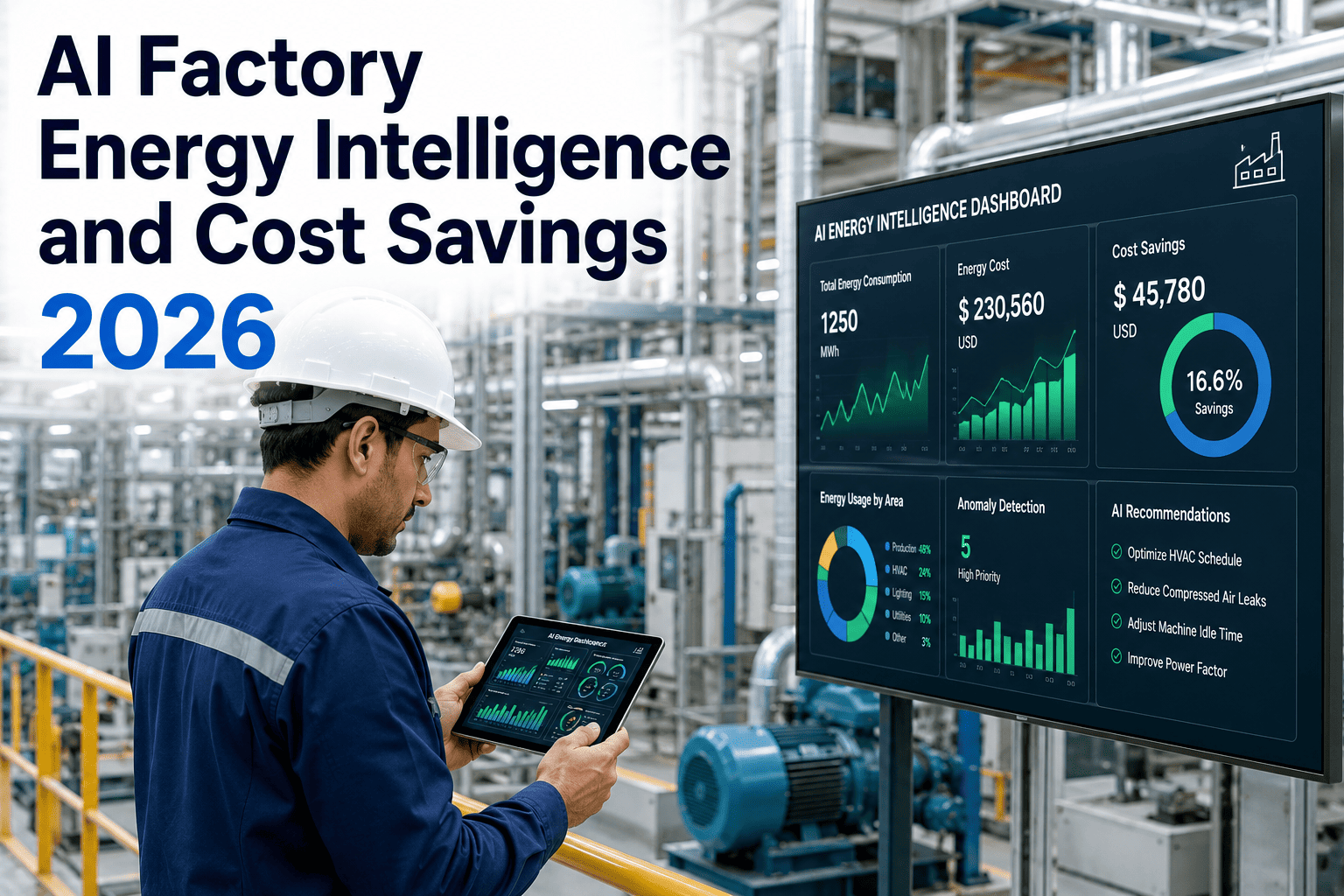
Correlating PLC setpoints with energy consumption reveals optimisation opportunities invisible to operators. Energy monitoring layer activates in Phase 3 of the iFactory roadmap.
iFactory PLC/SCADA Integration

Your PLCs Are Already Generating the Data. Start Using It.

iFactory connects to your existing Siemens, Allen-Bradley, Beckhoff, or Schneider PLCs via OPC UA in under 4 weeks — without reprogramming a single rung. First predictive alerts within 6 weeks. Full ROI within 12–18 months.
4 wk
To first OPC UA connection
6 wk
To first predictive alert
95%
Positive ROI rate
10–30x
Return on investment

Share This Story, Choose Your Platform!