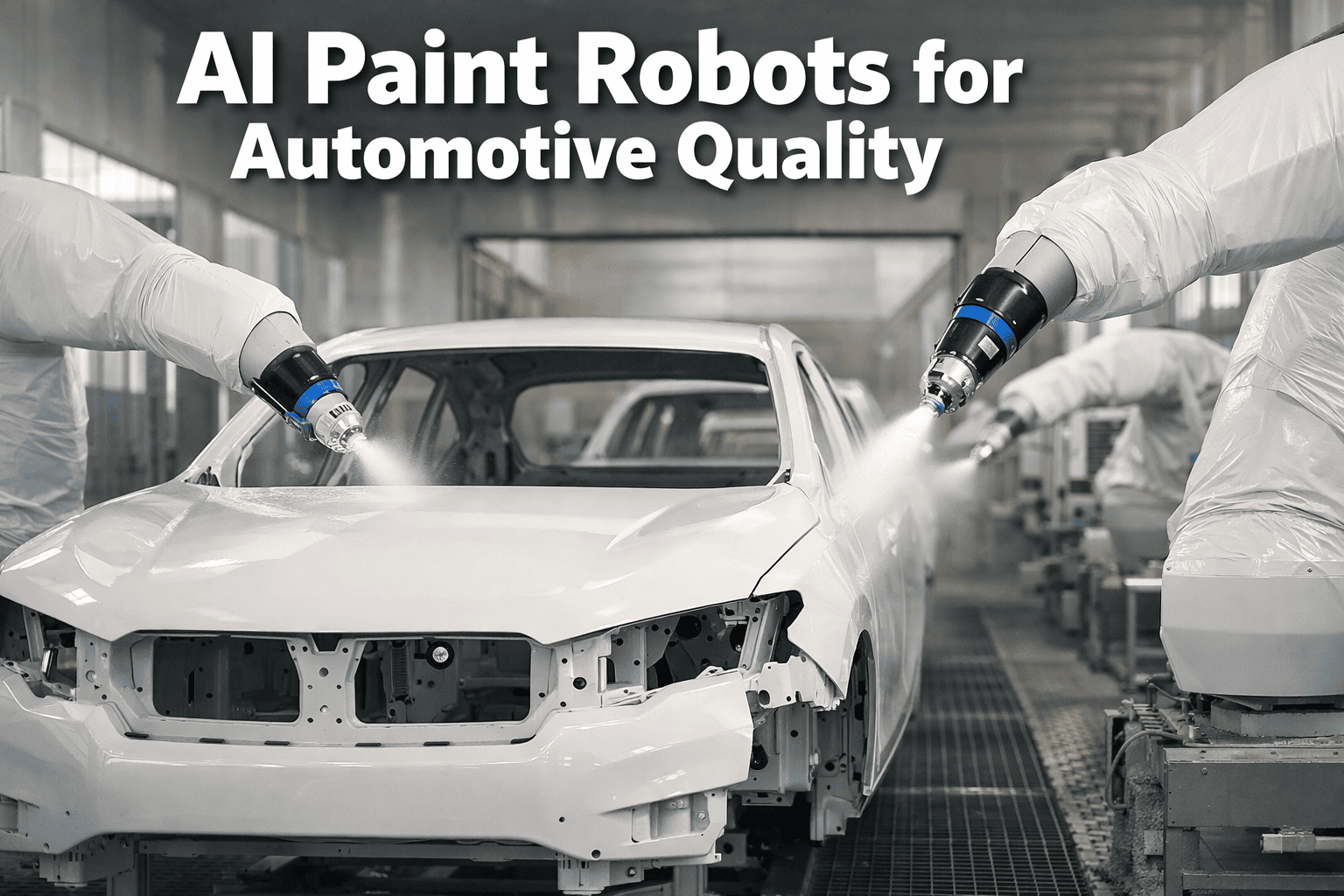
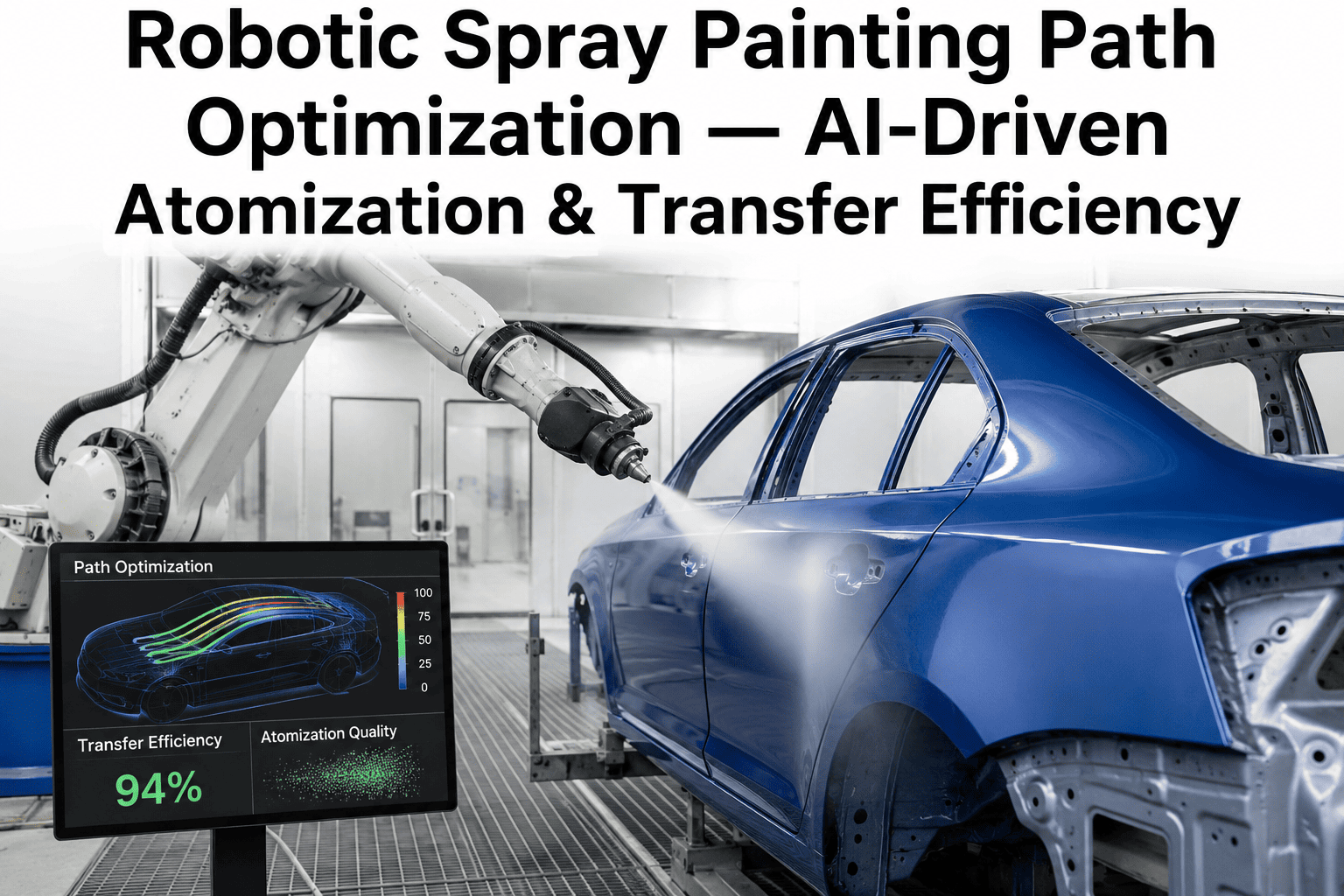
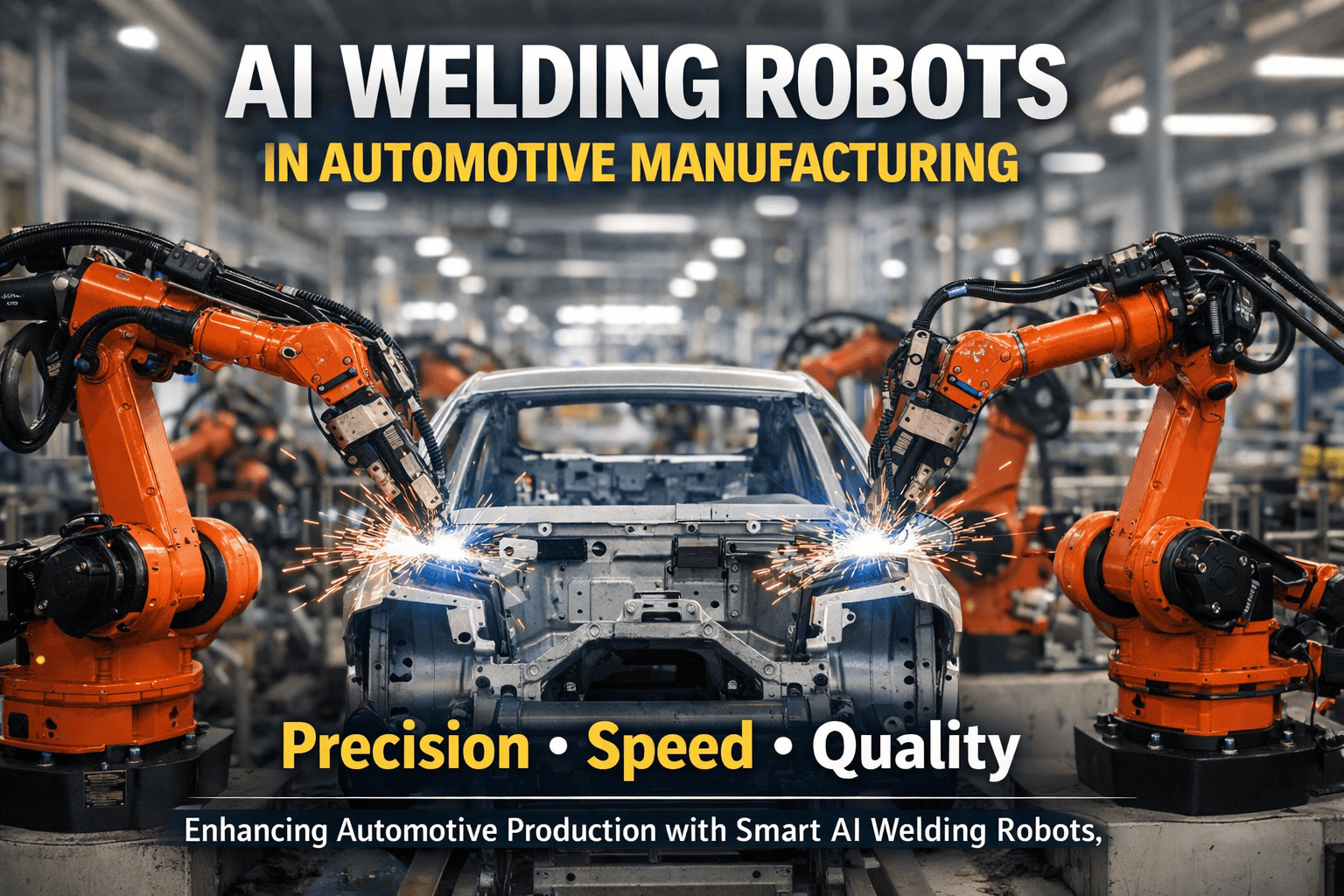
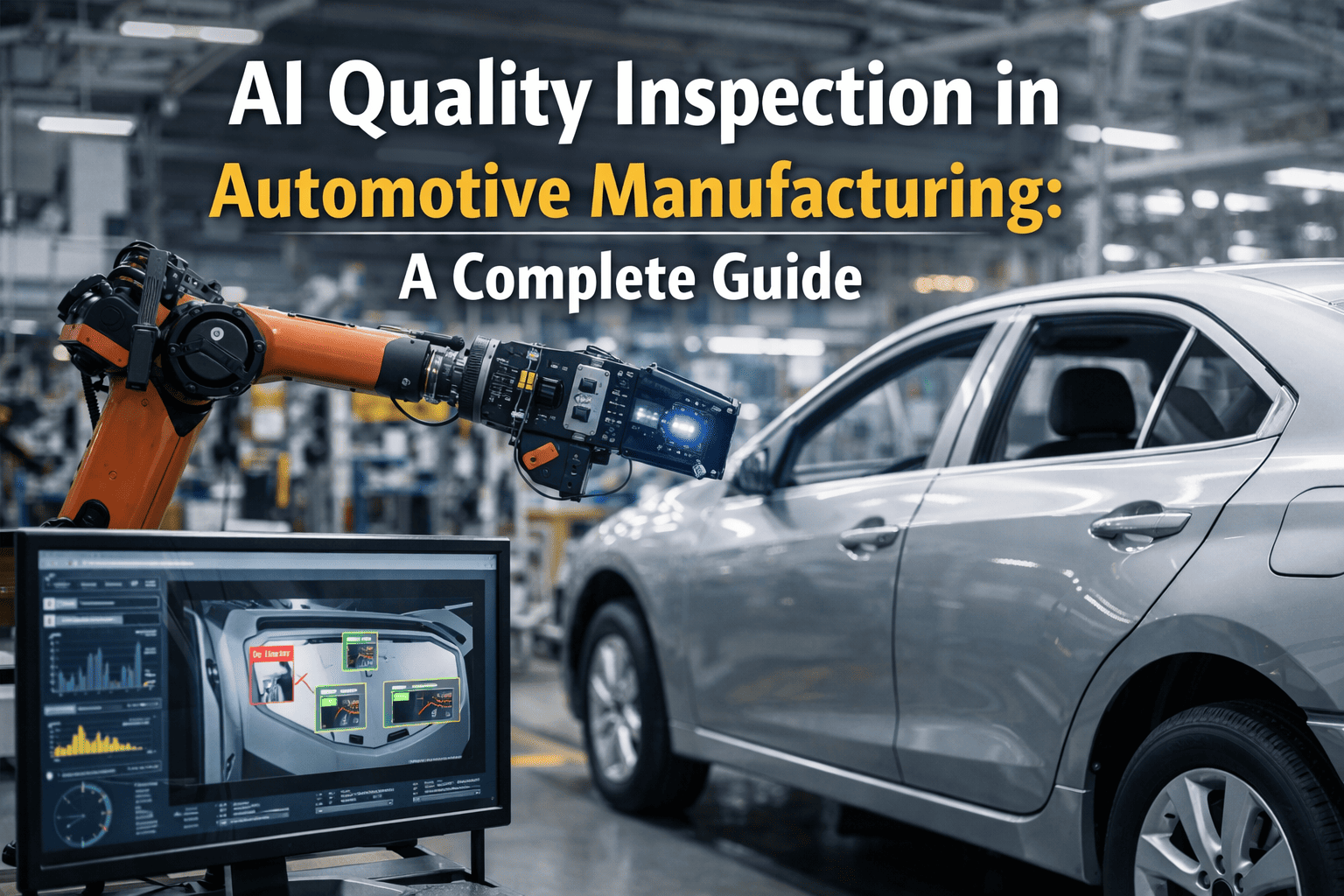
Automotive assembly lines lose an average of 14-22% of paint shop efficiency annually to undetected robot degradation, not from catastrophic failures, but from gradual, invisible performance drift that no manual inspection or legacy teach pendant monitoring catches in time. By the time paint quality issues are confirmed through visual inspection, customer PDI complaints, or warranty claims, the damage is already done: respray rework costing $840 per vehicle, color mismatch batches affecting 180+ units, clear coat orange peel defects requiring complete door panel refinishing, and unplanned robot downtime during peak production causing $22,000 per minute in line stoppages. iFactory's AI-powered paint robot monitoring platform changes this entirely, detecting mechanical and application anomalies in real time, classifying fault severity before surface defects occur, and integrating directly into your existing PLC, robot controllers, and MES systems without a rip-and-replace. Book a demo to see how iFactory deploys AI paint robot monitoring across your finishing line within 8 weeks.
98%
Paint defect detection before vehicles reach quality audit station
$3.4M
Average annual rework and warranty cost prevented per assembly plant
89%
Reduction in respray rework vs. post-application visual inspection
8 wks
Full deployment timeline from robot audit to live AI monitoring go-live
Every Undetected Paint Robot Fault Is Compounding Quality Risk. AI Stops It at the Source.
iFactory's AI engine monitors atomizer pressure, fluid flow rates, robot path accuracy, booth temperature, humidity patterns, and surface defect signatures across your entire paint line, 24/7, without operator fatigue or inspection blind spots.
How iFactory AI Solves Automotive Paint Robot Monitoring
Traditional paint quality control relies on end-of-line visual inspection, paint thickness gauges, and reactive troubleshooting, all of which respond after coating defects have already occurred. iFactory replaces this with a continuous AI model trained on automotive paint application data that detects the precursors to mechanical and quality failure, not the incidents themselves. See a live demo of iFactory detecting simulated atomizer clogging and robot path drift in a basecoat application booth.
01
Multi-Parameter Paint Fusion
iFactory ingests data from atomizer pressure sensors, fluid flow meters, robot position encoders, booth temperature and humidity monitors, electrostatic voltage readings, and vision system defect counts simultaneously, fusing multi-source signals into a single robot health score per unit, updated every 5 seconds.
02
AI Defect Classification
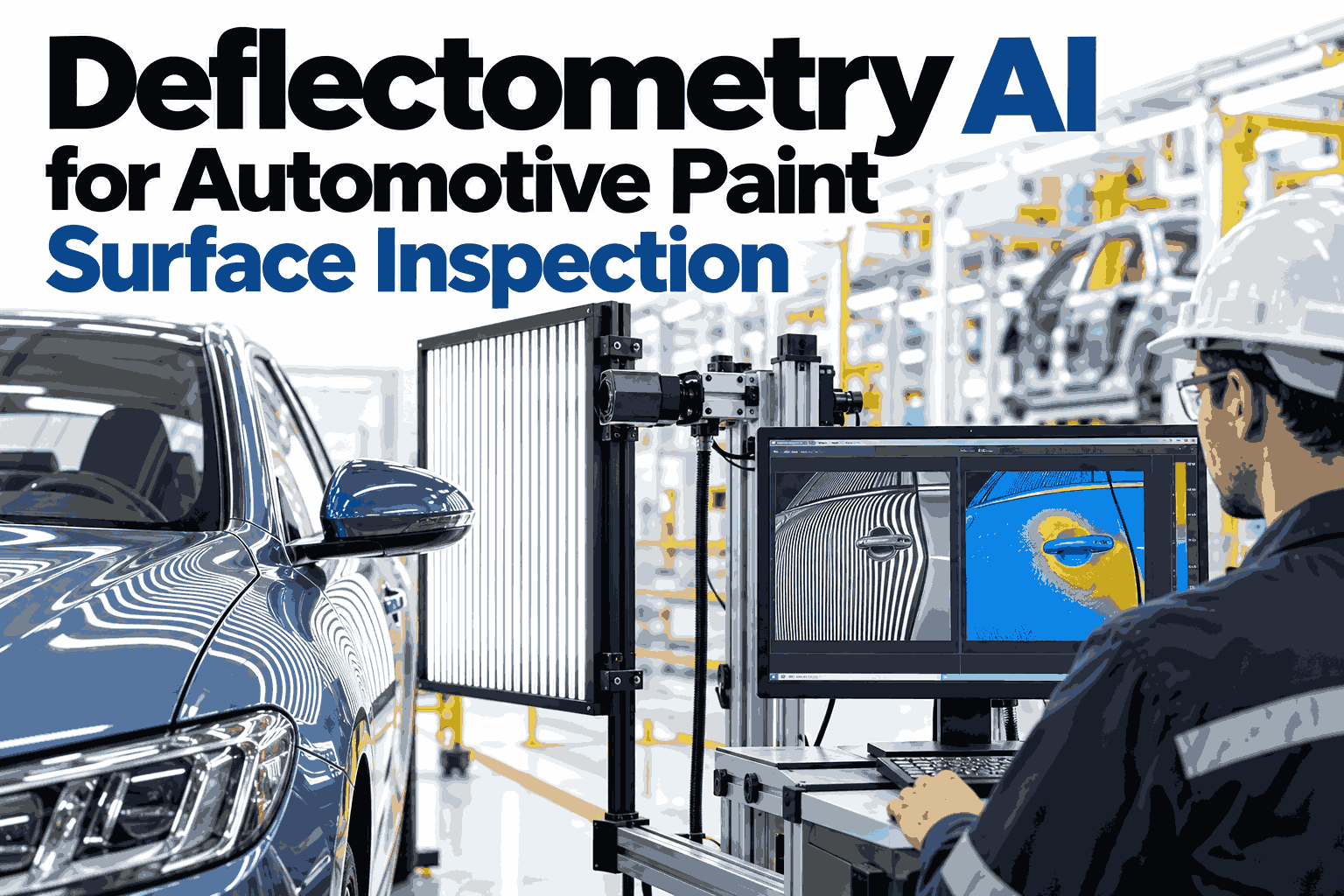
Proprietary ML models classify each anomaly as orange peel, runs and sags, dirt contamination, fisheyes, color mismatch, dry spray, or robot path deviation, with confidence scores attached. Paint shop teams receive graded alerts, not raw alarm floods. False positive rate drops to under 4%.
03
Predictive Robot Degradation Forecasting
iFactory's LSTM-based forecasting engine identifies paint robots trending toward critical performance loss 6-72 hours before coating defect threshold, giving maintenance teams time to intervene on schedule during planned changeovers, not emergency line stops costing $22,000 per minute.
04
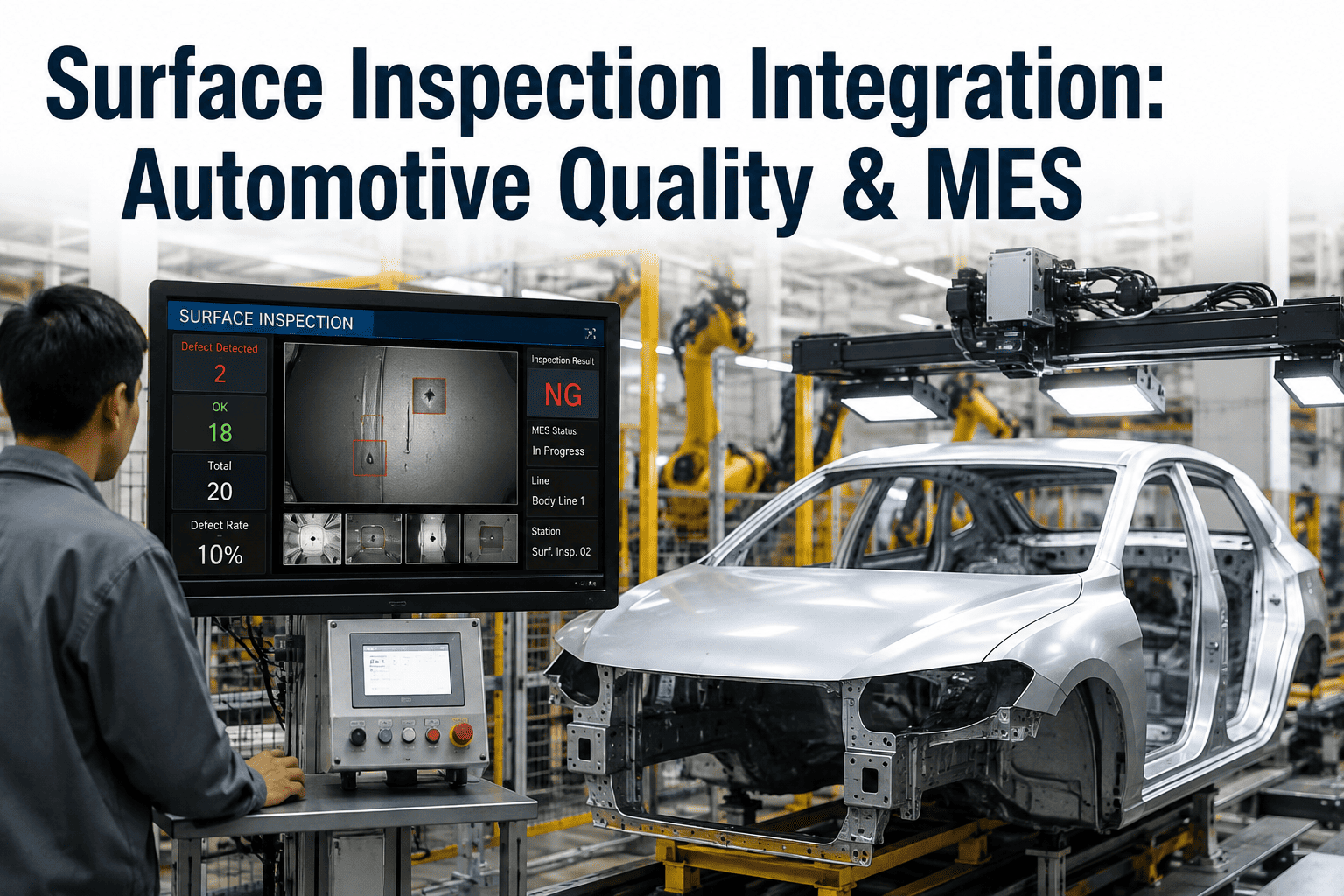
PLC, Robot Controller & MES Integration
iFactory connects to ABB, KUKA, Fanuc, Yaskawa robot controllers plus Siemens, Allen-Bradley, Mitsubishi PLCs and Delmia, Apriso, SAP MES environments via OPC-UA, Profinet, and REST APIs. No new hardware required in most deployments. Integration completed in under 2 weeks.
05
Automated Paint Quality Reporting
Every paint defect event, detected, classified, and mitigated, generates a structured quality report with timeline, sensor evidence, defect images, and recommended corrective action. Audit-ready for IATF 16949, ISO 9001, and OEM quality standards including VDA 6.3, AIAG, Q1.
06
Maintenance Decision Support
iFactory presents ranked action recommendations per alert: clean atomizer, recalibrate robot, replace nozzle, adjust booth conditions, with risk scores and estimated quality impact per hour of delay. Teams act on evidence, not calendar-based PM schedules.
How iFactory Is Different from Other AI Paint Monitoring Vendors
Most industrial AI vendors deliver a generic anomaly detection model trained on public datasets and wrapped in a dashboard. iFactory is built differently, from the sensor layer up, specifically for automotive paint environments where fluid dynamics, robot mechanics, booth conditions, and coating chemistry determine what performance degradation actually means. Talk to our paint AI specialists and compare your current monitoring approach directly.
| Capability |
Generic AI Vendors |
iFactory Platform |
| Model Training |
Generic industrial datasets. No paint-specific defect mode training. High false positive rate on color and texture variations. |
Models pre-trained on 12 automotive paint defect modes (orange peel, runs, sags, dirt, fisheyes, color mismatch, dry spray, overspray, solvent pop, cratering, mottling, streaking). Paint-specific fine-tuning in weeks, not months. |
| Sensor Coverage |
Single-parameter robot position monitoring. No multi-source signal fusion across paint application parameters. |
Fuses atomizer pressure, fluid flow, robot position, booth temperature/humidity, electrostatic voltage, vision defect signatures into unified health scores per robot and per vehicle. |
| Alert Quality |
Binary threshold alarms. High false positive volumes that paint shop teams learn to ignore within weeks of deployment. |
Graded alert tiers with confidence scores. False positive rate under 4%. Alert fatigue eliminated. Teams trust and act on every notification. |
| System Integration |
Requires middleware, API development, or full robot controller replacement. Integration timelines of 6-12 months with production disruption. |
Native OPC-UA, Profinet connectors for ABB, KUKA, Fanuc, Yaskawa robots and major PLC vendors. Integration complete in under 2 weeks with zero line downtime. |
| Compliance Output |
Raw data exports only. No structured quality documentation for IATF 16949 or OEM audits. |
Auto-generated quality reports formatted for IATF 16949, ISO 9001, VDA 6.3, AIAG PPAP, Q1, and customer-specific quality systems. |
| Deployment Timeline |
6-18 months to full production deployment. High professional services cost. No fixed go-live date or ROI guarantee. |
8-week fixed deployment program. Pilot results in week 4. Full production monitoring by week 8. ROI evidence from week 4 onwards. |
iFactory AI Implementation Roadmap
iFactory follows a fixed 6-stage deployment methodology designed specifically for automotive paint robot monitoring, delivering pilot results in week 4 and full production monitoring by week 8. No open-ended implementations. No scope creep.
01
Paint Line Audit
Critical robot assessment & sensor mapping across booths
02
System Integration
PLC/robot controller connection via OPC-UA, Profinet
03
Model Baseline
AI training on historical paint quality & robot data
04
Pilot Validation
Live monitoring on 2-3 highest-risk paint robots
05
Alert Calibration
Threshold refinement & paint shop team training
06
Full Production
Plant-wide AI paint robot monitoring go-live, 24/7
8-Week Deployment and ROI Plan
Every iFactory engagement follows a structured 8-week program with defined deliverables per week, and measurable ROI indicators beginning from week 4 of deployment. Request the full 8-week deployment scope document tailored to your paint shop configuration.
Weeks 1-2
Infrastructure Setup
Critical paint robot audit and sensor gap identification across all application booths (primer, basecoat, clearcoat)
PLC, robot controller, and MES system connection via OPC-UA, Profinet, no hardware replacement needed
Historical paint quality and robot position data ingestion for baseline model training
Weeks 3-4
Model Training and Pilot
AI model trained on your plant's specific paint types, robot brands, booth configurations, and defect history
Pilot monitoring activated on 2-3 highest-defect-risk robots in basecoat or clearcoat application
First paint anomalies detected, ROI evidence begins here with prevented rework
Weeks 5-6
Calibration and Expansion
Alert thresholds refined based on pilot false positive and detection rate data from actual production
Coverage expanded to full paint shop robot inventory across all booths and coating stages
Paint shop and maintenance team training completed, alert response protocols activated
Weeks 7-8
Full Production Go-Live
Full plant AI paint robot monitoring live, all robots, all defect modes, all shifts, 24/7 coverage
IATF 16949 compliance reporting activated for applicable quality frameworks and OEM requirements
ROI baseline report delivered with paint quality improvement, rework reduction, maintenance optimization data
ROI IN 6 WEEKS: MEASURABLE RESULTS FROM WEEK 4
Plants completing the 8-week program report an average of $285,000 in avoided respray rework and emergency robot repairs within the first 6 weeks of full production monitoring, with paint quality first-pass-yield improvements of 6.8-11.2% detected by week 4 pilot validation.
$285K
Avg. savings in first 6 weeks
6.8-11.2%
First-pass-yield gain by week 4
89%
Reduction in respray rework events
Full AI Paint Robot Monitoring. Live in 8 Weeks. ROI Evidence in Week 4.
iFactory's fixed-scope deployment program means no open timelines, no scope creep, and no months of professional services before you see a single result.
Use Cases and KPI Results from Live Deployments
These outcomes are drawn from iFactory deployments at operating automotive assembly plants across three paint application categories. Each use case reflects 6-month post-deployment performance data. Request the full case study report for the paint defect type most relevant to your plant.
A Tier 1 assembly plant producing 420 vehicles per day was experiencing recurring orange peel defects in clearcoat application, averaging 18-24 vehicles per week requiring door panel or hood respray at $840 per vehicle. Legacy visual inspection identified orange peel only after complete paint cure, 6 hours post-application, when rework required full panel strip and recoat. iFactory deployed multi-parameter robot monitoring across all 6 clearcoat application robots, with atomizer pressure analysis, booth humidity correlation, and robot path accuracy tracking trained on paint mechanics and surface finish dynamics. Within 4 weeks of go-live, the AI detected 11 early-stage atomizer degradation events at the precursor phase, before any measurable surface texture deviation.
11
Pre-defect robot anomalies detected in first 4 weeks
$680K
Estimated annual respray rework cost prevented
94%
Detection accuracy on early-stage orange peel events
A premium automotive manufacturer operating complex metallic and pearl effect basecoat application was generating 8-12 color mismatch batches per month affecting 60-140 vehicles per incident, requiring complete vehicle repaint at factory cost of $2,400 per unit plus delivery delays impacting customer satisfaction scores. Legacy color measurement systems identified mismatch only after batch completion. iFactory replaced reactive measurement with predictive atomizer flow monitoring and fluid pressure correlation, reducing actionable alerts to under 3 per week while increasing actual color deviation catch rate from 52% to 96%. Batch rejection incidents dropped from 10 per month average to under 1.2 per month.
96%
Color deviation catch rate, up from 52% with legacy measurement
88%
Reduction in monthly color mismatch batch incidents
$1.9M
Annual repaint and delay cost eliminated
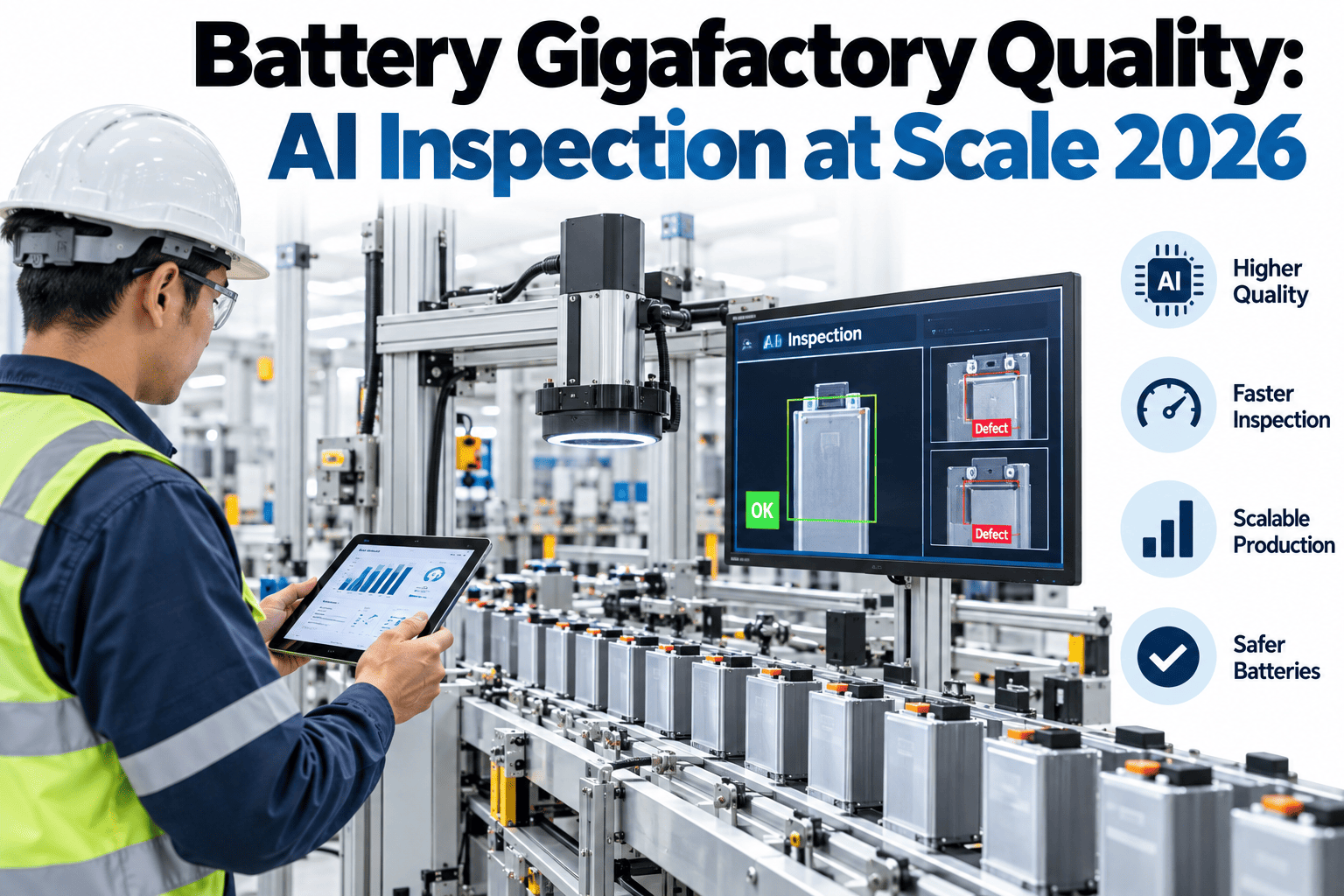
An EV battery pack assembly facility was losing an average of $520K annually in coating defects traced to 3-5 small but persistent robot path drift events that rotated across an 8-robot thermal coating line. Manual teach pendant verification identified path deviation only after visible overspray, typically 80-120 battery packs after onset. iFactory's robot encoder monitoring and position correlation models identified all 4 active drift patterns within 48 hours of go-live, enabling targeted robot recalibration without production interruption.
$520K
Annual coating defect cost eliminated
48hrs
Time to identify all 4 active robot path drift patterns from go-live
$1.1M
Annual quality and uptime value from proactive calibration
Results Like These Are Standard. Not Exceptional.
Every iFactory deployment is scoped to your specific plant configuration, robot types, paint chemistry, and defect history, so you get results calibrated to your process, not a generic benchmark.
What Automotive Paint Shop Teams Say About iFactory
The following testimonials are from paint shop managers and quality directors at automotive assembly facilities currently running iFactory's AI paint robot monitoring platform.
We reduced clearcoat orange peel defects by 73% without replacing a single robot. iFactory tells us exactly which atomizer needs attention, what's degrading, and when to act. Our first-pass-yield has never been this consistent.
Paint Shop Manager
Tier 1 OEM Assembly Plant, USA
The false positive problem was causing alert fatigue. Within six weeks of iFactory going live, our team was acting on every alert because they trusted the prioritization. That behavioral shift alone saved us four major color mismatch batches.
Director of Quality
Luxury Vehicle Assembly, Germany
Integration with our ABB robots and Siemens PLC took 9 days end-to-end. I was expecting months based on past vendor experience. The iFactory team understood both the robot mechanics and the protocol layer. Technical depth is genuinely different here.
Head of Manufacturing Engineering
EV Assembly Plant, South Korea
We prevented a critical robot failure in month two. The iFactory system flagged accelerating atomizer pressure drift 18 hours before it would have reached our intervention threshold. Our team scheduled targeted maintenance during model changeover, not an emergency line stop. That outcome alone justified the investment.
Plant Maintenance Manager
Automotive Assembly Facility, Mexico
Frequently Asked Questions
Does iFactory require new sensors or hardware to be installed in our paint booths?
In most deployments, iFactory connects to existing paint robot monitoring infrastructure via PLC, robot controller, or MES system integration, no new hardware required. Where sensor gaps are identified during the Week 1-2 audit, iFactory recommends targeted additions only (typically 2-4 sensors per booth), not a full instrumentation overhaul. Integration is complete within 2 weeks in standard automotive environments.
Book a demo to discuss your specific paint line configuration.
Which paint robot brands and PLC systems does iFactory integrate with?
iFactory integrates natively with ABB, KUKA, Fanuc, Yaskawa, Durr paint robots via OPC-UA and native protocols. For PLCs, iFactory connects to Siemens S7/TIA Portal, Allen-Bradley ControlLogix, Mitsubishi iQ-R, Schneider Modicon. For MES, iFactory supports Delmia, Apriso, SAP MES, and custom systems via REST APIs. Custom integration support is available for legacy systems. Integration scope is confirmed during the Week 1 paint line audit.
How does iFactory handle different paint types (waterborne, solvent, powder coating)?
iFactory trains separate sub-models per paint chemistry type, accounting for viscosity, cure time, atomization behavior, and defect mode differences between waterborne basecoat, solvent-based coatings, clearcoat, primer, and powder coating applications. Multi-chemistry paint shops are fully supported within a single deployment. Paint-specific detection parameters are configured during the Week 3-4 model training phase.
What compliance frameworks does iFactory's paint quality reporting support?
iFactory auto-generates structured quality reports formatted for IATF 16949, ISO 9001, VDA 6.3, AIAG PPAP, Q1 (Ford), and customer-specific quality management systems. Report templates are pre-configured for each framework and generated automatically at defect event close, no manual documentation required. All reports include sensor evidence, defect images, timeline data, and corrective actions for audit trails.
How long does it take before the AI model produces reliable paint defect detections?
Baseline model training on historical paint quality and robot position data typically takes 5-7 days using 60-90 days of plant operating history. First live detections are validated during the Week 3-4 pilot phase on 2-3 robots. Full model calibration with false positive rate under 4% is achieved within 6 weeks of deployment for standard automotive paint environments.
Can iFactory detect defects in special effect paints (metallic, pearl, matte finishes)?
Yes. iFactory uses multi-source signal fusion, combining atomizer pressure, fluid flow rates, robot position accuracy, booth temperature/humidity, electrostatic voltage, and vision system defect signatures, to detect degradation across all paint types including complex metallic, pearl effect, tri-coat, and matte finishes. Special effect paint monitoring is fully supported provided quality inspection points exist. Coverage scope is confirmed during the Week 1 paint line audit.
Stop Losing Paint Quality. Stop Risking Warranty Claims. Deploy AI Robot Monitoring in 8 Weeks.
iFactory gives automotive paint shop teams real-time AI robot monitoring, multi-parameter signal fusion, automated IATF quality reporting, and maintenance decision support, fully integrated with your existing PLC, robot controllers, and MES systems in 8 weeks, with ROI evidence starting in week 4.
98% defect detection before quality audit station
PLC, robot controller & MES integration in under 2 weeks
Graded alerts with under 4% false positive rate
Auto-generated IATF 16949 quality reports