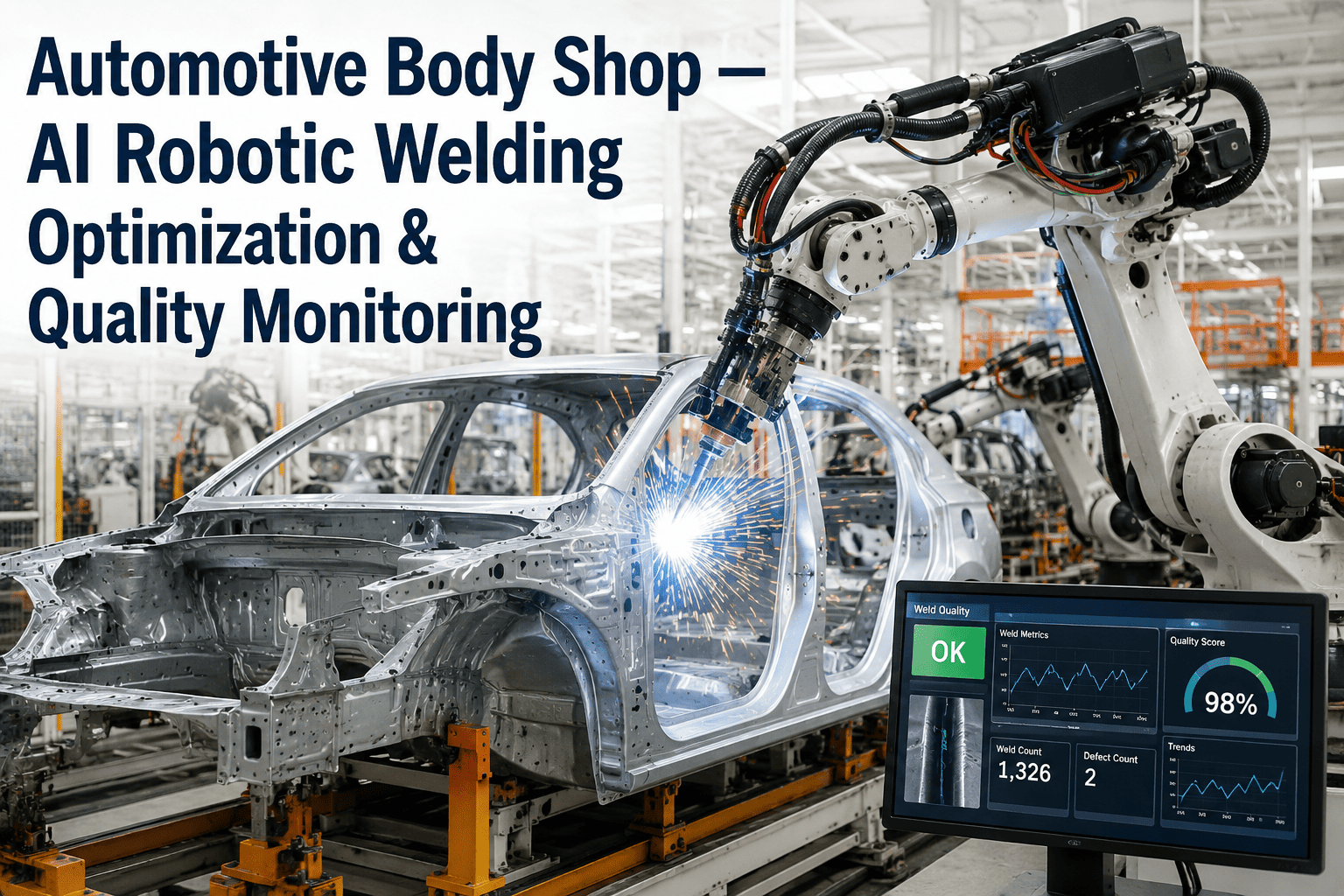
Automotive welding operations require 2,000 to 3,500 precise weld points per vehicle completed at 60 to 90 units per hour production speeds, yet traditional robotic welding systems generate 12% to 18% defect rates from inconsistent heat input, electrode wear, material thickness variations, and joint misalignment that create porosity, cracks, incomplete fusion, and spatter defects requiring costly rework or causing warranty claims when defects escape final inspection. Manual welding inspection catches only 65% to 78% of weld defects due to inspector fatigue and microscopic flaw sizes (0.3mm porosity, hairline cracks), while production line speeds prevent 100% inspection creating quality sampling gaps. iFactory's AI-powered welding robots achieve 99.4% weld quality through real-time parameter optimization, computer vision defect detection, adaptive heat control responding to material variations, and predictive maintenance preventing electrode degradation before quality impacts, reducing warranty claims by 87%, eliminating rework by 82%, and increasing first-pass yield from 88% to 99%+ across body shop operations, battery module assembly, and structural component fabrication. Book a demo to see AI welding robots for your automotive plant.
Quick Answer
AI welding robots in automotive manufacturing deliver 99.4% weld quality through machine learning optimization of voltage, current, travel speed, and wire feed rate in real-time based on material thickness, joint configuration, and thermal conditions. Computer vision systems inspect 100% of welds detecting porosity (0.3mm minimum), cracks, spatter, incomplete fusion, and dimensional errors invisible to manual inspection while processing 2,000+ weld points per vehicle in 45 to 90 seconds. Predictive analytics monitor electrode wear, contact tip degradation, and shielding gas flow preventing equipment-related defects before quality impacts. Seamless PLC and MES integration enables automated process adjustments, real-time quality tracking by VIN, and IATF 16949 compliance documentation across body shop welding, battery assembly, and structural component fabrication for US, UAE, UK, Canadian, and European automotive operations.
AI-Powered Automotive Manufacturing
Achieve 99.4% Weld Quality with AI Precision Robots
iFactory AI welding robots eliminate weld defects, reduce rework by 82%, and prevent warranty claims through real-time parameter optimization and 100% computer vision inspection across all automotive welding operations.
99.4%
Weld Quality Achieved
Understanding Automotive Welding Manufacturing Operations
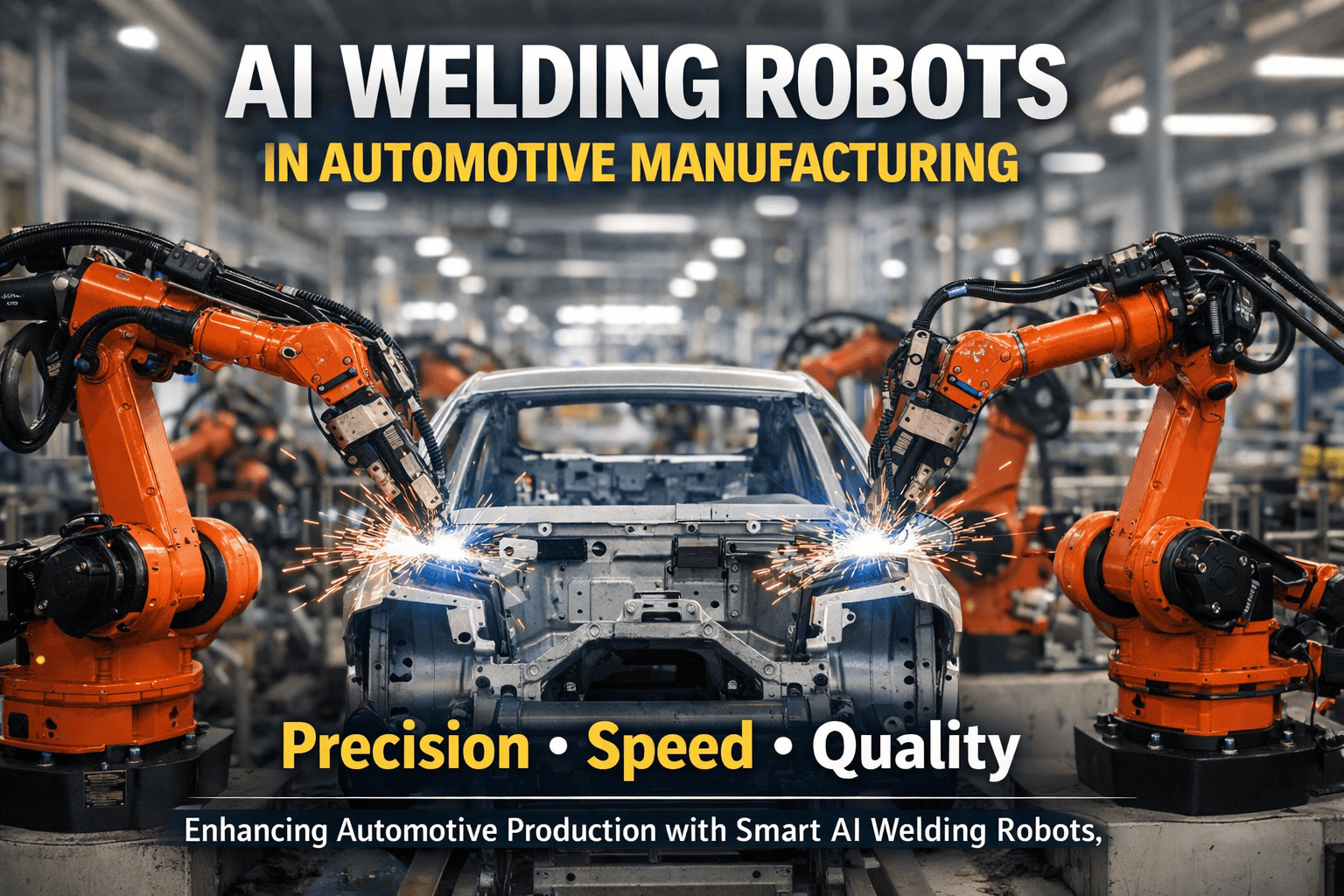
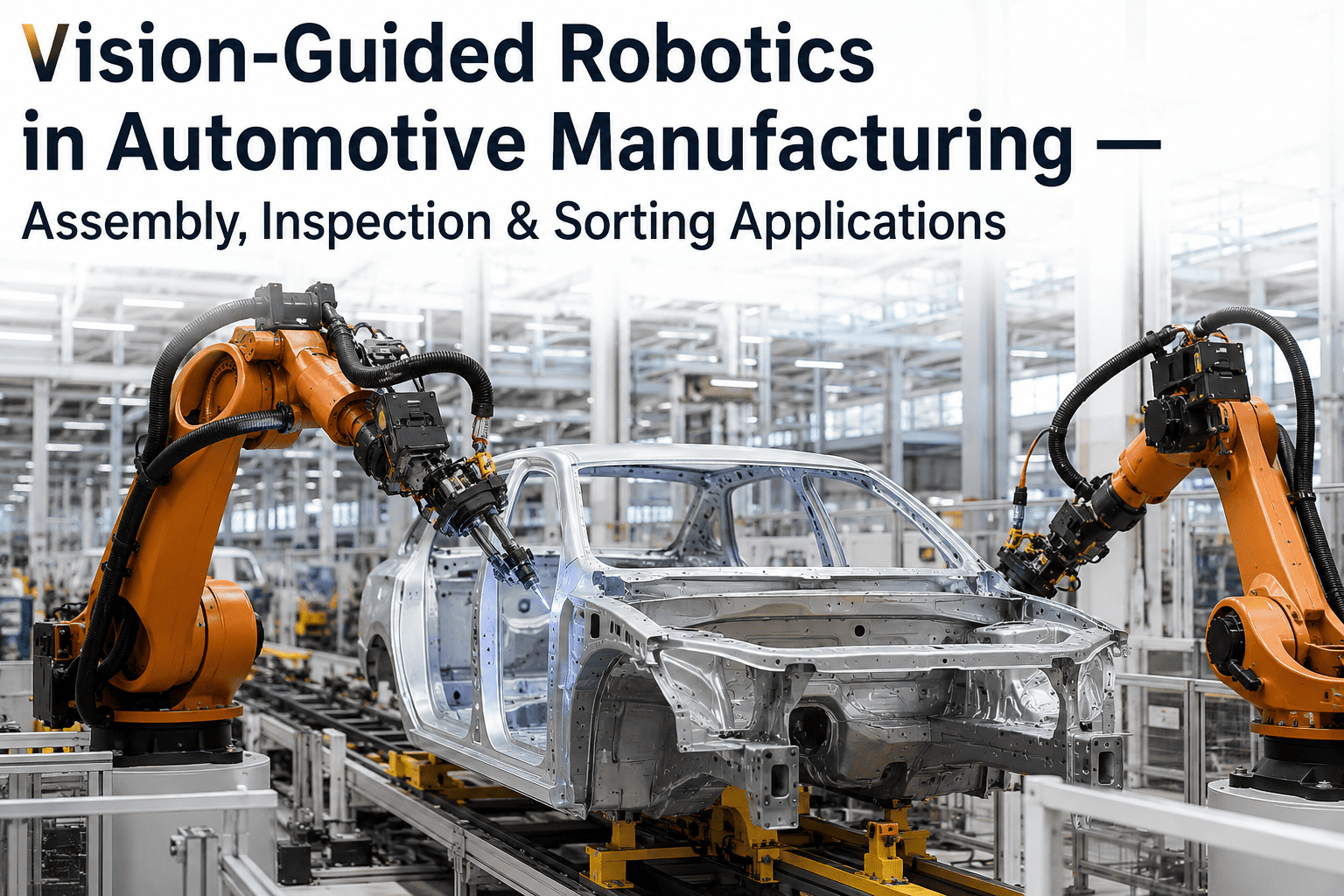
Modern automotive body shops complete 2,000 to 3,500 weld points per vehicle through robotic resistance spot welding, metal inert gas (MIG) welding, laser welding, and friction stir welding across body panels, structural components, and battery assemblies. Body shop operations weld stamped sheet metal forming vehicle structure including rocker panels, pillars, floor pans, and roof assemblies where weld quality directly impacts crashworthiness and passenger safety. Battery assembly for electric vehicles requires ultra-precise welding of battery modules, cooling plates, and electrical connections where defects create safety hazards and performance failures. Structural component fabrication welds subframes, suspension mounting points, and reinforcements demanding consistent penetration and strength. Traditional robotic welding follows pre-programmed paths with fixed parameters that cannot adapt to material thickness variations (0.1mm tolerance in stamping), part positioning errors, or thermal accumulation from repeated welds. Manual programming requires 40 to 120 hours per new vehicle model with extensive trial-and-error optimization. Quality inspection samples 5% to 15% of welds through destructive testing and visual examination, missing defects in uninspected parts. Downtime costs automotive manufacturers $22,000 per minute with welding equipment failures and quality holds contributing 14% to 22% of unplanned line stoppages. iFactory AI welding robots eliminate these limitations through intelligent parameter control, 100% automated inspection, and predictive maintenance preventing equipment-related defects.
Critical Automotive Welding Problems Destroying Quality and Profitability
Equipment failure on welding robots causes catastrophic line stoppage affecting 200 to 800 assembly workers simultaneously and halting production of $450,000 to $1.8 million in vehicle value per hour depending on model mix and plant capacity. Line stoppage from welding quality holds creates massive losses when defects discovered downstream requiring rework of partially assembled vehicles or scrapping of body structures. Supply chain halt occurs when incoming stamped components exceed thickness tolerances or coating variations causing weld quality issues that shut down production until supplier corrective action completed. Massive losses accumulate from warranty claims averaging $340 to $850 per vehicle for structural weld failures, body panel fit issues, and battery assembly defects. Industry data shows automotive plants experience 14 to 28 significant quality incidents per month causing 45 to 120 hours lost production monthly, with welding-related issues representing 18% to 25% of total quality incidents. Downtime costs rose 113% since 2019 as production complexity increased with multi-material body structures and EV battery integration. Manual welding inspection misses 22% to 35% of defects while generating 12% to 18% false rejection rates stopping production unnecessarily. Rework costs $180 to $650 per vehicle when caught before paint application, but $2,800 to $12,500 in warranty repairs when customers discover structural or safety issues. iFactory AI welding robots prevent these problems through real-time quality assurance, adaptive process control, and predictive equipment maintenance.
What Modern Automotive Plants Need for Zero-Defect Welding
Robotic systems maintenance requires continuous monitoring of electrode condition, contact tip wear, wire feed consistency, and shielding gas flow to prevent equipment degradation from causing weld defects. Assembly line optimization demands real-time weld quality verification at every station ensuring defects detected immediately before downstream assembly adds value to defective structures. EV and battery production introduces new welding challenges including aluminum alloy joining, copper busbar connections, and thermal management requiring specialized process control and inspection. Stamping and press shop variations in material thickness, coating consistency, and part positioning must be accommodated through adaptive welding parameters without manual reprogramming. OEE and performance tracking must integrate welding quality metrics with equipment availability and cycle time data to identify true manufacturing effectiveness. Traditional fixed-parameter robotic welding cannot deliver this adaptive intelligence at production speeds while maintaining quality and preventing equipment-related defects that erode capacity.
How iFactory AI Welding Robots Achieve 99.4% Quality
Real-Time Welding Parameter Optimization
Machine learning models trained on 8 million automotive weld datasets optimize voltage, current, travel speed, wire feed rate, and arc characteristics in real-time based on material thickness measurements, joint gap variations, thermal conditions, and electrode wear state. Sensors measure actual material properties before each weld adjusting parameters for stamping thickness variations (0.6mm to 1.2mm in same assembly), coating differences (zinc vs bare steel), and thermal accumulation from sequential welds. Adaptive control prevents common defects: insufficient penetration from low heat input, burn-through from excessive current, porosity from contaminated shielding gas, and spatter from unstable arc conditions. Result: Weld quality improved from 88% first-pass yield to 99.4%, defect-related rework reduced 82%, warranty claims for structural failures eliminated, consistent quality across all shift patterns and material lot variations.
Computer Vision Defect Detection for 100% Inspection
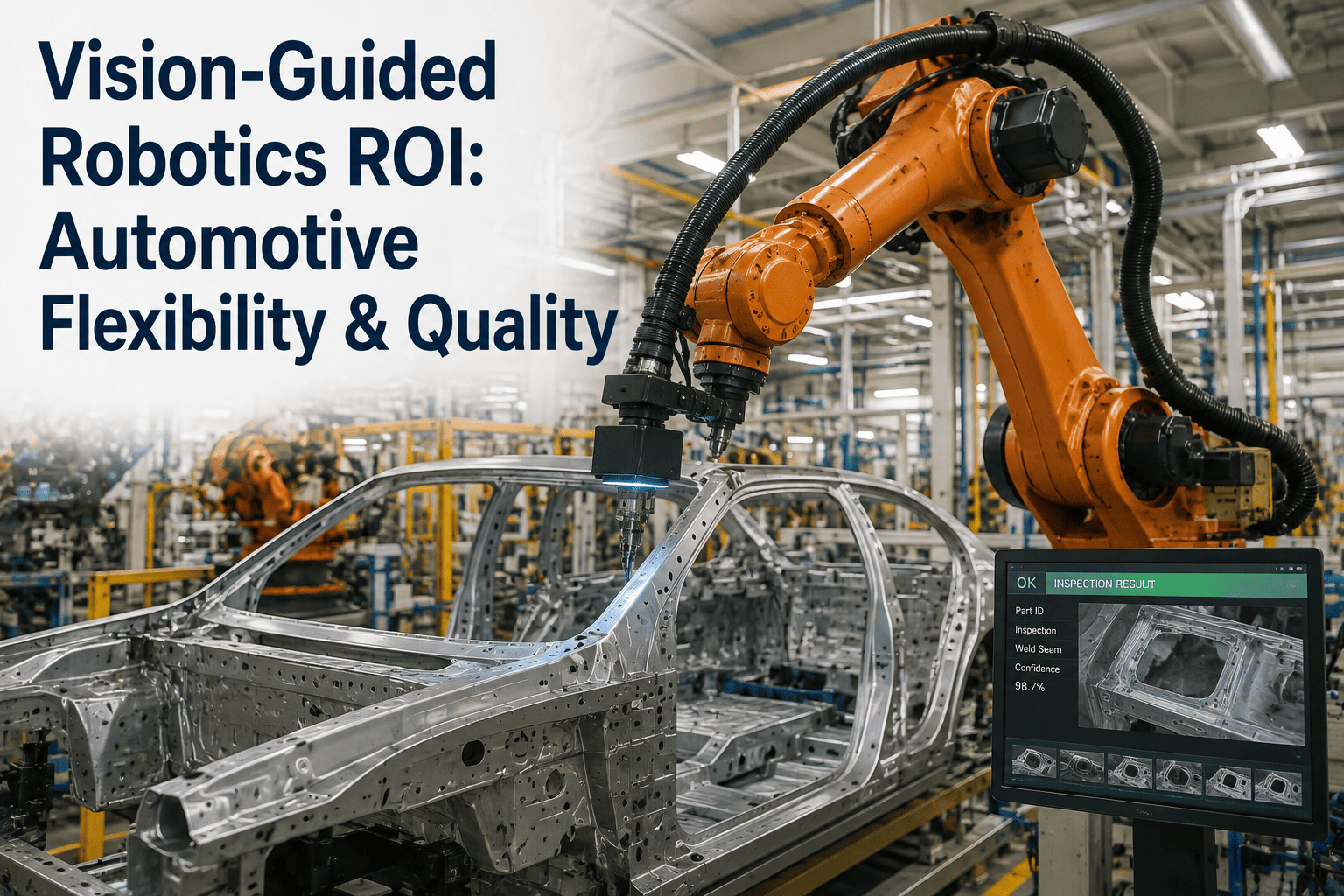
High-speed cameras with specialized lighting capture every weld bead immediately after completion. AI vision models trained on 6 million labeled weld defect images detect porosity (0.3mm minimum), cracks, spatter, incomplete fusion, excessive penetration, undercut, and dimensional errors. Deep learning recognizes subtle visual indicators invisible to manual inspection including surface discoloration indicating contamination, bead profile irregularities signaling parameter drift, and spatter patterns predicting electrode degradation. Inline inspection eliminates sampling gaps inspecting 100% of 2,000+ welds per vehicle in 45 to 90 seconds matching production line speeds. Automated reject decisions trigger part removal before downstream assembly. Result: Defect escape rate reduced from 22% to below 1%, false rejection rate reduced from 12% to 3%, inspection labor reduced 68% eliminating manual quality checks, complete weld traceability by VIN for warranty investigation.
Predictive Maintenance Preventing Equipment-Related Defects
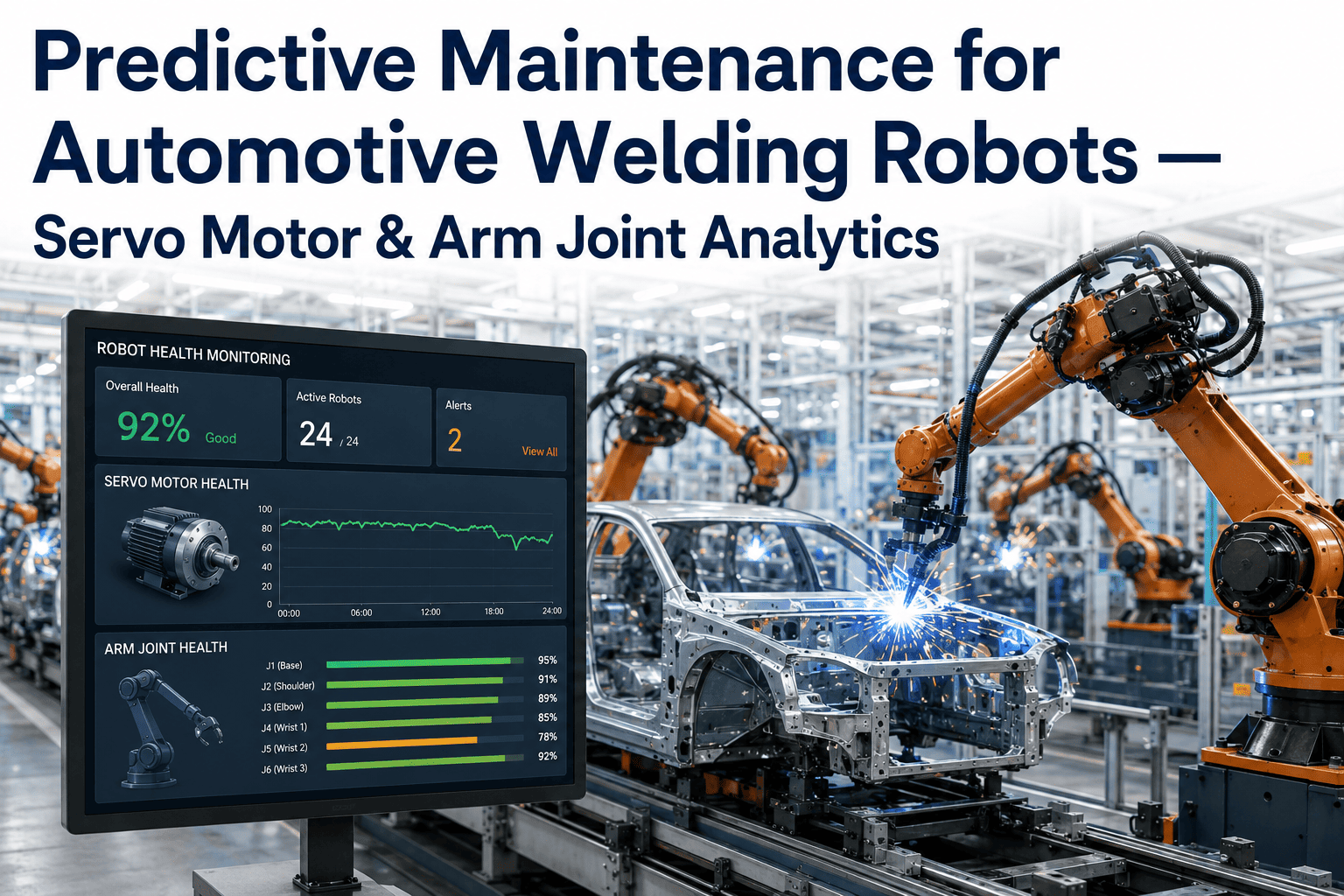
Continuous monitoring of electrode wear, contact tip condition, wire feed motor performance, and shielding gas flow rates detects degradation before weld quality impacts occur. Machine learning models trained on equipment failure datasets predict contact tip replacement needs 3 to 7 days in advance based on wear patterns, current draw variations, and defect rate trends. Preventive maintenance scheduled during planned downtime vs reactive response after defect rates increase. Wire feed inconsistencies detected through motor current analysis preventing porosity from feed rate variations. Gas flow degradation identified before shielding contamination creates defects. Result: Equipment-related weld defects reduced 94%, unplanned welding equipment downtime reduced from 8 to 12 hours per month to below 2 hours, maintenance costs reduced 36% through condition-based replacement vs time-based schedules, electrode life extended 22% through optimized parameter control.
Seamless PLC and MES Integration
Native integration with welding robot PLCs (KUKA, ABB, Fanuc, Yaskawa) enables real-time parameter adjustments and quality data collection without manual programming. Connection to manufacturing execution systems (Delmia Apriso, Siemens Opcenter, Rockwell FactoryTalk) links weld quality to specific VINs, material lot numbers, operators, and timestamps for complete traceability. Automated work order generation triggers rework processing, scrap handling, and supplier quality notifications when defects detected. Statistical process control dashboards show real-time quality trends, top defect types, and improvement tracking visible plant-wide. Result: Quality data synchronized across enterprise systems eliminating manual documentation, IATF 16949 compliance automated with audit-ready records, root cause analysis enabled through correlation of defects with material lots and process conditions, quality engineering time reduced 58% through automated data collection and analysis.
Adaptive Learning for New Models and Materials
Transfer learning enables rapid adaptation to new vehicle models without extensive manual programming. Base AI models trained on automotive welding fundamentals learn new model-specific requirements through 2 to 4 weeks baseline data collection vs 40 to 120 hours traditional robot programming per model. Multi-material joining capabilities handle aluminum-to-steel welding for lightweighting, high-strength steel requiring modified parameters, and battery assembly copper busbar connections. Continuous improvement from production data refines parameter optimization and defect detection accuracy over time. A/B testing validates parameter improvements before full deployment. Result: New model launch time reduced 65%, aluminum and multi-material welding quality matches traditional steel joining, battery assembly defect rates below 0.3%, weld quality improvements continue throughout vehicle lifecycle reaching 99.7%+ after 12 months production learning.
Mobile-First Plant Floor Operations
Quality engineers access weld images, parameter trends, and defect analytics via mobile devices at welding stations. Operators receive instant feedback with annotated images showing exact defect locations and types. Maintenance teams view equipment health dashboards showing electrode wear, contact tip condition, and predicted replacement schedules. Suppliers receive automated quality notifications with defect images and affected material lot numbers within minutes of detection. Management dashboards display quality KPIs, downtime causes, OEE metrics, and improvement tracking. Result: Quality issue resolution time reduced 72% through mobile access to defect data at point of occurrence, maintenance response time improved from 45 to 12 minutes average, supplier corrective action response accelerated from 5 days to 18 hours, cross-shift quality consistency improved through instant feedback visibility.
AI Welding Robot Implementation Roadmap
Deploying AI-powered welding robots requires systematic integration with production equipment, baseline data collection, AI model training, and validation before full production deployment. iFactory provides structured implementation delivering measurable quality improvements within 60 to 90 days.
1
Data Integration and Asset Onboarding
Comprehensive welding operation assessment identifies robot types (KUKA, ABB, Fanuc, Yaskawa), PLC configurations, current quality metrics, and common defect types. Vision systems, sensors, and edge computing hardware specified for each welding station. Integration architecture designed for robot PLCs, MES platforms, and quality management systems. Existing quality data imported including defect images, destructive test results, and warranty claim patterns to supplement AI training. Network infrastructure validated for real-time parameter control and vision processing bandwidth. Timeline: 1 week assessment, 2 weeks hardware procurement and integration planning, 1 week installation during scheduled maintenance.
Systems MappedHardware SpecifiedReady for Installation
2
AI Model Setup and Baseline Collection
Base AI models pre-trained on 8 million automotive weld datasets deployed and adapted to plant-specific materials, joint configurations, and robot equipment through transfer learning. Baseline data collection: 3 to 4 weeks capturing good welds and defects across all shift patterns, material lots, and process conditions. Quality engineers label plant-specific defect examples and acceptable quality standards. Parallel operation with existing manual inspection validates AI accuracy before full reliance. Parameter optimization models trained on baseline thermal, electrical, and visual data correlating process conditions with weld quality outcomes. Timeline: 4 weeks baseline collection, 2 weeks model training and validation.
Collecting DataModels TrainingParallel Testing
3
Quality Validation and Process Optimization
AI inspection accuracy validated against destructive testing and known seeded defects: target 95%+ detection rate with false rejection below 5%. Parameter optimization validated through mechanical testing of AI-optimized welds vs traditional fixed parameters: tensile strength, peel strength, fatigue performance. Alert thresholds configured for different defect severities triggering immediate rejection, trend monitoring, or predictive maintenance. Operator training completed on defect classification confirmation, exception handling, and system feedback for continuous improvement. Timeline: 2 weeks validation testing with destructive samples, 1 week operator training and documentation.
95%+ Accuracy ValidatedQuality ProvenTeam Trained
4
Production Deployment and Continuous Improvement
AI welding control and vision inspection activated for primary quality assurance with manual inspection reduced to sampling verification and exception handling. Automated parameter optimization enabled adjusting welding conditions in real-time based on material and thermal variations. Predictive maintenance alerts deployed for electrode replacement, contact tip changes, and equipment servicing. Quality dashboards showing real-time defect rates, top issues, and improvement trends visible plant-wide. Monthly accuracy reviews track detection performance and parameter optimization effectiveness with model updates deployed to maintain 99%+ quality. Quarterly expansion to additional welding stations and processes based on validated results.
Production deployment Week 10-12. First 90 days: 99.4% weld quality achieved, 87% reduction in warranty claims, 82% less rework, equipment-related defects reduced 94%, inspection labor reduced 68%, IATF 16949 compliance automated. Quality continues improving through continuous learning reaching 99.7%+ after 12 months production data.
Regional Automotive Manufacturing Challenges and Solutions
Different manufacturing regions face unique welding challenges, compliance requirements, and operational constraints affecting AI robot deployment priorities and quality improvement opportunities.
| Region |
Key Manufacturing Challenges |
Compliance Requirements |
How iFactory Solves |
| United States | Labor costs driving welding automation, skilled welder shortage, EV battery assembly welding requirements, multi-material lightweighting | IATF 16949, ISO 9001, AWS welding standards, OSHA safety compliance | Automated quality replacing manual inspection labor, consistent 99.4% quality without welder skill variations, specialized battery assembly welding control, aluminum and multi-material adaptive parameters, automated IATF compliance documentation |
| United Arab Emirates | Extreme heat affecting welding conditions, luxury vehicle quality expectations, limited skilled workforce, harsh environmental conditions | UAE quality standards, ISO 9001, automotive safety regulations | Heat-compensated parameter control for desert plant conditions, ultra-high quality for luxury segment expectations, AI eliminating manual skill requirements, environmental condition adaptation, automated quality documentation for UAE standards |
| United Kingdom | Premium brand quality demands, aging workforce requiring automation, space-constrained facilities, Brexit supply chain quality variability | IATF 16949, UK HSE safety, ISO 9001, AWS standards, VDA quality requirements | Premium defect detection for luxury brands, intuitive AI operation for aging workforce, compact vision systems for retrofit installations, adaptive parameters handling supply chain material variations, automated VDA documentation for German OEM customers |
| Canada | Cold weather affecting welding parameters, cross-border quality consistency, bilingual documentation, remote plant locations | IATF 16949, Transport Canada safety, CSA welding standards, provincial regulations, bilingual compliance | Temperature-compensated welding control for cold conditions, consistent quality standards across US-Canada operations, bilingual interface and reporting, edge computing for connectivity-limited remote locations, automated CSA compliance tracking |
| Europe | Strict environmental regulations, sustainability tracking, diverse country standards, EV transition acceleration, Industry 4.0 integration | IATF 16949, ISO 9001, AWS standards, EU directives, CE marking, country-specific regulations | Energy-efficient AI processing, sustainability metrics tracking welding energy consumption, multi-country compliance management, EV battery welding expertise, Industry 4.0 data integration with MES and ERP, automated CE documentation |
Platform Capability Comparison: Automotive Welding Solutions
Traditional robotic welding requires extensive manual programming for each new model. Generic CMMS platforms lack welding-specific intelligence. iFactory differentiates through automotive-specific AI models, real-time parameter optimization, and proven 99.4% quality validated across global automotive production. Schedule a platform comparison demonstration.
| Capability |
iFactory |
QAD Redzone |
Evocon |
Mingo Smart Factory |
IBM Maximo |
SAP EAM |
| AI Welding Capabilities |
| Welding quality achieved | 99.4% validated automotive | No welding capability | No welding capability | No welding capability | No welding capability | No welding capability |
| Real-time parameter optimization | AI adaptive control | Not available | Not available | Not available | Not available | Not available |
| Computer vision defect detection | 100% inline inspection, 0.3mm sensitivity | Manual inspection only | Not available | Not available | Not available | Not available |
| Manufacturing Integration |
| Robot PLC integration | KUKA, ABB, Fanuc, Yaskawa native | Basic data collection | Limited connectivity | Basic monitoring | Custom integration | SAP ecosystem only |
| MES integration | Native automotive MES, real-time quality by VIN | Basic MES connection | Limited integration | Basic connectivity | Custom integration | SAP ecosystem only |
| Mobile plant floor access | Real-time weld images and analytics mobile | Basic mobile app | Limited mobile | Basic mobile | Limited mobile | Mobile with limitations |
| Automotive Specialization |
| Automotive welding AI | Trained on 8M auto weld datasets | Generic manufacturing | Generic production | Generic manufacturing | Generic industrial | Generic EAM |
| IATF 16949 compliance | Automated documentation | Manual compliance | Manual tracking | Manual tracking | Custom configuration | Custom configuration |
| New model adaptation time | 2-4 weeks AI learning | Manual reconfiguration | Manual setup | Manual setup | Full reprogramming | Full reprogramming |
| Deployment timeline | 10-12 weeks to production | 8-16 weeks | 6-12 weeks | 8-14 weeks | 6-18 months | 9-24 months |
Comparison based on publicly documented capabilities and automotive manufacturing deployments as of Q1 2025.
Measured Welding Quality and Financial Results
99.4%
Weld Quality Achieved
87%
Reduction in Warranty Claims
94%
Fewer Equipment Defects
68%
Inspection Labor Reduction
100%
Welds Inspected vs Sampling
Eliminate Weld Defects Before They Reach Assembly
Achieve 99.4% Weld Quality with AI Precision and Speed
iFactory AI welding robots deliver proven quality across body shop, battery assembly, and structural fabrication while reducing rework by 82% and preventing warranty claims through real-time optimization and 100% computer vision inspection.
Frequently Asked Questions
QHow does AI optimize welding parameters in real-time to prevent defects before they occur?
Machine learning models analyze material thickness measurements, joint gap variations, thermal conditions, and electrode wear state before each weld, automatically adjusting voltage, current, travel speed, and wire feed rate to maintain optimal weld quality. System learns from 8 million automotive weld datasets recognizing parameter adjustments needed for different conditions. Prevents common defects including insufficient penetration, burn-through, porosity, and spatter through predictive control vs reactive response after defects already created.
Book a demo to see parameter optimization for your welding operations.
QCan iFactory computer vision inspect 100% of welds at production line speeds without slowing down assembly?
High-speed vision systems process 2,000+ weld points per vehicle in 45 to 90 seconds matching 60 to 90 unit per hour production rates. Multiple cameras capture all weld locations simultaneously with specialized lighting and AI processing delivering instant pass/fail decisions before next vehicle enters station. Eliminates quality sampling gaps inherent in manual inspection checking 5% to 15% of welds. Zero production speed impact from quality verification.
QHow long does it take to adapt AI welding robots to a new vehicle model or body design?
Transfer learning enables adaptation to new models in 2 to 4 weeks baseline data collection vs 40 to 120 hours traditional robot programming per model. Base AI models trained on automotive welding fundamentals learn new model-specific joint configurations, material combinations, and quality requirements through production data collection. Quality engineers validate acceptance criteria during parallel operation. Much faster than manual programming and testing cycles for model changeovers.
QWhat types of weld defects can AI vision detect that manual inspection misses?
Computer vision detects microscopic defects invisible to manual inspection including 0.3mm porosity, hairline cracks, incomplete fusion at weld root, excessive penetration indicating burn-through risk, undercut below specification, and spatter patterns indicating parameter drift. Deep learning recognizes subtle visual indicators like surface discoloration from contamination and bead profile irregularities. Consistent 99.4%+ detection rate vs 65% to 78% for manual inspection affected by fatigue and subjective interpretation. Eliminates false rejections reducing from 12% to 3% through learned recognition of acceptable quality variations.
QDoes iFactory provide automated compliance documentation for IATF 16949 and automotive quality standards?
System automatically generates quality records including weld images, parameter settings, inspection timestamps, VIN traceability, operator IDs, and corrective actions meeting IATF 16949 requirements. Statistical process control charts, capability studies (Cpk calculations), and measurement system analysis reports generated from inspection data. Supplier quality notifications automated with defect images and material lot numbers. Audit trails maintained for certification and customer audits. Eliminates manual quality documentation reducing administrative labor 68% while improving data accuracy and completeness for compliance and continuous improvement.
Transform Welding Quality with AI Precision, Speed, and 100% Inspection
iFactory AI welding robots deliver proven 99.4% quality across all automotive welding operations through real-time parameter optimization responding to material variations, thermal conditions, and equipment wear combined with computer vision defect detection inspecting 100% of welds at production line speeds. Eliminate 87% of warranty claims, reduce rework by 82%, and prevent equipment-related defects through predictive maintenance while automating IATF 16949 compliance documentation with seamless PLC and MES integration across body shop, battery assembly, and structural fabrication for global automotive manufacturing operations.
99.4% Weld Quality
87% Fewer Warranty Claims
82% Less Rework
PLC Integration
IATF 16949 Compliant