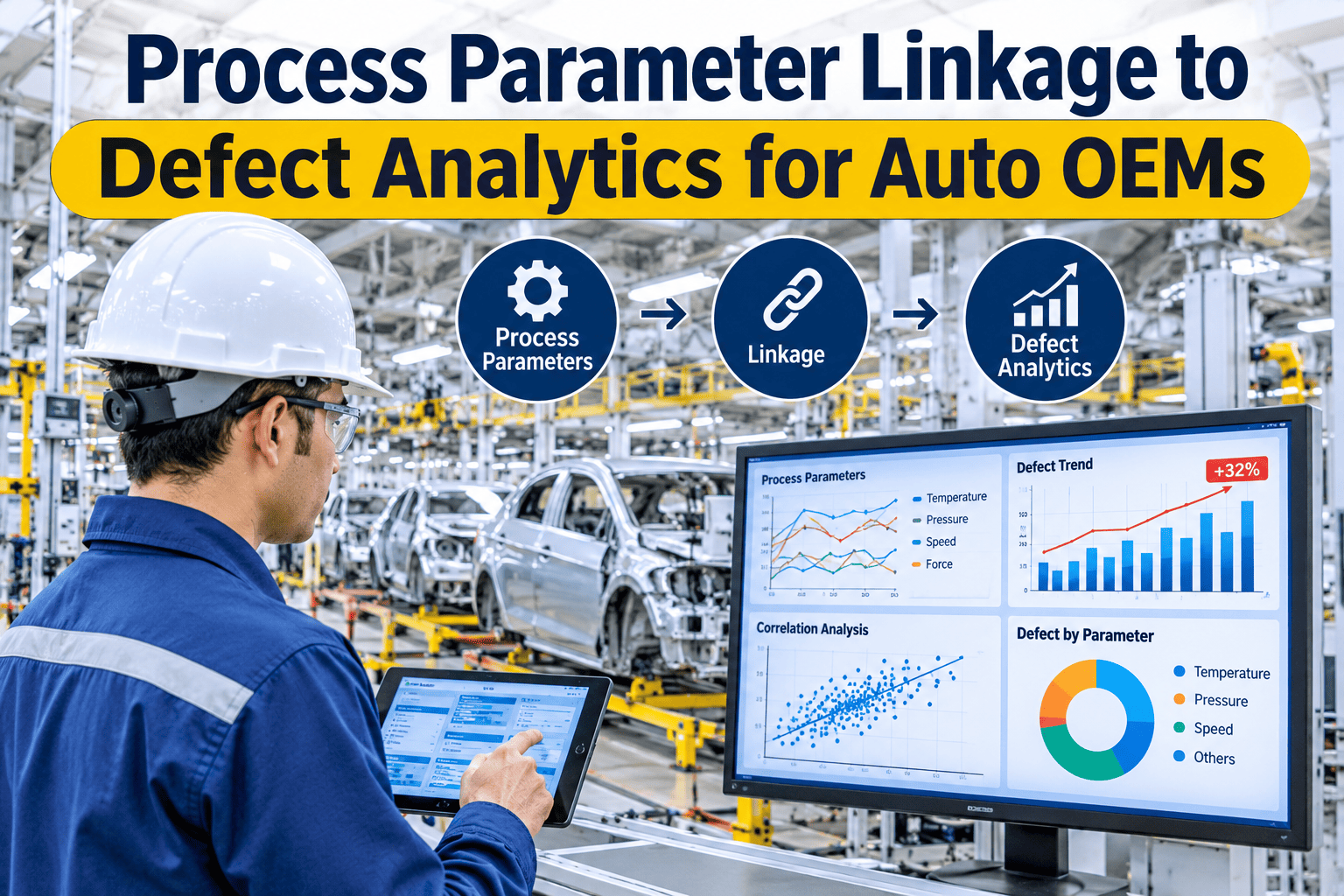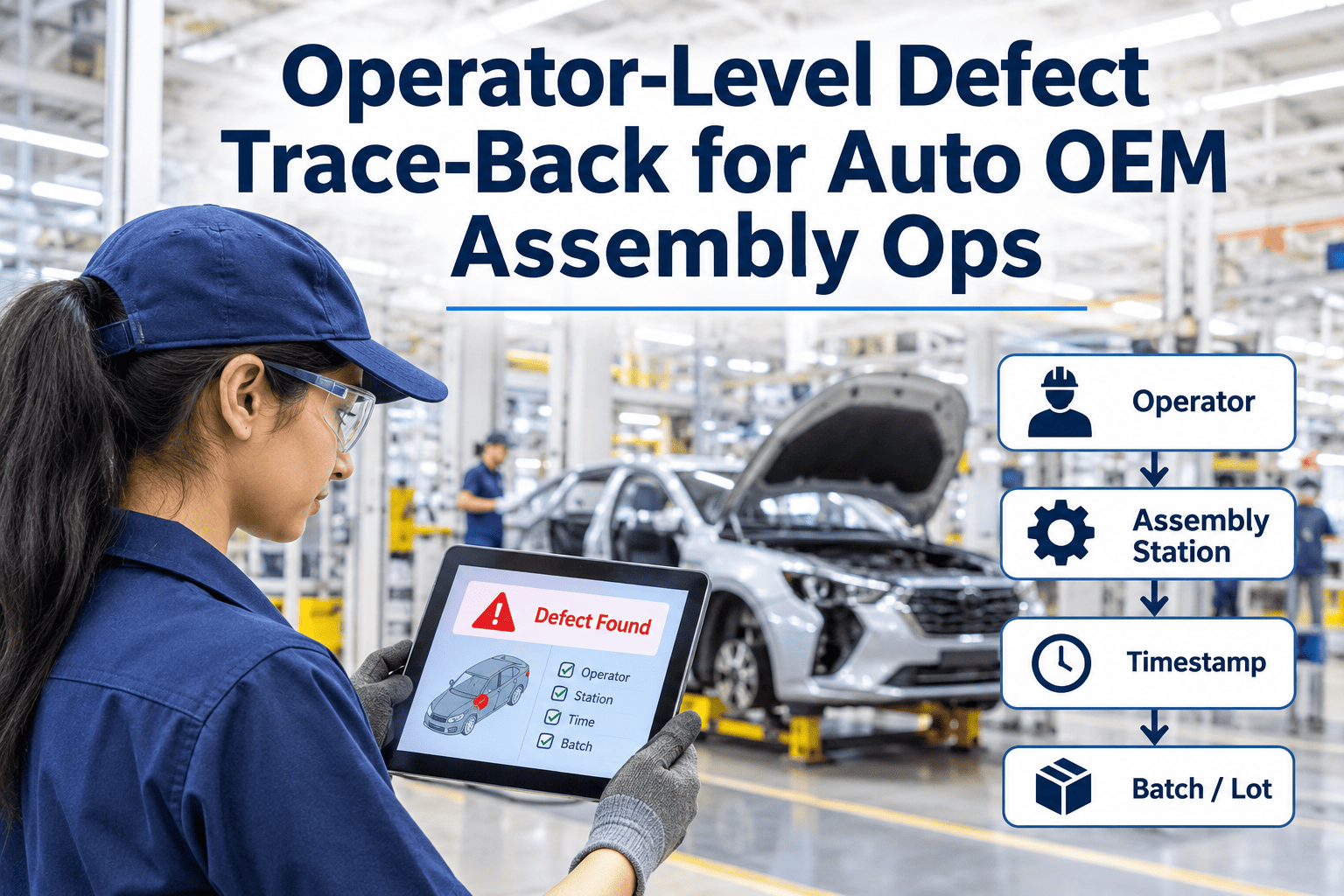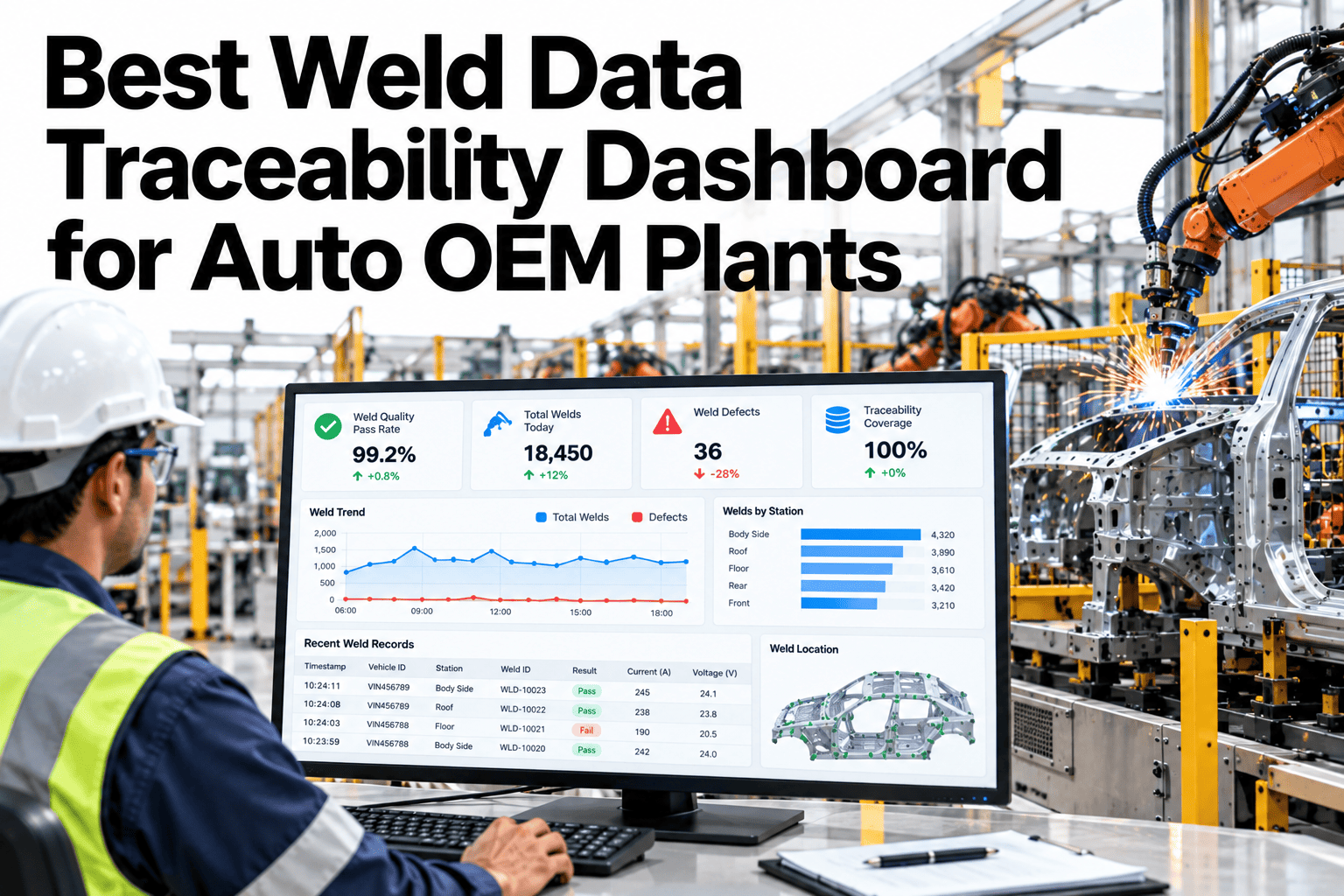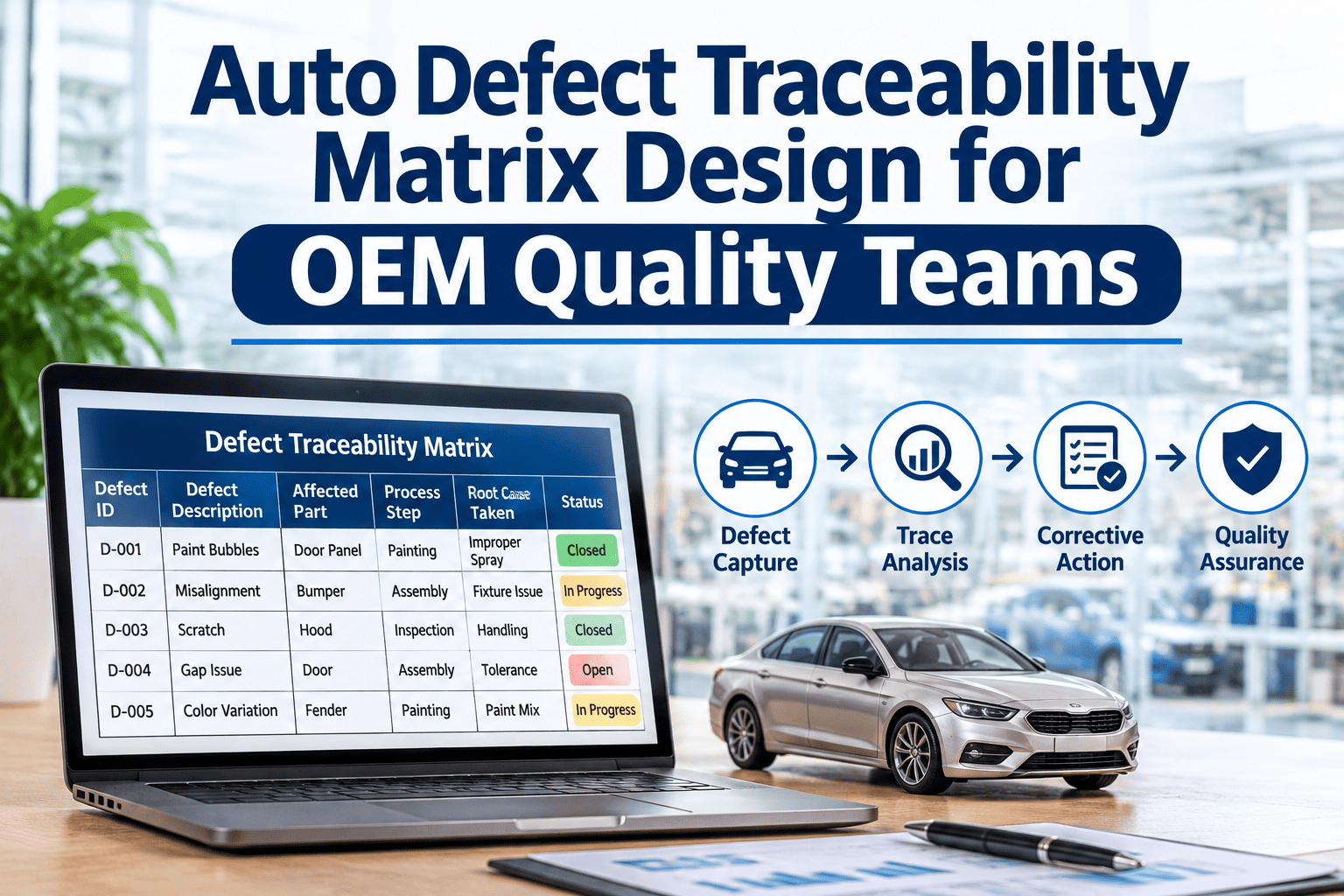
A traceability system that only links a defect to a batch number isn't really traceability, it's a filing system, because the moment a quality engineer needs to know which specific tool, operator and process parameter produced a failed part, a batch-only record collapses the investigation back to thousands of possible units instead of dozens. A defensible traceability matrix links asset, tool, operator, batch and parameter together at the moment of production, not reconstructed afterward from five separate systems. iFactory AI's automotive quality team can review your current traceability matrix against these five linkage patterns before your next audit cycle.
A Batch Number Alone Is a Filing System, Not Traceability
Linking asset, tool, operator, batch and process parameter together at the point of production is what turns a recall scope of thousands into a recall scope of dozens.
Why Most Matrices Are Weaker Than Quality Teams Assume
A plant that can answer "which machine built this part" often can't answer "which specific tool was mounted on that machine at that moment," and the gap between those two questions is frequently where a real root cause hides. Suppliers who invest in process-level linkage rather than relying on lot numbers alone consistently resolve traceability events faster and with a narrower scope, because the investigation starts already pointed at the right variable instead of starting from zero.
Tells you the machine, not the specific tool or die mounted on it that shift.
Scopes a recall to thousands of units when the real cause affected dozens.
Shift and operator patterns in defect data go completely unexamined.
The process setting at the moment of production is the detail most often missing.
Five Linkage Patterns, Built in Layers
Each layer narrows the investigation further than the one below it. Our team can map which layers your current system already captures before a gap becomes a recall.
Which machine or station produced the part, logged automatically at production time.
Which specific tool, die or electrode was mounted, since wear and drift live at this level.
Who was running the station, captured without turning into a blame exercise.
Which material lot or production batch the part belongs to.
The actual process settings in effect — speed, temperature, torque — at that moment.
What Scope Collapses to at Each Linkage Level
| Linkage Level | Typical Recall Scope | Investigation Speed |
|---|---|---|
| Batch only | Thousands of units | Days to weeks |
| Batch + asset | Hundreds of units | Days |
| Batch + asset + tool | Tens to low hundreds | Hours to a day |
| Full five-layer matrix | Dozens, scoped to the actual shared cause | Minutes to hours |
See Where Your Matrix Actually Narrows Scope
Walk through a past defect investigation and see which linkage layer would have narrowed the affected population fastest.
A Composite Scenario: The Recall That Didn't Have to Happen
Picture an OEM supplier whose traceability stopped at batch and asset, facing a field concern that pointed to an airbag inflator component across a broad VIN range.
Had tool and parameter linkage existed, the investigation could have isolated the specific tool wear window and process drift behind the defect, narrowing the affected population from an entire batch to the dozens of units actually produced during that window. Without it, containment defaulted to the widest possible scope. The scenario illustrates the stakes of linkage depth; actual recall scope depends on each case's specifics.
Where iFactory AI Fits
iFactory AI captures asset, tool, operator, batch and process parameter linkage automatically at the point of production, writing every layer to a searchable record instead of reconstructing it after the fact from separate systems.
All five layers logged at production time, not assembled after an incident.
Trace forward from a lot or backward from a failed unit, either direction.
A query against the full matrix replaces manual log review and interviews.
Frequently Asked Questions
IATF 16949 requires part genealogy traceable to material lot, operator, machine, tooling and inspection result, with control plans referencing traceability requirements by part number, so a five-layer matrix aligns directly with the standard's expectations. Review your current compliance gap against these requirements.
Operator data is most useful as a correlation signal for shift and training patterns across many events, not as a record reviewed per individual incident, and framing it that way keeps the data honest and the team's trust intact. Discuss a non-punitive capture approach.
Asset and tool linkage typically deliver the largest scope reduction for the least implementation effort, since most plants already have machine-level data systems that just need to be connected to the part record. Scope a phased rollout starting from your current system.
Yes, a properly designed matrix supports both directions — forward from a material lot to find every affected VIN, and backward from a single failed unit to reconstruct everything that produced it. See both query directions in a sample investigation.
Most plants can connect asset and batch linkage within weeks using existing systems, while tool, operator and parameter linkage typically phase in over a few months depending on how much new data capture each station needs. Get a build timeline for your current systems.
Build a Matrix That Narrows Scope Instead of Widening It
iFactory AI links asset, tool, operator, batch and parameter at the point of production, so the next investigation starts already scoped to the real cause.