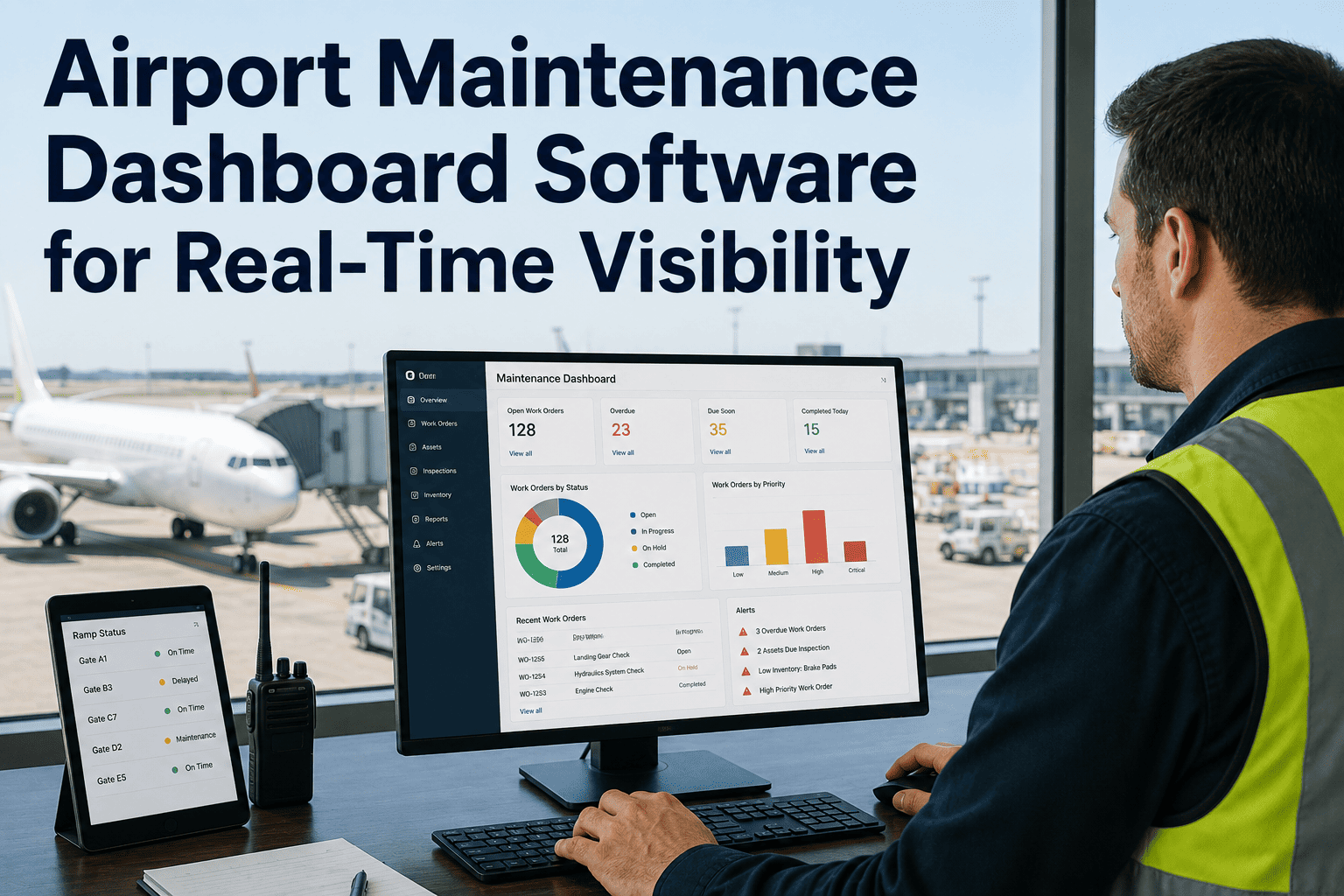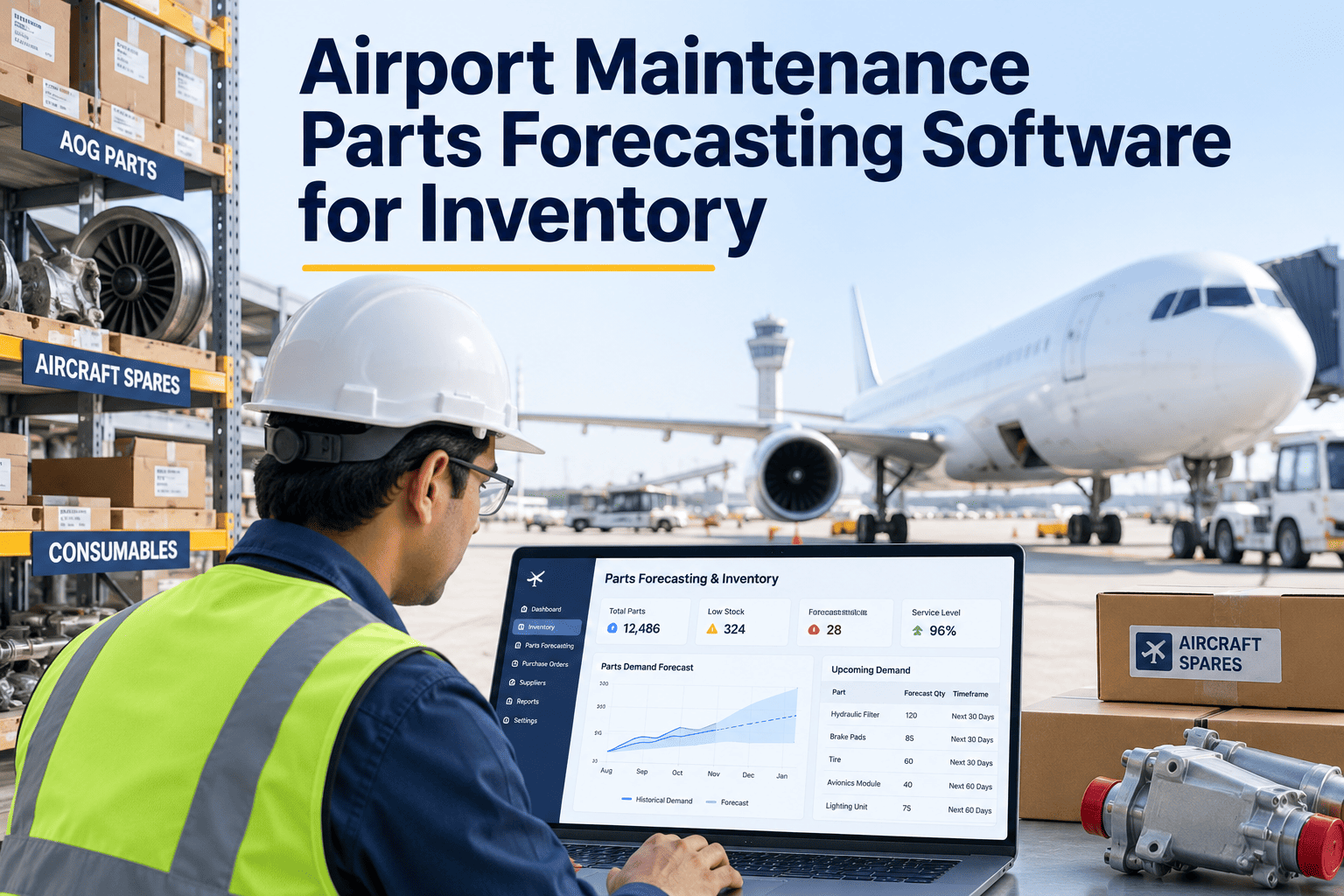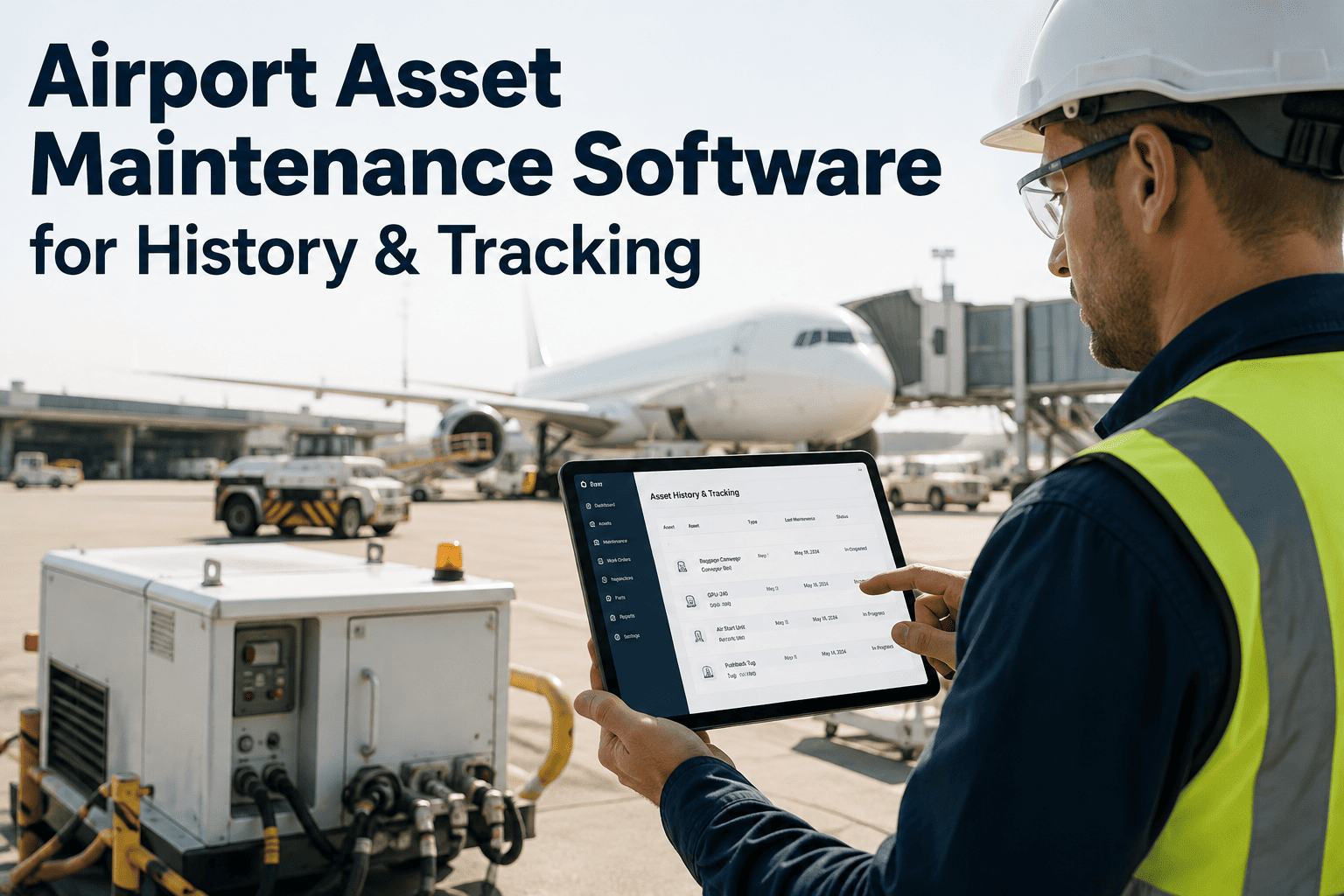
The first hard freeze of the season is when every deicer truck in the fleet has to work, not just the ones that got attention during the summer maintenance lull. A truck that sat idle for seven months can develop a stuck boom valve, a glycol pump that will not prime, or a hydraulic leak nobody notices until a ramp crew tries to spray an aircraft during a two-inch-per-hour snow event. Most airports and ground handlers still track this readiness on paper checklists and word-of-mouth about which trucks are "the good ones," which works fine until the exact week it matters most. A breakdown mid-storm does not just take one truck out of rotation, it slows every departure waiting behind it. iFactory's fleet maintenance platform replaces that guesswork with digital inspections, seasonal PM scheduling, and real-time failure alerts, and you can book a demo to see it mapped against your own deicer fleet before the next season starts.
Know Every Deicer Truck Is Ready Before the First Storm, Not During It
iFactory tracks inspection history, PM schedules, parts availability, and failure risk for every truck in the fleet, so seasonal readiness becomes a number your team can check, not a guess anyone has to make on the ramp.
A Fleet That Sits Idle Most of the Year Still Has to Perform on Day One
Deicer trucks are some of the most seasonal, most safety-critical, and most inconsistently maintained assets on an airport ramp. They run hard for four to six months, then sit largely idle through spring and summer, which is exactly the kind of duty cycle that hides degradation until the equipment is asked to perform again under pressure.
Five Systems on Every Deicer Truck That Fail Quietly Between Seasons
A deicer truck is really several purpose-built systems bolted onto a commercial chassis, and each one has its own failure pattern shaped by long idle stretches followed by intense seasonal demand.
1. Boom and Spray Nozzle Assembly
Corrosion, clogged nozzles, and worn boom joints reduce spray coverage and accuracy, often going unnoticed until an operator reports uneven fluid application.
2. Glycol Storage Tank and Fluid System
Sediment buildup and seal degradation during off-season storage lead to contamination or leaks that surface only once the tank is filled for the season.
3. Glycol Pump and Metering System
Pumps that sat dry or partially primed over summer frequently fail to build pressure on the first cold-weather start, a common first-storm failure point.
4. Hydraulic Boom Lift System
Hydraulic seals dry out during long idle periods, and small leaks that seem minor in warm weather can fail completely once fluid viscosity changes in the cold.
5. Fluid Heating System
Heating elements and thermostats degrade unpredictably during off-season storage, and an underperforming heater directly undercuts deicing fluid effectiveness.
What iFactory Actually Does for a Deicer Fleet
The platform is built around four core capabilities that map directly to how fleet managers actually run a seasonal GSE program, from pre-season prep through in-season operations.
Structured Digital Inspections
Technicians complete standardized digital inspection checklists on mobile devices, with photo documentation and mandatory fields that make skipped steps visible instead of assumed complete.
Seasonal PM Scheduling
Preventive maintenance intervals are built around the actual seasonal duty cycle, triggering pre-season reactivation checks automatically rather than relying on a generic calendar-based schedule.
Full Asset and Parts History
Every truck carries a complete maintenance and parts history in one record, so a technician can see exactly what was replaced, when, and what is due before touching the unit.
Real-Time Failure Alerts
When inspection data or condition trends indicate a developing issue, the platform flags the specific truck and component so it can be pulled for repair before deployment.
Every Truck Should Have a Known Condition, Not an Assumed One
iFactory gives fleet managers a per-truck readiness score built from inspection data, PM history, and known component wear, updated continuously instead of once a season.
Paper-Based Fleet Checks vs iFactory Digital Fleet Management
The comparison below reflects what changes for a GSE maintenance team once inspection and PM data moves off clipboards and spreadsheets and into a connected platform.
| Factor | Paper Checklists / Spreadsheets | iFactory Digital Fleet Management |
|---|---|---|
| Inspection Completeness | Depends on individual technician thoroughness | Mandatory fields and photo proof enforce completeness |
| Pre-Season Readiness | Manual tracking across a spreadsheet, easy to miss trucks | Automated readiness score per truck, visible fleet-wide |
| Parts Planning | Reactive ordering once a failure is already discovered | Parts staged ahead of known wear based on asset history |
| Failure Response | Discovered during active deicing operations | Flagged and addressed before deployment to the ramp |
| Maintenance History | Scattered across binders, spreadsheets, and memory | Centralized per-truck record accessible from any device |
From Pre-Season Inspection to In-Season Readiness in Five Steps
The workflow is designed to fit inside existing GSE maintenance operations rather than replace them, layering structure onto the process fleet teams already follow.
Pre-Season Reactivation Inspection
Every truck runs through a standardized digital checklist covering boom, pump, hydraulics, heater, and fluid system before the season's first PM window closes.
Condition Data Logged Per Truck
Inspection results, photos, and technician notes are logged against that specific truck's asset record, building a running condition history over time.
Readiness Score Calculated
iFactory combines inspection results, PM compliance, and component age into a single readiness score fleet managers can check truck by truck or fleet-wide.
Parts and Repairs Staged Proactively
Trucks flagged below a readiness threshold get repairs and parts staged before the next storm, not after a failure during active operations.
In-Season Monitoring and Alerts
Throughout the season, ongoing inspection data and reported issues continue feeding the readiness score, keeping visibility current as trucks accumulate hours.
Results Reported After Digital Fleet Management Replaces Manual Tracking
These figures reflect outcomes tracked at ground handling and airport operations teams after moving deicer fleet maintenance onto a digital inspection and PM platform.
Getting the Platform Live Before the Next Deicing Season Starts
Rollout is timed around the off-season so the fleet is fully onboarded and generating readiness data well before the first PM window of the coming winter.
Frequently Asked Questions About Deicer Fleet Maintenance Management
Do Not Wait for the First Storm to Find Out Which Trucks Were Not Ready
iFactory gives your team a live readiness score for every deicer truck in the fleet, backed by digital inspections, seasonal PM scheduling, and real-time failure alerts. Book a demo and see it running against your own fleet before the season starts.