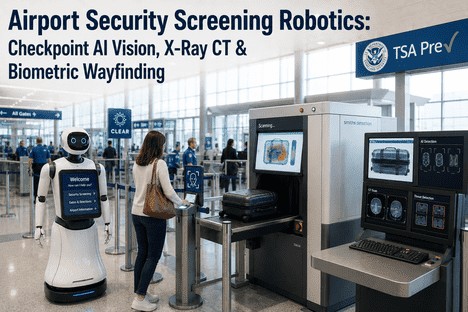
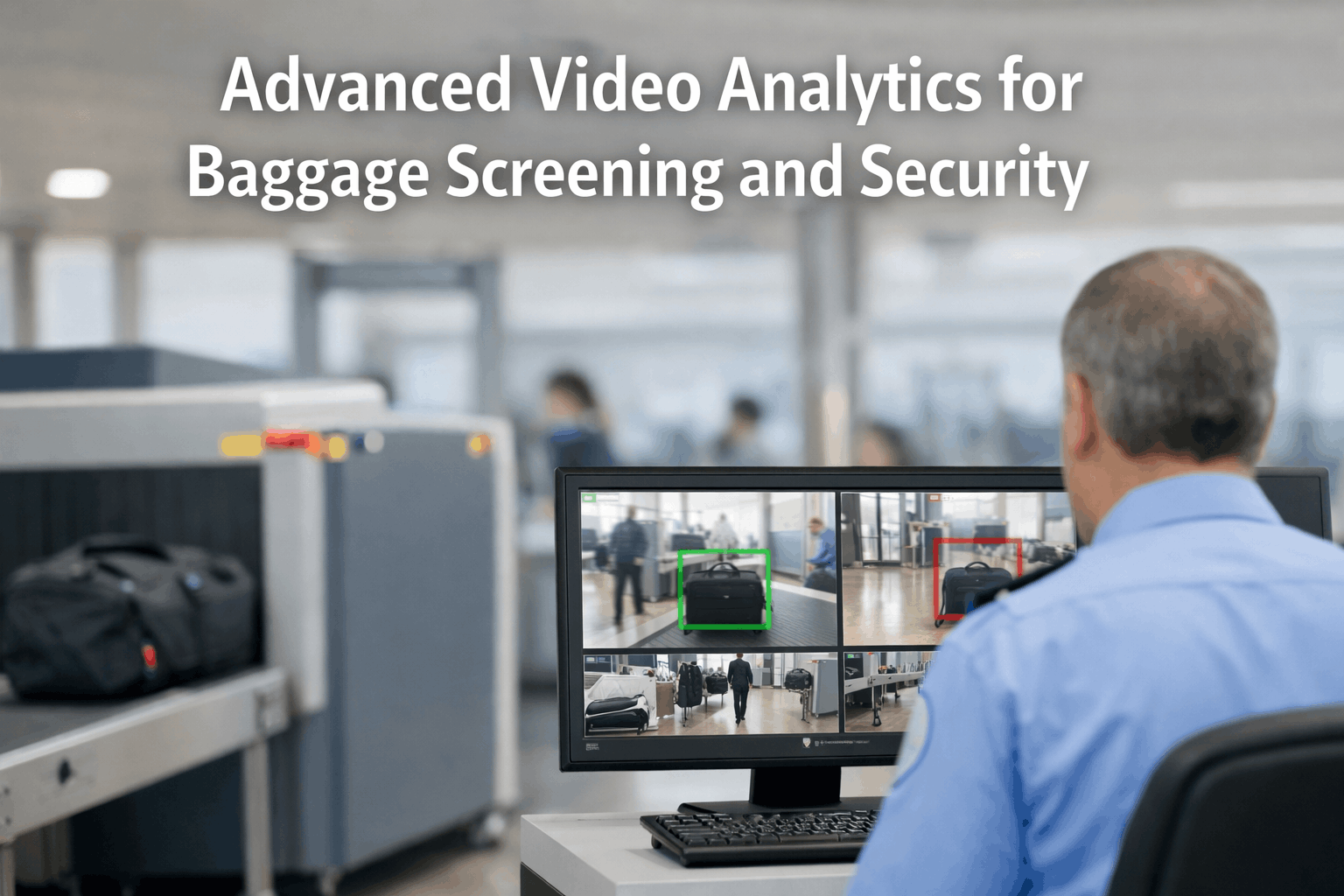
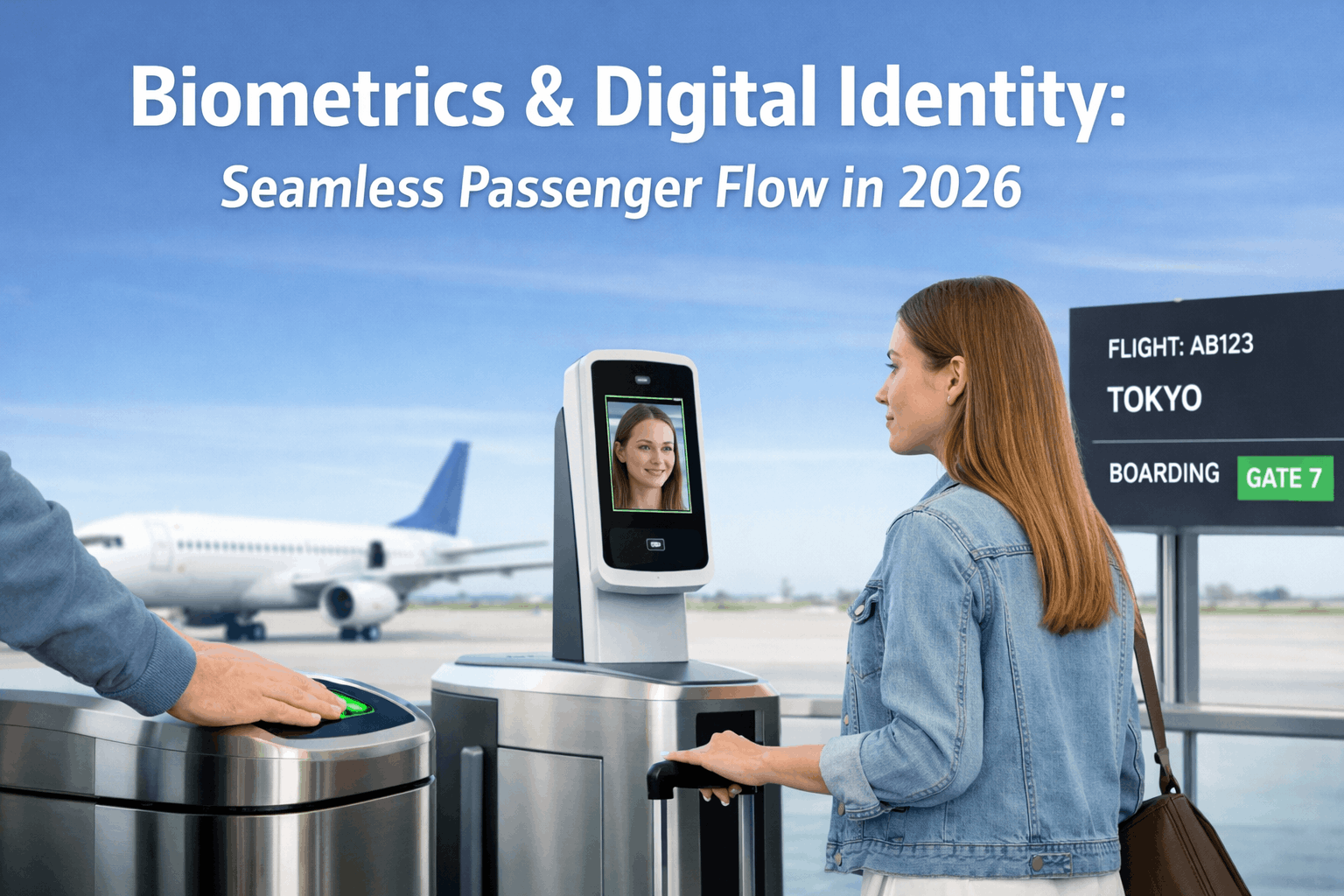
Airport security screening is being rebuilt from the ground up. Not with incremental upgrades to metal detectors and conveyor belts, but with computed tomography scanners that see through bags in 3D, artificial intelligence that detects prohibited items faster than human operators, and biometric eGates that verify identity in under five seconds. The checkpoints at Frankfurt, Miami, Singapore Changi, and Vancouver airports bear almost no resemblance to the security lanes travelers stood in five years ago. TSA screened over 3.1 million passengers in a single day in 2026. With FIFA World Cup crowds expected to push that number higher, the automation of airport security is no longer a pilot program. It is a mandate. Smiths Detection, Leidos, and Rapiscan Systems have collectively deployed tens of thousands of CT-based screening systems worldwide. IDEMIA, Thales, and CLEAR have installed biometric identity verification at over 1,000 airport touchpoints. And regulatory bodies including TSA, ECAC, and the German Federal Police have certified AI-based Automated Prohibited Items Detection for live checkpoint operations. Every system in that checkpoint, CT scanner, biometric eGate, AI detection algorithm, millimeter wave body scanner, is a managed asset that requires calibration tracking, software version control, PM scheduling, and a compliance audit trail.
Three factors are driving the urgency. First, passenger volumes have returned to pre-pandemic levels and are accelerating, with global air travel projected to exceed 5.2 billion passengers annually by 2030. Second, threat evolution demands detection capabilities that exceed human visual inspection, particularly for improvised explosive devices, 3D-printed firearms, and concealed lithium battery fires. Third, regulatory bodies are mandating automation: ECAC EDS CB C3 certification requires automatic explosives detection in cabin baggage, TSA Gold+ incentivizes private-sector technology investment, and the European Union is phasing in AI-based screening requirements across member state airports. The airports that invested early in CT, AI, and biometric integration are reporting measurable returns in throughput, staffing efficiency, and passenger satisfaction. Those still operating legacy 2D X-ray systems face mounting pressure from regulators, airlines, and travelers to modernize before the next peak travel season arrives.
Every CT Scanner, eGate, and Millimeter Wave Body Scanner in Your Checkpoint Is a Calibrated Asset. Track Them All with iFactory.
iFactory registers every security screening device as a managed asset with automated PM scheduling, calibration interval tracking, software version control, AI model deployment logging, and full compliance audit trails built for TSA, ECAC, and EASA regulatory frameworks.
Single-day passenger record screened by TSA in 2026 as global air travel volumes surpass pre-pandemic peaks across all major international airports.
$535M+
Combined TSA FY2026 investment in CT checkpoint systems, biometric identity R&D, and checkpoint screening modernization across U.S. airport infrastructure.
2,000+
CT cabin baggage scanners deployed by Smiths Detection alone as HI-SCAN 6040 CTiX becomes the most widely installed checkpoint CT platform globally.
Three Technology Pillars Powering the Automated Checkpoint
Every automated checkpoint being deployed today rests on three integrated technology layers. Computed tomography provides the imaging foundation. AI-based detection algorithms analyze the data. Biometric identity verification links passenger identity to screening results. These three layers function as a single system, not separate machines, and the airports achieving the highest throughput gains are those that integrate them into a unified workflow.
Pillar One
CT X-Ray Cabin Baggage Screening
Computed tomography scanners generate high-resolution 3D volumetric images of every bag, eliminating the need for passengers to remove laptops, liquids, or electronics. Smiths Detection HI-SCAN 6040 CTiX and Rapiscan 920CT hold ECAC EDS CB C3 and TSA APSS 6.2 certification. Frankfurt Airport operates 50+ CT units across all terminals. Smiths sold its 2,000th CTiX unit in March 2026. The technology enables Image on Alarm Only operations where only flagged bags require operator review, dramatically reducing checkpoint dwell time.
3D volumetric imaging, liquids stay in bag
Pillar Two
AI Automated Prohibited Items Detection
Deep learning algorithms trained on millions of X-ray images detect firearms, explosives, lithium batteries, sharp objects, and other prohibited items in real time. Smiths Detection iCMORE APIDS, SeeTrue AI, and Leidos AI algorithms are ECAC-certified and deployed operationally. Fraport became the first European airport to run APIDS across all terminals in 2026, covering 50+ CT scanners. The German Federal Police certified the system after months of live testing. AI reduces false alarm rates while increasing detection consistency across different operator skill levels.
ECAC-certified APIDS in live operation
Pillar Three
Biometric eGates and Identity Verification
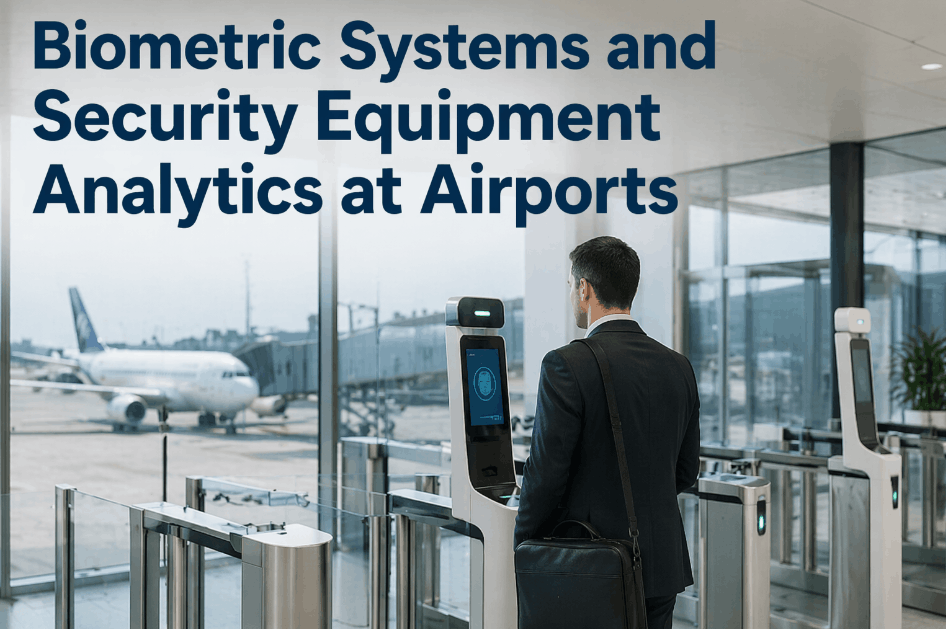
Facial recognition eGates and Credential Authentication Technology replace manual ID checks at the checkpoint podium. CLEAR launched biometric eGates at Miami International Airport in 2026, verifying identity in under 5 seconds. Thales Fly to Gate operates at 600+ airport touchpoints with 99.8% facial recognition accuracy. TSA is deploying CAT-2 systems and piloting eGate models through its Gold+ initiative. IDEMIA and Leidos partnered to deploy integrated biometric eGates combining credential auth with facial matching in a single touchless step.
Under 5 seconds identity verification
Every CT Scanner, eGate, and AI Detection System at Your Checkpoint Needs Calibration, PM, and Audit Tracking.
iFactory registers every security screening asset as a managed device with manufacturer PM scheduling, calibration interval tracking, software version control for AI detection algorithms, and a complete compliance audit trail built for TSA, ECAC, and EASA Part 145 environments.
From Curb to Gate: How the Integrated Checkpoint Works
The most significant operational gains come when the three technology pillars are connected into a single passenger processing workflow rather than deployed as standalone systems. An integrated checkpoint connects identity verification at the lane entrance, CT scanning with AI detection in the middle, and automated tray handling with alarm resolution at the exit, all managed through a single command dashboard. The following deployments demonstrate how each OEM is implementing this integrated model in live airport environments.
Deployment Spotlight
Fraport Frankfurt Airport APIDS Rollout AI Across 50+ CT Lanes
Fraport AG and the German Federal Police began regular operations of APIDS Automated Prohibited Items Detection Systems across all terminals at Frankfurt Airport in January 2026, marking the first large-scale deployment of its kind in Europe. The system uses artificial intelligence to help aviation security personnel evaluate X-ray images by automatically detecting prohibited items in carry-on luggage. APIDS is deployed across more than 50 Smiths Detection HI-SCAN 6040 CTiX scanners throughout the airport, following a months-long testing and certification phase jointly conducted by Fraport, the German Federal Police, and the German Federal Ministry of the Interior. Fraport has invested approximately 50 million euros to install new CT-equipped security lanes and modernize checkpoint infrastructure. The on-site security check personnel retain final decision authority on all alarms. APIDS enables a pathway toward Image on Alarm Only operations, where only bags flagged by the AI require human review, potentially doubling effective throughput per lane.
50+
CT scanners running APIDS
50M
Euros invested in CT lanes
First
European airport full APIDS rollout
Biometric eGate Deployment
CLEAR at Miami International Airport
CLEAR launched biometric eGates at two of Miami International Airport busiest security checkpoints in January 2026, ahead of the FIFA World Cup travel surge. Members verify their identity in under 5 seconds by scanning their face at the eGate, bypassing the TSA podium entirely while still undergoing all standard physical screening. The eGates use real-time face biometric matching and are part of CLEAR broader rollout across U.S. airports following successful TSA pilots at Atlanta, Washington Reagan, and Seattle-Tacoma.
Integrated Checkpoint Platform
Leidos and IDEMIA Partnership
Leidos and IDEMIA Public Security formed a strategic partnership in 2026 to deploy biometric-enabled eGates and integrated CAT-2 Credential Authentication Technology systems across U.S. airports. The collaboration combines IDEMIA federally certified ID authentication with Leidos large-scale checkpoint integration experience. The AutoCAT automated eGate authenticates identity documents and performs facial comparison in a single self-service step before the passenger enters the screening area. Biometric data is used only for real-time verification and is not retained.
On-Person Screening AI
Leidos Pro:Vision 3 Millimeter Wave
Leidos Pro:Vision 3 represents the latest generation of millimeter wave people screening. Equipped with wideband antenna design and deep learning AI-based algorithms, it detects both metallic and non-metallic threats concealed under clothing without physical contact. The system processes over 400 passengers per hour, reducing false alarm rates significantly compared to earlier generation systems. Deep learning algorithms focus on identifying underlying threat characteristics rather than matching against templates, improving detection regardless of body type.
Touchless Travel Ecosystem
Thales Fly to Gate at 600+ Touchpoints
Thales Fly to Gate solution uses AI-driven biometric authentication at mandatory airport checkpoints from check-in through boarding. Over 600 airport touchpoints are equipped globally. The system achieves 99.8% facial recognition accuracy, reduces boarding time by up to 30%, and increases terminal throughput by at least 20%. It includes AI-powered liveness detection against spoof attempts and complies with the EU AI Act through Thales TrUE AI framework. Passengers retain control of biometric data via encrypted digital wallet.
5 sec
Identity verification time at CLEAR biometric eGates at Miami International Airport checkpoints
400+
Passengers per hour throughput achieved by Leidos Pro:Vision 3 millimeter wave body scanners
99.8%
Facial recognition accuracy of Thales Fly to Gate biometric platform across 600+ touchpoints
30%
Boarding time reduction with integrated biometric identity verification per Thales deployed metrics
TSA Gold+ and the Public-Private Shift in Checkpoint Operations
The most consequential policy shift in U.S. airport security in 2026 is the TSA Gold+ initiative, a public-private partnership model that allows airports to opt into privatized screening operations managed by private sector firms under TSA regulatory oversight. First publicly outlined in February 2026 following the DHS partial shutdown, Gold+ enables airports to bypass lengthy federal budget cycles and deploy cutting-edge screening technology including AI-driven detection, biometric eGates, and automated tray systems. TSA has allocated $300 million for checkpoint screening modernization and $215 million specifically for CT technology deployment. The initiative builds on the existing Screening Partnership Program and places the operational technology refresh cycle in private hands while maintaining federal security standards. Four initial airports are expected to launch Gold+ checkpoints in 2026.
Frequently Asked Questions
Traditional 2D X-ray systems produce a single flat projection image that requires operators to mentally reconstruct overlapping objects. CT computed tomography scanners, such as the Smiths Detection HI-SCAN 6040 CTiX and Rapiscan 920CT, capture hundreds of cross-sectional images as the bag passes through the scanner, generating a full 3D volumetric image that can be rotated and sliced on screen. This eliminates the need for passengers to remove laptops, liquids, and electronics from carry-on bags, as the software can digitally isolate items. CT systems also run automated explosives detection algorithms that meet ECAC EDS CB C3 and TSA APSS 6.2 standards, enabling Image on Alarm Only operations where only flagged bags require human review. Get In Touch to discuss how iFactory tracks CT scanner calibration and software versioning for your checkpoint.
APIDS Automated Prohibited Items Detection uses deep learning algorithms trained on millions of X-ray images to automatically identify prohibited items including firearms, knives, explosives, lithium batteries, and blunt objects in real time. Unlike manual image review, which depends on operator skill, fatigue, and attention, AI detection provides consistent performance across every bag and every shift. Deployments such as Fraport APIDS at Frankfurt Airport covering 50+ CT scanners have demonstrated that AI reduces false alarm rates while maintaining or improving detection rates. ECAC certification, first achieved by Smiths Detection iCMORE and SeeTrue AI, ensures the algorithms meet regulatory standards. The pathway to Image on Alarm Only operations can potentially double checkpoint throughput. Book a Demo to see how iFactory manages AI model versioning and deployment tracking for screening systems.
Multiple airports have deployed biometric eGates at security checkpoints in 2025 and 2026. CLEAR launched eGates at Miami International Airport in January 2026, enabling members to verify identity in under 5 seconds and bypass the TSA podium. Vancouver International Airport expanded to 42 biometric-enabled boarding gates with facial comparison technology, increasing boarding speed by 13%. Thales Fly to Gate is installed at 600+ airport touchpoints globally, including Singapore Changi, with 99.8% facial recognition accuracy. TSA has piloted biometric eGates at Atlanta, Washington Reagan, and Seattle-Tacoma, and is now expanding CAT-2 and eGate models through its Gold+ initiative. Leidos and IDEMIA are deploying integrated biometric eGates with CAT-2 credential authentication technology across U.S. airports under a 2026 strategic partnership. Book a Demo to see how iFactory tracks biometric eGate maintenance and software updates.
iFactory registers every security screening asset including CT scanners, biometric eGates, millimeter wave body scanners, AI APIDS workstations, tray return systems, and explosive detection systems as managed devices with complete lifecycle records. For each system, iFactory maintains the manufacturer PM schedule, calibration interval, software version history including AI model versioning, sensor validation records, and operational uptime log. When a CT scanner requires calibration, the PM work order is generated automatically and the calibration certificate is attached to the asset record. When an AI detection algorithm is updated, the software version is logged and the update deployment is tracked. For airports operating under TSA, ECAC, or national civil aviation authority compliance frameworks, iFactory provides the documented audit trail that every screening system is maintained to OEM specifications. Get In Touch to begin registering your checkpoint screening assets.
Conclusion
The airport security checkpoint of 2026 bears little resemblance to the manual, paper-driven process of a decade ago. CT scanners from Smiths Detection and Rapiscan generate 3D images of every bag. AI algorithms from iCMORE, SeeTrue, and Leidos detect prohibited items automatically. Biometric eGates from CLEAR, IDEMIA, and Thales verify passenger identity in seconds. And regulatory frameworks including TSA Gold+ and ECAC APIDS certification are accelerating adoption across global airports. These are not pilot programs. They are production systems deployed at Frankfurt, Miami, Vancouver, Singapore Changi, and dozens of other airports, with documented results measured in seconds saved per passenger, throughput increased per lane, and detection consistency improved across every shift.
The asset management infrastructure that keeps these screening systems calibrated, maintained, and audit-ready is not optional. iFactory provides that infrastructure: asset registration for every CT scanner, biometric eGate, and AI detection workstation, PM scheduling aligned with manufacturer specifications and regulatory requirements, software version and AI model tracking, calibration documentation, and compliance audit trails, built for the airport security checkpoints deploying robotics and automation today. Book a Demo to see how iFactory manages airport security screening assets, or Get In Touch to begin registering your checkpoint screening equipment.
Every Passenger That Passes Through Your Checkpoint Is Screened. Every System That Screens Them Should Be Tracked Too.
iFactory registers every CT scanner, biometric eGate, millimeter wave body scanner, and AI detection workstation as a managed asset with PM scheduling, calibration tracking, software version control, and compliance audit trails for TSA, ECAC, and national aviation authorities.