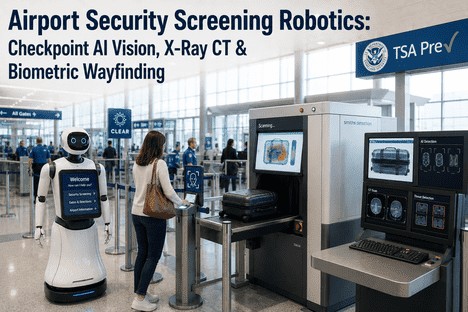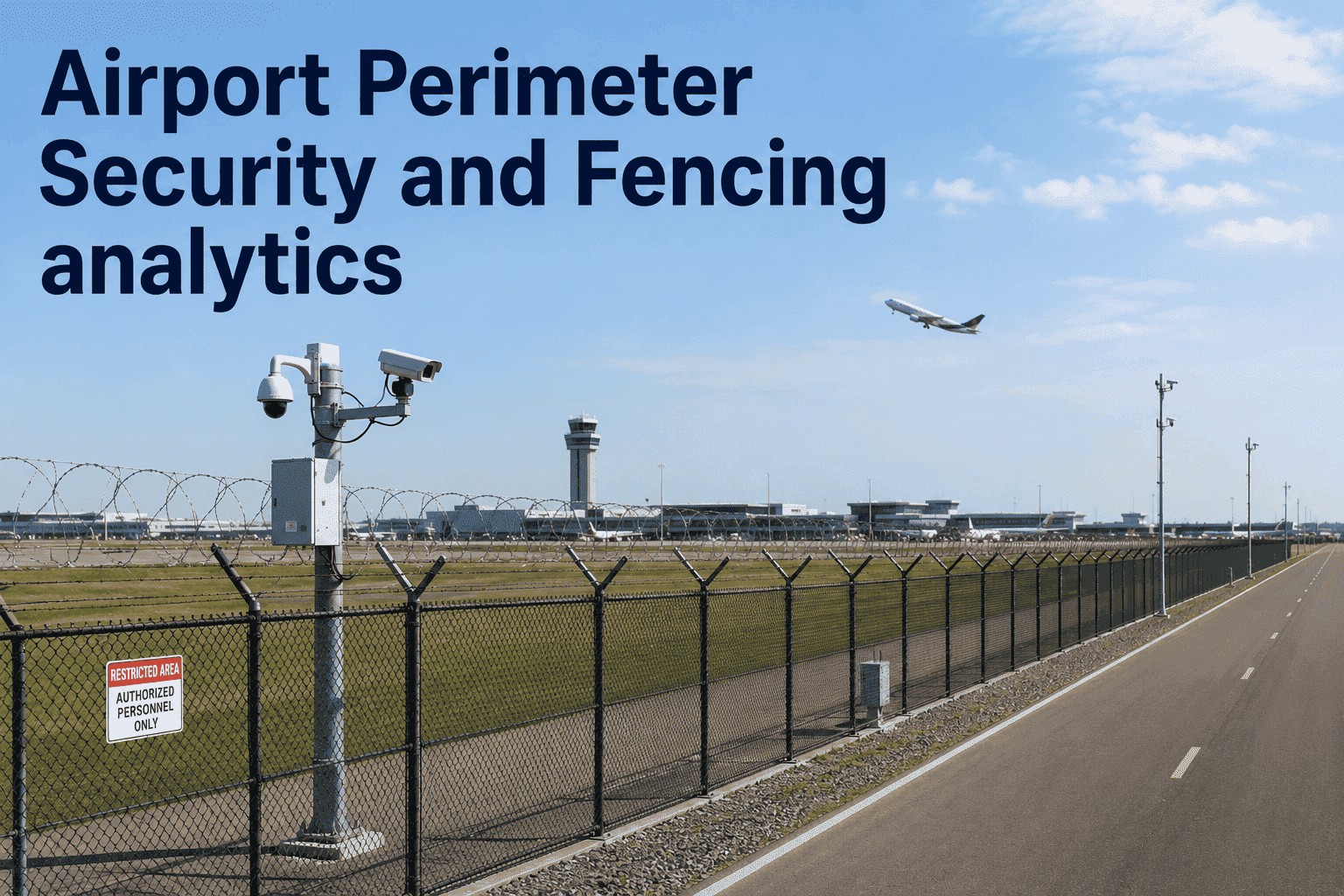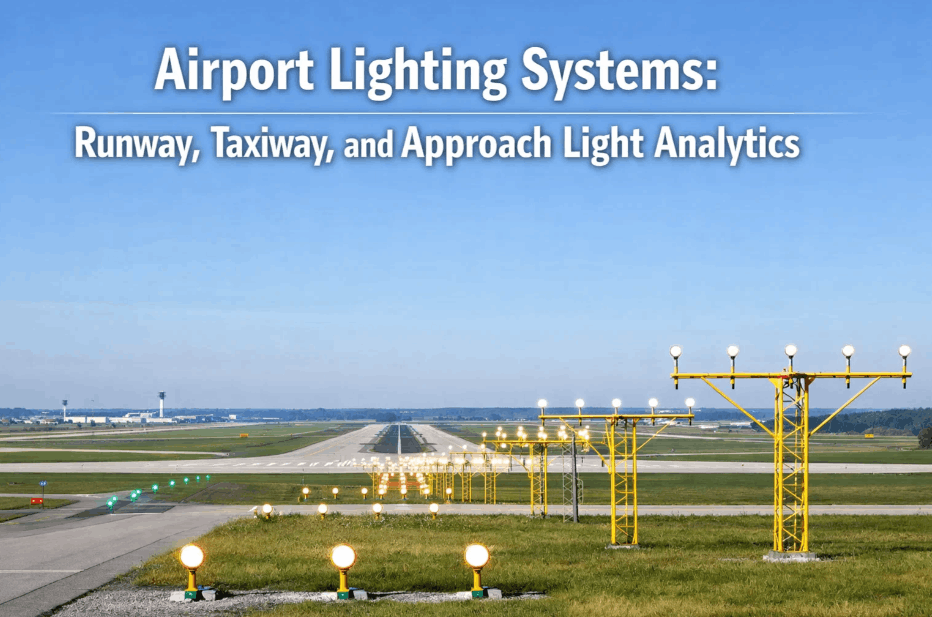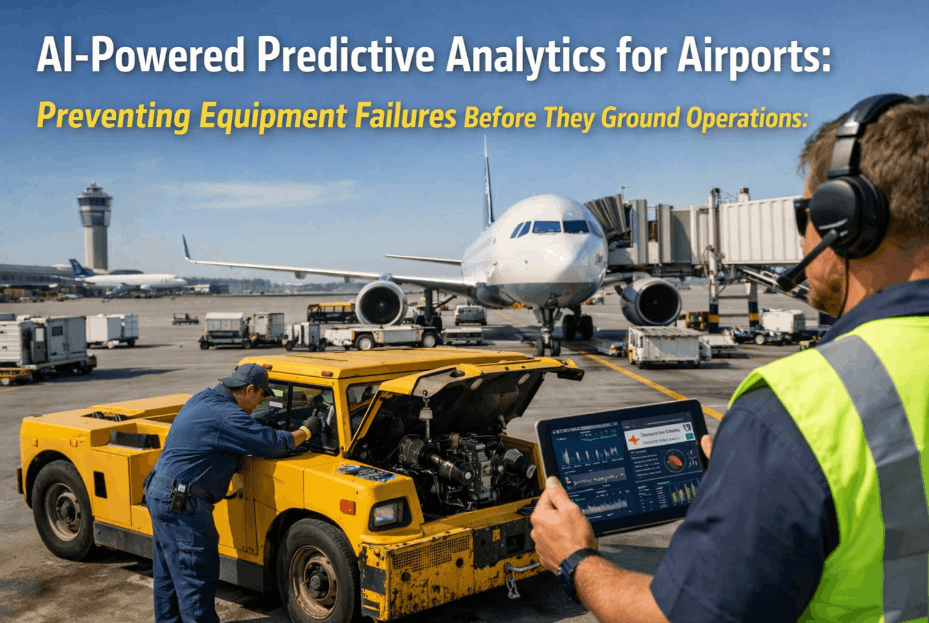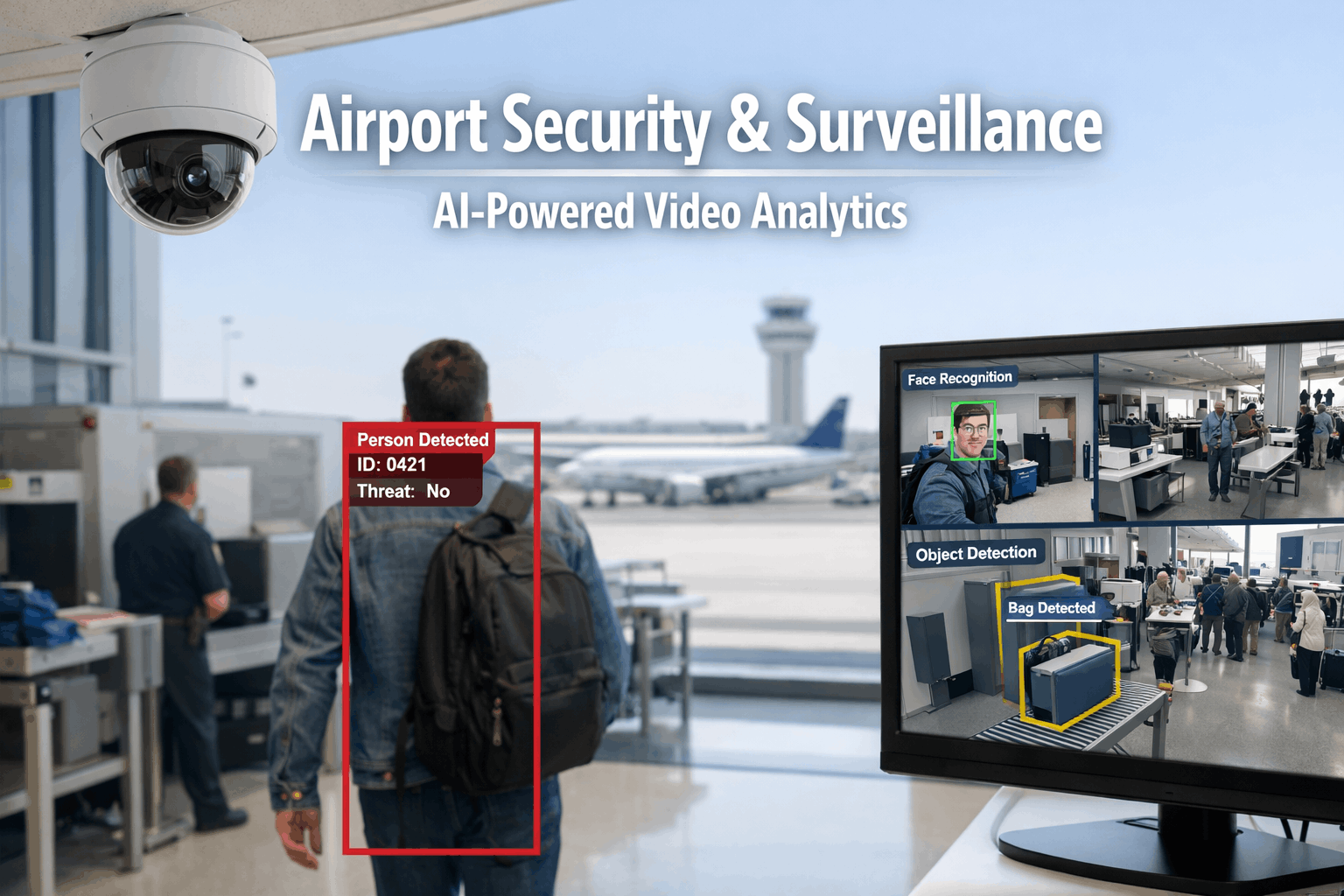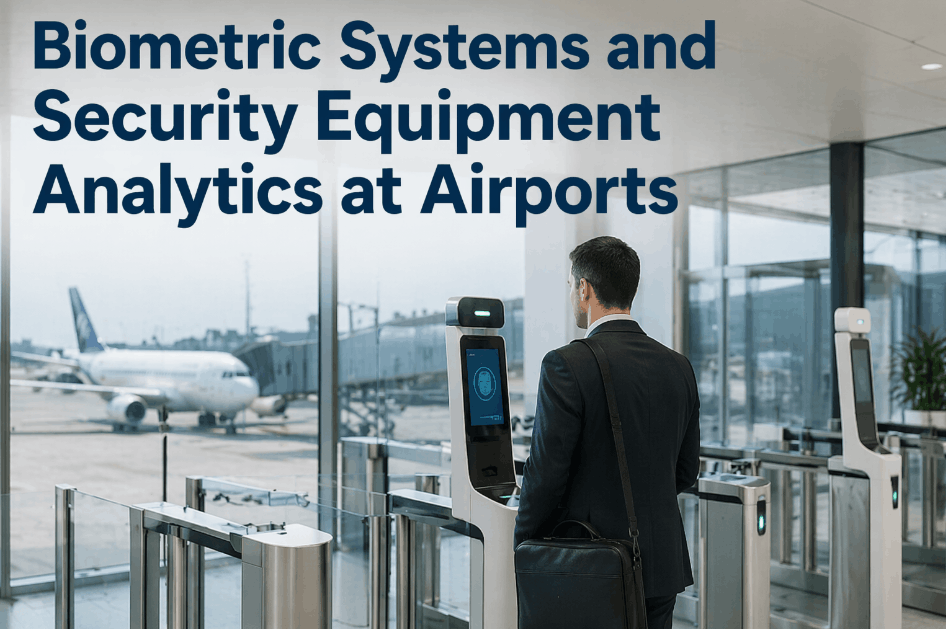
Airport biometric systems and security screening equipment — from automated biometric gates and CT scanners to X-ray machines and access control systems — operate under relentless demand cycles where unplanned downtime doesn't just disrupt passenger flow. It creates TSA compliance gaps, checkpoint throughput failures, and cascading security documentation events that ripple across every terminal operation. In 2026, AI-driven biometric system analytics is redefining how airport security managers maintain CT scanner reliability, sustain X-ray machine performance, and enforce preventive maintenance schedules across complex security checkpoint ecosystems. Airports achieving top-tier screening equipment reliability are no longer reacting to biometric gate failures — they're booking a demo to see how predictive analytics keeps every security asset calibrated, compliant, and continuously operational.
Prevent Security Equipment Failures Before They Disrupt Passenger Flow
iFactory's AI-powered airport security equipment analytics platform delivers real-time health scoring for biometric gates, CT scanners, X-ray machines, and access control systems — with automated PM schedules built for TSA compliance and checkpoint throughput optimization.
Why Biometric System Analytics Is Now Central to Airport Security Operations
Modern airport security checkpoints run on interdependent layers of biometric verification hardware, advanced imaging systems, and electronic access control infrastructure — all cycling continuously through high-volume passenger screening environments where a single equipment failure cascades into lane closures, TSA compliance notifications, and queue buildups that back up terminal operations for hours. Biometric gates processing thousands of facial recognition verifications per shift, CT scanner assemblies operating at sustained throughput across peak departure banks, and X-ray machine conveyor and detector systems absorbing continuous mechanical stress — all represent asset categories where degradation develops invisibly until failure disrupts operations at the worst possible moment.
The compounding pressure of tightening TSA equipment certification requirements, airport authority SLA enforcement, and passenger experience mandates makes calendar-based PM schedules increasingly inadequate for managing airport security equipment reliability. Security managers who want to close this operational gap should book a demo to understand how condition-based monitoring transforms biometric gate uptime and security checkpoint compliance posture across complex multi-terminal environments.
How AI-Driven Security Equipment Analytics Works Across Airport Checkpoints
Airport security equipment analytics software built on machine learning continuously evaluates the electrical, mechanical, and imaging performance signatures of every monitored asset — not simply confirming operational status, but tracking how systems perform relative to calibrated safety and throughput baselines. When a biometric gate camera module begins drifting in focal calibration, or a CT scanner conveyor motor shows abnormal torque draw, or an X-ray machine detector array develops sensitivity variance, the AI analytics engine identifies the developing deviation days before it produces a screening failure, false alarm surge, or regulatory non-conformance event.
The key distinction from legacy threshold-based SCADA monitoring is that AI models trained on security equipment failure precursors identify the subtle performance signatures that precede breakdown — not simply alarm when operational limits are already breached. By the time a conventional alarm triggers on a CT scanner throughput rate, checkpoint capacity is already compromised. Predictive analytics flags the developing fault while planned intervention is still possible. Security system engineers exploring this detection gap should book a demo to see live AI models running on security infrastructure comparable to their own checkpoint configuration.
Facial Recognition System Calibration and Throughput Monitoring
AI models continuously track biometric gate camera focal integrity, processing latency, and facial recognition match rate variance — detecting calibration drift, lighting degradation, and software model performance decay before they produce verification failure surges or passenger throughput bottlenecks at automated boarding and identity screening lanes.
CT Scanner Mechanical Health and Imaging Consistency Monitoring
Conveyor motor torque analysis, X-ray tube output trending, and detector array sensitivity monitoring detect developing mechanical and imaging quality faults in CT scanning systems weeks before failure disrupts security checkpoint throughput — enabling scheduled maintenance interventions that preserve both screening accuracy and TSA equipment certification status.
X-Ray Machine Belt, Generator, and Detector Health Tracking
Vibration and current signature analysis identifies conveyor belt wear, generator output instability, and image detector degradation in X-ray screening systems before mechanical failure or imaging quality loss triggers lane closures and TSA compliance documentation events — giving maintenance teams precise intervention windows during low-volume screening periods.
Electronic Access Control System Integrity and Fault Detection
AI models monitor card reader response times, door controller latency, electric lock actuator current draw, and credential validation failure rates across airport access control networks — detecting hardware degradation and firmware fault patterns before they produce unauthorized access events or sterile area security breaches requiring TSA incident reporting.
Critical Airport Security Equipment Categories That Demand Continuous Analytics
Not every asset in an airport security ecosystem carries equal operational or compliance consequence. An effective security equipment analytics strategy prioritizes monitoring deployment on asset categories where failure produces passenger screening gaps, TSA regulatory exposure, or checkpoint throughput SLA violations. Understanding asset criticality — and deploying AI monitoring resources accordingly — is the foundation of a high-ROI airport security equipment analytics program. Security managers beginning this assessment should book a demo to walk through a structured criticality analysis for their specific checkpoint configuration.
Identity Verification System Calibration and Lane Availability Monitoring
Automated biometric gate failures are among the highest-impact events in airport terminal operations — forcing immediate fallback to manual identity verification queues and creating passenger flow disruptions that cascade across departure gate scheduling. AI biometric system analytics track camera calibration integrity, document reader alignment, and gate mechanism actuation health in real time, predicting performance degradation before lane availability drops below checkpoint throughput thresholds.
CT Scanner Throughput, Imaging Quality, and Mechanical Reliability Analytics
CT scanners represent the highest capital cost and highest regulatory consequence assets in modern airport security checkpoints. Imaging quality degradation — whether from X-ray tube output drift, detector sensitivity variance, or gantry mechanical wear — creates both TSA compliance exposure and threat detection accuracy risk simultaneously. Predictive analytics monitors all mechanical and imaging performance dimensions continuously, ensuring CT scanner calibration status and throughput reliability are maintained between scheduled certification intervals.
X-Ray Machine Belt Wear, Generator Health, and Image Quality Monitoring
X-ray machine failures at security checkpoints produce immediate lane closures, passenger queue buildups, and TSA maintenance documentation requirements that pull security management resources from operational priorities. AI analytics monitoring conveyor belt condition, generator output stability, and image processor response times provides advance warning of developing faults — enabling planned maintenance that avoids unscheduled lane outages during peak passenger screening windows.
Sterile Area Access Control Reliability and Tamper Event Monitoring
Airport access control system failures in sterile areas trigger immediate TSA security incident protocols, potential terminal evacuation assessments, and regulatory documentation requirements that consume substantial security operations capacity. AI monitoring of reader hardware, controller firmware, lock actuator performance, and credential validation integrity detects developing faults before they escalate to security event thresholds — maintaining sterile area integrity continuously rather than discovering breaches after the fact.
TSA Equipment Compliance and Preventive Maintenance Scheduling Through AI Analytics
Airport security equipment operations governed by TSA certification requirements, airport authority SLA frameworks, and manufacturer maintenance specifications face growing documentation obligations tied directly to equipment performance status. CT scanner calibration records, biometric gate verification performance logs, X-ray machine imaging quality certifications, and access control audit trails all intersect with equipment health data — and when a mechanical or software failure occurs during screening operations, the compliance exposure extends far beyond the immediate checkpoint disruption.
AI analytics platforms that integrate with CMMS and compliance documentation systems create automatic linkages between equipment health events and the regulatory records they require. A CT scanner detector sensitivity alert that triggers a maintenance intervention automatically generates a calibration maintenance record that feeds directly into TSA equipment certification documentation — eliminating the manual record-keeping gaps that create audit vulnerability during TSA equipment reviews and airport security compliance assessments. Security managers ready to eliminate this compliance exposure should book a demo to see how iFactory's integrated preventive maintenance scheduling architecture addresses both security equipment reliability and TSA regulatory documentation requirements simultaneously.
AI Analytics vs. Traditional PM Schedules: A Direct Performance Comparison
The operational and compliance case for AI analytics in airport security equipment becomes clearest when compared directly against the reactive and calendar-based maintenance approaches most checkpoints currently operate. The table below outlines key performance differences across the dimensions that define security equipment reliability, TSA compliance efficiency, and maintenance cost control.
| Dimension | Reactive / Scheduled PM | AI Security Equipment Analytics | Operational Impact |
|---|---|---|---|
| Fault Detection | After failure or at fixed calendar intervals | Days to weeks before failure event | Eliminates unplanned checkpoint lane closures |
| Biometric Calibration | Periodic manual calibration checks | Continuous drift monitoring with automated alerts | Sustained biometric verification accuracy at all times |
| CT Scanner Uptime | Reactive repair after imaging fault | Predictive mechanical and detector health scoring | CT scanner availability maintained during peak screening |
| TSA Compliance Records | Manual maintenance logs and paper calibration records | Automated digital compliance and PM documentation | Audit readiness maintained continuously |
| Parts Procurement | Emergency sourcing at premium cost during outage | Planned procurement with full lead time | Eliminates emergency parts premium and checkpoint delays |
| Access Control Integrity | Security events discovered after breach occurs | Developing hardware fault detected before breach | TSA incident reporting events avoided proactively |
| Multi-Terminal Visibility | Terminal-by-terminal manual inspection reporting | Unified security equipment dashboard across all checkpoints | Enterprise-wide security asset performance management |
Implementing Airport Security Equipment Analytics: The Deployment Roadmap
The practical adoption pathway for AI analytics in airport security environments has historically been constrained by concerns about sensor integration complexity in regulated security zones and the operational risk of disrupting continuous screening operations during deployment. Modern security equipment analytics platforms have addressed both barriers through non-invasive monitoring architectures and phased rollout models that prioritize the highest-consequence checkpoint assets first — delivering measurable reliability and compliance ROI before facility-wide deployment is complete.
Priority Asset Sensor Deployment
Non-invasive vibration, current, and performance monitoring sensors installed on highest-consequence security assets — CT scanners, primary X-ray systems, and biometric gate hardware — during off-peak screening windows. No checkpoint operation interruption is required and no proprietary system integration dependency at this initial deployment stage.
Baseline Modeling and Alert Calibration
AI models establish equipment-specific performance baselines across peak and off-peak screening cycles, seasonal operating variation, and scheduled maintenance downtime windows. Alert thresholds calibrated to each asset's actual operational profile eliminate false positives that erode security technician confidence in the monitoring system and reduce actionable alert response rates.
Continuous Learning and Checkpoint-Wide Expansion
AI models continuously refine failure prediction accuracy as equipment history accumulates across demand variation and seasonal cycles. Monitoring coverage expands to secondary security assets — access control readers, ETD systems, and passenger screening divest stations — as initial ROI is validated, building toward full checkpoint coverage within 6–12 months of initial deployment.
Building a Predictive Security Culture in Airport Checkpoint Operations
Technology deployment is the starting point — not the destination. The full operational ROI of AI airport security equipment analytics compounds as security teams migrate from reactive maintenance models to predictive intervention rhythms. When technicians trust the alert system because false-positive rates are low and alert-to-action workflows are clear, equipment health dashboards become proactive operational tools rather than passive notification panels. That shift — from discovering security system failures to preventing them — is where the largest long-term reliability, compliance, and cost efficiency gains accumulate for airport security operations.
Airport security managers investing in predictive equipment analytics now are building the operational infrastructure that separates safety-leading checkpoint operations from those perpetually absorbing unplanned biometric gate failures, CT scanner outages, and TSA compliance documentation events that follow every unexpected equipment breakdown. The airports achieving best-in-class security equipment reliability in 2026 are not the ones that respond fastest to screening system failures — they are the ones where the failure never disrupts passenger flow because their analytics platform identified it first.
Stop Reacting to Biometric Gate and Scanner Failures — Start Preventing Them
iFactory's airport security equipment analytics platform gives security managers real-time health scoring, predictive failure alerts, automated PM scheduling, and TSA compliance documentation for biometric gates, CT scanners, X-ray systems, and access control infrastructure — so your next security equipment failure becomes a scheduled maintenance event, not a checkpoint crisis.
Frequently Asked Questions: AI Analytics for Airport Biometric and Security Equipment
What airport security equipment can AI analytics software monitor?
AI security equipment analytics platforms can monitor any asset with measurable operating signatures — automated biometric gates, CT scanners, X-ray screening machines, access control readers, door controllers, ETD systems, and passenger screening infrastructure. Non-invasive sensor architectures make deployment practical in regulated security zones where traditional wired sensor installation creates access or security protocol challenges.
How does AI analytics support TSA equipment compliance at airport checkpoints?
AI analytics platforms automatically generate equipment maintenance records, calibration performance logs, and corrective action documentation that integrate with TSA certification requirements and airport authority equipment compliance programs — continuously maintaining the audit-ready documentation that manual PM programs struggle to sustain across high-volume security checkpoint operations.
How does predictive monitoring reduce biometric gate downtime at airports?
Biometric gate performance degradation — from camera calibration drift, document reader alignment wear, and gate mechanism actuator fatigue — develops gradually before producing verification failure surges or complete lane outages. Predictive analytics detects these failure precursors while planned maintenance is still possible, preventing the unscheduled downtime events that force fallback to manual identity verification queues during peak departure periods.
How quickly can security equipment analytics go live without disrupting screening operations?
Priority checkpoint assets — CT scanners, primary X-ray systems, and biometric gate hardware — typically go live within 4–6 weeks using non-invasive sensor installation during off-peak screening windows. No checkpoint operation interruption is required, and predictive alerts begin generating from initial baseline calibration completion.
What is the typical ROI of AI analytics for airport security equipment operations?
ROI is driven by unplanned checkpoint outage elimination, emergency maintenance cost reduction, TSA compliance audit efficiency gains, and passenger throughput SLA performance improvement. For high-volume security checkpoints, preventing two unplanned CT scanner or biometric gate outages per month and one TSA compliance documentation event per quarter typically covers platform costs within the first operational year — with compliance efficiency and equipment lifespan gains compounding return in subsequent cycles.