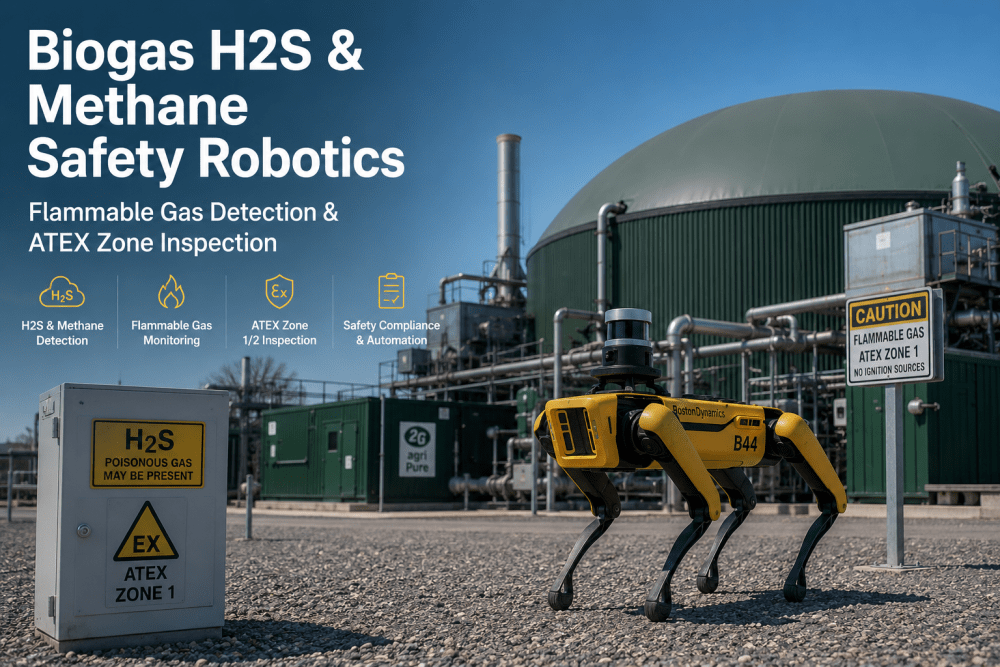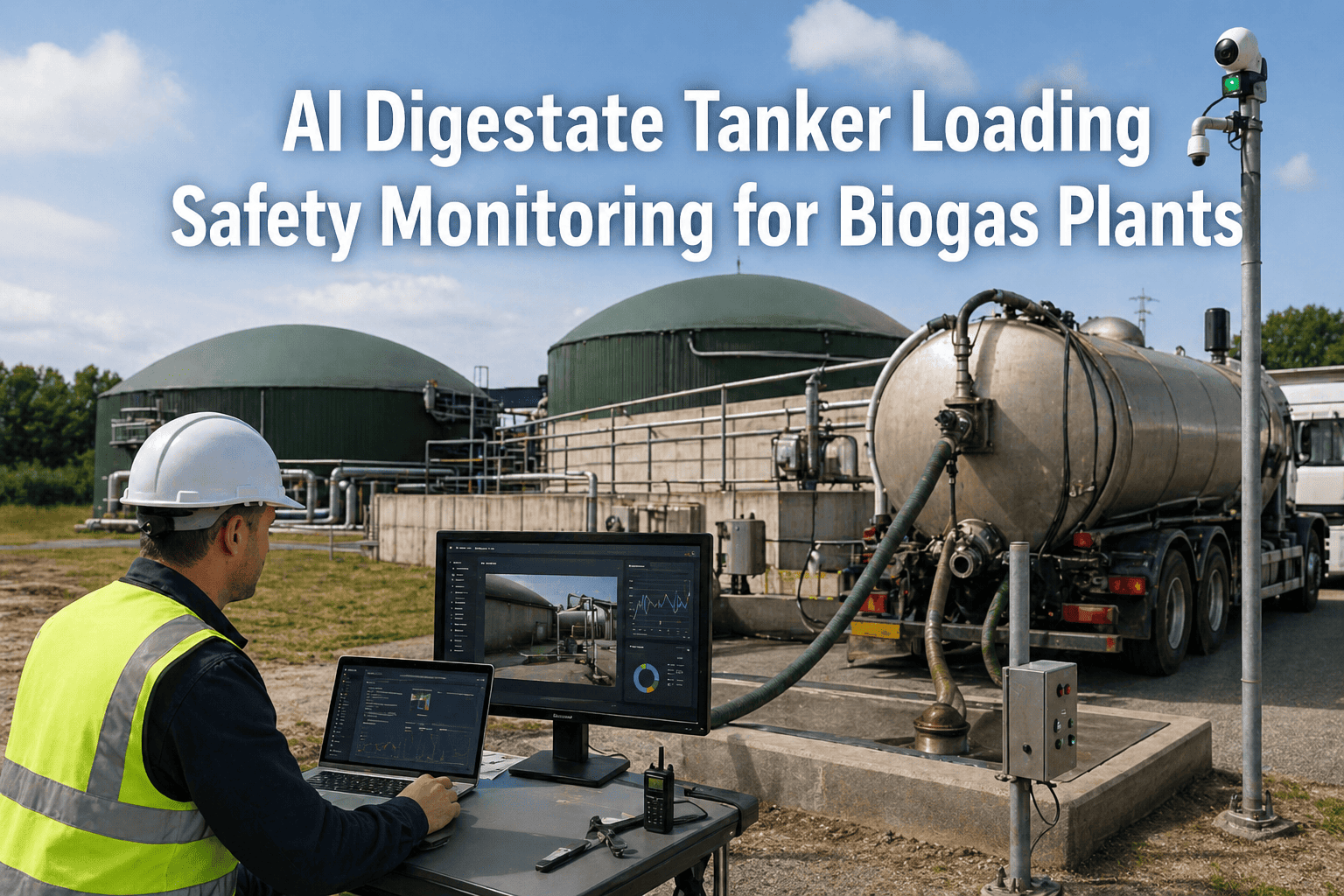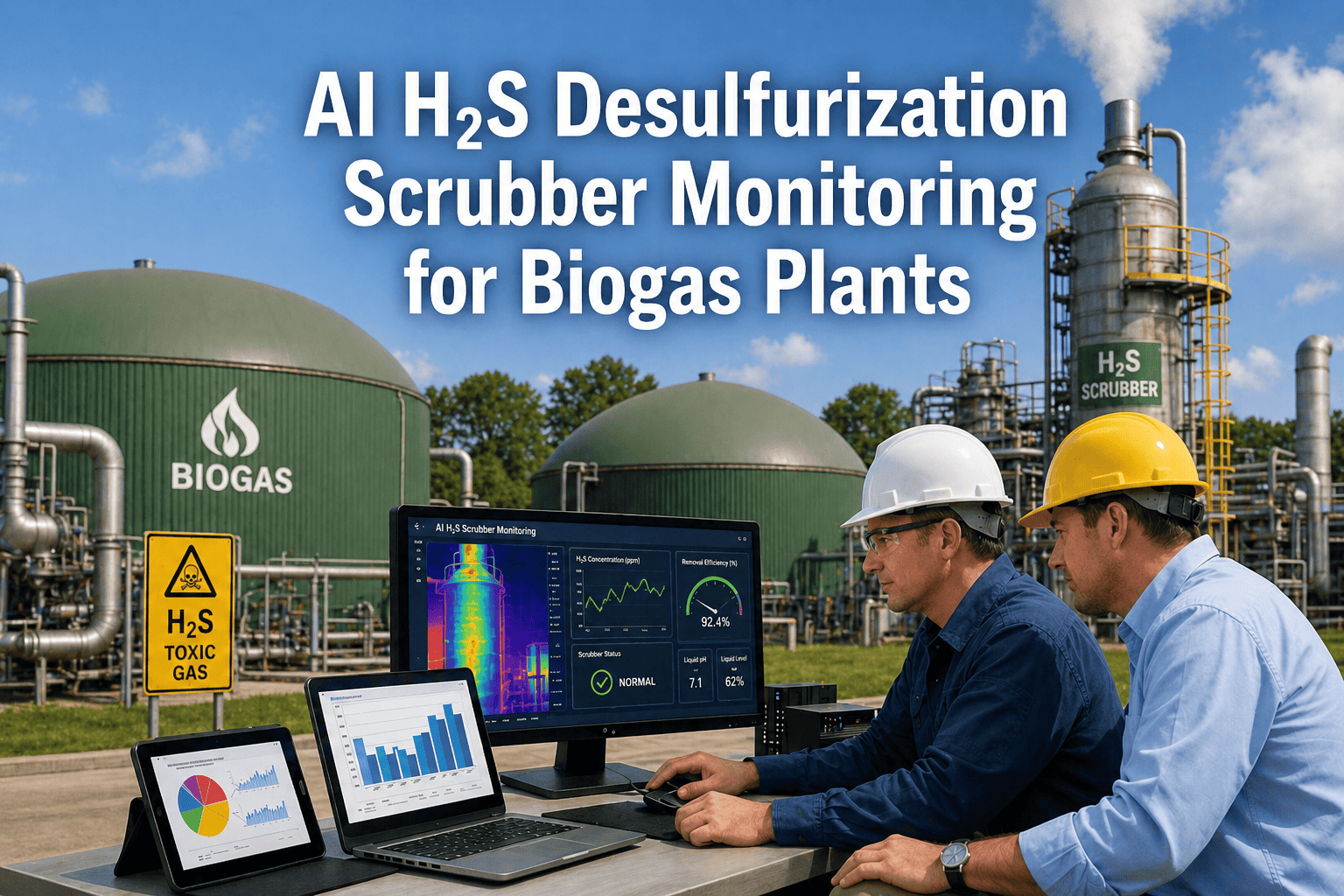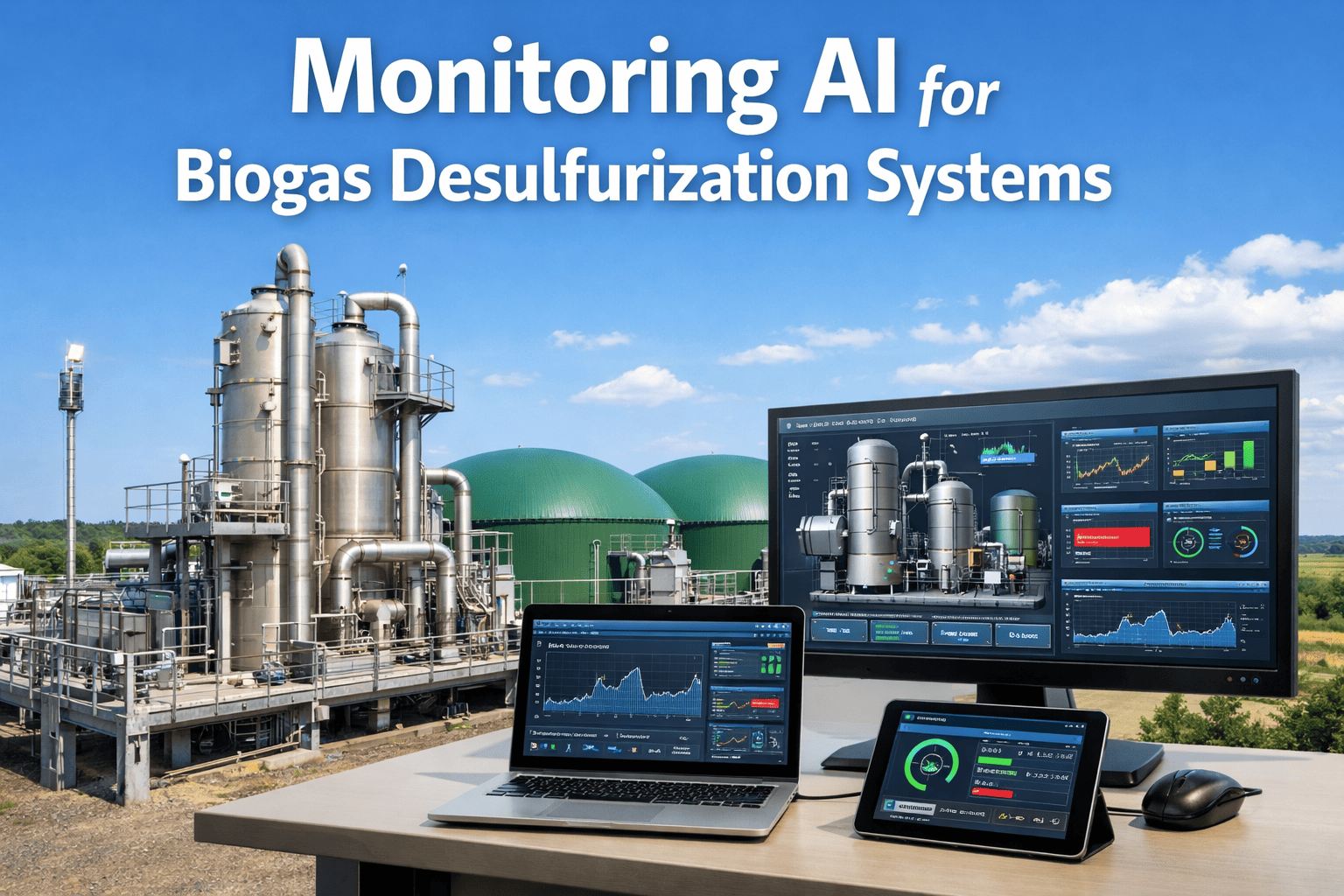
In a biogas plant, hydrogen sulfide is the most lethal and deceptive hazard operators face. Unlike methane or carbon dioxide.To see how iFactory’s AI-driven H2S risk intelligence platform protects operators and assets, Book a Demo with our biogas safety engineering team
The Physiology of H2S Exposure in Biogas Environments
Understanding the Concentration-Response Curve That Makes H2S Unique
Hydrogen sulfide does not behave like a typical tox gas. Its concentration-response curve is non-linear and actively deceptive. At low levels between 0.1 and 50 ppm, it presents a distinctive rotten-egg odor that most operators recognize. Between 100 and 200 ppm, however, olfactory nerve paralysis sets in, rendering the gas completely undetectable by smell.
| Concentration | Physiological Response | Detection Method | Required Action |
|---|---|---|---|
| 0.1 – 50 ppm | Rotten egg odor, mild eye and throat irritation | Human smell, low-range sensor | Investigate source, increase ventilation |
| 50 – 100 ppm | Headache, nausea, conjunctivitis, olfactory fatigue begins | Electrochemical sensor required | PPE escalation, continuous monitoring verification |
| 100 – 200 ppm | Olfactory fatigue complete—smell disappears entirely | Fixed-point detector only | Evacuate non-essential personnel, SCBA required |
| 200 – 500 ppm | Severe respiratory distress, pulmonary edema, neurological impairment | Continuous monitor with validated alarm | Immediate evacuation, emergency response activation |
| 500 – 700 ppm | Loss of consciousness, respiratory paralysis, seizure | Multi-point area monitoring with AI correlation | Rescue with SCBA only, medical emergency protocol |
| > 700 ppm | Immediate collapse, death within one to three minutes | Predictive early warning system required | Prevent entry, automated gas isolation, emergency dispatch |
Six Principles for Effective H2S Monitoring in Biogas Plants
Architecting a Detection System That Actually Protects Operators
H2S Sensor Technology Comparison for Biogas Applications
Selecting the Right Detection Technology for Your Facility
The effectiveness of any H2S monitoring architecture depends on selecting the right sensor technology for each application zone. Electrochemical cells remain the industry standard for sub-200 ppm area monitoring but suffer from cross-sensitivity to hydrogen and limited operational lifespan. Solid-state MOS sensors handle higher concentrations typical of digester outlets and gas pipelines but require more frequent calibration validation. Optical UV and laser-based TDLAS technologies offer superior long-term stability for critical continuous monitoring applications. For a detailed assessment of the right sensor deployment strategy for your specific facility layout and process conditions, Book a Demo with iFactory biogas detection engineers.
| Technology | Measurement Range | Operational Lifespan | Optimal Biogas Application | Key Limitation |
|---|---|---|---|---|
| Electrochemical Cell | 0 – 200 ppm | 2 – 3 years | Personnel area monitoring, confined space entry | Cross-sensitivity to hydrogen gas |
| Solid-State MOS | 0 – 10,000 ppm | 5 – 8 years | Digester outlet, gas pipeline, flare line | Zero drift requiring monthly calibration |
| Optical UV Absorption | 0 – 5,000 ppm | 10+ years | Continuous process monitoring, high-accuracy compliance | Higher upfront capital cost |
| Laser TDLAS | 0 – 10,000+ ppm | 10+ years | Critical safety zone, open-path area monitoring | Capital intensive for multi-point deployment |
Safety Hierarchy: From Passive Detection to Active Prevention
Building a Layered H2S Risk Mitigation Strategy
A genuinely effective H2S safety program does not rely on a single technology or alarm threshold. It operates across four distinct layers of defense—each building on the one below it. iFactory provides a unified platform that connects every layer, from fixed-point electrochemical sensors at grade level to AI-driven predictive analytics and automated mitigation responses that activate when operator reaction time is insufficient.
Conclusion: Closing the H2S Detection Gap
Hydrogen sulfide remains the most underestimated hazard in biogas operations precisely because it hides from the only detection tool most operators trust: their own senses.iFactory provides the visibility and reaction speed that biogas plant safety demands. Book a Demo to see how iFactory can close the detection gaps in your biogas facility today.
Frequently Asked Questions
At what concentration does H2S become undetectable by the human sense of smell?
Olfactory fatigue typically begins between 100 and 200 ppm for most individuals. At these concentrations, the H2S molecule paralyzes the olfactory nerve, eliminating the ability to detect the gas by smell entirely. This physiological response is the primary reason fatal H2S incidents occur—operators enter areas believing no gas is present because their nose tells them nothing is wrong.
How many H2S sensors does a typical biogas plant actually need?
The required number depends on facility layout, gas production volume, and site-specific migration pathways. Industry best practice recommends sensors at each digester outlet, gas holder perimeter, CHP enclosure, condensate drain points, underground pipe trenches, and confined space access points. iFactory performs a facility-specific gas migration modeling study to determine optimal sensor placement for complete spatial coverage without unnecessary redundancy.
What is the difference between a raw gas alarm and a validated H2S event?
A raw gas alarm is a single sensor exceeding a preset threshold. A validated H2S event is an alarm that iFactory AI has confirmed by correlating data from multiple sensors and process parameters including digester pressure, gas flow rate, and temperature. This validation process eliminates nuisance alarms caused by humidity, rapid temperature swings, or cross-sensor interference—reducing false alarm rates by up to 70 percent while maintaining zero tolerance for genuine events.
Can iFactory predict H2S spikes before they reach dangerous levels?
Yes. iFactory machine learning models analyze upstream process parameters including digester feed rate, feedstock composition changes, temperature gradients, and pressure fluctuations to forecast H2S concentration trajectories. The system typically provides 15 to 30 minutes of advance warning before concentrations reach alarm thresholds, giving operators time to adjust process conditions or initiate protective protocols.Book a Demo
How does iFactory integrate with existing biogas plant control systems?
iFactory connects with existing DCS, SCADA, and safety PLC infrastructure through standard industrial communication protocols including Modbus, OPC-UA, and Profinet. The platform functions as an intelligence overlay on existing instrumentation, providing digital twin visualization, predictive analytics, and automated response logic without requiring replacement of installed control systems or field devices.