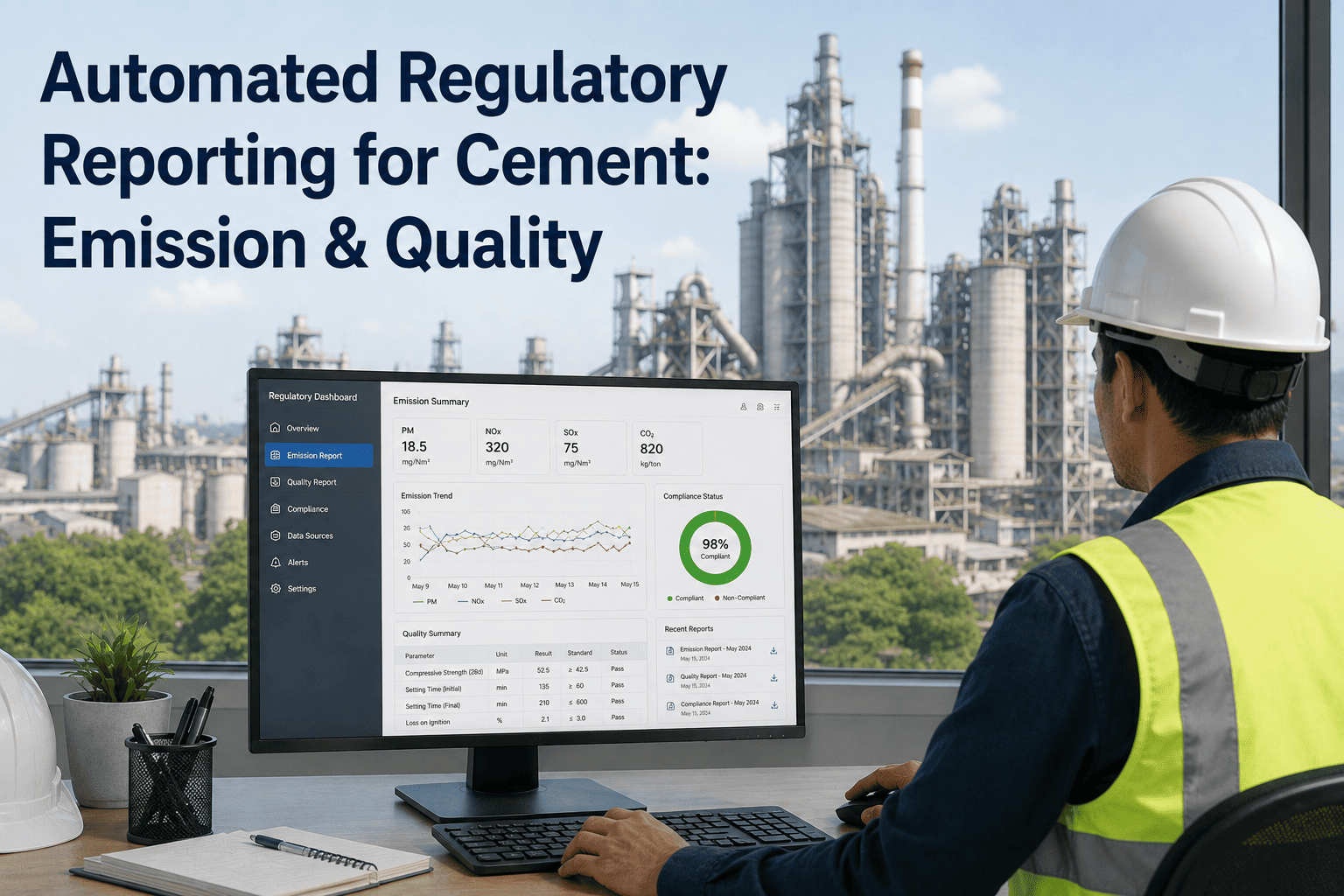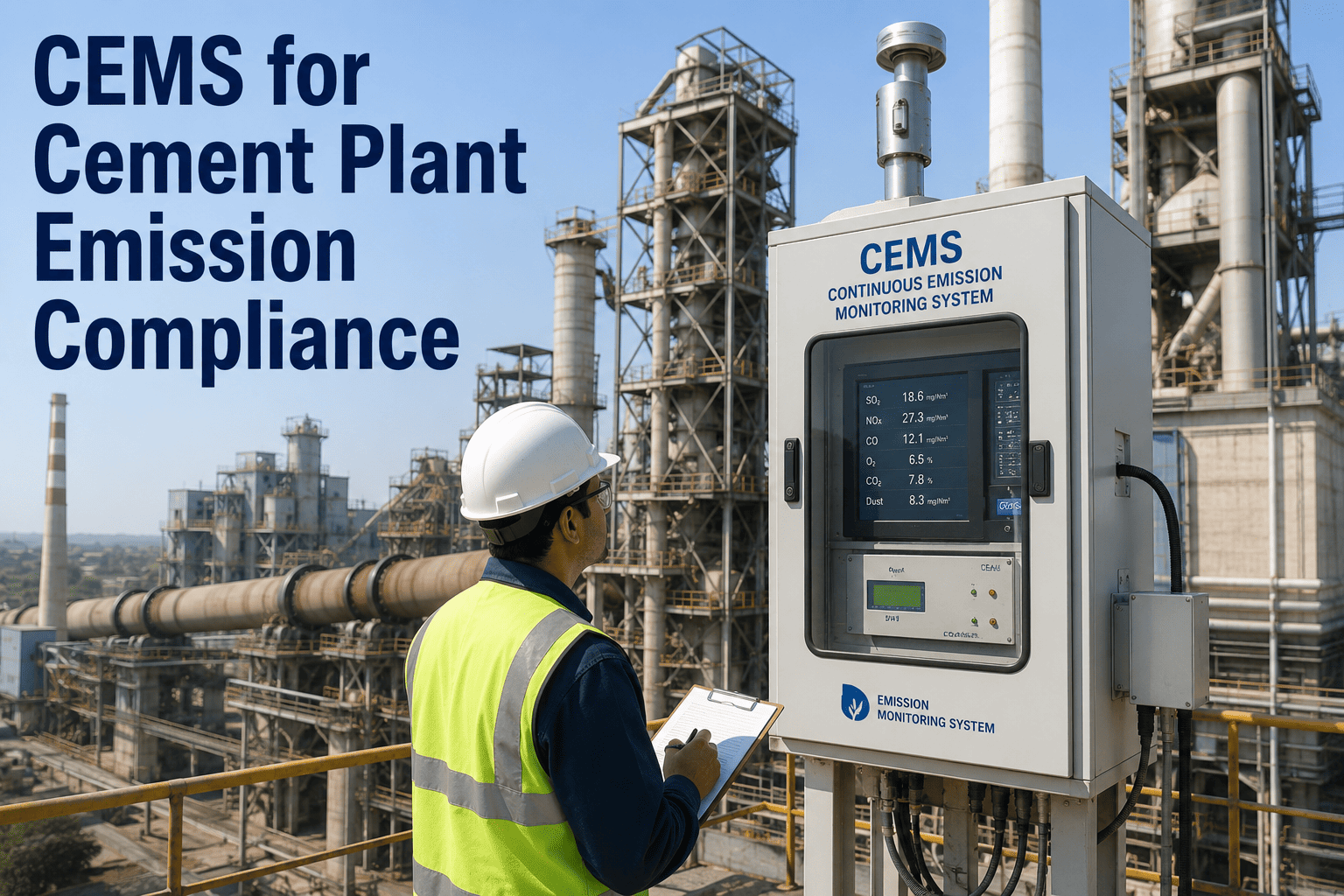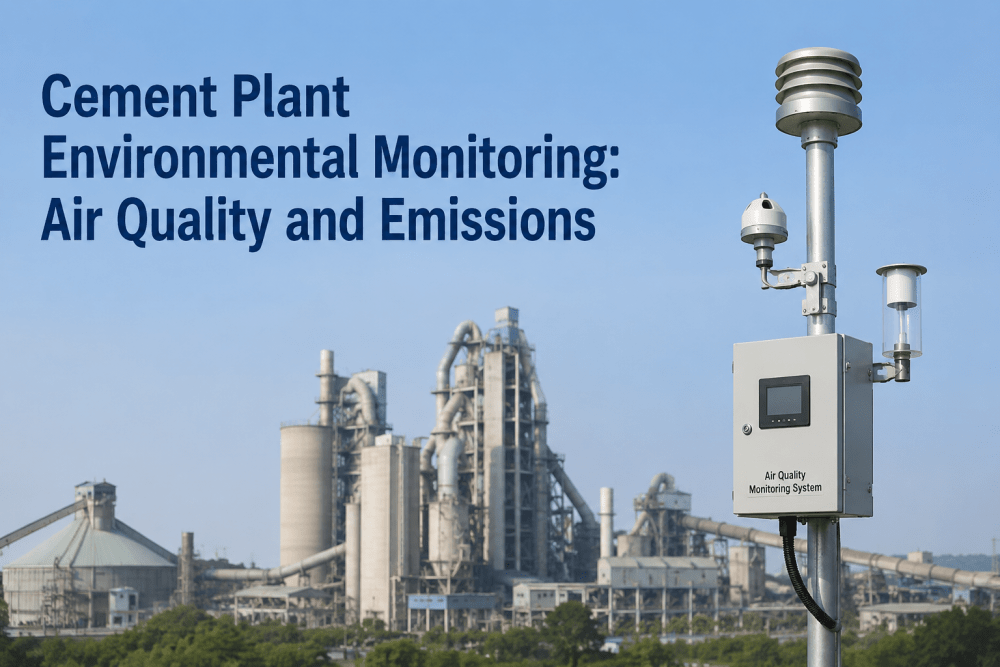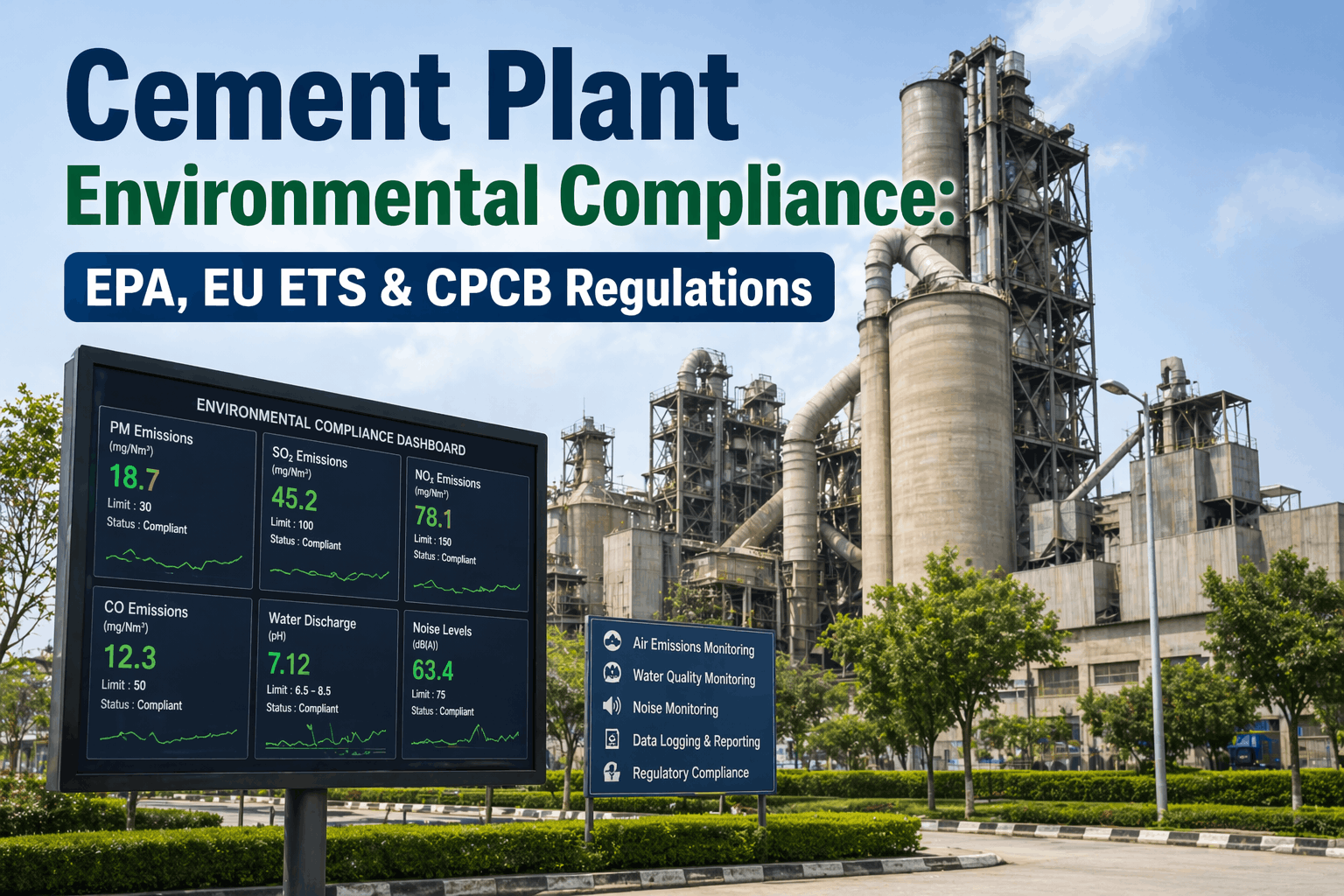
Environmental permitting for cement manufacturing in the United States is not a one-time compliance event — it is a continuous operational obligation that spans every phase of a cement plant's life, from pre-construction through operation through modification through closure. A typical U.S. cement plant operating today holds between 12 and 25 active environmental permits and licenses issued by federal, state, and local regulatory agencies — each with specific reporting deadlines, renewal intervals, operational conditions, and compliance demonstration requirements. The permit portfolio for a single integrated cement plant typically includes a Title V Operating Permit under the Clean Air Act (renewed every 5 years), Prevention of Significant Deterioration (PSD) permits for major modifications, New Source Review (NSR) permits for emission units, National Pollutant Discharge Elimination System (NPDES) permits for process water and stormwater discharge (renewed every 5 years), and state-level operating permits for air quality, water withdrawal, solid waste management, and hazardous materials storage. The compliance burden is not theoretical — EPA enforcement actions against cement plants for permit violations in 2023 and 2024 resulted in penalties ranging from $85,000 for recordkeeping violations at a single facility to $2.3 million for multi-facility Clean Air Act enforcement agreements. The majority of these enforcement actions were triggered not by intentional noncompliance but by missed renewal deadlines, incomplete monitoring records, and documentation gaps that could have been prevented with a structured permit management system. iFactory's Permit Management and Compliance Tracking modules provide cement plant environmental managers with a digital platform to track every permit and license from application through renewal — storing permit documents, monitoring compliance conditions, automating renewal reminders, and maintaining the audit-ready documentation record that regulatory agencies and corporate compliance officers require. Book a Demo to see how iFactory supports environmental permit and license management for cement plant operations.
From Missed Renewal Deadlines to Audit-Ready Compliance — Digital Permit Management for Cement Plant Operations
Every environmental permit and operating license held by a cement plant carries specific conditions, monitoring requirements, reporting deadlines, and renewal schedules that must be tracked continuously. iFactory's Permit Management platform connects permit documents, compliance conditions, and renewal schedules in a single digital system built for cement plant environmental management.
Major Environmental Permits and Licenses Required for U.S. Cement Plant Operations
The environmental permit portfolio for a U.S. cement plant is organized by regulatory program, emission source, and operational activity. The following permits represent the most common and most compliance-critical permit types held by integrated cement plants operating in the United States — each with distinct application requirements, compliance conditions, renewal intervals, and enforcement consequences for noncompliance.
Title V Operating Permit — Clean Air Act
The Title V operating permit is the single most comprehensive environmental permit for any U.S. cement plant. It consolidates all Clean Air Act requirements applicable to the facility — emission limits for PM, NOx, SO2, CO, and HAPs from each emission unit, monitoring and testing requirements, recordkeeping obligations, and reporting schedules. Title V permits are issued for a 5-year term and require a complete renewal application submitted at least 18 months before expiration. The permit application includes an emission statement for all regulated pollutants, a compliance certification for each applicable requirement, and a statement of basis documenting the permit conditions and their regulatory authority. Failure to submit a timely renewal application results in the permit's automatic expiration and the facility operating without a valid permit — a violation that carries penalties of up to $50,000 per day under the Clean Air Act.
NSR / PSD Permits — Major Modification and New Source Review
New Source Review (NSR) and Prevention of Significant Deterioration (PSD) permits are required for any major modification of a cement plant that results in a significant emission increase of any regulated pollutant. A major modification is defined as any physical change or change in method of operation that increases emissions by more than 100 tons per year for PM, 40 tons per year for SO2, 40 tons per year for NOx, or 10 tons per year for any single HAP or 25 tons per year for combined HAPs. PSD applies in attainment areas and requires Best Available Control Technology (BACT) analysis for each affected pollutant. NSR applies in nonattainment areas and requires Lowest Achievable Emission Rate (LAER) analysis plus emission offsets. The application process typically requires 6 to 18 months of ambient air quality monitoring, dispersion modeling, and BACT or LAER engineering analysis before the permit is issued.
NPDES Permit — Clean Water Act — Process Water and Stormwater Discharge
The National Pollutant Discharge Elimination System (NPDES) permit regulates all point source discharges from a cement plant — including process water from cooling systems, stormwater runoff from material storage areas and paved surfaces, and treated wastewater from industrial processes. NPDES permits establish effluent limits for pH, TSS, oil and grease, and any process-specific pollutants, require periodic effluent monitoring and reporting, and specify best management practices for stormwater management at material storage areas. NPDES permits are issued for 5-year terms and require a complete renewal application submitted at least 180 days before expiration. Cement plants in EPA Region 4, 6, and 8 have faced increased NPDES enforcement activity since 2020, with particular focus on stormwater management at raw material storage areas and coal and petcoke piles.
RCRA Hazardous Waste Management Permit — Waste Handling and Storage
Cement plants generate hazardous wastes subject to Resource Conservation and Recovery Act (RCRA) regulation — including spent kiln refractory containing heavy metals, used oil filters, spent solvents from laboratory operations, and waste oil. Plants that generate more than 1,000 kg per month of hazardous waste are subject to full RCRA generator requirements including contingency planning, personnel training, and biennial reporting. Plants that treat, store, or dispose of hazardous waste onsite require a RCRA Treatment, Storage, and Disposal Facility (TSDF) permit — a multi-year application process involving a RCRA Facility Investigation, Corrective Action plan, and public participation process. Most cement plants operate as large-quantity generators and ship hazardous waste offsite to permitted TSDFs, but plants that burn hazardous waste as alternative fuel in the kiln require a RCRA permit for the burn program in addition to the Title V permit.
State and Local Operating Permits — Air Quality, Water Withdrawal, and Solid Waste
In addition to federal permits administered by EPA, cement plants hold a range of state and local permits specific to their operating location. State air quality permits may impose additional emission limits or monitoring requirements beyond the Title V permit. Water withdrawal permits (where required by state law) regulate the volume of water withdrawn from surface water or groundwater sources for process cooling and dust suppression. Solid waste management permits cover the disposal of non-hazardous solid wastes including kiln dust, baghouse dust, and refractory debris. State and local permit requirements vary significantly — a cement plant in Texas operates under Texas Commission on Environmental Quality permits, while a plant in Pennsylvania operates under Pennsylvania DEP permits, and each state's permit conditions, renewal intervals, and reporting requirements are different.
The Permit Lifecycle — From Application Through Renewal for Cement Plant Environmental Authorizations
Every environmental permit held by a cement plant follows the same lifecycle — application, issuance, compliance operation, renewal preparation, and renewal application. The duration and complexity of each phase varies by permit type, regulatory agency, and facility-specific conditions. Understanding the permit lifecycle for each authorization in the plant's portfolio is essential for preventing the gaps between expiration and renewal that trigger enforcement action. iFactory's Permit Management module tracks every permit through its complete lifecycle with automated milestone notifications for each phase.
Application Phase — Permit Development and Agency Submission
The application phase for a cement plant environmental permit involves preparing the technical documentation, emission calculations, engineering analyses, and regulatory forms required by the issuing agency. A Title V renewal application requires compilation of all emission unit data, emission factors and calculations for each regulated pollutant, monitoring plan descriptions, compliance certification for each applicable requirement, and the statement of basis. Application preparation typically requires 60 to 90 days of dedicated environmental staff effort for a Title V renewal, 90 to 180 days for a PSD application, and 30 to 60 days for an NPDES renewal application. iFactory's document management module stores application templates, previous application documents, and supporting technical data for reuse on each permit cycle.
Review Phase — Agency Technical Review and Public Comment
After submission, the regulatory agency conducts a technical review of the permit application — evaluating the completeness and accuracy of emission calculations, the adequacy of monitoring plans, and compliance with applicable regulatory requirements. For Title V permits, the agency review period is typically 6 to 12 months, followed by a 30-day public comment period and a public hearing if requested. For PSD permits, the review period is typically 12 to 24 months and includes EPA review of the BACT analysis as well as the state agency review. For NPDES permits, the review period is typically 6 to 12 months with a 30-day public comment period. During the review phase, the agency may issue information requests requiring additional data or analysis from the plant, and the permit issuance timeline is extended accordingly.
Compliance Phase — Operating Under Permit Conditions with Monitoring and Reporting
The compliance phase is the longest phase of the permit lifecycle — typically 5 years for Title V and NPDES permits, 10 to 15 years for PSD permits, and 1 to 5 years for state permits depending on the state and permit type. During the compliance phase, the plant must operate within the permit's emission limits, conduct the monitoring specified in the permit (CEMS, parametric monitoring, periodic testing), maintain records of all compliance data, and submit periodic reports to the regulatory agency. Title V permits require semi-annual monitoring reports and an annual compliance certification signed by a responsible corporate officer. NPDES permits require monthly discharge monitoring reports. State permits require reports at intervals specified in the permit conditions. iFactory's Compliance Tracking module automates report generation by pulling compliance data from monitoring records and populating the report templates required by each permit.
Renewal Preparation Phase — Application Development Before Permit Expiration
Renewal preparation begins 12 to 18 months before the permit expiration date for Title V permits — the regulatory deadline for submitting the renewal application is typically 18 months before expiration, but preparing a complete and defensible application requires an additional 3 to 6 months of data compilation and analysis before the submission deadline. For NPDES permits, renewal preparation should begin 6 to 9 months before the application deadline of 180 days before expiration. For state permits, renewal lead times vary from 30 to 180 days before expiration. iFactory's automated notification system alerts the environmental manager at user-defined intervals before each milestone — 18 months, 12 months, 6 months, 3 months, and 30 days before permit expiration — ensuring that renewal preparation begins with sufficient lead time for a complete application.
Renewal and Continuous Improvement Phase — Application Resubmission and Permit Terms Adjustment
The renewal application is submitted to the regulatory agency, initiating a new application-review-issuance cycle. Each permit renewal is an opportunity to adjust permit conditions based on changes in plant operations, regulatory requirements, or monitoring technology since the previous permit term. Title V renewals often include revised emission limits based on new source testing data, updated monitoring plans based on CEMS performance history, and revised recordkeeping requirements based on compliance demonstration experience. The continuous improvement aspect of permit renewal is frequently overlooked at cement plants, where the environmental team is under pressure to submit the renewal application on time and defaults to copying the previous permit conditions rather than evaluating whether updated conditions would more accurately reflect actual plant operations and reduce the compliance burden.
Permit Compliance Requirements — Monitoring, Reporting, and Recordkeeping Obligations by Permit Type
Each environmental permit held by a cement plant imposes specific monitoring, reporting, and recordkeeping obligations that the facility must satisfy to maintain compliance. The table below summarizes the key compliance requirements for the major permit types at a typical U.S. integrated cement plant, including the monitoring method, reporting frequency, and record retention requirement specified in each permit.
| Permit Type | Primary Monitoring Method | Reporting Frequency | Record Retention | Key Compliance Risk |
|---|---|---|---|---|
| Title V Operating Permit | CEMS (PM, NOx, SO2, CO) for kiln stack; parametric monitoring (temperature, pressure drop) for other emission units; periodic stack testing every 5 years | Semi-annual monitoring reports; annual compliance certification | 5 years minimum from report date | Late renewal application (18-month deadline); CEMS downtime exceeding allowable hours; incomplete annual compliance certification |
| NSR / PSD Permit | CEMS or parametric monitoring for new/modified emission units; BACT performance verification testing within 180 days of startup | Annual compliance report for first 2 years; biennial thereafter per permit conditions | Life of the permit (typically 10-15 years) | BACT performance not demonstrated within 180-day window; emission increase exceeding PSD significance threshold without prior approval |
| NPDES Permit (process water) | Effluent sampling at permitted discharge points; flow measurement; pH and TSS continuous or grab sampling per permit frequency | Monthly discharge monitoring reports (DMRs); annual compliance report | 3 years minimum from report date or sample date | Effluent limit exceedance from process water discharge; bypass or upset event without proper notification; late DMR submission |
| NPDES Permit (stormwater) | Visual inspection of outfalls during storm events; quarterly grab sampling during wet season; annual comprehensive site inspection | Annual stormwater report; DMRs per permit frequency | 3 years minimum | Stormwater discharge from raw material storage areas without treatment; inadequate BMP maintenance at coal/petcoke piles; missed quarterly sampling |
| RCRA Hazardous Waste | Weekly inspection of hazardous waste storage areas; biennial hazardous waste reporting; training documentation for all waste-handling personnel | Biennial hazardous waste report (even years); exception reporting for manifest discrepancies | 3 years minimum for most records; current training records for each employee | Hazardous waste storage beyond 90-day accumulation time without permit; incomplete biennial report; expired RCRA training for personnel |
| State Air Quality Permit | Per permit conditions — typically parametric monitoring, periodic stack testing, and opacity monitoring | Quarterly or semi-annual reports per state permit conditions; annual emission inventory report | 5 years minimum per state requirements | Opacity exceedance from kiln or clinker cooler; emission inventory reporting error; missed state permit renewal deadline |
Digital Permit Management Program — Implementation Checklist for Cement Plant Environmental Managers
Establishing a digital permit management program for a cement plant requires work across six domains — permit inventory, document organization, compliance tracking, renewal automation, audit readiness, and program governance. The checklist below covers the essential elements that iFactory's implementation team reviews during the Permit Management platform deployment at each cement plant.
Complete permit and license inventory with regulatory authority and expiration tracking
Every permit and license held by the plant is identified, cataloged, and entered into the iFactory platform with the issuing agency, permit number, issue date, expiration date, and primary contact at the agency. The inventory includes federal permits (Title V, PSD, NPDES, RCRA), state permits (air quality, water withdrawal, solid waste, stormwater), and local permits (zoning, building, fire, hazardous materials storage). A typical cement plant with 18 active permits requires approximately 40 hours for complete inventory compilation.
Permit document repository with version control and agency correspondence tracking
Each permit's complete documentation is stored in the iFactory Document Management module — the permit application, supporting technical data, the issued permit document, agency correspondence, compliance reports submitted, and enforcement actions or notice of violation (NOV) records. Document version control ensures that only the current permit conditions are referenced for compliance management, while historical versions are retained for audit reference. Agency correspondence — including information requests, comment letters, and inspection reports — is tracked as part of the permit record.
Compliance condition tracking with monitoring schedule and report generation
Each compliance condition in every permit is entered as a trackable obligation in the iFactory Compliance Tracking module — including the monitoring method, monitoring frequency, reporting frequency, report template, and submission deadline. The system generates automated reminders for each compliance obligation — periodic monitoring events, report due dates, and compliance certification deadlines — and supports direct generation of monitoring reports using the permit's required format and data from the plant's monitoring systems.
Renewal timeline automation with multi-stage notification periods
Each permit's renewal timeline is configured in the iFactory platform with automated notifications at user-defined intervals before expiration. For Title V permits, notifications are configured for 18 months (application deadline), 12 months, 6 months, 3 months, and 30 days before permit expiration. For NPDES permits, notifications are configured for 180 days, 90 days, and 30 days before expiration. The notification includes the permit name, expiration date, required actions, and links to the permit document and previous application for reference during renewal preparation.
Audit-ready documentation package with compliance history report generation
The iFactory platform maintains a complete compliance history for each permit — including all monitoring data, compliance reports, agency correspondence, and enforcement actions — organized in an audit-ready format that can be exported as a compliance documentation package on demand. The compliance history report is used for internal compliance audits, corporate environmental management reviews, regulatory agency inspections, and due diligence reviews for plant acquisitions or divestitures.
Permit modification tracking for operational changes affecting permit conditions
When a cement plant makes an operational change that affects permit conditions — a new emission source, a change in fuel type, an increase in production rate, a modification to the water treatment system — the iFactory platform tracks the permit modification process from the initial applicability determination through the agency approval. The permit modification record includes the change description, regulatory applicability analysis, permit conditions affected, agency notification date, and permit modification approval document.
Missed Permit Renewal Deadlines Are the Most Avoidable Compliance Risk at Any Cement Plant — iFactory Makes Sure You Never Miss One
Every environmental permit in your plant's portfolio has a specific expiration date, renewal lead time, and agency contact — and iFactory tracks every one of them with automated multi-stage notifications that give your environmental team the lead time required for a complete and defensible renewal application. Book a demo and see the system managing permit compliance data for a U.S. cement plant today.
What Cement Plant Environmental Managers Say About Digital Permit and License Management
I have managed environmental compliance at three U.S. cement plants over the past 18 years — a 3,200-tpd dry-process plant in Missouri, a 4,000-tpd plant in Texas, and a 2,800-tpd plant in the Southeast. The most consistent compliance challenge across all three facilities was not the technical complexity of the environmental regulations — it was the administrative burden of managing 15 to 22 different permits, each with different expiration dates, monitoring schedules, reporting formats, and agency contacts, using spreadsheets and file cabinets. At the Texas plant in 2021, I discovered that our Title V operating permit had expired 47 days earlier. The plant had been operating for 47 days without a valid Title V permit. The renewal application had been prepared by the corporate environmental department and was in the final review stage before submission — but the 18-month pre-expiration application deadline had passed during an organizational transition when the environmental manager position was vacant for 3 months and the application preparation had stopped. We submitted the application within 48 hours of discovering the expiration and self-reported the violation to EPA Region 6. The penalty was $185,000 for operating without a valid permit — a cost that was entirely avoidable with a permit management system that would have alerted the plant manager and corporate environmental director when the application preparation stalled 6 months before the deadline. The second lesson came from an EPA information request at the Missouri plant regarding our continuous emission monitoring system (CEMS) relative accuracy test audit (RATA) records. EPA requested 3 years of RATA data, quality assurance records, and the associated compliance reports. It took our team 6 weeks to locate and compile all the records — and the EPA inspector noted 4 instances where the RATA schedule in the QA plan did not match the actual test dates recorded in the CEMS data system. No enforcement action was taken, but the inspector's observation required a formal written response and a revised QA plan. That 6-week record compilation effort would have been reduced to 15 minutes with a digital compliance tracking system that maintains all CEMS QA records, RATA results, and compliance reports in a searchable, audit-ready format linked to each emission unit and each permit condition. Since deploying iFactory's Permit Management platform at the Southeast plant, we have reduced the time spent on compliance record compilation by approximately 70% — from 40 hours per month spent searching for records and compiling compliance reports to approximately 12 hours per month spent reviewing system-generated compliance packages. The permit renewal tracking has eliminated the risk of missed renewal deadlines. And the compliance documentation repository has transformed our response time to EPA information requests from weeks to hours.
— Director of Environmental Compliance, U.S. Cement Manufacturing — 18 Years Cement Plant Environmental Management — Certified Hazardous Materials Manager (CHMM) — PCA Environmental Committee MemberCommon Questions About Cement Plant Environmental Permit and License Management
Digital Permit Management Transforms Environmental Compliance from a Reactive Administrative Burden to a Managed Operational Function
Every environmental permit held by a cement plant represents a specific set of obligations — emission limits, monitoring requirements, reporting deadlines, and renewal schedules — that the facility must satisfy continuously to maintain its legal authorization to operate. The permits themselves are not the compliance challenge. The compliance challenge is the administrative burden of tracking 12 to 25 different permits, each with different compliance conditions, monitoring schedules, reporting formats, expiration dates, and agency contacts, without a digital system that connects the permit documents, compliance data, and renewal timelines into a single managed platform.
iFactory's Permit Management and Compliance Tracking modules provide cement plant environmental managers with the digital infrastructure to track every permit from application through renewal — storing permit documents with version control, monitoring compliance conditions with automated schedule reminders, generating compliance reports from monitoring data, and maintaining an audit-ready compliance history that transforms the response time to regulatory agency information requests and inspections from weeks to hours. The transition from spreadsheet-and-file-cabinet permit management to digital compliance tracking is not a technology project — it is the environmental management discipline that determines whether a cement plant's compliance burden is a manageable operational function or an enforcement action waiting to happen. Book a Demo to see how iFactory supports environmental permit and license management for cement plant operations.
Every Permit Expiration Date Is a Compliance Risk if You Are Not Tracking It Systematically — iFactory Tracks Every One.
iFactory's Permit Management platform connects permit documents, compliance conditions, monitoring data, and renewal schedules into a single digital system that alerts your environmental team before every deadline and maintains the audit-ready compliance record that regulators and corporate auditors require. Book a demo and see the platform configured for your cement plant's environmental permit portfolio today.