The global cement industry stands at a critical inflection point, facing mounting regulatory pressure to decarbonize while maintaining operational excellence and cost competitiveness. Among emerging fuel alternatives, hydrogen has garnered significant attention as a potential pathway to near-zero CO2 emissions from cement kilns. This comprehensive technical analysis evaluates the viability of hydrogen as a primary or supplementary fuel for rotary cement kilns, examining the economic, operational, and engineering challenges that must be addressed for successful implementation. From green hydrogen production economics to burner modification requirements and flame characteristics, we provide a detailed roadmap for plant managers and CTOs considering this transformative fuel switch. The transition to hydrogen fuel represents not merely a substitution but a fundamental reengineering of thermal processes that have remained largely unchanged for decades. Book a Demo to explore how iFactory's predictive analytics can optimize your kiln fuel transition strategy.
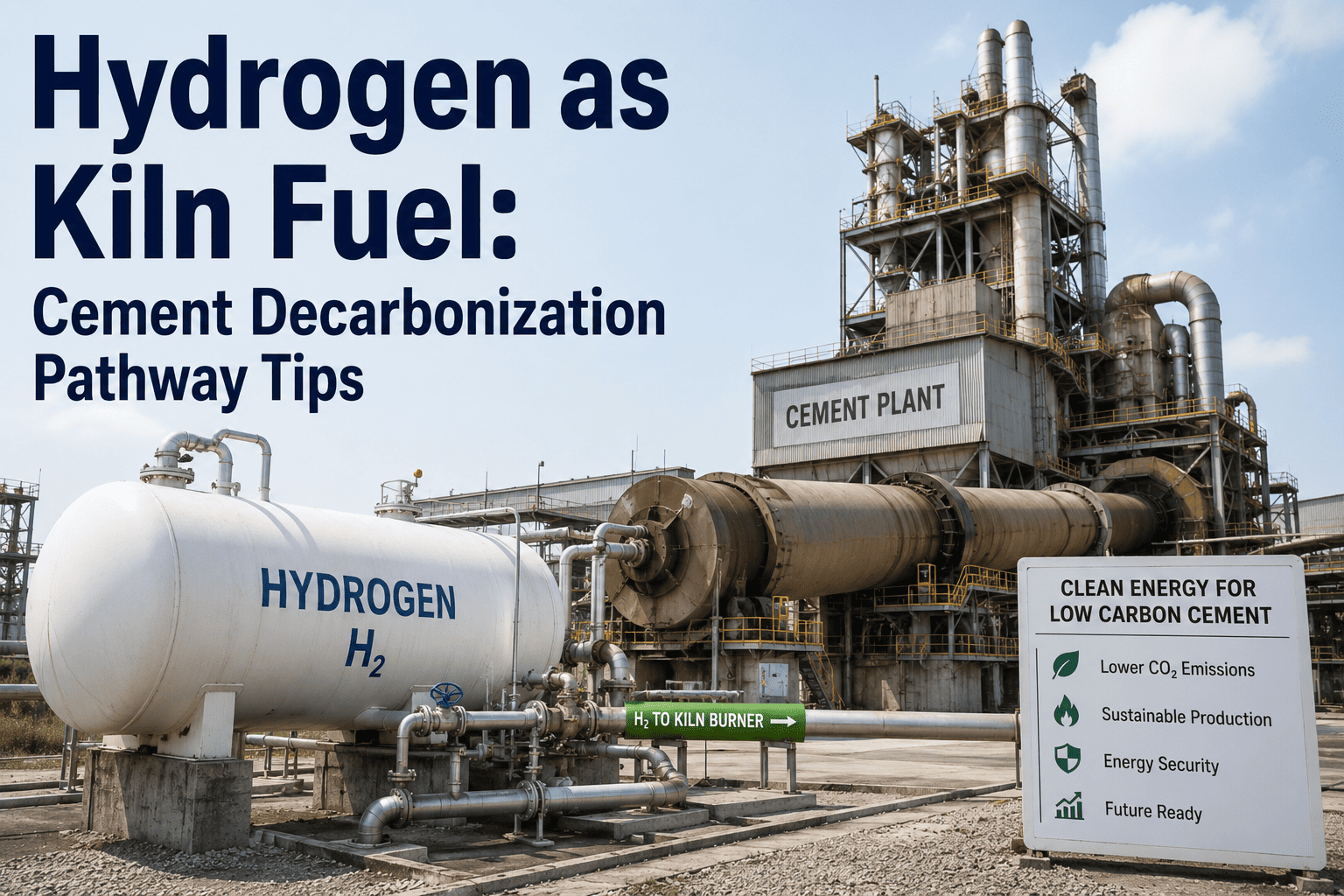
Hydrogen Fuel for Cement Kilns — Decarbonization Pathway
A comprehensive technical evaluation of hydrogen as a kiln fuel, covering economics, burner modifications, flame characteristics, and infrastructure requirements for cement decarbonization.
The Hydrogen Imperative for Cement Decarbonization
Cement production accounts for approximately 8% of global CO2 emissions, with roughly 60% originating from the calcination of limestone and 40% from fuel combustion in kilns. While carbon capture technologies address process emissions, fuel switching offers a direct route to eliminate combustion-related CO2. Hydrogen, when combusted, produces only water vapor, making it an attractive zero-carbon fuel option for cement kilns. However, the transition is fraught with technical complexities, including flame temperature dynamics, NOx formation, burner geometry redesign, and the economic viability of hydrogen supply chains. This analysis provides a rigorous framework for evaluating hydrogen as a kiln fuel, drawing on pilot plant data, burner manufacturer specifications, and energy market projections to inform capital allocation decisions.
Green vs. Blue Hydrogen: Economic Comparison
Green hydrogen, produced via electrolysis using renewable energy, currently costs $4-7 per kg, while blue hydrogen from natural gas with carbon capture ranges $2-4 per kg. For a typical 1 Mt/year cement plant requiring 0.6 GJ/t clinker, annual fuel demand is approximately 600,000 GJ. At hydrogen's lower heating value of 120 MJ/kg, this translates to 5,000 tonnes of hydrogen annually. At $4/kg, fuel cost alone reaches $20 million, compared to $8 million for petcoke. However, carbon pricing at $100/t CO2 adds $12 million to fossil fuel costs, narrowing the gap. The economic tipping point depends on regional carbon taxes, renewable electricity prices, and hydrogen production scale.
Burner Modification Requirements
Hydrogen's high flame speed (3.1 m/s vs. 0.4 m/s for natural gas) and wide flammability range (4-75% in air) necessitate fundamental burner redesign. Key modifications include: (1) increased nozzle velocity to prevent flashback, (2) staged combustion ports to control flame temperature, (3) flame stabilizer geometry changes, and (4) enhanced cooling systems for burner tips. Retrofitting an existing kiln burner can cost $500,000-$2 million, depending on complexity. New burner systems designed for hydrogen co-firing up to 100% are now available from major OEMs, with lead times of 12-18 months for custom engineering.
Flame Characteristics and Heat Transfer
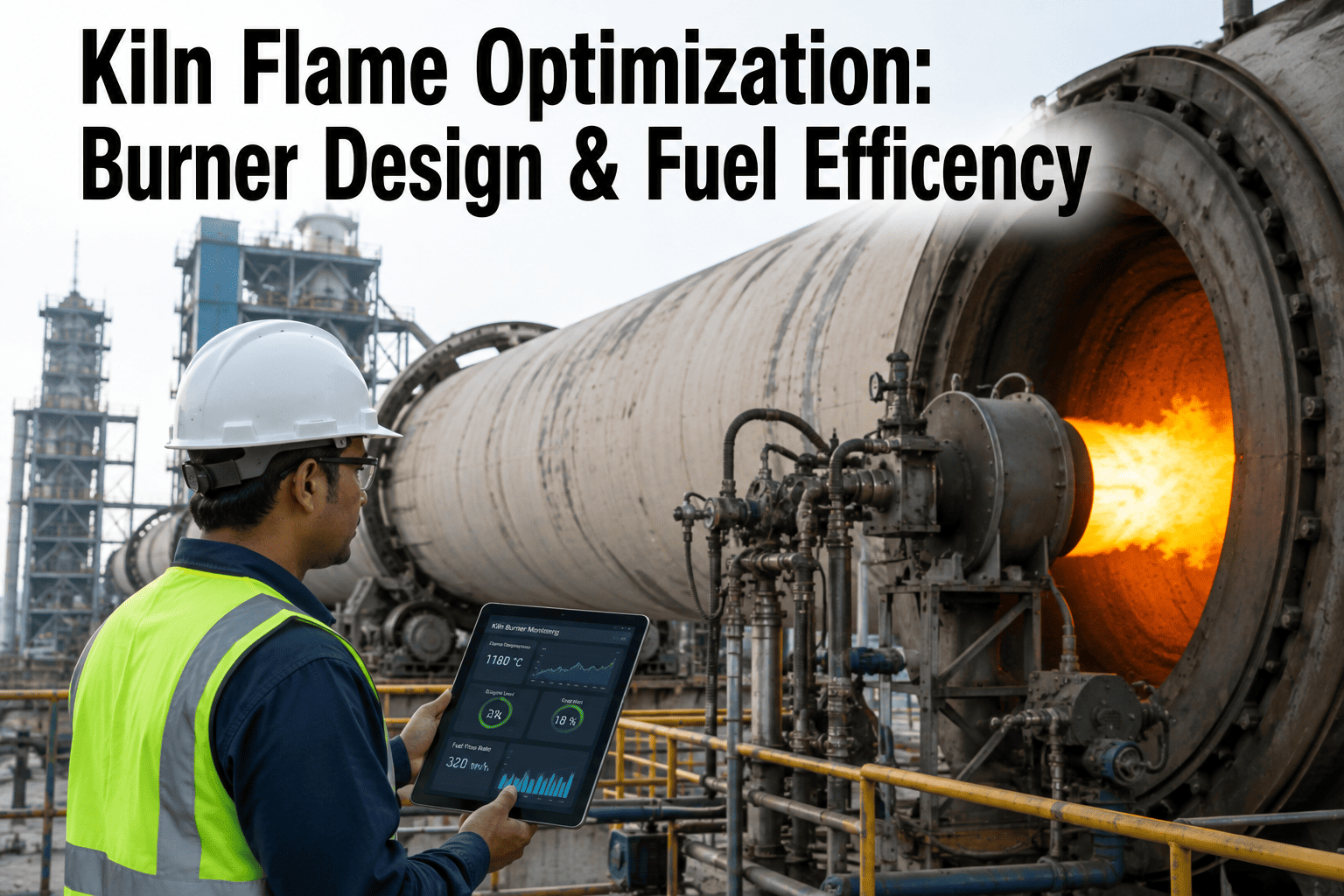
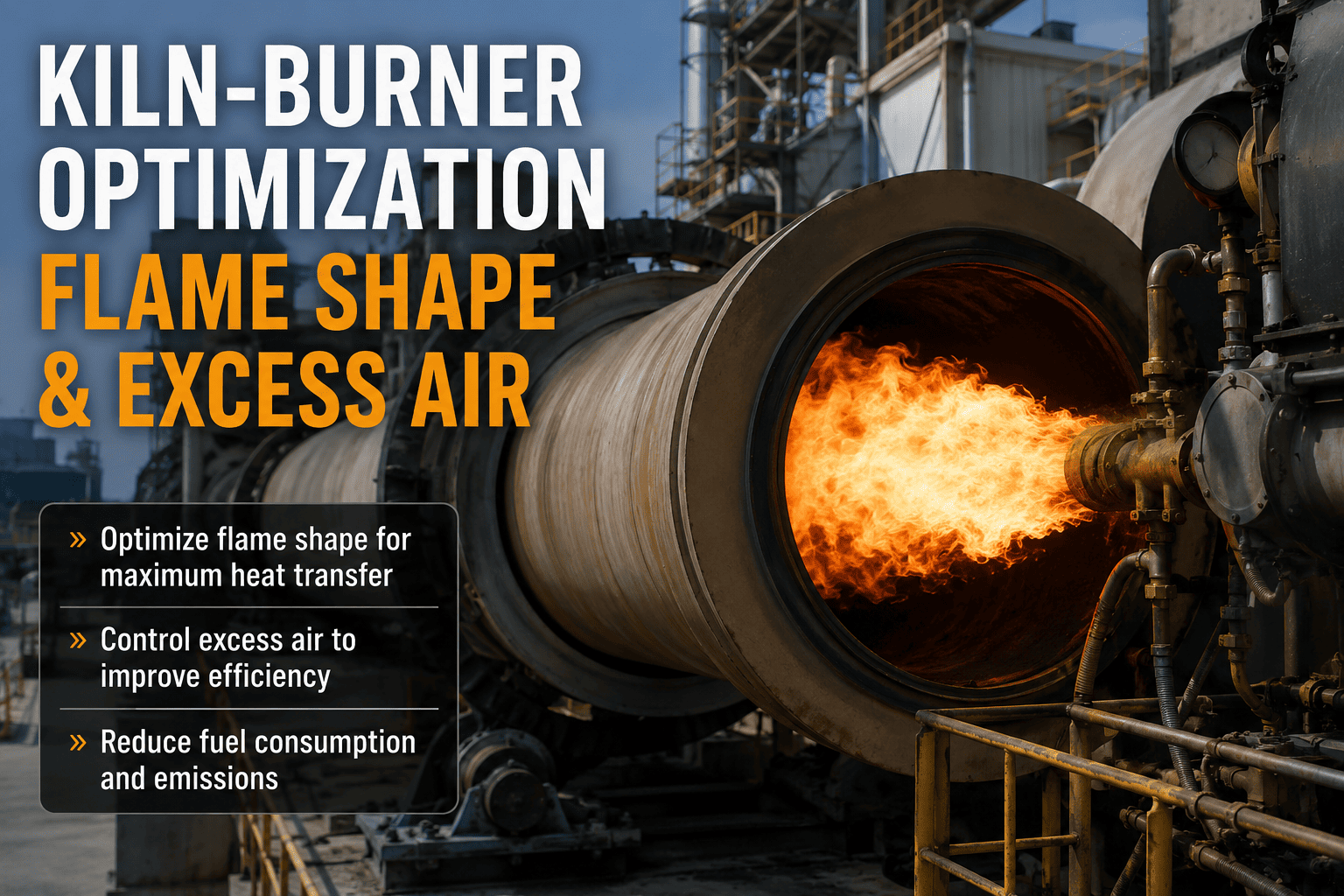
Hydrogen flames exhibit higher adiabatic flame temperature (2,100°C vs. 1,950°C for natural gas) and greater radiative heat transfer due to increased water vapor content. While beneficial for clinker formation, excessive temperatures can damage refractory and increase NOx formation. Computational fluid dynamics (CFD) modeling is essential to optimize flame shape, length, and heat flux distribution. Typical hydrogen flames are shorter and more intense, requiring careful adjustment of burner positioning and secondary air flow to maintain clinker quality. Pilot studies show that with proper burner design, clinker free lime and compressive strength remain within specification.
Infrastructure and Supply Chain Challenges
Hydrogen storage and handling present unique challenges at cement plant scale. Gaseous hydrogen requires high-pressure storage (350-700 bar) or cryogenic liquid storage at -253°C, both requiring significant capital investment. Pipeline delivery is ideal but limited to regions with existing hydrogen networks. On-site electrolysis eliminates transport costs but requires 50-60 kWh/kg H2 electricity, demanding 250 GWh annually for a 1 Mt plant. This electricity demand must be firm and low-carbon to achieve net-zero goals. Hydrogen embrittlement of steel piping and fittings necessitates material upgrades to stainless steel or specialized polymers.
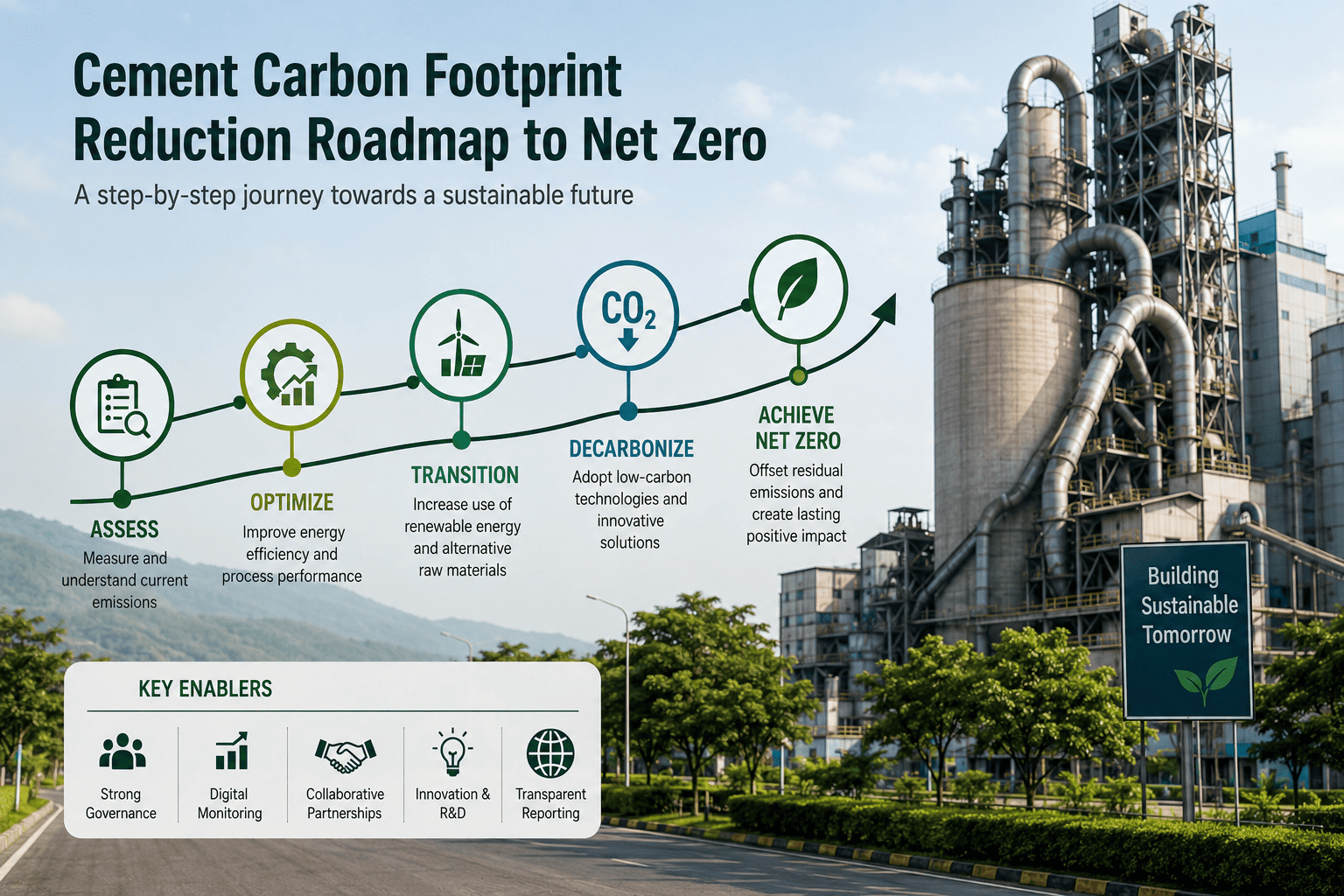
Hydrogen Fuel Transition Roadmap
Feasibility Study
Conduct techno-economic assessment including hydrogen cost projections, carbon pricing scenarios, and burner retrofit costs. Engage with hydrogen suppliers and burner OEMs for preliminary quotes. Duration: 3-6 months.
Pilot Co-Firing Trials
Implement hydrogen co-firing at 10-30% thermal substitution on a single kiln. Monitor flame characteristics, clinker quality, NOx emissions, and refractory wear. Use iFactory analytics to model heat transfer and optimize operating parameters. Duration: 6-12 months.
Infrastructure Investment
Procure and install hydrogen storage, piping, and safety systems. Retrofit burner with hydrogen-capable design. Upgrade control systems for fuel blending flexibility. Duration: 12-18 months.
Full-Scale Implementation
Scale up to 50-100% hydrogen fuel substitution across all kilns. Integrate with on-site electrolysis or secure long-term hydrogen supply contracts. Achieve near-zero CO2 fuel emissions. Duration: 18-24 months.
Accelerate Your Decarbonization Journey
iFactory's predictive modeling platform enables you to simulate hydrogen fuel scenarios, optimize burner parameters, and quantify emissions reductions with precision.
Technical Deep Dive: Hydrogen Combustion in Rotary Kilns
The combustion characteristics of hydrogen differ fundamentally from conventional fossil fuels used in cement kilns. Hydrogen's high laminar flame speed (3.1 m/s) and low ignition energy (0.017 mJ) make it highly reactive, requiring careful control of fuel-air mixing to prevent flashback and autoignition. The flame temperature of hydrogen-air mixtures is approximately 100-150°C higher than natural gas, which can enhance radiative heat transfer but also increases thermal NOx formation via the Zeldovich mechanism. To mitigate NOx, staged combustion with air or flue gas recirculation is employed, reducing peak flame temperature below 1,800°C. The higher water vapor content in hydrogen combustion products (about 18% vs. 10% for natural gas) increases gas emissivity, improving heat transfer to the clinker bed. CFD simulations show that hydrogen flames are shorter and more intense, requiring careful burner positioning to avoid localized overheating of refractory. Particle image velocimetry (PIV) measurements in pilot kilns confirm that hydrogen flames have a wider flame angle (60-70 degrees vs. 40-50 degrees for natural gas), which can improve flame coverage but may require increased burner momentum to maintain flame shape. The impact on clinker quality has been studied in several pilot trials, with results showing that at substitution rates up to 50%, clinker free lime content remains below 1.5% and compressive strength at 28 days meets standard specifications. However, at higher substitution rates, the reduced flame length may lead to incomplete calcination in the lower transition zone, requiring adjustments to kiln rotational speed or material residence time.
Hydrogen vs. Conventional Fuels: Key Parameters
| Parameter | Hydrogen | Natural Gas | Petcoke | Coal |
|---|---|---|---|---|
| Lower Heating Value (MJ/kg) | 120 | 50 | 33 | 30 |
| Adiabatic Flame Temperature (°C) | 2,100 | 1,950 | 2,000 | 2,050 |
| Flame Speed (m/s) | 3.1 | 0.4 | 0.3 | 0.2 |
| CO2 Emissions (kg/GJ) | 0 | 56 | 100 | 95 |
| NOx Emissions (mg/Nm3) | 200-400 | 100-200 | 300-600 | 400-800 |
| Water Vapor in Flue Gas (%) | 18 | 10 | 6 | 5 |
| Fuel Cost ($/GJ) | 33 | 10 | 6 | 8 |
Critical Success Factors for Hydrogen Adoption
Flame Stability Control
Advanced burner designs with staged combustion and flame detection systems ensure stable operation across load ranges. Real-time monitoring of flame temperature and position using optical sensors enables automatic adjustment of fuel-air ratios.
Refractory Protection
Higher flame temperatures require upgraded refractory materials with improved thermal shock resistance and lower thermal conductivity. Zirconia-based bricks and silicon carbide castables are recommended for burner zone linings.
NOx Mitigation
Selective non-catalytic reduction (SNCR) systems can reduce NOx by 50-70%, while flue gas recirculation (FGR) lowers peak flame temperature by 100-200°C. Combined approaches achieve below 200 mg/Nm3 NOx.
Safety Systems
Hydrogen leak detection, emergency ventilation, and flame arrestors are mandatory. Gas sensors with 1 ppm sensitivity and automatic shut-off valves integrated with the plant DCS ensure safe operation.
Fuel Flexibility
Dual-fuel burner designs allow seamless switching between hydrogen and natural gas, providing operational resilience during hydrogen supply disruptions. Blending ratios can be adjusted in real-time based on availability and cost.
Predictive Analytics
iFactory's machine learning models predict flame characteristics, refractory wear, and NOx emissions based on operating parameters, enabling proactive adjustments and optimizing fuel efficiency.
Frequently Asked Questions
What is the current cost of green hydrogen for cement kilns?
Green hydrogen production costs currently range from $4 to $7 per kilogram, depending on electricity prices and electrolyzer efficiency. For a typical cement plant with an annual fuel demand of 5,000 tonnes of hydrogen, this translates to $20-35 million in fuel costs per year. However, falling renewable energy prices and economies of scale are expected to reduce costs to $2-3 per kg by 2030. Additionally, carbon pricing mechanisms can significantly improve the economic case by adding $10-15 per tonne of CO2 avoided. For a detailed cost analysis tailored to your plant's specific fuel consumption and regional energy prices, Book a Demo with iFactory's energy experts.
How does hydrogen combustion affect clinker quality?
Pilot studies indicate that hydrogen co-firing up to 50% thermal substitution has no significant adverse effect on clinker quality when burner parameters are properly optimized. Key quality metrics such as free lime content (typically below 1.5%), compressive strength at 28 days (meeting standard specifications), and alite/belite ratio remain within acceptable ranges. However, the shorter and more intense hydrogen flame can alter the temperature profile along the kiln, potentially affecting the calcination and sintering zones. Computational fluid dynamics modeling is essential to predict these effects and adjust kiln rotational speed, material residence time, and burner positioning accordingly. iFactory's predictive analytics platform can simulate these scenarios to ensure consistent clinker quality during fuel transition.
What are the main safety concerns with hydrogen in cement plants?
Hydrogen's wide flammability range (4-75% in air) and low ignition energy (0.017 mJ) require robust safety systems. Key concerns include: (1) leak detection and ventilation to prevent accumulation, (2) flame arrestors and flashback preventers in fuel lines, (3) material compatibility to avoid hydrogen embrittlement in steel piping, (4) emergency shutdown procedures integrated with the plant DCS, and (5) operator training for hydrogen-specific hazards. Hydrogen is lighter than air, so it disperses quickly in open environments, but indoor storage or confined spaces require continuous monitoring with gas sensors. For a comprehensive safety audit and risk assessment, contact iFactory support to schedule a consultation.
What is the typical timeline for converting a cement kiln to hydrogen?
The full transition timeline typically spans 3-5 years, beginning with a 3-6 month feasibility study, followed by 6-12 months of pilot co-firing trials at 10-30% substitution. Infrastructure investment for hydrogen storage, piping, and safety systems requires 12-18 months, while burner retrofit or replacement can take 6-12 months depending on OEM lead times. Full-scale implementation with 50-100% hydrogen substitution may require an additional 18-24 months for system integration and optimization. iFactory's project management tools can help streamline this timeline by providing real-time data on burner performance, emissions, and clinker quality during each phase. Book a Demo to see how our platform accelerates your decarbonization roadmap.
Can hydrogen be used in combination with other alternative fuels?
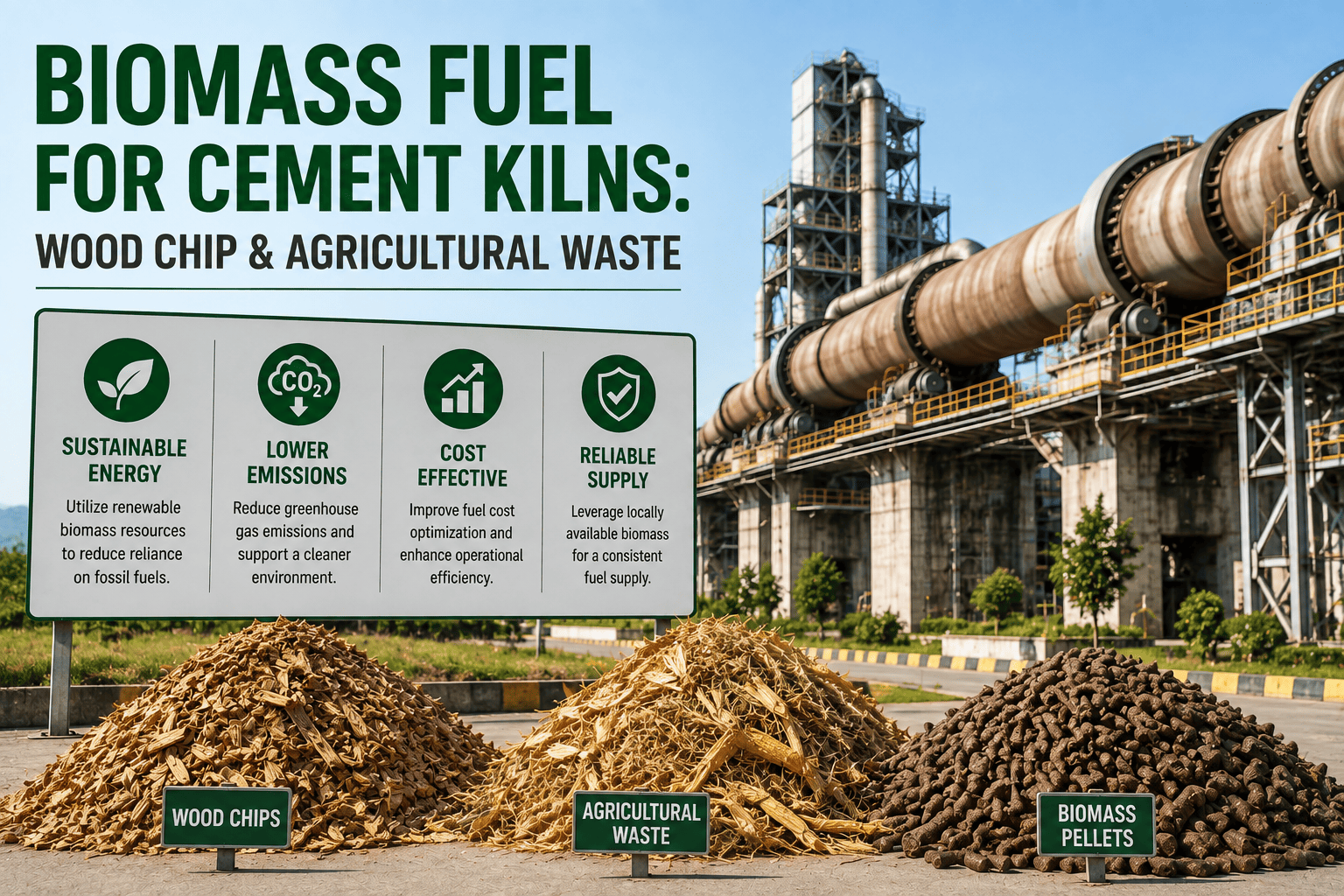
Yes, hydrogen can be co-fired with biomass, waste-derived fuels, or natural gas to achieve higher overall substitution rates and optimize fuel costs. For example, a cement plant might use 30% hydrogen, 30% biomass, and 40% natural gas to balance emissions reduction with operational flexibility. The key challenge is managing the different combustion characteristics of each fuel, including flame temperature, speed, and heat release profiles. Advanced burner systems with multiple fuel inlets and independent flow control are available from major OEMs. iFactory's AI-driven optimization algorithms can determine the optimal fuel blend for your kiln based on real-time fuel costs, emissions targets, and clinker quality requirements. For a customized fuel blending strategy, contact our support team for a consultation.
Lead the Hydrogen Transition in Cement
iFactory's predictive analytics platform provides the insights you need to confidently model, test, and implement hydrogen fuel strategies for your kilns.