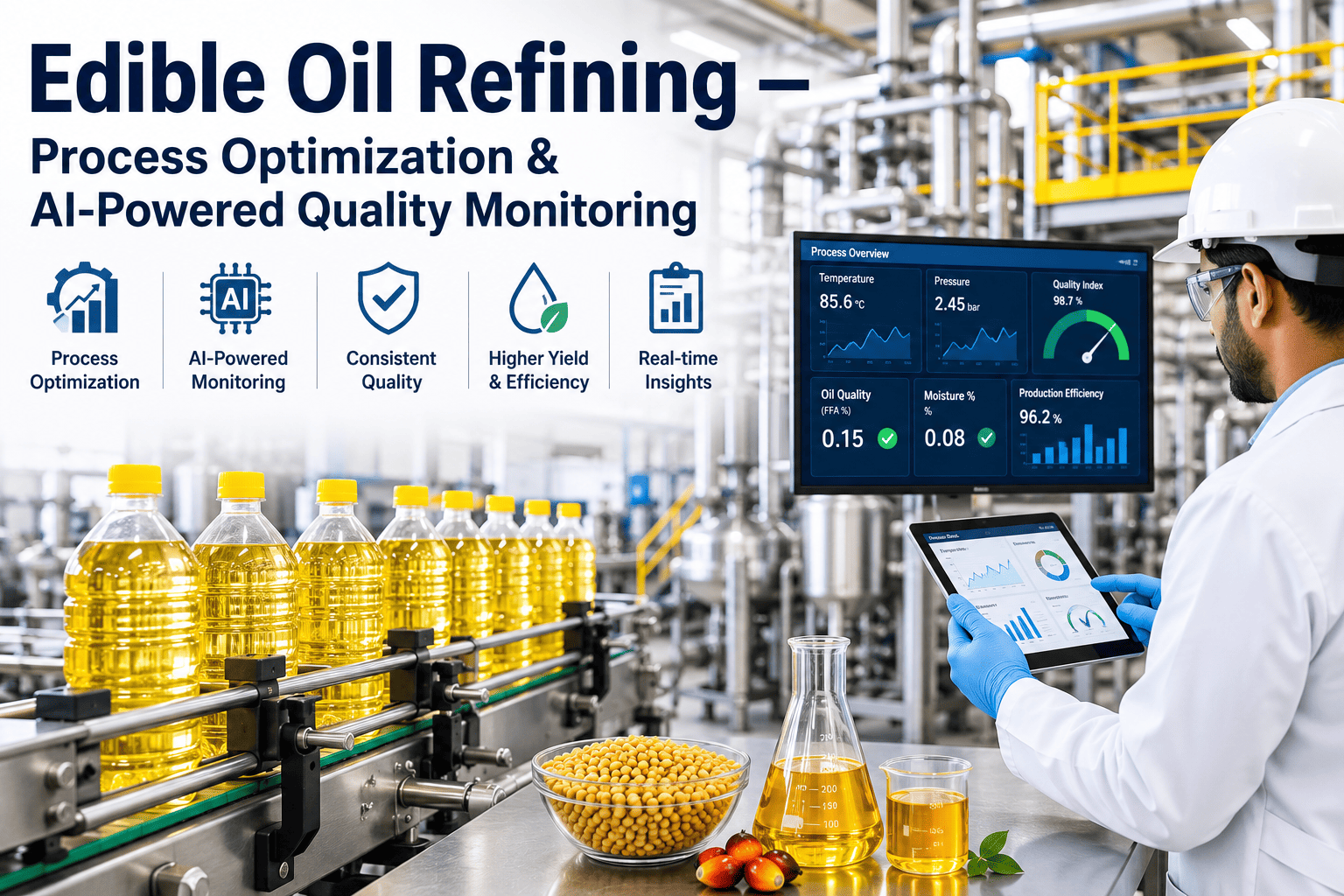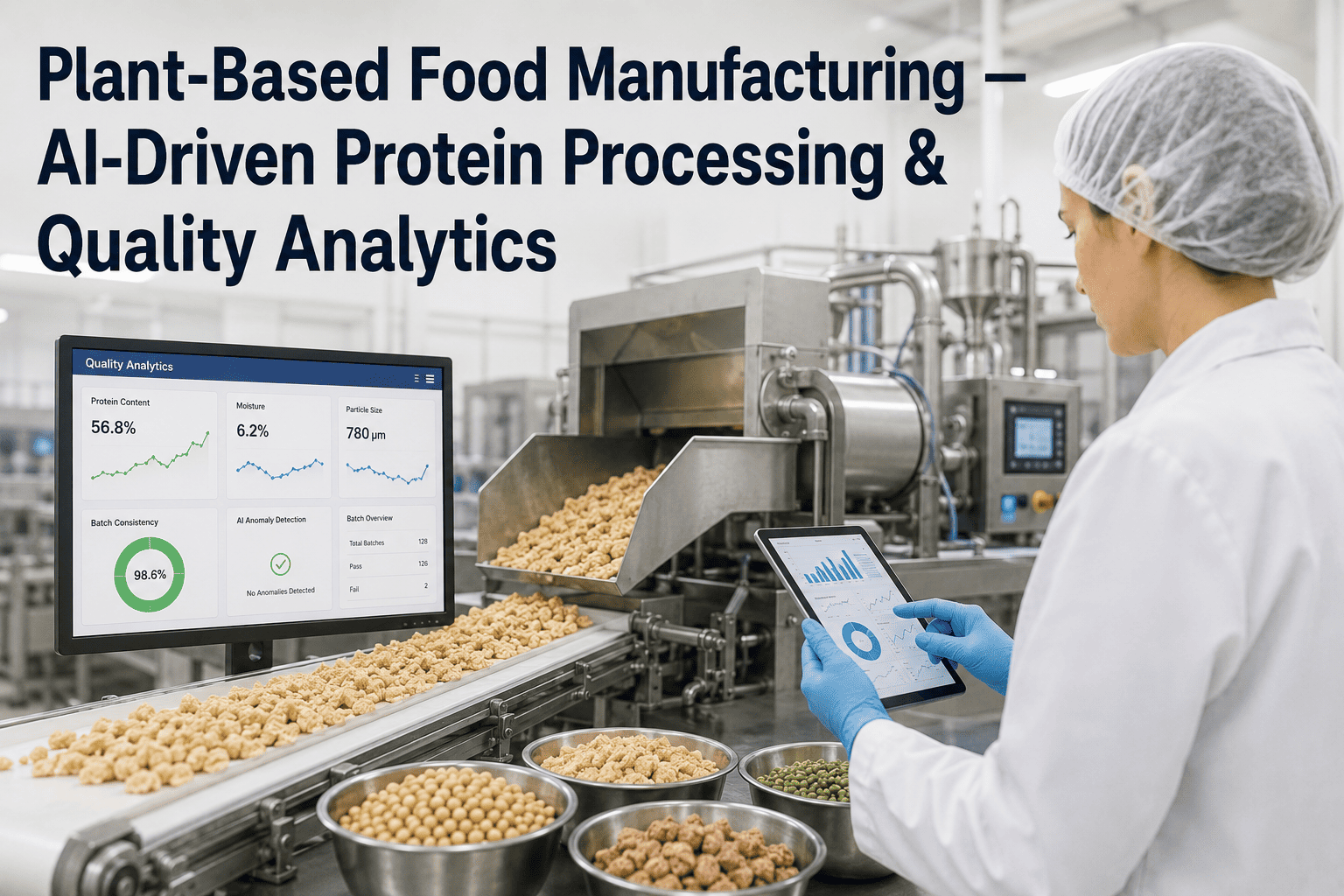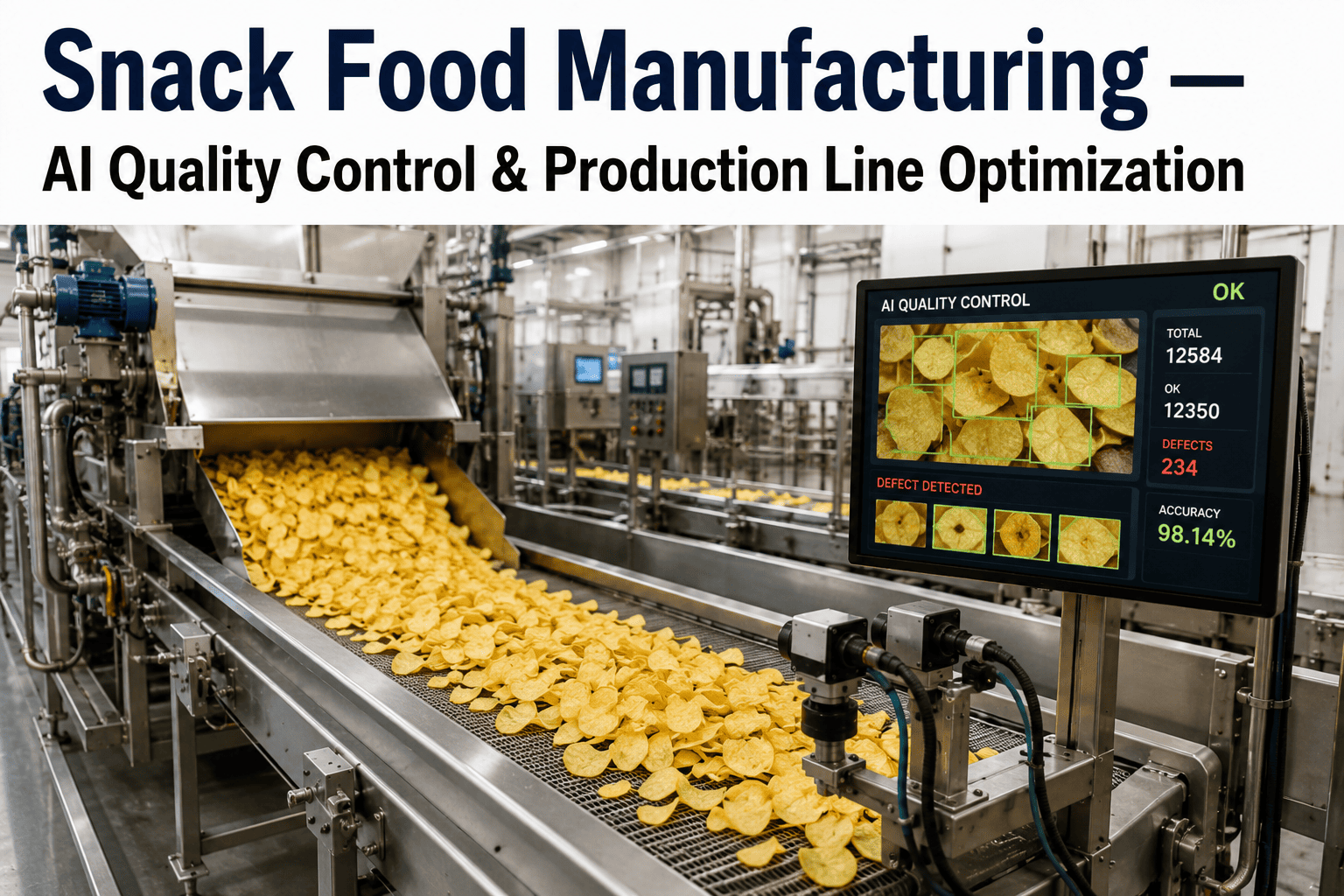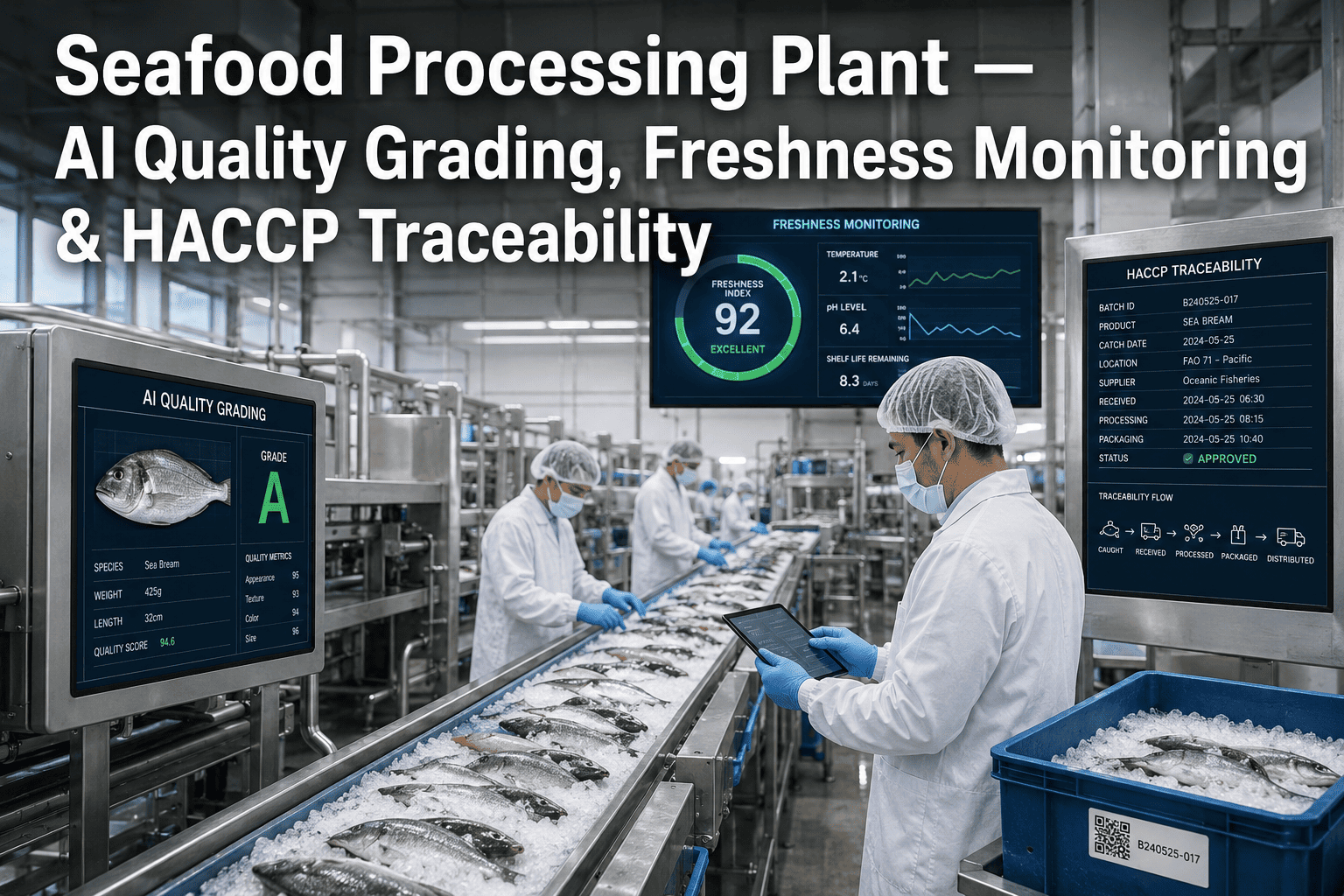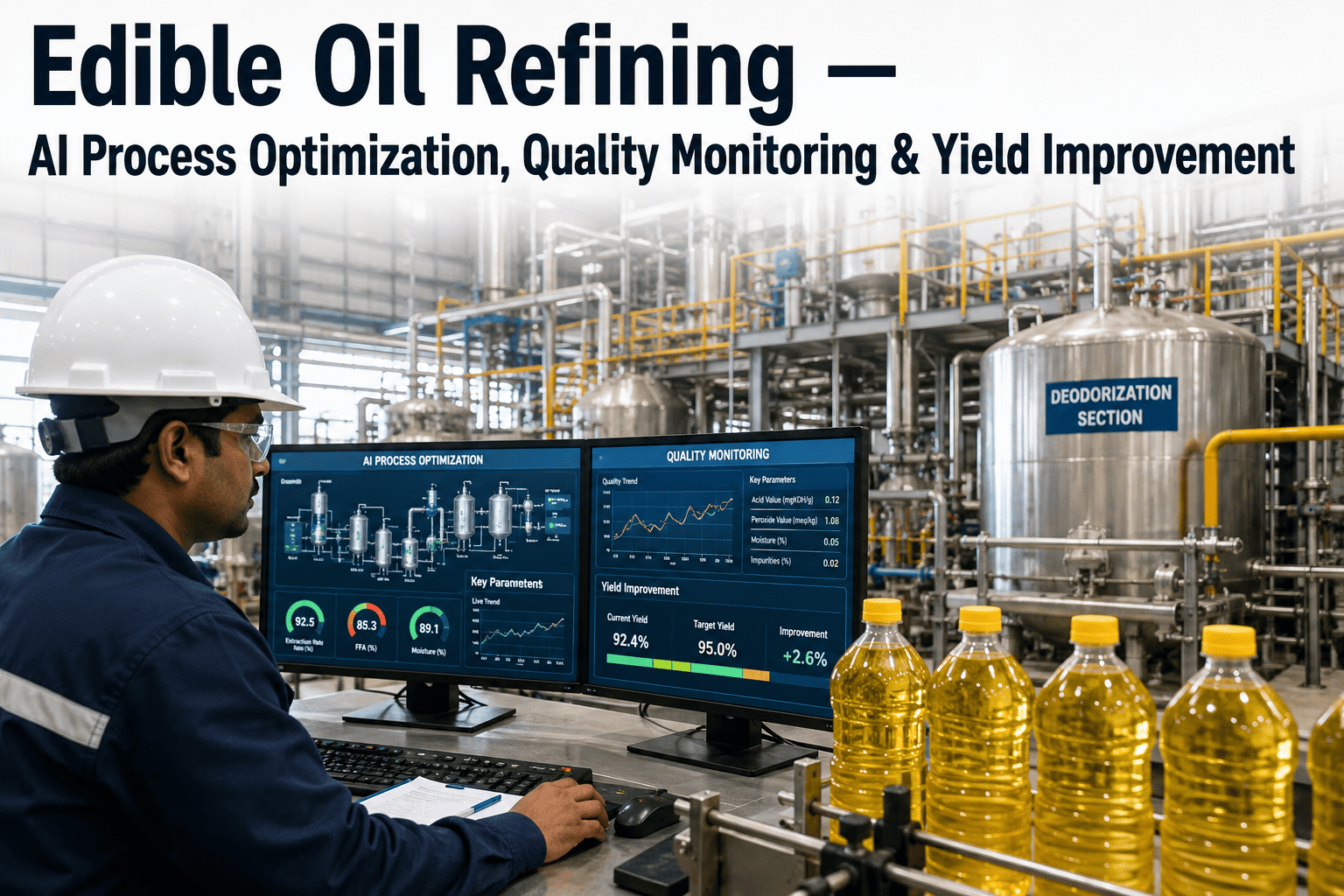
In the competitive landscape of edible oil and fat processing, achieving consistent quality while maximizing yield is a relentless challenge. Process engineers and plant managers grapple with complex variables—from degumming efficiency to deodorization temperature control—that directly impact final product purity and operational costs. Traditional manual adjustments and reactive maintenance strategies often lead to suboptimal performance, increased waste, and unplanned downtime. Artificial intelligence (AI) offers a transformative approach, enabling predictive analytics, real-time quality monitoring, and autonomous process optimization. This comprehensive guide delves into how AI-driven solutions are revolutionizing edible oil refining, providing actionable insights for improving degumming, bleaching, deodorization, and overall plant efficiency. Discover how leading refineries leverage machine learning to reduce free fatty acid (FFA) levels, optimize bleaching earth dosing, and enhance oil stability. For a deeper dive into how iFactory can tailor these solutions for your facility, Book a Demo today.
Transform Your Refining Process Today
Unlock AI-driven insights for superior oil quality and operational efficiency. Let our experts guide you.
The Science of Degumming: AI-Powered Precision
Degumming is the critical first step in edible oil refining, where phospholipids and mucilaginous materials are removed to prevent discoloration and off-flavors. Traditional methods rely on fixed parameters for water or acid addition, often leading to inconsistent removal rates. AI models analyze real-time data from NIR sensors and process variables to dynamically adjust dosage and retention time. This ensures optimal removal while minimizing oil loss. For instance, neural networks can predict gum content with 98% accuracy, enabling preemptive corrections. By integrating AI, refineries achieve a 12-18% reduction in neutral oil loss during degumming, translating to significant annual savings. Explore how iFactory's predictive models can enhance your degumming performance by booking a demo.
Real-Time FFA Monitoring
AI-driven near-infrared (NIR) spectroscopy provides continuous free fatty acid (FFA) measurement, eliminating lab delays. Models detect deviations from target FFA levels within seconds, allowing immediate adjustments to caustic soda flow or retention time. This reduces FFA variation by 40% and prevents over-neutralization.
Adaptive Bleaching Earth Dosing
Bleaching earth consumption is a major cost driver. AI algorithms correlate incoming oil quality (color, FFA, moisture) with optimal earth dosage. By learning from historical data, the system reduces earth usage by up to 30% while maintaining target color and purity. This also lowers waste disposal costs.
Predictive Deodorization Control
Deodorization temperature and steam flow are optimized using reinforcement learning. AI balances stripping efficiency against energy consumption and thermal degradation. Plants report 20-25% energy savings and extended oil shelf life due to minimized trans-fat formation.
Implementation Roadmap for AI in Oil Refining
Data Infrastructure Setup
Install IoT sensors on critical units (degumming, bleaching, deodorization) to capture temperature, pressure, flow, and NIR spectra. Ensure data is streamed to a centralized historian with timestamped logs for model training.
Model Development & Training
Use historical batches to train supervised learning models for predicting FFA, color, and oxidative stability. Implement anomaly detection to flag process drifts. Validate models on hold-out data to ensure robustness.
Real-Time Optimization
Deploy AI inference engines in a closed-loop control system. The AI adjusts setpoints for chemical dosing, temperature, and residence time. Operators monitor via dashboards with alerts for model confidence drops.
Continuous Improvement
Implement a feedback loop where lab results are used to retrain models weekly. Track KPIs like yield, energy consumption, and earth usage. Use drift detection to trigger model updates without downtime.
Ready to Optimize Your Refinery?
Achieve superior oil quality and operational savings with AI. Connect with our process optimization specialists.
Comparative Analysis: Traditional vs. AI-Driven Refining
| Parameter | Traditional Approach | AI-Optimized Approach | Improvement |
|---|---|---|---|
| Degumming Oil Loss | 2.5% of feed | 1.8% of feed | 28% reduction |
| Bleaching Earth Usage | 1.2% of oil weight | 0.85% of oil weight | 29% reduction |
| Deodorization Energy | 45 kWh/ton | 34 kWh/ton | 24% savings |
| FFA Variation (std dev) | 0.08% | 0.05% | 37% reduction |
| Off-Spec Batches | 8% | 4% | 50% reduction |
| Yield (refined oil) | 96.5% | 97.8% | 1.3% increase |
Frequently Asked Questions
How does AI improve degumming efficiency in edible oil refining?
AI enhances degumming by analyzing real-time NIR spectra and process parameters to dynamically adjust water or acid dosage. Traditional fixed-setpoint methods fail to account for variations in incoming crude oil quality, leading to either under-removal or excessive oil loss. Machine learning models, trained on historical data from thousands of batches, predict the optimal gum removal rate with high precision. This reduces neutral oil loss by 12-18% and ensures consistent gum content below 10 ppm. For a tailored solution, book a demo to see how iFactory's AI adapts to your specific feedstock.
What role does AI play in optimizing bleaching earth dosing?
Bleaching earth is a significant cost in refining, and overdosing is common to ensure color removal. AI models correlate incoming oil characteristics—such as FFA, moisture, and initial color—with the minimum earth required to achieve target Lovibond color. Using regression algorithms, the system predicts the exact dosage, reducing consumption by 25-30% without compromising quality. This also lowers spent earth disposal costs and improves filter press cycle times. Explore how iFactory's predictive dosing can save your plant thousands annually by contacting our support team.
Can AI help reduce energy consumption in the deodorization process?
Yes, AI optimizes deodorization by dynamically adjusting temperature and steam flow based on real-time FFA and volatile compound levels. Reinforcement learning agents learn the trade-off between stripping efficiency and energy use, reducing steam consumption by 20-25% and minimizing thermal degradation. This extends oil shelf life and reduces trans-fat formation. For a comprehensive energy audit and AI implementation plan, book a demo with iFactory experts.
How does real-time FFA monitoring improve oil quality?
Continuous FFA monitoring via AI-integrated NIR sensors allows immediate detection of deviations from target levels. Traditional lab analysis takes hours, during which off-spec oil can be produced. With real-time data, the AI adjusts caustic soda flow and retention time within seconds, reducing FFA variation by 40% and preventing over-neutralization. This ensures consistent quality and reduces re-refining costs. Learn more about iFactory's real-time analytics solutions by visiting our support page.
What are the key KPIs for measuring AI success in oil refining?
Key performance indicators include yield improvement (typically 1-3%), reduction in chemical consumption (bleaching earth, caustic soda), energy savings (steam, electricity), and quality consistency (FFA variation, color stability). Additionally, unplanned downtime reduction and increased throughput are critical. AI systems provide dashboards tracking these KPIs in real time, enabling continuous improvement. For a customized KPI framework, book a demo with iFactory's process engineers.
Elevate Your Refining Operations
Leverage AI for unmatched process control and profitability. Schedule a consultation with our team today.