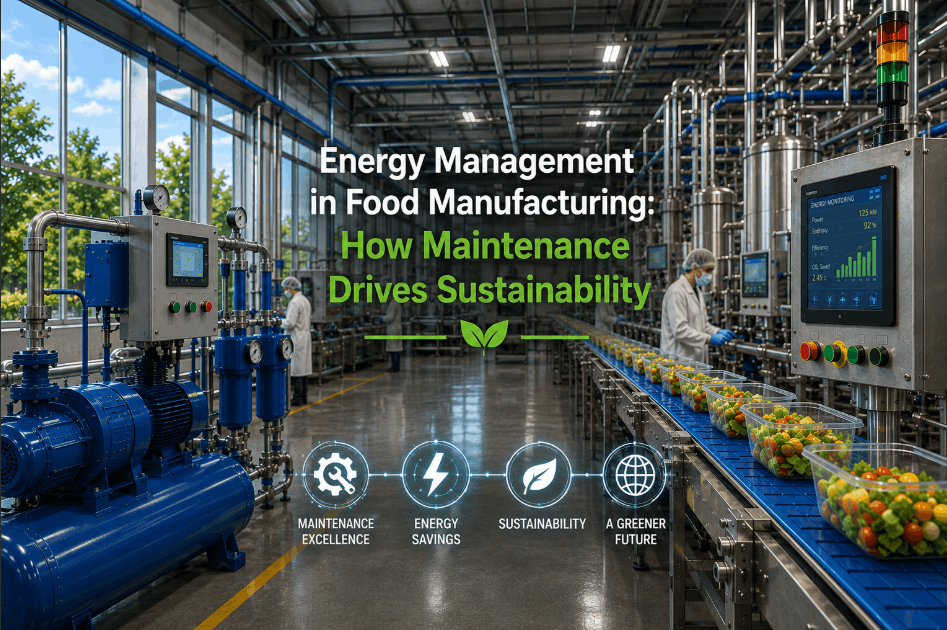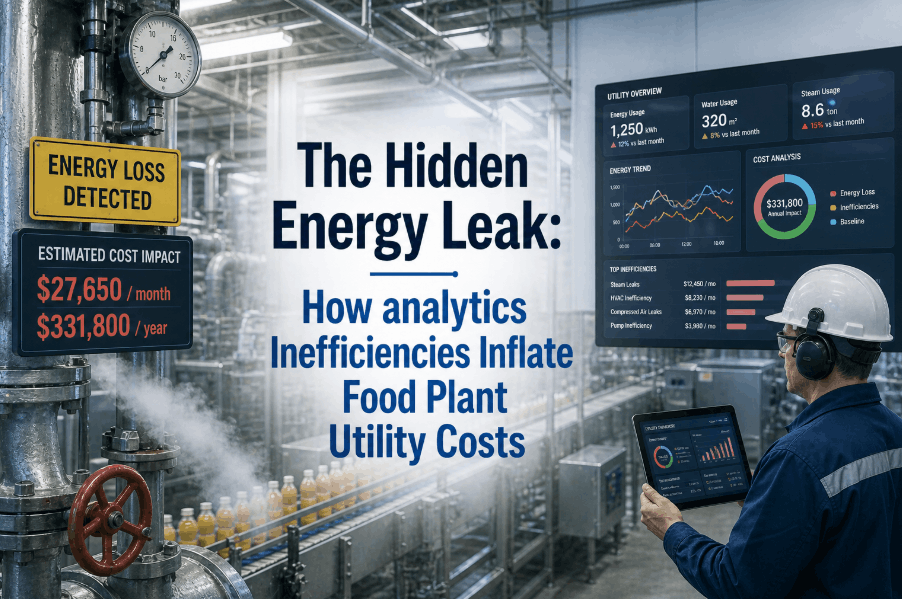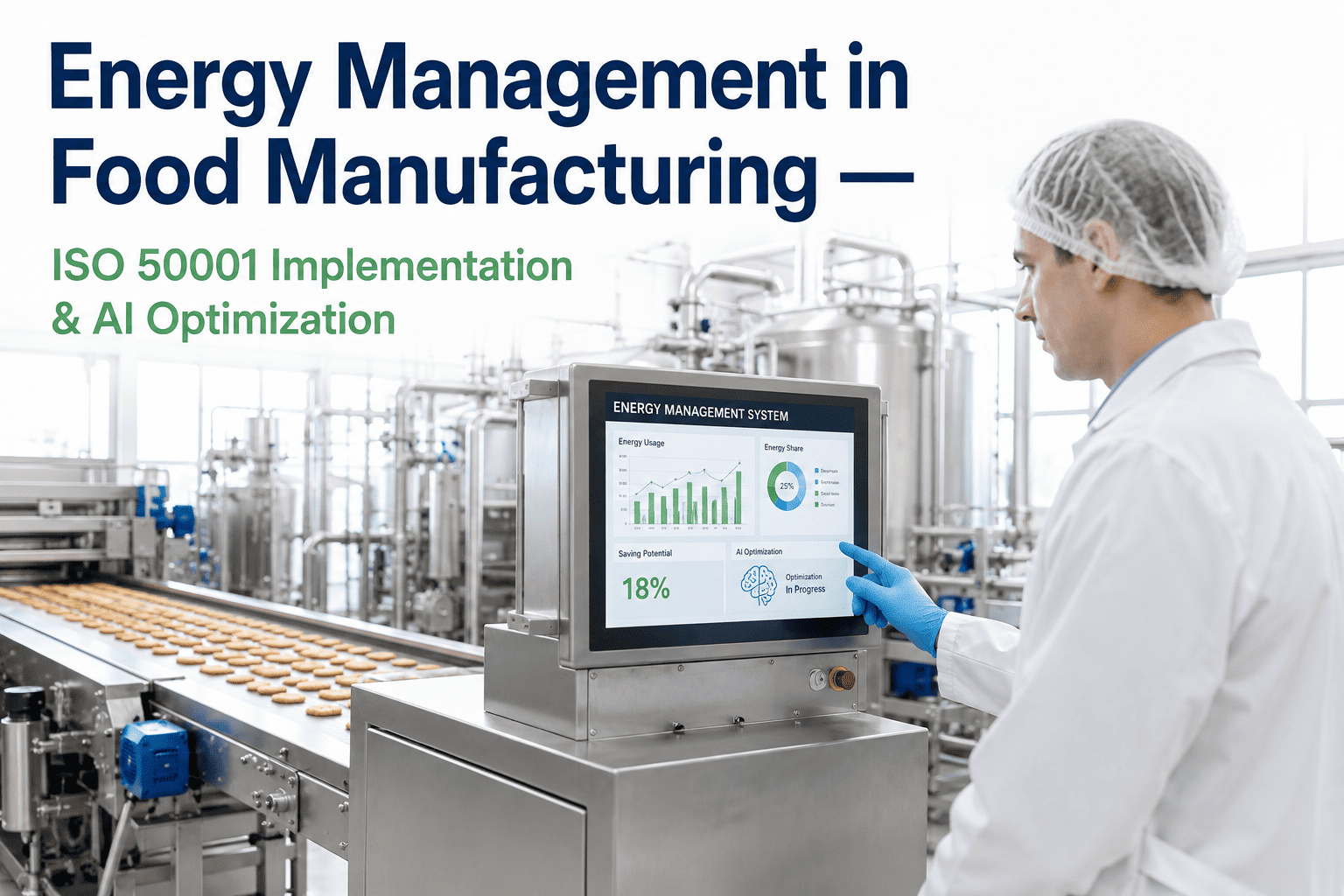
In the competitive landscape of food manufacturing, energy costs represent a significant and often volatile operational expense. From high-temperature processing and refrigeration to packaging and facility HVAC, every stage of production consumes substantial energy. Implementing a robust energy management system aligned with ISO 50001 standards, augmented by artificial intelligence, is no longer optional but a strategic imperative. This comprehensive guide delves deep into the technical and operational strategies for reducing energy costs by up to 20% in food plants. We explore systematic energy auditing, precision sub-metering, peak demand management, and the transformative role of AI-driven optimization. For enterprise leaders seeking to enhance sustainability and profitability, Book a Demo to see how iFactory can accelerate your energy transformation.
Transform Your Food Plant's Energy Profile
Achieve 20% energy cost reduction through ISO 50001 compliance and AI-powered analytics. Discover the blueprint for sustainable, efficient food manufacturing.
The Energy Challenge in Food Manufacturing
High Energy Intensity
Food processing plants are among the most energy-intensive industrial facilities. Thermal processes like baking, frying, and sterilization, along with continuous refrigeration, demand massive energy inputs. The U.S. Energy Information Administration reports that food manufacturing accounts for nearly 15% of all industrial energy use. This intensity creates both a vulnerability to price fluctuations and a significant opportunity for savings through targeted management.
Operational Complexity
Modern food plants operate multiple production lines with varying energy profiles. A single facility may run bakery ovens, blast freezers, steam boilers, and compressed air systems simultaneously. Each system has unique energy characteristics, making holistic optimization challenging without granular data. Sub-metering and real-time monitoring become essential to identify waste and prioritize improvements.
Regulatory & Sustainability Pressure
Governments and retailers increasingly mandate energy efficiency and carbon reduction. ISO 50001 certification is becoming a prerequisite for major supply contracts. Beyond compliance, consumers demand sustainable practices. Energy management directly impacts brand reputation and market access. Proactive energy optimization positions food manufacturers as industry leaders.
Measurable Benefits of ISO 50001 & AI Energy Management
20% Energy Cost Reduction
Systematic implementation of ISO 50001 combined with AI-driven analytics consistently delivers 15-25% energy savings. For a mid-sized food plant with annual energy costs of $2 million, this translates to $400,000 in direct savings annually.
Enhanced Operational Efficiency
AI models optimize production scheduling to align with energy pricing and demand patterns. This reduces peak demand charges and improves overall equipment effectiveness (OEE).
Sustainability Compliance
ISO 50001 certification demonstrates commitment to environmental stewardship, satisfying retailer and regulatory requirements. It also forms a foundation for broader ESG reporting.
Predictive Maintenance Integration
Energy data anomalies often indicate equipment degradation. AI-powered energy monitoring doubles as a predictive maintenance tool, reducing unplanned downtime by up to 30%.
Comprehensive Energy Auditing for Food Plants
A thorough energy audit is the foundation of any effective management system. It provides a baseline, identifies inefficiencies, and prioritizes investments. The audit process for food manufacturing involves several distinct phases.
Phase 1: Data Collection & Benchmarking
Gather 12-24 months of utility bills, production data, and weather information. Establish energy performance indicators (EnPIs) like energy per unit of product (kWh/kg) or energy per square foot. Benchmark against industry standards such as those from the Food Processing Energy Efficiency Guide.
Phase 2: Sub-metering Installation
Deploy sub-meters on major energy consumers: ovens, freezers, boilers, compressors, and lighting panels. Sub-metering at the line or machine level provides granular visibility. Modern wireless sub-meters simplify installation and integration with energy management software.
Phase 3: Load Profiling & Analysis
Analyze 15-minute interval data to create load profiles. Identify peak demand periods, base loads, and process-specific consumption patterns. Use statistical tools to correlate energy use with production variables like throughput, ambient temperature, and product mix.
Phase 4: Opportunity Identification
List energy conservation measures (ECMs) such as optimizing oven schedules, repairing steam traps, upgrading to LED lighting, and adjusting chiller setpoints. Prioritize ECMs based on payback period, capital cost, and operational impact.
Sub-metering: The Backbone of Energy Visibility
Without sub-metering, energy management is guesswork. Sub-meters provide the granular data needed to pinpoint waste and verify savings. For food plants, strategic sub-metering locations include:
Production Lines
Each line's energy consumption can be tracked per shift, per product, and per batch. This enables energy-based costing and identifies inefficient lines or processes.
HVAC & Refrigeration
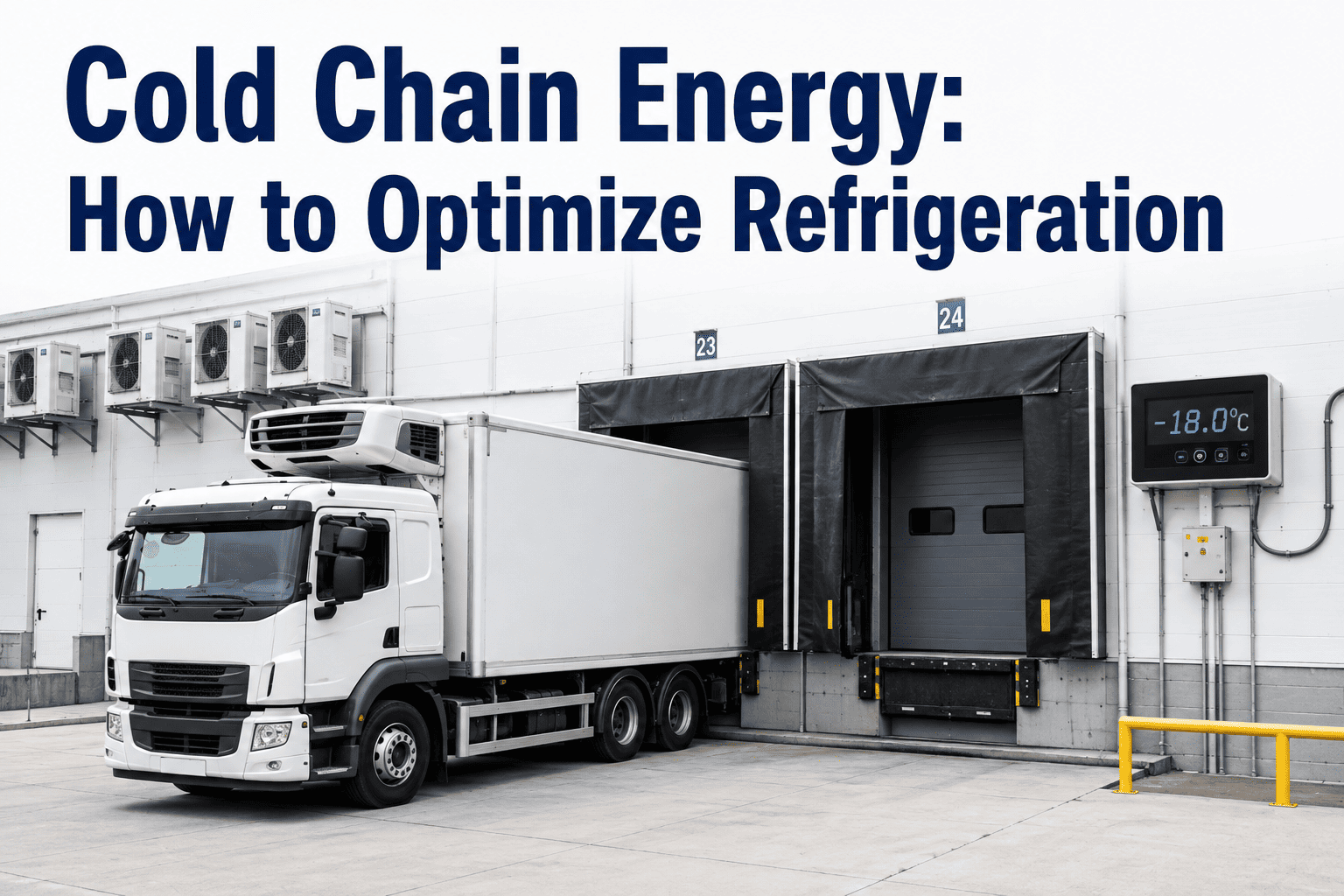
Refrigeration often accounts for 30-50% of a food plant's energy bill. Sub-metering compressors, condensers, and evaporators reveals inefficiencies like short cycling or high discharge pressure.
Thermal Processes
Ovens, fryers, and sterilizers are energy hogs. Sub-metering with temperature sensors allows precise control and optimization of heat-up, hold, and cool-down cycles.
Utility Systems
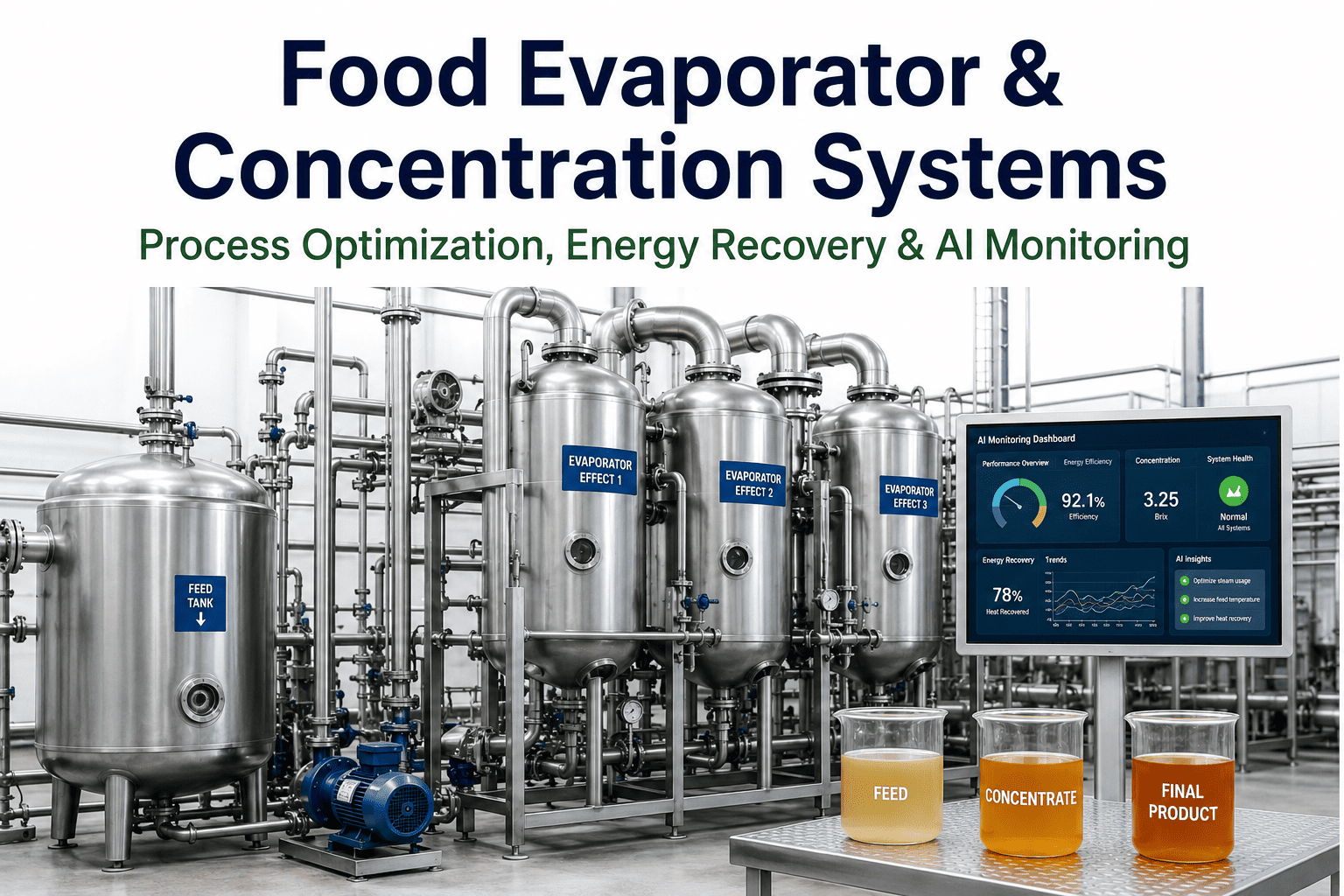
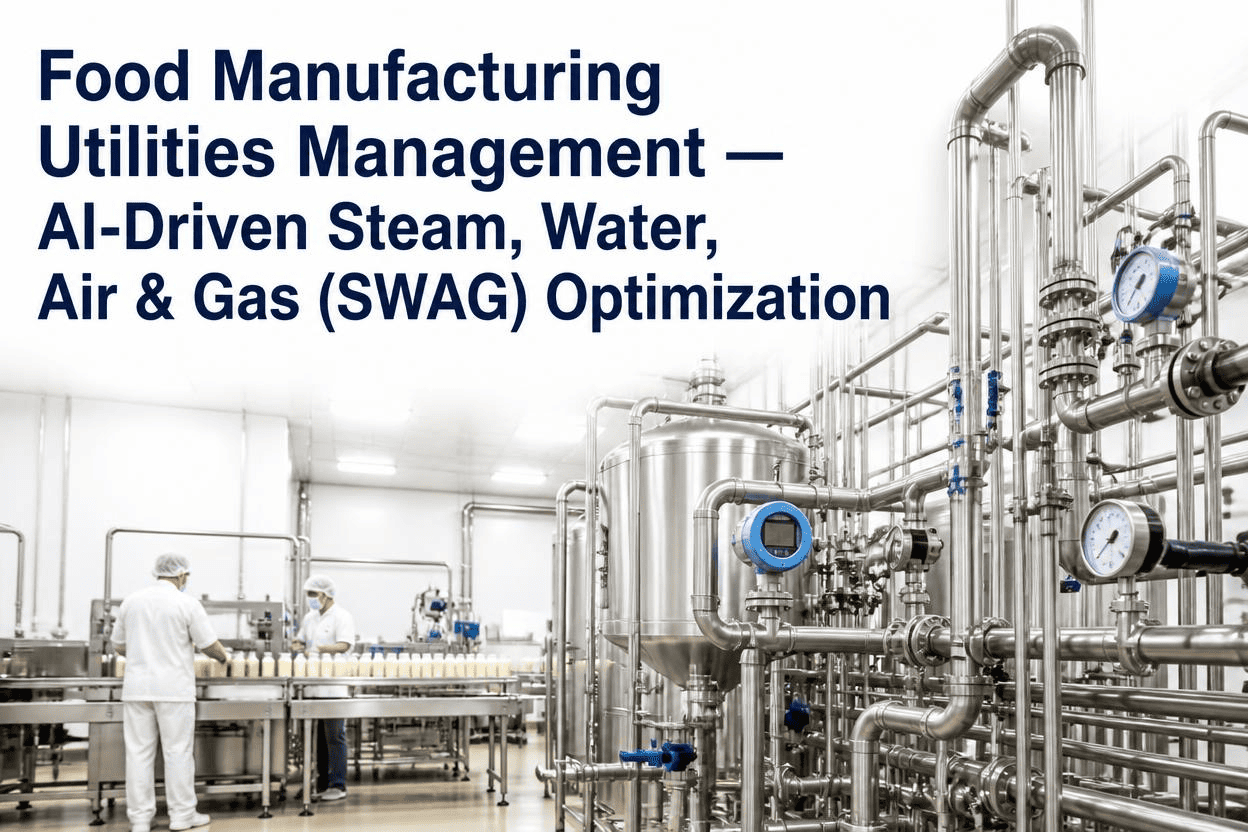
Boilers, compressed air, and water systems benefit from sub-metering. Compressed air leaks alone can waste 20-30% of compressor output. Sub-metering quantifies losses.
Peak Demand Management Strategies
Peak demand charges can constitute up to 50% of a food plant's electric bill. Managing these peaks requires a combination of operational changes and automated controls.
Load Shedding
Implement automated load shedding of non-critical equipment during peak periods. For example, temporarily reducing freezer defrost cycles or dimming lights in non-production areas can shave significant demand.
Process Scheduling
Shift energy-intensive processes like CIP (clean-in-place) or oven preheating to off-peak hours. AI algorithms can optimize scheduling based on real-time energy prices and production forecasts.
Thermal Storage
Use thermal energy storage systems to pre-cool refrigerated spaces during off-peak hours. This shifts cooling load away from peak periods, reducing demand charges without affecting product quality.
Battery Storage
Industrial battery systems can discharge during peak demand events, providing a buffer that reduces grid draw. Combined with on-site solar, batteries offer a comprehensive peak management solution.
AI-Driven Energy Optimization
Artificial intelligence transforms energy management from reactive to predictive and prescriptive. Machine learning models analyze historical and real-time data to recommend optimal control strategies.
Predictive Load Forecasting
AI models forecast energy demand 24-48 hours ahead based on production schedules, weather forecasts, and historical patterns. This enables proactive peak management and energy procurement.
Anomaly Detection
Machine learning identifies unusual energy consumption patterns that indicate equipment faults or operational inefficiencies. Early detection reduces energy waste and prevents equipment failures.
Optimal Setpoint Control
AI continuously adjusts temperature, pressure, and speed setpoints for HVAC, refrigeration, and thermal processes to minimize energy use while maintaining product quality and safety.
Automated Reporting & Compliance
AI systems generate ISO 50001-compliant energy reviews and performance reports automatically. This reduces administrative burden and ensures audit readiness.
Ready to Cut Energy Costs by 20%?
Implement ISO 50001 and AI-driven optimization in your food plant. Our experts guide you from audit to certification with measurable results.
Step-by-Step ISO 50001 Implementation for Food Plants
Achieving ISO 50001 certification requires a structured approach. The following steps outline the journey from initial commitment to certification and beyond.
1. Establish Energy Policy
Top management must commit to energy efficiency and define a policy that aligns with organizational goals. The policy should include continuous improvement, compliance, and resource allocation.
2. Energy Planning & Baseline
Conduct an energy review to identify significant energy uses (SEUs) and establish an energy baseline. Set energy performance indicators (EnPIs) and targets for each SEU.
3. Implementation & Operation
Develop action plans to achieve targets. This includes installing sub-meters, implementing control systems, training staff, and integrating energy management into daily operations.
4. Monitoring & Measurement
Continuously monitor energy performance against EnPIs. Use dashboards and automated alerts to track progress and identify deviations. Regular internal audits ensure the system remains effective.
5. Management Review & Improvement
Top management reviews energy performance quarterly and authorizes improvements. Nonconformities are addressed through corrective actions. The system evolves to meet changing conditions.
Real-World Energy Savings in Food Manufacturing
The following anonymized case studies illustrate the tangible benefits of ISO 50001 and AI in food plants.
Bakery Products Plant
A large bakery with five production lines implemented sub-metering and AI optimization. Within 12 months, energy intensity dropped by 18%. Peak demand charges fell by 22% through load shedding and scheduling. Annual savings exceeded $450,000.
Frozen Food Facility
A frozen food manufacturer with extensive cold storage installed AI-driven refrigeration control. The system optimized defrost cycles and compressor staging, reducing refrigeration energy by 15%. Combined with ISO 50001 certification, the plant achieved a 20% overall energy reduction.
Dairy Processing Plant
A dairy plant faced high steam costs for pasteurization and CIP. Sub-metering revealed oversized boilers and inefficient steam distribution. After implementing ECMs and AI boiler control, steam consumption dropped by 25%, saving $320,000 annually.
Financial ROI of Energy Management
| Investment | Typical Cost | Annual Savings | Payback Period |
|---|---|---|---|
| Energy Audit & Sub-metering | $50,000 - $150,000 | $100,000 - $300,000 | 6-12 months |
| AI Optimization Software | $80,000 - $200,000 | $150,000 - $400,000 | 8-18 months |
| ISO 50001 Certification | $30,000 - $80,000 | $50,000 - $200,000 | 12-24 months |
| Thermal Storage System | $200,000 - $500,000 | $100,000 - $250,000 | 24-36 months |
These figures are based on industry averages for mid-to-large food plants. Actual results vary based on plant size, energy intensity, and local utility rates. A detailed feasibility study is recommended.
Technology Stack for Food Energy Management
An effective energy management system integrates multiple technologies. The following components form a comprehensive stack.
IoT Sensors & Sub-meters
Wireless energy meters, temperature sensors, and pressure transmitters provide real-time data. Choose devices with Modbus or MQTT protocols for easy integration.
Edge Gateways
Edge devices collect and preprocess data locally, reducing cloud bandwidth and enabling real-time control. They also provide redundancy during network outages.
Cloud Analytics Platform
A scalable platform like iFactory's Energy Management module stores historical data, runs AI models, and provides dashboards. It supports multi-site rollouts and benchmarking.
Integration Layer
APIs connect the energy platform to existing systems: ERP, MES, SCADA, and BMS. This enables automated data exchange and holistic optimization.
Frequently Asked Questions
What is the typical timeline for ISO 50001 certification in a food plant?
The certification process typically takes 6 to 12 months, depending on the plant's size and existing management systems. The timeline includes initial energy review, policy development, implementation of monitoring systems, and internal audits. Engaging an experienced consultant can accelerate the process. For a detailed roadmap, Book a Demo with our energy management experts.
How much can AI reduce energy costs beyond traditional methods?
Traditional energy management typically achieves 5-10% savings through low-cost operational changes. AI-driven optimization adds an additional 10-15% by continuously adjusting control parameters based on real-time conditions. Combined, food plants often see 20-25% total savings. AI also reduces labor costs for data analysis and reporting. To explore AI applications for your plant, contact our support team.
What are the most common energy wastes in food processing?
Common wastes include compressed air leaks (20-30% loss), inefficient refrigeration due to dirty coils or short cycling, oversized boilers operating at partial load, and unnecessary oven idling during changeovers. Sub-metering is essential to quantify these losses. A comprehensive audit can identify dozens of opportunities. For a free preliminary assessment, schedule a demo.
Is ISO 50001 certification required for all food manufacturers?
While not legally required, ISO 50001 is increasingly demanded by major retailers and food service providers. It also provides a structured framework for continuous improvement that pays for itself through energy savings. Many large food companies now require their suppliers to have ISO 50001 certification. For guidance on achieving certification, reach out to our support team.
How does energy management integrate with predictive maintenance?
Energy consumption patterns directly correlate with equipment health. For example, a refrigeration compressor drawing higher current than baseline may indicate worn bearings or refrigerant leakage. AI models detect these anomalies and trigger maintenance alerts. This integration reduces both energy waste and unplanned downtime. To see how iFactory unifies energy and maintenance, book a personalized demo.
Start Your Energy Transformation Today
Join leading food manufacturers who have reduced energy costs by 20% with ISO 50001 and AI. Our team is ready to support your journey.