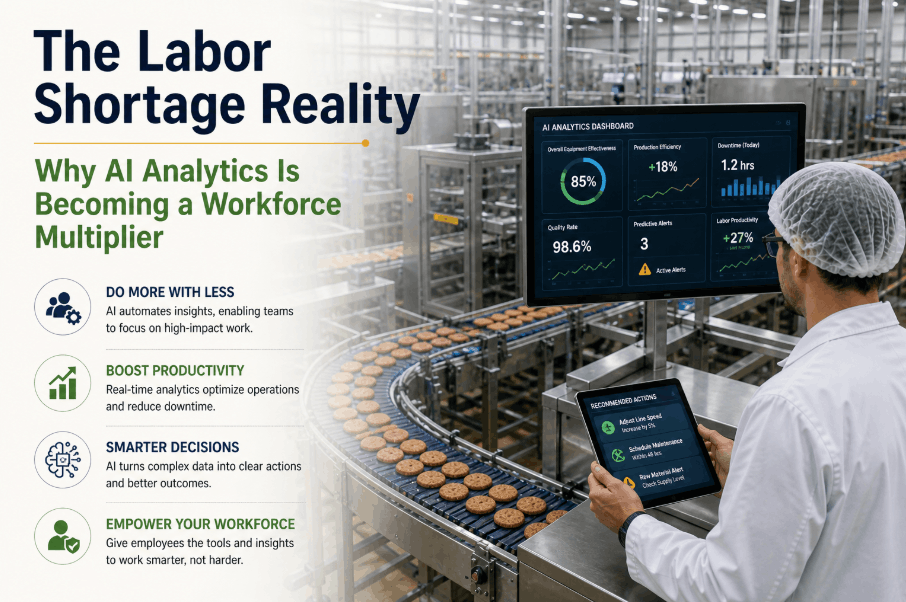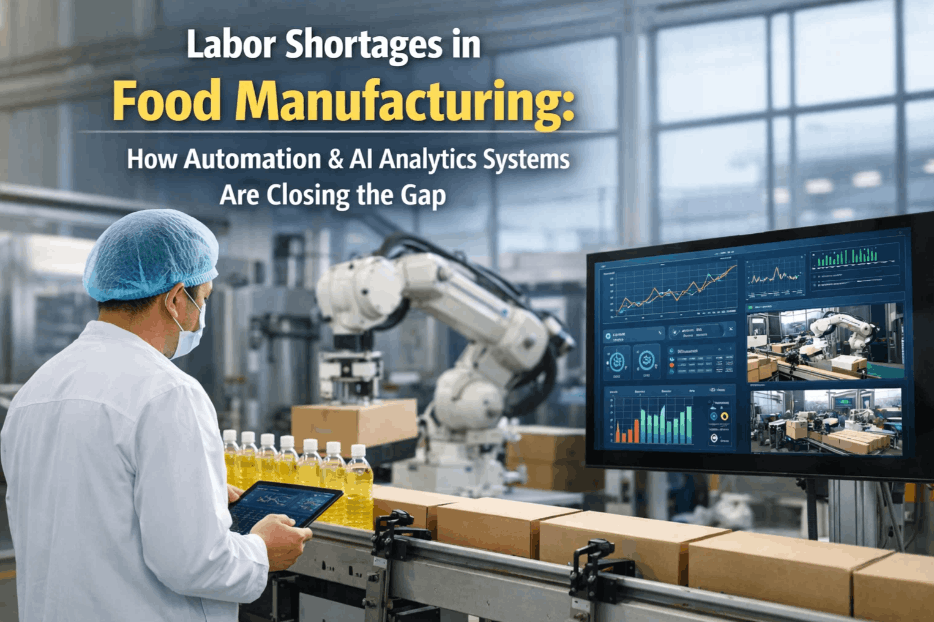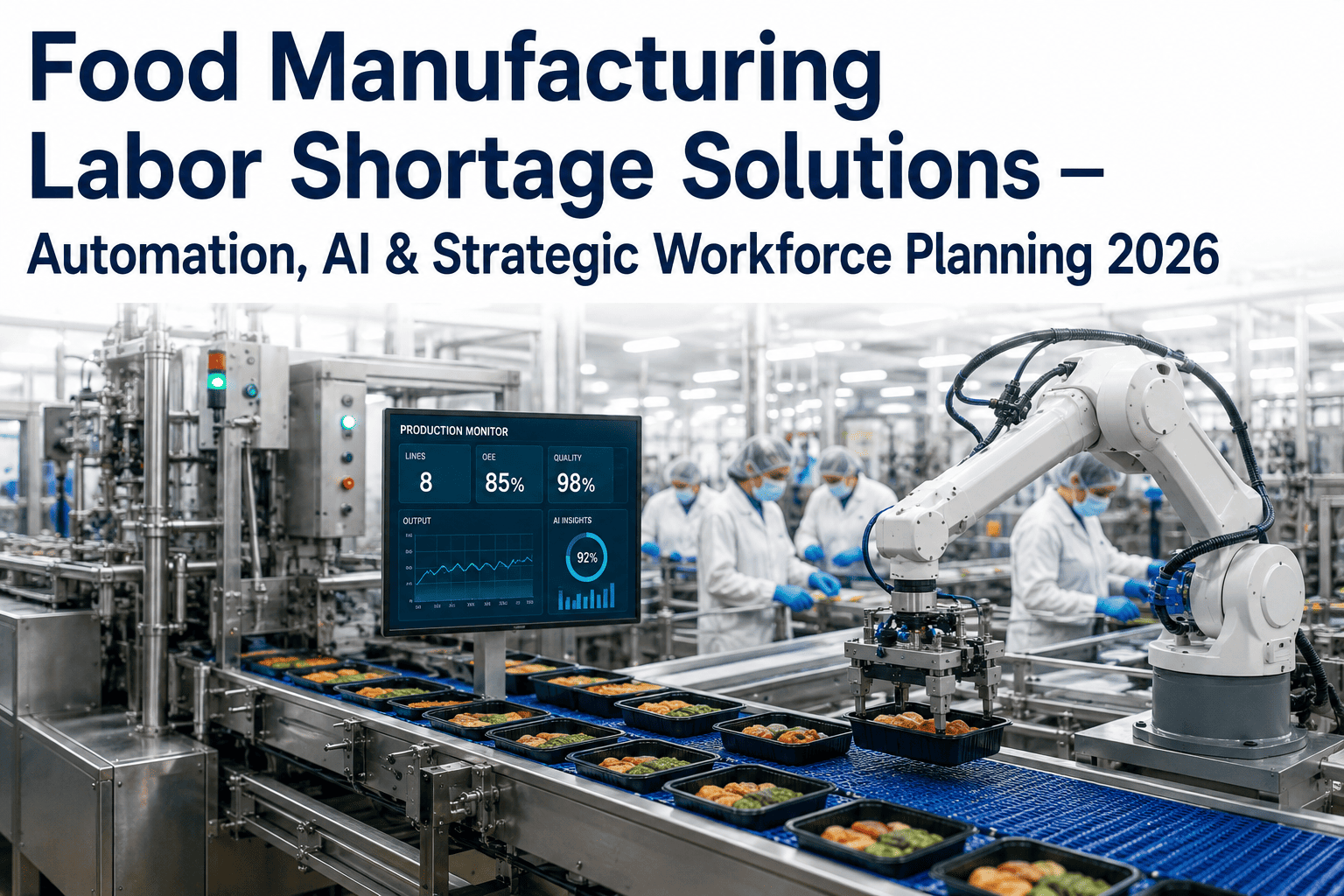
The food manufacturing industry is facing an unprecedented labor shortage that is reshaping how plants operate from the ground up. With workforce availability dropping by nearly 15% over the past three years, plant managers and VPs of Operations are scrambling to maintain production lines while keeping quality and safety standards high. Traditional hiring methods are no longer enough, as younger generations show less interest in manual, repetitive tasks and existing workers retire faster than they can be replaced. The solution lies in a strategic blend of automation, artificial intelligence, and innovative workforce planning that not only fills gaps but creates a more resilient and efficient operation. iFactory's integrated platforms are helping forward-thinking plants turn this crisis into a competitive advantage.
Ready to Transform Your Workforce Strategy?
Discover how automation and AI can solve your labor shortage today.
Understanding the Root Causes of Labor Scarcity
The labor shortage in food manufacturing is not a temporary blip but a structural shift driven by demographics, changing worker expectations, and increased competition from other industries. Many plants rely on a workforce that is aging out, with the average age of a food production worker now over 45. Younger workers often perceive food manufacturing as low-skill, physically demanding, and lacking career growth, leading them to logistics or tech roles instead. Additionally, the pandemic accelerated early retirements and reshaped attitudes toward shift work and overtime. To attract and retain talent, plants must redesign jobs to be more engaging, safer, and tech-enabled. Automation plays a key role here by removing the most tedious and hazardous tasks, making remaining roles more skilled and rewarding. Forward-looking operations are already using data to predict labor gaps and adjust hiring cycles proactively, rather than reacting to shortages.
Task-Level Automation Prioritization
Not all tasks are equal in their impact on labor strain and production efficiency. By analyzing each station's physical demands, cycle time, and skill requirements, plants can identify which tasks to automate first. High-turnover roles like packaging, palletizing, and repetitive inspection are prime candidates. Deploying collaborative robots (cobots) for these tasks can reduce physical strain and free up workers for higher-value activities such as quality control and machine maintenance. A phased approach ensures minimal disruption and allows teams to adapt gradually. Many plants see a 30% reduction in overtime costs within six months of targeted automation.
Cobot Deployment in Food Environments
Collaborative robots are specifically designed to work alongside humans safely, making them ideal for food plants where space is tight and hygiene is critical. Modern cobots are IP65-rated for washdown environments and can handle tasks from slicing and packing to assembly. Their flexibility allows quick redeployment between lines as product runs change. Unlike traditional industrial robots, cobots require no safety cages, reducing floor space needs and installation costs. Training a worker to program a cobot takes only a few hours, turning existing staff into automation champions. This democratization of robotics is a game-changer for small to mid-size food manufacturers.
AI-Driven Scheduling for Optimal Staffing
Artificial intelligence is revolutionizing shift scheduling by predicting labor needs based on historical data, seasonality, and real-time orders. AI scheduling tools can automatically balance worker preferences with production demands, reducing overtime and improving satisfaction. For example, a poultry processor using AI scheduling cut absenteeism by 22% and improved line efficiency by 18%. These systems also flag potential compliance issues with break times and maximum hours, reducing legal risks. When integrated with HR systems, they provide visibility into skill gaps and training needs, enabling proactive workforce development. The result is a leaner, more responsive staffing model that adapts instantly to changes.
Comparative Impact of Automation Strategies
| Strategy | Labor Reduction | Productivity Gain | ROI Timeline | Worker Satisfaction |
|---|---|---|---|---|
| Task Automation (Cobots) | 30-40% | 25-35% | 12-18 months | High |
| AI Scheduling | 15-20% | 10-18% | 6-12 months | Very High |
| Workforce Upskilling | 5-10% | 15-20% | 18-24 months | High |
| Hybrid (Automation + AI) | 40-50% | 35-45% | 12-20 months | Very High |
Take the Next Step in Workforce Innovation
See how iFactory can help you implement these strategies with minimal disruption.
Workforce Retention Strategies That Work
Competitive Compensation Packages
Offering above-market wages is just the start. Successful plants bundle base pay with attendance bonuses, skill premiums, and profit-sharing. For example, a Midwest bakery reduced turnover by 35% after introducing a quarterly productivity bonus tied to line efficiency. Transparent pay scales also build trust and reduce resentment. When workers see a clear path to higher earnings through training and tenure, they are far more likely to stay.
Career Pathways and Upskilling
Creating visible career ladders from entry-level operator to technician or supervisor is a powerful retention tool. Plants that invest in cross-training and certification programs report 40% higher retention among workers under 30. Partnering with local community colleges to offer accredited courses in automation and food safety turns the plant into a place of growth. One cheese manufacturer saw a 50% reduction in first-year turnover after launching a 'Tech Track' program.
Flexible Scheduling and Work-Life Balance
Offering compressed workweeks, self-scheduling, or split shifts can dramatically improve worker satisfaction. AI scheduling tools make this feasible by optimizing coverage while respecting preferences. A frozen food plant that introduced 4-day, 10-hour shifts with voluntary overtime saw a 28% drop in unscheduled absences. Flexibility is especially attractive to parents and caregivers, expanding the labor pool beyond traditional candidates.
Enhanced Safety and Ergonomics
Reducing physical strain through automation and ergonomic improvements directly impacts retention. Workers who feel their health is protected are less likely to quit. Simple changes like anti-fatigue mats, lift assists, and adjustable workstations can reduce injury rates by 25%. When combined with cobot deployment for heavy lifting, plants create a safer environment that appeals to both new hires and experienced staff.
Roadmap to a Future-Ready Workforce
Audit Current Labor Gaps
Map every production role to identify turnover rates, skill shortages, and physical demands. Use this data to prioritize automation investments.
Deploy Cobots for High-Impact Tasks
Start with 2-3 cobots on the most physically demanding lines. Measure productivity and worker feedback before scaling.
Implement AI Scheduling System
Integrate scheduling software with existing ERP and HR systems. Train supervisors to interpret AI recommendations for better shift planning.
Launch Upskilling Program
Develop a 6-month training curriculum combining online modules and hands-on cobot programming. Offer certifications and pay raises upon completion.
Monitor and Iterate
Use dashboards to track retention, productivity, and labor cost per unit. Adjust automation and scheduling strategies quarterly based on real-world data.
Frequently Asked Questions
How long does it take to see ROI from cobot deployment in a food plant?
Most food manufacturers see a return on investment within 12 to 18 months when cobots are deployed on high-turnover tasks like packaging or palletizing. The ROI accelerates when combined with AI scheduling that reduces overtime and absenteeism. For example, a Texas-based snack producer achieved full ROI in 14 months by deploying three cobots on a packaging line, reducing manual labor needs by 35% and cutting overtime costs by 28%. Factors like shift utilization, product changeover frequency, and worker training speed all influence the timeline. To maximize ROI, many plants start with a pilot program and scale based on measurable results. Contact iFactory support for a detailed ROI calculator tailored to your operation.
What are the biggest challenges in implementing AI-driven workforce scheduling?
The primary challenges include data quality, worker resistance, and integration with legacy systems. AI scheduling relies on accurate historical data from ERP and time-tracking systems, which many plants lack in a clean, structured format. Workers may initially distrust AI recommendations, fearing loss of control over their schedules. To overcome this, involve employee representatives in the design process and communicate the benefits clearly, such as more predictable hours and better work-life balance. Integration with existing HR and payroll systems can be complex, but modern APIs simplify this. A phased rollout with a pilot shift group can build confidence. Book a demo with iFactory to see how our AI scheduling module handles these challenges seamlessly.
Can small food manufacturers afford automation and AI solutions?
Yes, the cost of collaborative robots and AI scheduling software has dropped significantly in recent years, making them accessible to small and mid-size producers. A single cobot can cost as little as $25,000 to $40,000, with ROI achievable within 18 months. AI scheduling platforms often operate on a subscription model, starting at a few hundred dollars per month. Many states and industry associations offer grants for automation adoption, further reducing the financial barrier. Small manufacturers can start with a single cobot or a basic scheduling module and expand as savings accumulate. Contact iFactory support to explore financing options and grant opportunities available in your region.
How do cobots impact food safety and hygiene standards?
Modern cobots designed for food environments are built with IP65 or IP69K ratings, allowing them to withstand high-pressure washdowns and harsh cleaning chemicals. They are constructed from stainless steel and food-grade plastics that resist bacterial growth. Cobots can be programmed to follow strict sanitation protocols, such as automatic cleaning cycles between product runs. In many cases, cobots improve food safety by reducing human contact with products, lowering contamination risks. Regular maintenance and validation ensure compliance with FDA and USDA standards. Book a demo to see how iFactory's cobot solutions integrate with your existing HACCP plans.
What is the typical learning curve for workers to operate cobots?
Most workers can learn to operate and reprogram a collaborative robot within a few hours, thanks to intuitive interfaces and drag-and-drop programming. Many cobots come with built-in tutorials and safety sensors that make them easy to teach. Food plants often designate a few 'automation champions' who receive advanced training and then train their peers. Within two weeks, a typical production team can confidently run and adjust cobot tasks. This low learning curve is a major reason why cobot adoption is growing rapidly in food manufacturing. Contact iFactory support for training resources and onboarding programs that minimize downtime.
Build a Resilient Workforce for 2026 and Beyond
Don't let labor shortages hold your plant back. Let iFactory help you implement proven automation and AI strategies today.