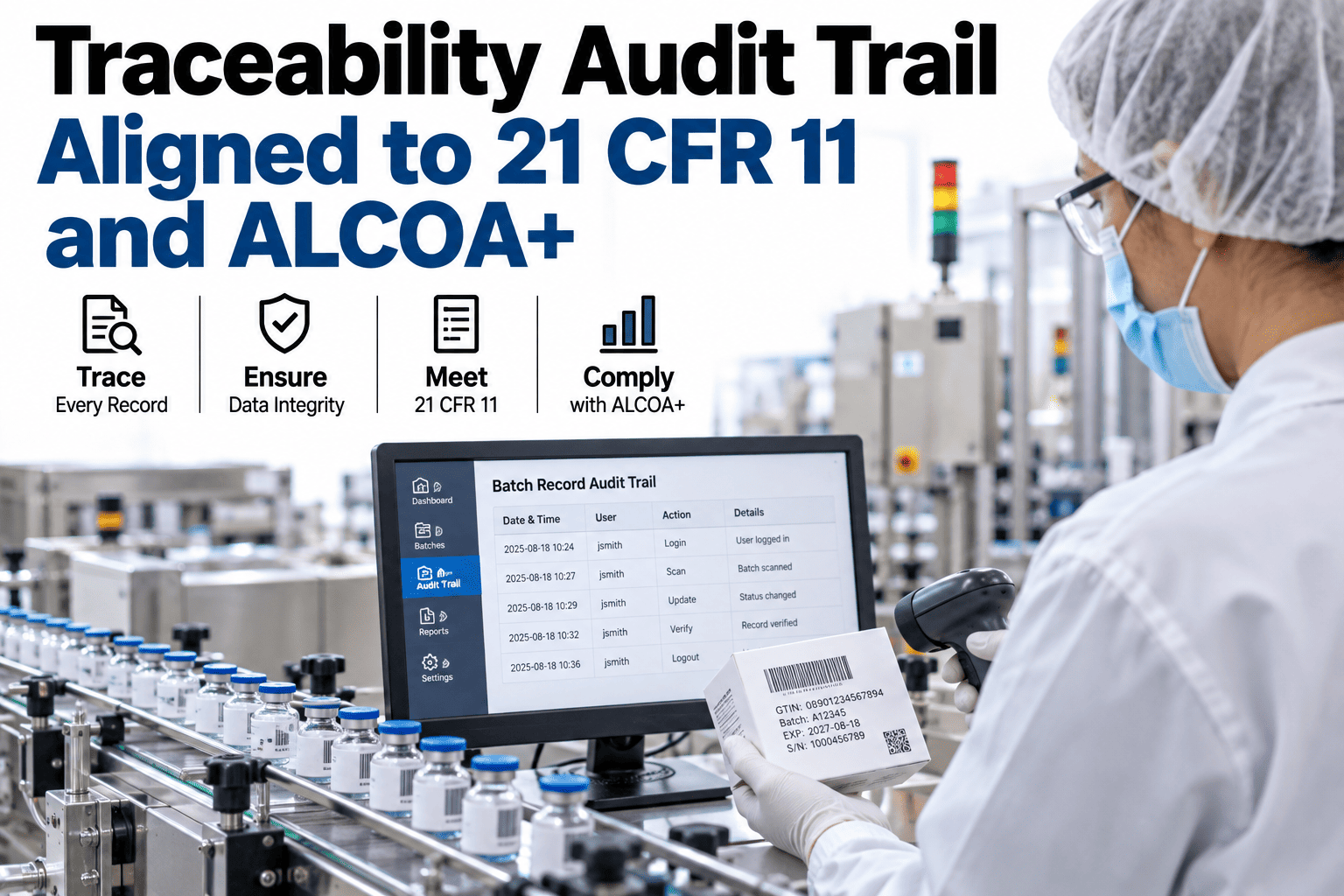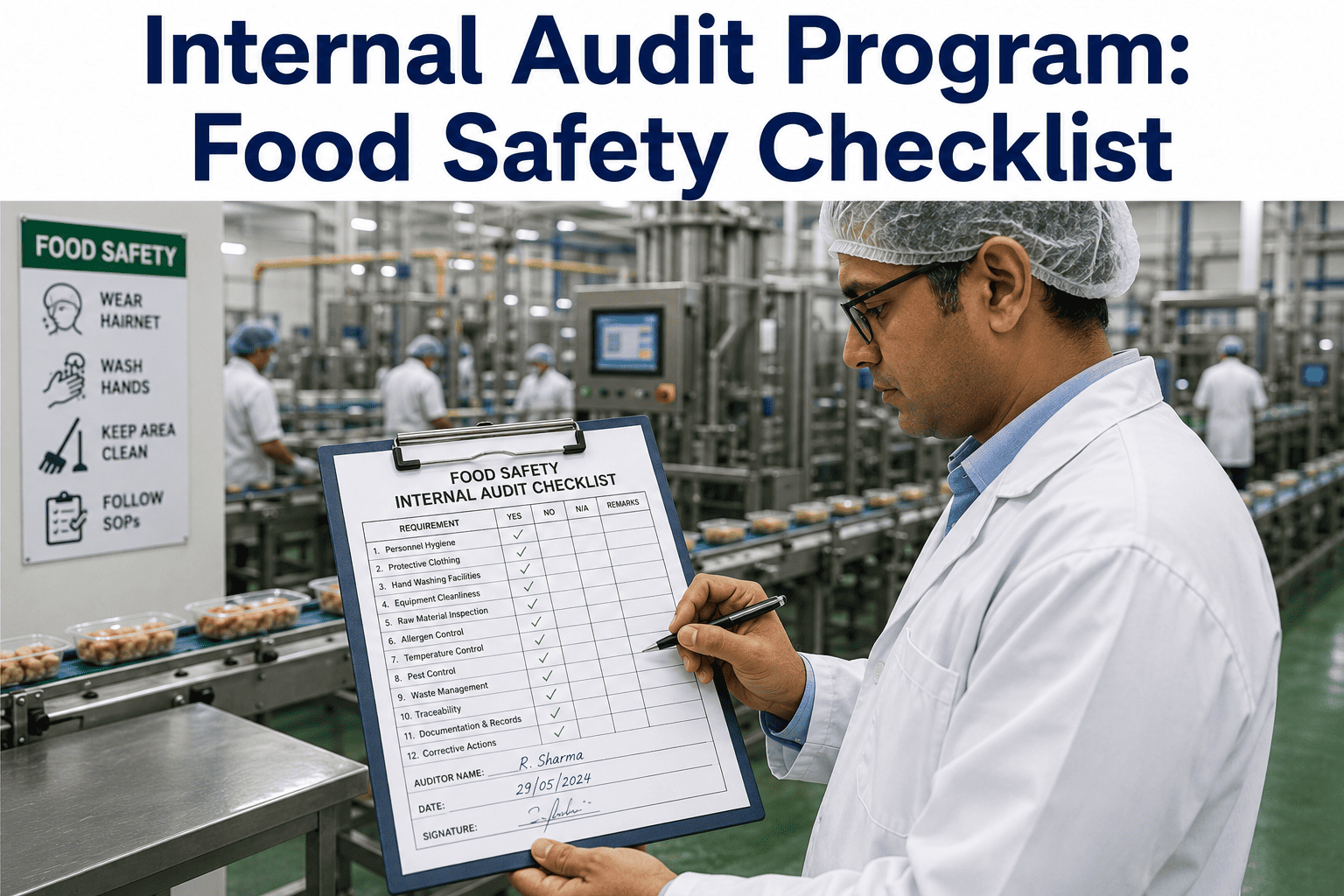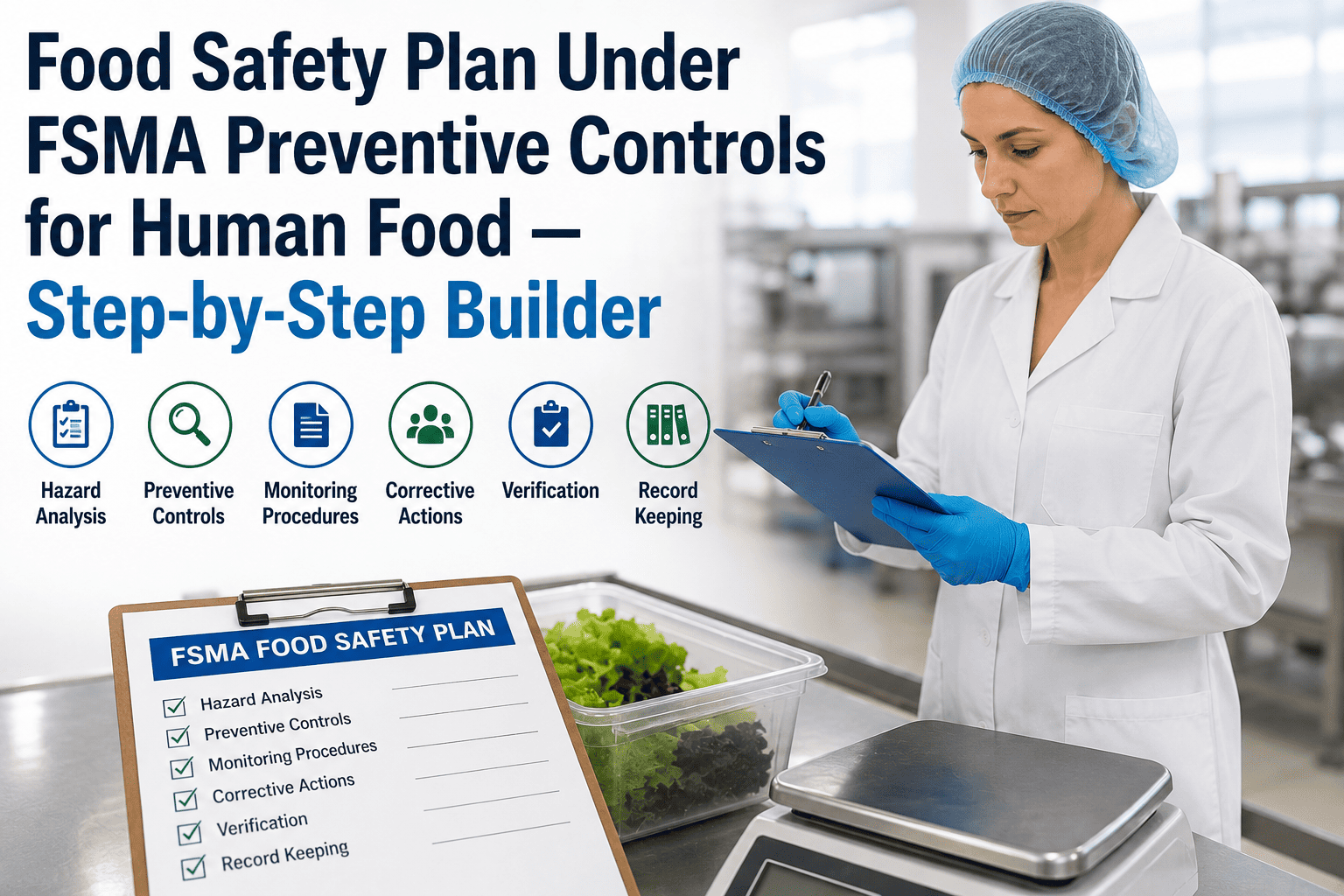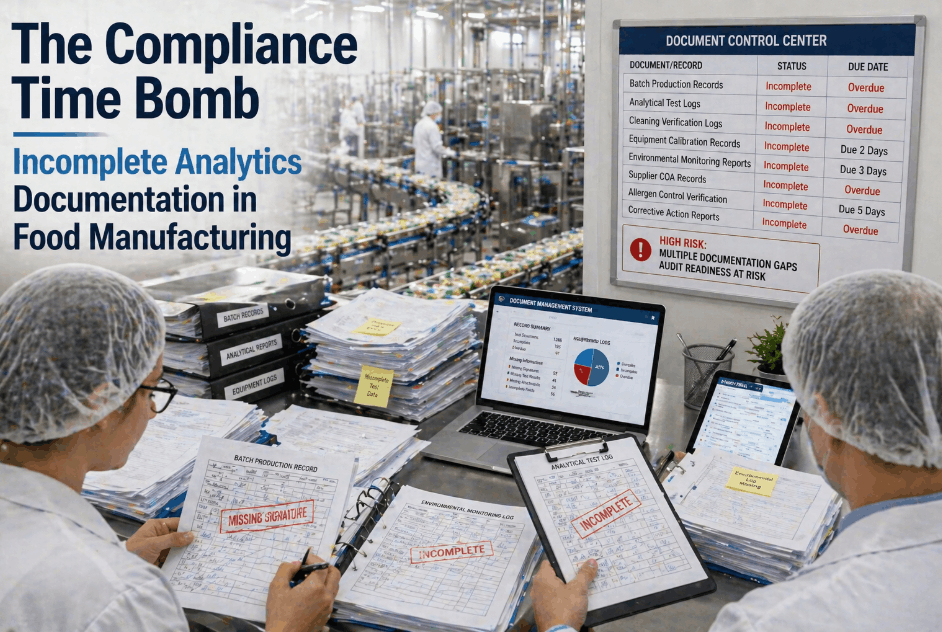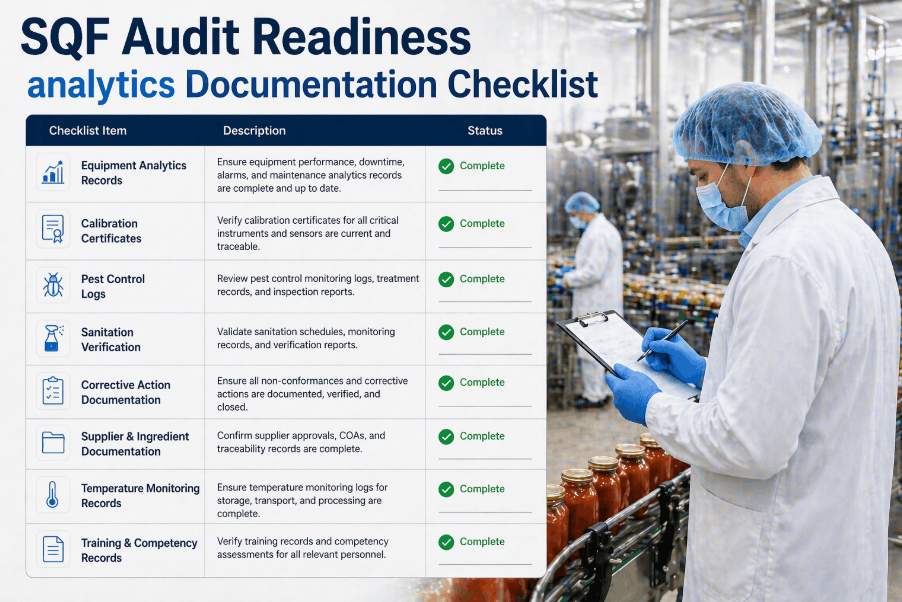
Maintaining robust FSMA Preventive Controls documentation is a critical requirement for any food facility regulated by the FDA. Incomplete record-keeping, unverified monitoring logs, and poorly documented corrective actions are the leading causes of FDA Form 483 observations and non-compliance penalties. A comprehensive, audit-ready Food Safety Plan must not only identify hazards but also provide a transparent, timestamped verification trail for every control implemented. Book a Demo to automate your FSMA hazard analysis, preventive control monitoring logs, and verification record-keeping for seamless regulatory compliance.
1. Hazard Analysis & Food Safety Plan Documentation
Establish a written foundation for your food safety operations. A compliant plan begins with a thorough identification of known or reasonably foreseeable hazards. Book a Demo to build and manage your digital hazard analysis records with automatic version control.
2. Preventive Control Monitoring & Critical Limits
Capture real-time data to prove your controls are working. Monitoring records must demonstrate that process, allergen, and sanitation controls are consistently applied. Book a Demo to automate monitoring frequency alerts and digital log signatures for your production teams.
3. Corrective Action & Non-Conformance Documentation
Document how you respond when things go wrong. Corrective action records are a primary focus during FDA inspections to ensure public safety is protected. Book a Demo to implement automated corrective action workflows and product hold tracking.
4. Verification Activities & Audit-Ready Oversight
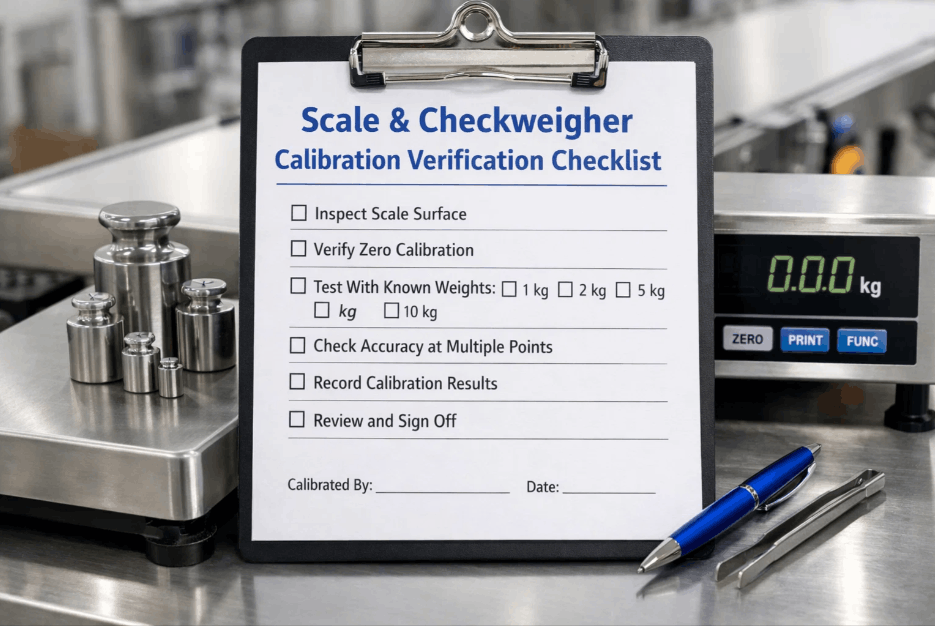
Prove that your plan is consistently being followed. Verification activities provide the objective evidence required to satisfy SQF, ISO, and FDA auditors. Book a Demo to centralize your calibration logs, lab results, and record review timestamps in one secure platform.
5. Recall Plan & Crisis Management Documentation
Ensure your facility is prepared for rapid response. A written recall plan is mandatory for all products with identified hazards. Book a Demo to digitize your recall procedures and consignee notification logs.
6. Supply Chain Program & Supplier Verification
Verify the safety of your incoming ingredients. FSMA requires a risk-based supply chain program for materials where a hazard is controlled by the supplier. Book a Demo to automate supplier document collection and expiration tracking.
7. FSMA Training Records & PCQI Competency
Document the human element of your food safety system. Every facility must have a Preventive Controls Qualified Individual (PCQI) and trained staff. Book a Demo to track employee training completions and competency expiration dates.
8. Record Retention & FDA Inspection Readiness
Ensure your records are available when the FDA arrives. Records must be protected from damage, unauthorized changes, and be instantly retrievable. Book a Demo to implement a secure, cloud-based FDA-compliant record retention system.
9. Food Safety Plan Reanalysis & Improvement
Maintain a living document for your facility. A food safety plan must be reanalyzed at least every 3 years or whenever a significant change occurs. Book a Demo to automate your reanalysis triggers and version comparison reports.