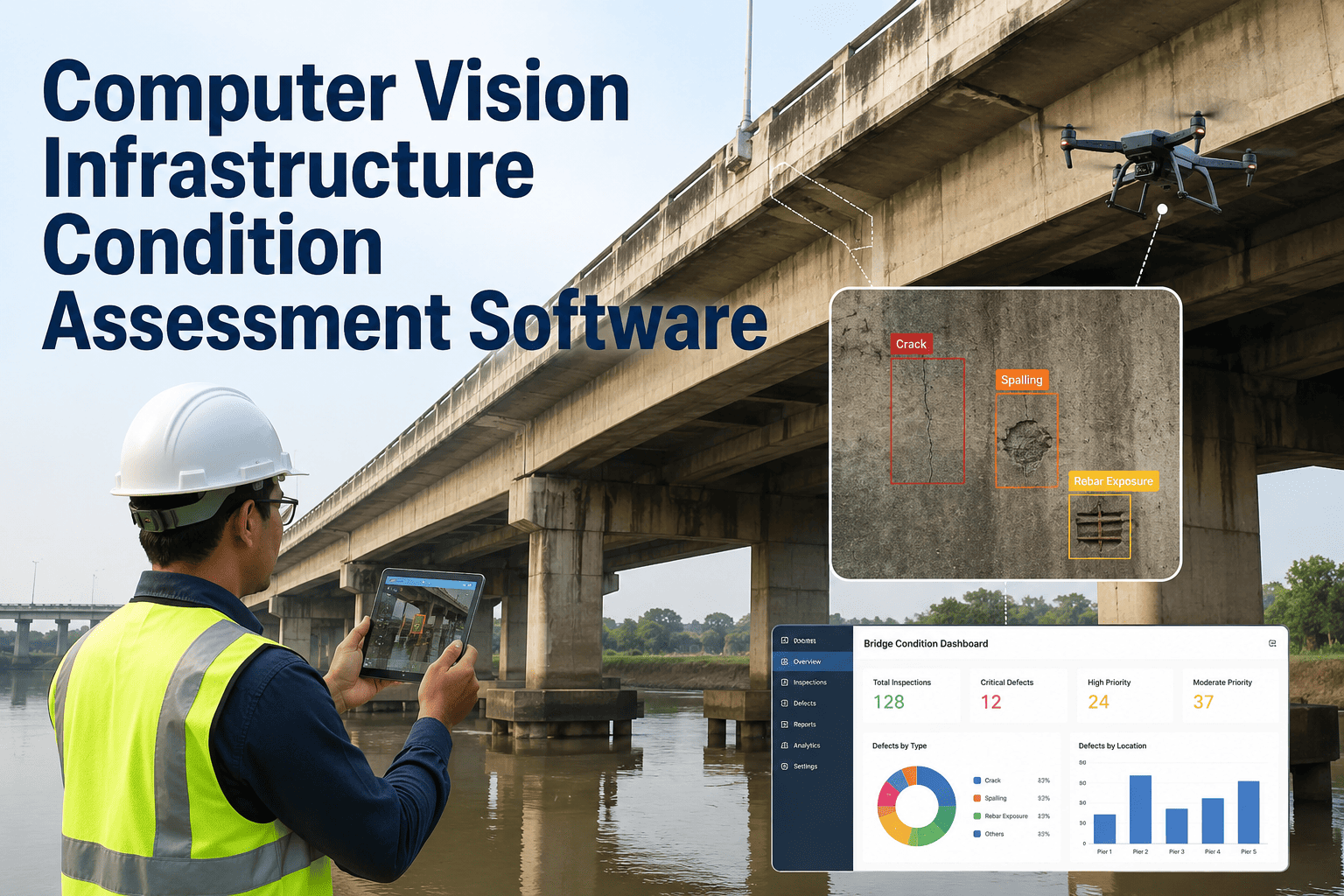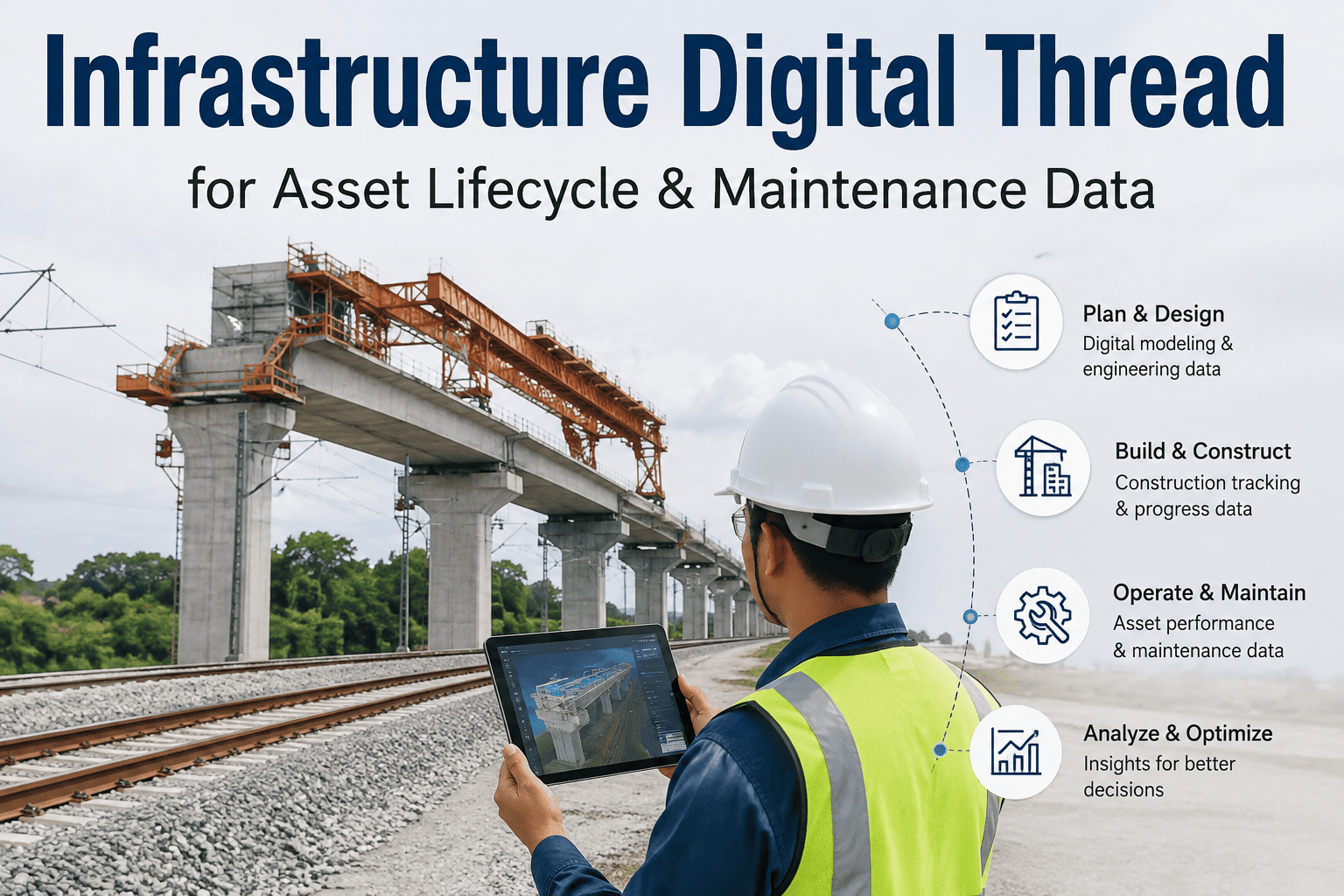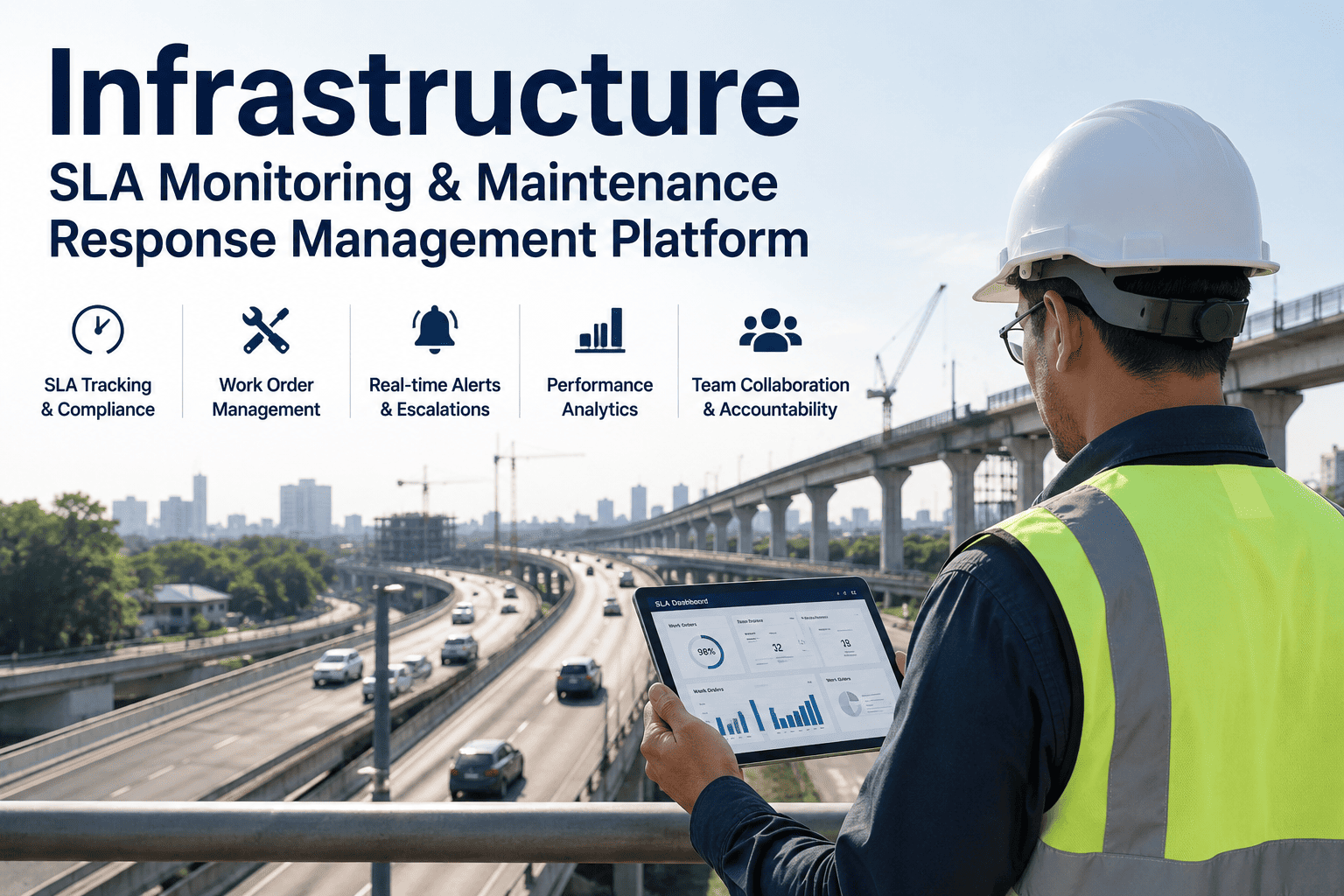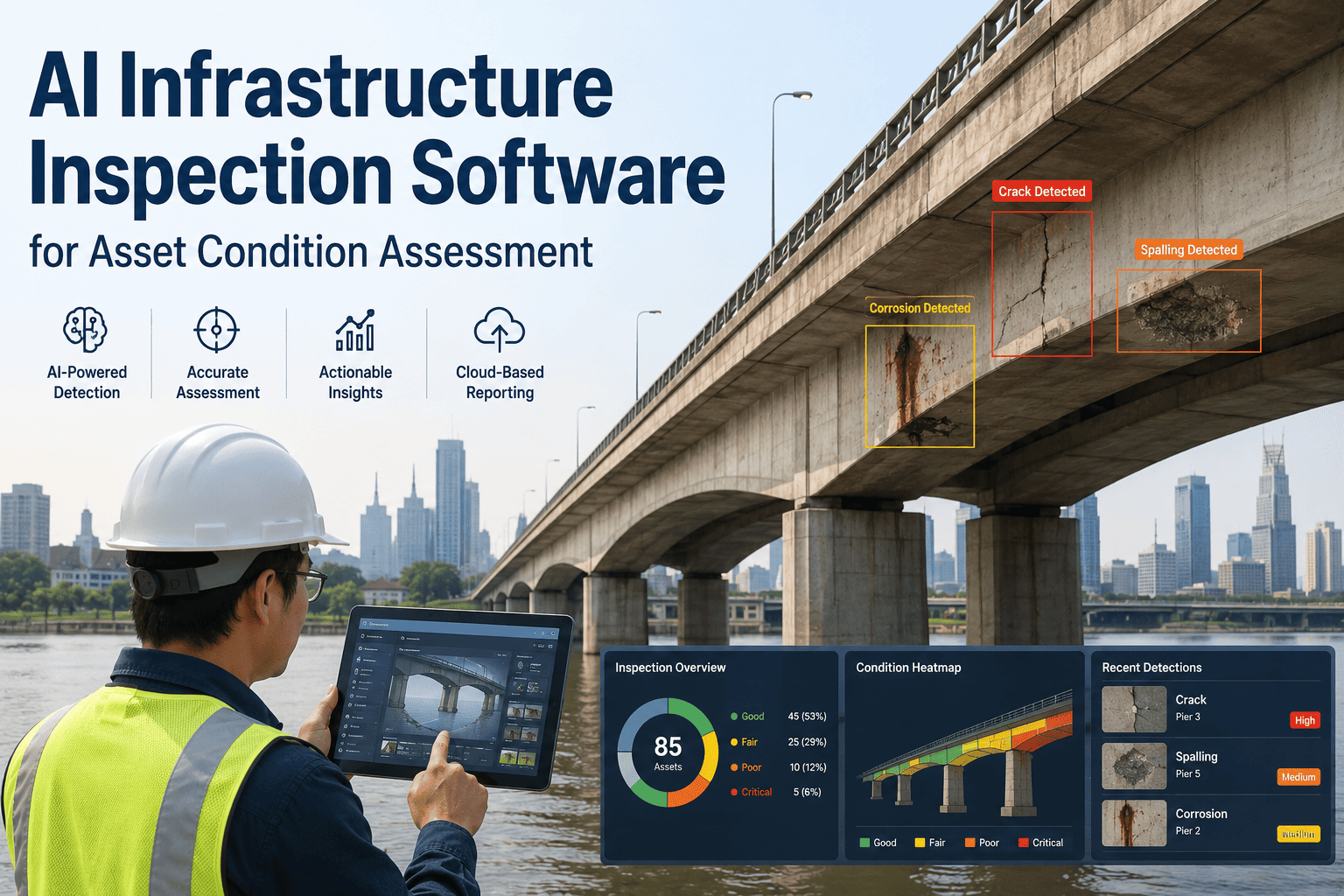
In 2025, infrastructure inspection has reached a technological tipping point. Manual surveys and physical site visits are being replaced by Computer Vision (CV) pilots that utilize autonomous drones, edge AI, and 3D reconstruction to identify structural fatigue and electrical anomalies with centimeter-level precision. This complete guide analyzes how iFactory’s CV platform compresses inspection costs by up to 65% while eliminating 90% of human safety risks in hazardous environments. Book a demo to see our 2025 CV inspection benchmarks live.
Deploy an AI Visual Inspection Copilot for Your Assets
iFactory's CV platform delivers autonomous defect detection, thermal anomaly mapping, and 3D digital twin synchronization — purpose-built for bridges, grids, and pipelines.
Why Manual Infrastructure Surveys Are Failing in 2025
Aging infrastructure assets generate millions of visual data points that human inspectors often miss. Cracks in concrete, oxidative corrosion on steel, and thermal hotspots in substations are often invisible or inaccessible to manual teams. The core challenge in infrastructure inspection is not a lack of vision — it’s a lack of persistence. iFactory’s CV copilot provides 24/7 autonomous monitoring that identifies sub-millimeter shifts in structural integrity, preventing catastrophic failures by detecting anomalies months before they become visible to the naked eye. Book a demo to understand how AI-driven vision eliminates the inspection backlog.
What a Computer Vision Copilot Does for Infrastructure Teams
iFactory's CV Infrastructure Analytics integrates directly with drone feeds, CCTV, and mobile devices — converting raw visual data into actionable maintenance work orders.
Computer Vision in Practice: Real-World Infrastructure Scenarios
The true value of CV for infrastructure is realized in the high-stakes moments of failure prevention. These scenarios illustrate how iFactory's AI vision delivers impact across diverse asset classes.
Scenario 1: High-Speed Substation Inspection
Edge AI identified a 15°C thermal deviation in a transformer bushing. Auto-generated work order allowed for a scheduled low-traffic repair, preventing a $1.2M multi-substation outage.
Scenario 2: Remote Bridge Fatigue Mapping
Autonomous drones mapped a 2-mile suspension bridge in 3 hours. CV identified 42 fatigue points that would have required 4 weeks of manual climbing and rigging to inspect physically.
Scenario 3: Pipeline Corrosion Velocity
Multi-spectral imaging tracked corrosion growth over 18 months. AI identified the specific section reaching RUL limits, allowing the CFO to defer total replacement for 3 additional years. Book a demo to audit your asset health.
Scenario 4: Municipal Pavement Planning
Mobile CV scanners mapped 500 miles of city streets. AI prioritized repairs based on crack density, ensuring that high-traffic arteries were paved first to maximize citizen satisfaction and road life.
Computer Vision vs Traditional Inspection: Side-by-Side
For operations leaders evaluated on safety and cost-efficiency, this comparison highlights the performance gap between manual surveys and an intelligent CV inspection platform.
| Capability | Manual Survey | Static Sensor Dashboards | iFactory CV Copilot |
|---|---|---|---|
| Defect Detection Rate | Variable (Human error) | High (Binary alarms) | 99.2% (Validated AI models) |
| Safety Risk Exposure | High (Climbing/Confined) | Low (Fixed sensors) | Near Zero (Autonomous flight) |
| Audit Trail Resolution | Subjective notes/PDFs | Historical data logs | Annotated 3D Digital Twin |
| Asset Coverage Speed | Weeks (Site-by-site) | Continuous (Local assets) | Hours (Fleet-scale swarms) |
| Regulatory Compliance | Manual logging | Digital logs | Auto-generated audit reports |
| Maintenance ROI | Cost of repair only | 2-4× ROI | 8.4× (Failure prevention) |
How iFactory's Computer Vision Infrastructure Platform Works
Scaling CV for infrastructure across a national portfolio requires a robust, edge-to-cloud architecture that ensures low latency and high data integrity.
Multi-Modal Data Ingestion
Ingests data from 4K drone feeds, thermal CCTV, LiDAR point clouds, and multi-spectral sensors. Data is normalized and time-synced into the central AI decision engine.
Edge AI Defect Classification
Specialized "TinyML" models run on drone hardware or edge gateways, classifying defects (crack, rust, leak) in real-time before data is even uploaded to the cloud.
Physics-Informed Deep Learning
Our models aren't just statistical; they are informed by civil engineering physics. We model material stress and failure propagation to prioritize the most critical repairs.
Closed-Loop CMMS Integration
Detected defects auto-populate your SAP PM or Maximo CMMS with annotated photos and failure priority, eliminating the manual inspection-to-repair overhead. Book a demo to see the integration live.
Deploying CV Infrastructure Inspection: The 7-Week Path
Moving from manual site visits to fully autonomous CV operations is a phased journey. iFactory ensures zero operational disruption during the transition.
Asset Inventory & Workflow Mapping
We audit your critical asset list and current inspection protocols. High-priority "blind spots" are identified for the initial CV deployment trial.
Edge HW Deployment & Model Tuning
Edge AI gateways and fixed cameras are installed. Drone flight paths are autonomous-programmed and CV models are fine-tuned on your specific structural materials.
CMMS Integration & Compliance Sync
Defect detection alerts are mapped to your work order system. Audit-ready automated reporting is calibrated to meet your specific regulatory and insurance requirements.
Full Scale-Out & Portfolio Analytics
Deployment expands across the wider asset portfolio. Dashboard provides portfolio-wide "Risk Velocity" metrics for capital replacement and safety planning.
Computer Vision for Infrastructure: Frequently Asked Questions
Inspect Deep. Act Fast. Protect Capital.
iFactory's Computer Vision platform delivers real-time defect detection, autonomous thermal mapping, and 3D digital twin synchronization — purpose-built for high-consequence infrastructure monitoring.