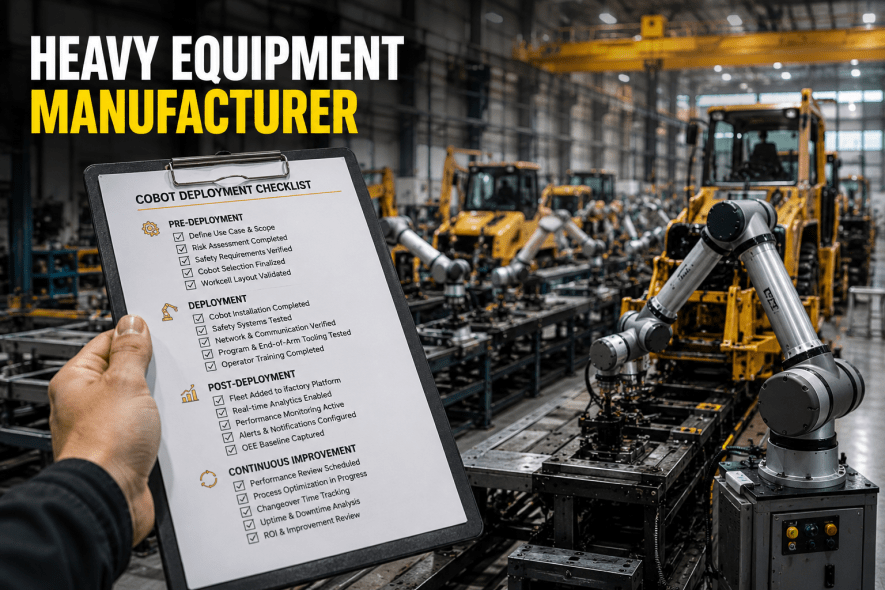
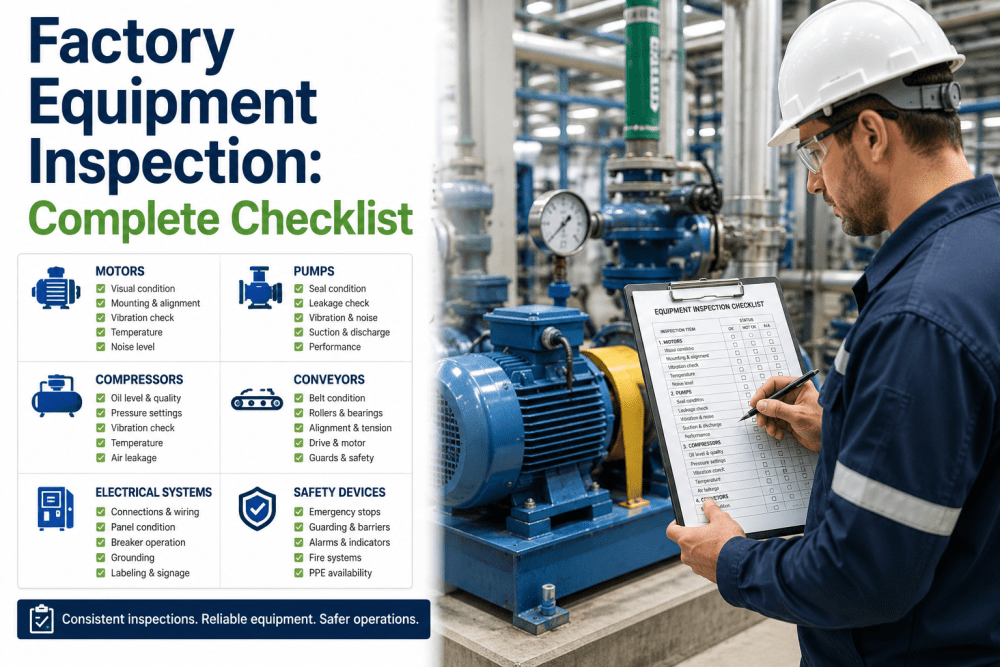
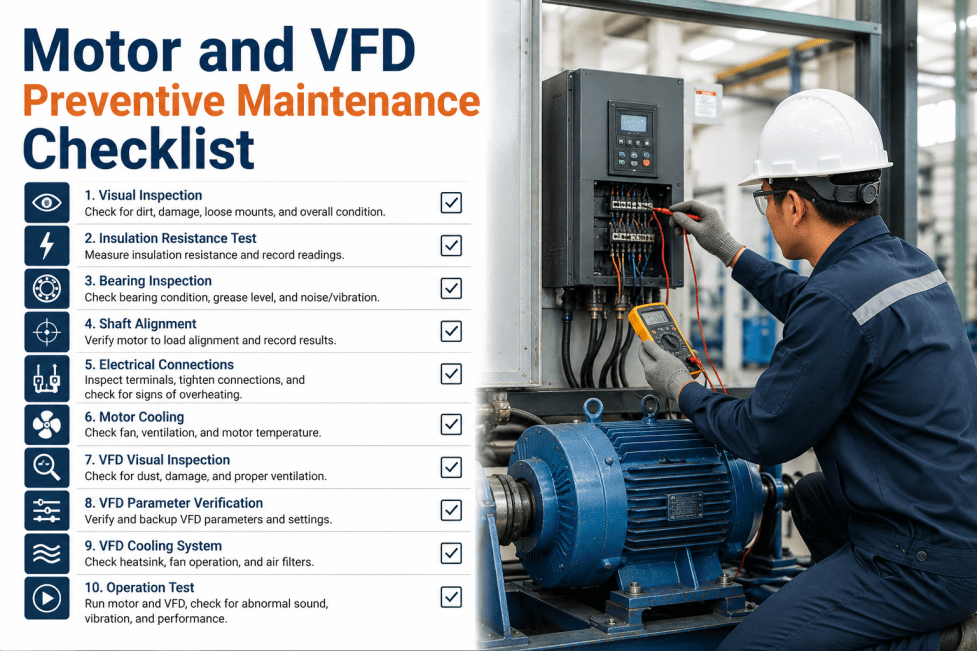
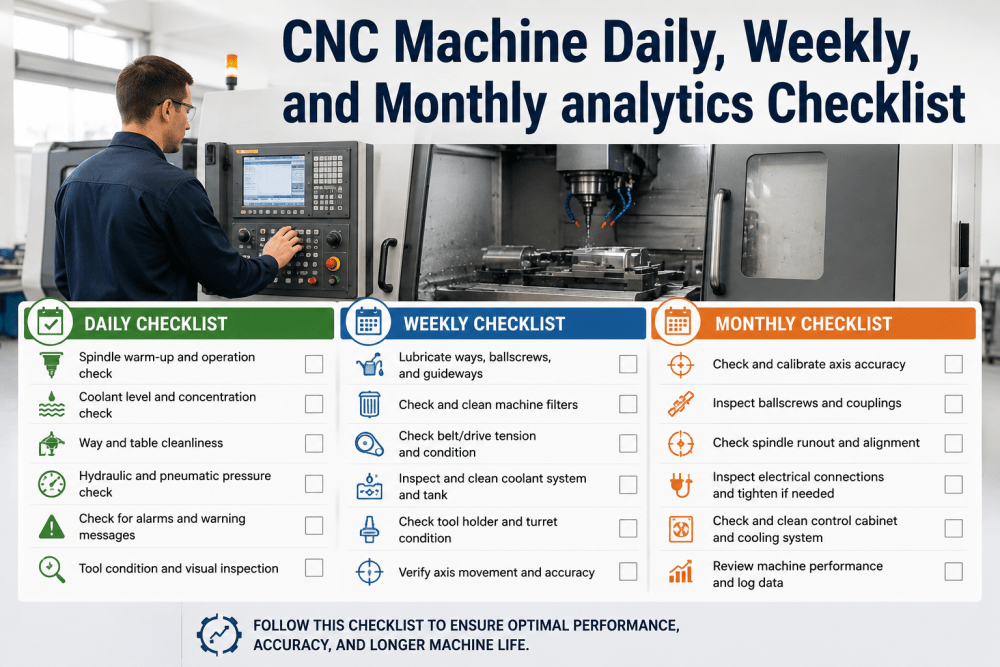
Process manufacturing and discrete manufacturing are not two points on the same spectrum — they are structurally different production models that require fundamentally different software architectures to manage quality, traceability, scheduling, and compliance. A batch reactor producing polymer resin operates on recipe logic, lot genealogy, and yield accounting. An assembly line producing automotive components operates on bill of materials structures, work order routing, and unit-level serialization. The MES, ERP modules, and quality systems that serve one model cannot simply be reconfigured to serve the other. U.S. manufacturing operations that attempt to force a discrete-oriented software stack onto process production — or vice versa — consistently report gaps in batch record completeness, recipe version control failures, and compliance documentation that does not map to regulatory requirements. iFactory's MES Workflow platform is architected to serve both models with distinct workflow engines — batch record and recipe management for process manufacturing, work order and BOM-driven routing for discrete — while sharing a common analytics, maintenance, and quality intelligence layer. This page uses a checklist-based diagnostic structure to show exactly where the two models diverge, what software capabilities each model requires, and how to confirm whether your current MES stack is meeting those requirements.
Process Manufacturing vs Discrete: Why Your Software Stack Differs
Batch records, recipes, and continuous flow versus work orders and BOMs — use this checklist-based guide to identify where your production model creates specific MES requirements, and whether your current software stack meets them.
Step 1: Identify Your Production Model — Process, Discrete, or Mixed-Mode
Before evaluating any MES capability, you need to confirm which production model your facility operates. The checklist below is a diagnostic — check every item that describes how your facility produces output. Your production model determines every software requirement that follows.
Check all items that describe your facility's production method
Check all items that describe your facility's production method
Step 2: Process Manufacturing MES Checklist — Required Capabilities by Function
If your Step 1 diagnostic confirmed a process manufacturing production model, the checklist below defines the MES capabilities your software stack must provide to manage production, quality, traceability, and compliance correctly. Each item marked with a warning indicator represents a capability gap that creates measurable operational or regulatory risk if absent from your current system.
Step 3: Discrete Manufacturing MES Checklist — Required Capabilities by Function
If your Step 1 diagnostic confirmed a discrete manufacturing production model, the checklist below defines the MES capabilities required to manage work order execution, component traceability, operation-level quality, and production costing correctly. Book a Demo to see iFactory's MES Workflow configured for discrete operations with BOM, routing, and work order management.
Use This Checklist to Audit Your Current MES Stack
Every unchecked item in Step 2 or Step 3 represents a gap your current system is not covering. iFactory's MES Workflow team will walk you through each gap and show how the platform addresses it — configured to your specific production model, instrument inventory, and compliance requirements.
Step 4: MES Architecture Gap Diagnostic — Where the Wrong Stack Creates Risk
The gap diagnostic below identifies the most common MES architecture mismatches — cases where a facility is using a software stack designed for the wrong production model. Each row identifies the symptom, the root cause, and the correct MES capability. If you recognize your facility in any of these rows, the gap is structural and will not be resolved by configuration or workaround.
| Symptom You Are Experiencing | Production Model | Root Cause (Architecture Mismatch) | Required MES Capability | Risk If Unaddressed |
|---|---|---|---|---|
| Batch records are assembled manually from operator log sheets after each batch | Process | Discrete work order completion record used as batch record substitute — does not capture in-process parameters or step deviations | Electronic batch record with step-level parameter capture and deviation documentation | FDA 21 CFR Part 11 / EU GMP Annex 11 compliance gap — audit finding risk |
| Recipe changes are communicated via paper or email — operators sometimes use old versions | Process | No recipe version control integrated with production execution — operators select recipes manually from shared drives | MES-integrated recipe version management — only approved current version executable in production | Batch produced against superseded recipe — deviation, rework, or recall risk |
| Cannot answer "which finished goods lots contain raw material lot X" within 30 minutes | Process | Lot genealogy tracked in spreadsheet or ERP lot tracking without split/merge event management | Forward and backward lot traceability with split and merge event tracking | Recall scope cannot be determined quickly — regulatory and customer notification delays |
| Work order costing shows zero labor variance — actual hours are not captured at operation level | Discrete | Process-oriented MES does not have operation-level labor time entry — work order hours estimated rather than captured | Operation-level labor and machine time capture with actual vs. standard variance reporting | Inaccurate product costing — pricing and margin decisions based on estimated costs |
| Component lot used in a defective finished unit cannot be identified without manually reviewing paper travelers | Discrete | Batch-oriented traceability records lot-to-batch links but does not capture component-to-serial-number linkage at operation level | Component-to-assembly linkage recorded at operation where component is consumed | IATF 16949 or AS9100 audit finding — customer-required traceability not demonstrable |
| Scheduling does not account for vessel or reactor availability — batches are scheduled before equipment is free | Process | Discrete finite capacity scheduler assigns time-constrained operations but does not model vessel volume capacity or cleaning validation time | Campaign and vessel scheduling with changeover matrix for process equipment | Production schedule conflicts — batch delays, increased changeover frequency, cleaning validation gaps |
| Finished goods quantity confirmed at work order close does not match inventory — scrap is not captured at operation level | Discrete | Process yield accounting model tracks total batch yield but does not capture operation-level unit scrap for discrete routing | Unit-level pass/fail inspection and scrap recording at each routing operation | Inventory inaccuracy — finished goods quantity and WIP count incorrect in ERP |
Expert Review: What Operations Leaders Say About MES Architecture for Mixed-Mode Facilities
I spent fourteen years in process chemical manufacturing before moving into a role that required me to stand up MES for a facility running both continuous reactor operations and a downstream discrete packaging and assembly line. The first attempt — using a discrete-oriented MES platform with strong automotive credentials — failed within eight months. The batch record structure it produced did not satisfy FDA audit requirements, recipe version control was a manual workaround, and yield accounting was a spreadsheet bolted onto the side of the system. The second implementation, using a platform that natively supported both production models, took longer to configure but produced a system that actually matched how the facility operated. That experience shaped everything I think about MES selection.
Conclusion
The checklist approach in this guide is intentional — because the difference between process and discrete MES requirements is not philosophical, it is item-by-item. Electronic batch records with step-level parameter capture are a specific regulatory requirement in process manufacturing, not a feature preference. Component-to-assembly serial linkage at the operation where consumption occurs is a specific traceability requirement in discrete manufacturing, not a configuration option. Recipe version control integrated with the production execution engine is a specific compliance requirement for regulated process industries, not a document management workflow.
iFactory's MES Workflow platform covers every item in both checklists — recipe management with version control and EBR generation for process manufacturing; BOM, routing, and work order execution with unit-level traceability for discrete manufacturing; and a native mixed-mode workflow for facilities operating both production models within a single production flow. The items you could not check in Steps 2 and 3 above represent the gaps your current stack is carrying. Book a Demo to walk through each gap against iFactory's MES Workflow — configured to your exact production model, compliance requirements, and existing ERP structure.
Frequently Asked Questions
Yes. iFactory's MES Workflow is designed for mixed-mode operations — facilities that run batch reactor or continuous process operations feeding downstream discrete packaging or assembly lines. The platform maintains separate recipe and BOM/routing engines while sharing a common traceability, quality, and analytics layer. The handoff between process and discrete modes is managed natively — approved batch lot status triggers work order creation automatically, carrying lot genealogy through to the individual unit record. Book a Demo to see the mixed-mode workflow configured for your production structure.
iFactory's electronic batch record module is designed for compliance with FDA 21 CFR Part 11 — including audit trail generation, electronic signature with role-based authorization, record integrity controls, and deviation documentation at the step level. The EBR captures every parameter measurement, operator action, and system event against the master batch record, generating a complete, tamper-evident batch record that satisfies FDA inspection requirements. The platform also supports EU GMP Annex 11 requirements for European regulatory environments.
iFactory's recipe management module integrates version control directly with the production execution engine. Recipe versions move through a draft → review → approved workflow — only recipes in approved status can be executed in production. When a recipe is updated, the new version requires re-approval before it can be used. The batch record automatically captures the recipe version number used for each production run. Superseded recipe versions are retained for historical traceability but cannot be selected for new production orders.
For a single process manufacturing facility with 5 to 15 active recipes, batch record management, quality testing integration, and lot traceability, deployment typically runs $45,000 to $95,000 over 6 to 10 weeks. Mixed-mode deployments (process plus discrete) run $65,000 to $140,000 over 8 to 14 weeks depending on BOM/routing complexity and the number of discrete work centers. First measurable improvements in batch record completeness and deviation capture are typically visible within the first two production cycles after go-live. Book a Demo for a site-specific quote.
Yes. iFactory MES Workflow includes pre-built integrations with SAP PP/QM, Oracle Manufacturing, and Microsoft Dynamics 365 Supply Chain for bidirectional production order exchange — planned orders from ERP trigger batch or work order creation in MES, and completed production data (actual quantities, yield, labor, scrap) is written back to ERP for costing and inventory update. The integration is configurable for both process (batch order with yield) and discrete (work order with operation completion) ERP transaction structures. REST API integration is available for ERP systems not on the pre-built connector list.