A distribution supervisor at a Midwest automotive plant watches the shift-end report: three forklift near-misses, a failed dock lock on bay 7, and a racking upright that's been tilting 2.3 degrees for two weeks — nobody flagged it because the monthly inspection isn't due for another 12 days. The automated storage and retrieval system (AS/RS) has already logged 37 micro-stalls this quarter, each one shaving seconds off throughput that compound into 14 lost production hours a year. The supervisor knows the data exists — it's scattered across telematics dashboards, maintenance logs, and discrete sensor feeds — but nobody is connecting the dots until something breaks, someone gets hurt, or a line goes down.
Unify Racking, Dock, Material Handling, and Automated Storage Data into One Predictive Operations Platform
iFactory ingests every sensor, every telemetry stream, and every inspection log in your warehouse — then surfaces the failures before they happen, across every asset category, in a single pane of glass. No rip-and-replace. No cloud dependency. Pilot in 6–12 weeks.
One Platform. Every Warehouse Asset. No Blind Spots.
Warehouse operations managers today juggle six different systems — a dock management dashboard, a racking inspection app, a forklift telematics portal, an AS/RS SCADA screen, a conveyor CMMS, and a manual clipboard for overhead crane checks. None of them talk to each other. The result: a near-miss on the dock floor goes unnoticed until it becomes a lost-time injury, and a conveyor motor that's been running hot for three weeks takes down the entire shipping line. iFactory connects every data source — from load cells on racking uprights to vibration sensors on AS/RS shuttles — into a single analytics engine that predicts failures, schedules inspections, and alerts operators in real time. No cloud egress. No IT project. No training required.
Six Categories of Warehouse Analytics — One Unified View
iFactory's Preventive Analytics Scheduling covers every asset class in your distribution center. Each capability runs as a self-contained module on the same on-premise appliance, so you can start with your biggest pain point and expand without re-architecting.
Racking Integrity Monitoring
Continuous load-cell and tilt-sensor analysis on every upright and beam. iFactory flags deflections beyond 1.5 degrees, over-capacity pallet positions, and impact events within 2 seconds — not at the next quarterly inspection. Alerts route directly to the floor supervisor's tablet.
Dock Leveler & Lock Telemetry
Ingests PLC data from dock levelers, vehicle restraints, and door actuators. iFactory models normal cycle times and detects anomalies — a restraint that takes 0.8 seconds longer to engage, a leveler that drifts hydraulic pressure — before they become dock-outage events that delay 12 trucks a shift.
Forklift & AGV Fleet Health
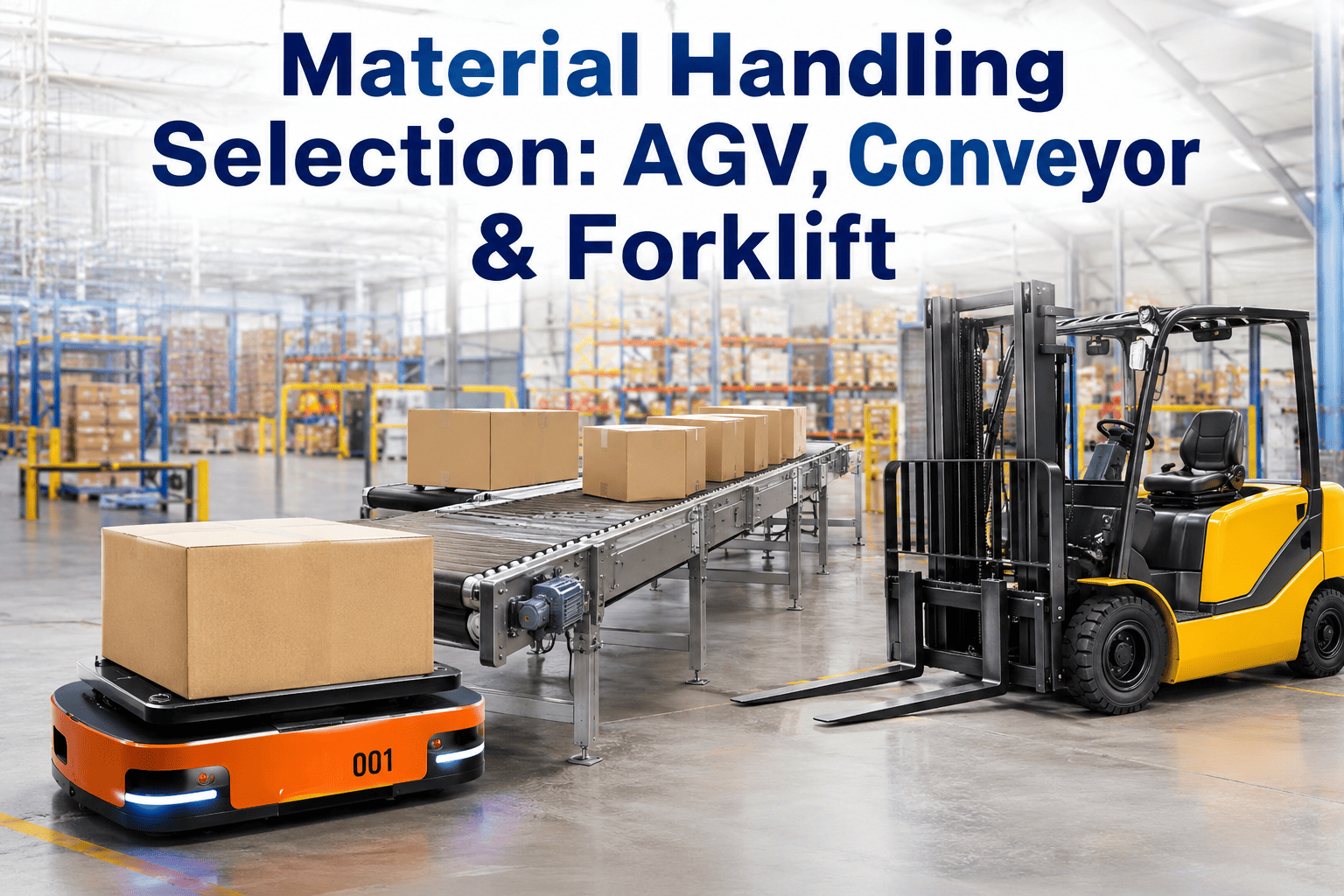
Pulls telematics from your OEM fleet management system (Crown, Toyota, Raymond, or any open-API provider). iFactory correlates battery discharge curves, hydraulic pressure trends, and impact sensor history to predict which truck will fail next — and schedules PMs during planned downtime.
AS/RS & Mini-Load Predictive Maintenance
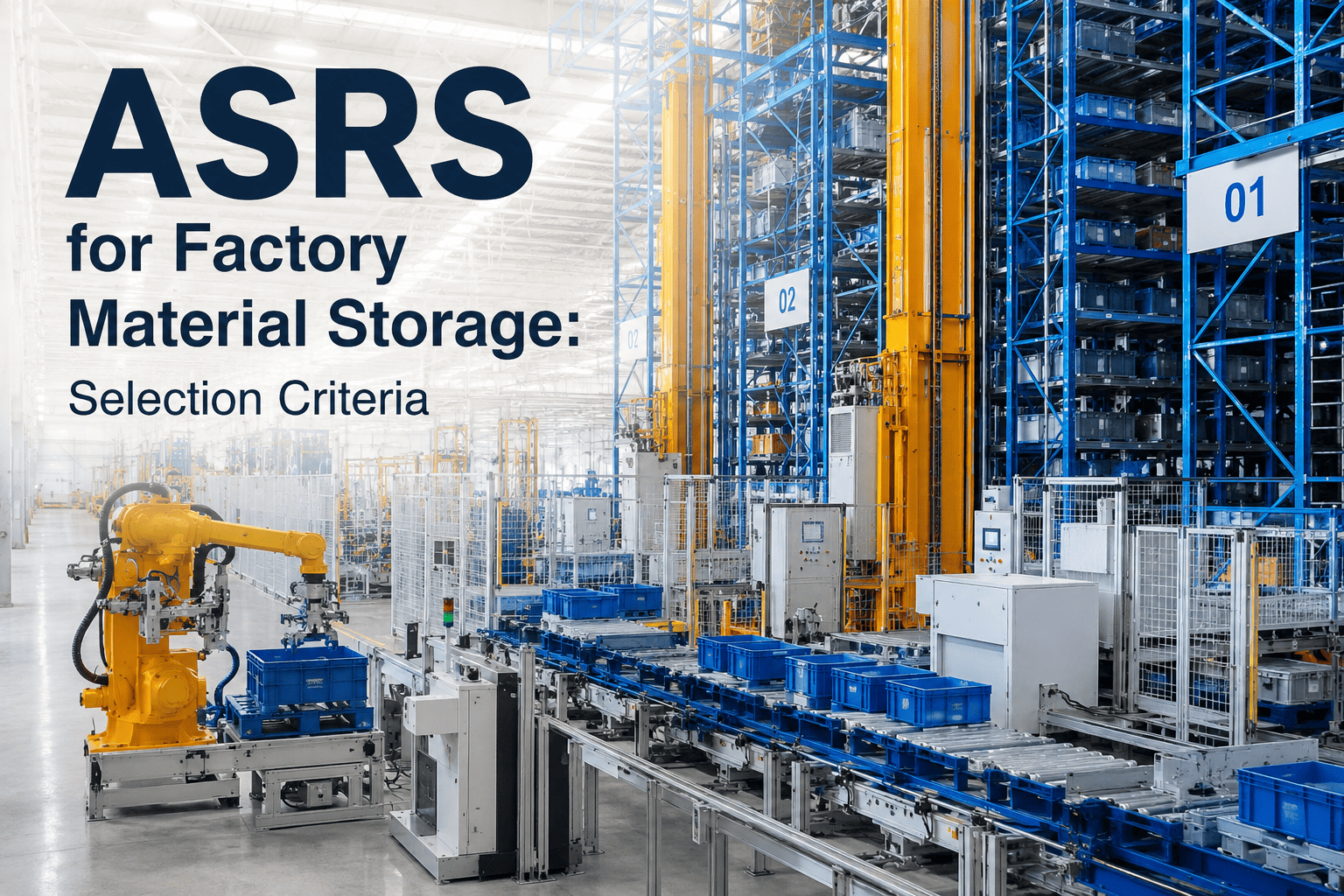
Monitors shuttle vibration signatures, rail alignment data, and motor current draw across every aisle. iFactory's models detect the 3.2 kHz harmonic that precedes a bearing failure — 14 days before the manufacturer's recommended replacement interval — and adjusts the pick schedule to isolate the affected aisle.
Conveyor & Sortation Analytics
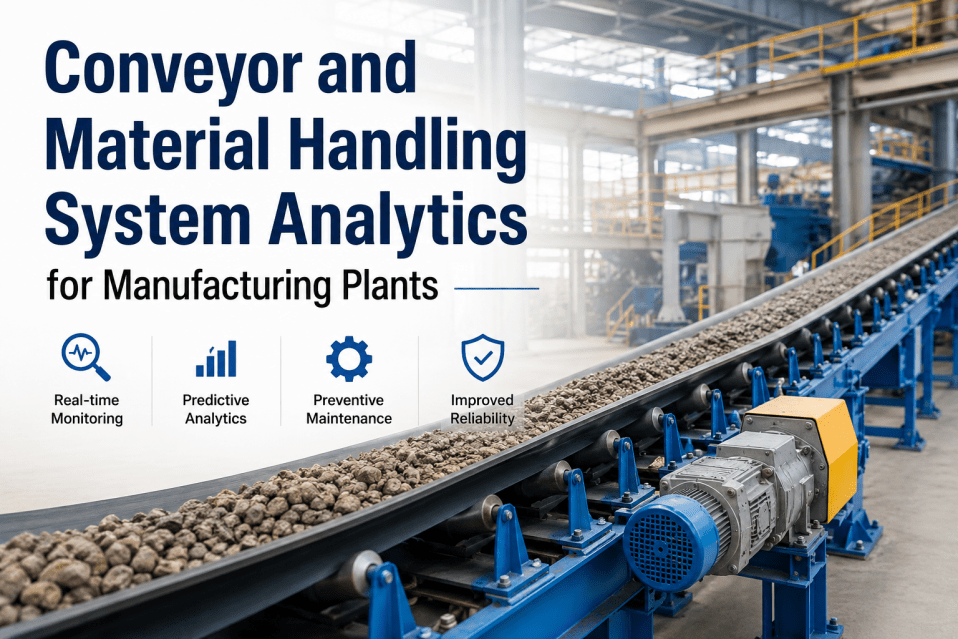
Analyzes motor temperature, belt tension, and photo-eye timing across every zone. iFactory identifies the 200-millisecond gap that signals a worn drive roller, then auto-generates a work order for the next break window — before a jam cascades into a 45-minute line restart.
Safety System Monitoring
Cross-references light curtain activations, emergency stop pull-cord history, and guard-door switch cycles with production schedules. iFactory surfaces patterns — like the 3:15 PM recurring E-stop pull on dock 4 — so you can address operator behavior or equipment misalignment before OSHA takes notice.
From Disparate Data to Unified Action in Four Steps
iFactory doesn't require a data migration, a cloud subscription, or a team of data scientists. Your existing sensors and systems already produce the signals — we just make them tell a single story.
Connect
We install the iFactory NVIDIA appliance on your plant network and connect to your existing data sources — PLCs, SCADA, CMMS, telematics gateways, and inspection databases — via native OPC-UA, Modbus, MQTT, or REST API. No sensor retrofits required.
Ingest
iFactory continuously ingests time-series data from every warehouse asset category simultaneously — racking load cells, dock PLCs, forklift controllers, AS/RS drives, conveyor VFDs, and safety system I/O — at sub-second resolution. All data stays on your network.
Model
Our library of 200+ pre-trained machine learning models learns the normal operating envelope for each asset class. iFactory builds a baseline for your specific facility within 72 hours and begins detecting drift, anomaly, and degradation patterns automatically.
Act
iFactory surfaces prioritized alerts, auto-generated work orders, and shift-level dispatch recommendations in your existing interface — email, SMS, dashboard, or API to your CMMS. Your team acts on the insight, not the fire drill.
What Fragmented Warehouse Analytics Costs You Every Quarter
When each asset category operates in its own data silo, the cost compounds in ways that don't show up on any single report. Here's what the numbers look like in a typical 500,000-square-foot distribution center.
Unplanned Dock Downtime
A single failed dock leveler or restraint takes an average of 47 minutes to repair, delaying 6–8 truckloads. In a facility with 24 active bays, one failure per week per bay costs $1,200 per incident in labor and detention fees.
AS/RS Micro-Stall Cascades
Micro-stalls under 2 seconds don't trigger alarms but accumulate into 14–22 hours of hidden downtime per quarter. Each hour of unplanned AS/RS downtime costs $4,800 in lost throughput and downstream line starvation.
Racking Incident Root-Cause Cleanup
An undetected racking impact that progresses to a collapse costs $75,000–$150,000 in product damage, structural repair, and OSHA fines. Facilities with manual quarterly inspections miss 68% of impact events entirely.
What iFactory Delivers in the First Year
These figures are drawn from iFactory deployments across 14 distribution centers in automotive, consumer packaged goods, and third-party logistics — all running on-premise with no cloud dependency.
Your warehouse already generates the data. iFactory makes it tell you what's about to break. Book a 30-minute walkthrough and we'll map your current data sources to a live pilot in under two hours.
Real Answers from Operations Leaders Who've Asked the Same Questions
Your Warehouse Analytics Blind Spots Are Costing You Six Figures a Year
Book a demo. We'll connect to your live data in under two hours and show you the failures you're missing — racking, dock, material handling, and automated storage — in a single pane of glass. No cloud. No project. No risk.