For most plants, the maintenance program didn't start out reactive on purpose — it just never stopped being reactive. A motor fails, a team scrambles, the fire gets put out, and the same cycle repeats next month on a different asset. Reactive work feels urgent and even heroic in the moment, but it quietly drains the same budget that a more mature program could protect. VP of Operations teams who track this closely often find their plant sits a full stage below where they assumed. See exactly where yours stands when you book a demo with our team.
From Firefighting to Foresight: The Four Stages Between Reactive and Predictive Maintenance
Every plant sits somewhere on a four-stage maturity ladder, and most operations leaders believe they're a full stage ahead of where they actually are. iFactory shows you exactly where your plant stands today and what climbing one stage is worth in dollars.
Reactive, Preventive, Predictive, Prescriptive — Which One Is Your Plant, Really?
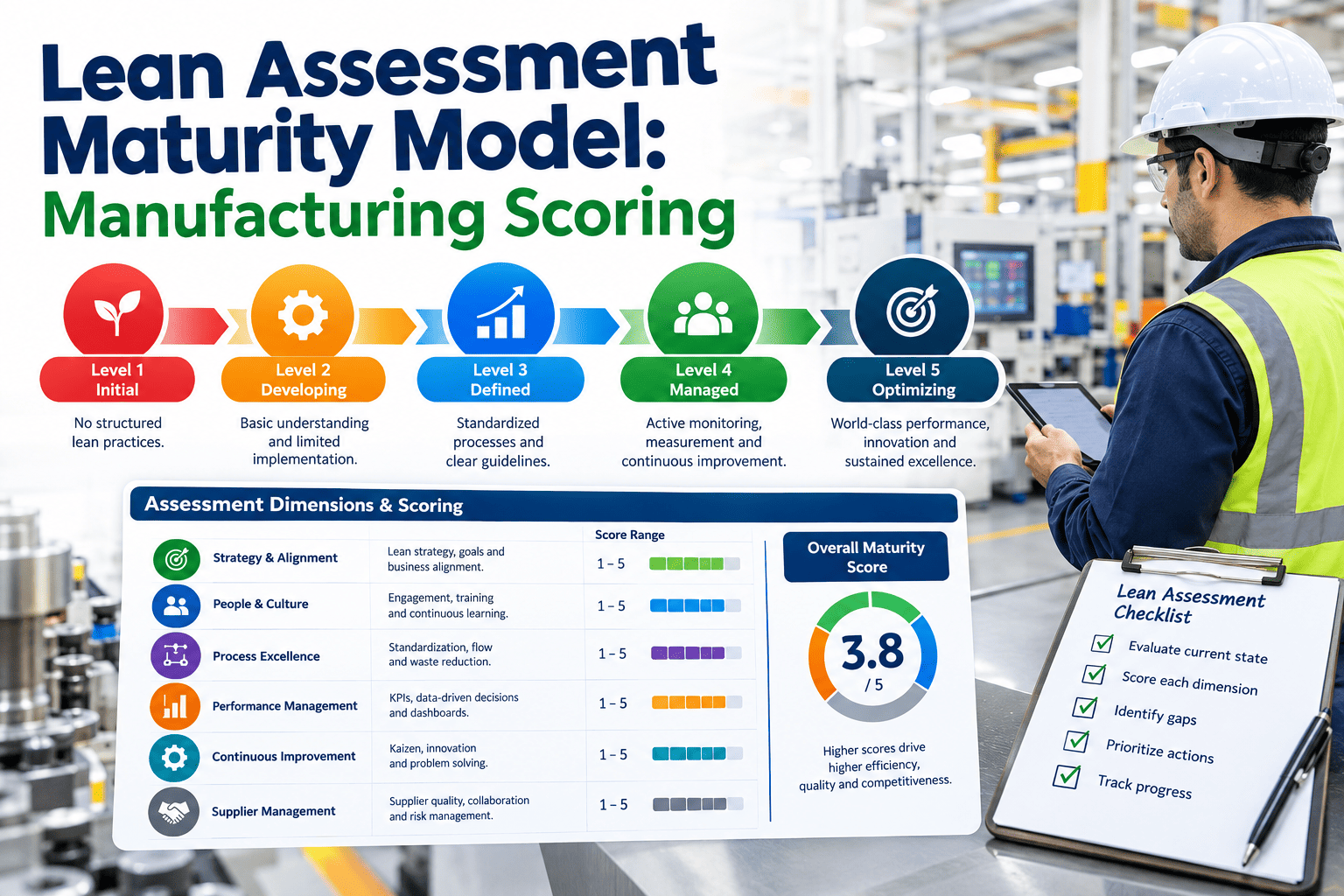
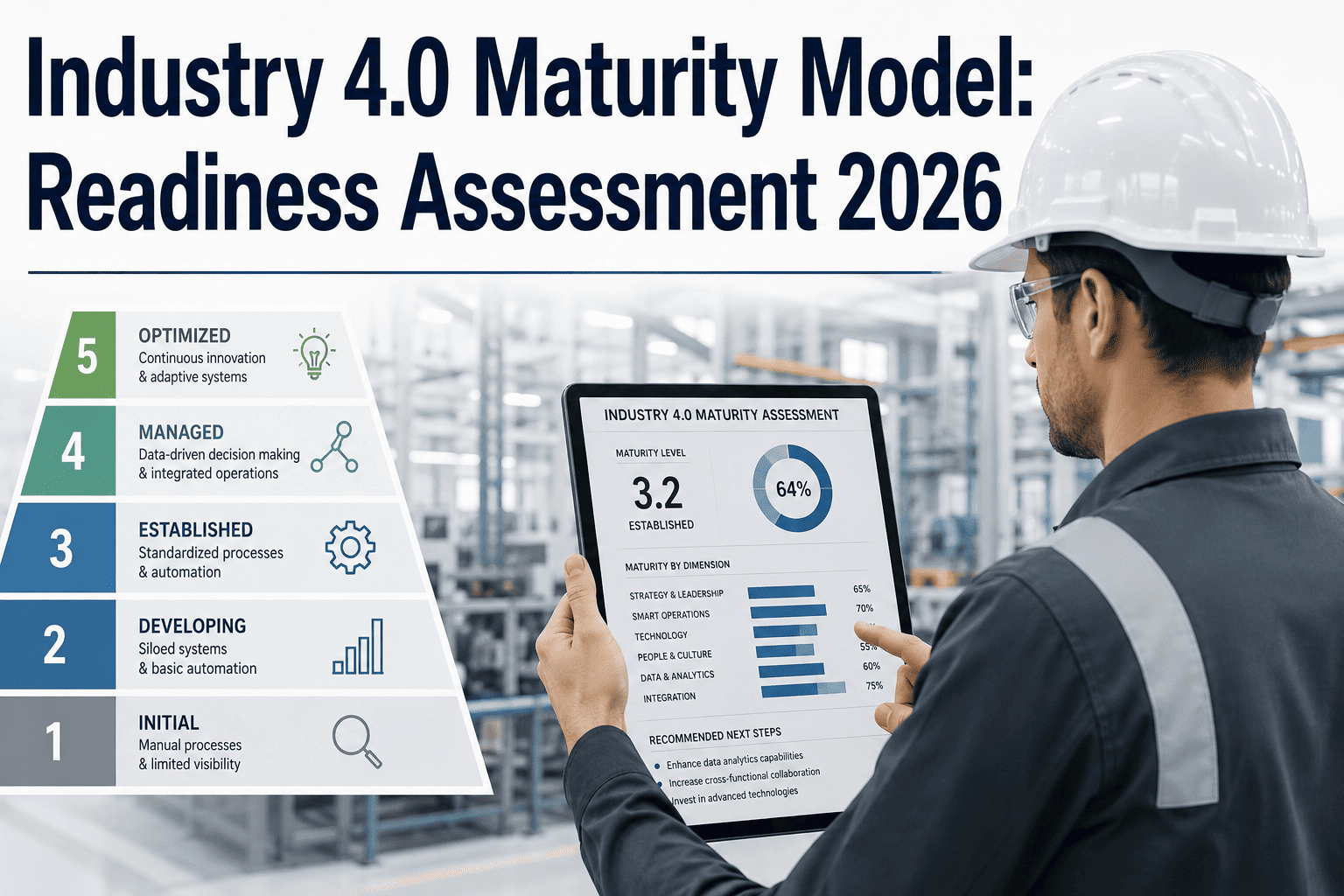
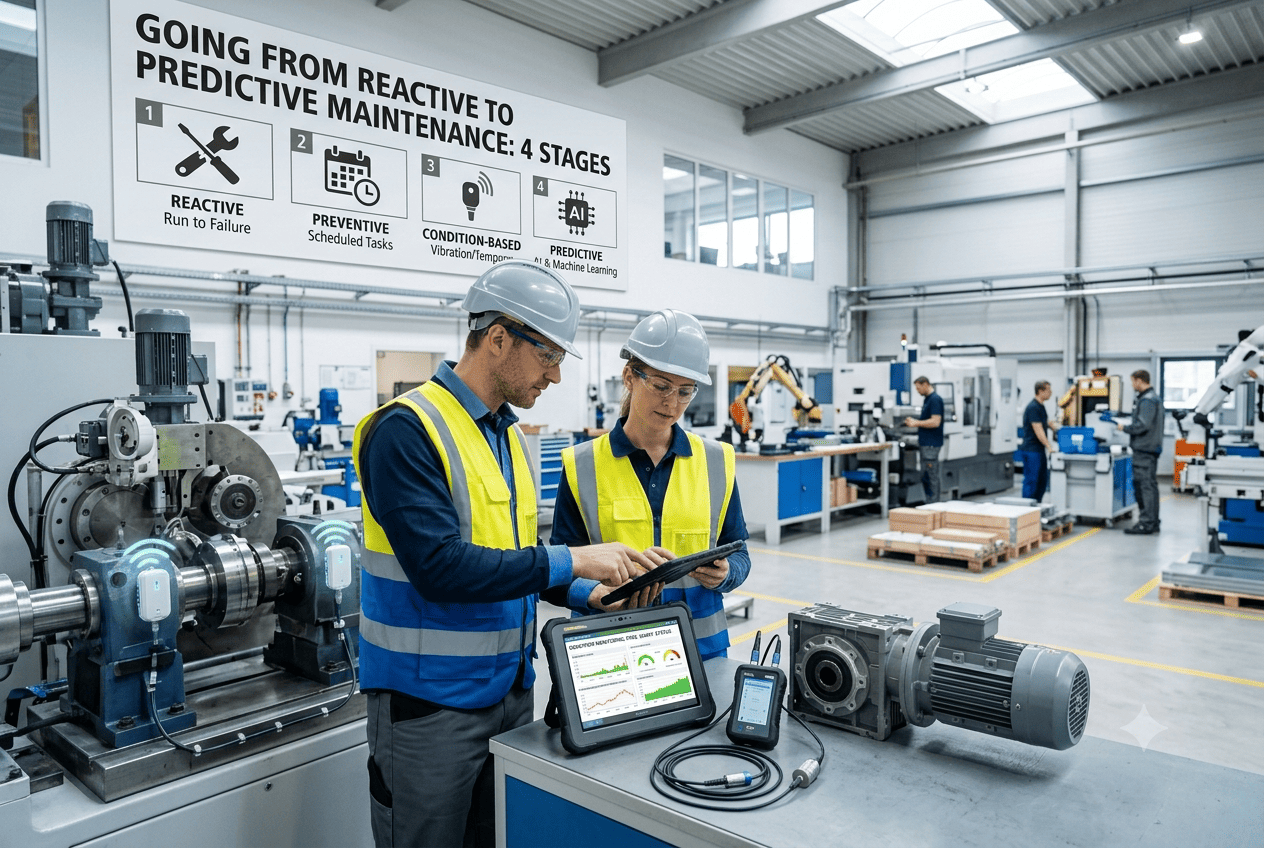
Five formal maturity levels exist in most reliability literature, but they compress cleanly into four practical stages that any operations leader can recognize in their own plant without a consultant's scorecard.
Stage 1 — Reactive
Assets are repaired only after they fail, in a run-to-failure pattern that feels normal until the cost is added up. Most plants that believe they've outgrown this stage haven't actually measured their planned-versus-reactive work ratio to confirm it.
Stage 2 — Preventive
Maintenance moves to a calendar schedule regardless of an asset's actual condition. It cuts surprises but wastes labor on healthy equipment while still missing failures that don't follow the schedule's timeline.
Stage 3 — Predictive
Condition monitoring and machine learning models analyze vibration, thermal, and sensor data to forecast failures before they happen, replacing the calendar with the asset's actual degradation curve.
Stage 4 — Prescriptive
AI recommends the specific action, part, and timing needed, generating work orders automatically so technicians confirm and execute rather than diagnose from scratch every time.
Most Plants Overestimate Their Own Stage by One Full Level
Book a demo and iFactory will benchmark your actual planned-versus-reactive ratio against your assumed maturity stage, no guesswork required.
The Dollar Gap Between Stage 1 and Stage 4 Is Larger Than Most Budgets Admit
Reliability research across manufacturing plants consistently shows the same pattern: the cost difference between stages isn't marginal, it compounds every stage you skip.
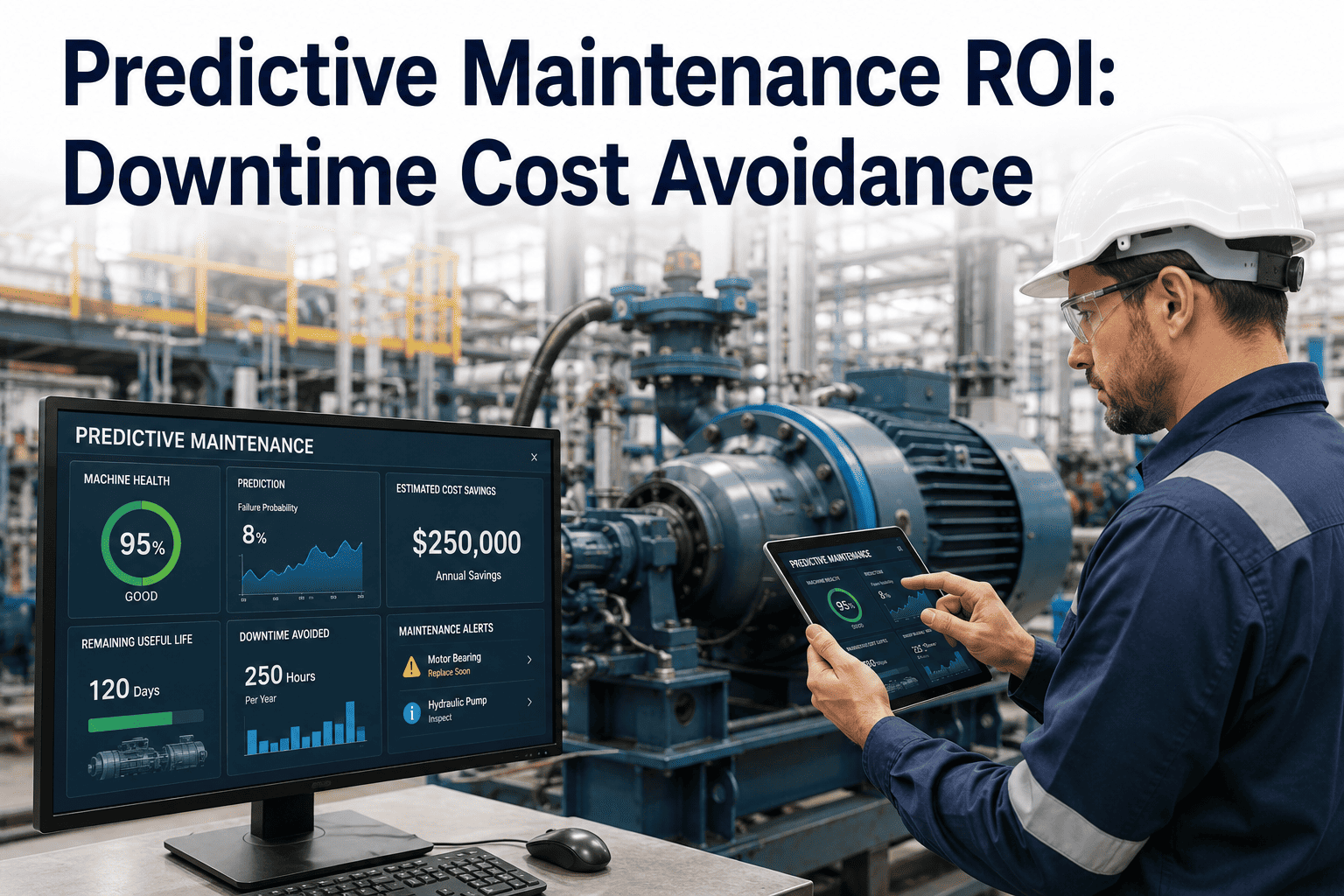
Independent research also points to a compounding effect once a plant reaches genuine predictive maintenance: mature AI-driven programs report roughly a quarter lower maintenance cost, a marked drop in unplanned breakdowns, and a comparable lift in maintenance team productivity, all stacking on top of the savings already captured at earlier stages. Moving from Stage 2 to Stage 4 alone has been benchmarked at an 18-25% further cost reduction, and as much as 40% against a Stage 1 baseline.
Six Signals Your Plant Is Still Stuck at Stage 1, Even If the Org Chart Says Otherwise
These signals show up repeatedly in plants that assume they've progressed past reactive maintenance without ever confirming it with actual data.
What It Actually Takes to Move One Stage Higher
Skipping stages doesn't work — a plant can't run predictive models on data it never collected. Each stage below is a genuine prerequisite for the one after it.
Measure the Reactive Ratio
Start by simply tracking what share of work orders are reactive versus planned, since this single number exposes the real starting stage faster than any framework.
Standardize Preventive Schedules
Move recurring tasks onto a consistent, tracked calendar so unplanned failures stop being the plant's default maintenance strategy.
Add Condition Monitoring
Install sensors on the assets driving the most downtime, and route that data somewhere it gets reviewed on a defined schedule.
Layer In Predictive Models
Once condition data is reliable, machine learning models can start forecasting degradation and recommending action windows before failure.
Questions Operations Leaders Ask Before Starting a Maturity Assessment
Stop Guessing Which Stage Your Plant Is Actually On
iFactory benchmarks your real planned-versus-reactive ratio, maps the gap to the next maturity stage, and shows the cost impact of closing it. Book a demo and see your own plant on the ladder.