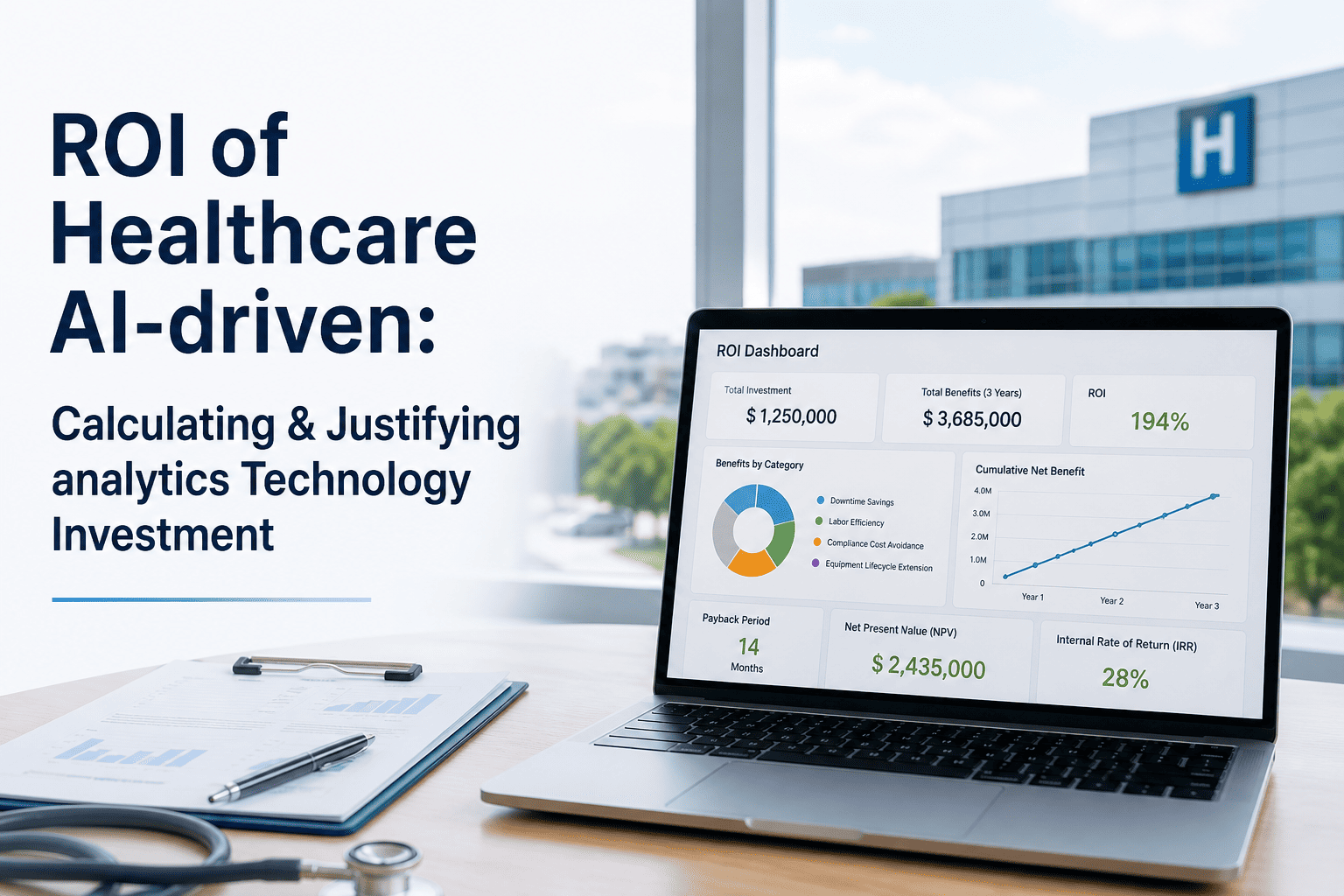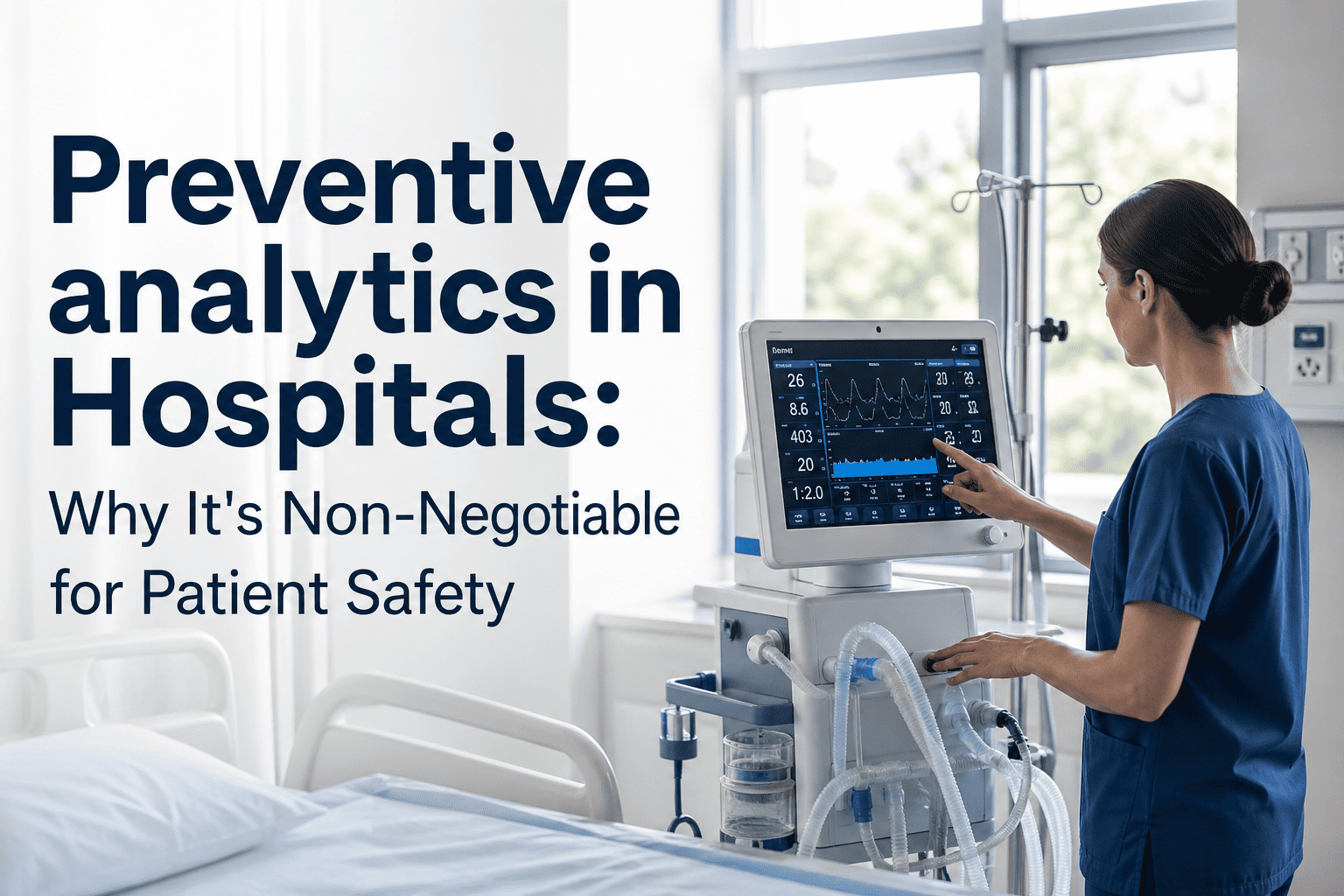
Every 90 seconds, a preventable adverse event occurs in a U.S. hospital — and the root cause is rarely clinical error. It is operational failure: missed inspections, paper-based compliance logs, reactive maintenance, and fragmented safety reporting that no human team can sustain at scale. For healthcare facility managers, the cost of inaction is no longer measured in fines alone — it is measured in patient harm, Joint Commission citations, and CMS reimbursement clawbacks that erode margins irreversibly.
Is Your Facility Ready for Zero-Deficiency Compliance?
iFactory automates Joint Commission, CMS, and OSHA documentation — eliminating compliance gaps before they become citations.
What AI-Driven Facility Management Actually Delivers
Healthcare facility managers carry one of the most complex compliance portfolios in any industry. iFactory's AI-driven platform converts that burden into a measurable competitive advantage — here is what it translates to:
ROI Acceleration
- 40% reduction in inspection labor costs within Year 1
- Eliminates expensive post-citation remediation cycles
- Prevents CMS reimbursement penalties via proactive compliance
Risk Mitigation
- Real-time OSHA and Joint Commission gap detection
- Automated audit trails — legally defensible and timestamped
- Zero-delay incident escalation to responsible stakeholders
Scalability
- Single platform governs multi-campus, multi-state portfolios
- Scales from 50-bed community hospitals to 900-bed academic centers
- Integrates with existing CMMS and EHR environments seamlessly
Patient Safety
- Predictive maintenance prevents equipment-related adverse events
- Environmental safety analytics correlate facility data to patient outcomes
- Life-safety system monitoring with 24/7 automated alerting
Legacy Friction vs. iFactory Optimized Excellence
The gap between manual compliance operations and AI-driven management is not incremental — it is structural. This matrix illustrates the operational delta that facility directors present to CFOs and CNOs to justify platform investment.
| Compliance Area | Legacy Friction | iFactory Optimized Excellence | Business Impact |
|---|---|---|---|
| Joint Commission Readiness | Quarterly manual audits with 6–8 week prep cycles | Continuous automated readiness scoring — survey-ready 365 days | Citation Risk ↓ 80% |
| CMS Documentation | Siloed paper logs prone to data loss and gaps | Centralized AI-generated, timestamped compliance records | Audit Pass Rate ↑ 95% |
| OSHA Safety Reporting | Reactive incident logging after the event | Predictive hazard analytics with pre-incident mitigation alerts | Incident Rate ↓ 60% |
| Preventive Maintenance | Calendar-based scheduling regardless of actual equipment condition | Condition-based AI maintenance prioritization by risk tier | CapEx Savings ↑ 35% |
| Work Order Management | Email and spreadsheet-driven with no SLA enforcement | Automated dispatch, priority routing, and SLA tracking dashboard | Resolution Time ↓ 50% |
| Multi-Site Reporting | Manual data aggregation taking 2–3 FTE days per month | Real-time cross-campus analytics via unified executive dashboard | FTE Hours Recovered: 40+/mo |
How iFactory Solves the Facility Manager's Trifecta
Healthcare facility management operates at the intersection of staff wellbeing, patient throughput, and regulatory compliance. iFactory addresses all three simultaneously — not as separate modules, but as a unified intelligence layer.
Staff Burnout Reduction
- Eliminates manual compliance documentation — avg. 12 hrs/week recovered per manager
- AI-generated work orders remove ambiguity and decision fatigue from technician teams
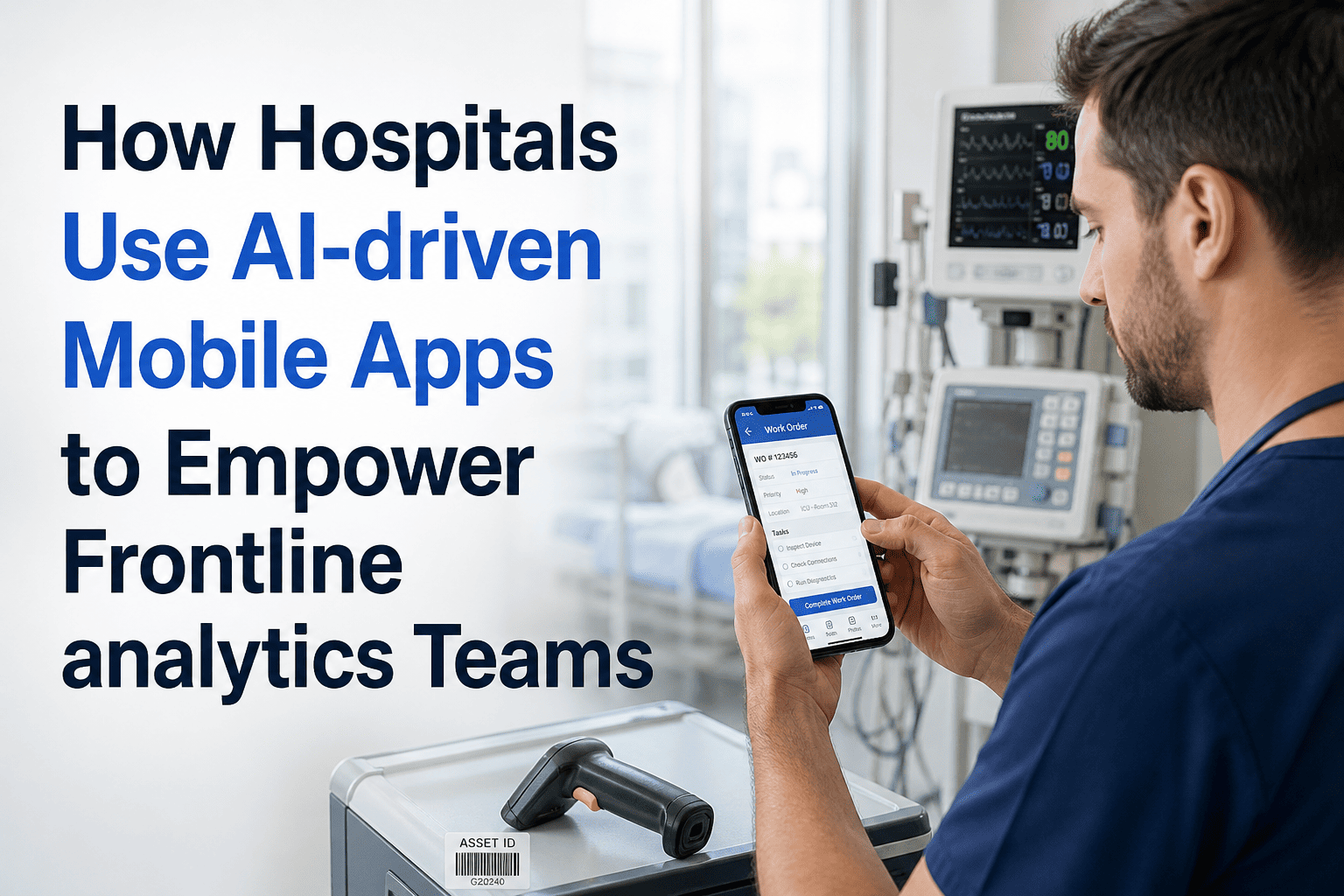
- Mobile-first task management reduces radio and phone dependency on the floor
- Automated shift handoff reports ensure continuity without administrative burden
Patient Throughput Increase
- Predictive OR equipment maintenance prevents surgical suite downtime
- Rapid environmental services dispatch reduces bed turn time by up to 22%
- Life-safety system uptime analytics protect capacity during peak census periods
- Real-time space utilization data optimizes patient flow across departments
Regulatory Compliance Velocity
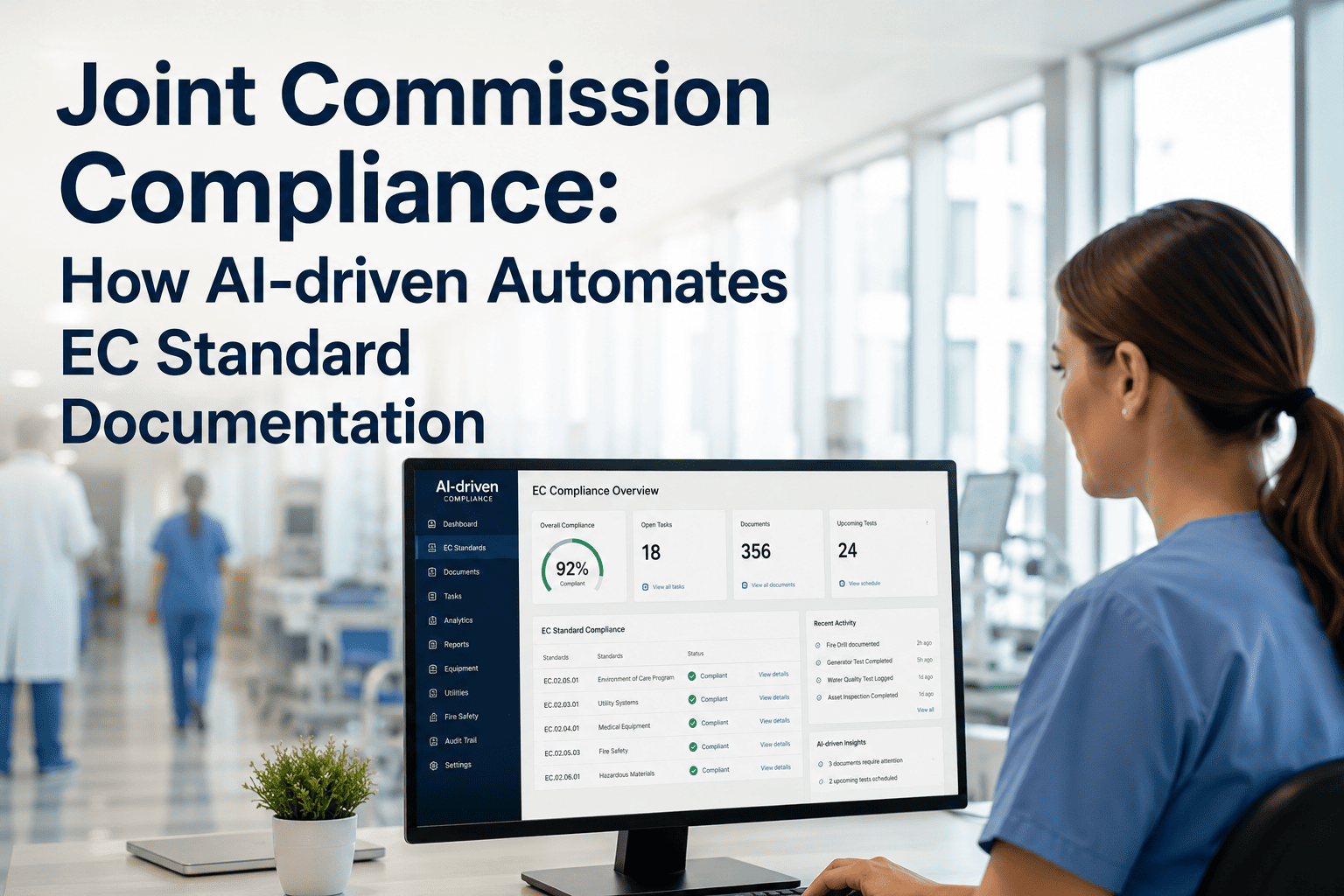
- Automated EOC (Environment of Care) round documentation — no paper, no gaps
- Joint Commission SAFER Matrix scoring updated in real time as tasks are completed
- OSHA 300 log auto-population from incident data — survey-ready at all times
- Instant regulatory report generation for CMS state surveyors and accreditation bodies
From Legacy Operations to AI-Driven Excellence: 5 Phases
Operational Gap Audit
- iFactory architects map your current compliance workflows and identify revenue leakage points
- Benchmark your facility against Joint Commission and CMS best-practice benchmarks
Data Integration & Asset Digitization
- Connect existing CMMS, BMS, and EHR data feeds into the iFactory unified intelligence layer
- Tag and digitize all physical assets into a high-fidelity facility registry with lifecycle tracking
AI Compliance Engine Activation
- Deploy automated EOC rounding, OSHA logging, and Joint Commission readiness scoring
- Configure alert thresholds and SLA enforcement rules specific to your regulatory environment
Predictive Maintenance Deployment
- Activate condition-based maintenance protocols for critical clinical and life-safety equipment
- AI risk-scores every asset daily — prioritizing maintenance budgets by patient safety impact
Executive Analytics & Scale
- Launch real-time CFO and CNO dashboards — translating facility KPIs into financial outcomes
- Expand platform to additional campuses with zero re-implementation overhead
Six Gaps That Trigger Citations — and How iFactory Closes Them
Manual rounding logs with missing signatures and inconsistent documentation frequency — the #1 source of Joint Commission findings.
Fire suppression, egress lighting, and sprinkler test records stored in disconnected systems — invisible to compliance dashboards.
Open maintenance requests with no SLA enforcement, creating documentation voids that surveyors identify as systemic failures.
Expired contractor licenses and unverified service records for regulated medical equipment — a direct CMS citation trigger.
OSHA HazCom and chemical inventory records maintained in spreadsheets with no version control or auto-expiry alerts.
No documented emergency utility management plan with real-time activation tracking — leaving facilities exposed during CMS Emergency Preparedness surveys.
Transform Your Facility into a Zero-Citation, High-Performance Operation
iFactory's AI-driven platform automates compliance, predicts maintenance failures, and delivers the real-time analytics your leadership team needs to protect patients and optimize capital.
AI-Driven Facility Management — Questions Facility Directors Ask
Does iFactory integrate with our existing CMMS and EHR systems?
Yes. iFactory connects via vendor-neutral APIs to leading CMMS platforms (TMS, eMaint, Maximo) and major EHR environments. No rip-and-replace — your existing data flows into the AI layer from Day 1. Book a Demo to review our integration library.
How does iFactory prepare facilities for unannounced Joint Commission surveys?
The platform continuously scores your facility against Joint Commission SAFER Matrix criteria. Every EOC round, work order, and life-safety test is logged with timestamps — giving surveyors an immutable, audit-ready record rather than reconstructed paper documentation.
What is the typical implementation timeline for a community hospital?
Most single-campus deployments reach full operational capability within 8–12 weeks. The phased rollout begins with compliance automation (highest ROI), followed by predictive maintenance and executive analytics. Book a Demo for a facility-specific implementation timeline.
Is patient data or PHI ever processed through the platform?
No. iFactory operates exclusively on facility and operational data — equipment records, work orders, inspection logs, and environmental telemetry. The platform is HIPAA-aligned by design: no PHI is ingested, stored, or processed at any stage.
What ROI metrics should a CFO expect in Year 1?
Key Year 1 financial outcomes include: 40% reduction in inspection labor costs, elimination of citation-driven remediation expenses (avg. $85K per Joint Commission finding), and a measurable reduction in emergency corrective maintenance — which typically runs 3–5× the cost of planned maintenance. Request an ROI model built on your facility's actual data.
Launch Your AI-Driven Facility Management Pilot Today
Join the healthcare systems already achieving zero-deficiency compliance and predictive asset management with iFactory's unified intelligence platform.