-analytics-electrode,-shell,-cooling.png)
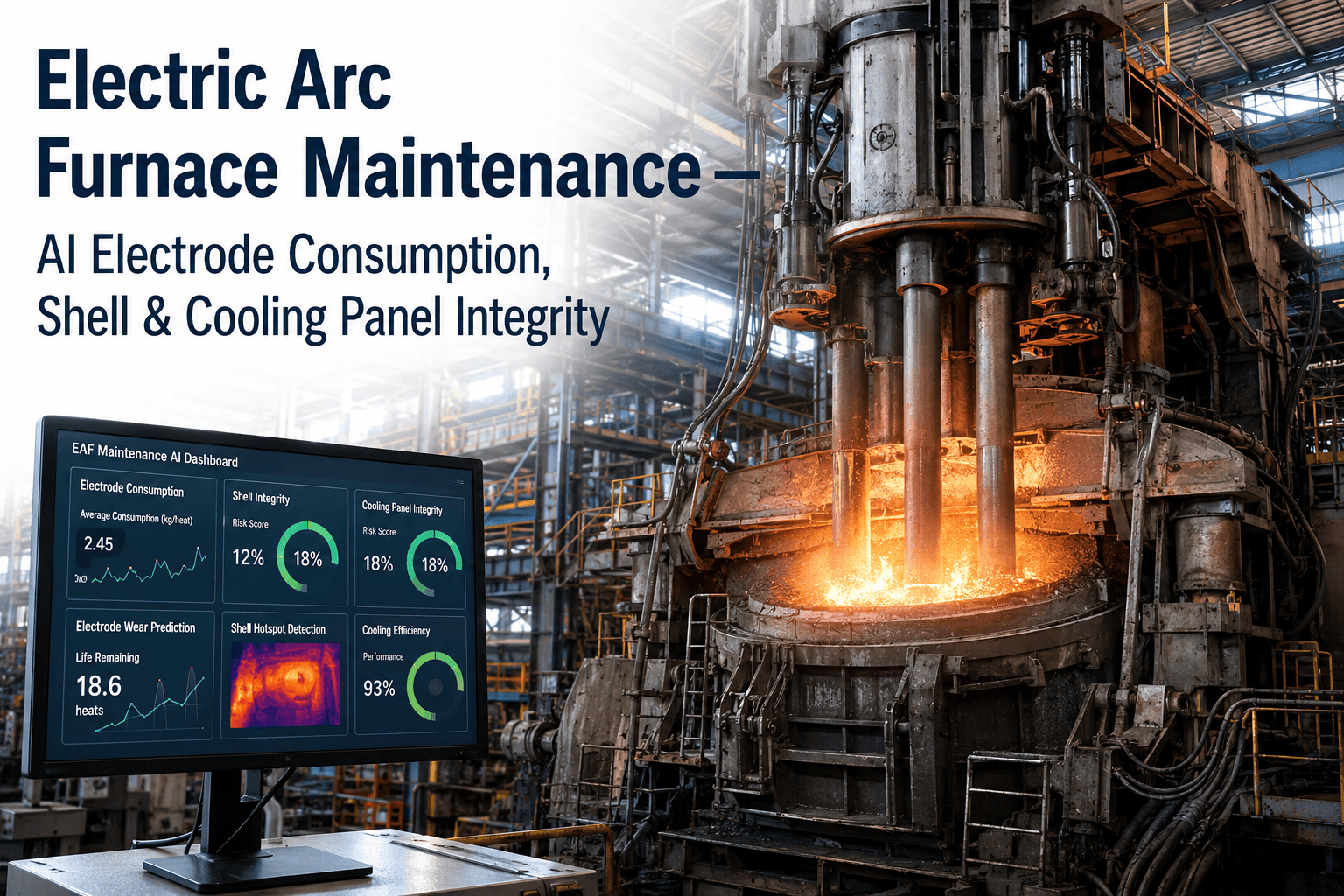
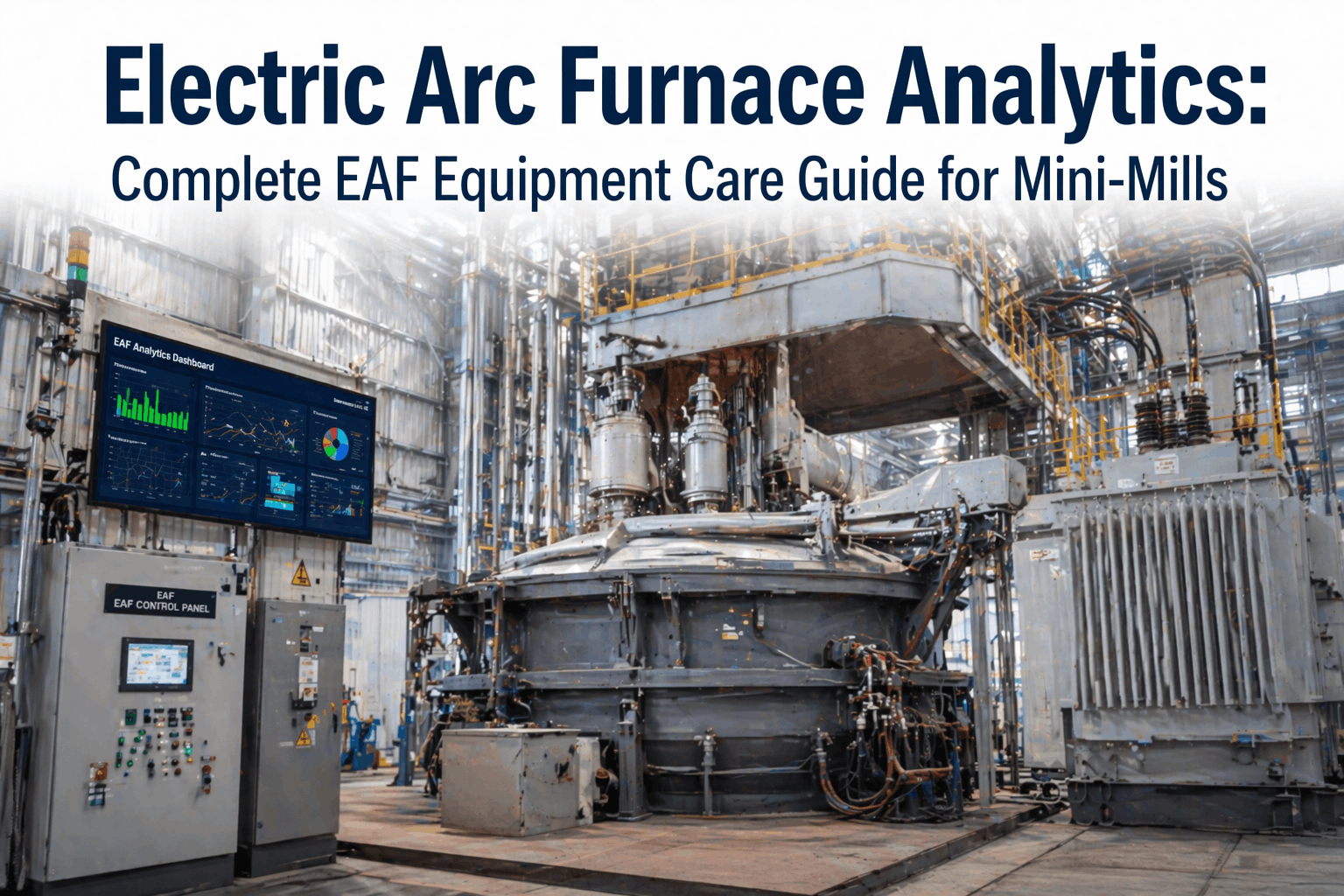
Electric Arc Furnace (EAF) operations dictate the heartbeat of modern mini mills—but aggressive melting profiles create enormous thermal and mechanical stress. The slightest anomalies in electrical energy input, electrode slip, or water-cooled panel temperature can trigger catastrophic multi-million dollar failures. Mini mill analytics rely strictly on integrating real-time SCADA data with powerful AI to transform reactive maintenance into absolute predictability. Our electric arc furnace AI-driven platform connects directly to your furnace PLC to map EAF electrode tracking, measure EAF refractory wear, and automate EAF tap to tap efficiency tracking. Scrap steel furnace AI-driven engines identify cooling issues hours before a water panel breach occurs, eliminating severe safety hazards. Schedule an EAF analytics demo to learn how real-time insights can compress tap-to-tap times and maximize annual melt shop profitability.
Optimize Your EAF Electrode Tracking & Cooling Systems Live.
Leverage electric furnace analytics to monitor EAF shell analytics, track real-time refractory degradation, and safely reduce your average tap-to-tap cycle by minutes.
Why EAF Analytics is Mandatory for Mini Mill Profitability
The aggressive nature of scraping, melting, and tapping liquid steel creates a volatile thermodynamic environment. Electric Arc Furnaces endure intense arc radiation, chemical attacks from slag, and massive electrical harmonics. When operators depend on post-campaign inspections rather than live electric furnace analytics, the consequences are disastrous. Undetected hot spots in EAF refractory can lead to a furnace breakout, spilling molten steel and causing prolonged downtime. Poor EAF electrode tracking drives up graphite consumption costs—one of the largest operational expenses in steelmaking next to raw materials and electrical energy.
By merging continuous electrical load profiling with EAF shell analytics and active EAF cooling system telemetry, AI models detect invisible operational drifts. This precise intelligence translates into a significantly lower EAF tap to tap time—meaning more heats per shift, reduced thermal energy waste, and drastically expanded margins in volatile metal markets.
Four Core Pillars of Scrap Steel Furnace AI-Driven Platforms
To govern a 150-ton melting asset effectively without hindering operator mobility, EAF platforms must ingest millions of passive data points per minute. Our algorithms synthesize this into actionable, real-time maintenance workflows.
EAF Electrode Tracking & Regulation
Graphite electrodes represent an immense consumable cost. The AI maps the hydraulic master cylinder thrust against arc voltage, detecting 'short arcs' and regulating impedance instantly. Continuous tracking isolates oxidation rates, tip sublimation, and breakage risks, saving thousands per heat. Schedule an assessment to benchmark your electrode efficiency.
EAF Shell Analytics & Thermal Mapping
The EAF shell withstands brutal thermal expansion. AI-driven thermal camera arrays and embedded shell thermocouples generate a digital twin of the furnace wall. This continuous shell mapping detects insulation failure and shell plate warping in real-time before structural deformation necessitates an emergency shutdown.
EAF Refractory Degradation Mapping
Loss of EAF refractory thickness dictates the ultimate lifecycle of the campaign. Instead of relying on manual laser drops between heats, predictive algorithms correlate chemical slag compositions, oxygen lance injection volumes, and specific electrical energy applied to predict highly localized refractory erosion directly at the slagline.
EAF Cooling System Safety Protocols
If a water-cooled panel leaks and introduces water into the molten bath, the resulting steam explosion is lethal. Predictive EAF cooling system analytics track minute variations in supply-and-return water delta-T (temperature difference) and pressure drops to identify micro-fractures in piping networks immediately.
The Financial Impact of Compressing EAF Tap To Tap Times
Every minute an EAF remains idle or operates at substandard chemical efficiency burns massive amounts of capital. Mini mill analytics transform these lost minutes into annual margin recovery perfectly aligned with your enterprise ERP.
Accelerated Power-On Time
Aligning electrical setpoints with predictive scrap density models prevents roof-swing delays. Accelerating tap-to-tap time by just 3 minutes per heat translates directly to 6-8 additional melt cycles per week.
Avoidance of Water Panel Explosions
Detecting cooling panel fatigue mitigates the catastrophic risk of a furnace water leak. This single feature prevents events that cost upwards of $2M+ in asset replacement and multi-month production outages.
Optimized Slag Foaming Consistency
The AI automatically modulates carbon and oxygen injection rates via off-gas analysis. Perfect foamy slag envelops the acoustic arc—maximizing heat transfer into the bath and protecting EAF refractory walls.
Reduced Flicker & Power Penalties
Managing current harmonics and voltage flicker tightly prevents massive penalties from local power utilities, stabilizing overall grid consumption during heavy scrap cave-ins.
Execution Guidelines for Electric Furnace Analytics
Continuous Data Ingestion: Connect directly to the furnace PLC and external water-cooling SCADA systems. True electric arc furnace AI-driven insights require sampling data at high frequencies to catch sub-second electrical phase imbalances.
Off-Gas & Acoustic Integration: Utilize acoustic emission sensors and off-gas analyzers. Combining auditory "arc noise" with CO/CO2 exhaust gas fractions informs the model exactly when the scrap charge is entirely flat.
Actionable Panel Workflows: Don't leave operators guessing. The dashboard natively converts analytical deviations into mandatory inspection checklist interventions delivered straight to mobile maintenance devices.
The Predictive EAF Pipeline Architecture
Deploying EAF analytics does not require replacing your existing automation hardware. Here is how our seamless electric arc furnace AI-driven integration maps directly over your current infrastructure within 6 weeks.
Edge appliances are installed natively in the control room to securely pull high-frequency tags from Level 1 / Level 2 PLCs. This includes primary voltages, secondary currents, master cylinder strokes, and raw inputs directly mapping EAF electrode tracking activities.
The platform begins analyzing historical heat profiles and correlates electrical energy metrics with acoustic signatures. Initial scrap steel furnace AI-driven baselines are created, isolating normal harmonic flickers from true EAF refractory wear indicators.
Supervisory dashboards go live. The EAF cooling system analytics actively begin predicting and warning operators about micro-anomalies in cooling panels before total failure occurs. Live shift schedules integrate with the CMMS to output automated work orders.
Deeper Engineering Metrics: What We Track
Going beyond simple averages, our mini mill analytics monitor complex thermodynamics. The goal is to provide metallurgy departments and operational engineers with an unparalleled depth of clarity per heat cycle.
Arc Stability Index (ASI)
Evaluates phase unbalances and harmonic distortions occurring at the electrode tips in real-time. High ASI stability indicates optimal carbon injection and slag foaming, which critically protects the bare lower EAF shell structure from intense ultra-violet radiation damage.
Specific Energy vs. Yield Profiles
Algorithms track kWh/ton electrical consumption alongside oxygen blow rates in the burner configurations. The AI mathematically compares true molten steel yield against total energy input, calculating hidden losses due to poor EAF tap to tap practices.
Panel Heat Flux Deviations
Utilizing embedded thermocouples and return water SCADA tags, the platform calculates absolute heat flux across the water-cooled panels. Immediate flagging of local cooling dead-zones essentially neutralizes the catastrophic danger of steam explosions.
Frequently Asked Questions
How does AI improve EAF electrode tracking specifically?
By measuring the exact dynamic resistance and impedance of each phase individually, the algorithm commands the hydraulic regulation mast to maintain perfect arc length—reducing lateral shearing and excessive oxidation of the graphite joint pins.
What happens during a water-cooled panel failure?
If the panel ruptures, high-pressure water contacts liquid steel instantly expanding 1,600 times its volume into steam. EAF cooling system analytics monitor delta-T thresholds to trip breakers and retract electrodes before rupture occurs.
How quickly will this lower EAF tap to tap times?
Most facilities experience measurable reduction in power-on times within 4 weeks of tuning the AI-driven profiles, allowing operators to safely melt scrap without relying entirely on conservative, hard-coded PLC recipes. Schedule a consultation to review benchmarks.
Can EAF shell analytics predict "elephant foot" refractory wear?
Yes. Advanced thermal algorithms track persistent hot zones on the lower steel shell, correlating this external thermal gradient map with electrical phase unbalances to calculate internal EAF refractory erosion at the exact slagline.
Ready to Transform Your EAF Operations into a Predictive Engine?
Minimize the total cost of electrode consumption, protect your shell infrastructure, and push record-breaking heats with zero compromises on safety.