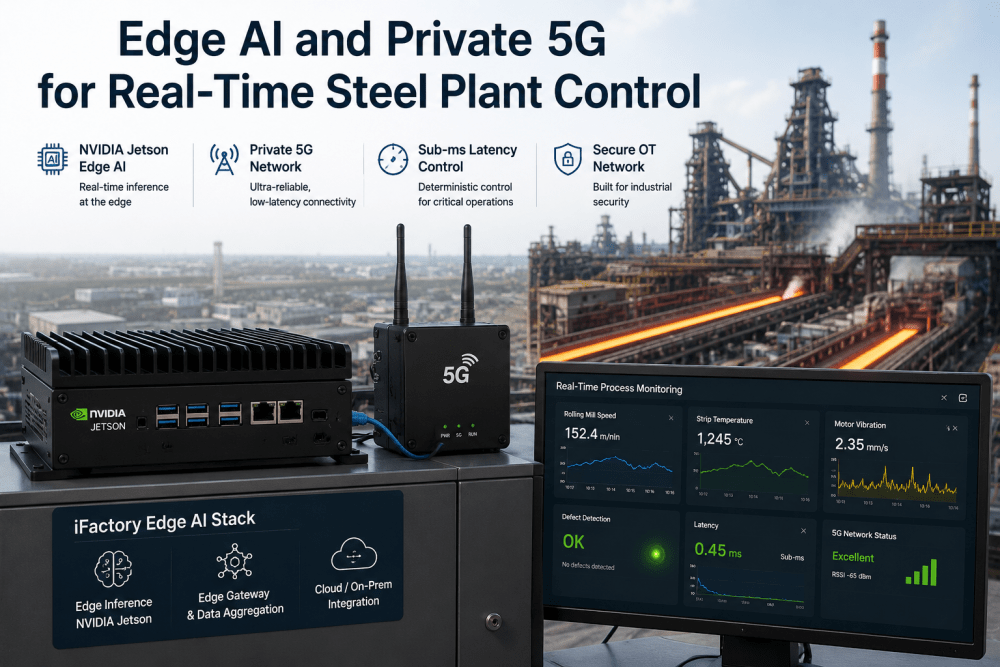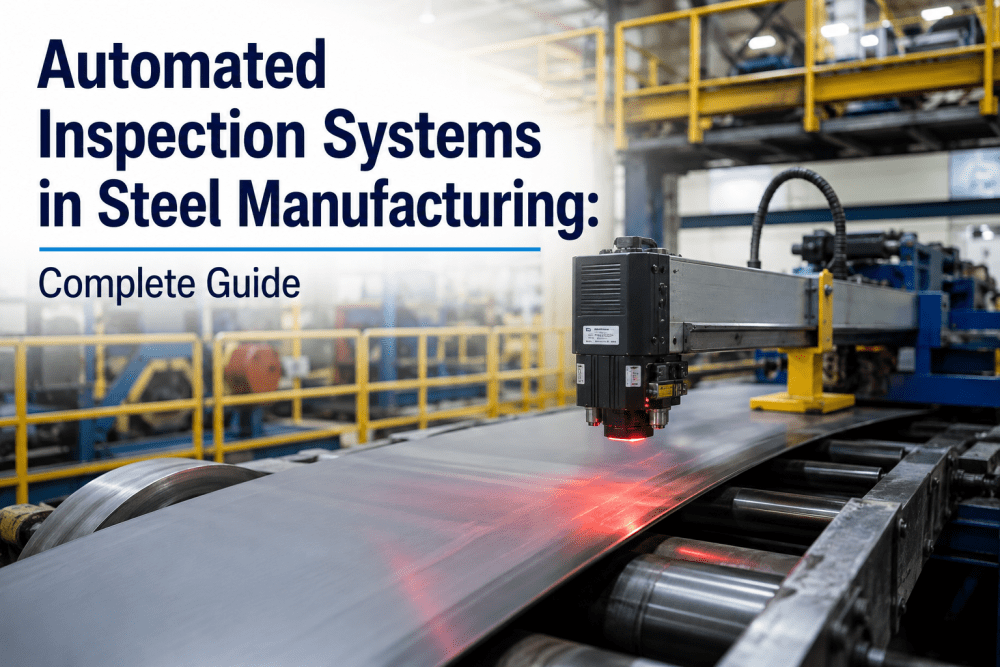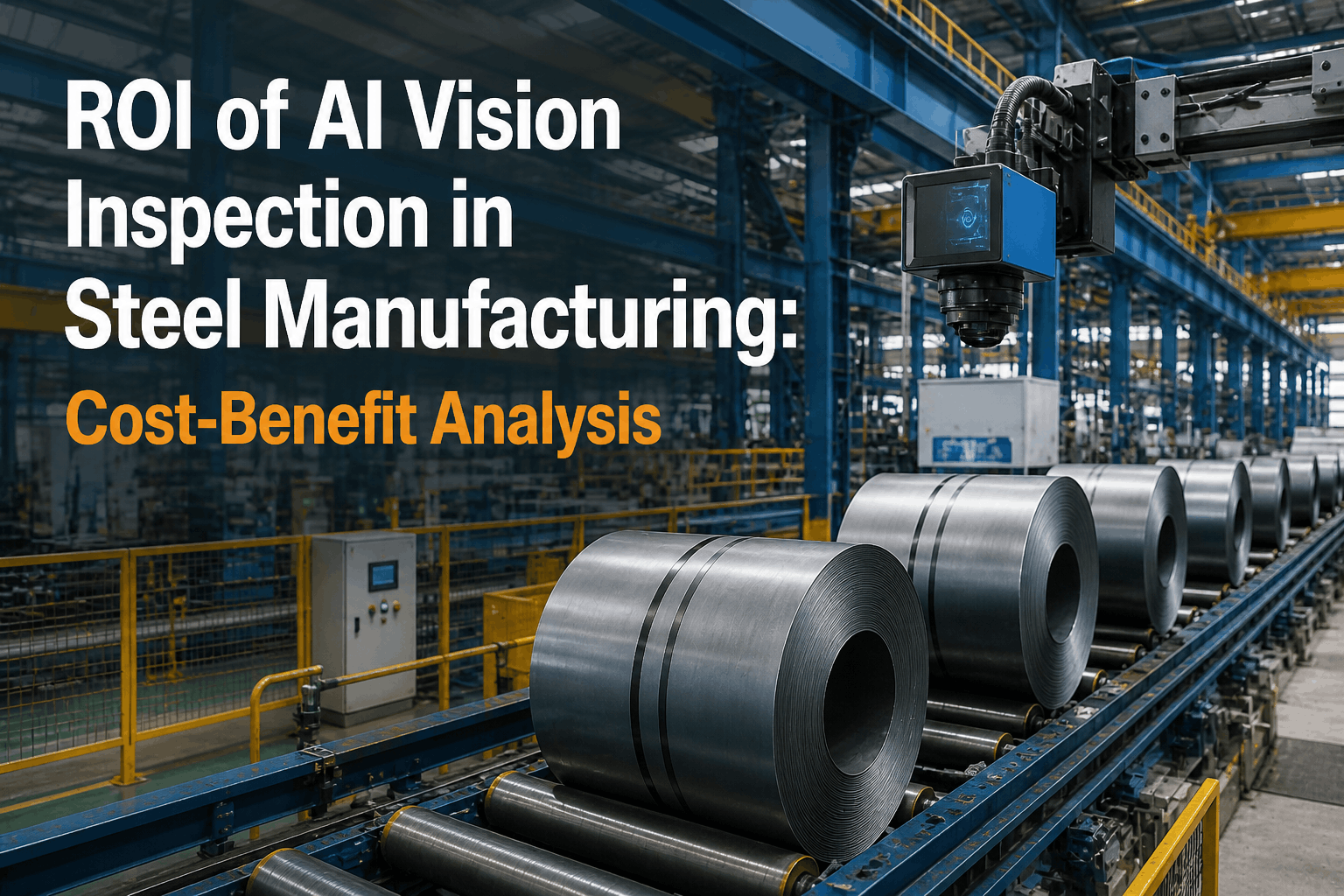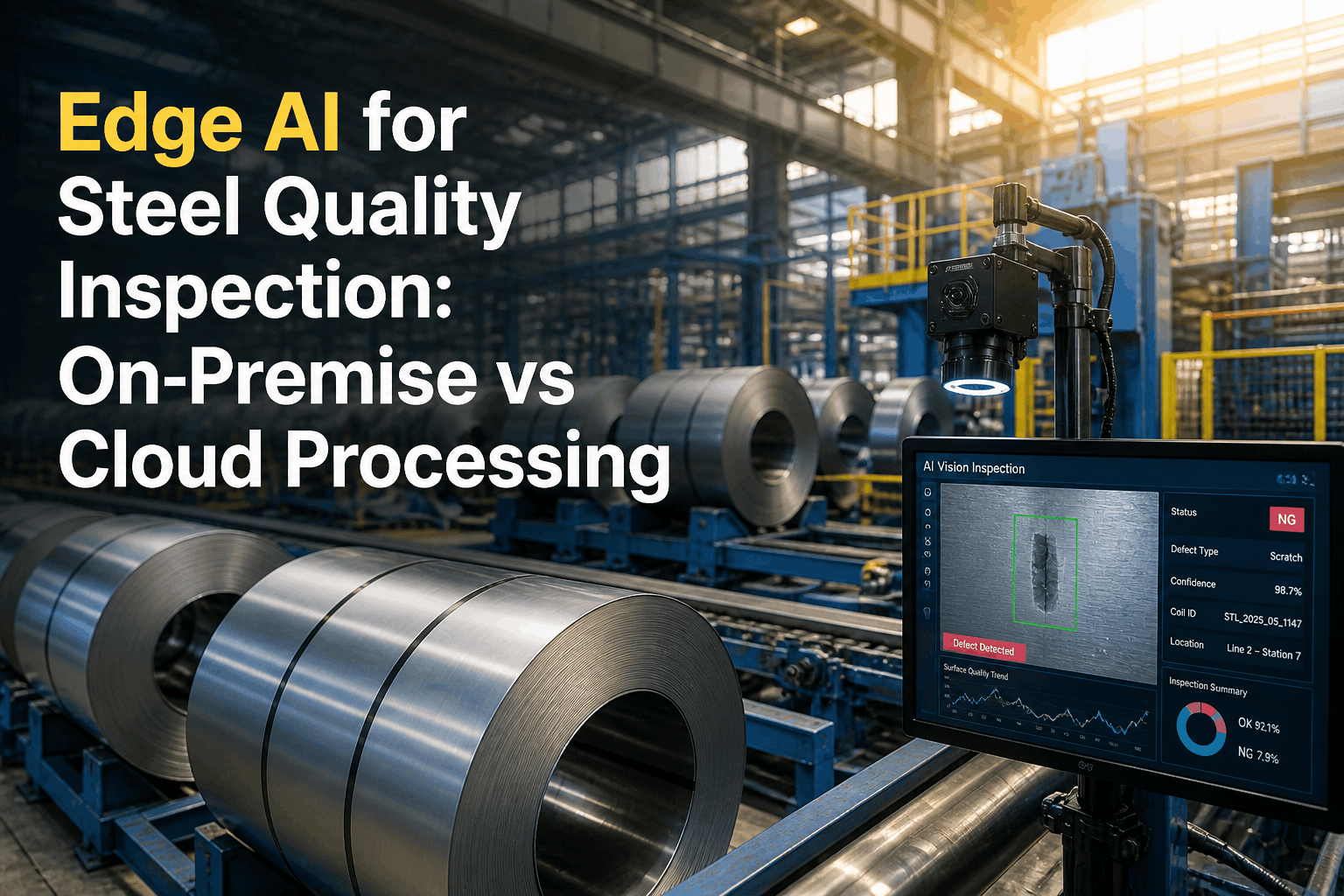
As we approach 2026, the architecture of industrial intelligence is undergoing a fundamental shift: the "Cloud-First" model is being replaced by Edge-Autonomous Sovereignty. In a modern steel mill where finishing lines run at 1,000 meters per minute, the 2-second latency of a cloud-based inference is not just an inconvenience — it is a catastrophic failure in quality governance that leads to kilometers of "scrap-at-birth" material. iFactory’s 2026 roadmap delivers a Prescriptive Edge Architecture that processes 500+ frames per second at the source, ensuring that every millimeter of steel is inspected, classified, and remediated without ever leaving the plant floor. By eliminating the dependency on external network stability, we move your mill from "Best-Effort Monitoring" to Deterministic Quality Control. Book an Architecture Audit.
The "Latency Gap" in legacy AI systems is where defects breed and margins are lost. When an AI vision system depends on a cloud connection to identify a surface sliver, roll mark, or inclusion, the time taken for data egress, cloud inference, and setpoint ingress means tens of meters of defective material have already passed the shears and entered the finishing chain. iFactory’s On-Premise Edge Nodes eliminate this risk, moving your plant from "Delayed Alerts" to Real-Time Prescriptive Action. This article explores the technical trade-offs between Edge and Cloud, detailing how iFactory’s hybrid 2026 model provides the security of local processing with the intelligence of global learning. We treat every Edge node as a sovereign quality governor, capable of making millisecond-level decisions even during a total fiber failure. Schedule a technical walkthrough.
Close the Latency Gap with 2026 Edge AI Governance
iFactory’s 2026 platform combines ultra-low latency Edge nodes with secure on-premise processing to stabilize your metallurgical pulse in real-time, even during network outages.
Why Cloud-Only Steel Analytics Are Becoming Obsolete in 2026
In the high-speed environment of a modern melt shop or rolling mill, internet-dependent AI is a liability. By 2026, the delta between "Edge" (milliseconds) and "Cloud" (seconds) will define the boundary between quality leaders and laggards. iFactory’s 2026 engine provides plant managers with a Sovereign Edge Copilot that handles both real-time defect classification and local autonomous corrective action. Request a technical whitepaper.
"We originally tried a cloud-only vision provider and found it was impossible to stabilize our finishing mill setpoints due to erratic latency. Switching to iFactory’s 2026 Edge nodes gave us the 'Air-Gapped' security our IT team demanded and the millisecond response our operators needed. It's the only way to run a high-speed mill in 2026."
The Top 5 Trends Reshaping Industrial Edge AI
iFactory's 2026 Edge Architecture integrates directly with your plant’s OT layer — turning raw vision into autonomous, air-gapped decisions.
Applying 2026 Edge Intelligence Across the Steel Value Chain
The true value of Edge AI 2026 is in the specific mill moments where local, sub-50ms decisions replace "best-guess" manual overrides, ensuring zero production leakage during high-speed transitions.
Scenario 1: High-Speed Bar Mill Shear Control
Edge AI processed bar surface data in 15ms. It detected a "Head-End" sliver and auto-triggered the shear to clip only the defective 10cm, rather than rejecting the entire bar.
Scenario 2: Cold Mill Surface Quality Sync
By processing roll eccentricity data locally, the system synchronized hydraulic pressure with roll rotation in real-time, maintaining gauge even as bearings reached their thermal limit.
Scenario 3: Ladle Breakout Safety Loop
Thermal Edge nodes identified a "Breakout Signature" in 40ms. The system auto-halted the ladle car and triggered emergency cooling before the operator could even react to the alarm.
Scenario 4: Finishing Line Labeling & Logistics
By using local OCR Edge AI to verify coil IDs against ERP records at the crane hook, the mill eliminated 100% of "Mislabeled Coil" errors without needing cloud access.
Scenario 5: Continuous Caster Mold Level Governance
High-frequency vision processing at the caster mold detected turbulent slag at the surface. Edge nodes auto-adjusted the stopper rod in sub-millisecond cycles, preventing inclusions from being drawn into the strand.
Scenario 6: Roughing Mill Scale Descaling Optimization
Vision Edge nodes identified varying scale thickness on slabs. The system prescribed the exact descaling pressure required for each slab, reducing water consumption and pump wear by 12%.
Scenario 7: Ladle Furnace Temperature Prediction
Edge-based multi-sensor fusion predicted the temperature drop between the LF and Caster with 99% accuracy. This allowed for lower tapping temperatures, saving massive energy costs per heat.
Scenario 8: Autonomous Warehouse Safety Scans
Edge-based "Human-in-Loop" vision detected personnel near autonomous cranes. The 10ms processing speed allowed for a safe, non-emergency stop, maintaining OEE while ensuring 100% safety.
Industrial AI Evolution: 2024 vs. 2026
For technical leaders, this comparison illustrates the performance gap between "Cloud-Dependent" analytics and the 2026 iFactory Edge-Autonomous engine.
| Capability | Standard Cloud PdM | Typical On-Prem 2024 | iFactory 2026 Edge |
|---|---|---|---|
| Inference Latency | >2000ms (Internet) | 200-500ms (Server) | <20ms (TPU Edge) |
| Network Dependency | High (Must be online) | Moderate (Local LAN) | None (Autonomous) |
| Data Sovereignty | External travel | Local storage | Air-Gapped Processing |
| GenAI Access | Cloud API (ChatGPT) | RAG over LAN | Local Edge LLM |
| PLC Determinism | Async (Alert only) | Buffered sync | Deterministic TSN Sync |
Edge AI for Steel: Frequently Asked Questions
Don't Just Monitor. Govern at the Source.
iFactory's 2026 Edge AI platform delivers millisecond-level troubleshooting, air-gapped security, and prescriptive ops guidance — purpose-built for high-yield steel manufacturing.