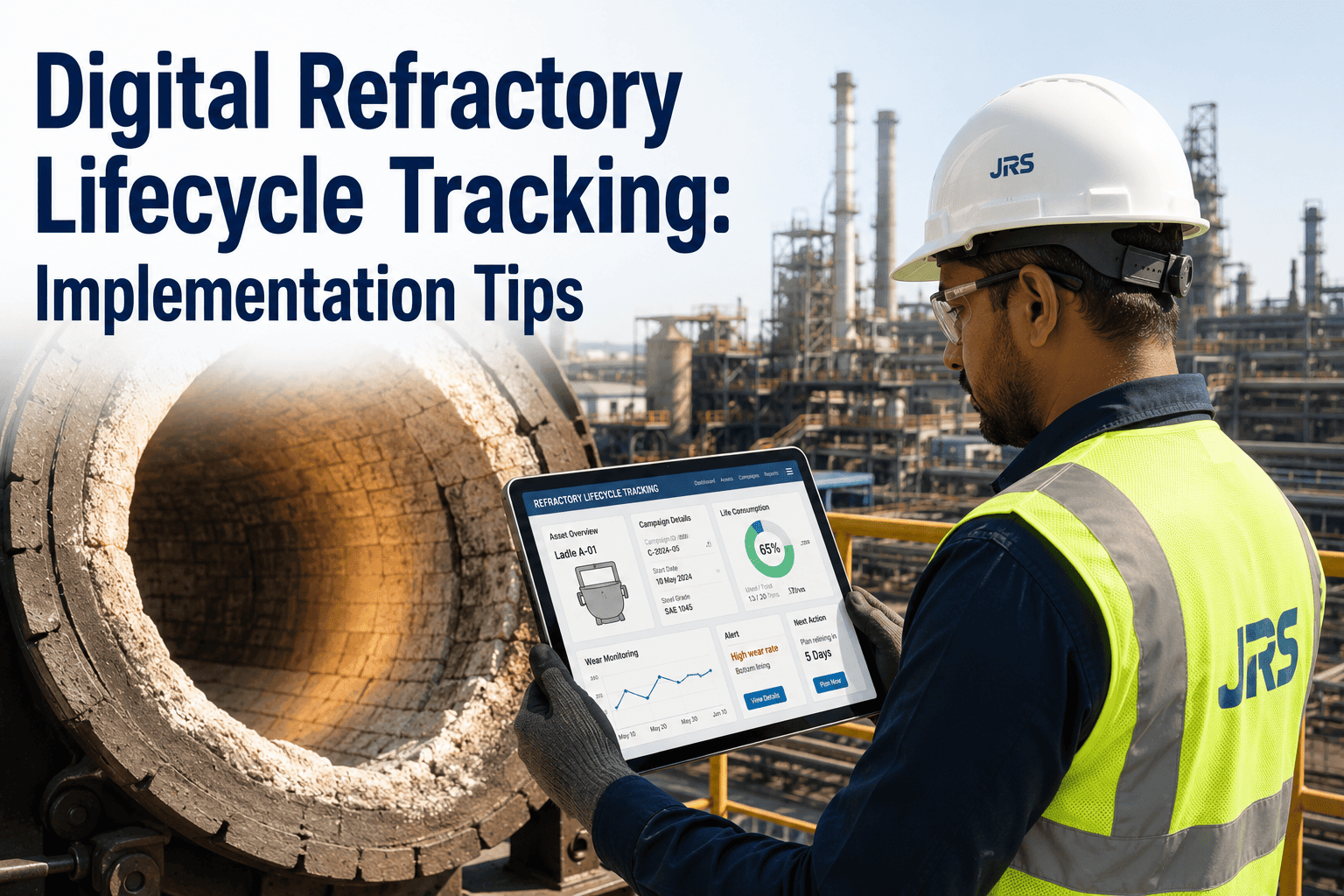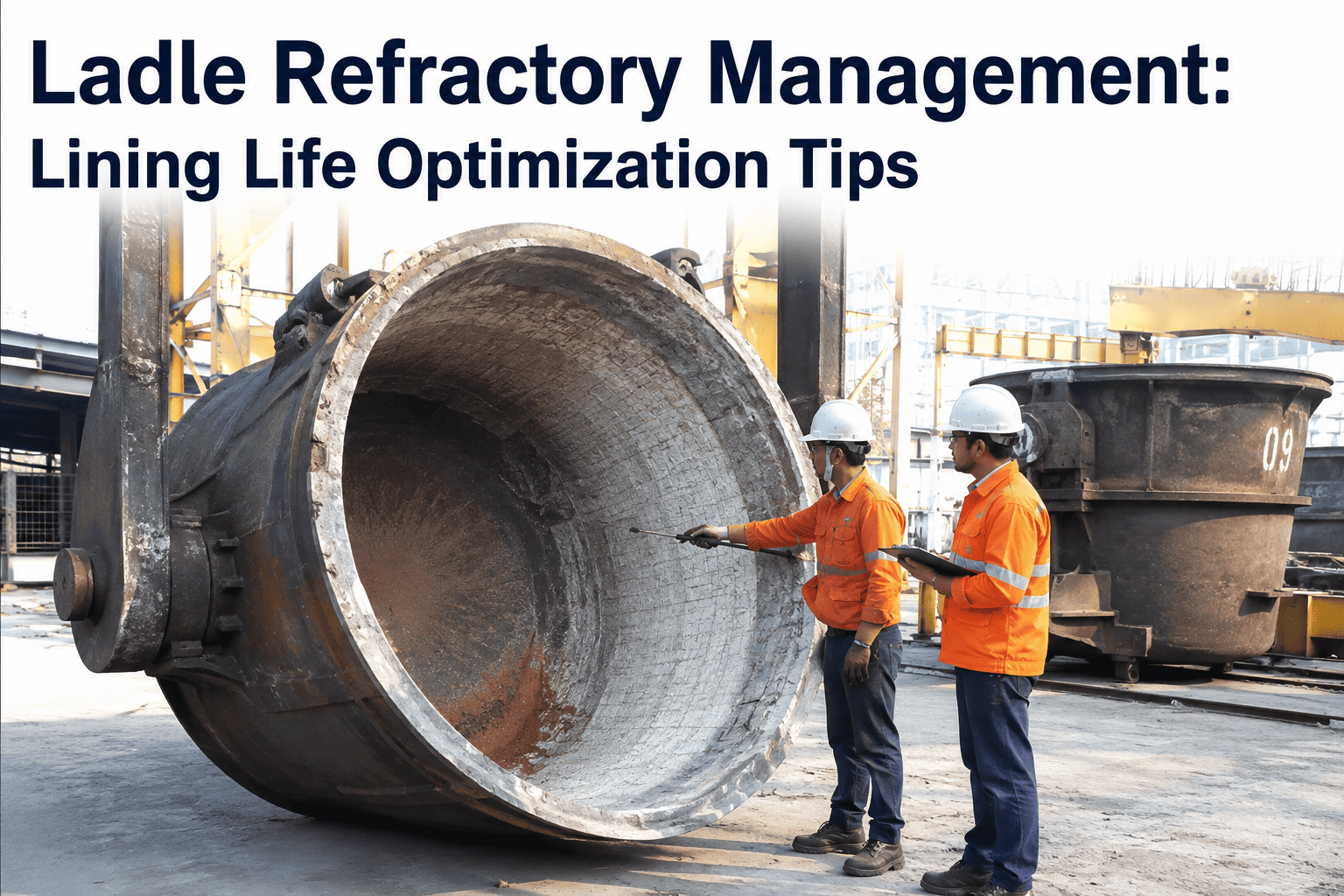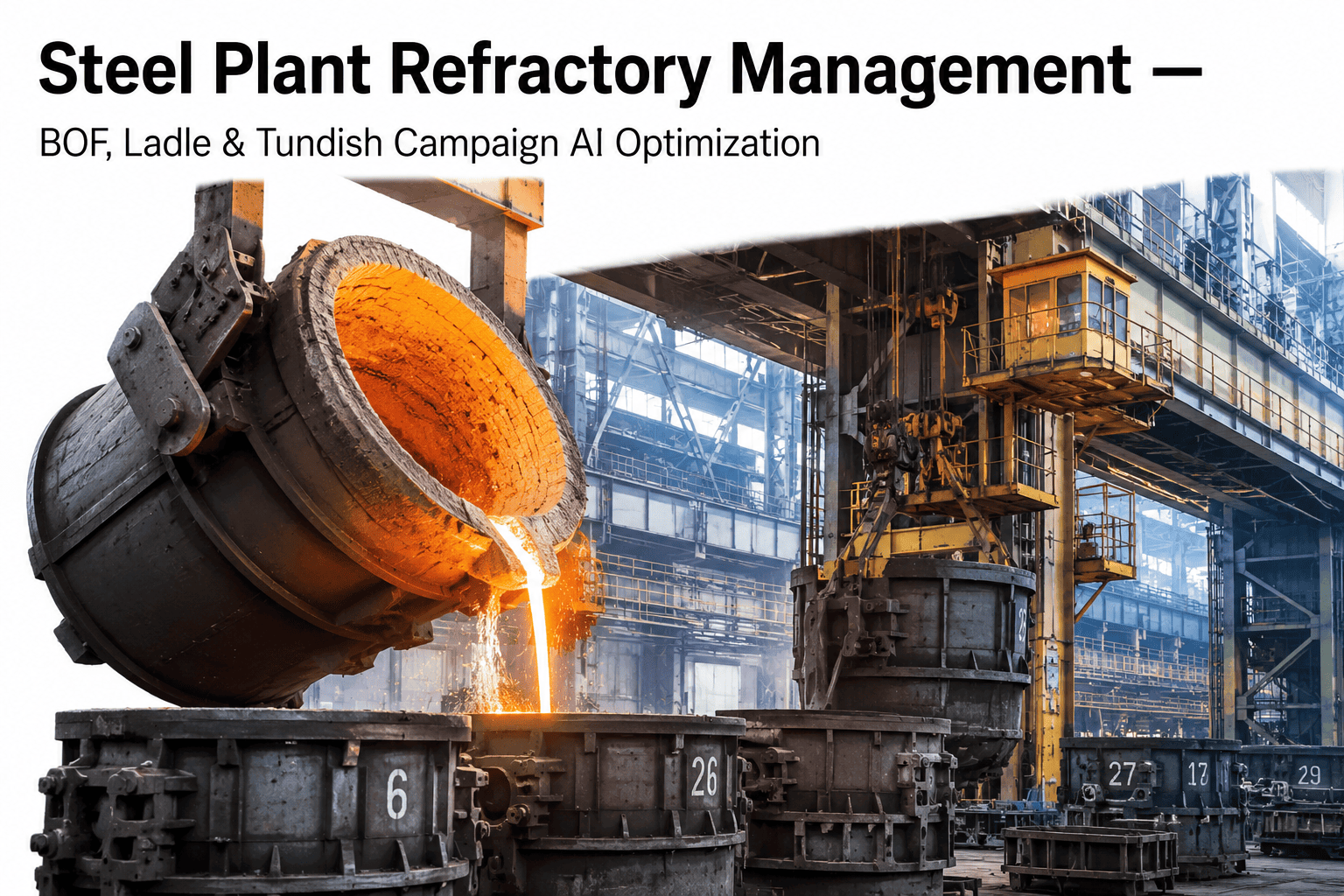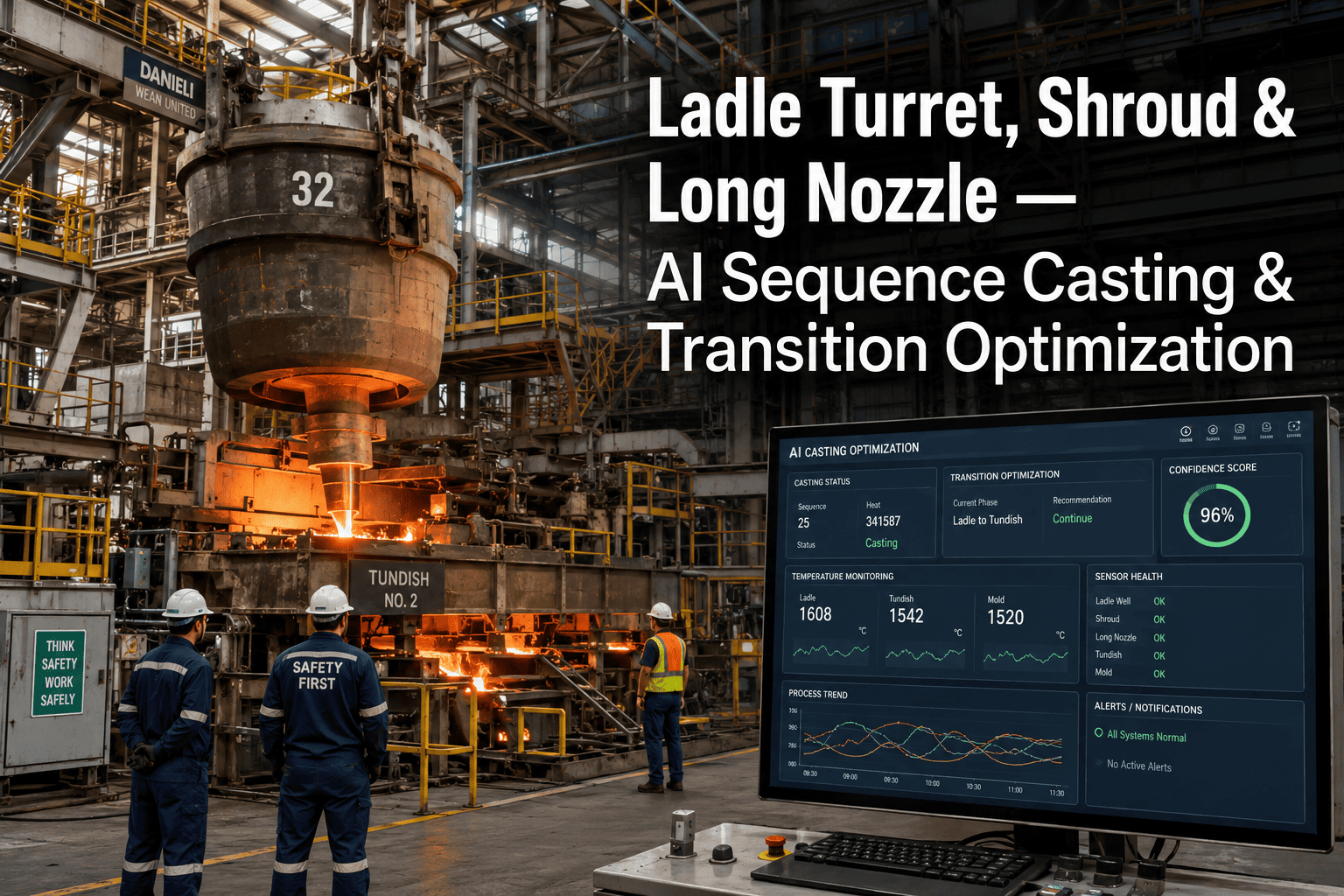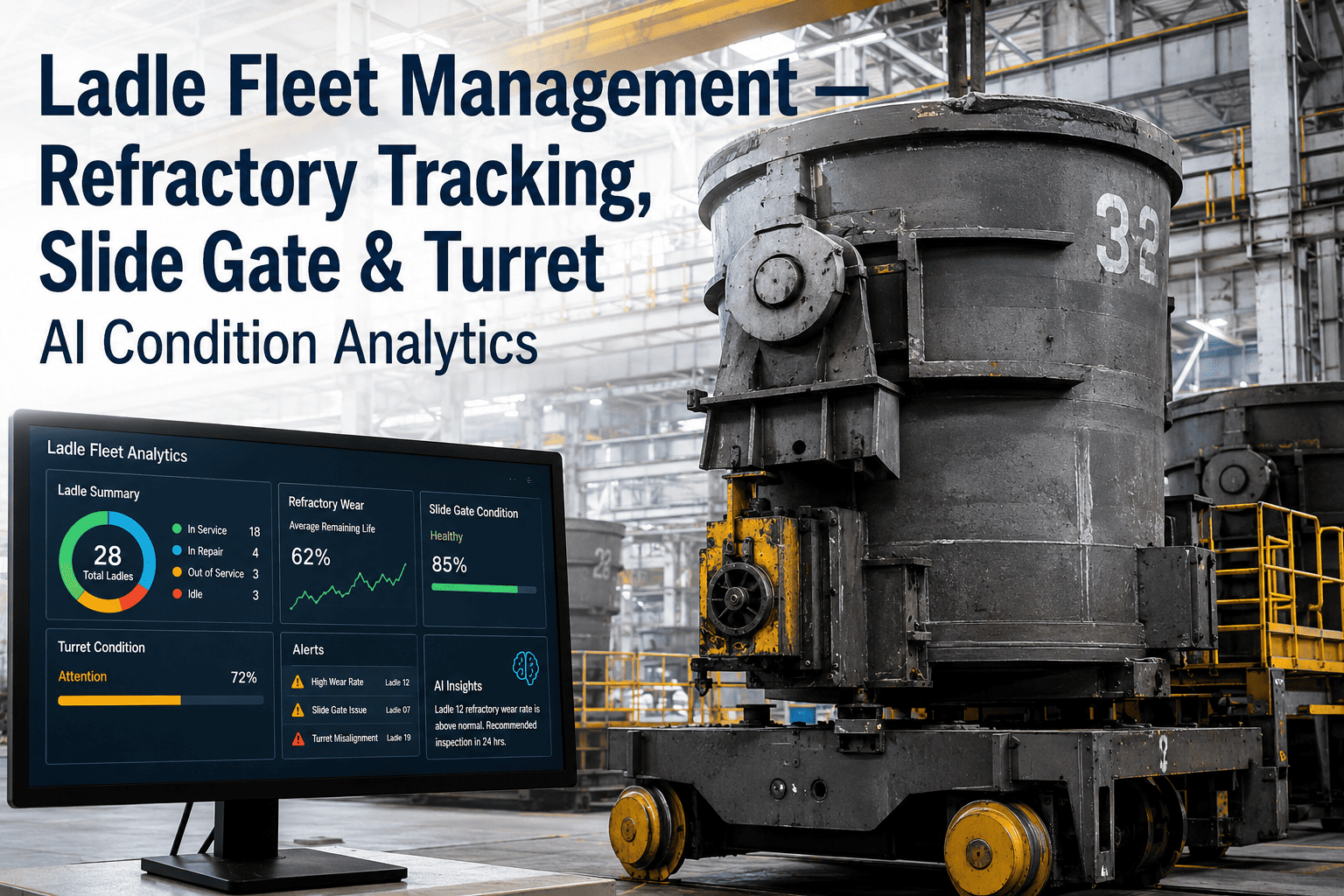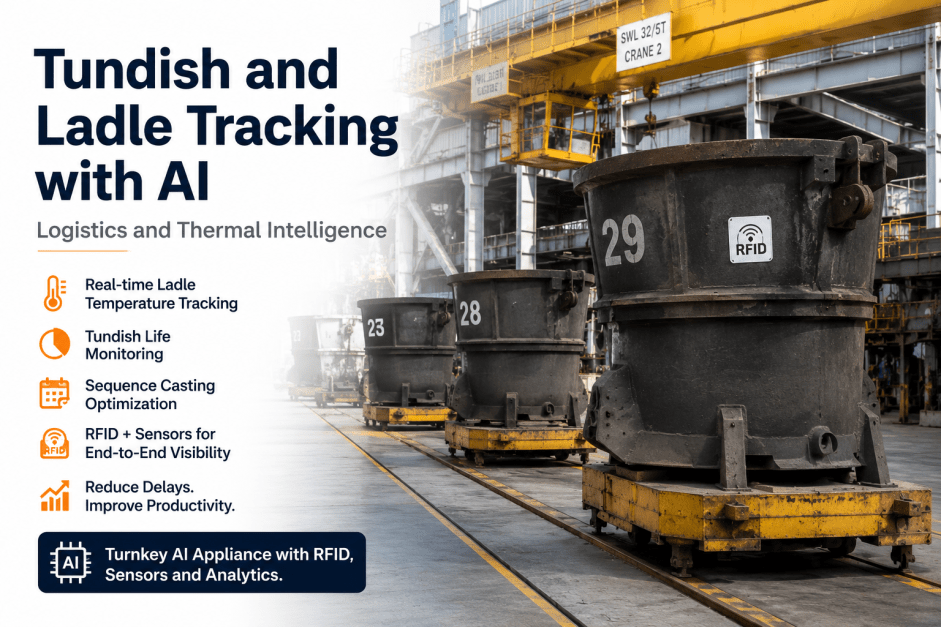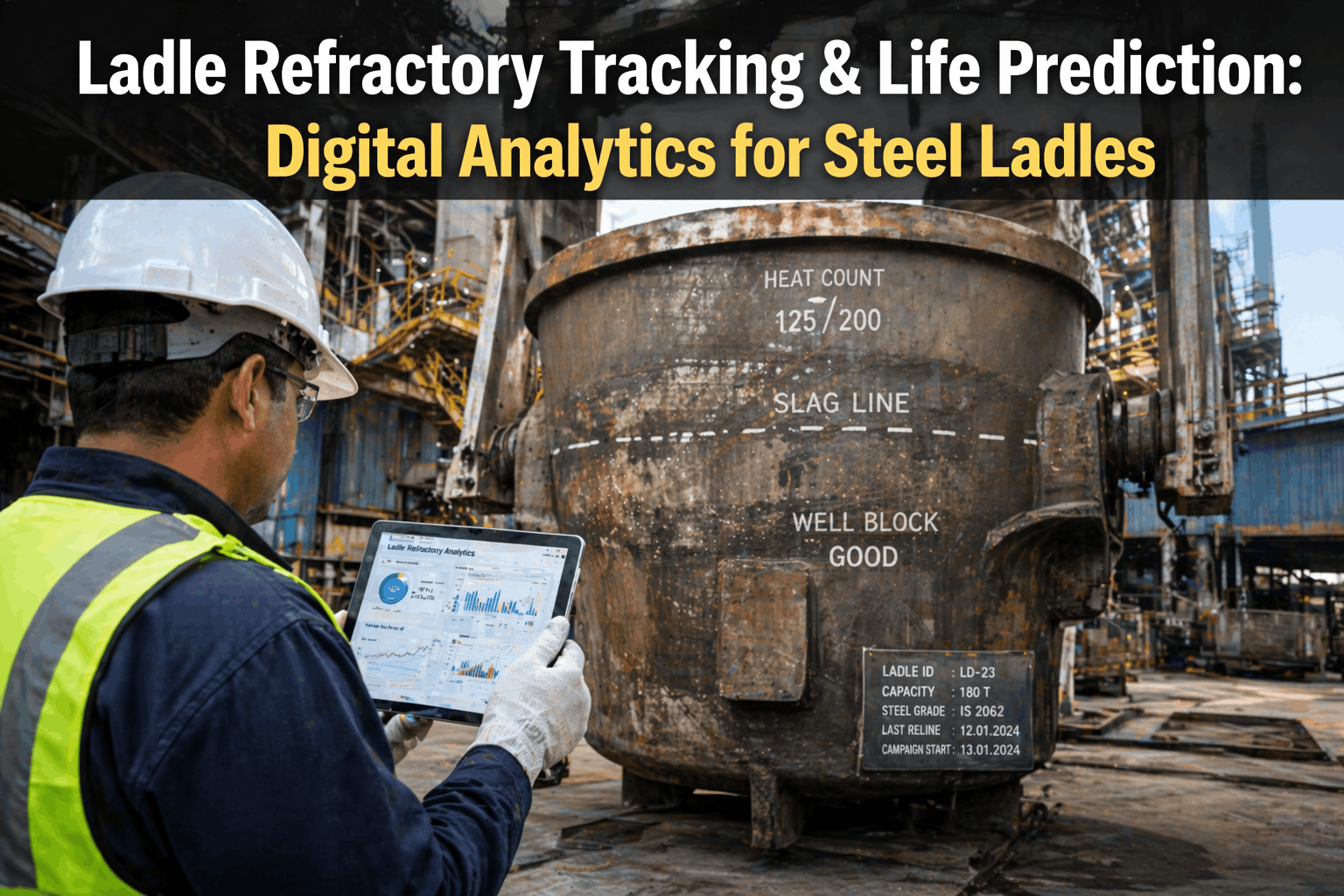
Steel manufacturing assets represent more than industrial machinery — they are living production engines that demand rigorous stewardship, precision analytics, and a preservation strategy built for the modern era. From high-frequency ladle turrets to the refractory-intensive tundish, casting asset analytics is reshaping how steel plants maintain, restore, and future-proof their most critical structures. Without a data-driven approach to continuous casting management, mills face accelerating equipment deterioration, compliance failures, and ballooning emergency restoration costs that strain public and private budgets for decades. This guide delivers actionable insight into how modern analytics platforms are transforming steel mill asset management from reactive crisis response into proactive, evidence-based stewardship.
Is Your Casting Asset Data Working for You?
Unify quality compliance, structural monitoring, and refractory restoration workflows into one intelligent platform designed for high-consequence steel casting structures.
Why Caster Asset Analytics Is Redefining Steel Mill Production Management
The stewardship of ladle turrets and tundish systems has always been uniquely challenging — but the stakes have never been higher. Aging mechanical bearings, refractory lining erosion, and antiquated preheating systems all require specialized metallurgical knowledge combined with real-time monitoring capabilities that traditional facility management approaches simply cannot provide. Modern casting analytics platforms bridge this critical gap by aggregating data from structural sensors, thermal monitors, restoration activity logs, and quality documentation systems into a single, unified intelligence layer. When mill managers book a demo, the most common discovery is that their heritage casting assets are generating enormous volumes of untapped data that — once connected — can prevent irreversible deterioration and dramatically reduce emergency repair expenditures.
The shift from reactive to predictive casting asset management begins with environmental visibility. Tundish refractory is acutely sensitive to thermal fluctuations, slag chemistry, and preheating cycles — conditions that IoT sensors can monitor continuously and flag before they advance to structural damage. This data layer transforms a plant manager's ability to intervene early, protect original fabric, and maintain compliance with global quality standards for the treatment of high-grade steel.
Structural Health Monitoring
Deploy vibration sensors, tilt monitors, and hydraulic detectors across the ladle turret. Receive early-stage degradation alerts before minor bearing wear becomes catastrophic mechanical failure requiring emergency stabilization.
Thermal Flux Monitoring
Track temperature, heat retention, and preheating efficiency in the tundish. Protect refractory finishes and archival ladle materials from thermal-driven deterioration and energy waste.
Restoration Lifecycle Intelligence
Centralize refractory work orders, material specifications, photographic documentation, and compliance records for every active restoration project across the mill's casting portfolio.
Compliance Documentation Automation
Automatically generate quality reports, SHPO-style metallurgical audits, and National Register maintenance logs — eliminating manual documentation burdens and reducing regulatory exposure.
Building a Unified Analytics Architecture for Steel Casting Assets
A purpose-built casting asset analytics platform must address four foundational requirements unique to high-consequence steel facilities: quality compliance tracking, material-specific deterioration monitoring, restoration lifecycle management, and long-range capital forecasting aligned with mill funding cycles. Managers that have already booked a demo consistently report that connecting their fragmented inspection records, contractor logs, and thermal sensor data into a unified analytics layer is the single most impactful step in their program modernization journey.
| Analytics Module | Primary Function | Casting Asset Application | Preservation Benefit | Priority Level |
|---|---|---|---|---|
| Structural Monitoring | Vibration & bearing tracking | Ladle Turret Masts | Early failure intervention | Critical |
| Environmental Analytics | Thermal & preheat control | Tundish & Ladle Interiors | Prevents material degradation | Critical |
| Compliance Reporting | Regulatory documentation | Quality & ISO audits | Zero compliance gaps | High |
| Restoration Lifecycle | Project & refractory tracking | Lining & Nozzle restoration | On-budget delivery | High |
| Capital Forecasting | Long-range cost modeling | Turret, bearings & systems | Predictable CapEx planning | Standard |
How Analytics Platforms Support Global Steel Quality Standards Compliance
Compliance with international steel quality standards is a non-negotiable requirement for any top-tier mill. Yet most steel plants still manage their asset compliance through paper-based inspection reports, disconnected spreadsheets, and manual logs. This approach creates dangerous documentation gaps that can jeopardize customer contracts, endanger safety designations, and expose mills to significant regulatory liability during audit cycles. Modern steel asset analytics platforms address this directly by digitizing every compliance touchpoint — from initial conditions assessments to post-restoration documentation — into a single, audit-ready system of record. Facility directors who book a demo early in their planning cycle consistently achieve stronger regulatory outcomes and faster customer approvals.
Casting Asset Inventory & Condition Assessment Digitization
Create a comprehensive digital registry of all significant casting fabric — turret bearings, ladle linings, tundish preheating systems, interior refractory, and mechanical heritage — mapped against their current condition ratings and preservation priority classifications.
IoT Sensor Deployment for Asset Monitoring
Install thermal sensors, structural health monitors, and hydraulic detectors across high-risk casting zones. Integrate with existing building management systems to create a continuous real-time data stream that captures deterioration trends invisible to periodic visual inspection.
Asset Analytics Platform Activation
Connect all sensor streams, inspection records, contractor documentation, and compliance filings to the central analytics platform. Configure role-specific dashboards for reliability engineers, facility managers, and quality control staff.
Predictive Deterioration Modeling
Enable AI-driven deterioration forecasts that automatically generate restoration work orders when sensor data indicates early-stage material failure. Prioritize interventions by asset significance — ensuring that character-defining features receive priority treatment before damage becomes irreversible.
Long-Range Asset Capital Planning
Leverage historical condition data to generate 10-, 20-, and 30-year capital replacement forecasts aligned with mill funding cycles. Build defensible budget justifications for furnace relining, turret bearing replacements, and long-range system upgrades.
Top Operational Gaps in Steel Casting Asset Management
Most mills pursuing improvements to their **casting asset service** programs encounter a predictable set of operational and documentation challenges. Understanding these gaps before a platform deployment dramatically improves implementation success and helps plant managers allocate finite budgets more strategically across complex **steel casting structure** portfolios.
Condition assessment reports, contractor punch lists, and materials testing data sit in disconnected systems — making it impossible to track deterioration trends over time or correlate maintenance interventions with structural outcomes.
Quality audit records, ISO correspondence, and maintenance support documents are managed manually, introducing documentation gaps that create regulatory exposure during customer audits and grant reviews.
Most steel plants lack continuous thermal monitoring, leaving original refractory, ladle floors, and decorative tundish finishes vulnerable to undetected humidity fluctuations and heat infiltration events.
Without predictive analytics, restoration projects are triggered only after visible deterioration — a reactive posture that consistently results in more invasive treatments, higher costs, and greater loss of original asset fabric.
Long-range capital plans built on periodic visual inspections rather than continuous sensor data consistently underestimate funding requirements, leading to deferred maintenance backlogs that compound deterioration.
Integrating modern IIoT sensors into legacy asset fabric without a unified analytics framework creates undocumented interventions that violate safety standards and void compliance certifications.
Closing these gaps requires more than off-the-shelf maintenance software — it demands a purpose-built platform designed for the compliance complexity and material sensitivity of steel casting assets. Reliability officers regularly book a demo to benchmark their gaps against a proven industrial analytics architecture.
Integrating Modern Systems Into Steel Casting Assets: Analytics-Guided Approaches
One of the most technically demanding aspects of **casting asset restoration** is the responsible integration of modern digital sensors into protected industrial fabric. Turret upgrades, thermal retrofits, and security system installations must all be designed to avoid, minimize, and mitigate impacts to character-defining features. A robust **steel asset analytics** platform supports this process by maintaining detailed documentation of every system penetration, material alteration, and reversible intervention — creating a complete digital record that satisfies international standards and supports future preservation planning.
Key Casting Asset Analytics Capabilities for Steel Plant Programs
Maintain continuous digital condition records for historic ladle linings, tundish finishes, and original woodwork — with automated degradation alerts linked to thermal sensor data.
Centralize before/during/after photographic documentation, material specifications, and treatment rationale for every restoration project in an audit-ready digital archive.
Track every IIoT intervention against the industrial fabric baseline — documenting reversibility, material impacts, and compliance with applicable safety standards.
Automatically generate performance reports for energy-saving retrofits, demonstrating measurable decarbonization outcomes aligned with global sustainability requirements.
Modernize Your Steel Casting Asset Stewardship Program Today
Deploy a unified analytics platform that integrates structural monitoring, thermal preservation, restoration documentation, and compliance reporting — built specifically for steel manufacturing assets.
Steel Casting Asset Analytics — Common Questions Answered
What types of steel casting assets benefit most from analytics platforms?
Any high-capital structure critical to the casting sequence benefits significantly. This includes ladle turrets, tundish preheating stations, ladle car systems, and other equipment with significant metallurgical or mechanical character. The platform is equally effective for single-caster programs and multi-caster plant portfolios.
How does casting asset analytics support ISO quality compliance?
The platform digitizes and centralizes all audit records, non-conformance reports, and project documentation — creating an immutable, audit-ready record that satisfies international quality requirements. Automated reporting tools dramatically reduce the staff hours required to prepare compliance submissions.
Can the platform integrate with existing SCADA systems in legacy casting bays?
Yes. The platform uses vendor-neutral API architecture to connect with existing SCADA, PLC, energy metering, and thermal monitoring systems — including legacy systems common in older mills. Integration is designed to be minimally invasive, preserving asset fabric while capturing comprehensive operational data.
How does the platform help manage modern IIoT integration in casting assets?
Every sensor intervention, material alteration, and reversible modification is documented in the platform against the existing conditions baseline. This creates a complete digital record demonstrating compliance with safety standards, supporting internal reviews, and preserving institutional knowledge across staff transitions.
What is the typical ROI for a steel asset stewardship analytics deployment?
Most mills achieve measurable ROI within the first two years through reductions in emergency stabilization costs, elimination of manual compliance reporting labor, and more efficient allocation of capital budgets. By year three, predictive modeling prevents significant material losses that would otherwise require costly emergency interventions.
How does the platform handle sensitive metallurgical data and plant security?
All asset records, structural drawings, and security-sensitive plant data are stored in enterprise-grade cloud environments with AES-256 encryption at rest and in transit. Role-based access controls ensure that sensitive architectural drawings and security documentation are accessible only to authorized staff.