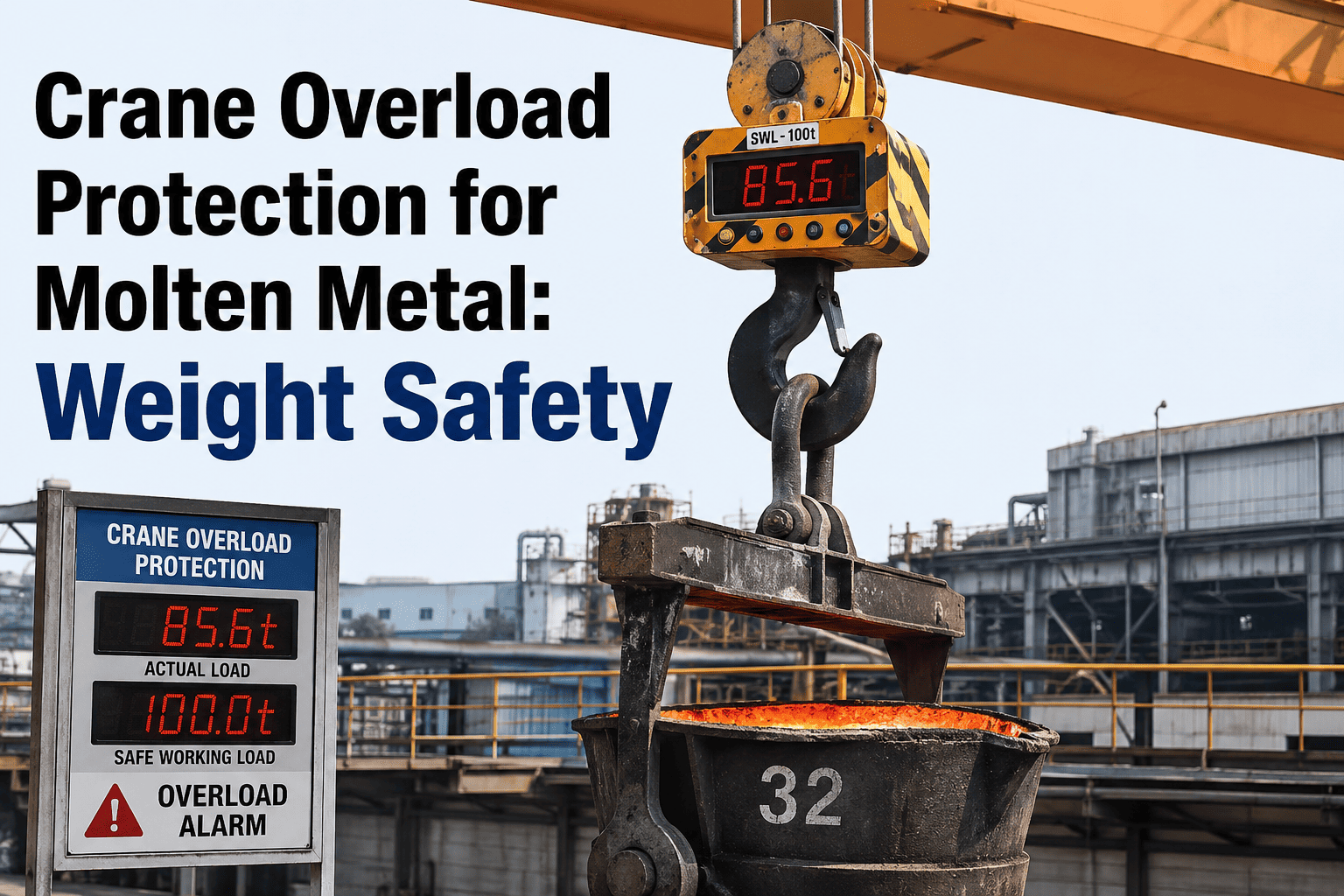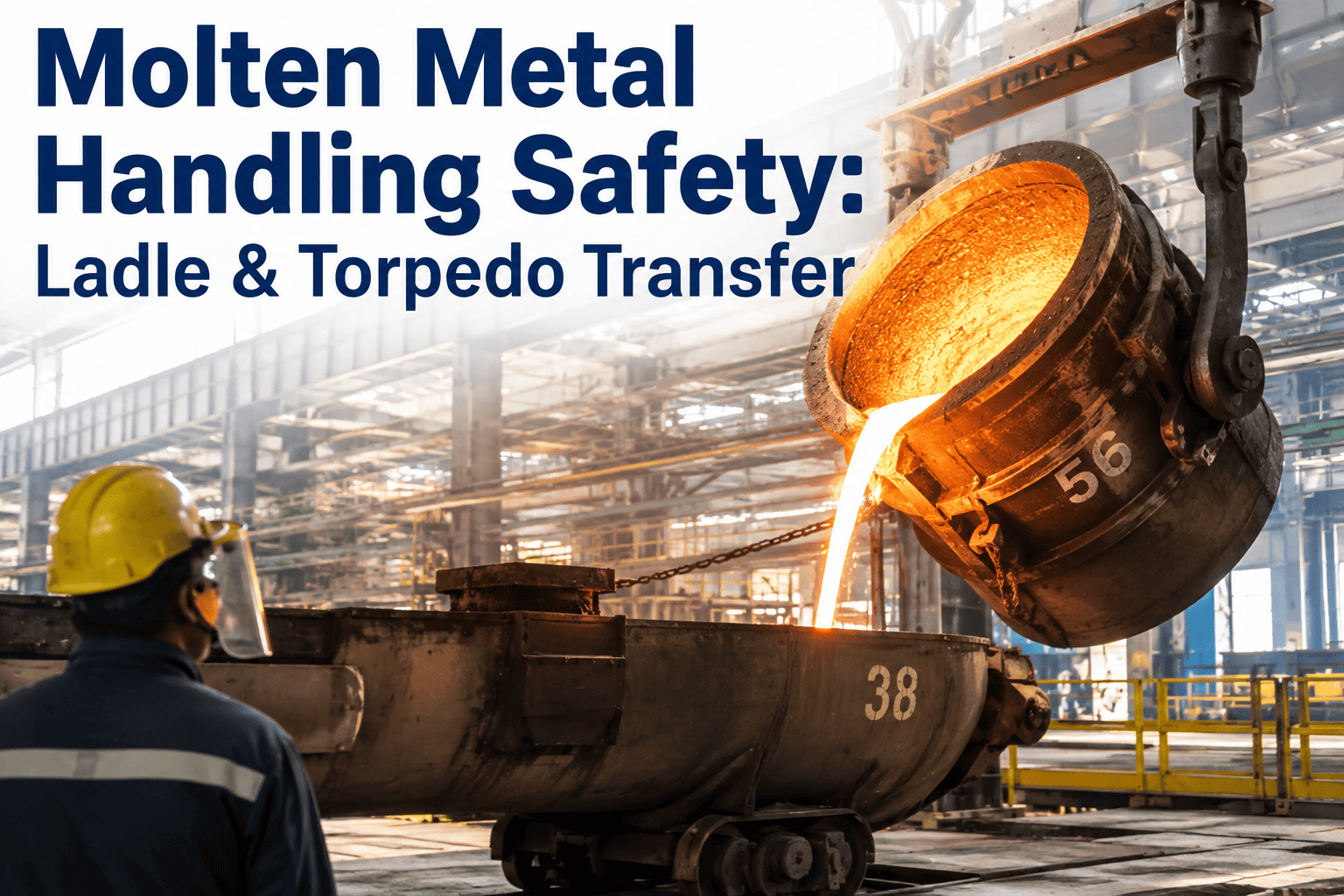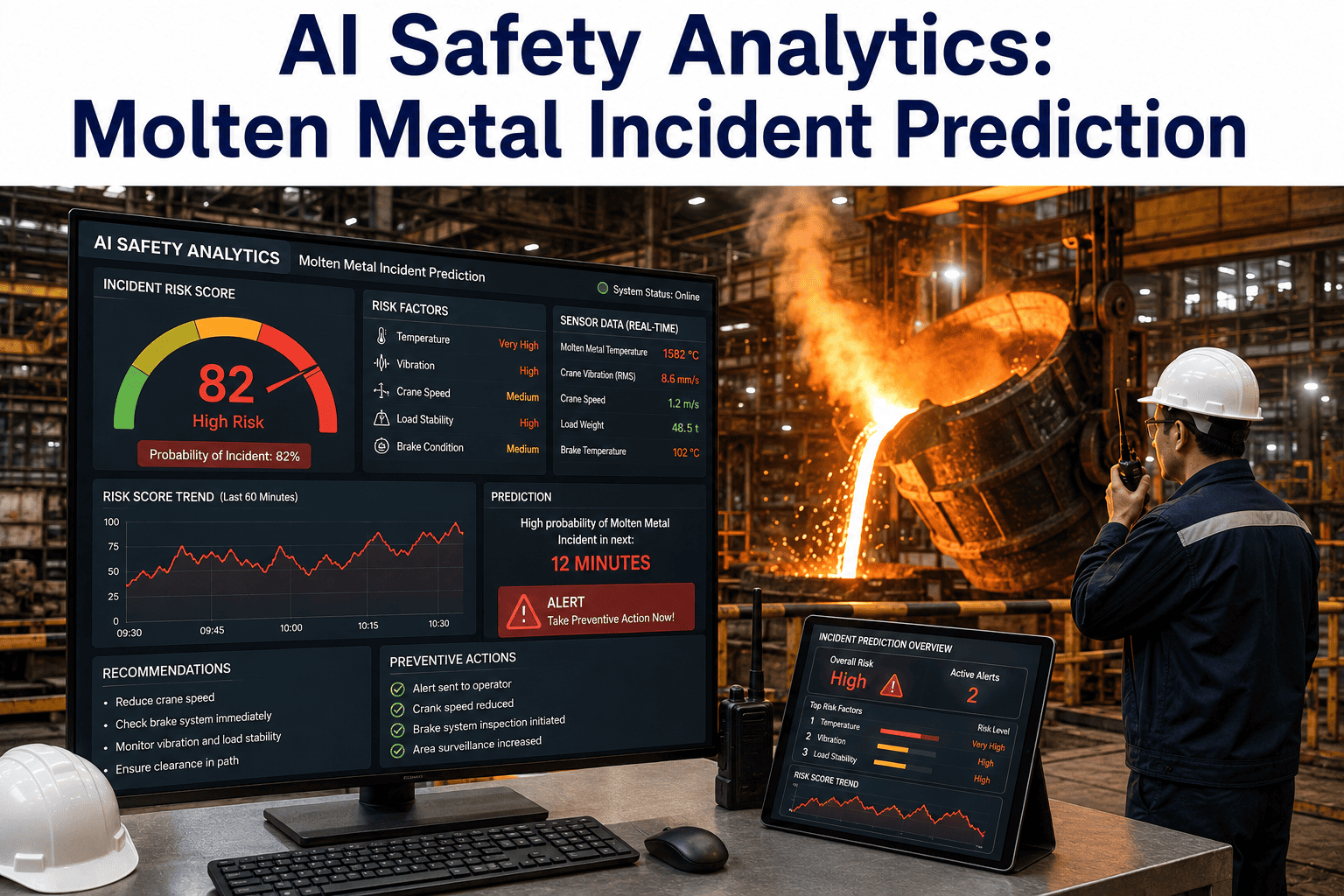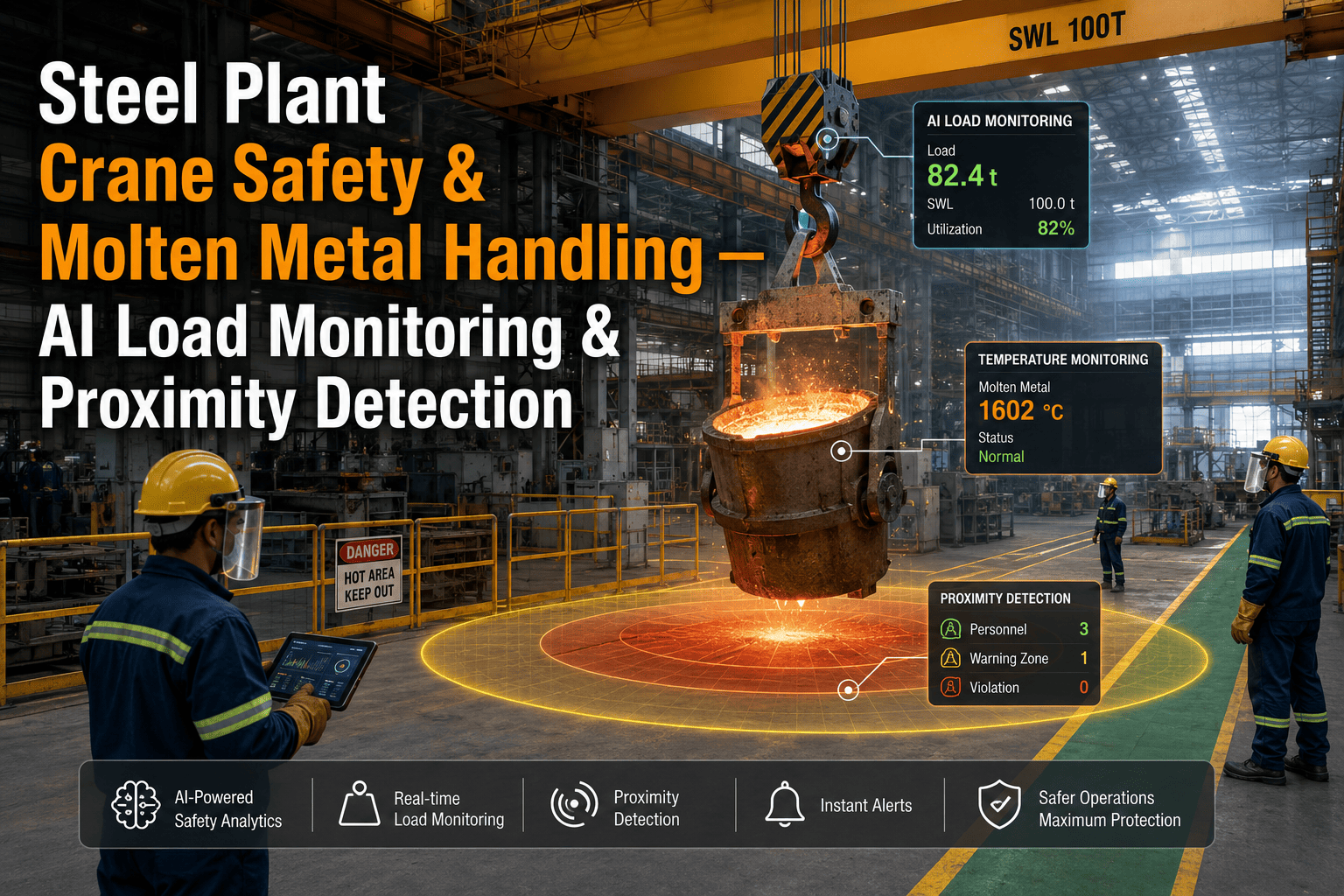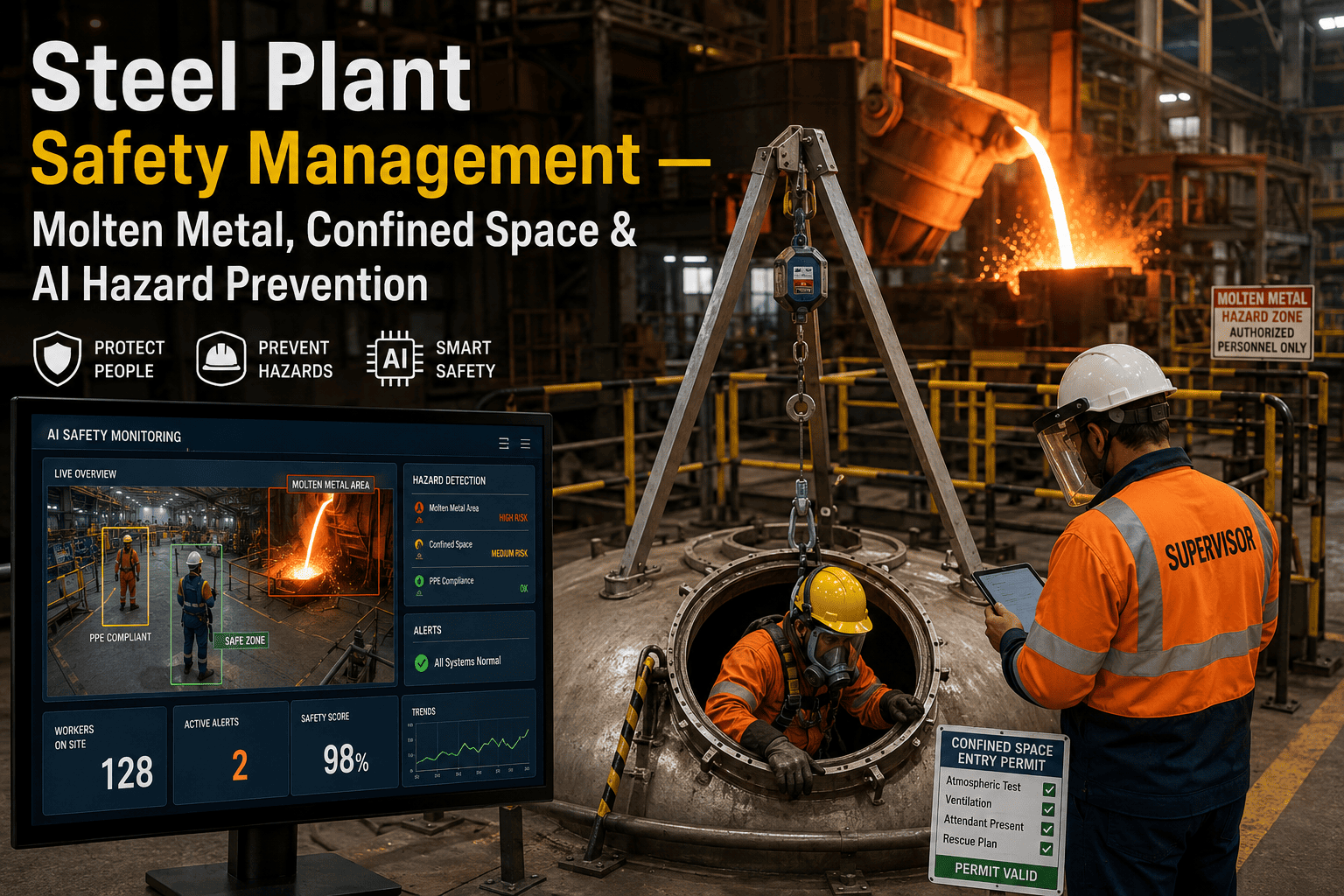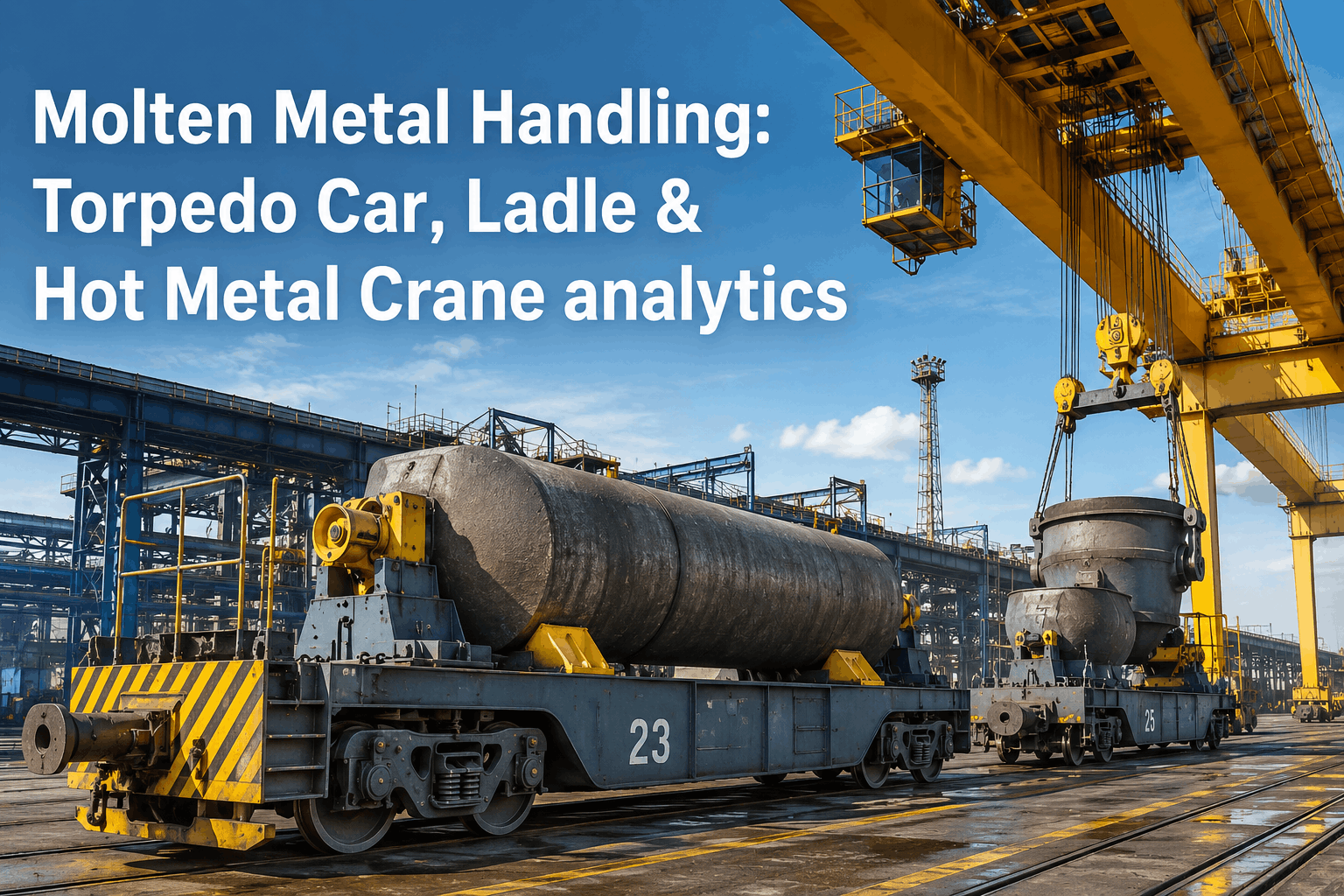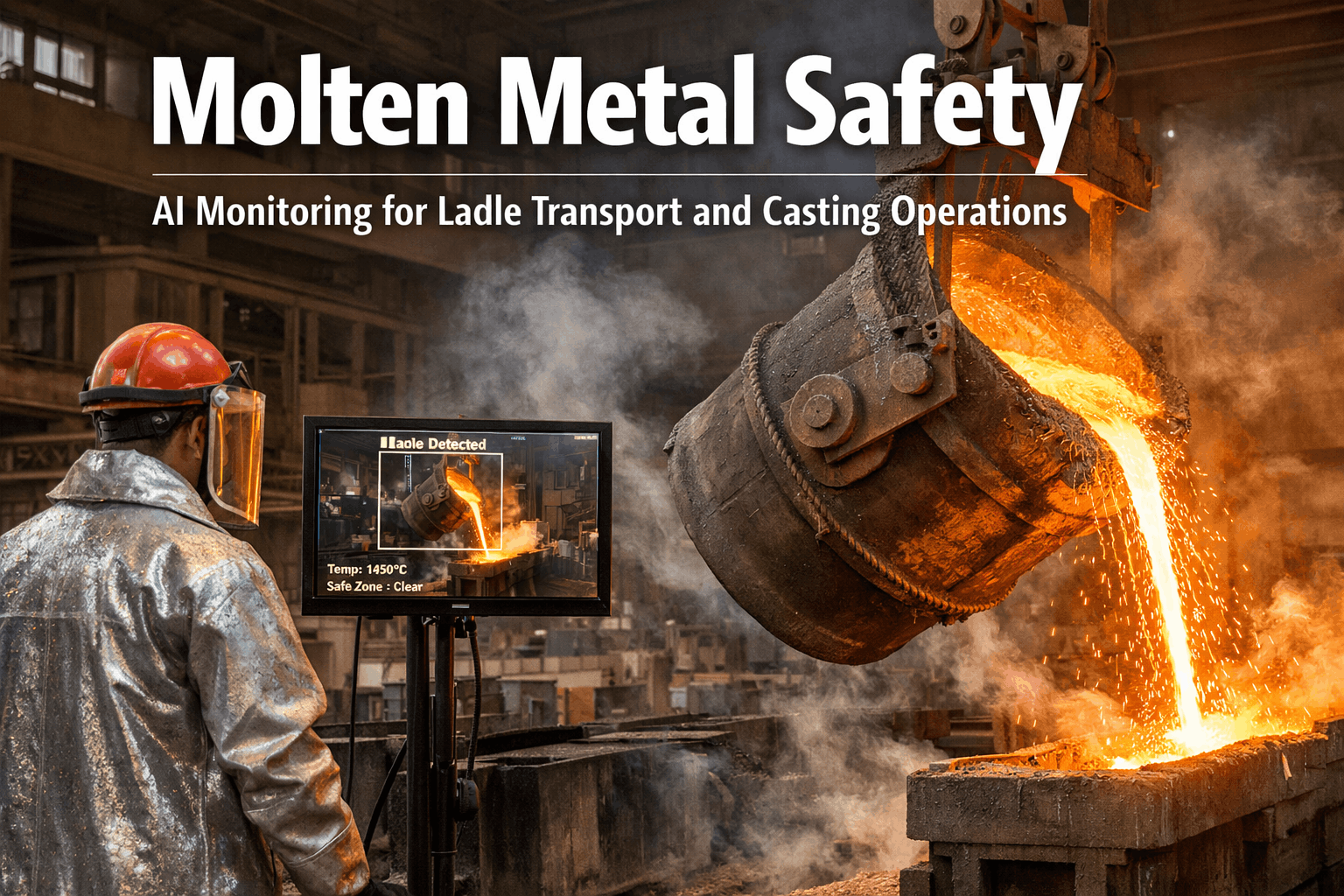
Molten metal is the most dangerous material in any industrial facility — at temperatures exceeding 1,500°C, a single ladle tipping accident can kill dozens of workers in seconds, a refractory breakout can cause $15,000 per minute in production losses, and water contact with liquid steel creates instantaneous steam explosions with zero warning. The deadliest ladle accident in modern history killed 32 workers when 30 tonnes of liquid steel spilled from a transport rail — an incident traced directly to substandard equipment and absent safety monitoring. In 2026, AI-powered monitoring systems using vision analytics, thermal imaging, IoT sensor fusion, and real-time ladle tracking are transforming how steel plants, foundries, and casting operations protect workers during the most lethal phase of metal production. iFactory's AI platform brings this life-critical monitoring to your molten metal operations. Book a free safety consultation and discover how AI-powered monitoring detects ladle failures, crane hazards, and casting anomalies before they become fatal.
Molten Metal Safety: AI Monitoring for Ladle Transport and Casting Operations
Monitor. Protect. Cast Safely.
Every ladle of molten steel at 1,600°C is a potential catastrophe — from refractory breakouts and crane hook failures to molten metal–water explosions and transport spills. iFactory's AI-powered safety platform deploys vision analytics, infrared thermal monitoring, real-time ladle tracking, and predictive refractory analysis to protect workers across every stage of molten metal handling — from furnace tapping through ladle transport, refining, and continuous casting.
During Ladle Transport
Ladle Failure Downtime
AI Ladle Monitoring
What Goes Wrong With Molten Metal — And Why It Kills
Molten metal operations combine the highest temperatures, heaviest loads, and most violent failure modes in all of industry. Every stage from tapping to casting presents distinct lethal hazards that manual monitoring cannot adequately address.
How iFactory Monitors Every Stage of Molten Metal Operations
A comprehensive AI monitoring system that provides 360° visibility across every molten metal hazard — from ladle refractory integrity and crane operations to transport tracking and continuous casting level control.
Deploying Molten Metal Safety Monitoring — Phase by Phase
Our 6-phase deployment framework creates comprehensive AI-powered protection across every molten metal operation in your facility. Schedule a demo to get a deployment plan tailored to your melt shop.
Molten Metal Flow Audit & Risk Zone Identification
We trace the complete path of molten metal through your facility — from furnace tapping through ladle transport, refining, and continuous casting. Every crane path, transfer point, worker zone, and equipment intersection is mapped to identify spill risk radii, breakout exposure areas, and moisture ingress points.
IR Cameras, Vision AI, and IoT Sensor Deployment
Install infrared thermal cameras for continuous refractory monitoring, vision AI cameras at every crane station and transfer point, load cells and position sensors on ladle handling cranes, electromagnetic and vision-based mold level monitors, and moisture detection sensors at scrap and material charging areas. All sensors rated for extreme heat, dust, and vibration.
Refractory Model, Spill Simulation & Crane Analysis
Build digital twins of every ladle's refractory lining — mapping wall thickness by zone, tracking wear rates per heat, and predicting remaining campaign life. Simultaneously model molten metal spill paths at various ladle heights to calculate safety radii, and analyze crane structural fatigue patterns to predict mechanical failure risk.
Breakout Prediction, Hook AI & Level Control Models
Deploy machine learning models that predict refractory breakouts by analyzing thermal patterns across ladle zones, vision AI that verifies correct hook engagement before every lift, mold level intelligence that maintains optimal metal height during casting, and transport risk scoring that tracks ladle position, speed, and tilt angle throughout every movement.
Safety Interlock Connection & Alert Calibration
Connect AI monitoring outputs to crane control systems for closed-loop safety interlocks — crane movement halts automatically during safety violations. Calibrate breakout alert thresholds, worker geo-fencing exclusion zones, and SOP compliance monitoring. Integrate with existing plant control systems and CMMS for automated work order generation.
24/7 Monitoring, Autonomous Response & Continuous Learning
The system operates continuously — monitoring every ladle, crane, and casting operation in real time. Refractory wear models update after every heat, hook position AI improves with each lift cycle, and worker safety zones adapt dynamically based on ladle height and transport path. Complete audit trails ensure regulatory compliance.
Why AI Monitoring Is Essential for Molten Metal Operations
The combination of extreme temperatures, massive loads, and violent failure modes makes molten metal handling the single most dangerous operation in any steel plant. Here's what the data shows.
| Safety Metric | Manual Monitoring | With AI Safety Systems | Improvement |
|---|---|---|---|
| Refractory Breakouts | Visual checks between heats | Continuous IR + laser scanning | Predicted heats ahead |
| Hook Engagement Errors | Manual visual confirmation | Vision AI verifies every lift | Near-zero error rate |
| Ladle Uptime | 96% typical availability | 98.6% with predictive monitoring | 96% → 98.6% |
| Casting Level Accuracy | Manual observation, ±15mm | AI vision + electromagnetic, ±2mm | 28% better control |
| Worker Exposure | Workers near 1,600°C metal | Remote monitoring + geo-fencing | Minimal exposure |
| Refractory Campaign Life | Conservative early replacement | Data-driven optimal replacement | Extended by multiple heats |
From refractory breakouts to crane failures, the consequences of manual monitoring are measured in lives lost. Schedule your free safety assessment now
From Audit to 24/7 Protection — Project Phases & Deliverables
A molten metal safety monitoring system deployment runs 8–14 weeks from initial hazard mapping to full autonomous operation. Book a consultation to scope a timeline for your facility.
| Phase | Focus Area | Timeline | Key Deliverables | Risk Mitigated |
|---|---|---|---|---|
| 01 Hazard Map | Molten metal flow audit | 1–2 weeks | Risk zone map, spill radii | Unknown exposure |
| 02 Sensors | IR, vision, load, level sensors | 2–3 weeks | Live sensor grid, data feeds | Monitoring blind spots |
| 03 Digital Twin | Refractory model, spill sim | 1–2 weeks | Ladle wear maps, spill models | Undetected wear |
| 04 AI Models | Breakout, hook, level AI | 2–3 weeks | Trained models, dashboards | Missed degradation |
| 05 Integration | Interlocks, alerts, CMMS | 1–2 weeks | Connected safety systems | Response delays |
| 06 Full Ops | 24/7 monitoring, auto-response | Ongoing | Live protection, audit logs | Catastrophic failure |
Manual Monitoring vs. AI-Powered Molten Metal Safety
Purpose-Built for Molten Metal Environments
iFactory is engineered specifically for the extreme conditions of molten metal operations — not a generic monitoring platform adapted for high temperatures. See it in action
360° Ladle Monitoring Coverage
Every ladle zone receives targeted monitoring — slag line IR scanning for the most aggressive wear, tap pad thermal tracking for impact damage, sidewall thickness mapping for thermal cycling degradation, bottom profiling for purging plug erosion, and slide gate analysis for plate wear. No blind spots across the entire refractory surface.
Vision AI Hook Verification System
Computer vision analyzes hook position in real time at every crane station, automatically identifying whether the ladle is hooked correctly before permitting lift operations. Closed-loop integration with crane controls prevents movement during safety violations — shifting from human defence to technical defence for the most dangerous lift in the plant.
Dynamic Worker Geo-Fencing
AI-powered positioning tracks ladle height, transport path, and tilt angle in real time — dynamically calculating risk radii and enforcing worker exclusion zones that adapt to actual conditions. Research shows workers consistently underestimate safe distances from ladles at height; the AI enforces evidence-based safety perimeters automatically.
Predictive Refractory Campaign Management
Instead of conservative early replacement (wasting refractory life) or risky extended campaigns (risking breakout), AI optimizes the exact replacement timing for each ladle based on actual wear data, steel grade history, slag aggressiveness, and thermal cycling patterns — maximizing campaign life while maintaining zero-breakout safety margins.
Molten Metal Operations & Equipment Monitored
iFactory monitors every stage and asset in the molten metal handling chain — from furnace tap to solidified product. Schedule a demo to see monitoring mapped to your melt shop layout.
How AI Addresses Each Molten Metal Failure Pathway
Each phase of molten metal handling presents distinct failure modes with unique physics. Here's how iFactory's AI specifically addresses the highest-risk scenarios.
The Financial and Human Case for AI Molten Metal Monitoring
The cost of a single molten metal incident — in human lives, equipment destruction, and production losses — makes AI monitoring not an expense but an insurance policy that pays for itself.
| Impact Category | Without AI Monitoring | With iFactory | Value Protected |
|---|---|---|---|
| Worker Safety | Workers near 1,600°C metal | Remote monitoring + geo-fencing | Lives protected |
| Breakout Prevention | $15K–$30K repair + $15K/min loss | Predicted and prevented | $100K–$500K+ per event |
| Ladle Uptime | 96% availability typical | 98.6% with predictive monitoring | 339 extra operating days |
| Refractory Costs | Conservative early replacement | Data-driven optimal timing | Extended campaign life |
| Energy Savings | Cool ladles for manual inspection | Hot-state scanning, no cooldown | $78K+/year per system |
| Casting Quality | ±15mm level variance, defects | ±2mm precision, fewer rejects | Higher yield & quality |
With $15,000/minute production losses and $30,000 repair costs, the ROI math is immediate. Get your custom ROI analysis
Molten Metal Safety Monitoring — Questions Answered
What are the most dangerous phases of molten metal handling?
The highest-risk phases are ladle transport (crane hook failures, tipping events, rail separation), ladle filling/tapping (splashing, overflow, moisture contact), continuous casting (mold breakouts, level overflow), and ladle turret operations (misalignment, spillage). Research into ladle tipping accidents shows that when ladle height exceeds 7 meters, workers must find shelter from potential splash zones — yet most facilities lack automated enforcement of safety perimeters. Book a free hazard assessment to map your facility's specific risk profile.
How does AI predict refractory breakouts before they happen?
Infrared thermal cameras continuously scan ladle outer shells during operation, detecting hot spots that indicate refractory thinning. Laser profiling measures actual wall thickness at each zone — slag line, sidewalls, bottom, tap pad — after every 5–6 heats. AI models correlate these measurements with steel grade history, slag chemistry, and thermal cycling data to predict remaining campaign life and generate maintenance work orders before thickness reaches critical thresholds. Even 10mm of unexpected wear in the slag line zone can create breakout risk. Schedule a demo to see refractory prediction in action.
What is the Vision AI hook verification system?
Wireless video monitoring installed on overhead cranes, combined with UWB (ultra-wideband) positioning, identifies the crane location and switches to the corresponding station video feed. AI algorithms analyze the hook position in real time, automatically determining whether the ladle is hooked correctly before permitting lift operations. Closed-loop integration with crane controls prevents movement during violations — transforming safety from human-dependent visual confirmation to AI-verified technical control.
How does the system prevent molten metal–water explosions?
Multiple layers of protection: automated moisture scanning of incoming scrap and raw materials before charging, continuous cooling water system monitoring (flow rates, pressure differentials, temperature anomalies) to detect developing leaks, and environmental humidity sensors at all charging and tapping areas. When any sensor detects conditions that could lead to water–metal contact, the system triggers immediate alerts and can halt charging operations automatically — preventing the instantaneous steam expansion events that occur when water meets liquid steel at 1,600°C.
Can it work with our existing crane and casting systems?
Yes. iFactory integrates with existing crane control systems, PLC/SCADA infrastructure, and continuous casting machines through standard industrial protocols. Non-invasive sensors — thermal cameras, vision AI, load cells, and position monitors — attach to existing equipment without requiring modifications or production shutdowns. The system is specifically designed for brownfield steel plants running legacy equipment where safety risks are highest.
What is the deployment timeline?
A standard molten metal safety monitoring deployment runs 8–14 weeks: hazard mapping (1–2 weeks), sensor installation (2–3 weeks), digital twin build (1–2 weeks), AI model training (2–3 weeks), and safety integration (1–2 weeks). Basic thermal monitoring and hook verification go live within the first 3–4 weeks, providing immediate protection while the full predictive system is calibrated. Book a consultation to scope your timeline.
What ROI can we expect from molten metal safety monitoring?
The ROI is immediate and dramatic. A single prevented refractory breakout saves $15,000–$30,000 in repair costs plus $15,000/minute in production losses — often exceeding the entire system cost. Facilities report uptime improvements from 96% to 98.6%, energy savings of $78,000+ per year (by eliminating ladle cooldown for inspection), and capacity gains equivalent to 339 additional operating days. The human cost avoided — worker fatalities and life-altering burn injuries — makes the financial case secondary. Visit our Support Center for detailed case studies.
How does dynamic geo-fencing protect workers?
AI continuously calculates safety exclusion zones based on real-time ladle position, height, tilt angle, and transport speed. Research shows that the maximum risk radius increases with ladle height — and that workers consistently underestimate safe distances. The system enforces evidence-based safety perimeters that adapt dynamically to actual conditions, alerting workers who enter danger zones and providing data managers need to establish enforceable safety rules. Schedule a consultation to discuss worker protection.
Every Ladle Is a Life-or-Death Operation. Monitor Them Like It.
Molten metal at 1,600°C doesn't give second chances. When a ladle fails, a refractory breaks out, or a crane hook slips — workers die in seconds. Let our heavy-industry safety specialists show you exactly how AI-powered monitoring detects the failures, degradation, and anomalies that cause molten metal catastrophes — weeks before they become deadly.